
True Bugs, Cicadas, Hoppers, Aphids and Allies
Order Hemiptera
The True Bugs, Cicadas, Hoppers, Aphids and Allies (Order Hemiptera) includes 7,349 species across 120 families and 1,727 genera in our directory.
About True Bugs, Cicadas, Hoppers, Aphids and Allies
Hemiptera (true bugs) includes over 80,000 described species across cicadas, aphids, leafhoppers, shield bugs, and bed bugs. Aphids alone cost global agriculture an estimated $2.5 billion annually in crop losses.
Economic Impact
The brown marmorated stink bug (Halyomorpha halys) caused $37 million in apple crop losses in a single year in the U.S. Mid-Atlantic region. Bed bug infestations in the U.S. increased by 500% between 2001-2010, costing the hotel industry hundreds of millions annually.
Ecological Role
Many Hemiptera are essential food sources for birds and predatory insects. Cicadas provide massive nutrient pulses during emergence events - a single Brood X emergence can involve trillions of individuals across 15 states.
Families in Hemiptera (120)
Species in Hemiptera (7,349)
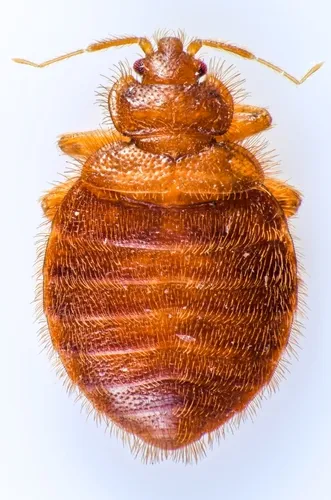
Eastern Bat Bug
Cimex adjunctus
Large infestations may occur with bat populations in the attics of buildings. Adults may move from bat roosting places in homes to occupied rooms and bite people during the night
Eastern Gamagrass Leafhopper
Baldulus tripsaci
Known only from Maryland and Florida, likely widespread throughout eastern U.S. Reported from Florida rather recently.
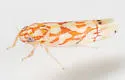
Eastern Grape Leafhopper
Erythroneura comes
Identification: many oak-feeding species look similar, so use host plant to confirm ID One of the few eastern species of this genus imported into BC by grape cultivation. --Dr Hamilton's comment
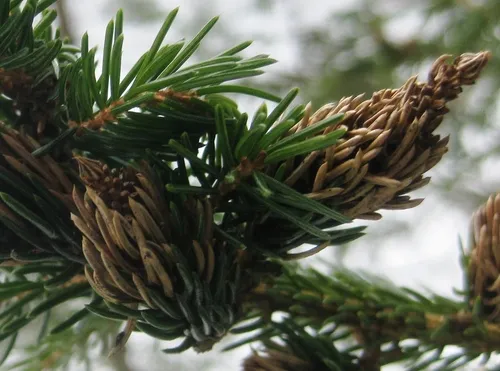
Eastern Spruce Gall Adelgid
Adelges abietis
Identification: Galls are small, short, pineapple-shaped growths found at the bases of twigs of Norway spruce Introduced from Europe before 1900
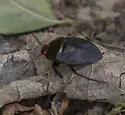
Ectinopus holomelas
Ectinopus holomelas
Identification: The large, blackish membrane which occupies about one-half of the hemelytral length permits ready recognition of this genus. eyes bright red , differentiated from its congeners by the lack of punctures on the basal [=top] fourth of th
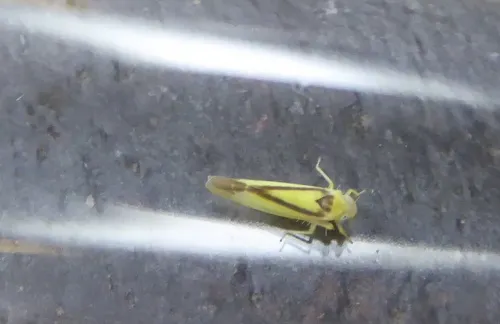
Edwardsiana geometrica
Edwardsiana geometrica
Length around 4 mm. Yellow or whitish background colour, with a distinctive dark stripe diagonally across the forewing, along the boundary between clavus and corium. Common (ref: UK Auchenorrhyncha checklist 2021 ) https://www.britishbugs.org.uk/homo
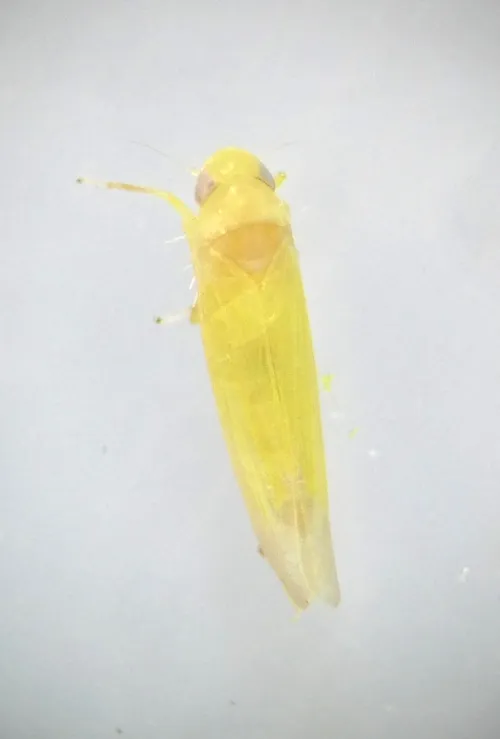
Edwardsiana rosae
Edwardsiana rosae
Length 3-4mm. Pale or yellowish but variable in colour without strong markings. Perhaps the most difficult of all leafhopper genera, with 21 UK species, of which only two are easily identified; the other 19 cannot be identified based on external feat
Egidemia inflata
Egidemia inflata
Holotype male, with label "Interception/Mex. or Cuba" in USNM. An additional specimen from British Honduras and one from Chiapas, Mexico (IZP); one male, Vera Cruz, Mexico, December (CAS); two females, Yucatan, Mexico, July (UCAL); and one male, Brit
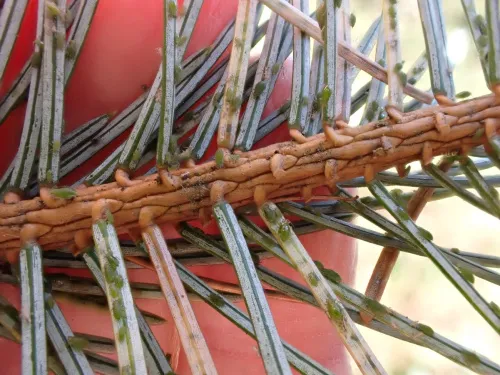
Elatobium abietinum
Elatobium abietinum
A pale to dark green aphid found on spruce ( Picea ) or silver fir ( Abies ) needles, usually Sitka Spruce ( Picea sitchensis ). See Infuential Points (link below) for a description. It sometimes causes defoliation and can be a serious pest of Sitka
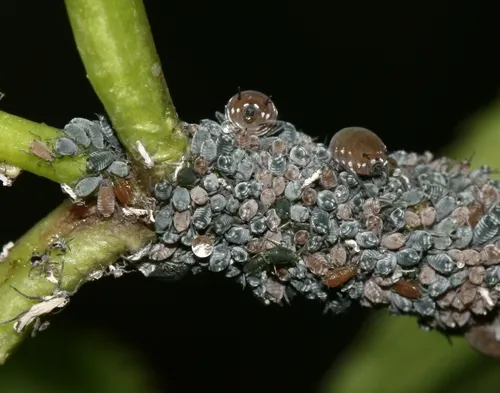
Elder Aphid
Aphis sambuci
A variable species, but the usual form is dark grey marked with white. Usually found on Elder but has used a number of other plants. Large colonies often form on the stems of Elder. Thought to be widespread and fairly frequent in Britain, but it is l
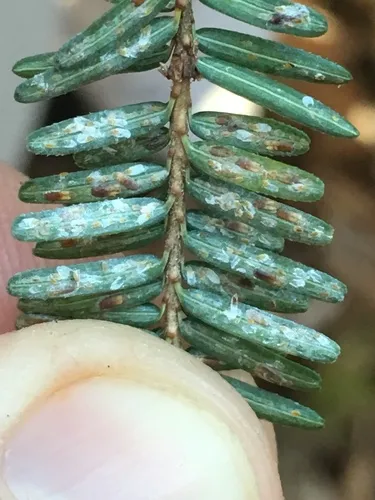
Elongate Hemlock Scale
Fiorinia externa
F. externa will displace Nuculaspis tsugue from the nitrogen-rich terminal needles of hemlock trees, relegating it to feeding on mature needles where it incurs reduced fecundity and heavy mortality
Elymana inornata
Elymana inornata
Identification: This species looks nearly identical to the introduced E. sulphurella . It is imperative to obtain clear underside photos for females which have a more pronounced median lobe of the pregenital sternite (much more subtle in sulphurella)
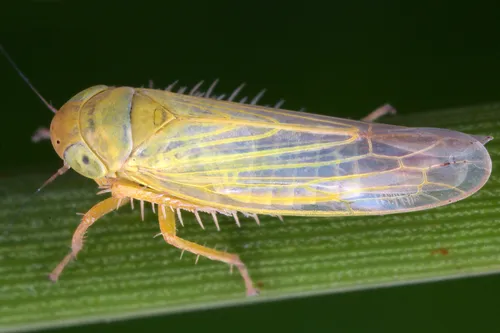
Elymana sulphurella
Elymana sulphurella
Identification: nearly identical to the native E. inornata which has overlapping range. it is imperative to obtain underside shots of females showing the pregenital sternite which has a less-pronounced median lobe. this species also has a rounder ver
Emesopsis nubilus 0
Emesopsis nubilus
Identification: illustrated description in Sarode et al. (2018) • habitus photo
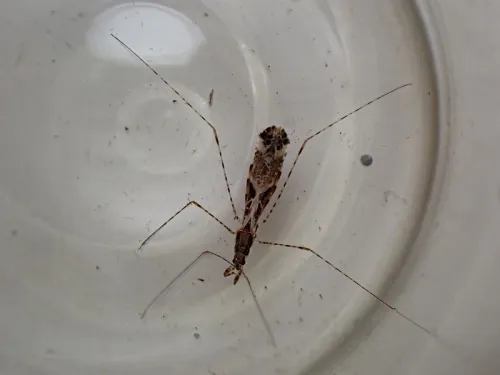
Empicoris culiciformis
Empicoris culiciformis
Length 4.1-5.5mm. Empicoris are delicate-looking insects with raptorial forelegs. There are only 3 UK Empicoris spp., the others being the relatively common Empicoris vagabundus , which is larger and paler, and E. baerensprungi , which is more boldly
Empicoris errabundus
Empicoris errabundus
Identification: Of the four species found in our area with a prominent posteromedian pronotal tubercle, E. errabundus is separated from E. armatus and E. nudus (both restricted to FL) by possessing distinct spines ( vs just bristles) on the underside
Empicoris orthoneuron
Empicoris orthoneuron
Identification: pterostigma of elytra uniformly darkly pigmented Det. v. belov, 2023
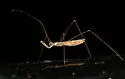
Empicoris pilosus
Empicoris pilosus
my attempts to find information about its native range or even presence in Europe have failed so far; i'll ask around and try to get to the bottom of this species' being considered adventive in NA
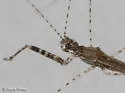
Empicoris rubromaculatus
Empicoris rubromaculatus
Identification: Key to eastern spp. of Empicoris : apical third of elytral costal margin usually marked with red (emphasis added) (first couplet) Key to Virginia spp. of Empicoris : Lateral carina of pronotum abbreviateded, present only at anterior r
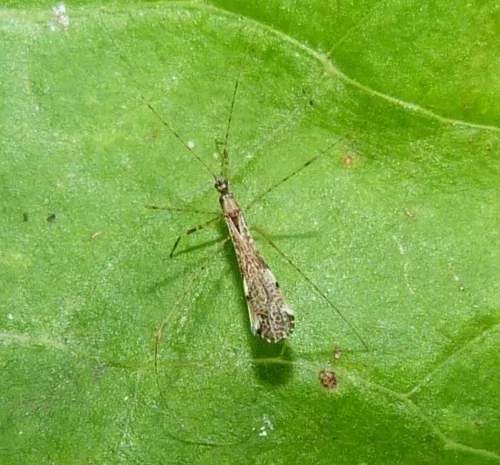
Empicoris vagabundus
Empicoris vagabundus
Length 6-7 mm. Empicoris species are known as thread-legged bugs; although similar to the stilt bugs, they are easily distinguished by the curved rostrum. E. vagabundus is the commonest of the three species, and best identified by its larger size and
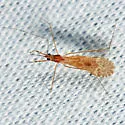
Empicoris winnemana
Empicoris winnemana
Identification: Unique venation: vein closing discal cell of fore wing almost perpendicular to longitudinal axis of wing and cross veins of hind wing forming straight line.
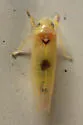
Empoa albicans
Empoa albicans
The only species in this genus on birch that has the head narrower than the thorax. [comment by Andy Hamilton]
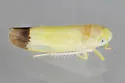
Empoa n. sp.
Empoa n-species
Identification: short head, wings generally unmarked except for fuscous wingtips. anterior dorsum dark. currently undescribed species from New England
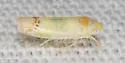
Empoa querci
Empoa querci
Identification: note lack of transverse band, dark dorsum of abdomen, and distinctive placement of dark markings in the apical cells of the forewings.
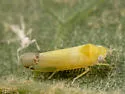
Empoa saffrana
Empoa saffrana
Identification: Yellow/green wings with a chain of dark spots at the ends of the wings.
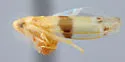
Empoa unifasciata
Empoa unifasciata
Identification: "The unmarked yellow scutellum resembles that of saffrana, casta, and teneral individuals of gillettei and scripta, from which unifasciata may be immediately distinguished by the broad tegminal band. The yellow scutellum and small mar
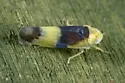
Empoa venusta
Empoa venusta
Identification: has a wider yellow band between the dark ends of the wings than E. bella and wider black band and darker wing tips than E. gillettei these brightly colored individuals, all from the se US, are all south of the published distribution
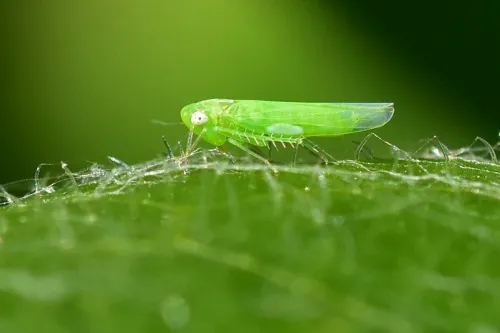
Empoasca decipiens
Empoasca decipiens
Length 3.5 to 4 mm. A small, slender green leafhopper, without hyaline stripes in forewing. There are whitish marks on the vertex and pronotum. Empoasca vitis has hyaline (clear) stripes on forewings. There are several other related genera which can
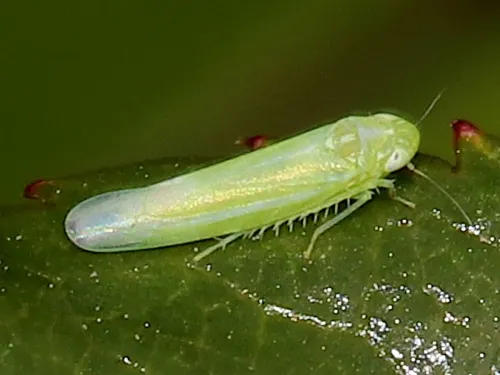
Empoasca vitis
Empoasca vitis
Length 3.0 to 4 mm. A small, slender green leafhopper, with hyaline (clear and transparent) stripes in forewing. There are whitish marks on the vertex and pronotum. Empoasca decipens lacks the hyaline stripes on forewings. There are several other rel
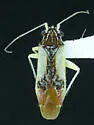
Ephedrodoma multilineata
Ephedrodoma multilineata
Identification: Det. M.D. Schwartz, 2017 Type Locality: Nevada, Clark Co., Mount Charleston 5500”, VII-19-82, J. T. Polhemus.
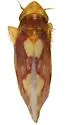
Erasmoneura bipentagona
Erasmoneura bipentagona
Apparently very similar to Erasmoneura tricuspidata Dmitriev & Zahniser, 2017; known only from Tennessee.
Erasmoneura tricuspidata
Erasmoneura tricuspidata
No images of this species exist and the type specimen (which is the only known specimen) is faded due to alcohol.
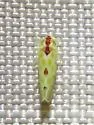
Eratoneura accola
Eratoneura accola
Identification: coloration distinctive: median red stripe from crown to scutellum; clavus with red spot near apex
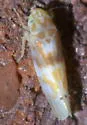
Eratoneura affinis
Eratoneura affinis
Identification: Similar to E. basilaris . Basal shading averages lighter and more orangey. There is a large, squarish white patch in the center of the brown area, near the scutellum. The distal margin of the brown zone is also interrupted at the cos
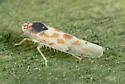
Eratoneura ardens
Eratoneura ardens
Identification: Coloration usual for genus, but usually with dark brown mesonotum. Det. Kyle Kittelberger, 2014 Type locality: Male, Maryland, Montgomery Co., Plummers Island, 28 III 1915
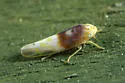
Eratoneura basilaris
Eratoneura basilaris
Identification: Similar to E. affinis . Basal shading averages darker and browner. Any white patch in the center of the brown area, near the scutellum, is small and tends to shade gradually into the brown. The distal margin of the brown zone is rela
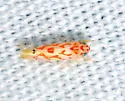
Eratoneura carmini
Eratoneura carmini
Identification: Det. D. S. Chandler, 2020 (from spmn) Type locality: Male, Kansas, Anderson Co., 9 IX 1927
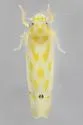
Eratoneura certa
Eratoneura certa
Type locality: Holotype, Male, Illinois, Gallatin Co., 31 III 1929.
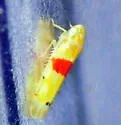
Eratoneura era
Eratoneura era
Identification: Head: narrower than pronotum. Crown fore margin strongly produced and angulate medially. Ocelli absent or vestigial. Face depressed in profile, less than 45° from horizontal. Face without black spots. Vertex with orange parallel subme
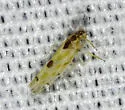
Eratoneura externa
Eratoneura externa
Identification: Coloration usual for genus, maculae small, often with red longitudinal stripe along vertex, pro-, and mesonotum, and spot near apex of clavus. Det. Solomon V. Hendrix, 2020 Type locality: Male, Anderson Co., Kansas, 6 X 1929
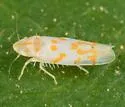
Eratoneura gillettei
Eratoneura gillettei
collection records spotty, suggesting that this is an uncommon to rare species. host information is very minimal.
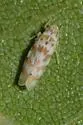
Eratoneura hymettana
Eratoneura hymettana
Identification: Hoppers of North Carolina - HNC A species with a distinctive color pattern. The wings and body are mostly a pale, almost white color, but there are four bold, black marks (almost rectangle in shape) on the middle of the wings, forming
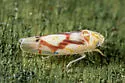
Eratoneura ligata
Eratoneura ligata
Type locality: Male, District of Columbia, Washington D.C., 8 VI 1907
Eratoneura lunata
Eratoneura lunata
Identification: Dorsum whitish with brown color pattern; mesonotum pale, with dark lateral triangles and apex; forewings with brown continuous zigzag pattern. Det. Solomon V. Hendrix, 2020 Holotype: Urbana, Ill., Nov. 11, 1915; and allotvpe, White He
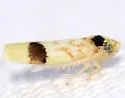
Eratoneura morgani
Eratoneura morgani
Identification: Pronotum with dark brown posterior margin, mesonotum with dark brown lateral triangles; forewing with dark brown crossband in distal half and reddish maculae. Det. Kyle Kittelberger, 2015 Type locality: Male, Tennessee, Montgomery Co.
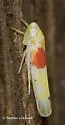
Eratoneura osborni
Eratoneura osborni
Identification: Forewing with broad red or reddish crossband in basal third. Type locality: Male, Tennessee, Montgomery Co., Clarksville, 22 VII 1915
Eratoneura stephensoni
Eratoneura stephensoni
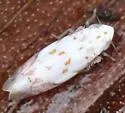
Identification: Dorsum pale, whitish; orange maculae small. Det. Kyle Kittelberger, 2015 Type locality: Male, Texas, Bowie Co., 16 VII 1929
Eratoneura stoveri
Eratoneura stoveri
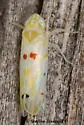
Identification: forewing often with red spot in distal part of clavus
Eremocoris borealis
Eremocoris borealis
Identification: no long erect hairs on hind tibiae, unlike in E. ferus
Eremocoris fenestratus
Eremocoris fenestratus
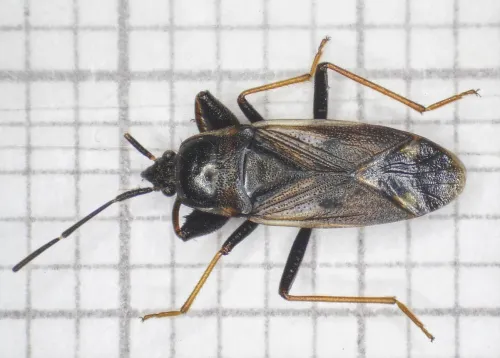
A large (6 - 7.7mm) ground bug with reddish-brown forewings and a pair of semi-circular white spots on the membrane. Eremocoris fenestratus has one large and several smaller spines on the front femora. The stout hairs on the hind tibiae are roughly e
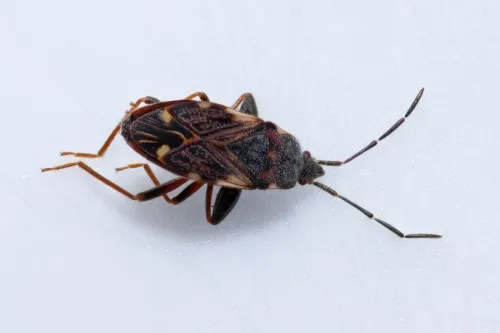
Eremocoris podagricus
Eremocoris podagricus
A medium to large bug, with reddish-brown forewings and a pair of semicircular white spots on the membrane, adjacent to the cuneus. E. podagricus has two large and several smaller spines on the front femora, and the hind tibia have long hairs roughly
Eremocoris setosus
Eremocoris setosus
Identification: entire body pilose; head, pronotum, & scutellum black
Eriosoma lanuginosum
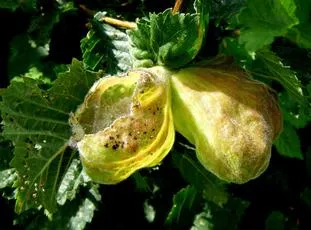
Eriosoma lanuginosum
Eriosoma lanuginosum is an aphid which causes the formation of a leaf gall on Elm which takes the form of a bladder looking like a pale green egg or pear which may be 6 or even 8 cm long and nearly as wide. The gall is more often seen than the adult
Errastunus ocellaris
Errastunus ocellaris
Identification: This species resembles members of the genus Latalus , but is unique in having reticulate venation in the claval region of the wings.
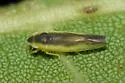
Erythridula divisa
Erythridula divisa
Identification: rather variable in color, but the red markings are always more extensive than in E. dorsalis or E. stolata , which also have pale edges on the head and thorax.
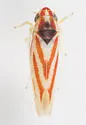
Erythridula noeva
Erythridula noeva
Identification: 'The dorsal of the abdomen appears white' -- Kyle Kittelberger " E. noeva it seems lacks those black spots near the apex of the wings whereas penenoeva can show them." -- Kyle Kittelberger
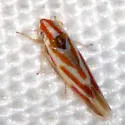
Erythridula penenoeva
Erythridula penenoeva
Identification: " E. noeva it seems lacks those black spots near the apex of the wings whereas penenoeva can show them." -- Kyle Kittelberger " E. noeva has a pale abdomen, and you can see the abdomen here is black (through the wings)." -- Kyle Kitte
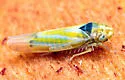
Erythridula pfrimmeri
Erythridula pfrimmeri
Identification: According to Andy Hamilton, "This rare species ... has the blackest mesonotum of any species in the genus. The only other one like it, E. penenoeva, has a chestnut-brown mesonotum that doesn't show through the pronotum to the same deg
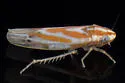
Erythridula plena
Erythridula plena
Identification: The dark scutellum (the triangular bit between the wing bases) combined with pale wing tips identifies this Prunus-feeding leafhopper. There is a similar one on birch, but that has dark wing tips.
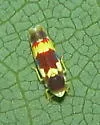
Erythroneura bistrata
Erythroneura bistrata
Identification: has a number of color forms; in all cases the red is very extensive but does not include the head. --Andy Hamilton
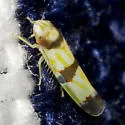
Erythroneura calycula
Erythroneura calycula
Identification: The U-shaped black mark on the thorax is distinctive. - Dr. Hamilton's comment
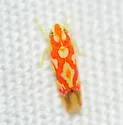
Erythroneura fraxa
Erythroneura fraxa
Identification: Similar to E. acuticephala , but with the red lines bolder and more even width. --Andy Hamilton
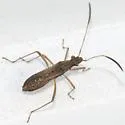
Esperanza texana
Esperanza texana
Identification: hind femora not clubbed Det. M. A. Quinn, 2017 Type Locality: Esperanza Ranch , Brownsville, Texas; date: 29-VII-1904
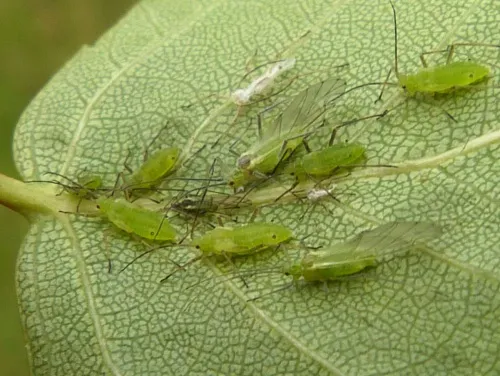
Euceraphis betulae
Euceraphis betulae
E. betulae is mainly green in colour but the body of the adult aphids is dusted with a pale bluish wax, which may also form a furry coating on the antennae and legs. A very similar species, Euceraphis punctipennis, is found on Downy Birch and detaile
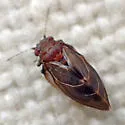
Euglyptoneura fuscipennis
Euglyptoneura fuscipennis
Identification: General color brown to black, including forewings; male forceps each produced as two divergent lobes, female genital segment short, half as long as rest of abdomen
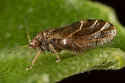
Euglyptoneura minuta
Euglyptoneura minuta
Identification: Forewings clear brown; male proctiger large, triangular, forceps slender; female genital segment very large, longer than rest of abdomen, dorsal valve longer than ventral
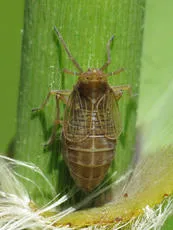
Euides basilinea
Euides basilinea
A large planthopper (5 - 7mm) associated with Common Reed Phragmites australis . Macropterous (long-winged) individuals have a striking wing pattern with a dark stripe at the base of the forewing and a crescent-shaped dark mark at the wing apex, Brac
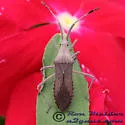
Euphorbia Bug
Chariesterus antennator
Euphorbia Bug (Chariesterus antennator) is a species in the family Coreidae, commonly known as leaf-footed bugs, belonging to the order Hemiptera (True Bugs, Cicadas, Hoppers, Aphids and Allies). It is classified within the subfamily Coreinae, tribe
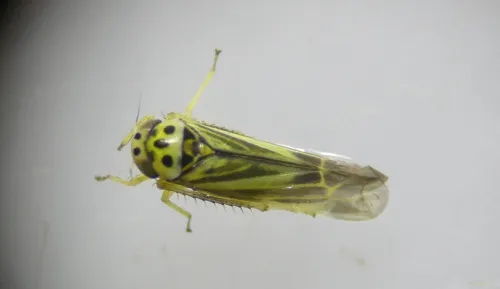
Eupterycyba jucunda
Eupterycyba jucunda
Length 4 mm. A well-marked species with 3 large spots on the pronotum and usually black streaks along the forewing, over a greenish background - these can sometimes be faint. The nymph is also distinctive, with yellow and black banding, Good quality
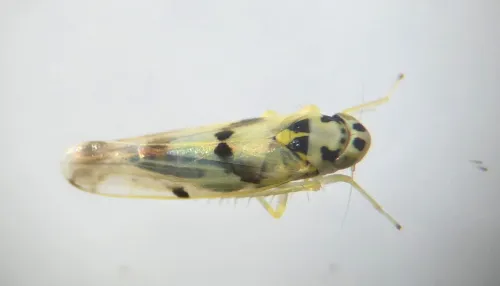
Eupteryx atropunctata
Eupteryx atropunctata
Length 3.5 mm. Identification of Eupteryx species can be difficult and requires careful examination of markings on vertex, pronotum and forewings. Greenish-yellow ground colour with dark spots or streaks on the forewings, including a spot on the cost
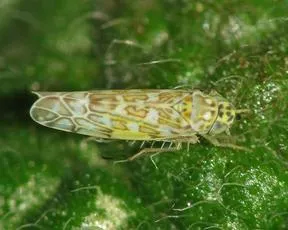
Eupteryx decemnotata
Eupteryx decemnotata
Length 2 to 3 mm, associated with Sage. Identification of Eupteryx species can be difficult and requires careful examination of markings on vertex, pronotum and forewings. A small pale yellowish-green leafhopper with brown-ringed cells in the forewin
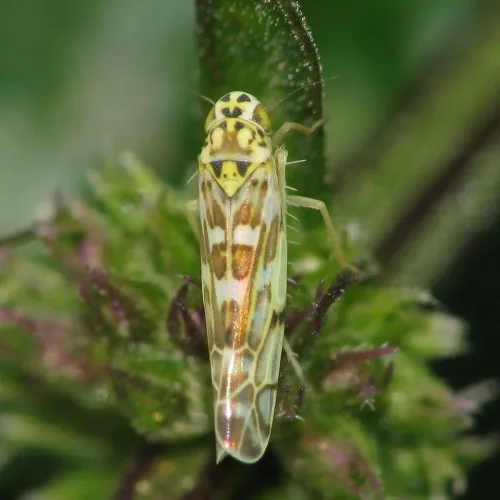
Eupteryx florida
Eupteryx florida
Length 3 to 3.5 mm, associated wih various labiates, including Mint. Identification of some Eupteryx species can be difficult and requires careful examination of markings on vertex, pronotum and forewings. A small pale yellowish-green leafhopper with
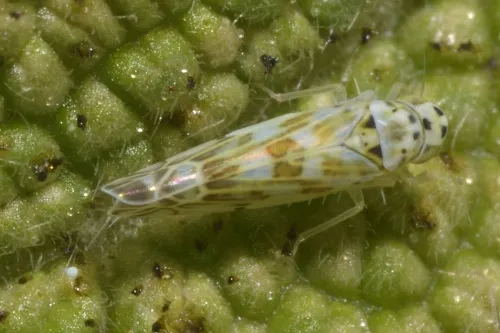
Eupteryx melissae
Eupteryx melissae
Length 3 mm, associated with Sage and other labiates. Identification of Eupteryx species can be difficult and requires careful examination of markings on vertex, pronotum and forewings. A small pale yellowish-green leafhopper with brown-ringed cells
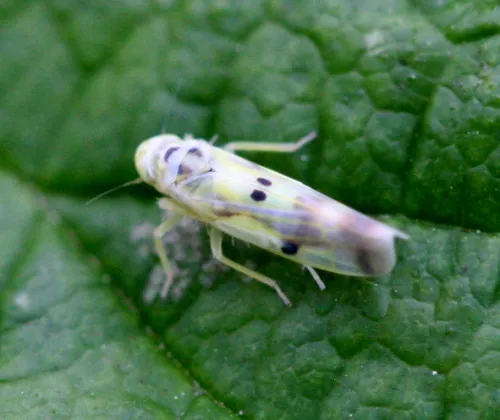
Eupteryx signatipennis
Eupteryx signatipennis
Length 3 to 4 mm, associated with Meadowsweet. Identification of Eupteryx species can be difficult and requires careful examination of markings on vertex, pronotum and forewings. A pale leafhopper, with variably dark marking on forewings. The vertex
Eupteryx urticae
Eupteryx urticae
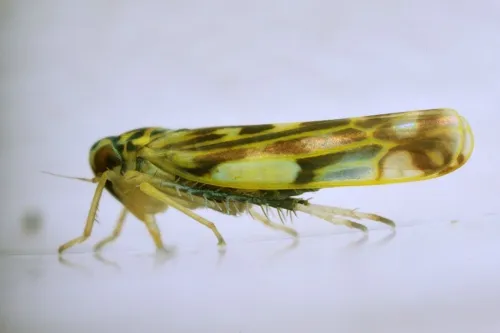
Length 3 mm, associated with nettles. Identification of some Eupteryx species can be difficult and requires careful examination of markings on vertex, pronotum and forewings. Variably marked in black or brown over yellowish green ground colour. Hind
Eupteryx vittata
Eupteryx vittata
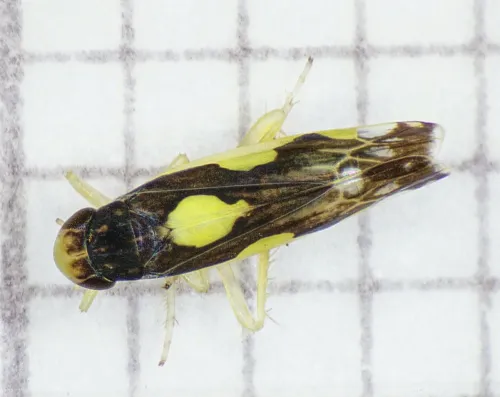
Length 3 to 3.5 mm. One of two Eupteryx with a completely (or nearly so) dark pronotum; the posterior margin is always black. Dark forewings with pale yellowish sides and central spot. The male anal tube has one long apical spine on each side. Eupter
Euptychodera corrugata
Euptychodera corrugata
Euptychodera corrugata (Euptychodera corrugata) is a species in the family Scutelleridae, commonly known as shield-backed bugs, belonging to the order Hemiptera (True Bugs, Cicadas, Hoppers, Aphids and Allies). It is classified within the subfamily O

Eurhadina concinna
Eurhadina concinna
Length 4 mm. A pale leafhopper associated with oak. It has a fatter, flattened appearance compared to other Typhlocybinae. There is a short dark line on the outer apical vein. Nymphs are flattened and pale. with distinctive dark markings, but cannot
Eurhadina loewii
Eurhadina loewii
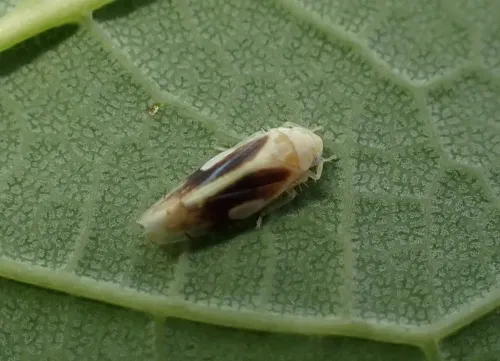
Length 4 to 4.7 mm. E. loewii is variable in colour, but often shows a striking dark arc on the forewing. If the pattern of dark markings on the wing veins is absent, the species can closely resemble Eurhadina concinna and E. ribauti . Photograph sho
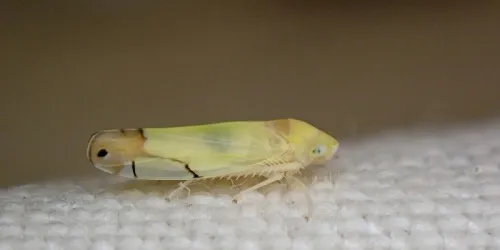
Eurhadina pulchella
Eurhadina pulchella
Length 4 mm; associated with oak. It has a fatter, flattened appearance compared to other Typhlocybinae. Ground colour is variable - from whitish to pale yellow, bright yellow, pinkish-orange; sometimes heavily marked with dark brown. There is a blac
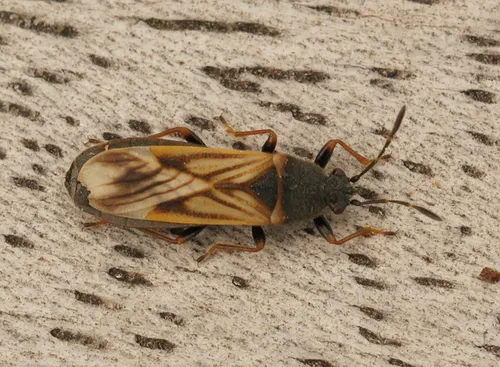
European Chinchbug
Ischnodemus sabuleti
A medium-sized bug wth an elongated body, associated with wetlands, marsh and damp grassland. It can occur in a brachypterous form, with very short wings, or in a macropterous form with wings that nearly reach the end of the abdomen; occasionallly in
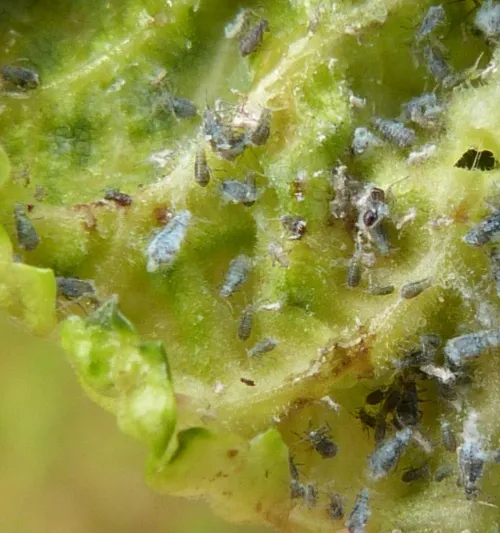
European Elm Leafcurl Aphid
Eriosoma ulmi
Eriosoma ulmi is a greyish waxy aphid that causes a leaf roll gall to form on the leaves of Elm. One half of the Elm leaf blade crinkles and rolls in to form a tubular pouch. The gall is seen more often than the aphid. Other Eriosoma species can caus
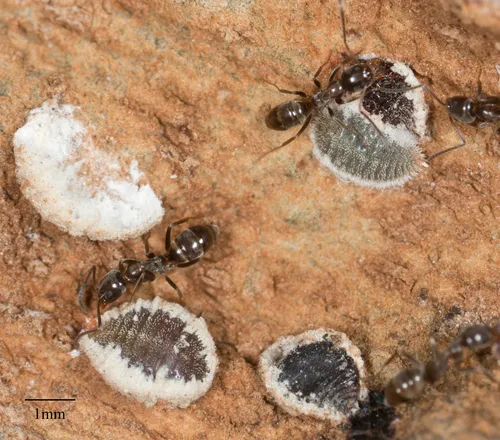
European Elm Scale
Gossyparia spuria
Identification: Mature females are up to 10 mm, oval, reddish-brown with a white, waxy fringe. Blood-like, red liquid results when scales are crushed Sap-sucking can cause stunted, chlorotic foliage, premature leaf drop and branch dieback. Associated
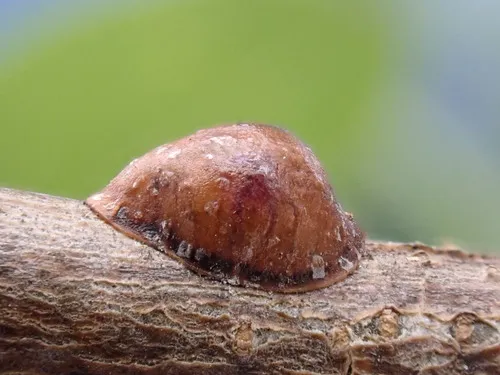
European Fruit Lecanium
Parthenolecanium corni
Adult females variable in shape, size and colour; usually oval, strongly convex, brown; up to 6.5 mm long, but are often smaller. On the branches of various woody plants. It is broadly polyphagous and is an important pest of orchard, ornamental and f
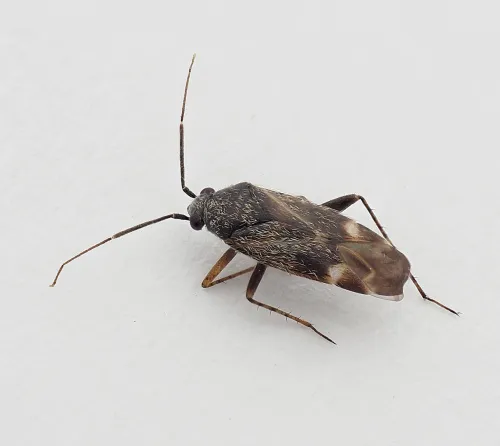
Europiella artemisiae
Europiella artemisiae
A small (c. 3mm) greyish bug found on Mugwort ( Artemisia vulgaris ). The basal segments of the antennae are black, and there is a pale mark on the cuneus. The dorsal surface has pale hairs. The tibial spines arise from dark spots. Europiella decolor
Eurychilopterella brunneata
Eurychilopterella brunneata
Identification: large size and uniform dark coloration Recognized by the large body size, uniformly brown to fuscous general coloration, posterodorsal margin of head not noticeably carinate, long labium , distinctly rugulose hemelytra (emphasis added
Eurychilopterella luridula
Eurychilopterella luridula
Identification: Recognized by the extensive pale areas on the pronotum, scutellum and hemelytra; head slightly shorter than wide; bicolored second antennal segment; and structure of the male parameres and vesica. Type Locality: D.C.
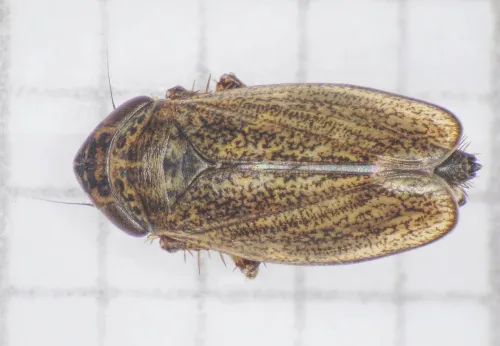
Euscelis incisus
Euscelis incisus
Length 4 to 5 mm. A very variable species with the cells of the forewings covered in dark dots or mottling, with a base colour rangindg from pale to dark brown; the extent of mottling varies. Identification should be confirmed by examination of inter
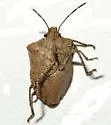
Euschistus biformis
Euschistus biformis
Identification: dark membrane diagnostic variable in coloration, shape of humeri, and the length of juga relative to tylus (lobes being equally long or juga plainly surpassing tylus)
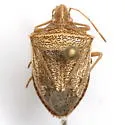
Euschistus crassus
Euschistus crassus
Euschistus crassus (Euschistus crassus) is a species in the family Pentatomidae, commonly known as stink bugs, belonging to the order Hemiptera (True Bugs, Cicadas, Hoppers, Aphids and Allies). It is classified within the subfamily Pentatominae, trib
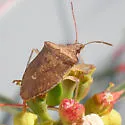
Euschistus crenator
Euschistus crenator
Identification: Dorsum brown with antennae yellow but with dark spotting on first antennomere and femora. Humeri obtuse to acute, but if acute they tend to be retrorse. Can only be separated from E. quadrator by male genitalia. Both co-occur in TX (w
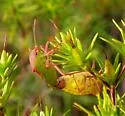
Euschistus ictericus
Euschistus ictericus
Identification: ridge across pronotum is distinctive
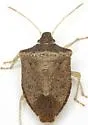
Euschistus obscurus
Euschistus obscurus
Identification: The most noticeable feature is the light "worn" bar between humeri. Humeri usually rounded but may be slightly pointed. Underside either green or yellow; in a mating pair there is always one yellow and one green. Det. M. A. Quinn, 201
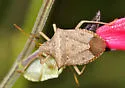
Euschistus quadrator
Euschistus quadrator
not found in FL until 1992, has spread throughout the state since and supplanted other stink bugs in cotton, soybean, citrus, and other crops; pest of many fruit, vegetable and nut crops in se US
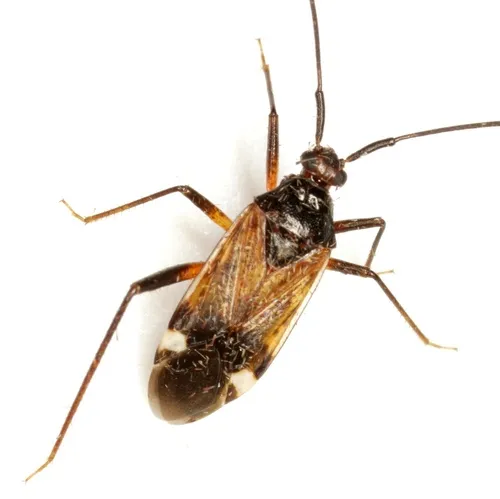
Eustictus albomaculatus
Eustictus albomaculatus
Identification: eyes smaller than knighti , but wider apart; short erect hairs on the hind tibia Det. M. A. Quinn, 2023 E. albomaculatus was the last US sp. of Eustictus to be described , and Johnston only lists E. knighti as being similar to it in T
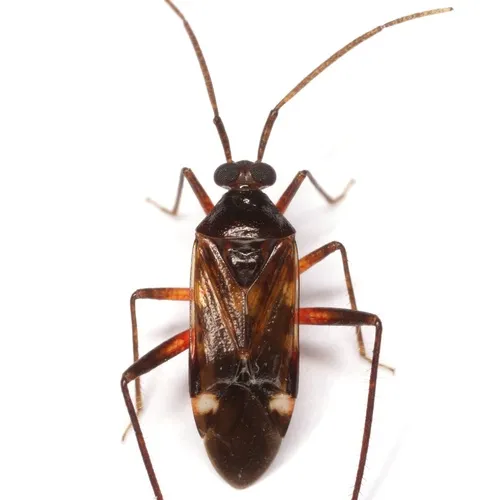
Eustictus knighti
Eustictus knighti
Identification: "Hind tibiae covered with very long erect hairs, also a few long erect hairs on apex of hind femora." (the long hairs on the hind legs are clearly visible in the enlarged thumbnail) - coll'ed at UV light near type locality (same count
Eustictus pilipes
Eustictus pilipes
Identification: Coloration nearly as in spinipes , but head, antennae, and legs of deeper red. Spines on basal half of hind tibiae replaced by long hairs several of which in length are equal to three times thickness of tibia. Femora also bearing long
Eutettix discolor
Eutettix discolor
Identification: Paratype Holotype male, allotype female, and 17 pairs of paratypes, Ruidosa, N. Mex., Oct. 10, 1940, John Medler.
Eutettix luridus
Eutettix luridus
Identification: Elytra usually dark in color, with paler spot near apex of clavus ● scutellum creamy yellow, with dark basal angles (empasis added) ● face light brown, sutures darker Det. Ken Allen, 2012
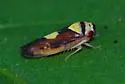
Eutettix pictus
Eutettix pictus
Identification: "I would not label anything positively as E. pictus unless it has a black bar across the front of the pronotum" – K.G.A. Hamilton