
True Bugs, Cicadas, Hoppers, Aphids and Allies
Order Hemiptera
The True Bugs, Cicadas, Hoppers, Aphids and Allies (Order Hemiptera) includes 7,349 species across 120 families and 1,727 genera in our directory.
About True Bugs, Cicadas, Hoppers, Aphids and Allies
Hemiptera (true bugs) includes over 80,000 described species across cicadas, aphids, leafhoppers, shield bugs, and bed bugs. Aphids alone cost global agriculture an estimated $2.5 billion annually in crop losses.
Economic Impact
The brown marmorated stink bug (Halyomorpha halys) caused $37 million in apple crop losses in a single year in the U.S. Mid-Atlantic region. Bed bug infestations in the U.S. increased by 500% between 2001-2010, costing the hotel industry hundreds of millions annually.
Ecological Role
Many Hemiptera are essential food sources for birds and predatory insects. Cicadas provide massive nutrient pulses during emergence events - a single Brood X emergence can involve trillions of individuals across 15 states.
Families in Hemiptera (120)
Species in Hemiptera (7,349)
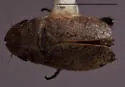
Prairiana cinerea
Prairiana cinerea
Identification: "A small brown species with a broadly rounded head. Vertex broadly rounded and produced, more than one-half wider between eyes than median length. Pale brown with dark brown punctures. Vertex with a black spot each side on base of ver
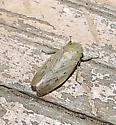
Prairiana dualis
Prairiana dualis
Identification: "A small dark brownish or black species resembling miliaris in general form and appearance. Vertex broadly rounded, more than half as long at middle as basal width between the eyes. Disc of pronotum with prominent transverse strlae. D
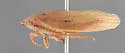
Prairiana fraterna
Prairiana fraterna
Identification: "A large brown species with a short head. Vertex roundedly produced, about half as long on middle as basal width between the eyes. Brownish with a few dark markings. A pair of small black spots on base of vertex. Four pale spots in a
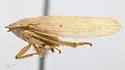
Prairiana globosa
Prairiana globosa
Identification: "Resembling negotiosa in general form and appearance but with distinct genitalia. Vertex broadly, roundedly produced, almost twice as wide between eyes at base as median length. Pale brownish with many punctate spots on vertex and pro
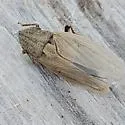
Prairiana kansana
Prairiana kansana
Identification: "A broad species with a broadly, almost angularly produced vertex. Vertex broadly angularly produced, apex rounded, about two-thirds as long on middle as basal width between the eyes. Pale brown; vertex and pronotum heavily marked wit
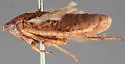
Prairiana miliaris
Prairiana miliaris
Identification: "A rather robust species with bluntly produced head. Vertex roundedly, angularly produced more than two-thirds as long at middle as basal width between the eyes. Brownish with four darker spots in a row on anterior portion of pronotum
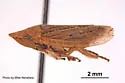
Prairiana moneta
Prairiana moneta
Identification: "A small species with produced vertex and white elytra with yellow-ish costa. Vertex fiat, produced, two-thirds as long as width at anterior angles of the eyes. Yellowish; vertex with a black spot behind each ocellus on posterior marg
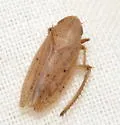
Prairiana negotiosa
Prairiana negotiosa
Identification: "A pale brownish species marked with dark brown punctate spots. Vertex roundedly produced, more than one-half longer on middle than basal width between the eyes, two-thirds as long as pronotum. Pale brown, rather sparsely marked with
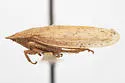
Prairiana orizaba
Prairiana orizaba
Identification: "Pale brownish species with angularly produced head and distinct genitalia. Vertex strongly, angularly produced, apex rounded, two-thirds as long at middle as basal width between the eyes. Pale brownish, vertex with a small black spot
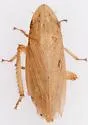
Prairiana orizaba rolenta
Prairiana rolenta
Identification: "Resembling orizaba in form and general appearance but with produced vertex more convexly rounded on lateral margins and more elevated on median line. Vertex strongly produced, sides convexly rounded, about one-fifth wider between eye
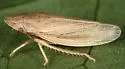
Prairiana ponderosa longiora
Prairiana longiora
Identification: "Resembling ponderosa in general form and appearance but with a flat foliaceous vertex decidedly longer than in ponderosa. Vertex broad, produced, longitudinally furrowed, a little wider between eyes than median length, as long as pro
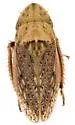
Prairiana sidana
Prairiana sidana
Identification: thorax paler than the wings (Dr Hamilton, 19.xii.2012)
Prairiana subta
Prairiana subta
Identification: A short, broad species with short elytra. Vertex broad, well-produced, and more than half as long at middle as basal width between the eyes. Vertex almost as large as pronotum. Elytra short, half as broad as long. Tip of abdomen usual
Prepops borealis
Prepops borealis
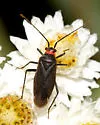
Identification: P. nigripilus was described with the scutellum yellow.
Prepops circumcinctus
Prepops circumcinctus
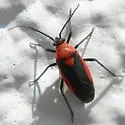
Identification: Antennae fuscous, first two joints and basal half of third reddish-yellow; abdomen without rows of dark spots. Description
Prepops diminutus 0
Prepops diminutus
Type Locality: Novo Mexico, Otero Co., Monumento Nacional de “White Sands”, altitude 4,100 pes, 20.VIII.1970, J. R. & M. N. Sweet; NMNH. ( 3 ) 9 female paratypes
Prepops insitivus
Prepops insitivus
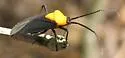
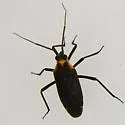
Identification: Adult: head small, black, shorter than wide; body elliptical and all black except bright yellow pronotum and scutellum; legs and antennae black; antennae long and tapered
Prepops maldonadoi
Prepops maldonadoi
Identification: easily recognized by its entirely black coloration, with orange collar and lateral edges on the pronotum. (Dusoulier, et al. 2025) Det. WonGun Kim, 2026 Type Locality: 12 milhas sudoeste, Provincia La Vega, Republica Dominicana, 8.VII
Prionosoma podopioides
Prionosoma podopioides
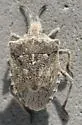
Identification: A hairy medium-sized bug with prominent marginal tooth on rear outside corner of each abdominal segment, short labium (segmented sheath covering stylets--the beak-like mouthpart) not reaching the middle coxae, and broad teeth on front
Privet Leafhopper
Fieberiella florii
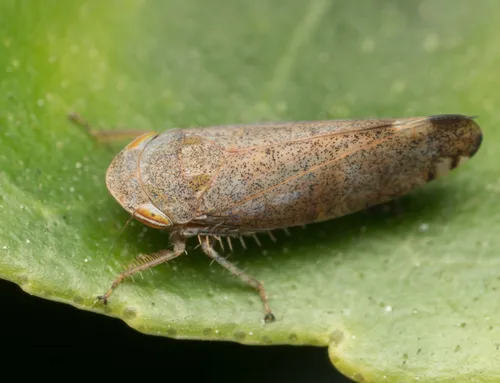
Identification: Adult cherry leafhoppers are dark brown and their shape and color mimic the buds of their hosts. Important pest known to spread plant diseases, incl. phytoplasmas, some of which cause serious diseases in Rosaceae fruit trees
Prokelisia marginata
Prokelisia marginata
The wolf spider, Pardosa littoralis is a predator of this planthopper. ( 3 )
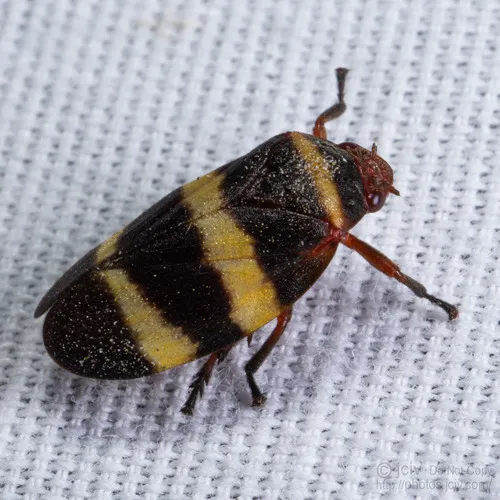
Prosapia simulans
Prosapia simulans
Identification: three pale bands apparent first US record, Hidalgo Co., TX, 2008; fairly common in s.TX since 2021
Protalebra nexa
Protalebra nexa
Identification: Ground color of crown ivory with a faint yellow tint on disc. Pronotum deep yellow, the lateral margins, humeral margins, posterior margin and two anterior extensions from it, ivory. Scutellum deep yellow with an ivory spot on each si
Protalebrella conica
Protalebrella conica
images held on this page prior to 29.vi.2017 were initially ID'd as P. tertia Dworakowska -- change explained here
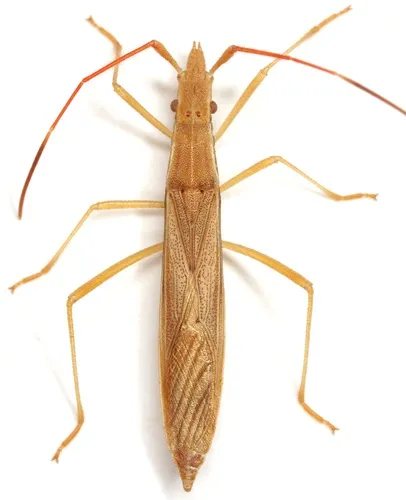
Protenor belfragei
Protenor belfragei
Identification: characteristics distinguishing from P. australis : head less than one-fourth longer than pronotum; upper and lower pair of apical processes of cheeks contiguous or nearly so throughout their length Brailovsky separates our two spp. th
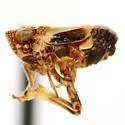
Protrocha orbiculata
Protrocha orbiculata
Identification: Elongate, median frontal tablet smooth, oval, no angles indicated at either end, two pustules between tablet and postclypeus, an extra median row of 5 pustules in each lateral compartment
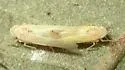
Prune Leafhopper
Edwardsiana prunicola
earliest NA record: NY 1900 (prob. died out in the east); earliest w. NA record: ID/WA 1930
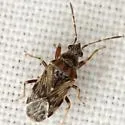
Prytanes confusa
Prytanes confusa
Identification: Det. Brad Barnd, 2022 ID confirmed from specimen, now a photo-voucher. Type Locality: Texas
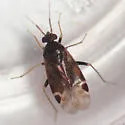
Psallovius piceicola
Psallovius piceicola
Identification: A2 0.58‒0.76 mm • A2:head width = 1.00‒1.18 • all femora dark brown to black, except for pale apices
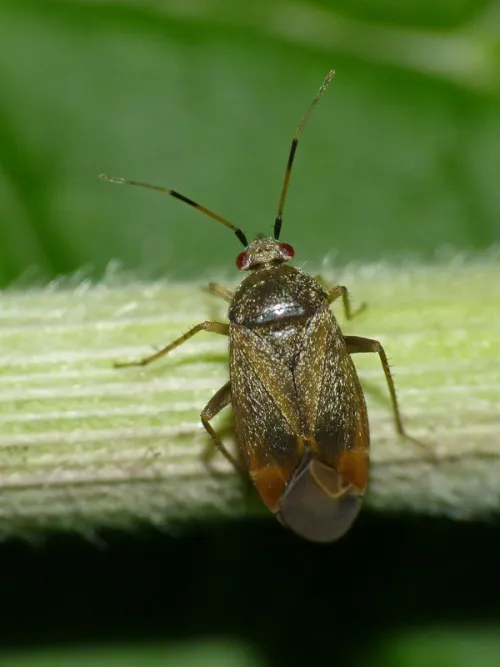
Psallus ambiguus
Psallus ambiguus
Length about 4 to 5 mm. The Psallus group includes many small bugs (< 6 mm) which are often mottled red, grey or dark brown. The pronotum and forewings are covered in scale like pale hairs and the tibial spines arise from black spots. Species identif
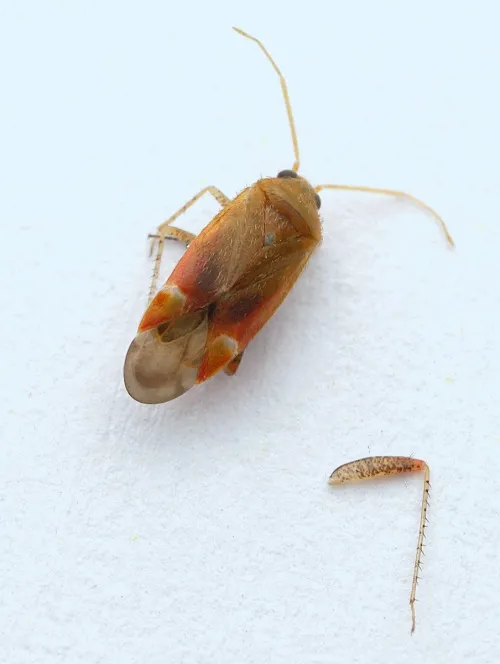
Psallus confusus
Psallus confusus
Length about 4 mm. Mottled red, but often visually indistinguishable from several other similarly coloured Psallus spp. The pronotum and forewings are covered in scale like pale hairs and the tibial spines arise from black spots. Other Psallus specie
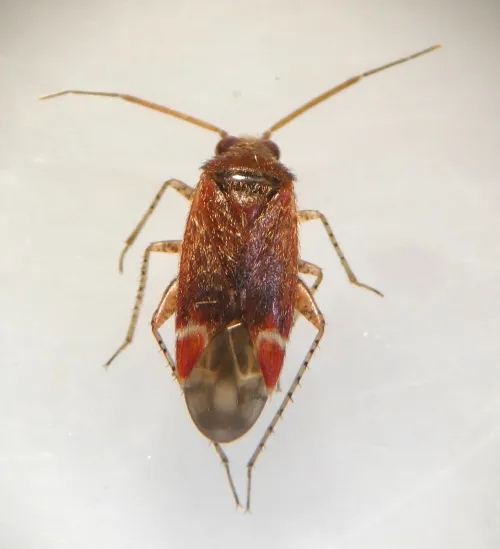
Psallus falleni
Psallus falleni
Length 4 mm. The Psallus group includes many small bugs up to 6 mm, which are often mottled red, grey or dark brown. The pronotum and forewings are covered in scale like pale hairs and the tibial spines arise from black spots. Species identification
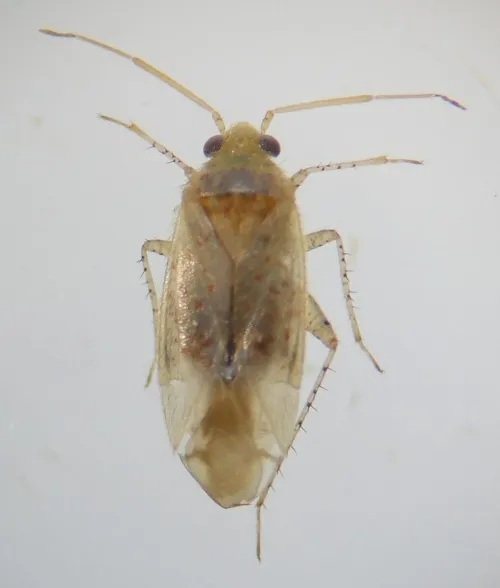
Psallus haematodes
Psallus haematodes
Length ~4mm. Very variable in colour. The cuneus is always entirely white, and the ground colour is pale and usually flecked with red or red-brown. Sometimes the upper surface is completely rose-coloured, and unspotted pale-green forms also exist. Wi
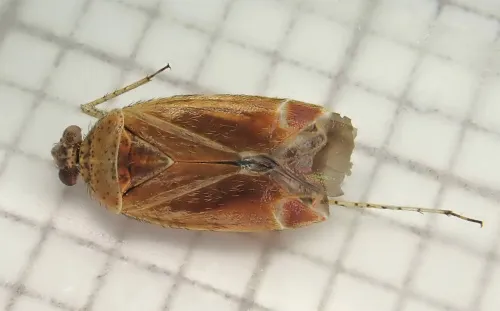
Psallus lucanicus
Psallus lucanicus
A reddish, elongate bug. Head and pronotum yellow-orange with characteristic well-defined small brown spots, pronotum and scutellum with yellowish middle line. First antennal segment yellowish, brown basally with two bristle-like setae arising from w
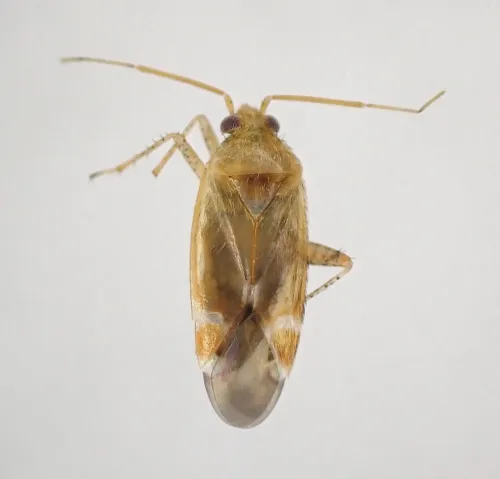
Psallus mollis
Psallus mollis
Length about 4 mm. Mottled red, indistinguishable from several other similarly coloured Psallus spp. The pronotum and forewings are covered in scale like pale hairs and the tibial spines arise from black spots. Species identification of Psallus based
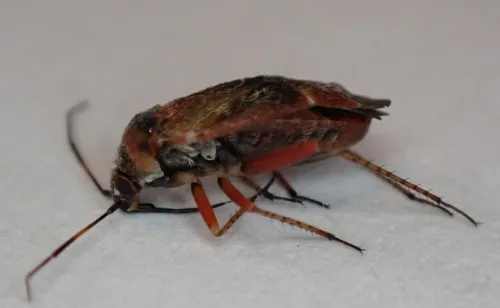
Psallus montanus
Psallus montanus
Length ~5mm. Females have deep blood red coloration and red femorae. Males are dark or reddish and indistinguishable from P. betuleti , with which this species was confused until very recently. Dissection of male specimen required to confirm ID, plea
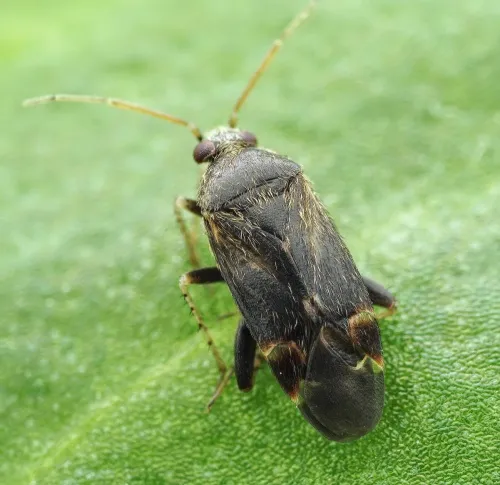
Psallus perrisi
Psallus perrisi
4 mm long. Dark brown-black, males are darker than females. The upper surface is covered with golden hairs and the femora are dark. Species level identification of Psallus based on external features is difficult and frequently impossible, especially
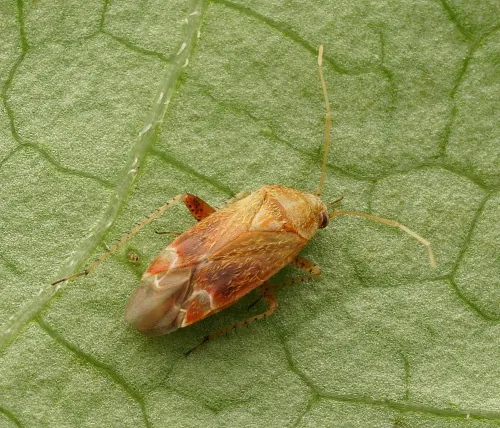
Psallus varians
Psallus varians
Length about 4 mm. The Psallus group includes many small bugs (< 6 mm) which are often mottled red, grey or dark brown. The pronotum and forewings are covered in scale like pale hairs and the tibial spines arise from black spots. Species identificati
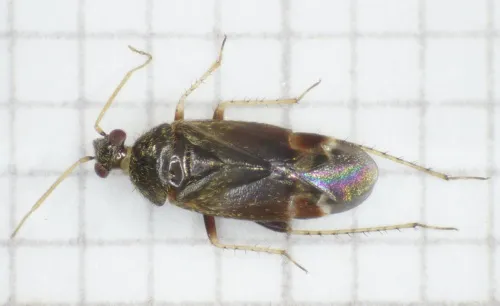
Psallus wagneri
Psallus wagneri
4 mm long. Dark brown-black, males are darker than females. The upper surface is covered with golden hairs and the femora are dark. Species level identification of Psallus based on external features is difficult and frequently impossible, especially
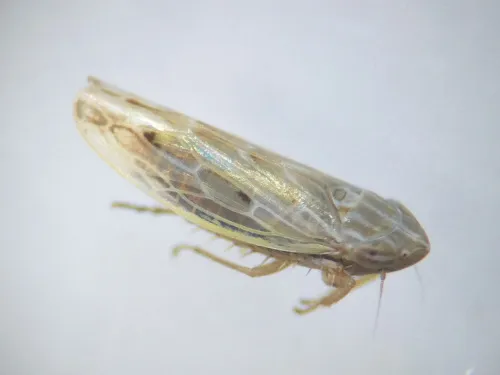
Psammotettix confinis
Psammotettix confinis
Length 3 to 4 mm. Psammotettix is a large and difficult genus of very similar species. P confinis is a small hopper with cream and pale brown forewings, sometimes with spots and darker markings in the forewing cells. There are two small wavy dark mar
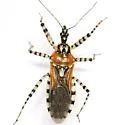
Pselliopus inermis
Pselliopus inermis
Identification: humeri completely unarmed Type Locality: Mexico
Pselliopus latifasciatus
Pselliopus latifasciatus
Identification: The only eastern Pselliopus with tubercles on pronotum. The recurved humeri and upcurved foliaceous scutellar apex are also distinctive in the East. Otherwise, this species shares some similarities with the western P. spinicollis . T
Pselliopus punctipes 0
Pselliopus punctipes
Identification: distinctive spinose not listed for the US in ( 3 )
Pselliopus spinicollis
Pselliopus spinicollis
Identification: Only two Nearctic Pselliopus have tubercles on pronotal lobes. Of those, P. latifasciatus is more eastern and is only recorded as far west as Colorado. The speckles, in addition to the rings, on the femora are supposedly indicative as
Pseudoloxops coccineus
Pseudoloxops coccineus
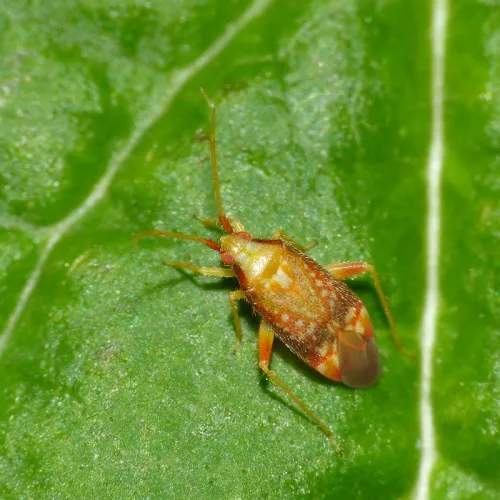
Length 4.5 mm. This species is distinctively coloured and the forewings are mottled orange and red. The 1st antennal segment is red and covered in dark hairs. The wing membrane veins and the sides of the pronotum are also marked with red. Detailed ex
Pseudopachybrachius basalis
Pseudopachybrachius basalis
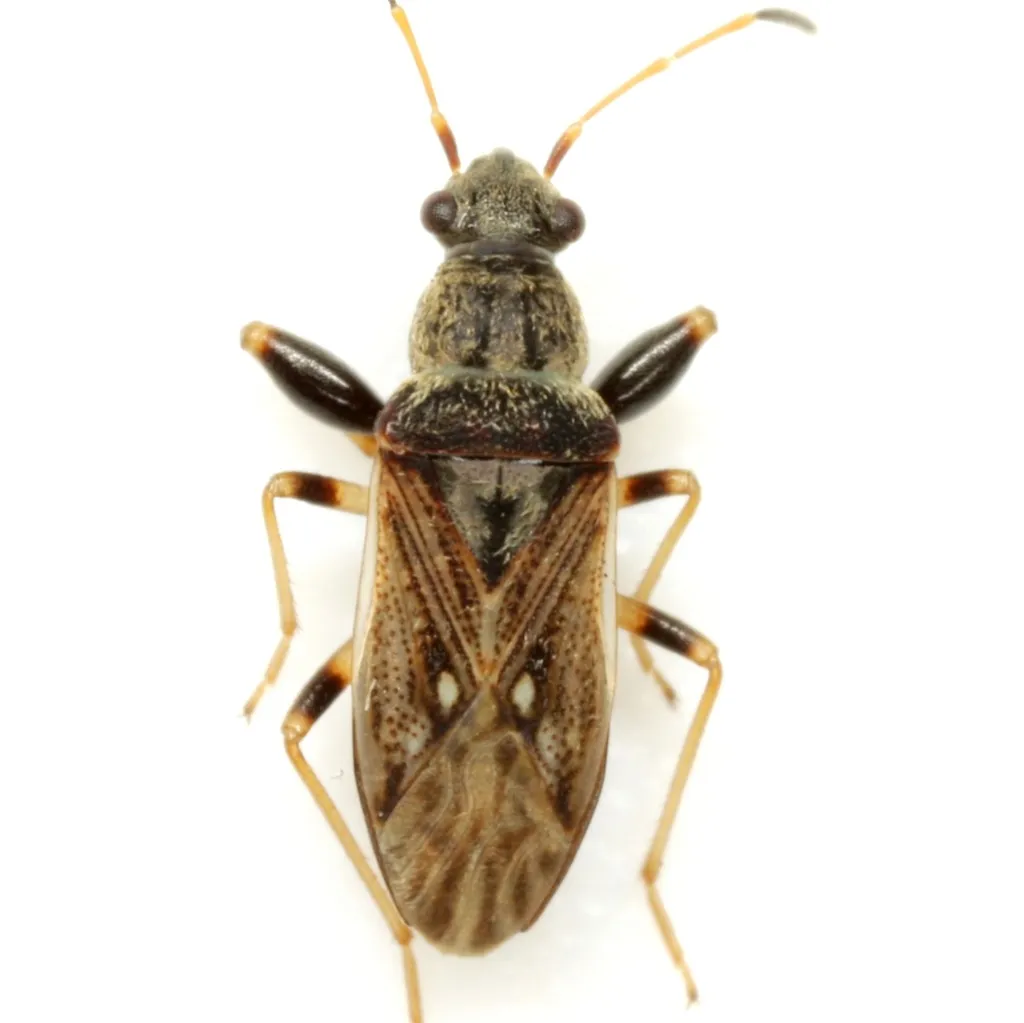
Identification: Posterior (apical) margin of corium pale or light brown; posterior femora with dark markings. Small, robust, stocky. Lateral corial margins completely pale and corium lacking a distinct post median transverse fascia. Oval pale spot pr
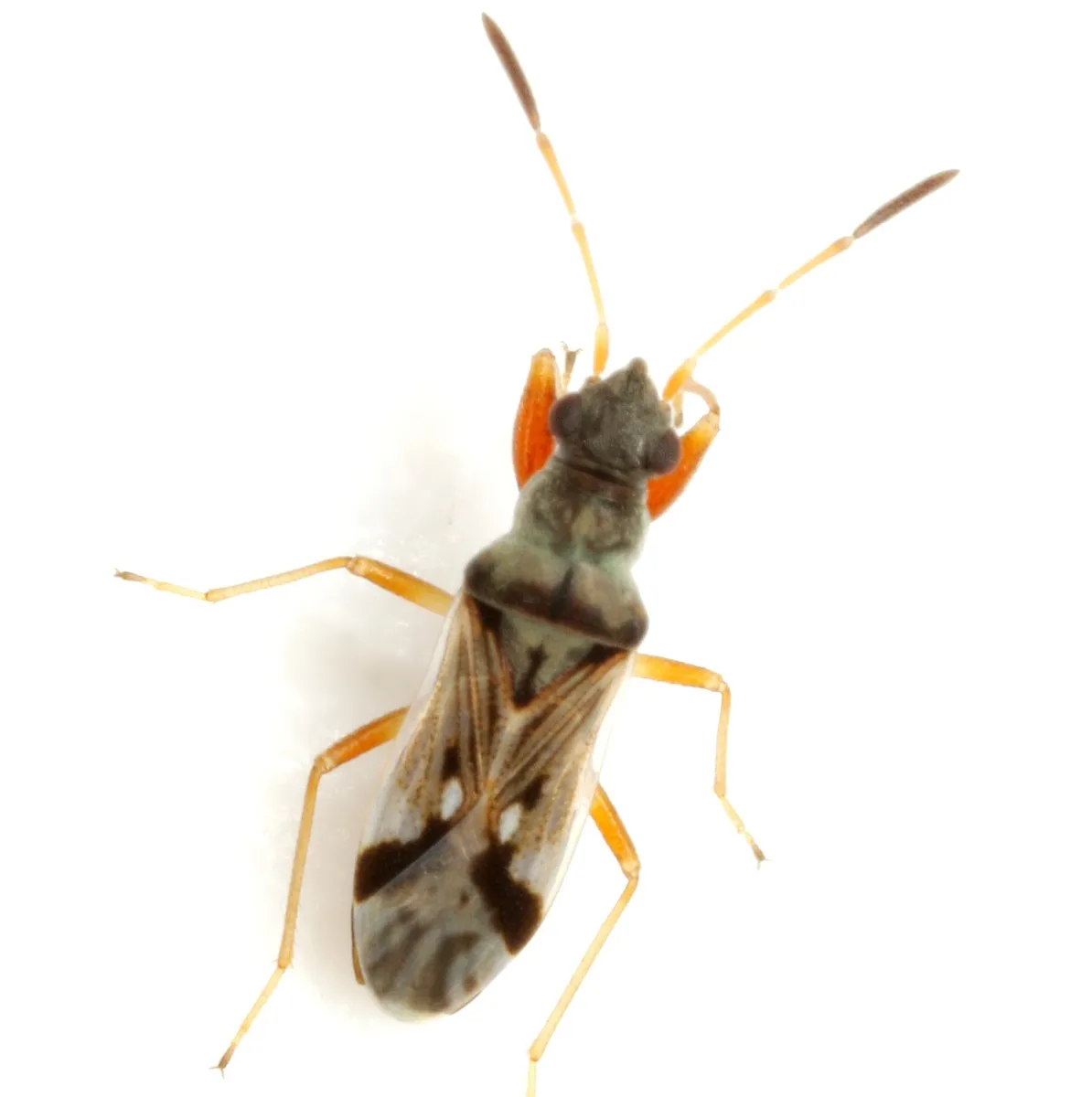
Pseudopachybrachius vinctus
Pseudopachybrachius vinctus
Identification: prominent oblique black lines at the corium-membrane interface Det. M.S. Sweet, 2010 Type Locality: Fla.
Pseudopamera aurivilliana
Pseudopamera aurivilliana
Identification: elongate, wings (corium) are mostly a uniform brown wash, basal half of apical ant. segment pale, top of white wingspot generally flater, straighter than that of congeners Det. Merrill Sweet, 2010 (1st image)
Pseudopamera nitidicollis
Pseudopamera nitidicollis
Identification: shorter length (than congeners), shorter anterior pronotal lobe (than congeners), pale posterior pronotal lobe (just above base of wings), generally dark distal ant. segment, coriun boldly banded Det. Jason Botz, 2023
Pseudopamera setosa
Pseudopamera setosa
Identification: other congeners have glossy head, pronotum, scutellum, and front femora Det. Brad Barnd, 2022 (from spmn) Type Locality: Texas
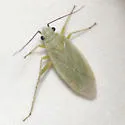
Pseudopsallus atriseta
Pseudopsallus atriseta
Identification: recognized by the subquadrate head with frons strongly protruding and rounded; hemelytra without, or with only a few, dark bristle-like setae mostly on apical halfofcorium; second antennal segment dark yellowish brown to nearly black;
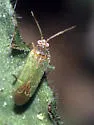
Pseudopsallus puberus
Pseudopsallus puberus
Identification: Recognized by the strongly protruding angulate claw base; dorsal vestiture with broad scale-like setae; pronotum with brown or orange brown cast; and males with two basally confluent ribbon-like left tergal processes. Female macropter
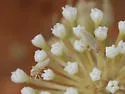
Pseudopsallus stitti
Pseudopsallus stitti
Pseudopsallus stitti (Pseudopsallus stitti) is a species in the family Miridae, commonly known as plant bugs, belonging to the order Hemiptera (True Bugs, Cicadas, Hoppers, Aphids and Allies). It is classified within the subfamily Orthotylinae, tribe
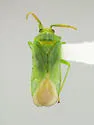
Pseudopsallus viridicans
Pseudopsallus viridicans
Identification: Smaller than most in the genus; "green or yellowish green cast on pronotal disk; strongly curved tarsal claw with large, angulate base; males with three tergal processes [on the genital capsule]. Female macropterous." The large, angul
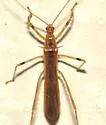
Pseudosaica florida
Pseudosaica florida
Identification: may be separated from two other very similar saicine species by color and number of wing cells: Saica apicalis is vermilion red and has 3 cells in the wing membrane; S. elkinsi is uniformly yellow-brown and has 2 cells in the wing mem
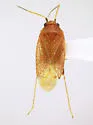
Pseudothenicus rubropunctatus
Pseudothenicus rubropunctatus
Identification: Superficially similar to red-speckled species of Parthenicus , but with only simple setae on dorsum, a weak basal carina on the head, and distinctively forked parameres. The left paramere is C-shaped and apically bifid, and the right
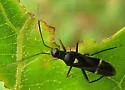
Pseudoxenetus regalis
Pseudoxenetus regalis
Identification: Adult: slender black ant mimic with two main color forms: form "regalis" (more common from North Carolina southward) usually has reddish-orange pronotum and white scutellum; form "scutellatus" (more common from North Carolina northwar
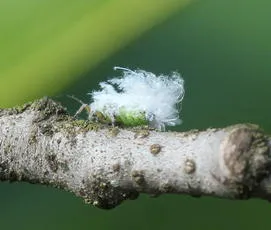
Psylla alni
Psylla alni sensu lato
A very large psyllid, 5 - 6 mm, associated with Alder. The adults are green, but may become red-brown later in the year. The wings are clear, wth dark veins. The nymphs are covered in a white waxy secretion. Baopelma foersteri is also associated with
Psylla buxi
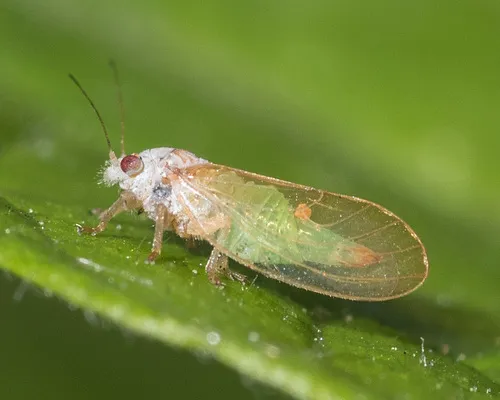
Psylla buxi
The psyllid causes galls to form on the shoot tips of Box. The galls take the form of pale, cabbage like clusters, the bunched leaves being strongly concave and slightly thickened. During the summer they conceal numerous tiny pale green nymphs covere
Psylla carpinicola
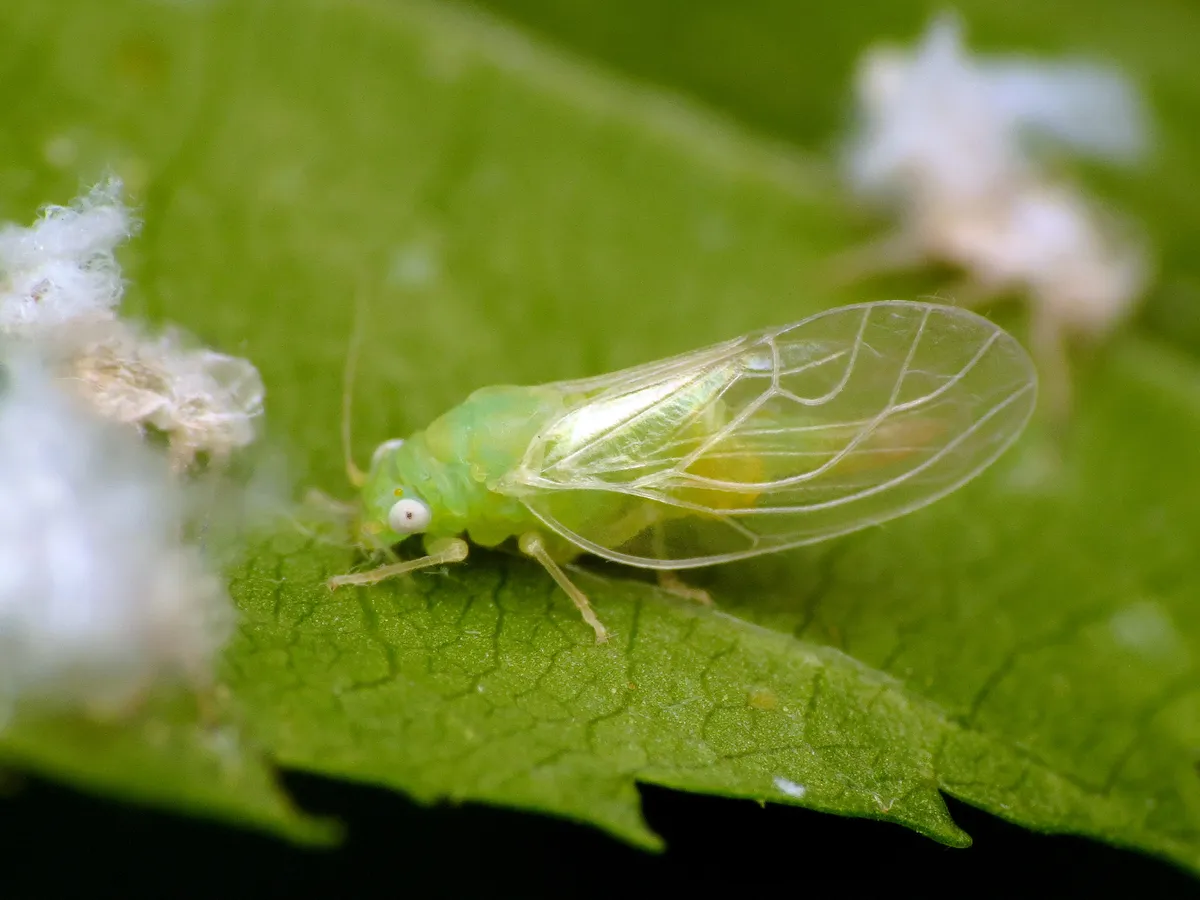
Psylla carpinicola
Identification: Color variable from light green to reddish brown in mature individuals; wings clear to slightly yellowish fumate, veins sometimes green. Antennae twice as long as width of head; female genitalia very long, longer than rest of abdomen,
Psyllopsis fraxini agg.
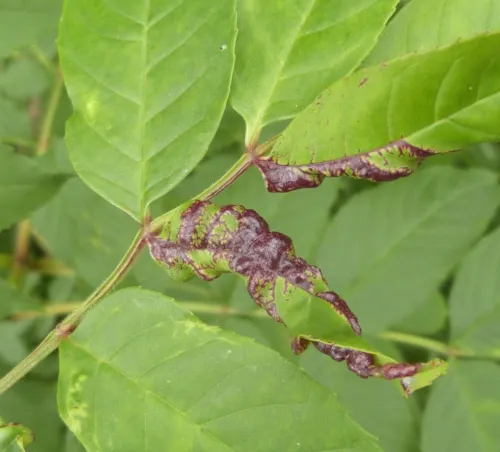
Psyllopsis fraxini agg.
These species of jumping plant louse cause galls to form on the leaves of Ash. The adult has wings with strong black markings. The gall is on the leaf edge, causing it to swell and roll. It starts green but gradually becomes reddish or purplish, ofte
Psyllopsis fraxinicola
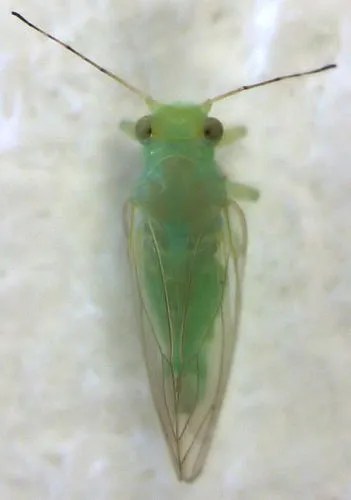
Psyllopsis fraxinicola
An inquiline in galls of Psyllopsis fraxini agg. on ash. The nymphs are green without black markings No additional images available for this species.
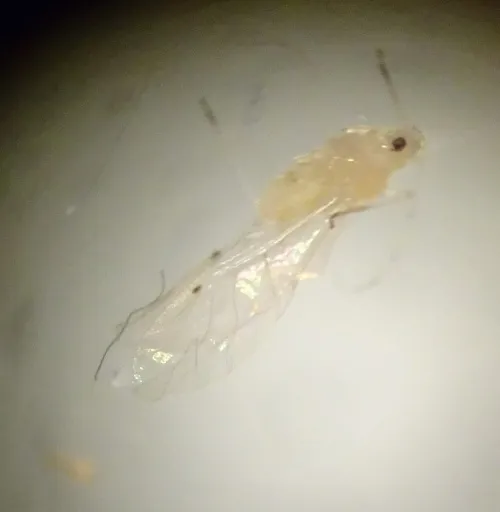
Pterocallis alni
Pterocallis alni
The body length of Pterocallis alni apterae is 1.3 to 2.0 mm. Both the winged and wingless adult viviparae of P. alni are yellowish white to yellowish green. For a more detailed description of this species please use the ‘Further info:’ link below. P
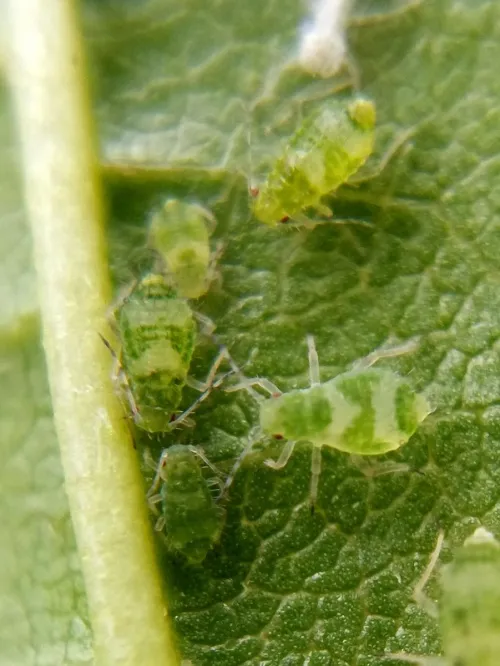
Pterocallis maculata
Pterocallis maculata
Adult apterae of Pterocallis maculata are yellowish-green or green, with a pattern of diffuse dark green dorsal cross bands, giving an overall blotchy appearance. The body length of the aptera is 1.4 to 2.1 mm. The P. maculata alate has a pale green
Ptochiomera nodosa
Ptochiomera nodosa
Ptochiomera nodosa (Ptochiomera nodosa) is a species in the family Rhyparochromidae, commonly known as dirt-colored seed bugs, belonging to the order Hemiptera (True Bugs, Cicadas, Hoppers, Aphids and Allies). It is classified within the subfamily Rh
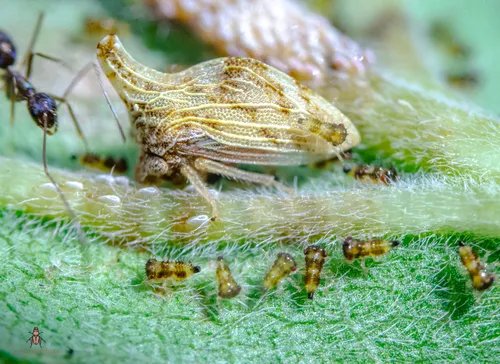
Publilia erecta
Publilia erecta
Identification: "Pronotum with erect horn straight or nearly straight above head, apex of horn rounded or almost a right angle in front, almost a right angle in back; mid-dorsal depression behind horn followed by slight convexity and abrupt straight
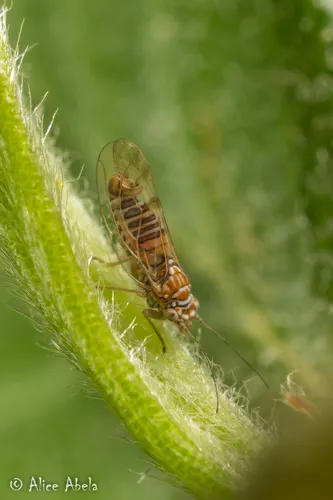
Purshivora brevistigmata
Purshivora brevistigmata
Identification: Reddish in color with white markings as follows: on margins of vertex, basal half of genal processes, posterior margins of pronotum and prescutum, six longitudinal stripes on scutum, margins of scutellum, margins of abdominal sclerite
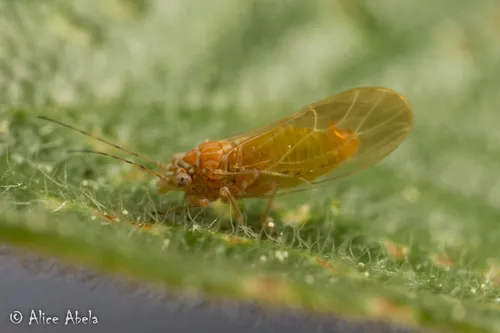
Purshivora insignita
Purshivora insignita
Identification: Similar to Cacopsylla brevistigmata in form and mature coloration, but differs in having much longer genal processes, almost as long as vertex
Purshivora media 0
Purshivora media
Identification: General color orange with white markings; genal cones short, about 1/3 as long as length of vertex
Purshivora nigranervosa
Purshivora nigranervosa
Identification: Wings with veins heavily darkened Given that the genae are short and non-conical and that the metatibial spurs apparently number >5, C. nigranervosa 's placement in the genus Cacopsylla seems to be in error. Jensen compares the specie
Purshivora pubescens
Purshivora pubescens
Identification: Head and thorax with prominent white pubescence
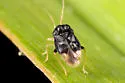
Pycnoderes medius
Pycnoderes medius
Identification: 1) Small size (< 3mm); 2) Pronotal disk bilobed by a median sulcus; 3) Embolium with distinct pale spot only at base; 4) Scutellum convex; 5) Mesoscutum not exposed; and 6) Membrane and veins distinctly fuscous . Type Locality: MO.
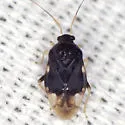
Pycnoderes quadrimaculatus
Pycnoderes quadrimaculatus
Identification: Det. T. J. Henry, 2012 Type Locality: Cuba
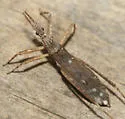
Pygolampis pectoralis
Pygolampis pectoralis
Identification: antennomere 1 almost twice as long as anteocular area (head area anterior to the eyes) (vs subequal in P. sericea ); front femora lack spines; beak segment one almost as long as segments two and three combined; apex of head at base of
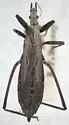
Pygolampis sericea
Pygolampis sericea
Identification: The swollen profemora and first antennal segment subequal to anteocular area separate it from P. pectoralis . (Dan Swanson's comment )
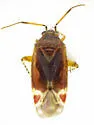
Quernocoris caliginosus
Quernocoris caliginosus
Identification: From Weirauch, omitting figure references: "Recognized by the moderate size, reddish to chocolate-brown coloration in the male, the pronotum mottled with dark spots, [and form of the male genitalia]. Distinguished from the similarly s
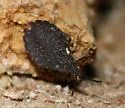
Quilnus heidemanni
Quilnus heidemanni
Identification: One of three species in Quilnus with the antennae not much thicker than profemur. Quilnus usingeri is macropterous, whereas Q. heidemanni is brachypterous. A. oregonicus , which was described in the subgenus Quilnus and stated to be c
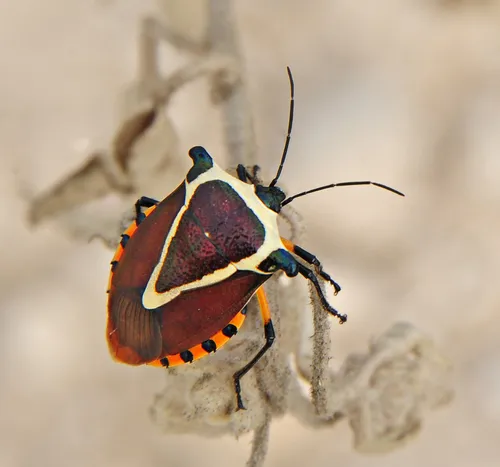
Ramosiana insignis
Ramosiana insignis
Given that Schoepfia schreberi apparently doesn't occur in s. TX, are there any potential alternate hosts? In the continental US, the genus Schoepfia is only found in Florida Apparently, the only other member of the Olax Family (Olacaceae) present in
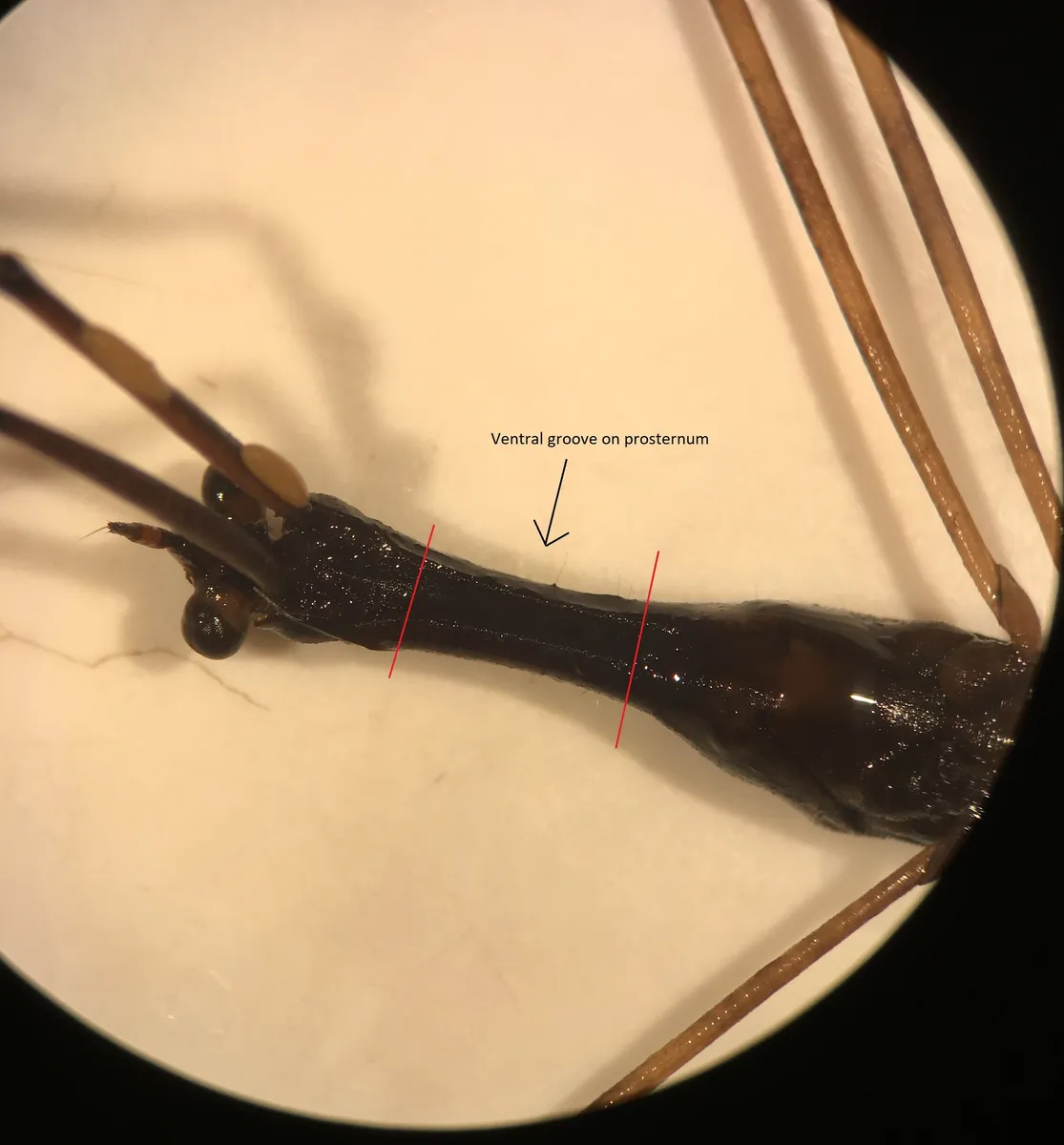
Ranatra buenoi
Ranatra buenoi
Identification: prosternum with wide longitudinal depression
Ranzovius californicus
Ranzovius californicus
Identification: Strongly swollen antennal segment 2
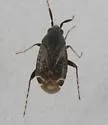
Ranzovius clavicornis
Ranzovius clavicornis
Identification: 1) A2 ≤ (vertex width) + (single eye); and 2) Apex of embolium and base of cuneus with a wide, white, lunate mark, often reaching from outer margin to membrane. uncommon (BG data)
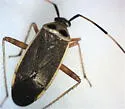
Rapid Plant Bug
Adelphocoris rapidus
Identification: note: very long antenna, a relatively small head, and the color of the antennal segments (adapted from wongun's comments on iNat) first image is the most common form: these alternate forms ( A. superbus ) are of western distribution:
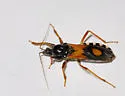
Rasahus biguttatus
Rasahus biguttatus
Identification: "Very similar to hamatus ; the chief differences as in key. Color variable, the head and pronotum often reddish-brown, sometimes with front half of latter black and hind one brown. Membrane blackish with a large oval or rounded yellow
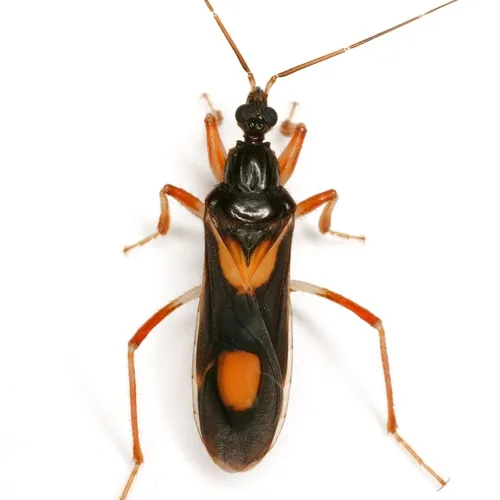
Rasahus hamatus
Rasahus hamatus
first US report by Barber (1906) near Brownsville, TX: "Twelve specimens. I can find no record of this species having been taken in the United States." ( 4 )
Rasahus scutellaris 0
Rasahus scutellaris
Identification: Rasahus scutellaris (Fabricius, 1787) Type Locality: French Guiana
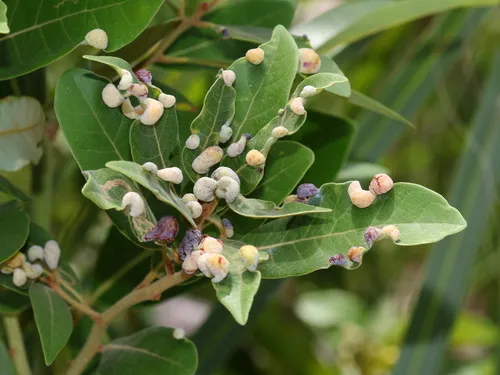
Red Bay Psyllid
Trioza magnoliae
Identification: Adults: forewings large, angular, with large cubital cell and vein Rs long; pronotum relatively long, prescutum longer than wide. General color green to brown with brown stripes on thoracic dorsum
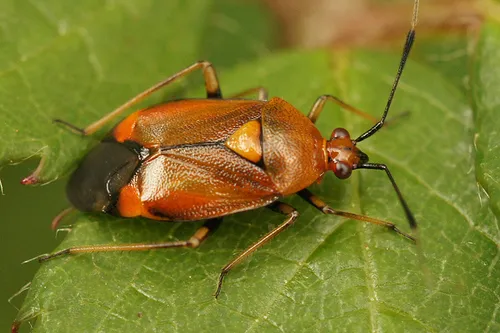
Red Bug
Deraeocoris ruber
Length 6-8 mm. The ground colour (including the scutellum) ranges from red-orange to almost fully black, although the cuneus is always red to some extent. The forewings are very shiny. The tibiae are unbanded and the 1st antennal segment and at least
Red Bull Assassin Bug
Repipta taurus
Identification: Note projecting spines on thorax, thoracic pattern Type Locality: "Carolina"
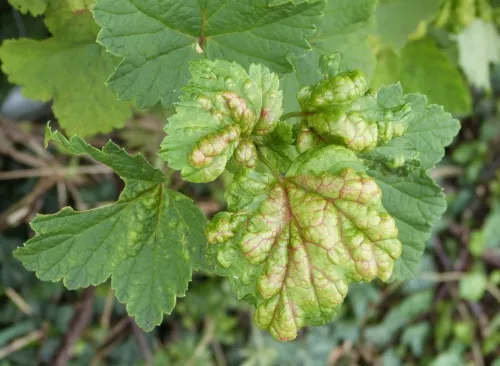
Red Currant Aphid
Cryptomyzus ribis
The aphid Cryptomyzus ribis causes galls on the leaves of Currant species ( Ribes ). The galls take the form of raised thickened patches on the upper surface of leaves, these may be yellowish or red, the leaf often curls downwards. Hairy depressions
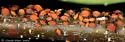
Red-and-black cherry aphid
Aphis feminea
Identification: Adult apterae are red with black head, prothorax and mesothorax, antennae, and legs.
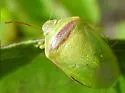
Red-banded Stink Bug
Piezodorus guildinii
greatly expanded its range in recent years, by 2009 becoming the number one pest of soybeans across several southern states from AL to TX ( Zhao & Jones 2012 ); the most important soybean pest in Brazil
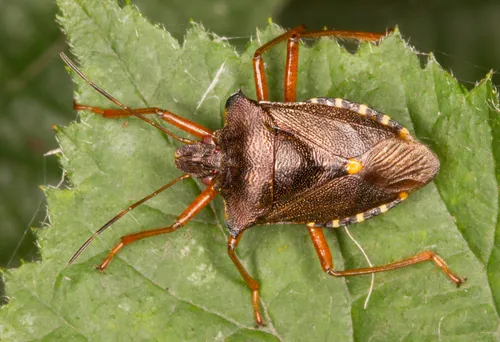
Red-legged Shieldbug
Pentatoma rufipes
Length 11-14 mm. A large brown shieldbug which has orange legs and slightly hooked projections at the front of the pronotum. The pale spot at the tip of the scutellum varies from orange to cream. Well wooded areas, orchards and gardens. Adults may be
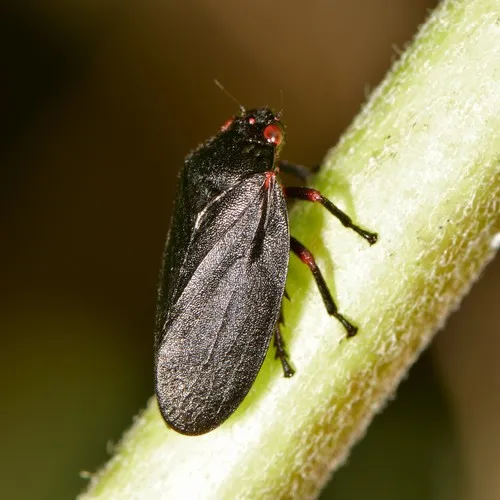
Red-legged Spittlebug
Prosapia ignipecta
Identification: To distinguish from black form of Prosapia bicincta , note the bright red coxae :
Red-shouldered Stink Bug
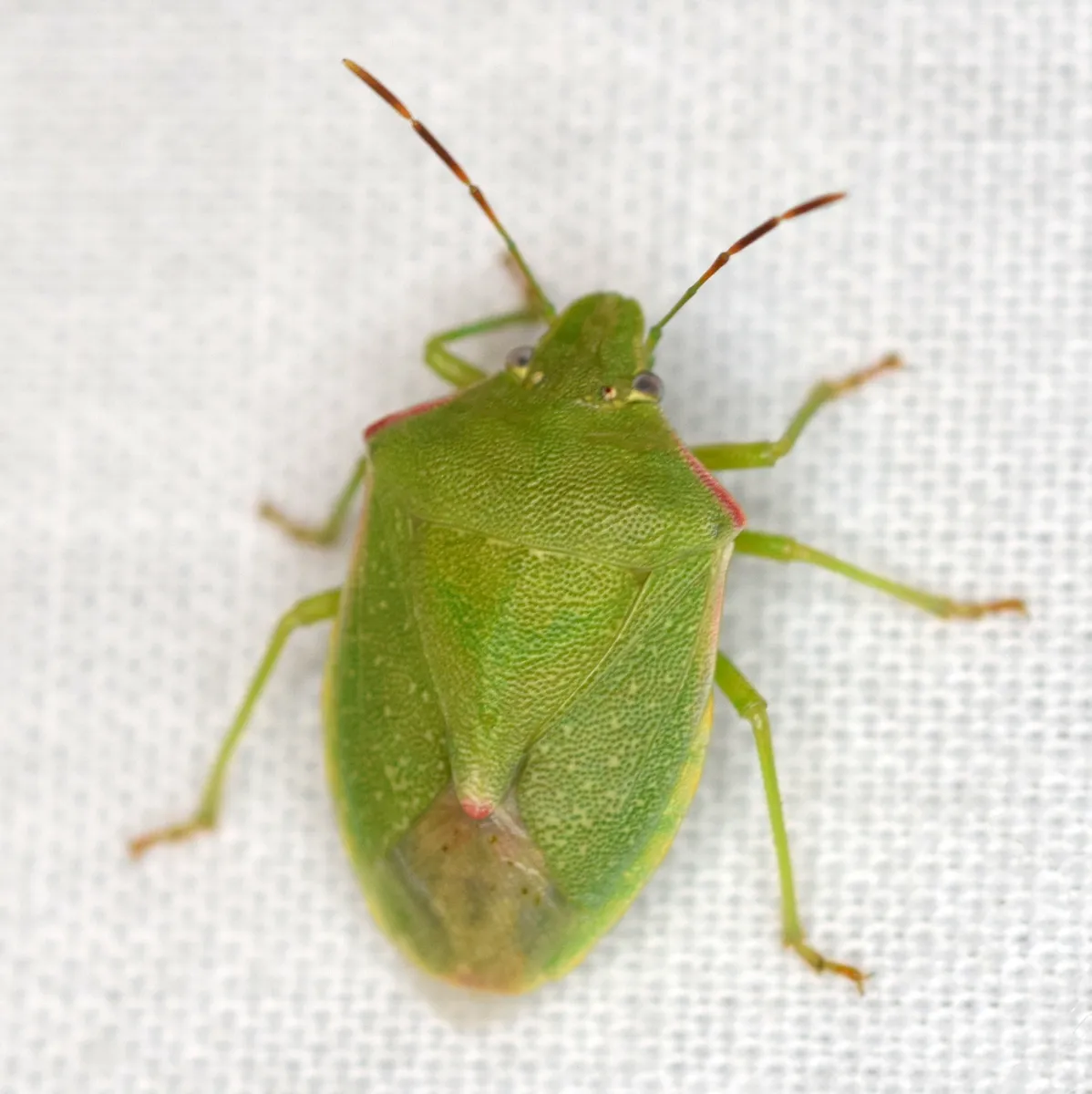
Thyanta custator
Identification: highly variable overwintering forms are often, but not always, brown, e.g.: T. custator accerra is the wide-ranging subspecies, while T. custator custator is restricted to the Atlantic coastal plains and can easily be dinstinguised fr
Red-streaked Leafhopper
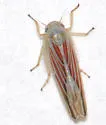
Balclutha rubrostriata
Identification: The darkness of the red is variable: Earliest US record per Zahniser et al. (2011) is a specimen in the INHS Insect Collection with the following label data: Texas: Kleberg Co. Kingsville 4.VI.1971 col. J.E. Gillaspy at light First kn
Reduvius sonoraensis
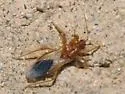
Reduvius sonoraensis
Identification: see ; may be macropterous or brachypterous (brachypters not known in other congeners of our fauna)
Reduvius vanduzeei
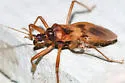
Reduvius vanduzeei
Identification: Within the senilis group, this species may be recognized by the larger size (the others <12 mm) and the distinctly bicolorous pronotum. The dark corial spots are shared with R. senilis .
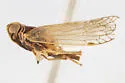
Remotiarus forcipatus
Remotiarus forcipatus
Identification: Cannot be differentiated from other members of the genus without examination of the male terminalia.
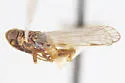
Remotiarus uncatus
Remotiarus uncatus
Identification: Cannot be differentiated from other members of the genus without examination of the male terminalia.
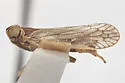
Remotiarus yavapanus
Remotiarus yavapanus
Identification: Cannot be differentiated from other members of the genus without examination of the male terminalia.