
Flies
Order Hymenoptera
The Flies (Order Hymenoptera) includes 5,194 species across 102 families and 1,491 genera in our directory.
About Flies
Hymenoptera includes over 150,000 described species of ants, bees, wasps, and sawflies. Earth harbors approximately 20 quadrillion (20×10^15) ants, with a combined biomass of ~12 megatons of dry carbon - exceeding the combined biomass of all wild birds and mammals (PNAS, 2022).
Economic Impact
Pollinators contribute $235-577 billion worth of annual global food production (FAO). In the U.S., bee pollination alone benefits crops valued at $18 billion annually, and honey bees are responsible for $5.4 billion in agricultural productivity. Between April 2023-2024, 55.1% of managed honey bee colonies were lost. The U.S. bee population dropped from 5 million to 2.5 million.
Ecological Role
About 35% of the world's food crops depend on animal pollinators. The chocolate industry, valued at over $100 billion, depends on pollinating flies and midges. Ants are the dominant soil engineers in most terrestrial ecosystems, turning more soil than earthworms in many habitats.
Families in Hymenoptera (102)
Species in Hymenoptera (5,194)
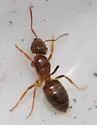
Lasius aphidicola
Lasius aphidicola
Lasius umbratus has long been applied to the Nearctic population. Schar, et al 2018 (see print references) at long last elevated this species out of the Eurasian taxon.
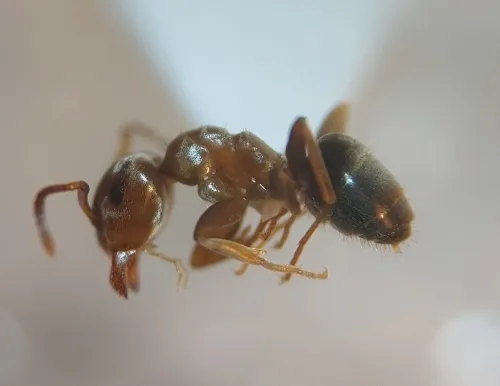
Lasius brunneus
Lasius brunneus
Workers of this species look superficially like the common black garden ant Lasius niger but can be distinguished by, amongst other characters, their lighter brownish-red head and alitrunk contrasting with a dark/black gaster Can be confused with Las
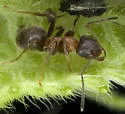
Lasius emarginatus
Lasius emarginatus
Identification: Combination of: - Contrasting orange-brown alitrunk (apparent thorax, i.e. actually thorax + propodaeum) and - Long scapi (1rst antennal segments) overreaching the vertex. Introduced very recently from the Mediterranean and central Eu
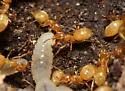
Lasius nearcticus
Lasius nearcticus
Identification: key characters include: long maxillary palps, small eyes. Separated from L. brevicornis by the relative length of the last segment of maxillary palp, longer than penultimate in nearcticus, shorter in brevicornis
Late Birch Leaf Edgeminer
Heterarthrus nemoratus
Identification: mine Introduced from Europe early in the 20th century ; at one time a severe pest of wild birch, now a minor aesthetic pest In the 1920s/1930s several biocontrol agents were imported, Kratochviliana laricinellae and Phanomeris phyllot
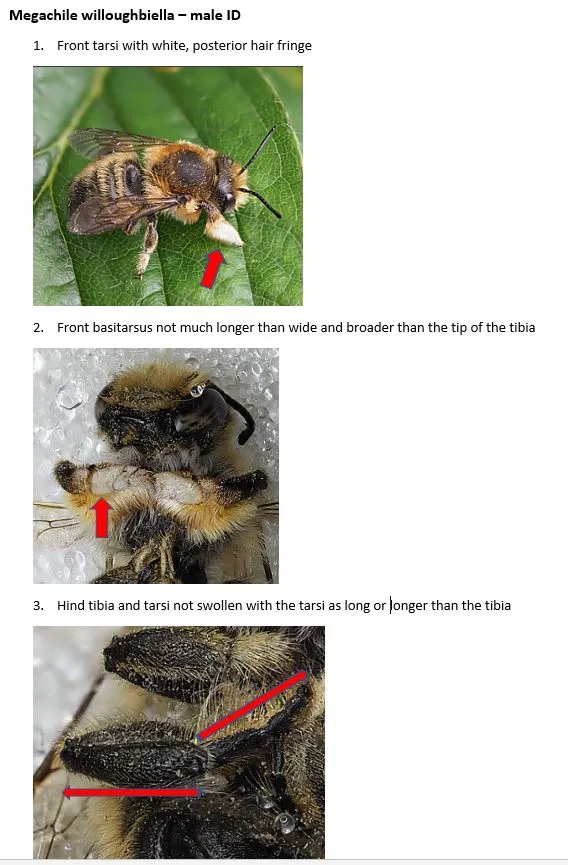
Leafcutter Bee
Megachile willughbiella
Length 12 to 18 mm. A large leafcutter bee, the males of which have distinctive white flattened front tarsi. Females of this genus can be difficult to identify, even under a microscope. It is the commonest leafcutter bee and the species most likely t
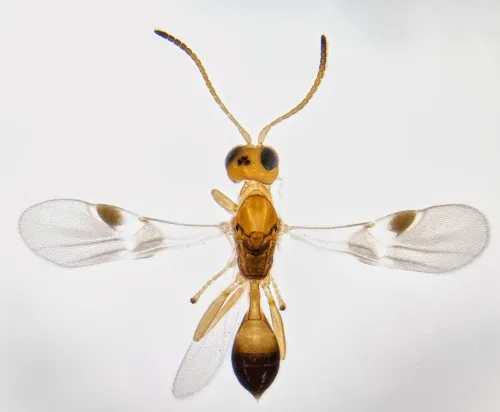
Leiophron apicalis
Leiophron apicalis
Length 3-4mm. Forewing basal cell setose, head dorsally behind ocelli not or very weakly striated, body colour light yellow. Unless identified by a recognised expert, photos are required and the specimen should be examined with a microscope. In the c
Leptochilus bellulus
Leptochilus bellulus
Identification: Characteristic are the isolated white spots on tergum 2.
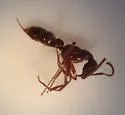
Leptogenys elongata
Leptogenys elongata
Identification: female & male This species lacks a winged queen caste, but the ergatoid (worker-like) queens are still morphological distinguishable from the workers by their shorter and wider petiole and usually distended abdomen:
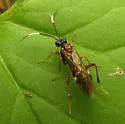
Leucopelmonus annulicornis
Leucopelmonus annulicornis
One of the few sawflies that have a white band on the antennae. The host plant is unknown. (Comment by Dave Smith)
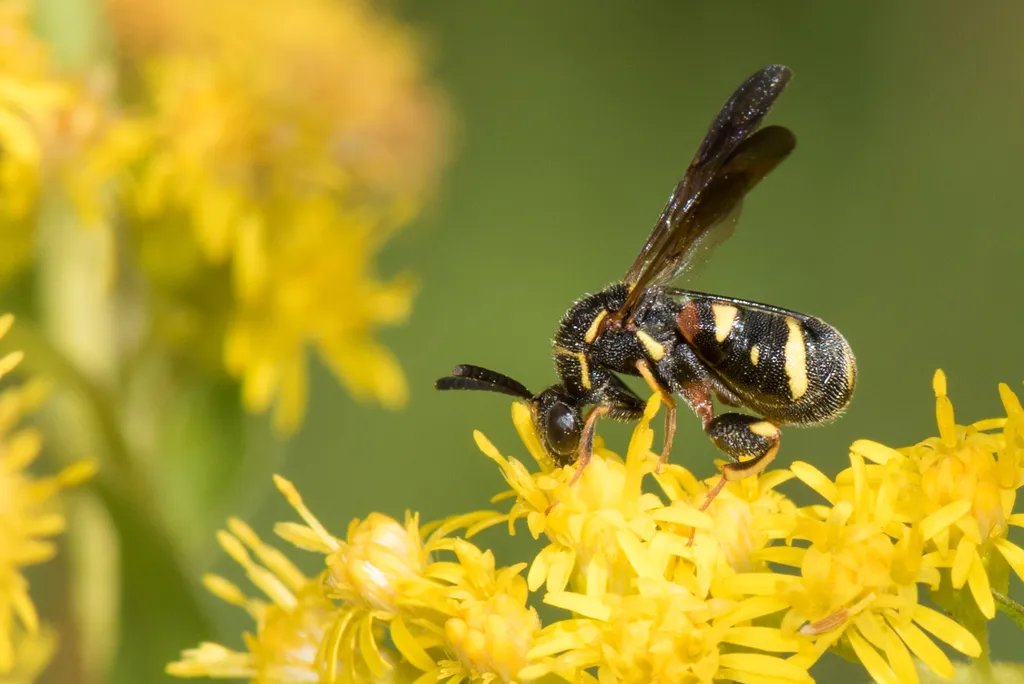
Leucospis affinis
Leucospis affinis
Identification: Hind femur less stout and with a broad basal tooth and at least 7 smaller teeth; ovipositor very long and reaching the mesosoma. L. a. affinis - body with yellow markings (widespread) Californian variant - mesoscutum often with a pair
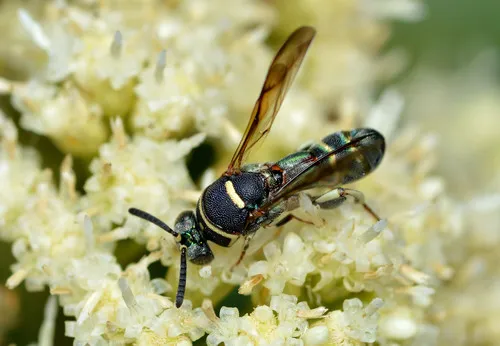
Leucospis birkmani
Leucospis birkmani
Identification: "The roundish medial spot at the anterior edge of the pronotum is distinctive for this species." (comment by Norm Woodley) Morphologically, the immaculate scutellum rules out L. affinis and L. slossonae .
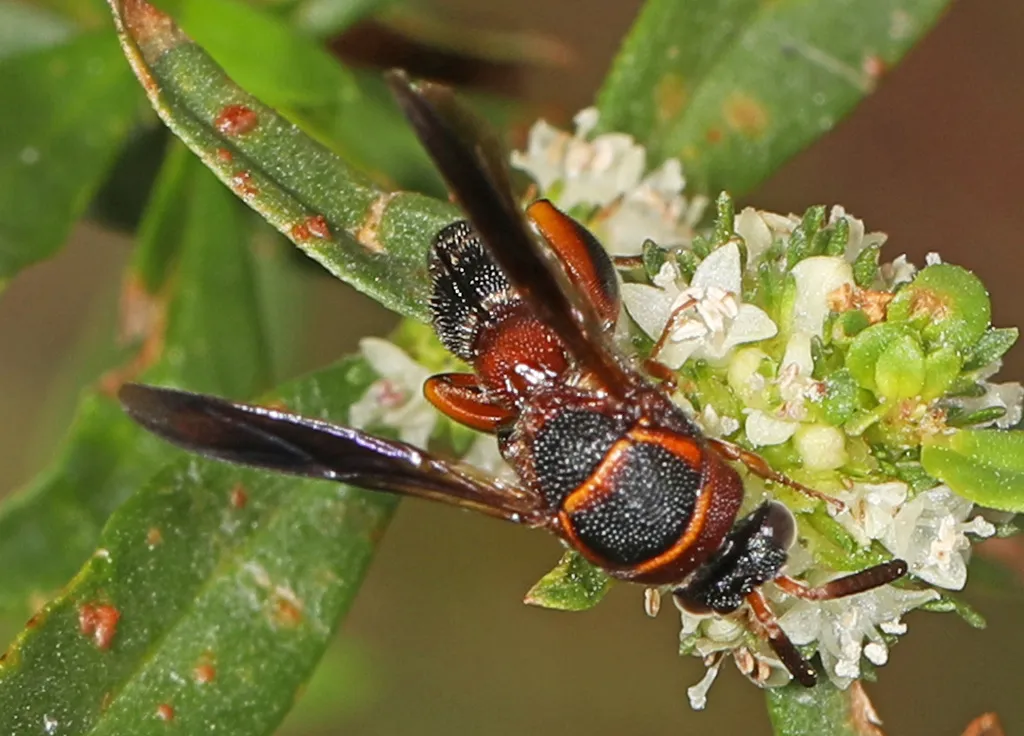
Leucospis robertsoni
Leucospis robertsoni
Identification: This is one of three large, red chalcidoids that are mimics of various red-and-black mason wasps in Florida and surrounding states. Most images here were previously misidentified as Leucospis affinis floridana . Leucospis robertsoni ,
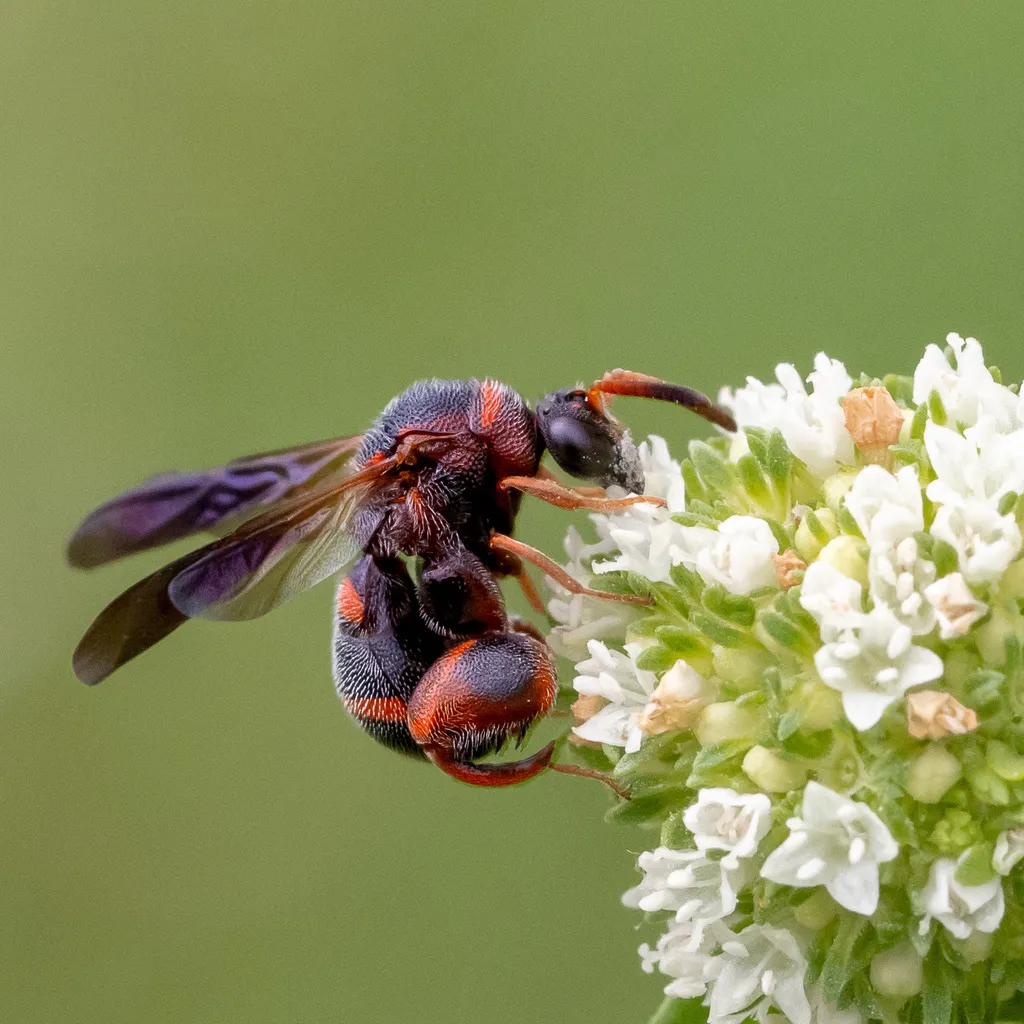
Leucospis slossonae
Leucospis slossonae
Identification: This is one of three large, red chalcidoids that are mimics of various red-and-black mason wasps in Florida and surrounding states. Most images here were previously misidentified as Leucospis affinis floridana , which is actually quit
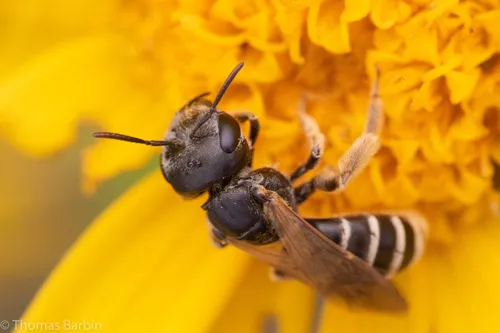
Ligated Furrow Bee
Halictus ligatus
Identification: Well-defined basal hair bands, relatively broad apical hair bands; apparently robust head of female with a genal tooth; male antennae pale below; tegula pale. Best separated from H. poeyi based on range OR DNA sequence data in areas o
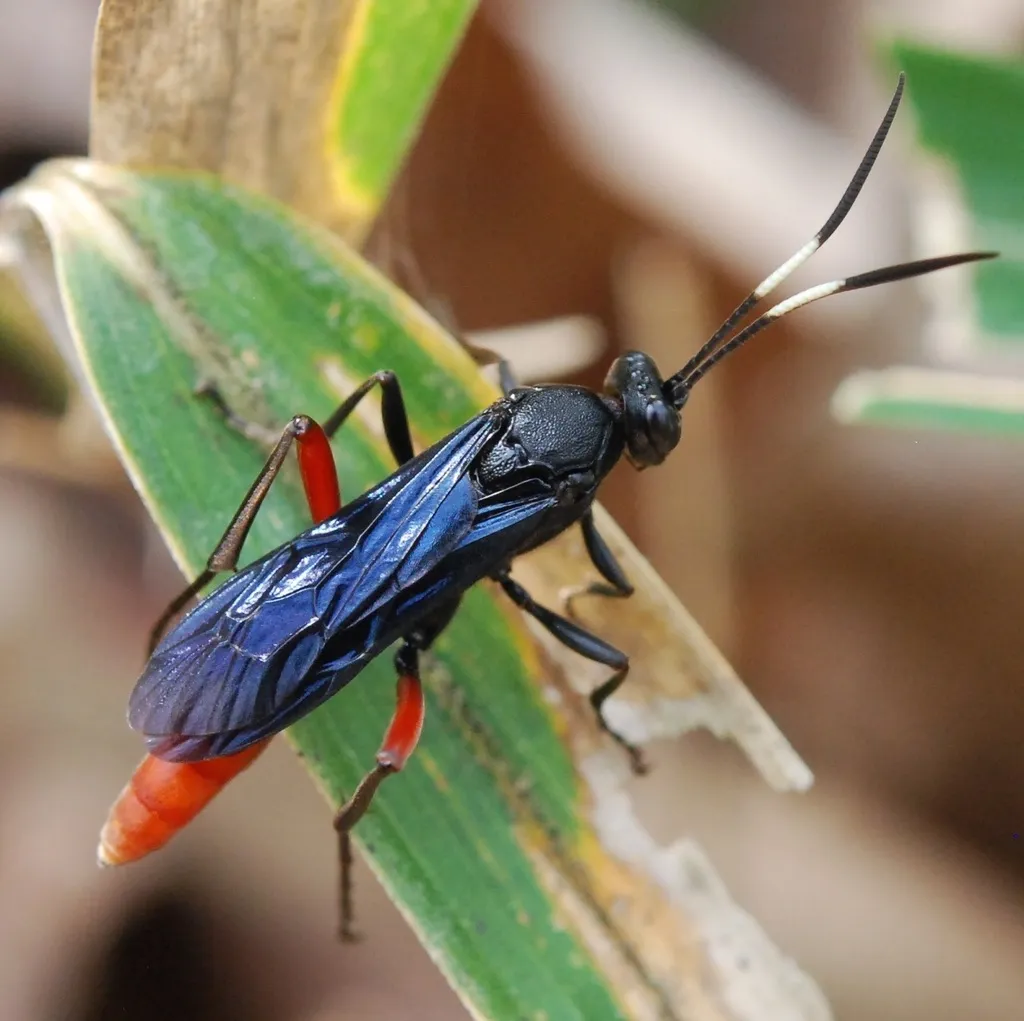
Limonethe maurator
Limonethe maurator
Identification: A distinctive species recognized by its black ground color, red hind femora, red abdomen, and white bands on the antennae.
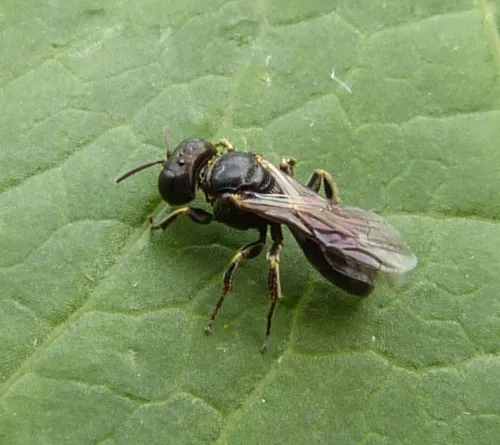
Lindenius albilabris
Lindenius albilabris
A small, slim bodied, black solitary wasp. Most solitary bees and wasps are difficult to identify, and can rarely be identified from photos taken in the field. All red-rated records should include a photo or set of photos of the specimen, illustratin
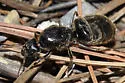
Liometopum apiculatum
Liometopum apiculatum
common from AZ to wTX to se Mexico, dominant ant in most oak forests in sw US; can be easily found foraging on the sides of oak trees. Staphylinids, including Sceptobius dispar and Dinardilla liometopi are found in nests, often taking food from the a
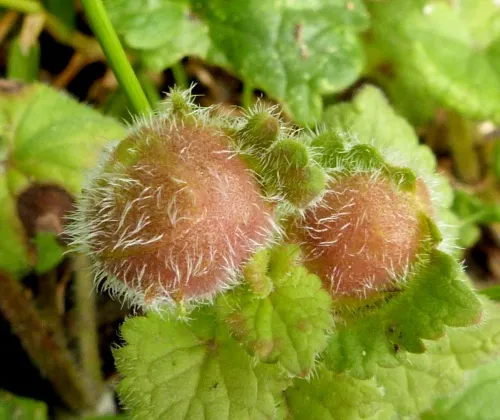
Liposthenes glechomae
Liposthenes glechomae
Liposthenes glechomae is a cynipid gall wasp that causes galls to form on Ground-ivy. The galls are globular hairy swellings on the undersides of leaves or apparent on both sides of the stem. They are green or reddish in sunlight, soft at first becom
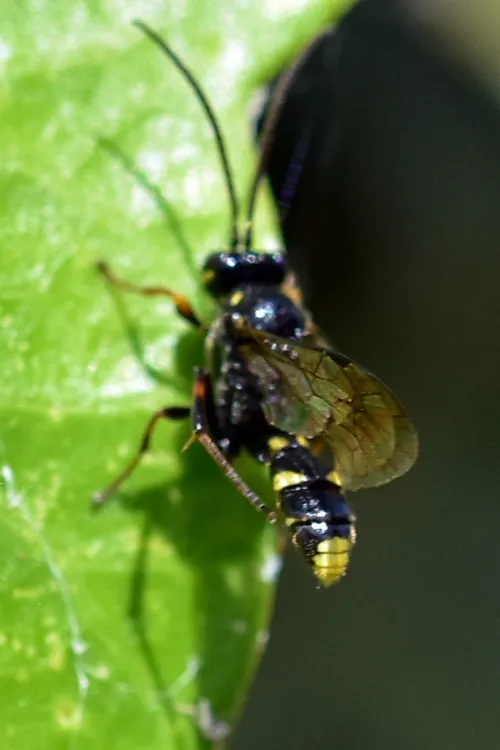
Listrodromus nycthemerus
Listrodromus nycthemerus
Unless identified by a recognised expert, a photo is required. If the photo doesn't show the key ID features then in the comments box describe the size and identifying characters you have observed. A specialist parasitoid of the Holly Blue butterfly.
Lithurgopsis apicalis
Lithurgopsis apicalis
Identification: Some populations have conspicuous bright orange hairs at the tip of the metasoma
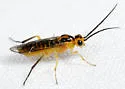
Locust Sawfly
Euura tibialis
Identification: According to Dave Smith, of the Nematus larvae feeding on black locust, N. tibialis is the green one (may have some small black dots); N. abottii is almost all black. Shares the coloration of Lopidea but do not share the ill smelling
Lomachaeta cirrhomeris
Lomachaeta cirrhomeris
Identification: The female is all red except for a bit of darkening of the pygidium. The male is all black except for the red tegulae and femora. hardly ever collected
Long-faced Cellophane Bee
Colletes longifacies
Hall and Ascher (2014) gives a brief description of the male.
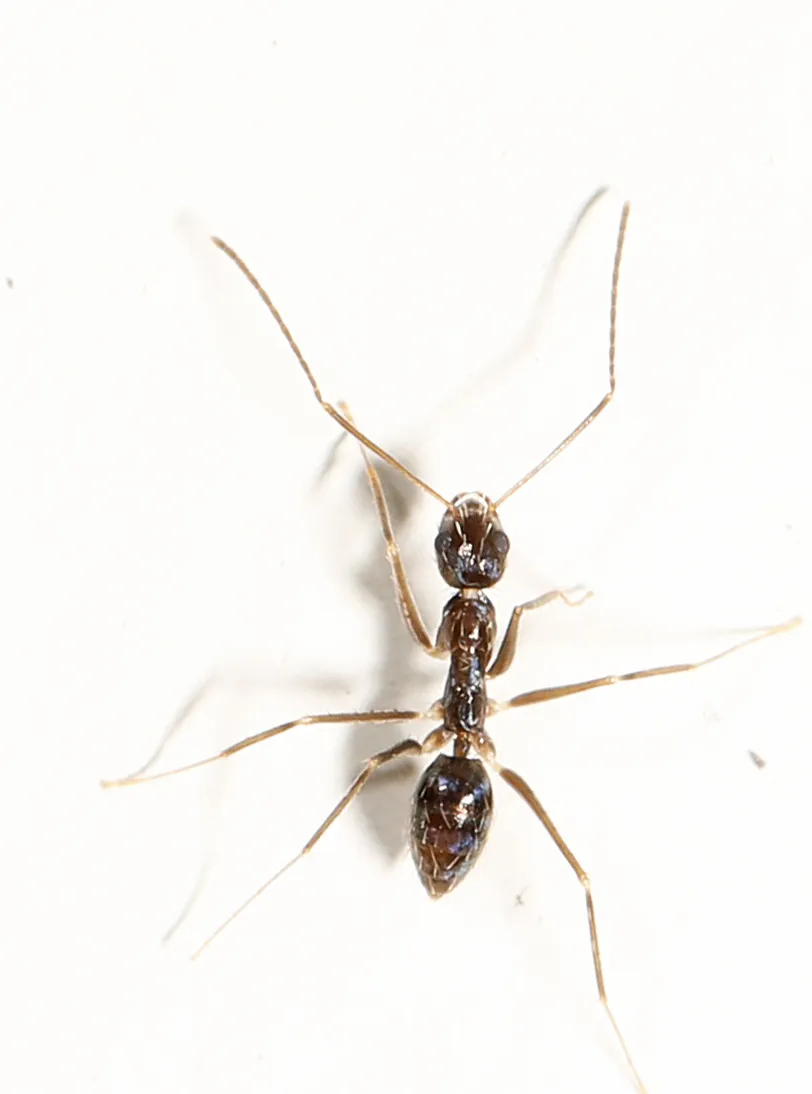
Longhorn Crazy Ant
Paratrechina longicornis
Identification: Bluish reflections are characteristic Host species for the ant cricket Myrmecophilus americanus
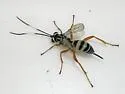
Lymeon orbus
Lymeon orbus
Identification: Mesoscutum with two longitudinal stripes; hind coxa usually tricoloured (anteriorly reddish with weak black marks in females; black marks more prominent in males). L. orbus can be separated from similar species of Baryceros in part by
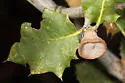
Lyon's Gall Wasp
Heteroecus lyoni
Identification: The larvae of this wasp induce stem galls on Quercus palmeri (Palmer's oak) in California. It's not known to induce galls on any other oak species.
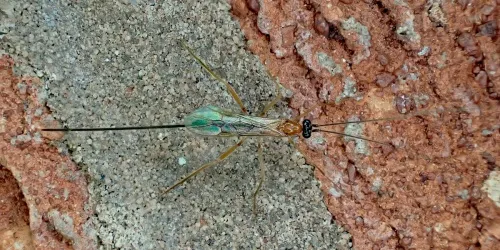
Macrocentrus bicolor
Macrocentrus bicolor
Good quality photograph needed. The specimen should be retained until the identification has been confirmed. True status in Britain is difficult to determine due to lack of records. No additional images available for this species.
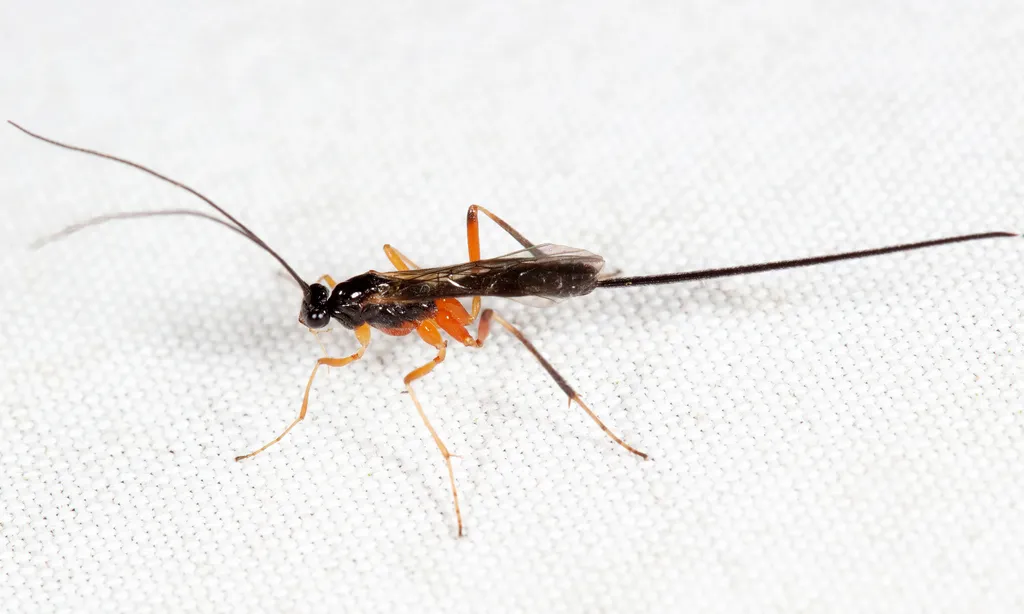
Macrocentrus marginator
Macrocentrus marginator
Identification: Maxillary palpi conspicuously longer than height of head; scutellum longer (over half median length of propodeum); stigma dark; head, thorax, and abdomen black; hind tibiae black with a pale base. ( 3 ) Female Male
Macrocentrus nigridorsis
Macrocentrus nigridorsis
Identification: Maxillary palpi conspicuously longer than height of head; scutellum shorter (less than half median length of propodeum); ovipositor sheaths longer than body; scapes pale yellow; head and thorax black; abdomen with tergites entirely bl
Macrophya epinota
Macrophya epinota
Identification: "Two white spots on back of head (near occiput), mesoscutellum largely white, complete white band on hind tibia. There is nothing else like this." - Dave Smith
Macrophya festana
Macrophya festana
Identification: One of only two species of Macrophya combining white antennal tips and white tarsi (the other being M. varia ). In both sexes, regions that would be have a black ground color in M. varia are rufoaurantius in M. festana , including the
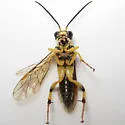
Macrophya formosa
Macrophya formosa
Identification: ♀: Entirely black flagellum; yellow scape; V to triangular shaped mark on prescutum; yellow scutellum; yellow hind coxae; abdomen black with reddish on parts of T4-9. ♂: Entirely black flagellum; yellow scape; V to triangular shaped
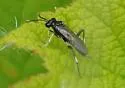
Macrophya fumator
Macrophya fumator
Identification: One of about 7 species of Macrophya to occur west of the Rockies . Females typically have a distinctive red abdomen, and males have the forelegs significantly pale-marked. Both sexes have the flagellum entirely black. ♀ ♂
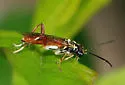
Macrophya goniphora
Macrophya goniphora
Identification: Readily distinguished by the combination of entirely black antennae, white scutellum, rufoaurantius abdomen, and whitish hind coxae.
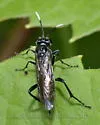
Macrophya nigra
Macrophya nigra
Identification: Females are distinctive with the combination of white antennal tips, entirely black hind tibia and tarsus, and entirely black scutellum.
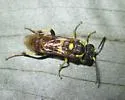
Macrophya succincta
Macrophya succincta
Identification: ♀: Flagellum entirely black, scape yellow, scutellum yellow, abdomen black with extensive yellow banding, hind coxa black.
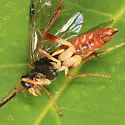
Macrophya varia
Macrophya varia
Identification: One of only two species of Macrophya combining white antennal tips and white tarsi (the other being M. festana ). Appropriately for its epithet, other markings are quite variable, including the extent of pale markings around the orbit
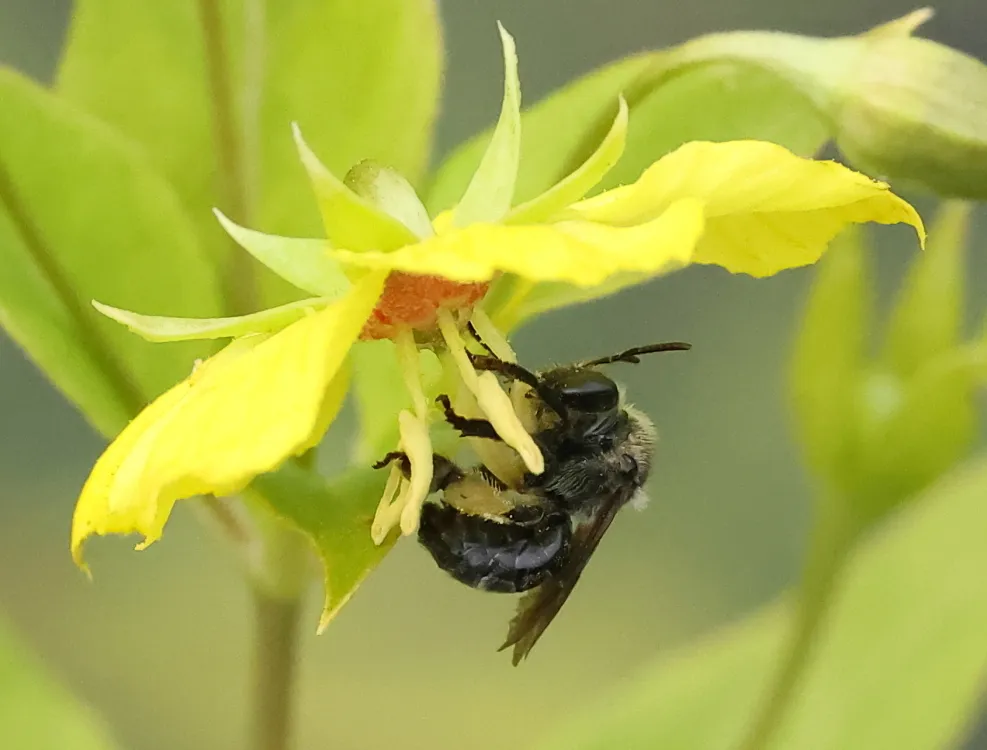
Macropis nuda
Macropis nuda
Somewhat painful sting - not quite as bad as a honey bee. --Graham Montgomery (personal experience)
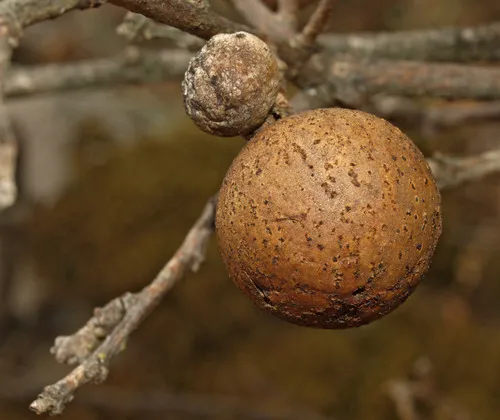
Marble Gall wasp
Andricus kollari
Length 1.5 to 2mm. The male wasp is very dark brown to black on the head has a hunched thorax, with a black abdomen. The legs are yellowy brown and the antennae are a translucent yellow/brown colour. The female has a dark brown appearance overall. [N
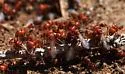
Maricopa Harvester Ant
Pogonomyrmex maricopa
Identification: They lack propodeal spines, have a straight anterior edge to their clypeus, and are larger and more strongly punctate in the intrarugal areas than P. californicus. [Comment by Paul Lenhart]
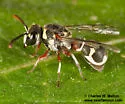
Maricopodynerus optimus
Maricopodynerus optimus
"There are at least eight species in California. Optimus is not known from the state." - Matthias Buck
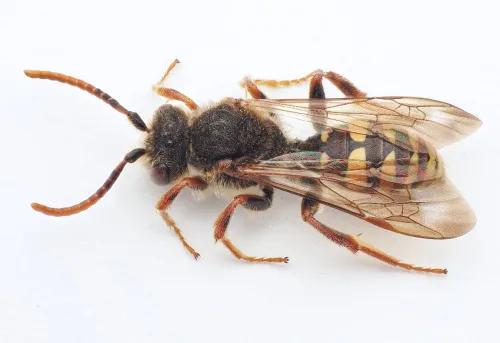
Marsham's Nomad Bee
Nomada marshamella
Length 7-10mm. A small cuckoo bee with just yellow and black stripes and no red markings, the spots on tergite 2 clearly separated. The female has two yellow tubercles on the thorax which are absent in males. Male lower face yellow. Female antennae a
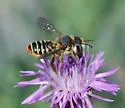
Mediterranean Wood-boring Bee
Lithurgus chrysurus
Identification: Distinctive red color of the female. Tridentate mandible with the middle tooth being longest. Non-native. First discovered in this country in Phillipsburg, Warren County, NJ in 1978. The second time this species was recorded in the Un
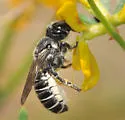
Megachile angelarum
Megachile angelarum
The most common member of subgenus Chelostomoides in cismontane California. Cavity nester, collects resins and gums.
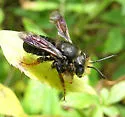
Megachile bahamensis
Megachile bahamensis
Identification: Note the ferruginous mid and hind tarsi (blackish in the otherwise similar M. xylocopoides ).
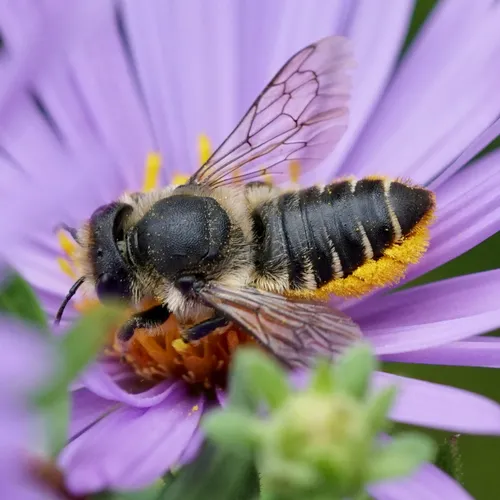
Megachile centuncularis
Megachile centuncularis
A medium-sized bee (10 to 12 mm long). The abdomen is dark brown above, but the female has an orange pollen brush underneath. Most solitary bees and wasps are difficult to identify, and can rarely be identified from photos taken in the field. All red
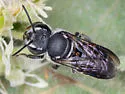
Megachile chichimeca
Megachile chichimeca
Identification: According to references below, some hallmark traits of Megachile chichimeca are: it is small and slender; there are prominent tufts of white hairs located near the base of the bee’s wings; the back edge of the bee’s thorax is fringed
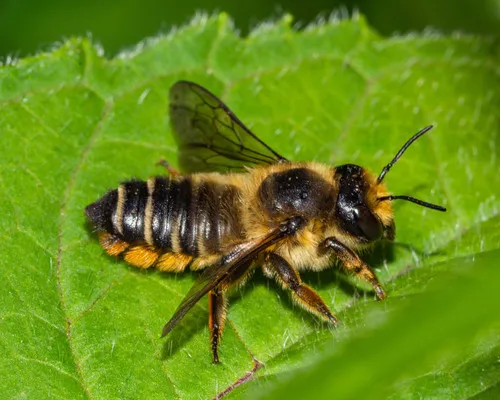
Megachile frigida
Megachile frigida
Identification: It has dark front tibiae unlike M. latimanus Nests underground.
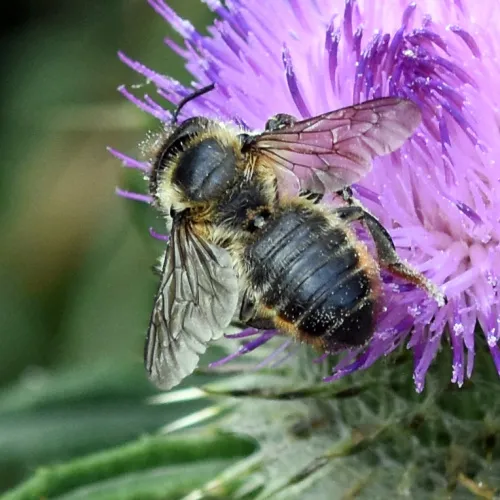
Megachile ligniseca
Megachile ligniseca
One of a suite of eight superficially similar species. All are medium to large sized solitary bees. Most solitary bees and wasps are difficult to identify, and can rarely be identified from photos taken in the field. All red-rated records should incl
Megachile montivaga
Megachile montivaga
It collects petals, rather than leaves, for nest building.
Megachile parallela
Megachile parallela
Identification: "The female of M. parallela is distinct, and can be recognized by apex of S6, which has a bare, slightly upturned rim projecting slightly beyond the dense fringe of short, dark hairs." [this character also present in other species in
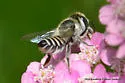
Megachile pusilla
Megachile pusilla
Introduced, probably from southern Europe or North Africa
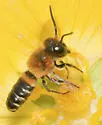
Megachile umbripennis
Megachile umbripennis
Reported in S Florida by multiple investigators including J. Wiley and S. Lenberger. Here's a specimen record: Discover Life
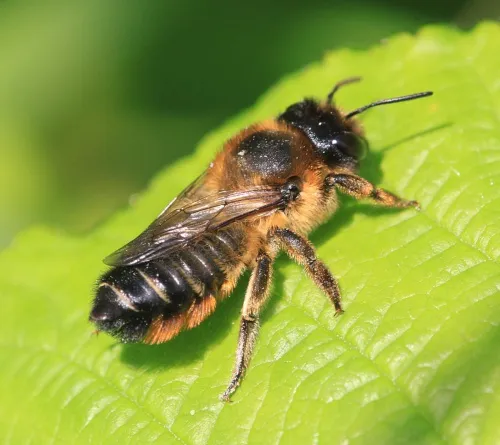
Megachile versicolor
Megachile versicolor
Females from the British mainland have the scopal hairs on sterna 5-6 black. Those from the Isle of Man and from Ireland have them extensively golden red, although the black form has been seen in Ireland too. Most solitary bees and wasps are difficul
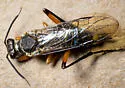
Megaxyela inversa
Megaxyela inversa
Identification: Female: ovipositor long and dorsally curved, black with white margins on terga, legs orange with hind legs black beyond distal 0.2 of femur Male: unknown
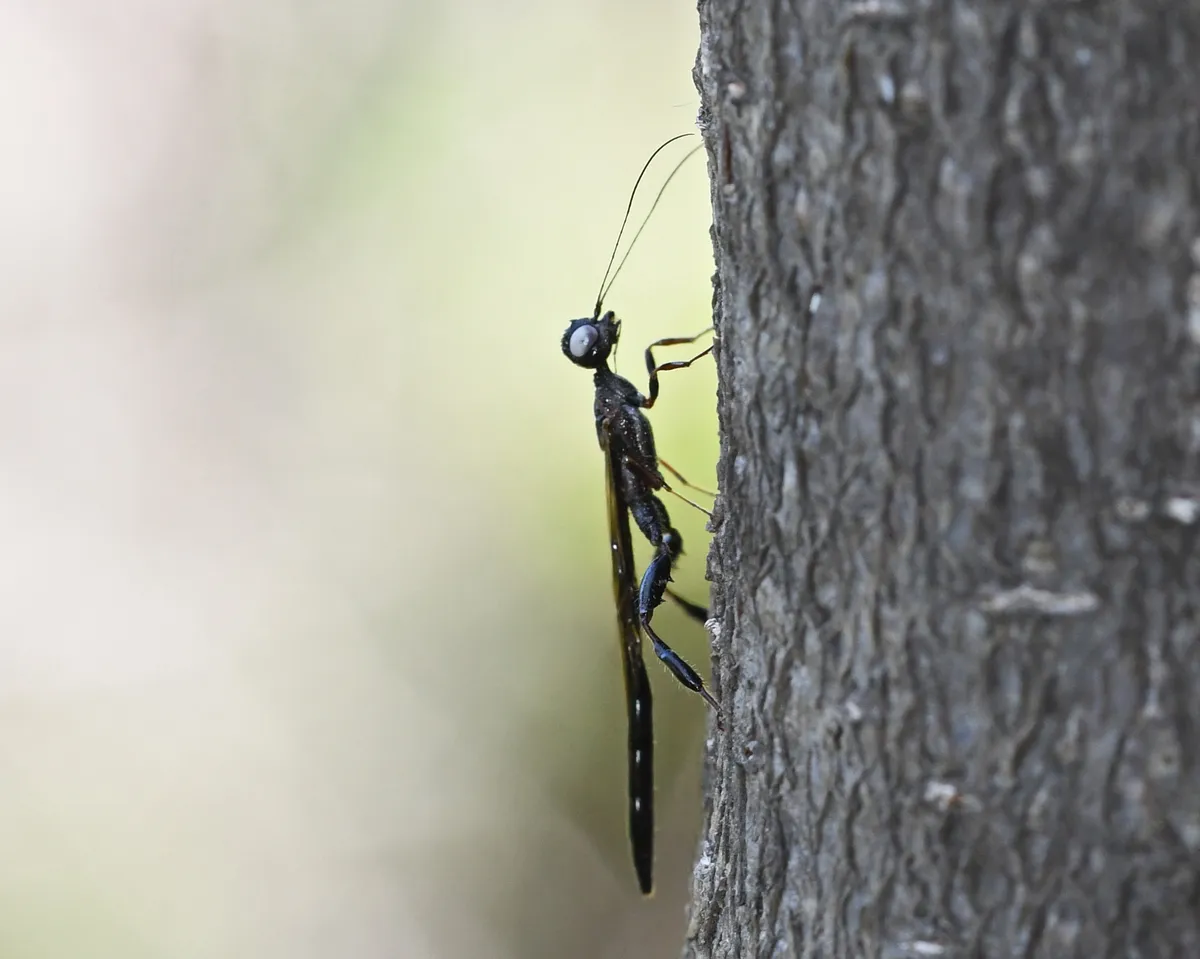
Megischus brunneus
Megischus brunneus
Identification: Distinguished from M. bicolor in having an entirely black ovipositor, lacking a white band, and in having differently structured hind tibiae. A photograph is included in Genaro.
Melanichneumon disparilis
Melanichneumon disparilis
Identification: ♂ ♀ Note: Females of Melanichneumon indecoroatus overlap significantly in terms of coloration with those of M. indecoroatus and may not be reliably separated in photos.
Melanichneumon pluto
Melanichneumon pluto
Identification: Male similar in coloration to that of Vulgichneumon brevicinctor , but vertical orbits, facial orbits, pronotum ("collar"), and fore and middle tibiae and femora with with markings in addition to those of the antennae, the scutellum,
Melikaiella tumifica
Melikaiella tumifica
Larvae develop in petiole swellings on leaves of red, black, and scarlet oak ( Quercus rubra, velutina, coccinea ).
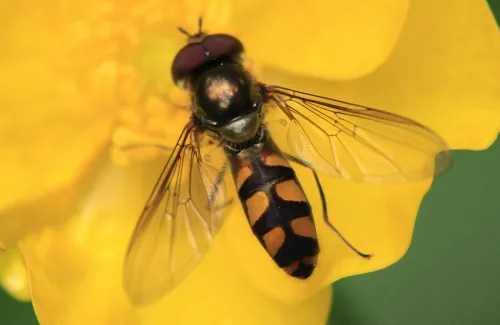
Meliscaeva auricollis
Meliscaeva auricollis
Though small and dark coloured, the slanting rear border of the yellow crescent marks on tergite 2, particularly in males, help to identify the species. The spring generation tend to be darker bodied than those born later in the year. Prefers well-wo
Melissodes agilis
Melissodes agilis
Identification: Male - Base of mandible with yellow spot. Labrum mostly yellow, with some black or brown. F1 short, ~1/7th F2. Distal (apical) portion of tergites clear. Antennae reaching stigma in repose.
Melissodes apicatus
Melissodes apicatus
Identification: Apical hair bands and association with Pontederia
Melissodes druriellus
Melissodes druriellus
M. rustica (Say) is now known as M. druriellus (Kirby).
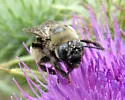
Melissodes rivalis
Melissodes rivalis
Identification: similar to M. desponsa but occurs further west
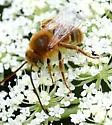
Melissodes trinodis
Melissodes trinodis
Identification: Wing veins darker than in the similar M. agilis. Also the pale spot at the base of the mandible (males only) is usually smaller (or absent), the thoracic hairs darker orange (not paler yellowish), dark hairs more obvious on the top of
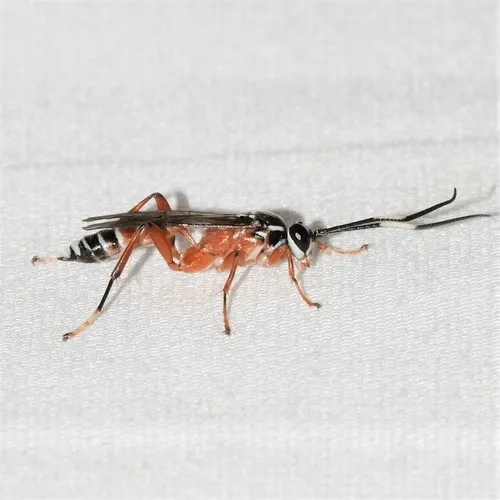
Menkokia blandii
Menkokia blandii
Identification: Photos previously identified as Menkokia blandii as determined by Dr. Bob Carlson are apparently a mismatch. Those specimens differ in terms of both coloration and morphology from true M. blandii and have been grouped together under S
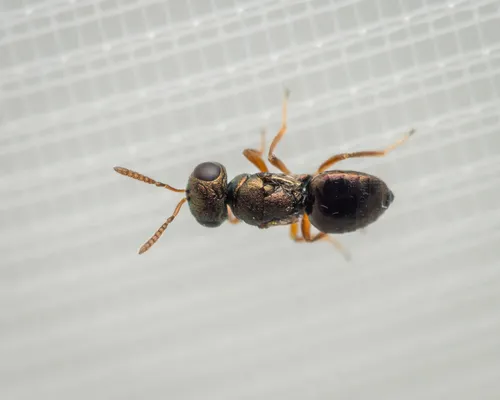
Meraporus graminicola
Meraporus graminicola
Length 1-2mm. Wings either fully developed or rudimentary. Head and thorax varying from green through bronze-green to bronze or coppery bronze. Median area of propodeum 1-5 to 2-1 times as broad as long. Gaster varying from circular to oval. Male hea
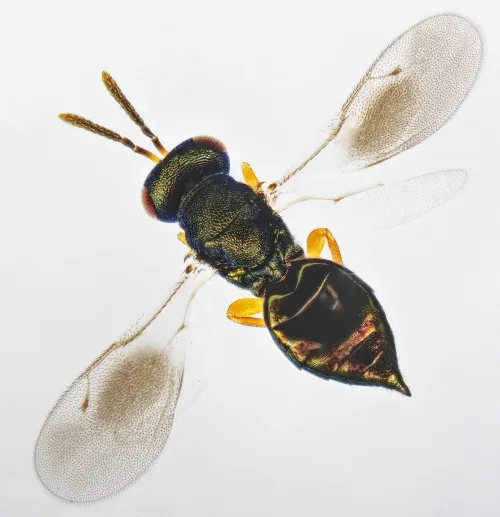
Mesopolobus aequus
Mesopolobus aequus
Length ~2mm. Antennae inserted low down, the lower edge of the toruli not or hardly above the level of the ventral edge of the eyes; antennal toruli to clypeal margin slightly shorter than it to middle ocellus; pronotum with collar slightly margined;
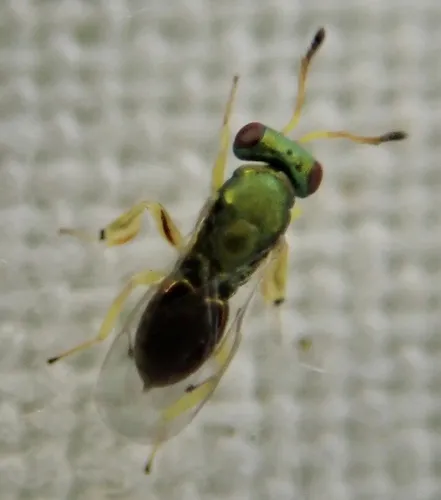
Mesopolobus tibialis
Mesopolobus tibialis
Unless identified by a recognized expert, explain how the specimen was identified and submit photos of key features. Endoparasitoid of gall wasps (family Cynipidae). No additional images available for this species.
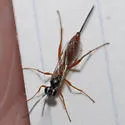
Mesostenus gracilis
Mesostenus gracilis
Identification: Postscutellum black rather than white, hind tarsi close to the color of the color of the tibia rather than lighter. Males have entirely black antennae. ♀ ♂
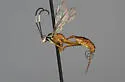
Mesostenus sicarius
Mesostenus sicarius
Identification: Very similar in appearance to M. thoracicus , sharing a white scutellum. Most noticeably differs from both M. thoracicus and M. gracilis by the white markings on and adjacent to the mesopleuron (always one on at the upper part of the
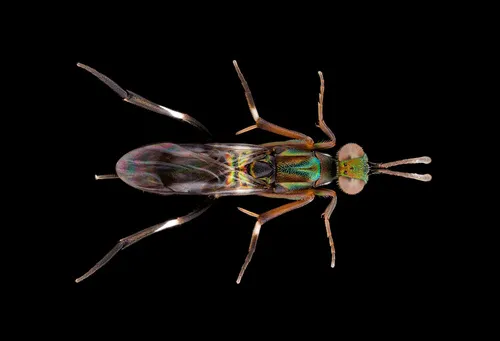
Metapelma schwarzi
Metapelma schwarzi
Identification: Females of the two Metapelma species can be separated by the length of the ovipositor. The ovipositor of M. schwarzi is a fraction of the length of the gaster (~1/3) whereas that of M. spectabile is roughly as long as the gaster. Care
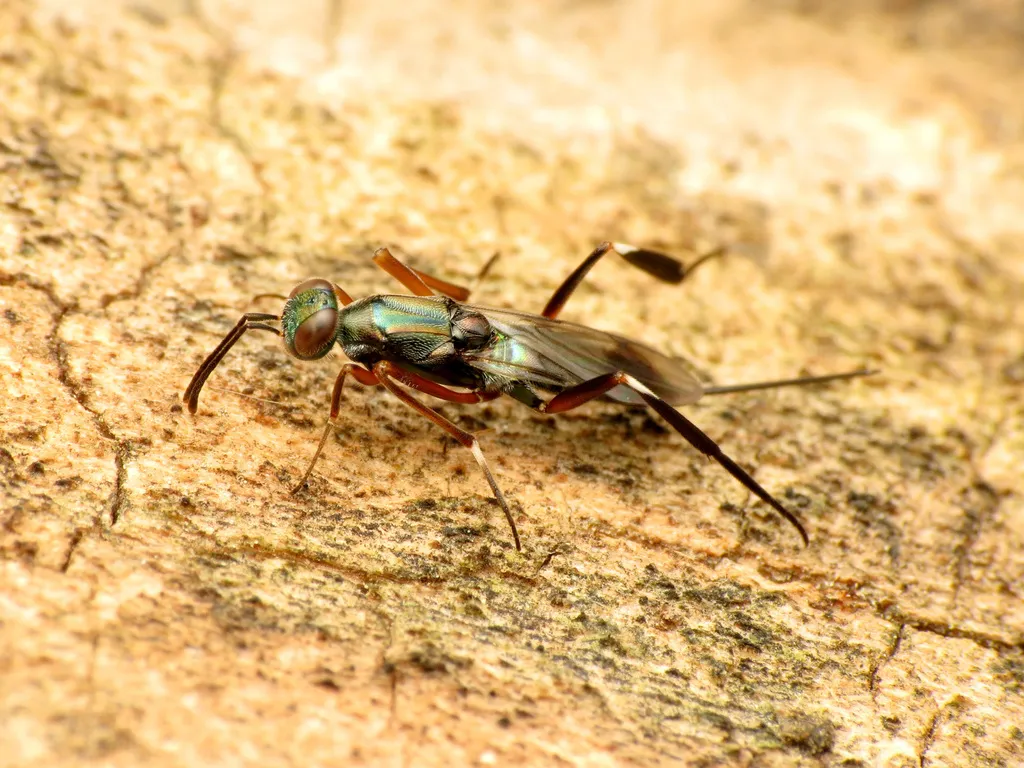
Metapelma spectabilis
Metapelma spectabilis
Identification: Females of the two Metapelma species can be separated by the length of the ovipositor. The ovipositor of M. spectabile is roughly the length of the gaster whereas that of M. schwarzi is a fraction of the length of the gaster (~1/3). C
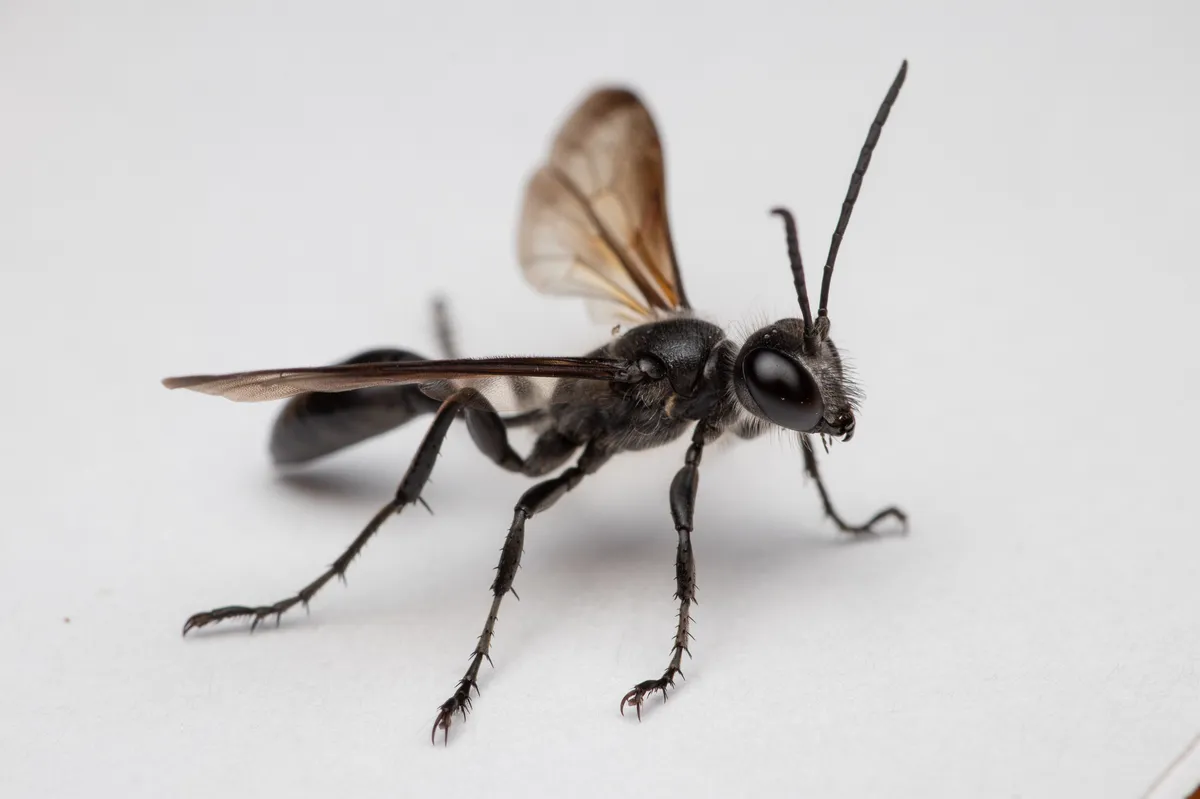
Mexican Grass-carrying Wasp
Isodontia mexicana
Identification: Body with pale instead of black hair (unlike philadelphica). Legs black (with reddish in auripes, exornata and elegans). Very similar to apicalis. The characters used in identification keys (3 vs. 2 mandibular teeth) are almost never
Mexican Honey Wasp
Brachygastra mellifica
Identification: Det. K. Wolgemuth, 2017 One of the very few insects other than bees to produce and store honey. "They are docile a lot, but then they can explode, attacking en masse." (Joan Strassmann, pers. comm. to MAQ) nests can be surprisingly la
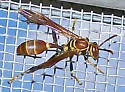
Mexican Paper Wasp
Mischocyttarus mexicanus
Identification: A red to dark-brown species with yellow markings. This species is readily distinguished among the genus by its eastern range and ferruginous ground color. The only other species in the genus within our area with a ferruginous ground c
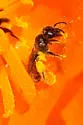
Micralictoides ruficaudus
Micralictoides ruficaudus
Identification: Red-tailed. Low position of antennal bases
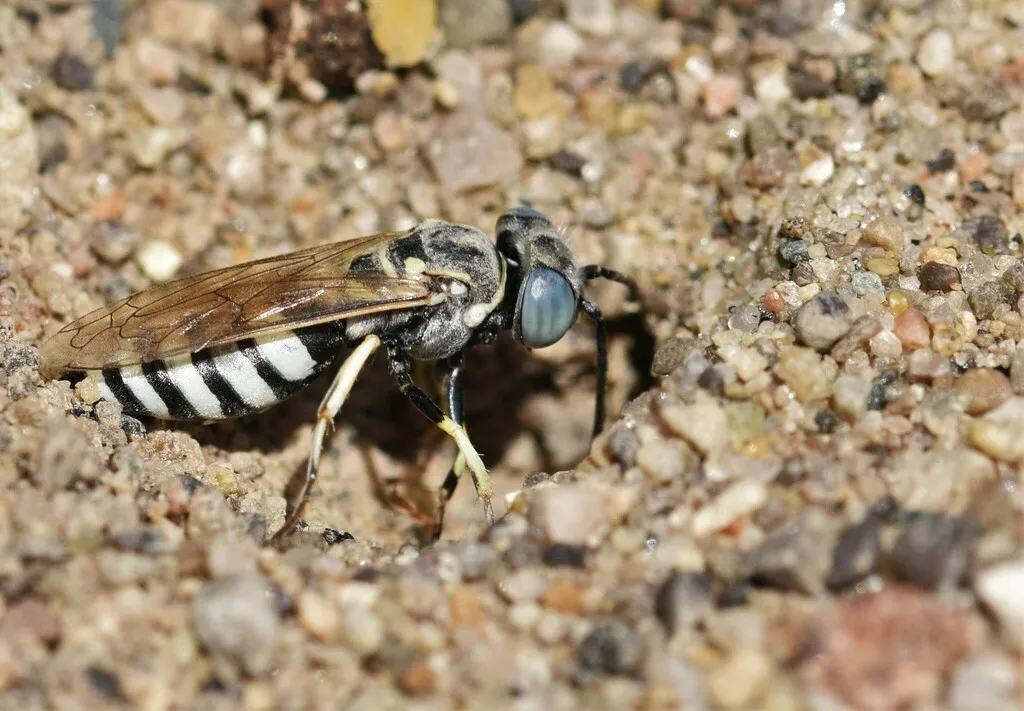
Microbembex monodonta
Microbembex monodonta
Identification: The only species east of the 100th meridian. M. aurata , M. hirsuta , and M. nigrifrons all occur along the 100th meridian, so the identity of individuals near the line should be checked.
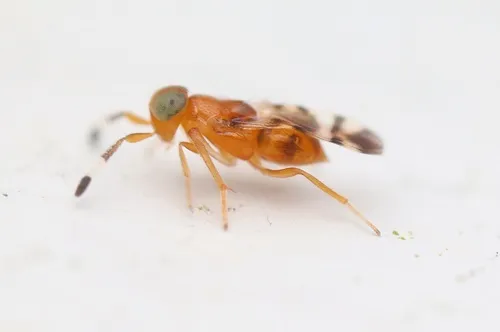
Microterys nietneri
Microterys nietneri
The tiny encyrtid wasp Microterys nietneri is very distinctive in appearance, being mainly orange-brown, but with strongly patterned wings and antennae which are black and white at the tips. Despite its striking appearance there are similar species a
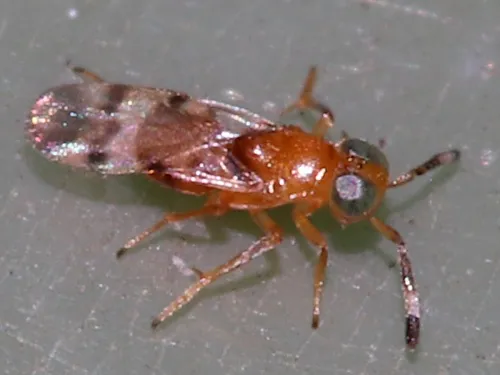
Microterys seyon
Microterys seyon
The tiny (~2mm) encyrtid wasp Microterys seyon is very distinctive in appearance, being orange-brown in general appearance with strongly patterned wings and with antennae that are black and white at the tips. Lateral view of the antennae: F4-6 white
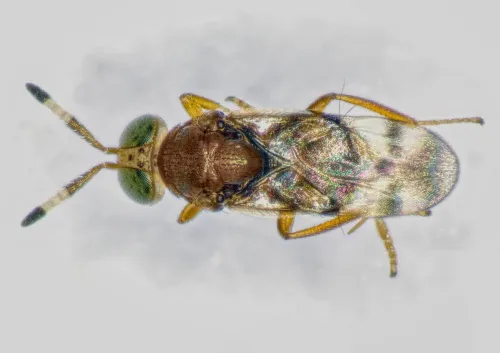
Microterys tricoloricornis
Microterys tricoloricornis
Females: Middle tibia is covered in fine, silky hairs (c.f. M. nietneri). Lateral view of the antennae: M. tricoloricornis F4-6 white all round (c.f. M. seyon F4-6 white on top but darker underneath). Mesoscutum and scutellum at most all dirty yellow
Milde's Tarantula-hawk Wasp
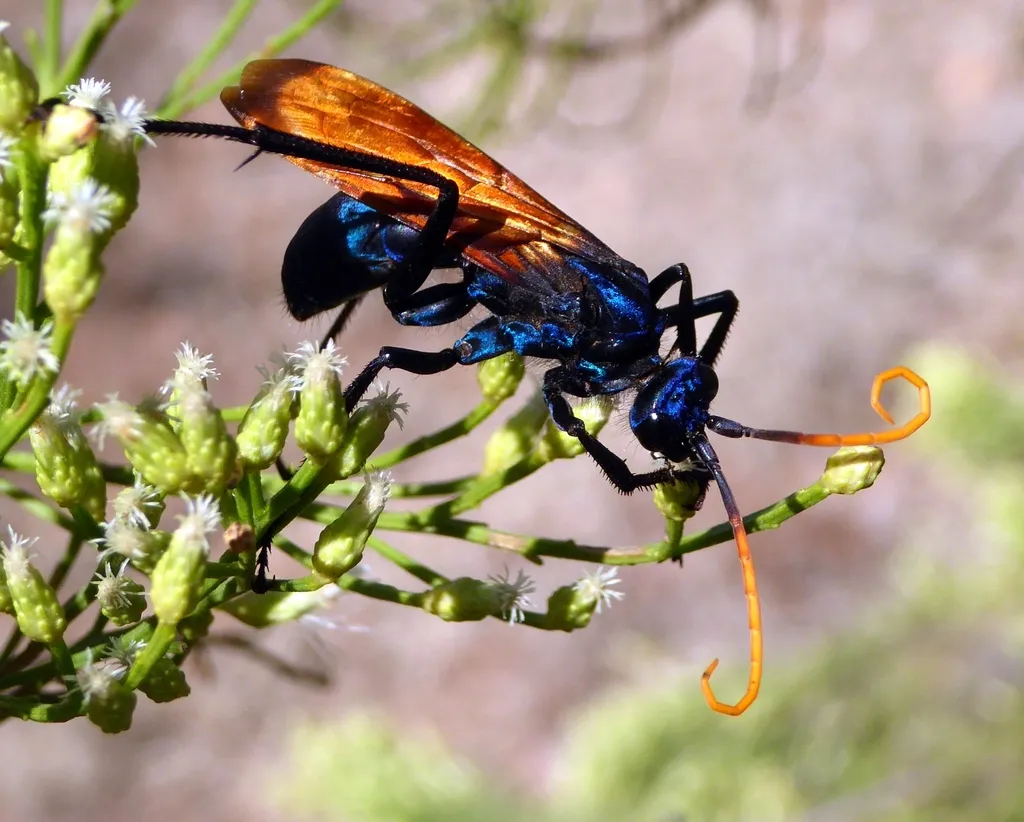
Pepsis mildei
Identification: Males may have antennae with the flagellum colored in varying amounts of orange and black. (BG images) Wing coloring may vary from solid-black to mostly-orange. ♂ ♀
Milwaukee Miner Bee
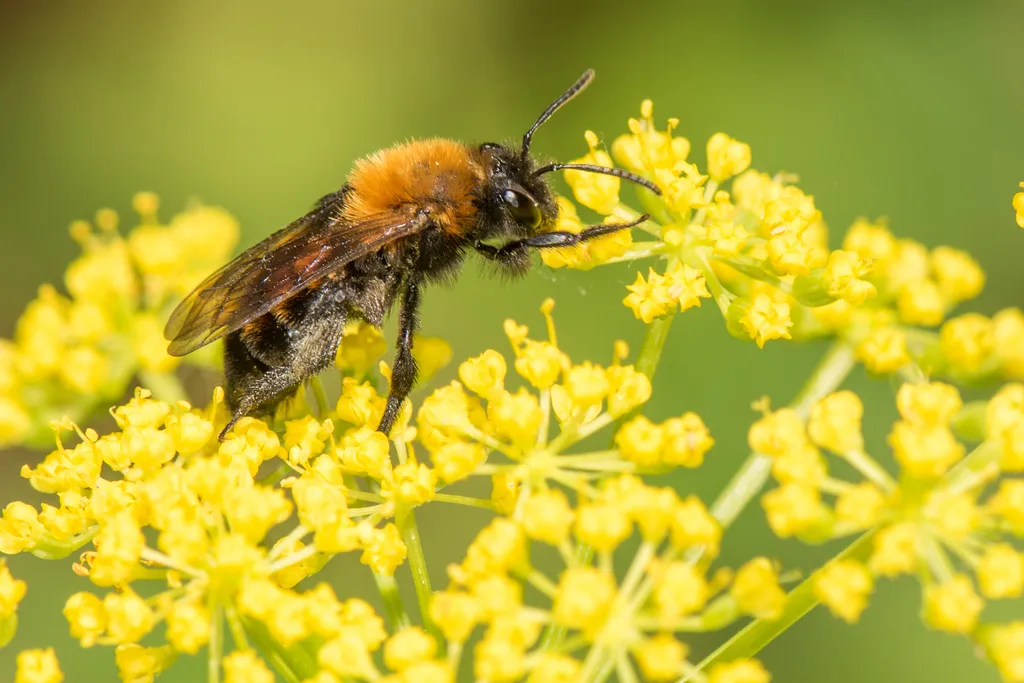
Andrena milwaukeensis
Identification: In females, combination of elongate fox-colored "fur coat" extending to basal metasomal terga (variable) and black tibial scopa is distinctive Often encountered, but rarely in large numbers
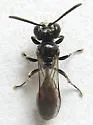
Mimumesa clypeata
Mimumesa clypeata
Identification: One of only two North American Mimumesa species with partially red abdomen (all others have a completely black abdomen). Therefore very similar to Mimesa species (most of which also have a partially red abdomen). Only separable from M
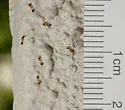
Monomorium floricola
Monomorium floricola
Identification: M. floricola is recongnized by its slender shininess, yellowish mesosoma contrasting with the rest dark brown to black, pointy gaster apex, and runnning in Pharaoh ant like trails (and is another introduced congener of the latter).
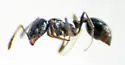
Monomorium viridum
Monomorium viridum
Identification: Queens are more brown than green, and the queen's head and mesosoma are noticeably sculptured.
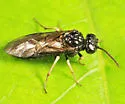
Monophadnus pallescens
Monophadnus pallescens
Monophadnus pallescens (Monophadnus pallescens) is a species in the family Tenthredinidae, commonly known as common sawflies, belonging to the order Hymenoptera (Ants, Bees, Wasps and Sawflies). It is classified within the subfamily Blennocampinae, t
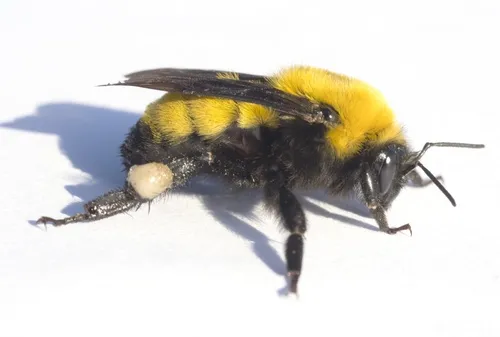
Morrison's Bumble Bee
Bombus morrisoni
Identification: Resembles B. nevadensis but in morrisoni the coat is a brighter more golden (less brown) hue, the vertex has more extensive yellow hairs, and the scutum is uniformly covered in yellow hairs without a conspicuous medial spot. The eyes
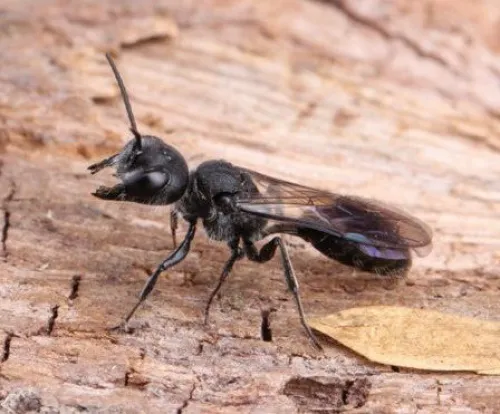
Mournful Wasp
Pemphredon lugubris
Length up to 12 mm. There are other very similar species in this family and care is needed with identification. Most solitary bees and wasps are difficult to identify, and can rarely be identified from photos taken in the field. All red-rated records
Mushroom Gall Wasp
Heteroecus sanctaeclarae
Identification: This wasp makes a bud gall on canyon live oaks and huckleberry oaks.
Myrmecina americana
Myrmecina americana
Identification: Two pairs of propdeal spines, larger pair dorsal, smaller pair lower posterior, are unique in the N.A. fauna.
Myrmica alaskensis
Myrmica alaskensis
Identification: Keys to couplet 9b in Ellison et al., 2012 "Field Guide to Ants of New England". Separated from couplet 9a> incompleta Not mentioned in the key is the dorsal surface of the postpetiole which is diagnostic for separating incompleta fro
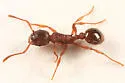
Myrmica americana
Myrmica americana
Identification: A very abundant grassland species, typically "red", i.e., brownish red, but often with the head and gaster a little to significantly darker brown. Base of antennal scape almost right-angular, with a narrow spatulate process on the out
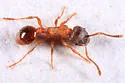
Myrmica incompleta
Myrmica incompleta
Identification: Keys to couplet 9a in Ellison et al., 2012 "Field Guide to Ants of New England". Separated from couplet 9b> alaskensis Not mentioned in the key is the dorsal surface of the postpetiole which is diagnostic for separating incompleta fro
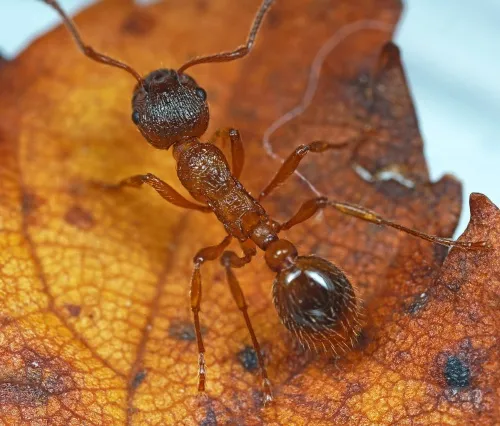
Myrmica ruginodis
Myrmica ruginodis
Myrmica ruginodis can be distinguished from Myrmica rubra by the length of pair of spines projecting from the rear of the main part of the thorax. In Myrmica rugodinis these spines are relatively long - as long as the distance between their tips. Myr
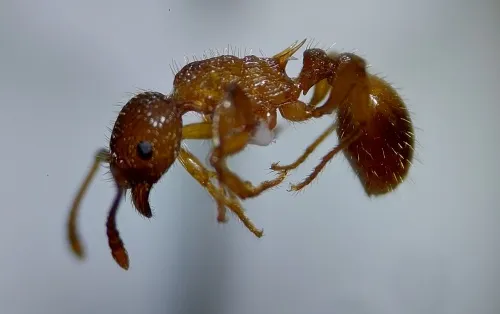
Myrmica sabuleti
Myrmica sabuleti
Myrmica sabuleti is another reddish brown ant similar to other Myrmica species. Adult workers are typically 4 to 5 mm in length. Generally they are characterised by quite narrow frons and a well-developed lobe at the scape base. Can be confused with
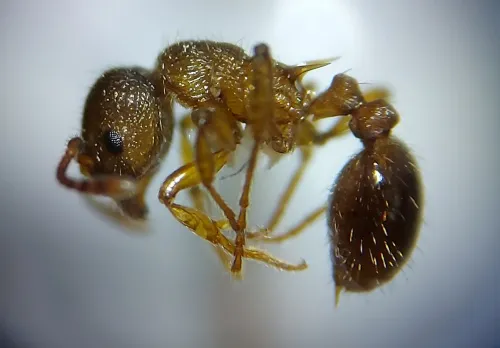
Myrmica scabrinodis
Myrmica scabrinodis
A common red ant found in many habitats with variation in colour from yellow red to blackish brown according to habitat. Examination of the base of the scapes is required to separate it from other Myrmica species. Adult workers are typically 4 to 5 m
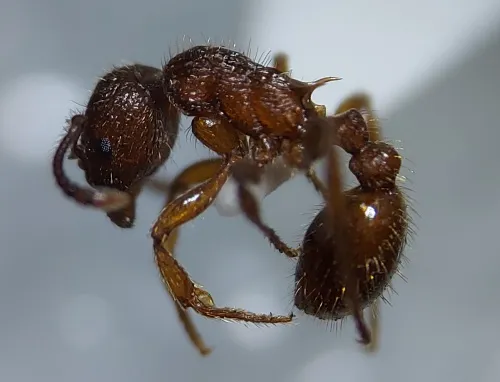
Myrmica schencki
Myrmica schencki
Very similar to Myrmica lobicornis. Workers and queens of both of these species have the antennal scape sharply angled at the base, with this bend bearing a broad upright flange. However, in M. schencki this flange is more strongly developed, with th
Myrmica specioides
Myrmica specioides
Identification: Sharp bend at the base of the scape, with a distinct flange. See here for ID details: http://ants.biology.utah.edu/antsofwashington/genera/myrmica/species/rubra/rubra.html Introduced; found in Puget Sound and Southwestern BC, includin