
Grasshoppers, Crickets, Katydids
Order Orthoptera
The Grasshoppers, Crickets, Katydids (Order Orthoptera) includes 1,030 species across 22 families and 248 genera in our directory.
About Grasshoppers, Crickets, Katydids
Orthoptera includes ~28,000 described species of grasshoppers, crickets, and katydids. Desert locusts can form swarms covering 460 square miles containing up to 80 million individuals per square kilometer.
Economic Impact
A single large locust swarm can consume the same amount of food in one day as 35,000 people. The 2019-2021 East Africa locust crisis affected food security for 42 million people across multiple countries. Global crop losses from locusts can reach billions annually.
Ecological Role
Grasshoppers and crickets are a primary food source for birds, reptiles, and small mammals. Cricket farming is a growing industry - crickets require 12× less feed than cattle to produce the same amount of protein, using 2,000× less water.
Families in Orthoptera (22)
Species in Orthoptera (1,030)
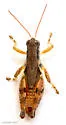
Warner's Spur-throat Grasshopper
Melanoplus warneri
Identification: Tip of male abdomen Described from a large series of specimens collected near College Station, Brazos Co, Texas
Washington Short-wing Grasshopper
Melanoplus washingtonius
Very closely related to, and perhaps not a distinct species from M. montanus , which occurs further to the east, and M. oreophlius from the Cascades. NOTE: In 2012, Daniel Otte published numerous names for related "species", and resurrected some name
Weissman's Conehead
Bucrates weissmani
Identification: Similar to Neoconocephalus , but with only a slight notch under the base of the cone on the front of the head.
Western Longwing
Capnobotes occidentalis
Identification: Very similar to Capnobotes fuliginosus , and overlapping distribution widely, but this species ranges further north and not so far southward. In comparison, C. occidentalis is somewhat smaller and more varied in body coloring (gray,
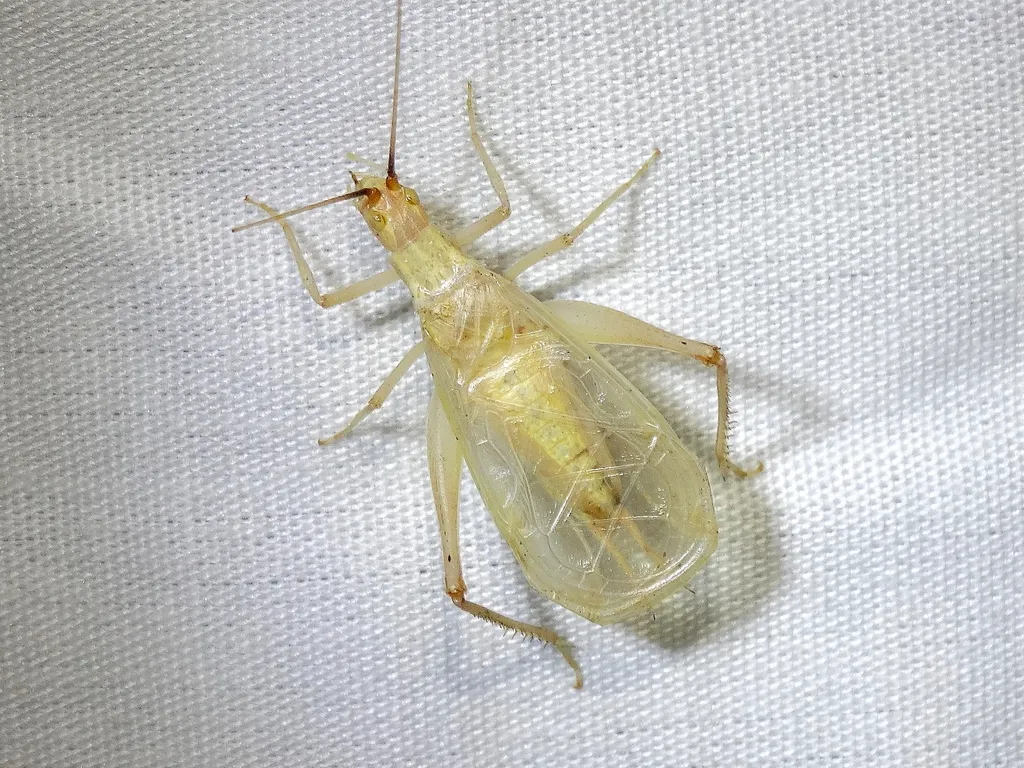
Western Tree Cricket
Oecanthus californicus
Identification: Western tree crickets are quite diverse in pattern and coloration - SINA Red scape and pedicel (1st two antennal segments) with black antennae. Additionally, californicus often has a thin dark line on the inner edge of the ventral sur
Western Trilling Cricket
Gryllus integer
Identification: In much of the southwest, the only Gryllus with a nearly continuous trilling song . Overlaps distribution to east with basically identical G. texensis (mostly in western Texas), and distinction is problematic (perhaps often impossible
Wheeler's Blue-winged Grasshopper
Leprus wheeleri
Identification: Large robust grasshopper with large head, Tegmina with well defined wide cross bands and usually two pale lines running along top edges when folded. Wings yellow to light blue (usually greenish) with a curved dark band (no spur) alon
White Sand-treader Cricket
Ammobaenetes arenicolus
Identification: Distinction from D. phrixocnemoides is weak. Shape of external plates associated with male genitalia are different, and D. arenicola is lighter in coloring.
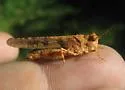
White's Dune Grasshopper
Trimerotropis whitei
Identification: Small with wide pronotum flared to the sides. Identical to T. arenacea, but hind tibiae yellow to red instead of green to blue. Should be considered a synonym or at best a regional variant of T. arenacea , differing only in leg color
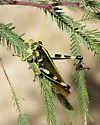
White-lined Bird Grasshopper
Schistocerca albolineata
Identification: Similar to S. lineata and venusta , but more contrastingly marked, with bold dark bars on the hind femora. This species is dark olive green or brown to black, with contrasting pale yellowish markings, and bold contrasting markings on
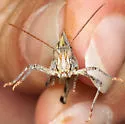
White-lined Grasshopper
Conozoa rebellis
Identification: Not distinguishable from Conozoa texana except by coloration and location. C. rebellis differing in usually being more strikingly marked with linear dark and white patterning that tends to run along the axis of the body. Hind tibiae
Whitney Short-wing Grasshopper
Melanoplus platycercus
Similar to M. rileyanus , but found in the southern Sierra Nevada (Montane elevations in Mt. Whitney area), with male cerci broader and with lobe on upper side smaller. Male subgenital plate shorter.
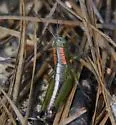
Wingless Florida Grasshopper
Floritettix aptera
Identification: Otte (2014) split this 'species' into two genera and numerous species. See under Remarks on the Aptenopedes genus page
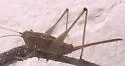
Wingless Meadow Katydid
Odontoxiphidium apterum
Identification: Male forewings shorter than pronotum (female forewings concealed by pronotum): Male cercus with 2 teeth as opposed to 1 in Conocephalus and Orchelimum: This little species does in fact have wings (albeit extremely short ones), contrar
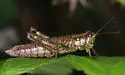
Wingless Mountain Grasshopper
Booneacris glacialis
Identification: Totally wingless spurthoat Grasshopper; usually greenish; with face nearly vertical. Found in northeast. Very closely akin, and similar to Dendrotettix, Appalachia, and perhaps Melanoplus viridipes , but those all have at least short
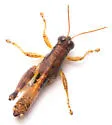
Withlacoochee Grasshopper
Melanoplus withlacoocheensis
Identification: Male cerci are swollen distally, with a small ventral downward-facing tooth. This species has a large and erect pallium which is only seen in this species and M. rotundipennis Tip of male abdomen
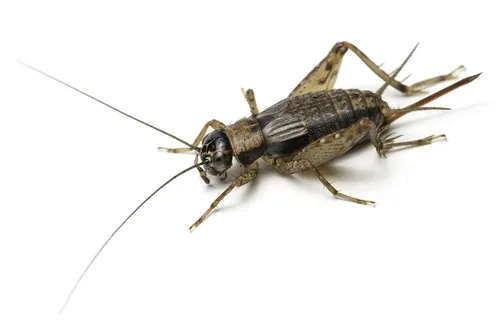
Wood Cricket
Nemobius sylvestris
Identification: Head black with pale Y-shaped marking.
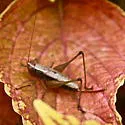
Woodland Meadow Katydid
Conocephalus nemoralis
Identification: Robust in form, female with thick curved ovipositor for genus. Dark color - sides usually black. Male with veins in tegmina heavy and usually pale in color. Song is a series of brief, quiet buzzes or trills, often given at uneven in
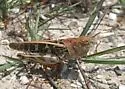
Wrinkled Grasshopper
Hippiscus ocelote
Identification: Heavy bodied, with large rounded head, nearly smooth on top between eyes. Pronotum rough on top, often with low irregular raised parallel ridges toward the rear; with median ridge cut once at middle . Usually gray and brown with a l
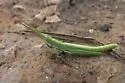
Wyoming Toothpick Grasshopper
Paropomala wyomingensis
Identification: Small (under 2 inch), very slender "toothpick" grasshopper with large head. Head is approximately 1.3 times longer than pronotum and wider than rest of body (head is approaches twice as long as pronotum in related Prorocorypha snowi
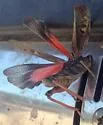
Xanthippus aquilonius
Xanthippus aquilonius
Very closely related to and similar to Xanthippus corallipes and perhaps should be treated as a regional variant or subspecies. However, not much is known about X. aquilonius yet. There is also a resemblance in coloring to Pardalophora apiculata .
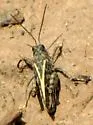
Xanthippus brooksi
Xanthippus brooksi
Closely related to X. aquilonius and X. corallipes , and perhaps should be treated as a regional variant or subspecies of X. corallipes [as it was originally described], but not much is known about X. brooksi . Quite similar to some high elevation p
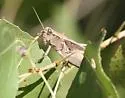
Yarrow's Grasshopper
Melanoplus yarrowii
Identification: Similar to M. differentialis, but with no herringbone pattern on hind femur and with red hind tibiae. Usually there is a narrow dark stripe back from the eyes onto the pronotum and there are often at least faint diagonal dark bands a
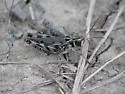
Yukon Slant-faced Grasshopper
Bruneria yukonensis
Separated from other Bruneria species by more than 1000 km.
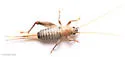
black-faced scaly cricket
Cycloptilum kelainopum
Identification: Clypeus, labrum, and genae piceous and strikingly distinct
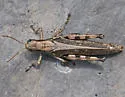
from Georgia & Carolina
Melanoplus unknown-species
Identification: Shows similarities to M. differentialis and has been found in northern Georgia and in North Carolina. Perhaps a form of M. clypeatus , but pattern (especially on hind legs) is different. Resembles Mexican M. sumichrasti . Perhaps a
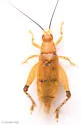
lychee bush cricket
Paroecanthus oaxaca
Identification: Antennal flagellum black This species has been known as Xenogryllus unipartitus on SINA, but Lucas de Campos has determined it as a species of Paroecanthus .
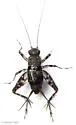
mangrove ground cricket
Hygronemobius alleni
Identification: Hind tibia with 3 spines on each upper margin (other U.S. ground crickets have 4).
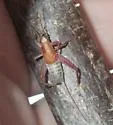
spectacular scaly cricket
Cycloptilum spectabile
Identification: The largest species of scaly cricket described from the U.S., and the most colorful in life. Purplish russet pronotum, banded grey and white abdomen; orange legs, very long cerci.
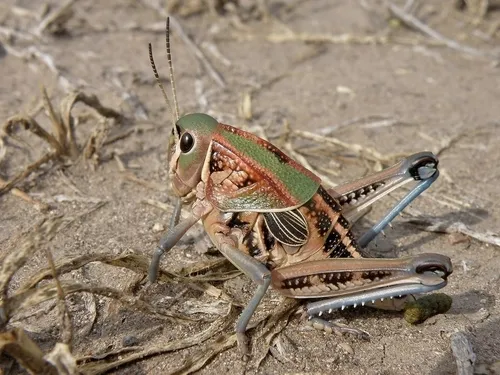
Brachystola mexicana
Brachystola mexicana
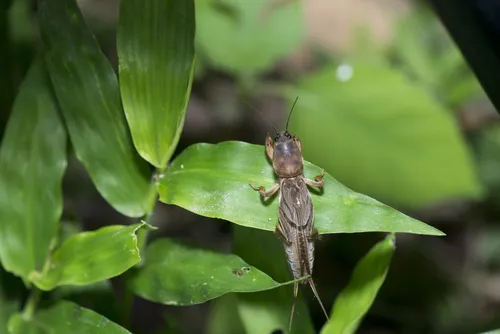
Gryllotalpa formosana
Gryllotalpa formosana
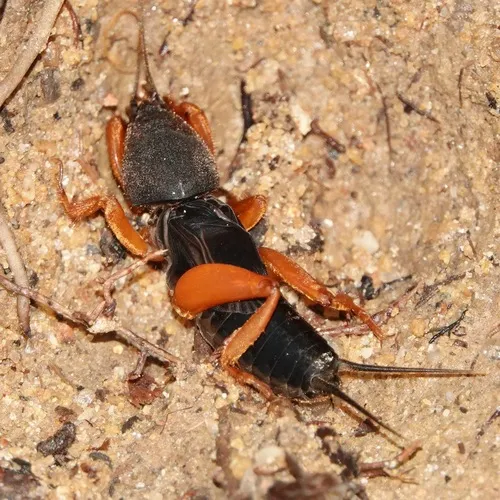
Gryllotalpa fulvipes
Gryllotalpa fulvipes
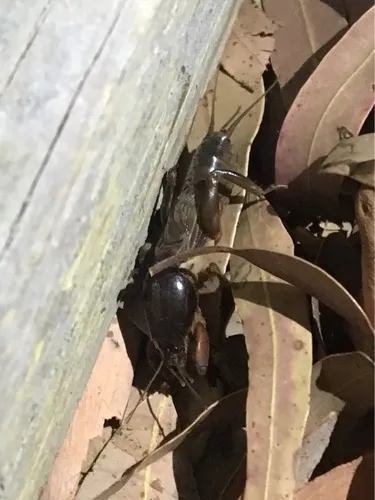
Gryllotalpa nitidula
Gryllotalpa nitidula
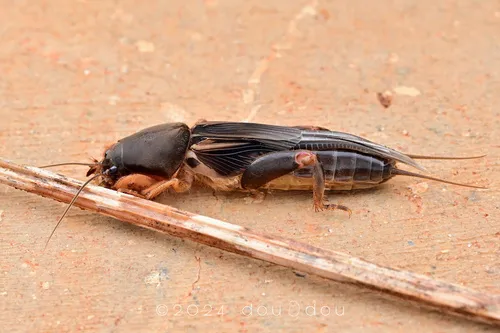
Gryllotalpa ornata
Gryllotalpa ornata
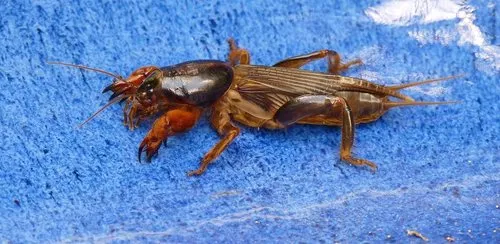
Gryllotalpa pluvialis
Gryllotalpa pluvialis
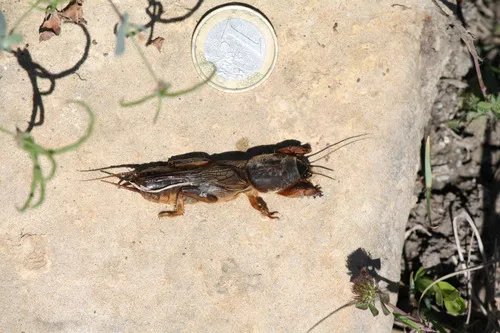
Gryllotalpa quindecim
Gryllotalpa quindecim
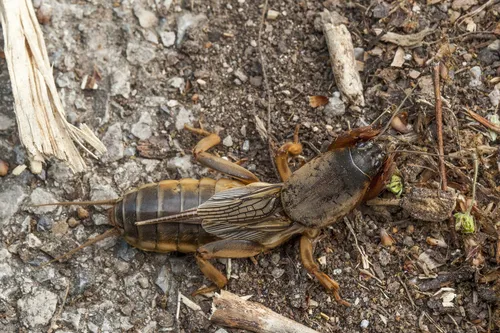
Gryllotalpa septemdecimchromosomica
Gryllotalpa septemdecimchromosomica
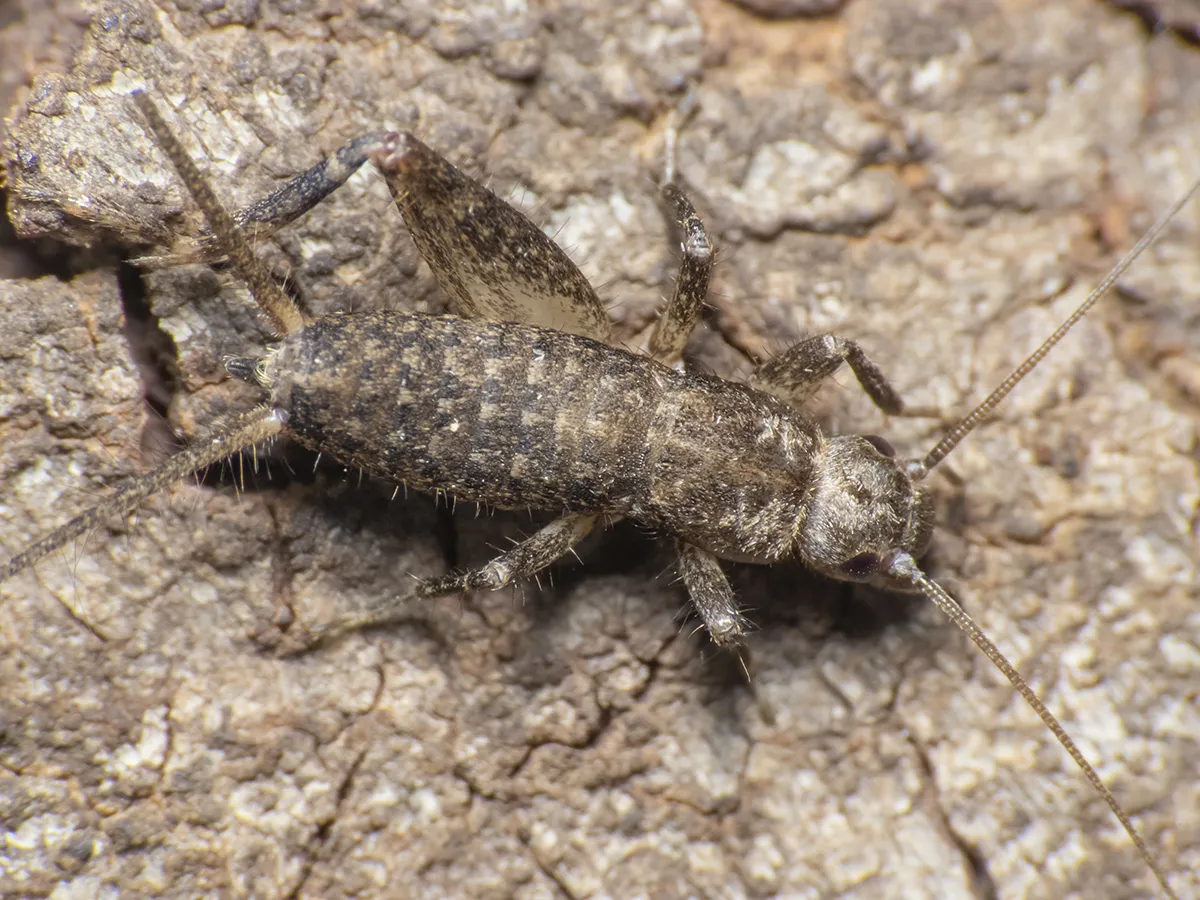
Hoplosphyrum griseum
Hoplosphyrum griseum
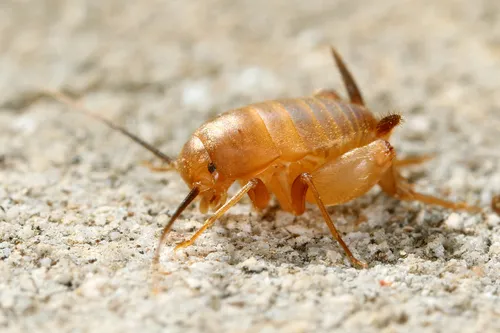
Myrmecophilus aequispina
Myrmecophilus aequispina
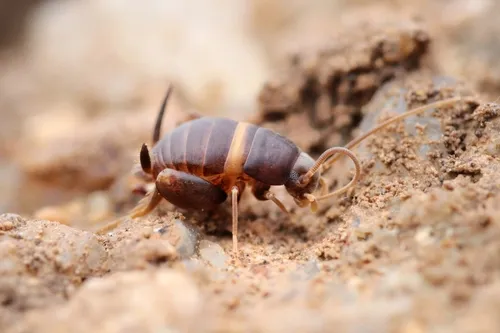
Myrmecophilus albicinctus
Myrmecophilus albicinctus
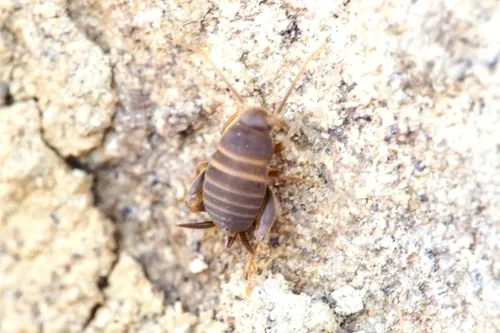
Myrmecophilus fuscus
Myrmecophilus fuscus
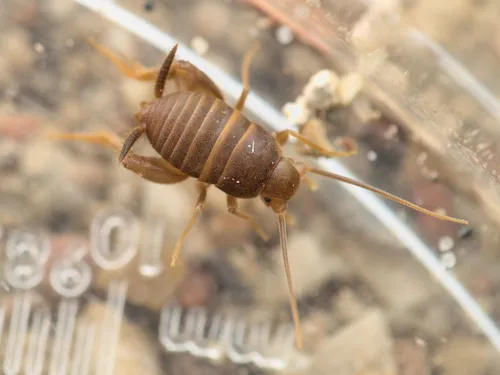
Myrmecophilus gallicus
Myrmecophilus gallicus
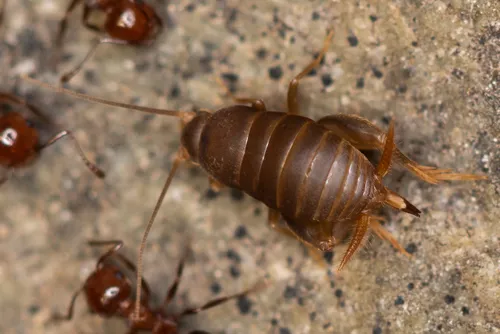
Myrmecophilus hirticaudus
Myrmecophilus hirticaudus
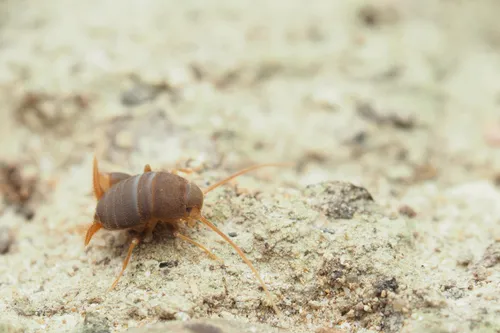
Myrmecophilus kinomurai
Myrmecophilus kinomurai
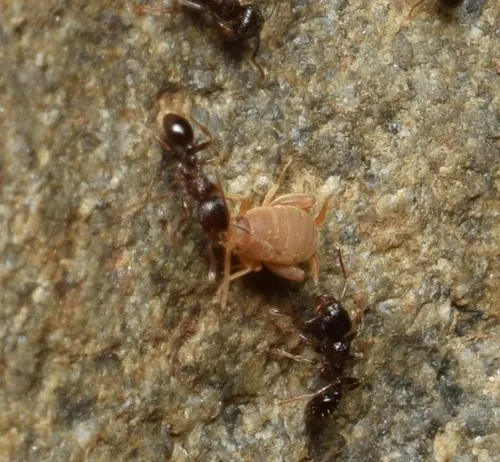
Myrmecophilus kubotai
Myrmecophilus kubotai
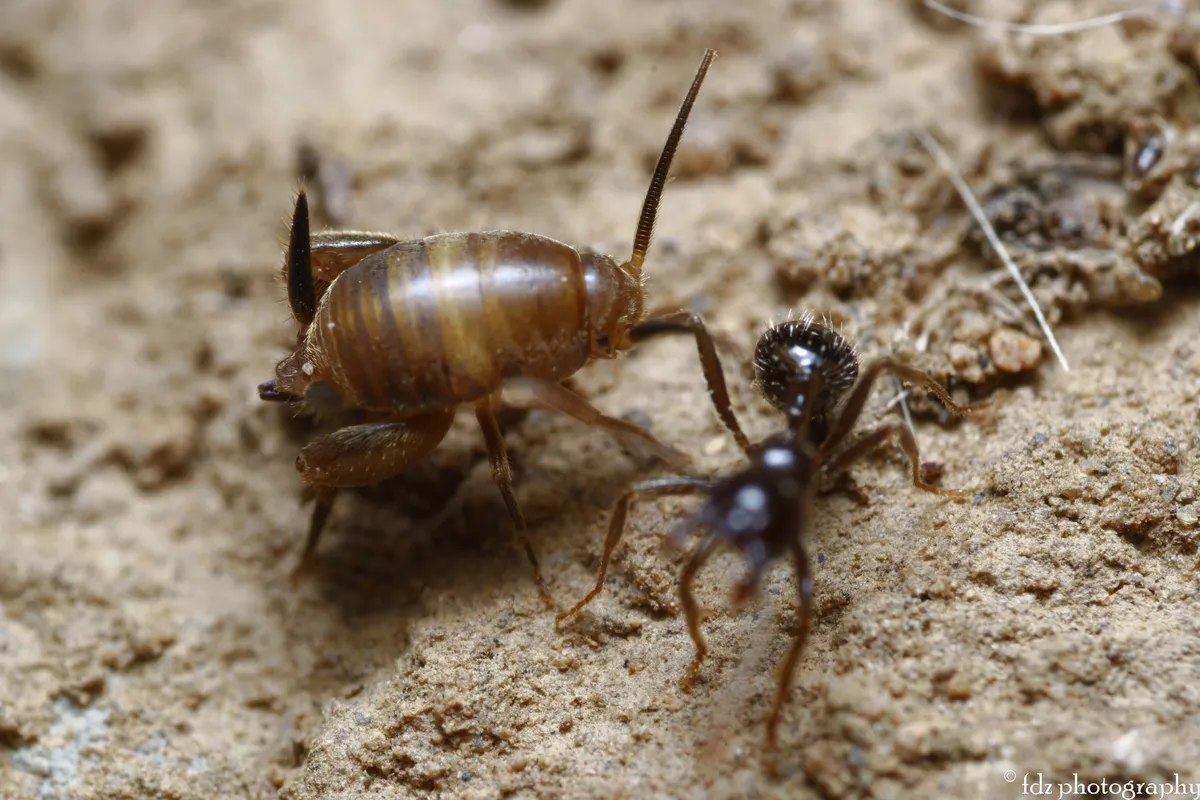
Myrmecophilus ochraceus
Myrmecophilus ochraceus
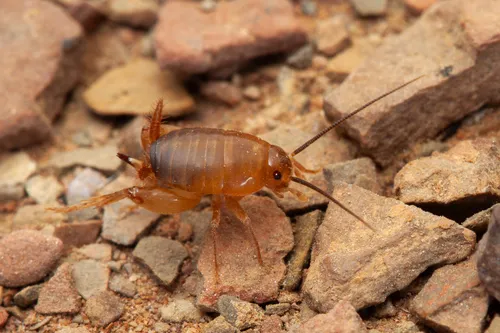
Myrmecophilus parachilnus
Myrmecophilus parachilnus
Myrmecophilus quadrispinus
Myrmecophilus quadrispinus
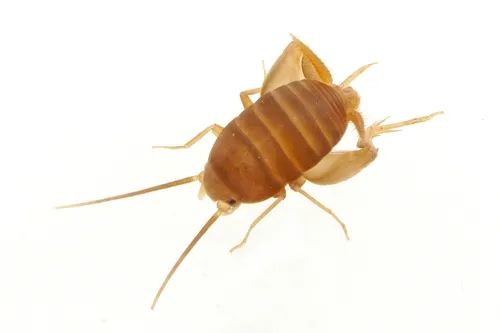
Myrmecophilus sapporensis
Myrmecophilus sapporensis
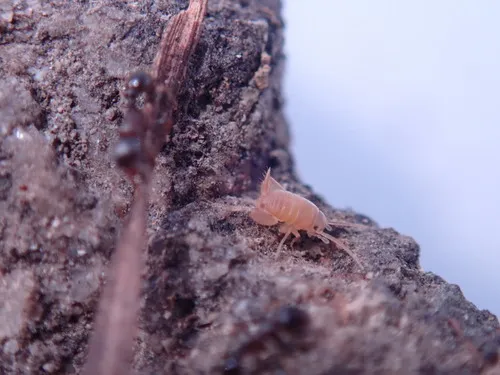
Myrmecophilus tetramorii
Myrmecophilus tetramorii
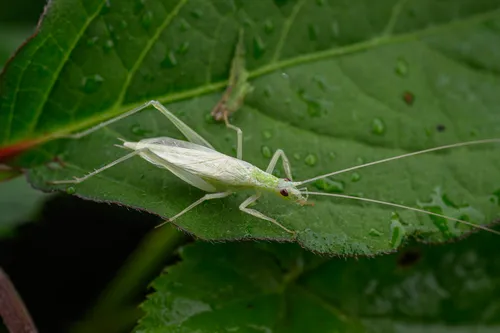
Oecanthus euryelytra
Oecanthus euryelytra
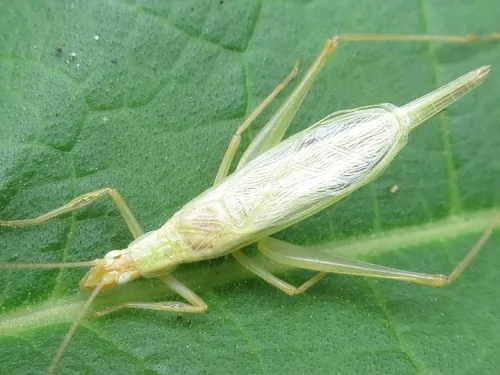
Oecanthus longicauda
Oecanthus longicauda
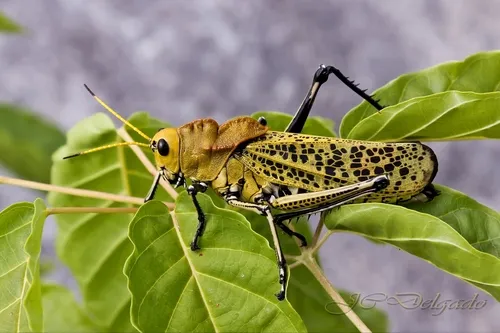
Romalea auricornis
Romalea auricornis
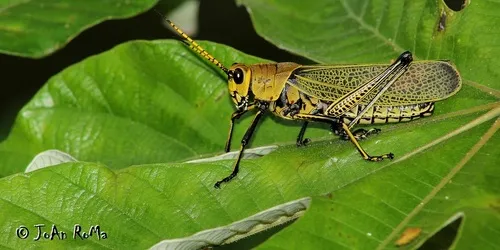
Romalea picticornis
Romalea picticornis
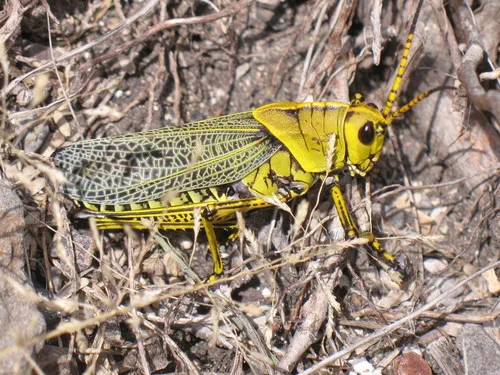
Romalea tamaulipensis
Romalea tamaulipensis
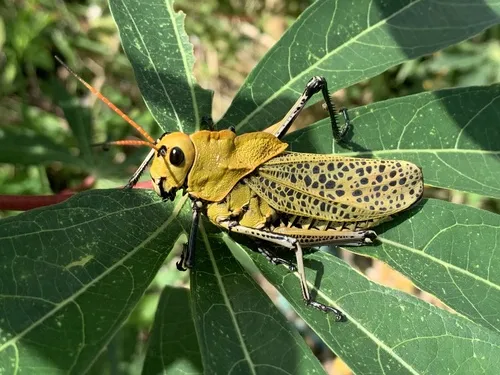
Romalea varipennis
Romalea varipennis
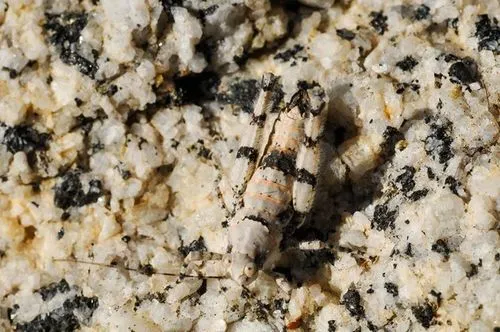
Tanaocerus rugosus
Tanaocerus rugosus
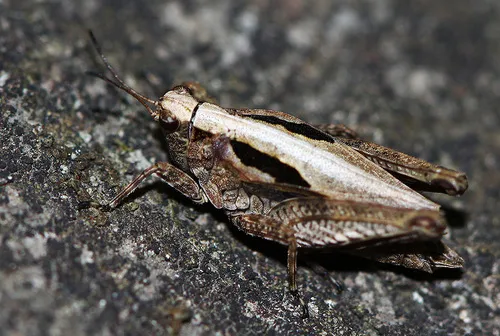
Tetrix japonica
Tetrix japonica
Aberrant Shieldback
Idiostatus aberrans
Acute Pygmy Grasshopper
Tettigidea acuta
Adelphos Camel Cricket
Euhadenoecus adelphus
Aeropedellus arcticus
Aeropedellus arcticus
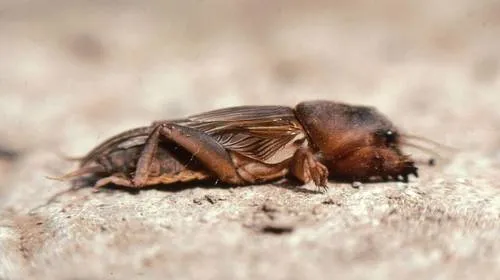
African Molecricket
Gryllotalpa africana
Agnostokasia sublima
Agnostokasia sublima
Agymnastus venerabilis
Agymnastus venerabilis
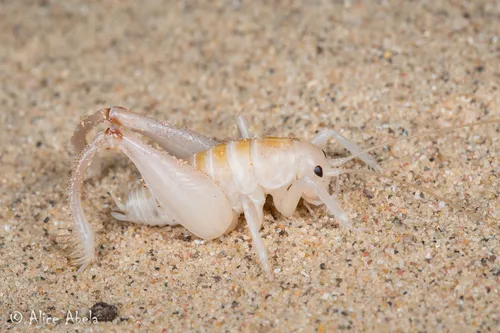
Algodones Sand Treader Cricket
Macrobaenetes algodonensis
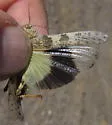
Alkali Grasshopper
Trimerotropis salina
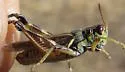
Alpine Grasshopper
Melanoplus alpinus
American Shieldback
Atlanticus americanus
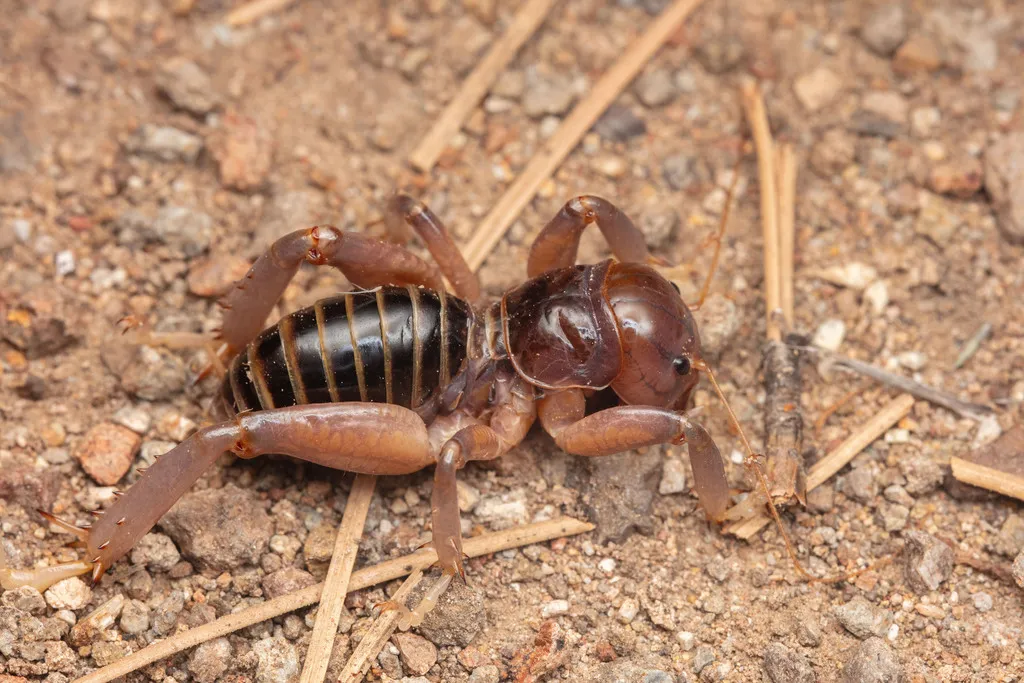
Ammopelmatus portal
Ammopelmatus portal
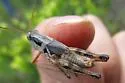
Angularis Spur-throat Grasshopper
Melanoplus angularis
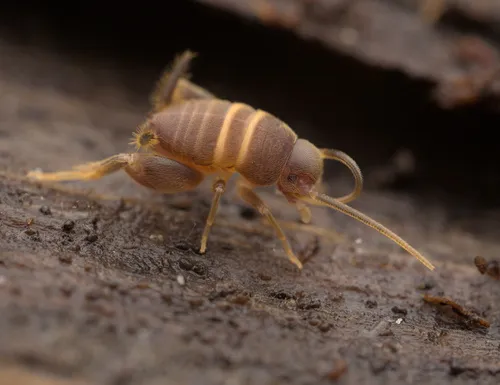
Ants'-nest Cricket
Myrmecophilus acervorum
Apollo Shieldback
Idiostatus apollo
Aptenopedes appalachee
Aptenopedes appalachee
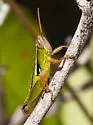
Aptenopedes chefixico
Aptenopedes chefixico
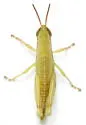
Aptenopedes clara
Aptenopedes clara
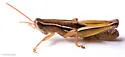
Aptenopedes rufovittata
Aptenopedes rufovittata
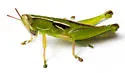
Aptenopedes yoholoi
Aptenopedes yoholoi
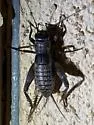
Arboreal Desert Field Cricket
Gryllus lightfooti
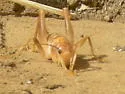
Arizona Camel Cricket
Ceuthophilus arizonensis
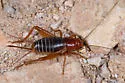
Arizona Cricket
Gryllita arizonae
Arizona Sand-treader Cricket
Daihiniodes hastifera
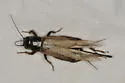
Armed Field Cricket
Gryllus armatus
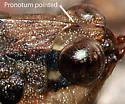
Armed Pygmy Grasshopper
Tettigidea armata
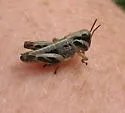
Asemoplus montanus
Asemoplus montanus
Asemoplus sierranus
Asemoplus sierranus
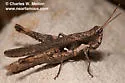
Ash-gray Range Grasshopper
Horesidotes cinereus
Ateloplus coconino
Ateloplus coconino
Ateloplus splendidus
Ateloplus splendidus
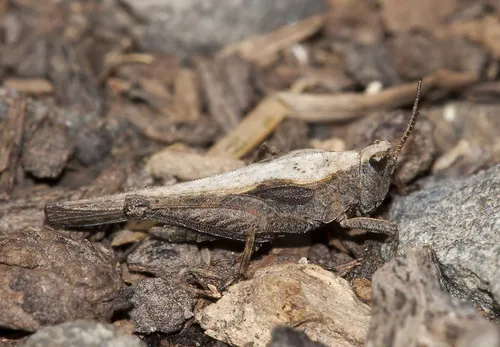
Awl-shaped Pygmy Grasshopper
Tetrix subulata
Aztec Pygmy Grasshopper
Paratettix aztecus
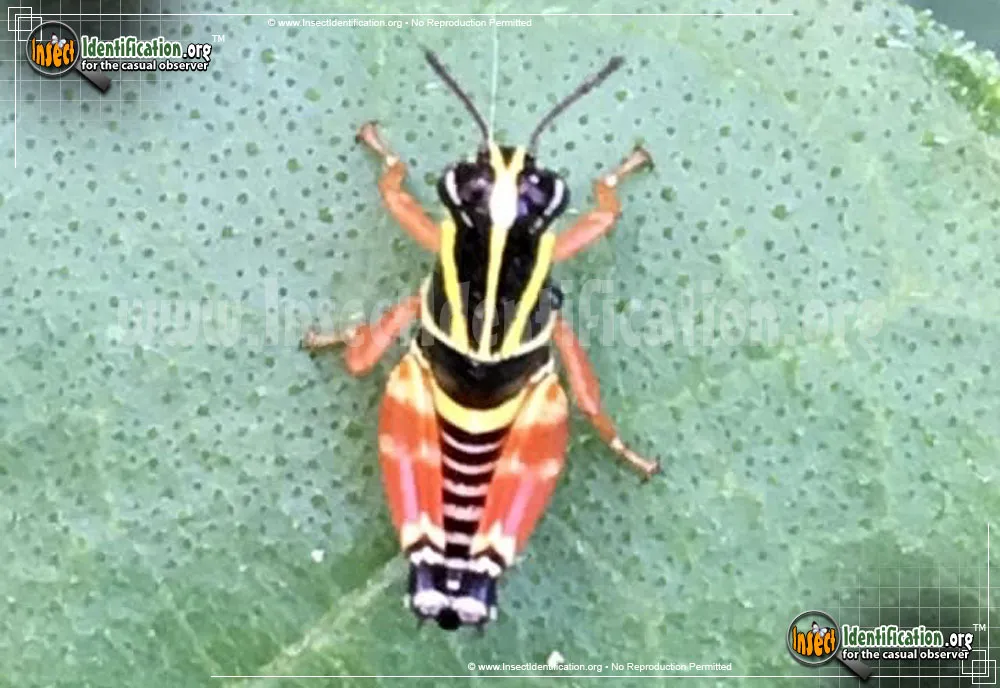
Aztec Spur-throat Grasshopper
Aidemona azteca

Badlands Cricket
Gryllus personatus
Ball’s Shieldback
Eremopedes balli
Barr's Cave Cricket
Hadenoecus barri
Barren Land Grasshopper
Trimerotropis pistrinaria
Bartram's Round-winged Katydid
Amblycorypha bartrami
Bechtel's Shieldback
Idiostatus bechteli
Big Bend Thread-leg Katydid
Arethaea arachnopyga
Big-headed Grasshopper
Eupnigodes megacephala