
Family Trigs and Ground Crickets (Trigonidiidae)
Trigonidiidae is a family in the order Orthoptera. Browse 28 named species recorded in this family, or open an individual profile for its available identification and natural-history information.
Species in Trigonidiidae (28)
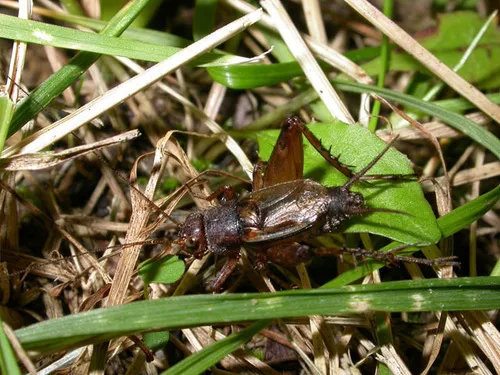
Allard’s Ground Cricket
Allonemobius allardi
Closely related to A. fasciatus ; prefers dryer ground than that species.
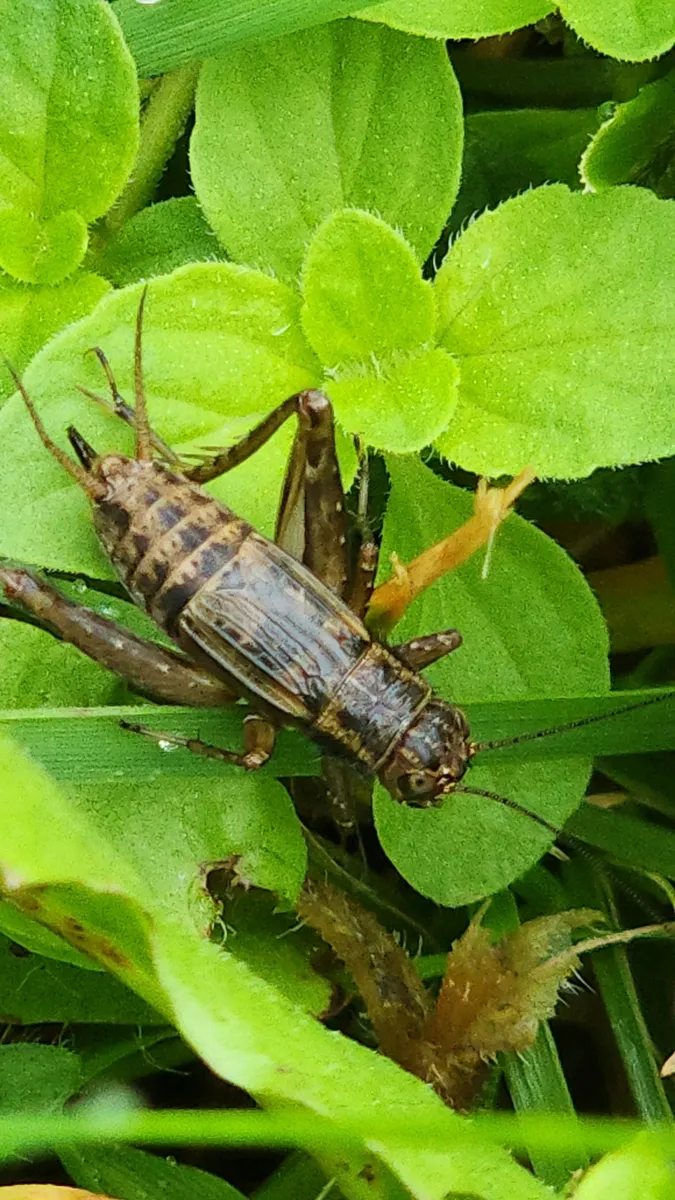
Striped Ground Cricket
Allonemobius fasciatus
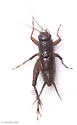
Identification: Morphology and song are identical to A. socius; the only way to distinguish the two is by allozyme assay or (in most cases) by range.
Gray Ground Cricket
Allonemobius griseus
Identification: Color with a grayish suffusion; face below the antennae very dark and shining; pronotum with long bristles; lateral margins of dorsal field of male tegmina narrowly yellow; hind femora fuscous-brown with numerous pale spots
Tinkling Ground Cricket
Allonemobius tinnulus
Identification: Reddish head; song of male slightly slower than that of A. allardi
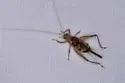
Calusa trig
Anaxipha calusa
Identification: Male with distinctive dark maculation on tegminae Appears strongly differentiated from other North American species of Anaxipha by analysis of COI sequences (Walker & Funk 2014)
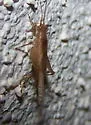
Chirping Trig
Anaxipha delicatula
Macropters (long-winged individuals) sometimes frequent at light but adults collected elsewhere usually short-winged.
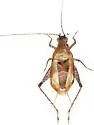
Ruby Road Trig
Anaxipha hyalicetra
Identification: The only Anaxipha in Arizona. The male tegmina are broader than in any other species of the genus.
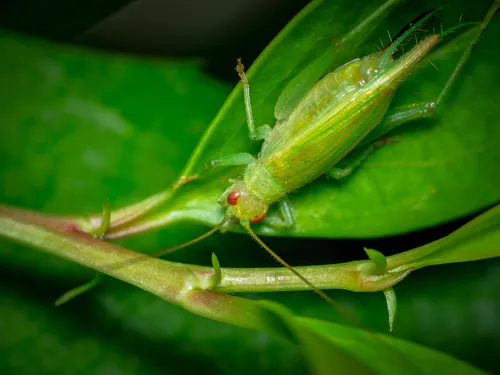
Columbian Trig
Cyrtoxipha columbiana
Identification: The only green trig in most of its range, except Florida. Eyes yellow to red.
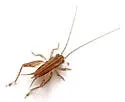
Hebard's Trig
Falcicula hebardi
Identification: No tympanum on foretibia; male stridulatory area poorly developed; length of male less than 4 mm (smaller than any Anaxipha). "The immature individuals are considerably darker and more wine-colored than the adults, and are longitudina
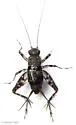
mangrove ground cricket
Hygronemobius alleni
Identification: Hind tibia with 3 spines on each upper margin (other U.S. ground crickets have 4).
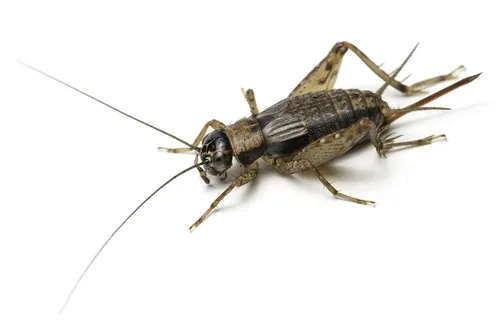
Wood Cricket
Nemobius sylvestris
Identification: Head black with pale Y-shaped marking.
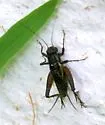
Cuban Ground Cricket
Neonemobius cubensis
Despite the name, apparently rather widespread across the eastern U.S. Very small, with a high-pitched song, so may be undetected at many points where it occurs.
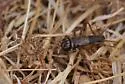
California ground cricket
Neonemobius eurynotus
Identification: Distinctive color pattern. Shortened wings and extremely short and heavy ovipositor.
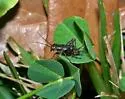
Collared Ground Cricket
Neonemobius near-mormonius
Identification: Distinctive pattern is apparently unique and easy to recognize.
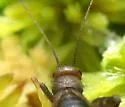
Sphagnum Ground Cricket
Neonemobius palustris
Often extremely common in the preferred habitat, but completely absent in adjacent forests/meadows. Can be collected by pressing down on the Sphagnum moss to flood the crickets out from their hiding places.
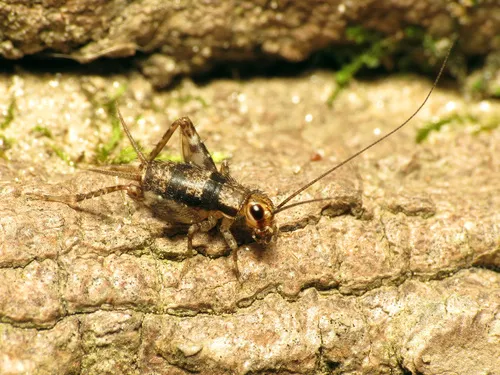
Spotted Ground Cricket
Allonemobius maculatus
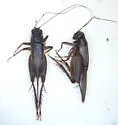
Southern Ground Cricket
Allonemobius socius
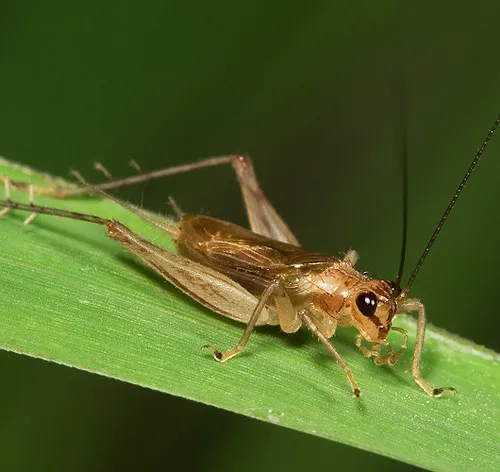
salt-marsh ground cricket
Allonemobius sparsalus
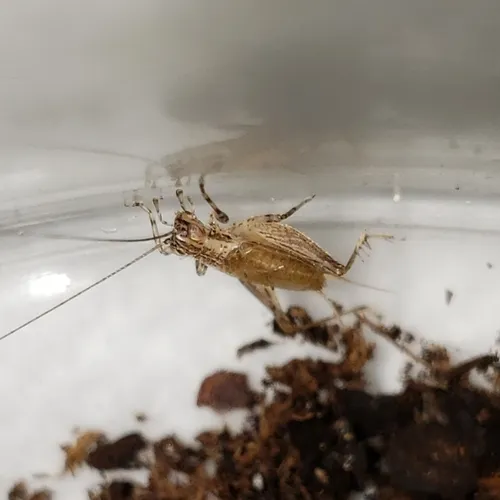
Say's Trig
Anaxipha exigua
Fulton's Trig
Anaxipha fultoni
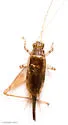
Cuban Trig
Anaxipha imitator
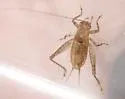
Pink-spotted Trig
Anaxipha rosamacula
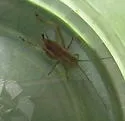
Tidewater Trig
Anaxipha tinnula
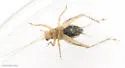
fast-tinkling trig
Anaxipha tinnulacita
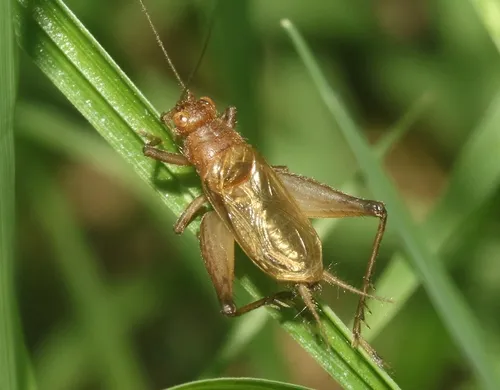
Spring Trig
Anaxipha vernalis
melodious ground cricket
Eunemobius melodius
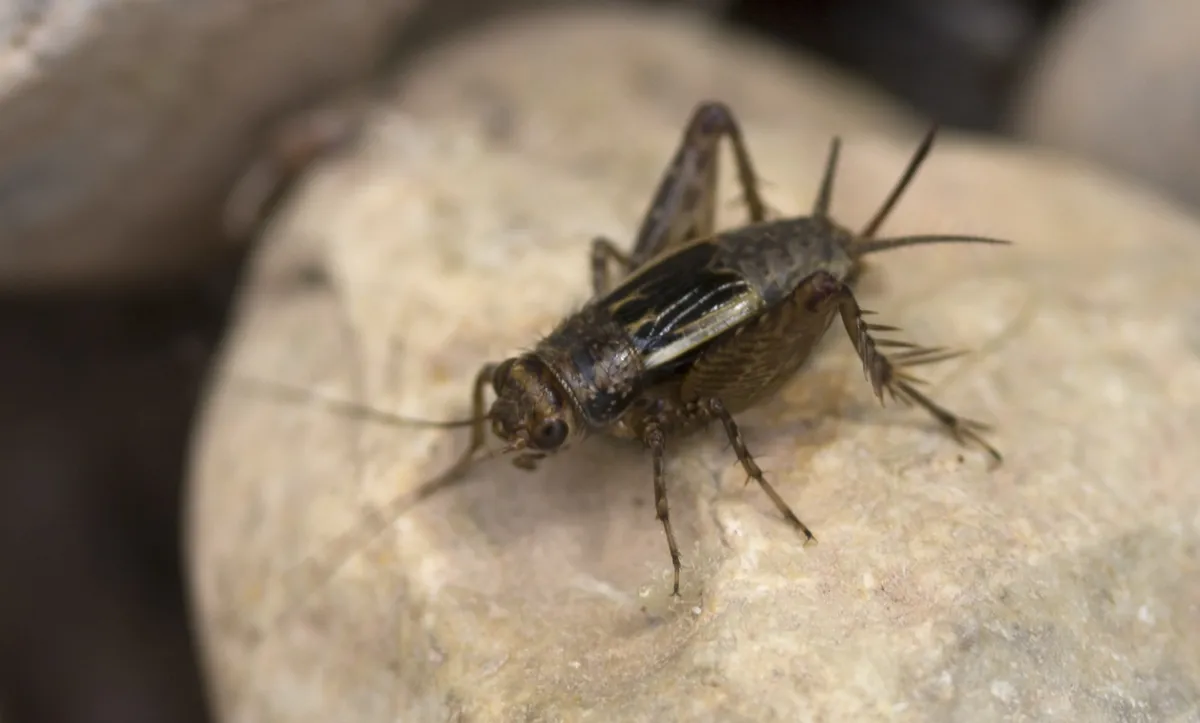
Mormon Ground Cricket
Neonemobius mormonius
Variegated Ground Cricket
Neonemobius variegatus