
Withlacoochee Grasshopper
Melanoplus withlacoocheensis
This record describes Melanoplus withlacoocheensis (species). Recorded family: Acrididae. Recorded order: Orthoptera.
Identification and Appearance
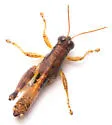
Male cerci are swollen distally, with a small ventral downward-facing tooth. This species has a large and erect pallium which is only seen in this species and M. rotundipennis Tip of male abdomen
Classification
- Kingdom
- Animalia
- Phylum
- Arthropoda
- Class
- Insecta
- Order
- Orthoptera (Grasshoppers, Crickets, Katydids)
- Suborder
- Caelifera
- Family
- Acrididae (Short-horned Grasshoppers)
- Subfamily
- Melanoplinae
- Tribe
- Melanoplini
- Genus
- Melanoplus
Imported taxonomy record. Source availability varies; see the source references and editorial policy below.
Habitat and Range
Habitat
Open sandhill (high pine)
Geographic Range
Southern Brooksville Ridge of Hernando and Citrus counties, FL.
Additional species information
Species notes from the sources
Etymology: Named for the Withlacoochee State Forest, which harbors a large population of the species
About Grasshoppers, Crickets, Katydids: the wider group
Order-level background for Orthoptera, the group containing Melanoplus withlacoocheensis. Species-specific details appear above.
Group overview
Orthoptera includes ~28,000 described species of grasshoppers, crickets, and katydids. Desert locusts can form swarms covering 460 square miles containing up to 80 million individuals per square kilometer.
Ecological role of the group
Grasshoppers and crickets are a primary food source for birds, reptiles, and small mammals. Cricket farming is a growing industry - crickets require 12× less feed than cattle to produce the same amount of protein, using 2,000× less water.
Economic and practical significance of the group
A single large locust swarm can consume the same amount of food in one day as 35,000 people. The 2019-2021 East Africa locust crisis affected food security for 42 million people across multiple countries. Global crop losses from locusts can reach billions annually.
Recorded sources for this group: FAO, UN World Food Programme, research publications. Imported estimates may describe particular regions or reporting periods.
Photos of Withlacoochee Grasshopper (5)
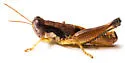
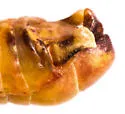
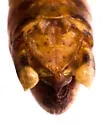
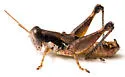
Photo credits: Contributed by David J. Ferguson; Additional contributions by metrioptera , Tyler Hedlund
Frequently Asked Questions About Withlacoochee Grasshopper
What is Withlacoochee Grasshopper?
Withlacoochee Grasshopper (Melanoplus withlacoocheensis) is a species in the family Acrididae, within the order Orthoptera.
How do you identify Withlacoochee Grasshopper?
Male cerci are swollen distally, with a small ventral downward-facing tooth. This species has a large and erect pallium which is only seen in this species and M. rotundipennis Tip of male abdomen
Where is Withlacoochee Grasshopper found?
| Feature | Details |
|---|---|
| Habitat | Open sandhill (high pine) |
| Range | Southern Brooksville Ridge of Hernando and Citrus counties, FL. |