
Family Tree and Bush Crickets (Oecanthidae)
Oecanthidae is a family in the order Orthoptera. Browse 24 named species recorded in this family, or open an individual profile for its available identification and natural-history information.
Species in Oecanthidae (24)
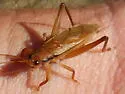
Indies bush cricket
Antillicharis oriobates
Identification: A. oriobates is easily distinguished from the North American species of Orocharis by the large ocelli with little space between
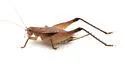
Short-winged Bush Cricket
Hapithus brevipennis
Identification: Forewings cover less than 2/3 of abdomen.
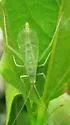
Alexander's Tree Cricket
Oecanthus alexanderi
Identification: Pale green, translucent wings, pale antennae, antennal markings similar to O. rileyi, orange patch on head. Has an unusual call for a tree cricket. The song can be heard on the SINA website at: http://entomology.ifas.ufl.edu/walker/b
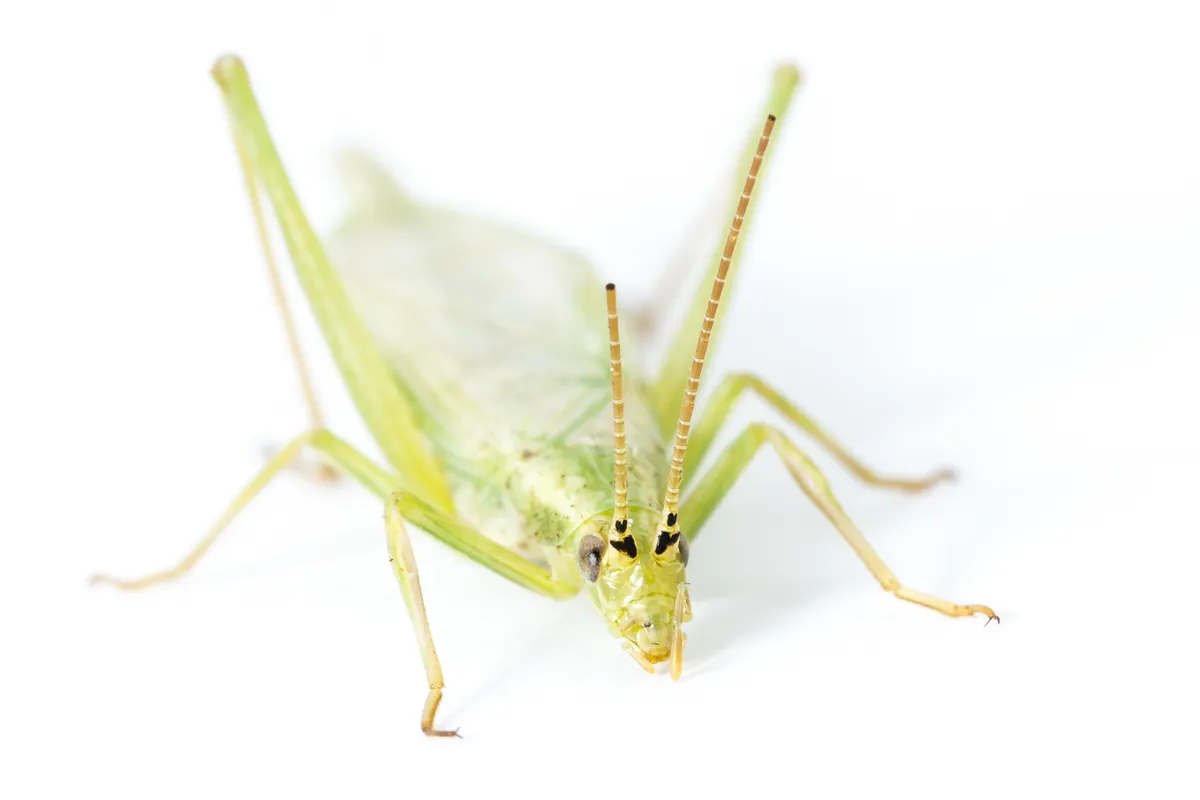
Prairie Tree Cricket
Oecanthus argentinus
Identification: The horizontal black mark on the scape has a slightly upward stroke. The two black marks on the pedicle are touching (either they touch or are extremely close for this species). The pronotum has no black. This photo below of a 4th sta
Western Tree Cricket
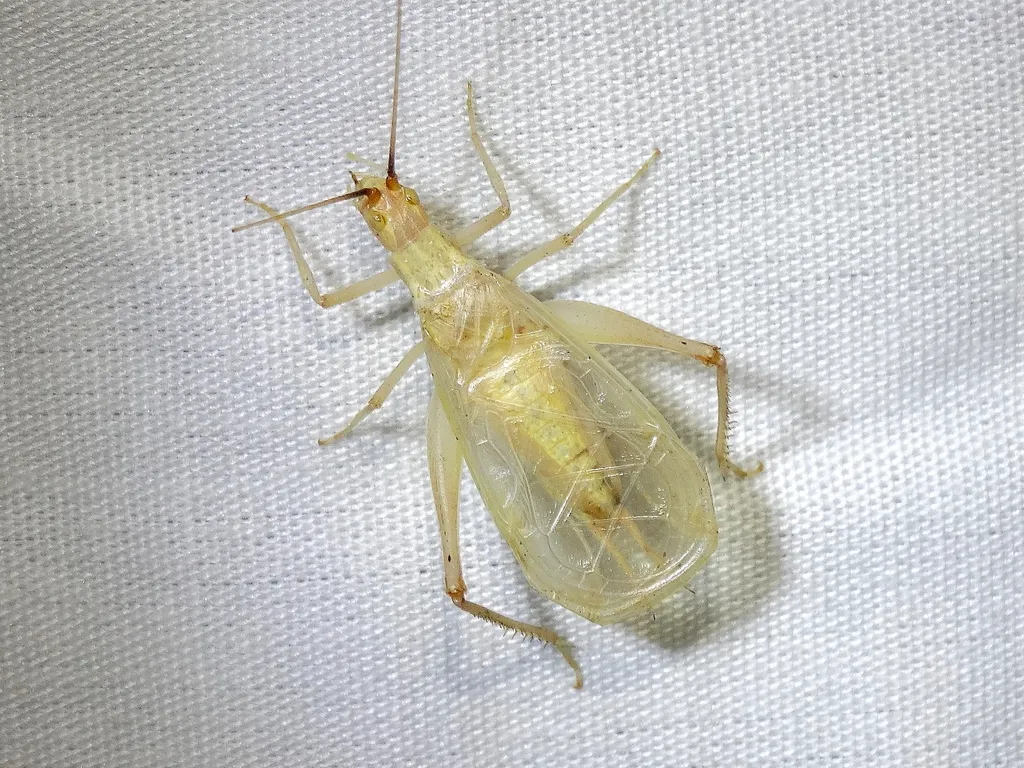
Oecanthus californicus
Identification: Western tree crickets are quite diverse in pattern and coloration - SINA Red scape and pedicel (1st two antennal segments) with black antennae. Additionally, californicus often has a thin dark line on the inner edge of the ventral sur
Forbes' Tree Cricket
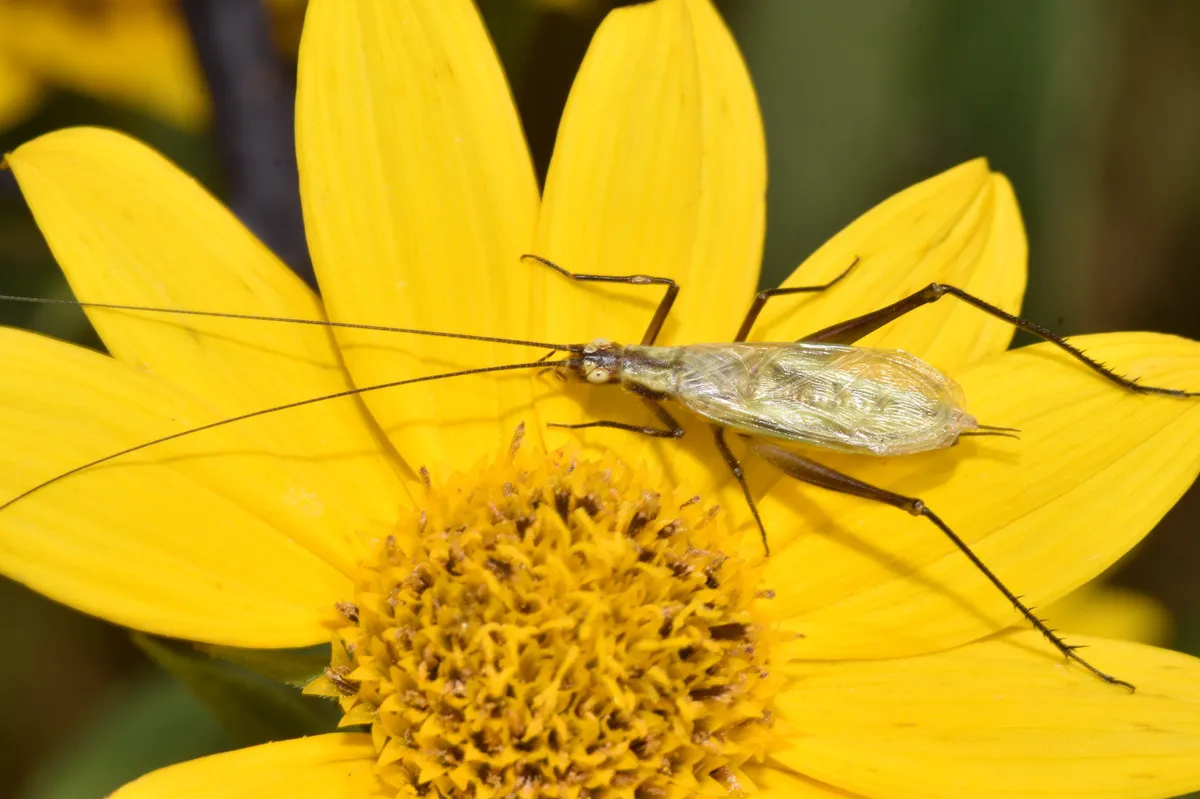
Oecanthus forbesi
Identification: This species usually has a yellowish head. The antennal markings are very similar to Black-horned Tree Cricket. A vertical black strip on the medial portion of the scape (1st segment) and a shorter horizontal teardrop shape on the u
Broad-winged Tree Cricket
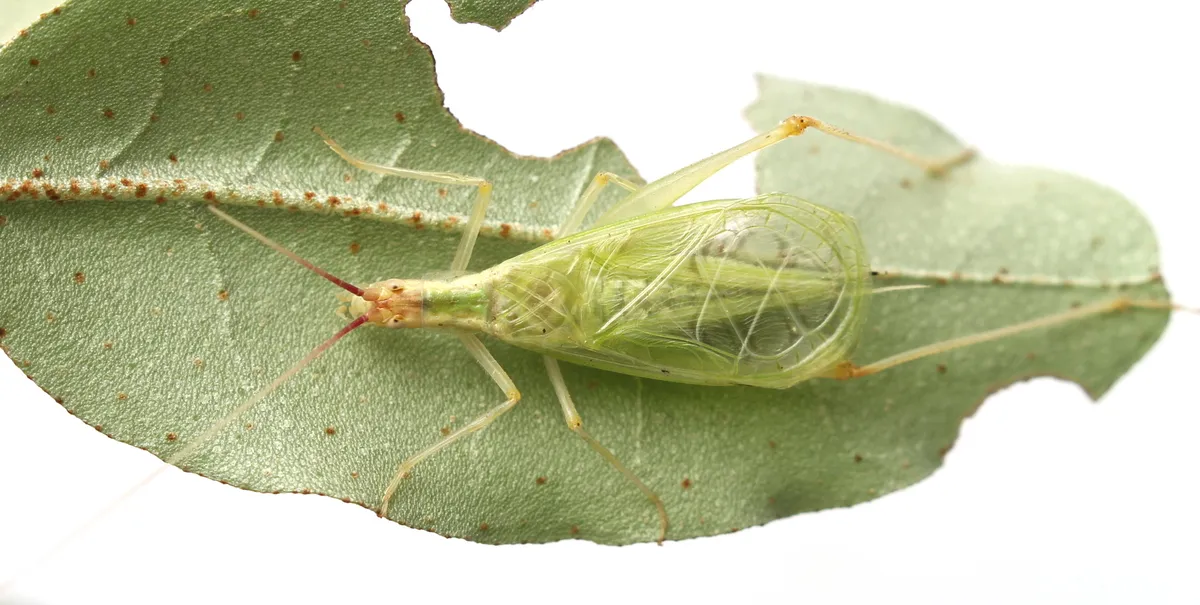
Oecanthus latipennis
Identification: The head has a true red color, the proximal portions of the antennae are dark red, and the hind 'knees' have an orange tint. These characteristics are found in Broad-winged Tree Crickets. The distal portion of the wings appear to be
Narrow-winged Tree Cricket
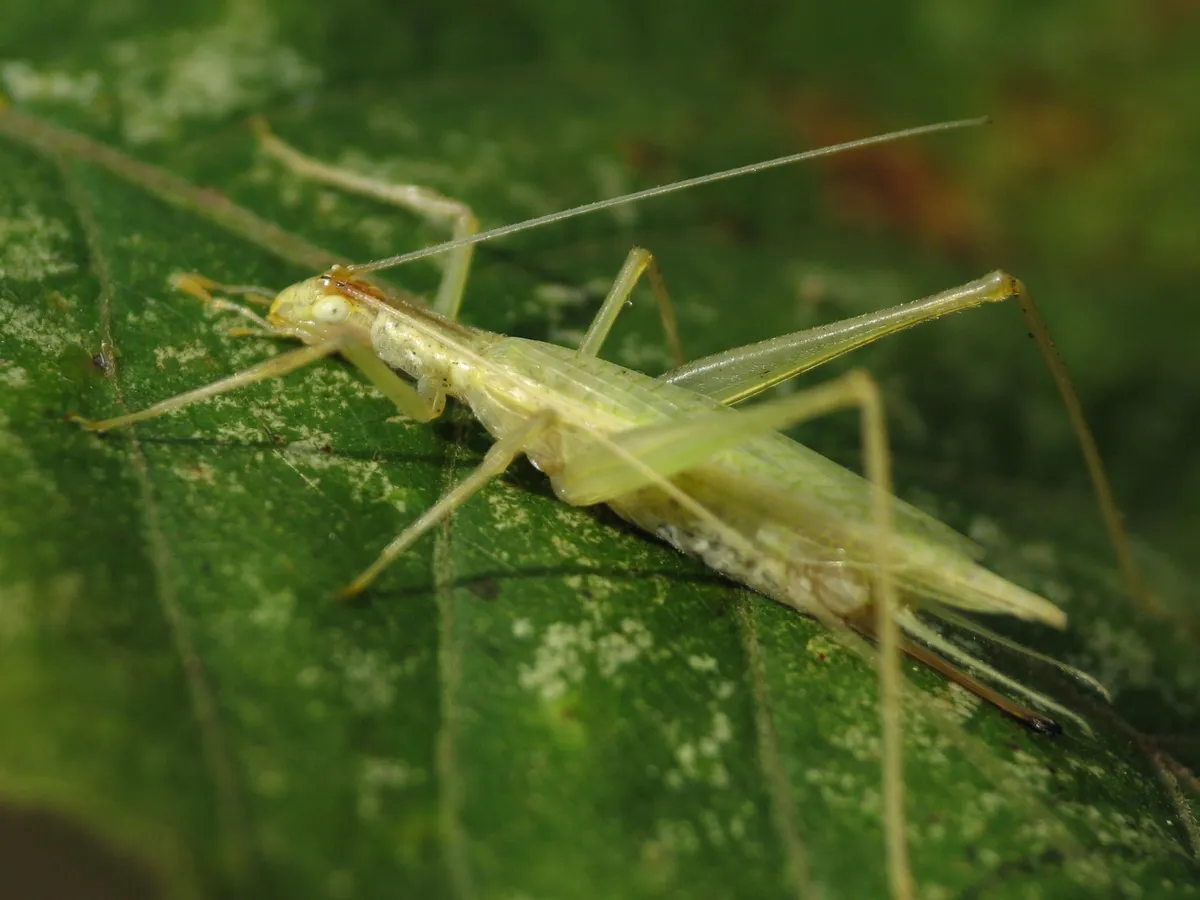
Oecanthus niveus
Identification: O. niveus can be ID'd by the markings on the first two segments of the antennae. The first segment (the scape) has a thick black ' J ' atop a white field. The second segment (the pedicel) has a small black mark against a white field.
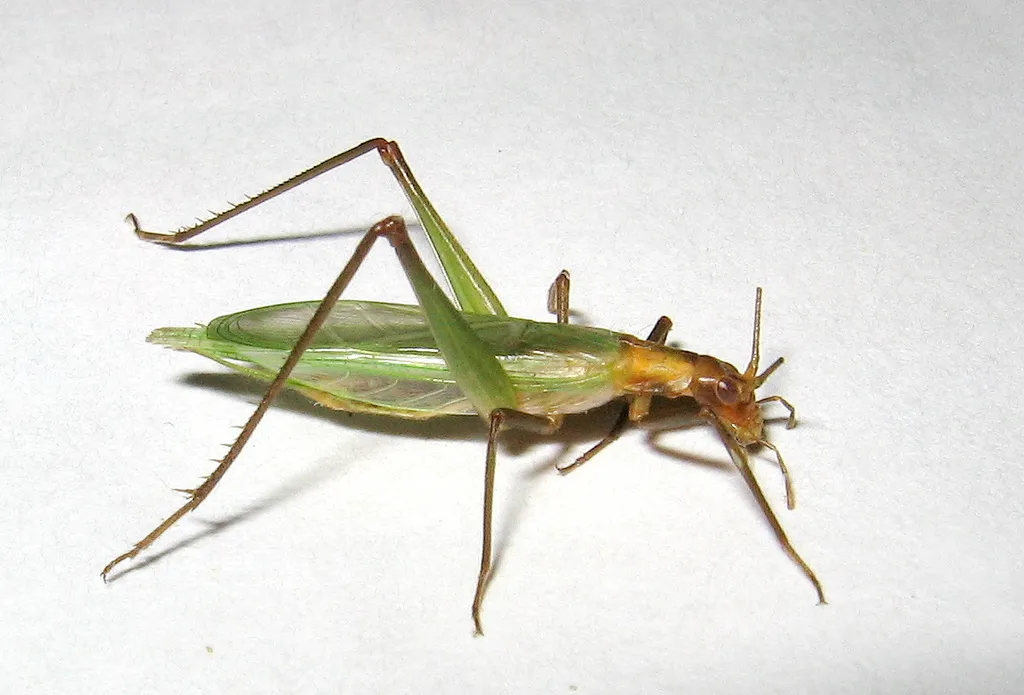
Pine Tree Cricket
Oecanthus pini
Identification: Reddish brown head, pronotum, antennae and distal limbs. Eyes are pink. Antennal markings similar to O. nigricornis. A great source for 'everything you ever wanted to know about tree crickets' is an article written in May 1915 by Be
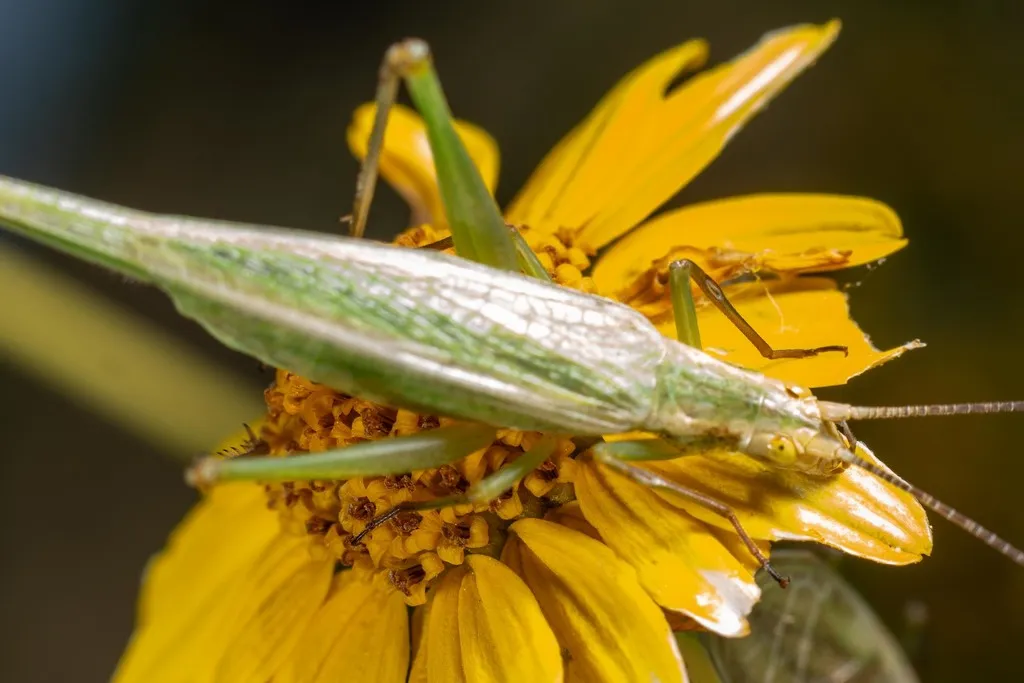
Four-spotted Tree Cricket
Oecanthus quadripunctatus
Identification: The outer marks on first and second antennal segments usually less heavily pigmented than inner marks; outer mark on first segment is usually round. (Compared to Black-horned TC which has equally pigmented inside and outside marks --
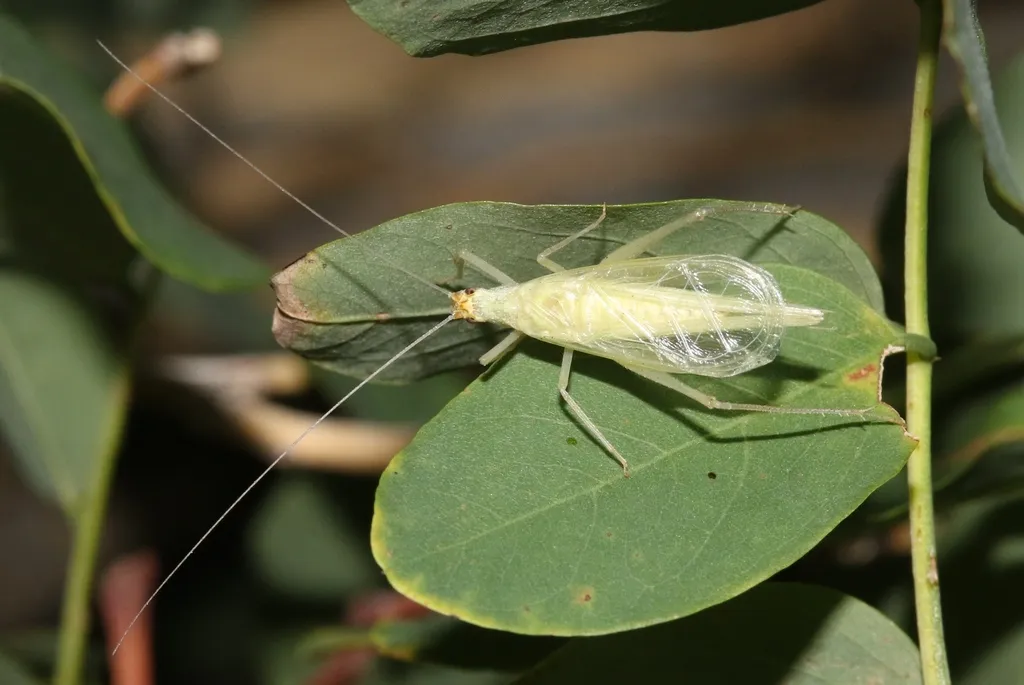
Riley's Tree Cricket
Oecanthus rileyi
Identification: Riley's tree cricket is pale green with pale antennae and limbs. It has a black spot on both the first and second antennal segments (scape and pedicel). The black spot on the 2d segment is less than half the length of the segment.
Sage Tree Cricket
Oecanthus salvii
Identification: Most notable character are deep black setae on the hind femora. Named for Lodovico Salvi, who included drawings of a male and female tree cricket, and oviposit markings in a stem, in a 1750 article. The first tree cricket in Europe wa
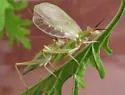
Texas Tree Cricket
Oecanthus texensis
This document is offered as a learning tool for determining ID via male's song pulses per second. These are most accurate if a thermometer is placed as close as possible to the perch area of the singing male. O. texensis O. californicus
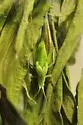
Walker's Tree Cricket
Oecanthus walkeri
Identification: Overall color of both sexes light green, often with small amount of yellow on head/face. Eye color yellow. Palpi pale brown or gray. Prominent areas of bright white color on borders of pronotal area. Ventral abdomen pale creamy white.
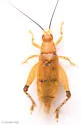
lychee bush cricket
Paroecanthus oaxaca
Identification: Antennal flagellum black This species has been known as Xenogryllus unipartitus on SINA, but Lucas de Campos has determined it as a species of Paroecanthus .
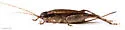
False Jumping Bush Cricket
Hapithus luteolira
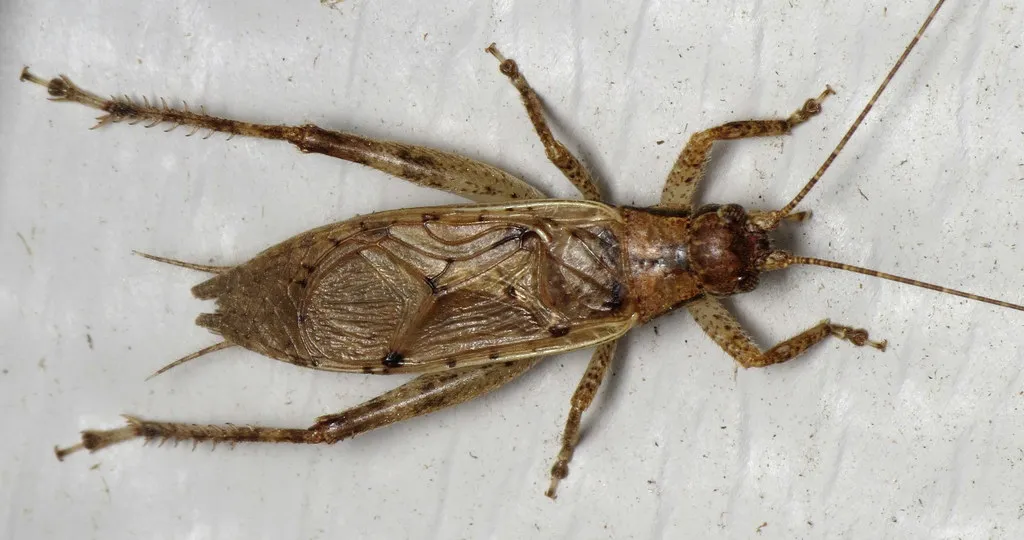
Jumping Bush Cricket
Hapithus saltator
White Sands Tree Cricket
Oecanthus beameri
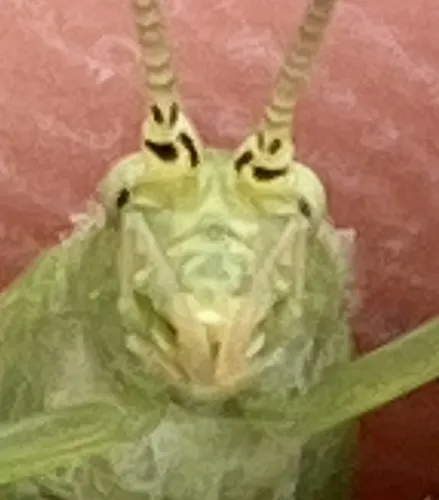
Fast-calling Tree Cricket
Oecanthus celerinictus
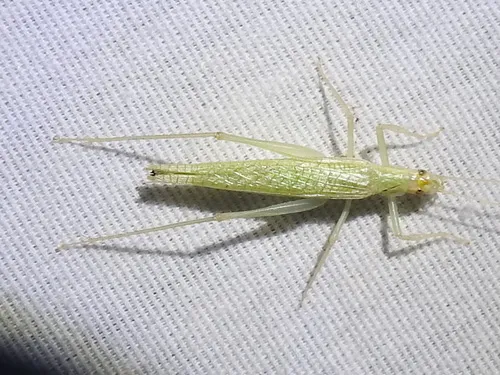
Davis' Tree Cricket
Oecanthus exclamationis
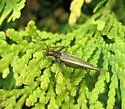
Tamarack Tree Cricket
Oecanthus laricis
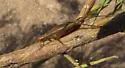
Great Tree Cricket
Oecanthus major
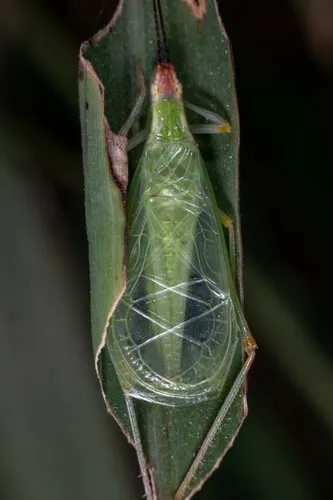
Different-horned Tree Cricket
Oecanthus varicornis
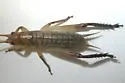
Silent Bush Cricket
Tafalisca eleuthera