
Family Crambid Snout Moths (Crambidae)
Crambidae is a family in the order Lepidoptera. Browse 788 named species recorded in this family, or open an individual profile for its available identification and natural-history information.
Species in Crambidae (788)
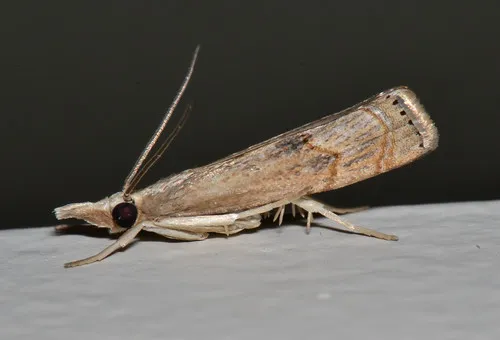
Bluegrass Webworm Moth
Parapediasia teterrellus
Parapediasia teterrellus, the bluegrass webworm moth, bluegrass webworm, bluegrass sod webworm moth or bluegrass sod webworm, is a moth of the Crambidae family. It is found in North America from Ontario and New England to Florida, west to California
Watermilfoil Leafcutter - Hodges#4764
Parapoynx allionealis
The caterpillars live in portable cases made of many pieces of plant material.
Small Leafcutter Moth - Hodges#4765
Parapoynx diminutalis
Introduced species endemic to southeast Asia, Australia. "Looks like it arrived on it's own at least by 1976, not a planned introduction. Note the larva has 7 instars (as opposed to a more normal 5)." Bob P.
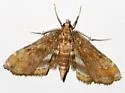
Polymorphic Pondweed Moth - Hodges#4759
Parapoynx maculalis
Identification: Adult : FW grayish brown, boldly marked with large white spots. Darker individual are uniformly gray or brown.
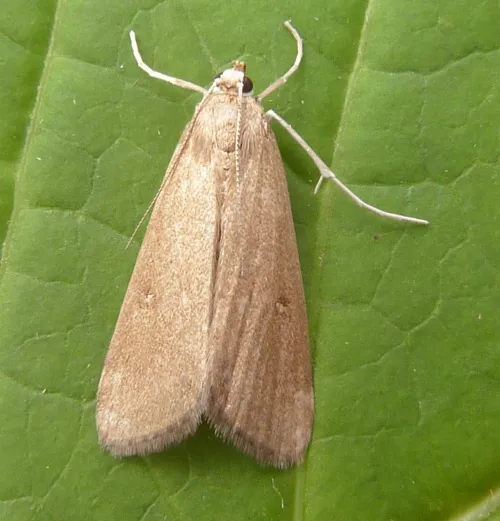
Obscure Pondweed Moth - Hodges#4760
Parapoynx obscuralis
Identification: Adult: forewing of male white with variable brown shading and thick white PM line; forewing of female nearly all dark brown; hindwing white with brown or blackish ST band and orange terminal band Genitalia: ♀ ♂ Larva: branched gills o
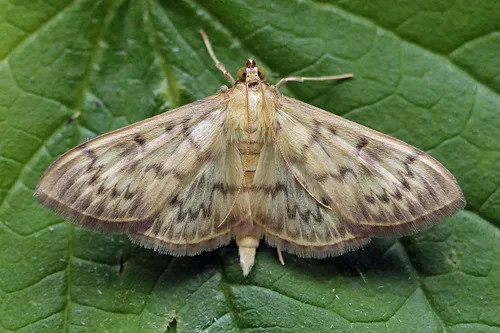
Ringed China-mark
Parapoynx stratiotata
Wingspan 15 to 28 mm. Although there are many variations of ground colour, this species is readily recognised by the dark ring with whitish centre on the forewing. Flies from June to August, being attracted to light. The larva is an aquatic feeder, l
Mother Of Pearl
Patania ruralis
Wingspan 26-40 mm. One of the largest of Britain's so-called 'micro-moths'; in fact it is larger than many of the 'macro-moths', though this division is largely artificial. The moth rests with all four wings on display, which show a colourful rainbow
Herbivorous Pleuroptya Moth - Hodges#5243
Patania silicalis
Identification: Adult: forewing yellowish-gray to orangish with dark gray AM and PM lines; AM line slightly ragged but almost straight; PM line toothed, with deep right-angled jog toward base in lower half; discal spot a dark gray crescent, sometimes
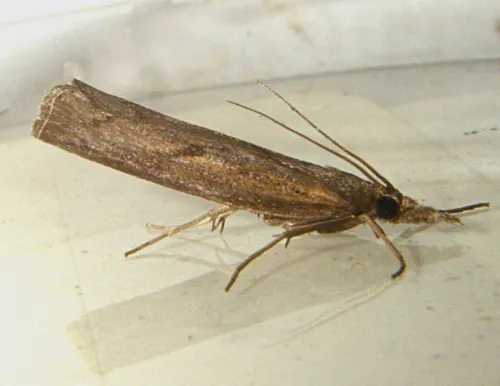
Pediasia contaminella
Pediasia contaminella
It flies during July and August and is attracted to light. The larvae feed in a silken tube amongst grasses such as sheep's fescue (Festuca ovina). Distributed mainly in the southern counties, this is a rather local species. In the Butterfly Conserva
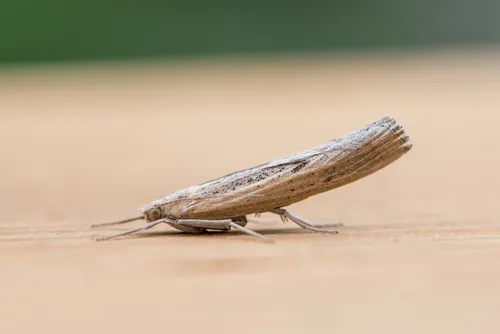
Sod Webworm - Hodges#5413
Pediasia trisecta
Identification: Adult: forewing variably brown to pale yellowish-orange, lighter grayish in lower half (along inner margin); surface sprinkled with dark brown scales; dark gray line from base to middle of wing, plus small dark patch closer to outer m
Black Penestola Moth - Hodges#5179
Penestola bufalis
Identification: Adult: forewing dark brown to brownish-gray with indistinct lines showing little contrast against ground color; dense speckling may give a smudged appearance; PM line jagged, irregular, with deep notch in middle, and large tooth near
Titian Peale's Crambid - Hodges#4951
Perispasta caeculalis
Identification: Wings dark grayish-brown in both sexes; forewing outer margin indented and containing white fringe scales near apex. Male has white dash in middle of forewing; female does not. Hindwing brown with white fringe. Very worn moths with al
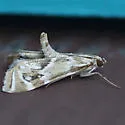
Spring Petrophila - Hodges#4781
Petrophila avernalis
Identification: Identified by the relatively uniform yellow-brown color of the FWs compared to most other Petrophila 's. Postbasal, median, preapical, and subterminal white lines are usually crisp and prominent but not straight; the median white lin
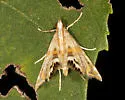
Two-banded Petrophila - Hodges#4774
Petrophila bifascialis
Identification: Adult : The oblong black discal spot on the HW is the most conspicuous field mark when the HWs are visible. When the HWs are not visible, identification can be a little trickier. In Texas and Oklahoma, Petrophila cappsi is very simi
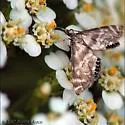
Canadian Petrophila - Hodges#4779
Petrophila canadensis
Identification: Adult: forewing central area lacks triangular arrangement of 3 black spots, present in P. fulicalis ; hindwing with two transverse brownish bands (proximal band broad, and distal one thin) separated by white space; trianglular patch o
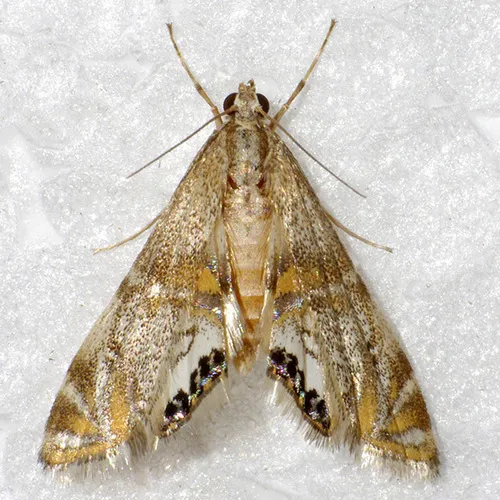
Capps' Petrophila - Hodges#4772
Petrophila cappsi
Identification: FW basal and postmedian area speckled black on white; costal margin brown, especially in basal 1/3; median white line is flanked by yellow bands, the one on the basal side wider than the outer one; four yellow-orange bands in the oute
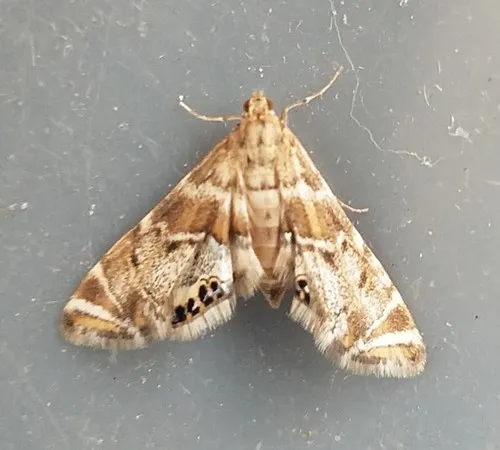
Confusing Petrophila - Hodges#4780
Petrophila confusalis
Identification: Very similar and closely related to Feather-edged Petrophila, but their ranges are widely disjunct. ( 3 ) Confusing Petrophila differs in the following subtle ways ( 3 ) : -- Center of the "discal bar" on the forewing (two short dark
Petrophila cronialis - Hodges#4782
Petrophila cronialis
Identification: The original description of Cataclysta cronialis Druce, is available online in the print references below. This is a mysterious species which Munroe (1972, p. 129) indicated ranges from Nogales and the Huachuca Mts of Arizona south in
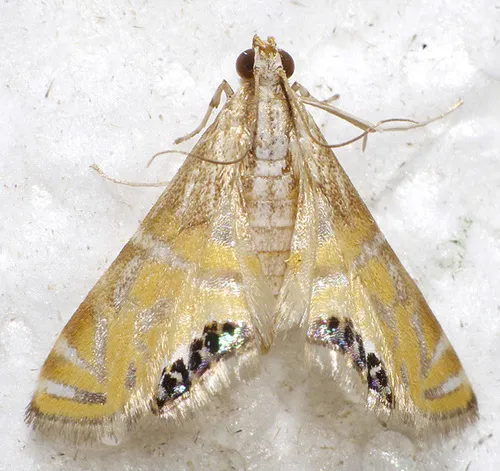
Devil's River Petrophila - Hodges#4771
Petrophila daemonalis
Identification: Recognized as a Petrophila by the "V" shaped white bands on the outer part of the forewings with adjacent orange bands, along with a series of black/metallic terminal spots on the hindwings. The forewing and hindwing both have more ye
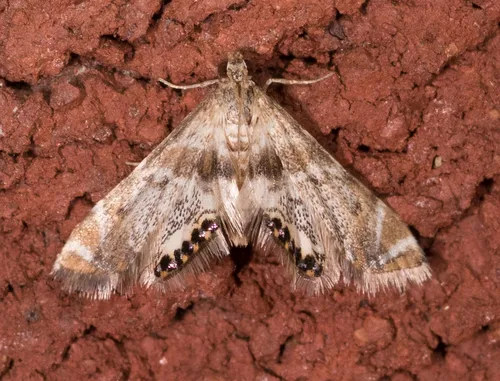
Feather-edged Petrophila - Hodges#4777
Petrophila fulicalis
Identification: Adults - forewing ground color white but mostly obscured by grayish-brown bands and dark speckling; narrow white median band across forewing is jagged near costa; three indistinct dark spots form a triangle in postmedian area; diffuse
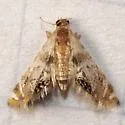
Heppner's Petrophila - Hodges#4784.1
Petrophila heppneri
Identification: Distinguished from other species of Petrophila in Texas and Oklahoma by the thin dark line over the submarginal eyespots on the HW. The postmedian area of the HW is speckled with black. The white medial line on the FW is notably zigza
Petrophila jaliscalis - Hodges#4775
Petrophila jaliscalis
Identification: The red-orange or dark pink hue of the color patches on the FW and HW is the single most important character separating (fresh) jaliscalis from all other members of the genus. Faded/worn examples can shift to an orange hue. Typical ex
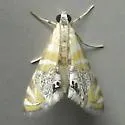
Kearfott's Petrophila - Hodges#4773
Petrophila kearfottalis
The Hind wing has a white background and a light circular black line near the black fringe line. My [A. Hendrickson] wing length measurement was 8-9 mm.
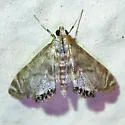
Santa Fe Petrophila - Hodges#4778
Petrophila santafealis
Santa Fe Petrophila is the southeastern representative of the " fulicalis -species group" in the genus Petrophila . ( 3 ) It is extremely similar to Canadian Petrophila . It is also similar to true fulicalis ("Feather-edged" Petrophila) but the rang
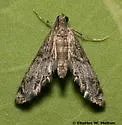
Schaeffer's Petrophila - Hodges#4784
Petrophila schaefferalis
Schaeffer's Petrophila - Hodges#4784 (Petrophila schaefferalis) is a species in the family Crambidae, commonly known as crambid snout moths, belonging to the order Lepidoptera (Butterflies and Moths). It is classified within the subfamily Acentropina
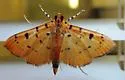
Phaedropsis stictigramma - Hodges#5247
Phaedropsis stictigramma
Identification: Distinctive moth with no other similar North American species. Allyson (1984) described the larva. ( 3 ) Type locality: Bahamas, Nassau
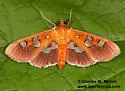
Phostria oajacalis - Hodges#5266
Phostria oajacalis
Identification: Male: Ochraceous, stout. Body beneath and legs white. Palpi fawn-colour, erect, not rising so high as the vertex; second joint fringed; third conical, about one-fourth of the length of the second. Antennae pubescent. Abdomen lanceolat
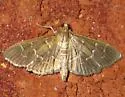
Scraped Pilocrocis - Hodges#5281
Pilocrocis ramentalis
Identification: Adult: forewing grayish-brown with slightly irregular white AM line and sinuous white PM line edged in black; PM line has squarish convex lobe near middle; reniform spot a small white arc, edged basally in black; hindwing grayish-brow
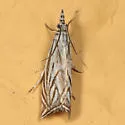
Platytes Moth - Hodges#5394
Platytes vobisne
Identification: Adult: forewing silvery-white with several dark brown lines, including zigzag PM and ST lines; hindwing dark gray; fringes of both wings long, silvery
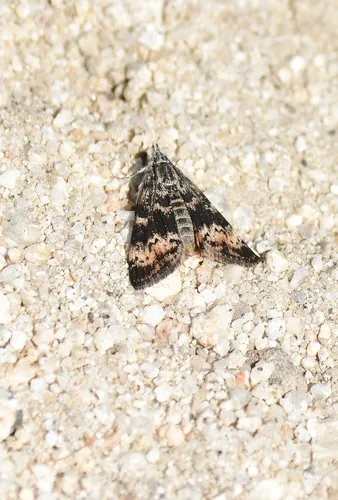
Pogonogenys proximalis - Hodges#4817
Pogonogenys proximalis
Identification: Head, thorax, upper side of abdomen, and fore wings dark brown, overlaid more or less with whitish scales. The outer crossline is represented by an ill-defined, dentate, dark brown line crossing the wing about halfway between the end
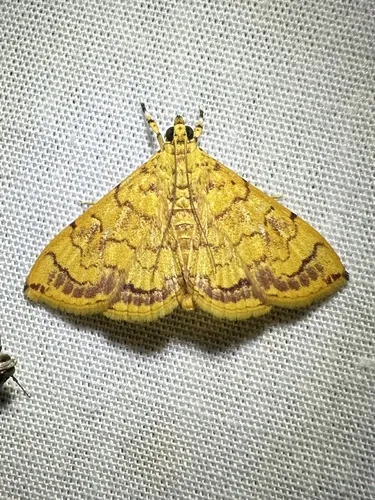
Portentomorpha xanthialis - Hodges#5078
Portentomorpha xanthialis
Portentomorpha xanthialis - Hodges#5078 (Portentomorpha xanthialis) is a species in the family Crambidae, commonly known as crambid snout moths, belonging to the order Lepidoptera (Butterflies and Moths). It is classified within the subfamily Pyraust
Clouded Veneer - Hodges#5333
Prionapteryx nebulifera
There is a published account of the caterpillars in the pine barrens of NJ living in underground retreats and building tubes of sand and silk up to the leaves of the host plants, which crawl through at night to feed. They are also said to produce a s
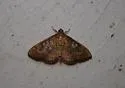
Obscure Psara - Hodges#5268
Psara obscuralis
Identification: Adult: forewing dull yellowish to brown with dark AM and PM lines; AM line almost straight, slightly curved near inner margin; PM line convoluted, situated fairly close to outer margin, with convex multi-toothed lobe in upper half and
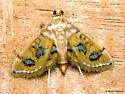
Pseudopyrausta marginalis - Hodges#4939.1
Pseudopyrausta marginalis
Identification: The original description of Pseudopyrausta marginalis Dyar, is available online in the print references below. In 2009 Alma Solis determined this specimen as the first U.S. record of Pseudopyrausta marginalis but an earlier Knudson &
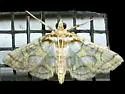
Pseudopyrausta santatalis - Hodges#4939
Pseudopyrausta santatalis
Identification: The original description as Blepharomastix santatalis Barnes & McDunnough, is available online in the print references below.
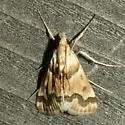
Pseudoschinia elautalis - Hodges#4828
Pseudoschinia elautalis
Identification: Grote (1871) original description as Eurycreon elautalis is online in the print references. Mann (1969) described the larva as white, with several narrow crimson transverse bands. ( 3 )
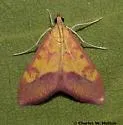
Pyrausta arizonicalis - Hodges#5066
Pyrausta arizonicalis
Identification: Specimen identified by DNA analysis (BOLD). ( 4 )
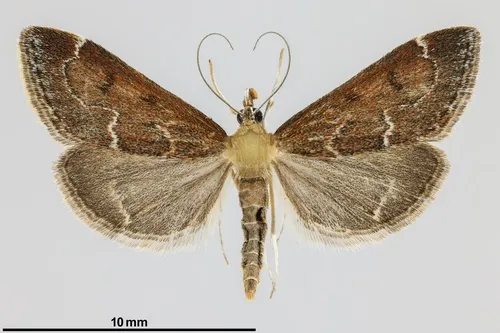
Pyrausta atropurpuralis - Hodges#5031
Pyrausta atropurpuralis
Identification: Forewings of an obscure reddish brown with a purple cast. At first sight appearing immaculate, but the exterior line can be made out by its being followed by scattered yellowish scales; it is similarly shaped to that of vinulenta (= s
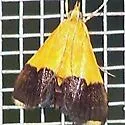
Pyrausta augustalis - Hodges#5041
Pyrausta augustalis
Identification: Adult: forewing orange in basal two-thirds, and dark reddish in distal third; dividing line between these colors is almost straight; no AM line. page creation based on Bob Patterson's identification of this image
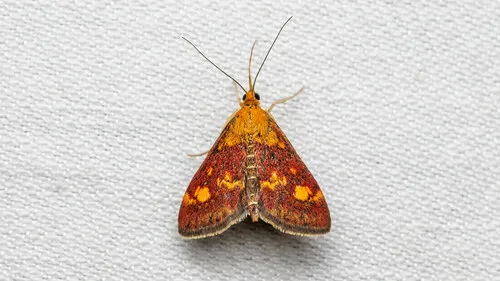
Pyrausta aurata
Pyrausta aurata
Wingspan 15-18 mm. The only consistent postmedian mark is a round golden blotch near the costa but there is usually a small golden mark between it and the costa. In fresh specimens there is sometimes a thin indistinct wavy golden postmedian line betw
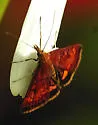
Pyrausta californicalis - Hodges#5052
Pyrausta californicalis
Identification: See print references below. Type locality: USA, California
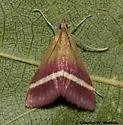
Pyrausta corinthalis - Hodges#5028
Pyrausta corinthalis
Identification: The Barnes & McDunnough original description is available online in the print references. Basal half of forewing olive brown, outer half rose-pink with an oblique white subterminal band parallel to outer margin.
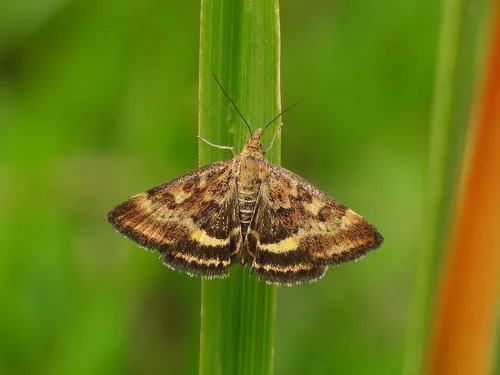
Pyrausta despicata
Pyrausta despicata
Wingspan 14 to19 mm. The plainest-looking of our native Pyrausta species. This moth occupies suitably chalky and limestone habitats. It is double-brooded, with flight periods in May and June, and later in July and August. The larvae feed on Ribwort P
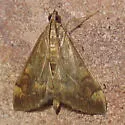
Pyrausta flavibrunnea - Hodges#5046
Pyrausta flavibrunnea
Identification: Hampson (1913) original description is available online in the print references .
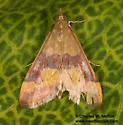
Pyrausta flavofascialis - Hodges#5048
Pyrausta flavofascialis
Identification: Grote (1882) original description as Botis flavofascialis is available online in the print references.
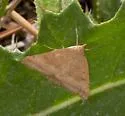
Pyrausta fodinalis - Hodges#5074
Pyrausta fodinalis
Pyrausta fodinalis - Hodges#5074 (Pyrausta fodinalis) is a species in the family Crambidae, commonly known as crambid snout moths, belonging to the order Lepidoptera (Butterflies and Moths). It is classified within the subfamily Pyraustinae, tribe Py
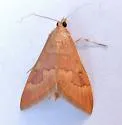
Pyrausta klotsi - Hodges#5047
Pyrausta klotsi
Identification: "Somewhat like Pyrausta signatalis in general maculation, but larger, apex of forewing more acute and termen more oblique; forewing brown, sometimes with a pinkish tinge, but never bright pink. Hindwing brownish, not contrastingly dar
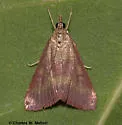
Southern Purple Mint Moth - Hodges#5070
Pyrausta laticlavia
Identification: Specimen identified by DNA analysis: Often attracted to lights.
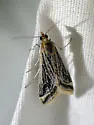
Pyrausta linealis - Hodges#5024
Pyrausta linealis
Identification: Head, thorax, and palpi on the outside, light chestnut brown. Palpi, white beneath, and a white line over each eye, which extends forward and around the frontal projection. Forewings, dark brown, chestnut brown on the basal part of th
Pyrausta morenalis - Hodges#5030
Pyrausta morenalis
Identification: Forewing rather narrow, dark reddish brown, slightly bronzy; lines very faint, pale, the inner obliterate, angled in the cell, oblique below; discal marks darker, very obscure, the reniform lunate; outer line slightly excurved on the
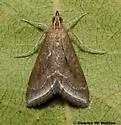
Pyrausta napaealis - Hodges#5023
Pyrausta napaealis
Identification: Specimen identified by DNA analysis (BOLD).
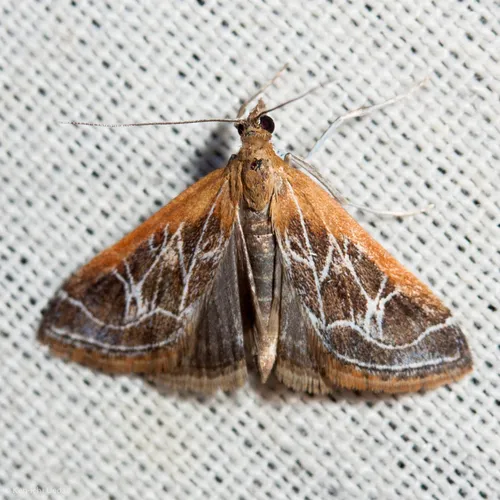
Fulvous-edged Pyrausta Moth - Hodges#5019
Pyrausta nexalis
Identification: Original description online: Botis nexalis Hulst. 150 .
Pyrausta nicalis - Hodges#5032
Pyrausta nicalis
Identification: Adult: forewing grayish-brown tinged with red or purple; PM line whitish, wavy, thin in middle and thick at both ends; AM line and two dark discal spots usually inconspicuous or indistinct; hindwing brownish-gray with white partial PM
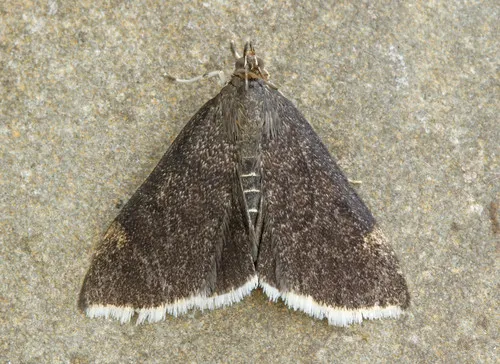
White-fringed Pyrausta Moth - Hodges#5073
Pyrausta niveicilialis
Identification: See print references below. According to John Glaser this species is rare in collections. Type locality: USA, New York
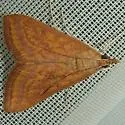
Pyrausta obtusanalis - Hodges#5072
Pyrausta obtusanalis
Identification: Primaries dark chrome-yellow, shaded with brown, with a brown line crossing the middle of the wing from the costal to the inner margin, and a rather wide pinkish-brown submarginal line extending from the apex to the anal angle, the fr
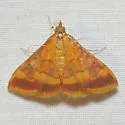
Pyrausta onythesalis - Hodges#5042
Pyrausta onythesalis
page creation based on John Fisher's identification of this image from Oklahoma; John emailed the ID to Robin and Mark
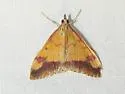
Pyrausta perrubralis - Hodges#5064
Pyrausta perrubralis
Identification: See print references below. Type locality: USA, California
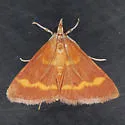
Pyrausta pseuderosnealis - Hodges#5053
Pyrausta pseuderosnealis
Identification: Specimen identified by DNA analysis: Type locality: USA, Texas, Georgetown
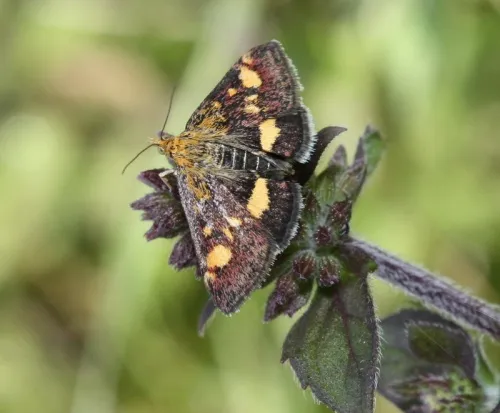
Pyrausta purpuralis
Pyrausta purpuralis
Wingspan around 20 mm. In this species the postmedian markings can form a continuous broad band but it is usually broken into three substantial marks. The mark near the dorsum is always much more substantial than that, if any, on P. aurata and turns
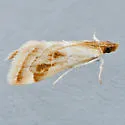
Pyrausta sartoralis - Hodges#5020
Pyrausta sartoralis
Identification: Barnes & McDunnough (1914) original description is online and linked in the print references.
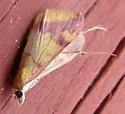
Pyrausta scurralis - Hodges#5065
Pyrausta scurralis
Identification: See print references below. Type locality: USA, Arizona
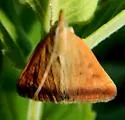
Sociable Pyrausta Moth - Hodges#5075
Pyrausta socialis
Identification: Forewings are reddish to pinkish brown with a purplish tinge. prominent dark subterminal band
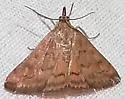
Pyrausta tatalis - Hodges#5061
Pyrausta tatalis
Identification: Specimen identified by DNA analysis (BOLD).
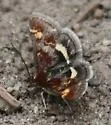
Pyrausta tuolumnalis - Hodges#5059
Pyrausta tuolumnalis
Identification: See print references below. Type locality: USA, California, Tuolumne Meadows
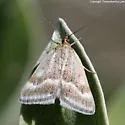
One-banded Pyrausta - Hodges#5068
Pyrausta unifascialis
Identification: Adult: forewing brown with scattered black scales and whitish S-shaped band across subterminal area; diffuse white discal spot or patch, and partial pale terminal band that fades before reaching apex; hindwing dark gray with large whi
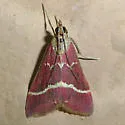
Volupial Pyrausta Moth - Hodges#5029
Pyrausta volupialis
Identification: Specimens identified by DNA analysis:
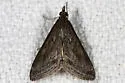
Pyrausta zonalis - Hodges#5022
Pyrausta zonalis
Identification: See link to original description by Barnes & McDunnough in print references below. An updated, detailed description is available in MONA Fascicle 13.2B at the link in citations below. Important points from this description include rat
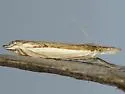
Diminutive Grass-veneer - Hodges#5393
Raphiptera argillaceellus
Identification: Adult: forewing outer margin falcate near apex, resulting in sharply-pointed tip; forewing light brown to brownish-gray with slender white stripe, tapered at both ends, extending from base to postmedial area but not reaching ST line;
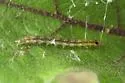
Rhectocraspeda periusalis - Hodges#5157
Rhectocraspeda periusalis
Identification: See Microlepidoptera on Solanaceae species page
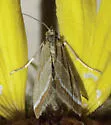
Rhodocantha diagonalis - Hodges#4797
Rhodocantha diagonalis
Identification: Determined by Ed Knudson, Texas Lepidoptera Survey, Houston Type locality: USA, New Mexico, Otero Co., Alamogordo
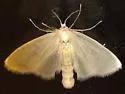
Rupela sejuncta - Hodges#5312
Rupela sejuncta
Identification: Wings of both sexes shining white Genitalia:
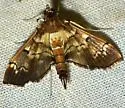
Salbia cassidalis - Hodges#5287.1
Salbia cassidalis
" Salbia cassidalis was first recorded in the US from Alamo, Hidalgo Co., TX, on December 3, 2013 by Charles Bordelon. It was reported in the Lep. Soc. Season Summary for 2013. - Ed Knudson, 8.xii.2016 in email to Kyhl Austin.
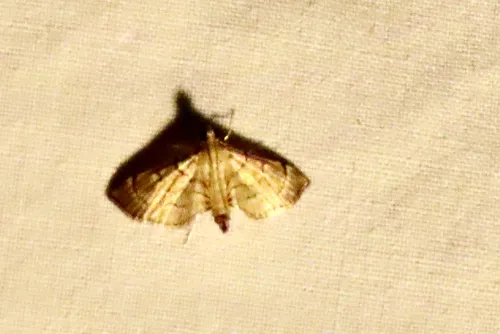
Salbia melanobathrum - Hodges#5287.2
Salbia melanobathrum
Identification: Salbia tytiusalis Salbia mizaralis "Male S. melanobathrum have big, jet-black antennal tufts that you see in the photos, whereas S. tytiusalis males have no tufts. It is the same size as S. tytiusalis , but the hind wing pattern is di
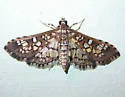
Stained-glass Moth - Hodges#5150
Samea castellalis
Identification: Adult: forewing grayish-brown with three groups of several white spots in AM, median, and PM areas; male has larger spots than female, and/or less extensive brown areas between spots, due to smaller wing; middle of fringe has dark gra
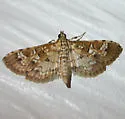
Salvinia Stem-borer - Hodges#5151
Samea multiplicalis
Identification: Young larvae are dirty-white to pale yellow, progressing to yellow-green in mature larvae.
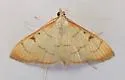
Sarabotys cupreicostalis - Hodges#4936.5
Sarabotys cupreicostalis
Sarabotys cupreicostalis is here reported for the first time in the United States from Arizona by MAS. Five specimens are deposited in the NMNH (National Museum of Natural History, Washington, DC): Babquivari Mts., Pima Co., 1–15 Sept. 1923 (2 specim
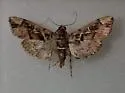
Sathria internitalis - Hodges#5270
Sathria internitalis
Identification: See print references below. Type locality: Haiti
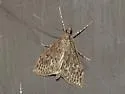
Dusky Saucrobotys - Hodges#4935
Saucrobotys fumoferalis
Identification: Original description online: (154) Adult: forewing dark gray or sometimes brown; AM, PM, and ST lines, black, deeply and sharply toothed but usually indistinct, especially ST line; teeth of ST line end in pale points at terminal line,
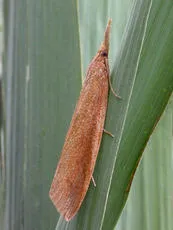
Schoenobius gigantella
Schoenobius gigantella
Wingspan 25 to 46 mm. Sexually dimorphic, the females being generally much larger and plainer in appearance than the males. The moths fly in July and sometimes in August, and can be attracted to light, though the males are quite sedentary. The larvae
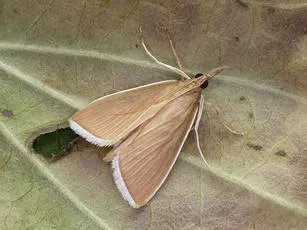
Sclerocona acutellus
Sclerocona acutellus
Wingspan about 28 mm. Quite distinctive, and unlikely to be confused with any other British species. An adventive species, believed to have been introduced with reeds imported from central Europe for thatching cottages, though it is possible that som
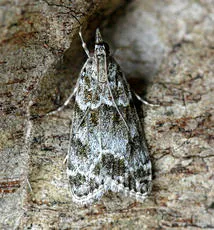
Scoparia ambigualis
Scoparia ambigualis
Wingspan 15-22 mm. One of several very similar moths which can be rather difficult to separate. Scopariinae are a difficult group to identify and sometimes it is necessary to refer to genitalia to be sure. A useful guide can be found at the following
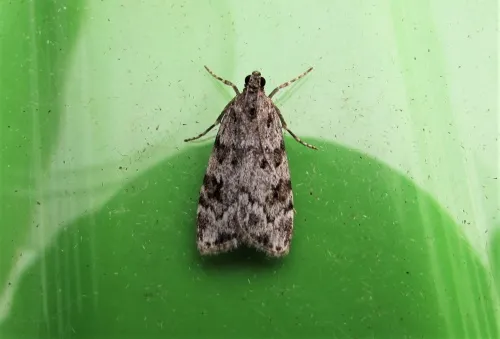
Scoparia basistrigalis
Scoparia basistrigalis
It is rather similar to S. ambigualis in appearance, and is best identified by means of genitalia dissection. A clear set of photographs. showing all critical identification features is required, and/or a voucher specimen may be necessary - check wit
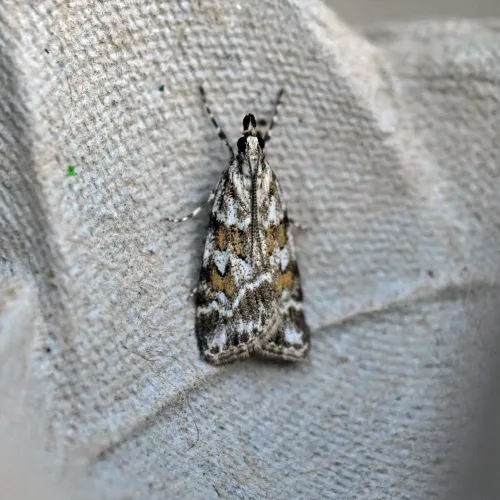
Scoparia pyralella
Scoparia pyralella
Wingspan 17-22 mm. A fairly distinctive Scoparia species, with a short and broad appearance and pale brown markings. Scopariinae are a difficult group to identify and sometimes it is necessary to refer to genitalia to be sure. A useful guide can be f
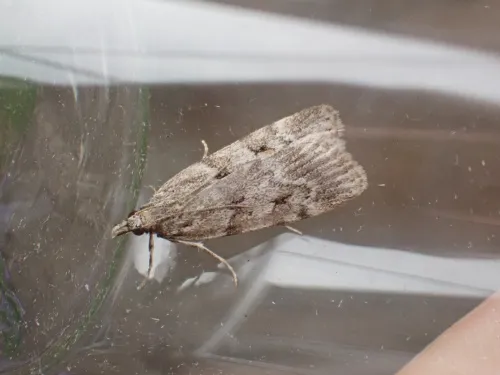
Scoparia subfusca
Scoparia subfusca
Wingspan 21-30 mm. One of the plainer-looking members of the Scopariinae , though rather variable. Scopariinae are a difficult group to identify and sometimes it is necessary to refer to genitalia to be sure. A useful guide can be found at the follow
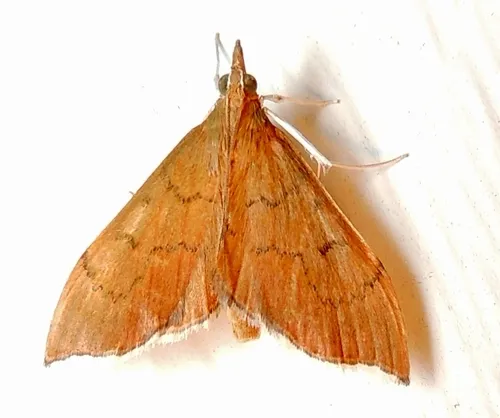
Sericoplaga externalis - Hodges#4991
Sericoplaga externalis
Identification: Fore wings reddish ochreous, glossy, dusted with fuscous, the costa greyish at the base; lines dark grey, first line denticulated, oblique, approaching second on the inner margin, second line also denticulated, starting from the costa
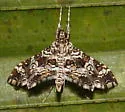
Sisyracera inabsconsalis - Hodges#5194.02
Sisyracera inabsconsalis
Landry synonymized Sisyracera contortilinealis (Hampson, 1895) with S. inabsconsalis (Möschler, 1890) . Sisyracera contortilinealis was first identified in the United States from Florida by Hayden (pers. comm.) based on a 2012 specimen from Monroe Co
Sitochroa aureolalis - Hodges#4985
Sitochroa aureolalis
Identification: Hulst (1886) provided a brief original description. "The size and markings of E. chortalis Grote, but with the fore wings bright, smooth, deep golden yellow, and the hind wings yellow fuscous; beneath, with orbicular and reniform evid
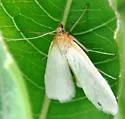
Sitochroa dasconalis - Hodges#4986
Sitochroa dasconalis
Identification: Wings above with markings obsolescent; base of forewing costa orange-tinted . Not very common .
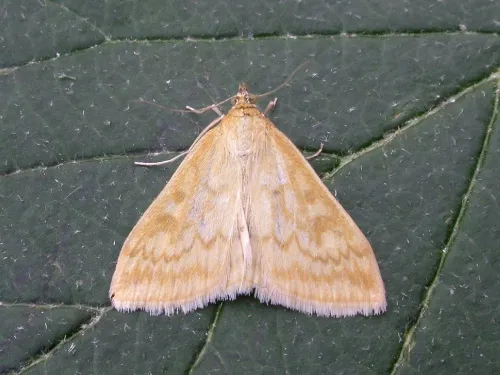
Sitochroa verticalis
Sitochroa verticalis
Wingspan about 32 mm. It has a resemblance to Ostrinia nubilalis but has subtle differences in the forewing and a more strongly-marked underside. The adults fly in June and July. They are attracted to light, but are also readily disturbed by day. The
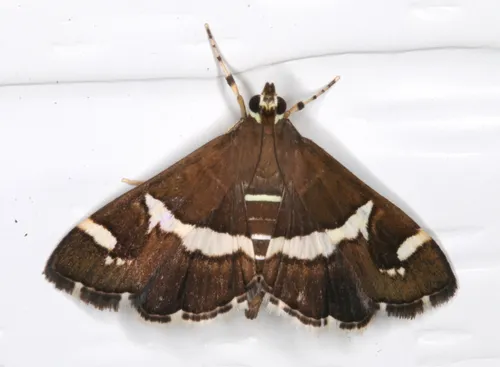
Spoladea recurvalis
Spoladea recurvalis
Wingspan approximately 23mm. An unmistakably marked brown and white moth. Because of the rarity of this species in our area a photograph is required to support your record. First recorded in the UK in 1951. It is associated with Maize, Beet and other
Stegea mexicana - Hodges#4859
Stegea mexicana
Identification: Description available in MONA Fascicle 13-1B at link in citations below. From key to species in the fascicle, forewing PM line more distinct than AM line, the latter chiefly indicated by a contrast between the darker basal and the lig
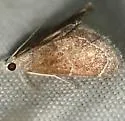
Stegea minutalis - Hodges#4862
Stegea minutalis
Identification: Description can be found in MONA Fascicle 13-1B at link in citations below. Of note, AM line obsolete.
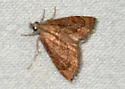
Stegea powelli - Hodges#4863
Stegea powelli
Identification: Description can be found in MONA Fascicle 13-1B at link in citations below. From key to species in the fascicle, forewing PM line considerably more distinct than AM line which is inconspicuous or absent.
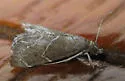
Stegea salutalis - Hodges#4865
Stegea salutalis
Identification: Considerable geographic and seasonal variation.
Stegea sola - Hodges#4860
Stegea sola
Identification: Description available in MONA Fascicle 13-1B at link in citations below. From key to species in the fascicle, forewing with AM/PM lines narrow, pale gray, inconspicuous but well defined, about equally distinct; AM line with sharp, di
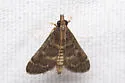
Steniodes declivalis - Hodges#5178.1
Steniodes declivalis
Identification: Separating Steniodes declivalis and S. mendica is still problematic in our current state of knowledge. Range may help but these are incompletely known. Genitalia: Accepted as a tentative addition at MPG based on barcoded specimen coll
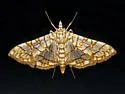
Synclera jarbusalis - Hodges#5196
Synclera jarbusalis
Identification: Page created for photo identified by Bob Patterson.
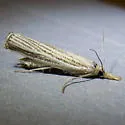
Thaumatopsis bolterellus - Hodges#5452
Thaumatopsis bolterellus
Identification: Adult: Head and thorax pale yellow. Forewings white with fuscous (brownish-gray) edged costa. Rows of dull stripes between the veins. Two oblique reddish-brown lines cross the wing, one near the outer margin and the other less than mi
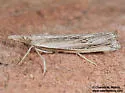
Thaumatopsis crenulatella - Hodges#5446
Thaumatopsis crenulatella
Identification: Males have crenulate antennae, heavily ciliated and without pectination; females have serrate antennae (Landry 2025).
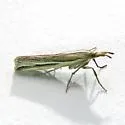
Fernald's Grass-veneer - Hodges#5441
Thaumatopsis fernaldella
Fernald's Grass-veneer - Hodges#5441 (Thaumatopsis fernaldella) is a species in the family Crambidae, commonly known as crambid snout moths, belonging to the order Lepidoptera (Butterflies and Moths). It is classified within the subfamily Crambinae,