
Dragonflies and Damselflies
Order Odonata
The Dragonflies and Damselflies (Order Odonata) includes 510 species across 18 families and 97 genera in our directory.
About Dragonflies and Damselflies
Odonata includes ~6,000 described species of dragonflies and damselflies. Dragonflies are among the fastest flying insects, reaching 36 mph (58 km/h). They can fly in any direction including backward, and hover in place - each wing operates independently.
Economic Impact
Dragonflies are voracious predators that consume hundreds of mosquitoes daily, providing natural pest control worth millions in reduced mosquito-borne disease risk. A single dragonfly can eat 30 to hundreds of mosquitoes per day.
Ecological Role
Dragonflies predate dinosaurs by nearly 100 million years - fossils date to 325 million years ago. The largest dragonfly ancestor, Meganeuropsis permiana (285 mya), had a 75cm wingspan, enabled by atmospheric oxygen levels of 31-35% compared to today's 21%. Dragonflies have a 95% hunting success rate - the highest of any predator.
Families in Odonata (18)
Species in Odonata (510)
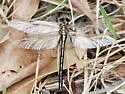
Oklahoma Clubtail
Phanogomphus oklahomensis
Considered by Oklahoma to be a "Species of Greatest Conservation Need" (SGCN) The author of the species, A. Earl Pritchard, was from Stillwater, Oklahoma, and he would have been just 20 years old when he described this species (Essig Museum, Pritchar
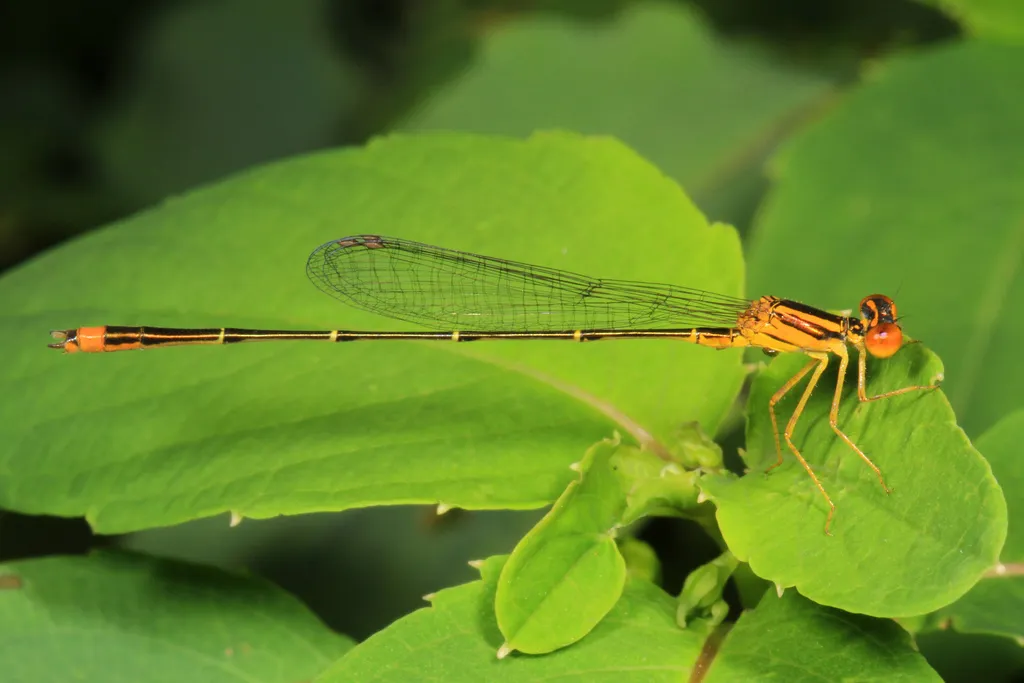
Orange Bluet
Enallagma signatum
Identification: Orange and black, medium-sized. Note that segment 9 is all orange and orange eyespots connected, forming a bar . Very similar to Florida Bluet, Enallagma pollutum --can be distinguished by details of male cerci, see:
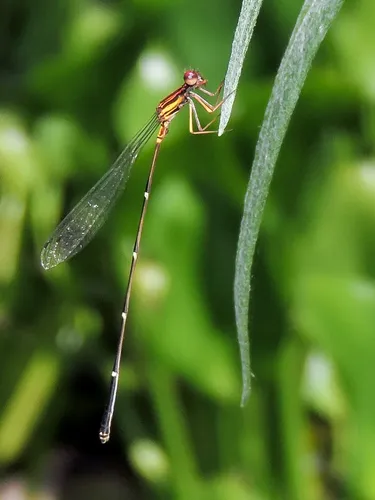
Orange-striped Threadtail
Protoneura cara
Identification: Eyes red-orange on the upper half; face bright orange with a black central spot; top of head black; thorax is black with a metallic lustre, with a thin dorsal stripe and shoulder stripe, both orange, and a lower lateral pale stripe; S
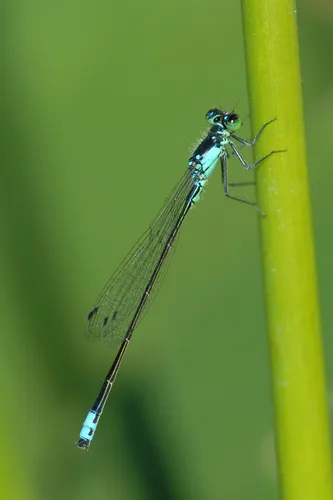
Pacific Forktail
Ischnura cervula
Identification: abdomen blue only on segments 8 & 9 -- blue on top and bottom touch along sides. Four tiny blue dots on top of thorax. teneral: See California Dragonflies and Damselflies or Dennis Paulson Andromorphic females will have a blue 8th abd
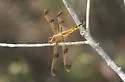
Painted Skimmer
Libellula semifasciata
Identification: Resembles a Halloween Pennant with very faint pattern, but this is distinctive, once seen. A subtly beautiful skimmer.
Pale Bluet
Enallagma pallidum
Identification: Very similar to Attenuated (E. daeckii) and Slender (E. traviatum) bluets. Very pale, and very faintly marked with black. Abdominal segment 7 black in males, partly blue in male Attenuated Bluets. Abdominal segment 2 has full-length b
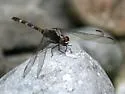
Pin-tailed Pondhawk
Erythemis plebeja
Identification: Mature males with abdominal segments 1 - 3 black and very swollen, while 4 - 10 are very slender. Possibly introduced to Florida by human activities . Texas populations more likely natural.
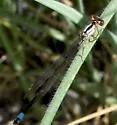
Plains Forktail
Ischnura damula
Identification: Ischnura damula and I. cervula are very similar and we may not be able to separate them when examining images here on BugGuide. At present all images from the areas where their ranges overlap (Arizona, New Mexico, Utah, Colorado, and
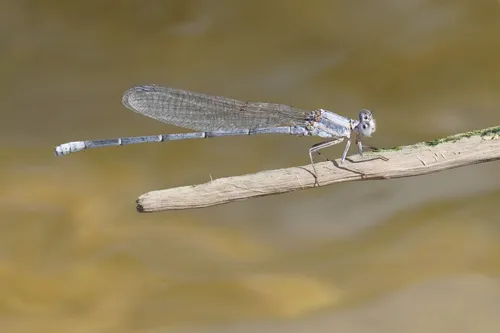
Powdered Dancer
Argia moesta
Identification: Identification reference, Dunkle, Damselflies of Florida (Scientific Publishers, 1990), figure 59. Guide TBA--PC
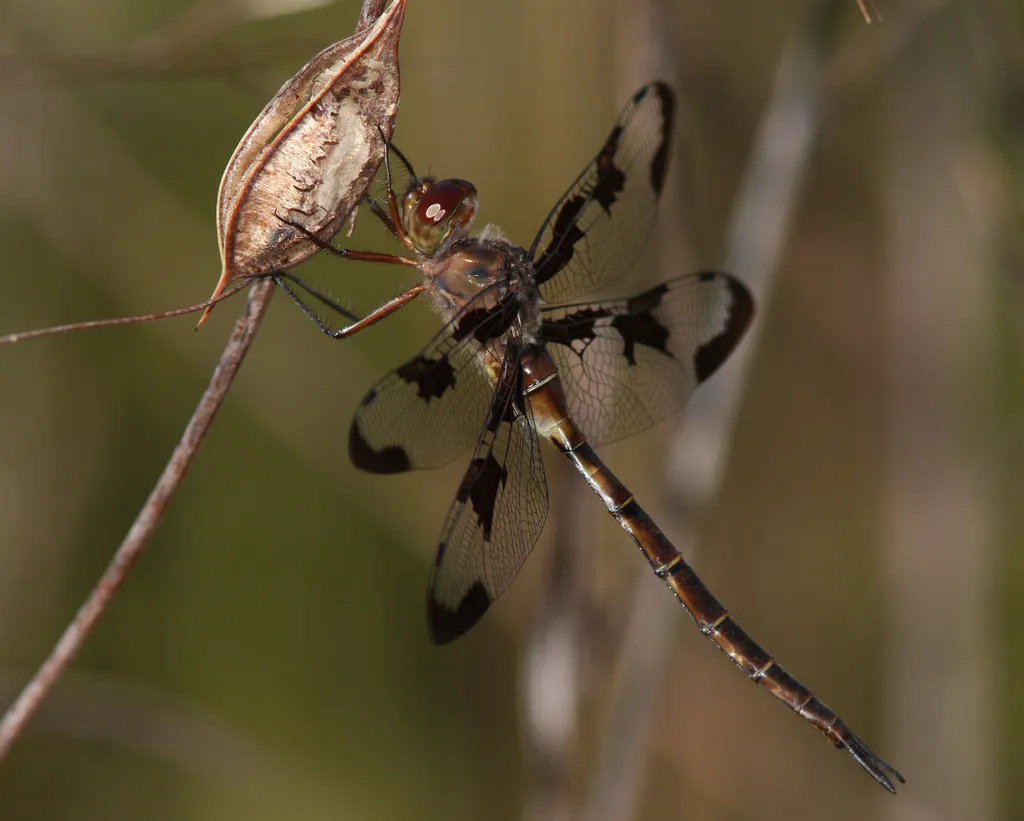
Prince Baskettail
Epitheca princeps
Identification: Flies constantly. Wing pattern resembles that of some skimmer, but narrow body shape is distinctive. Wings held in a slight dihedral (V) while flying. Larger in south, up to 8 cm, as large as a Darner. Typically seen as a male patroll
Pronghorn Clubtail
Phanogomphus graslinellus
Identification: face greenish-yellow, scarcely marked with brown; thorax green with well-defined dorsal and lateral stripes; middorsal thoracic stripe parallel-sided; antehumeral stripe largely fused with humeral stripe, but diverging at upper end an
Purple Skimmer
Libellula jesseana
Identification: Males have a purplish body and orange wings. Some females are similar, others are virtually identical to Golden-winged Skimmers ( L. auripennis ).
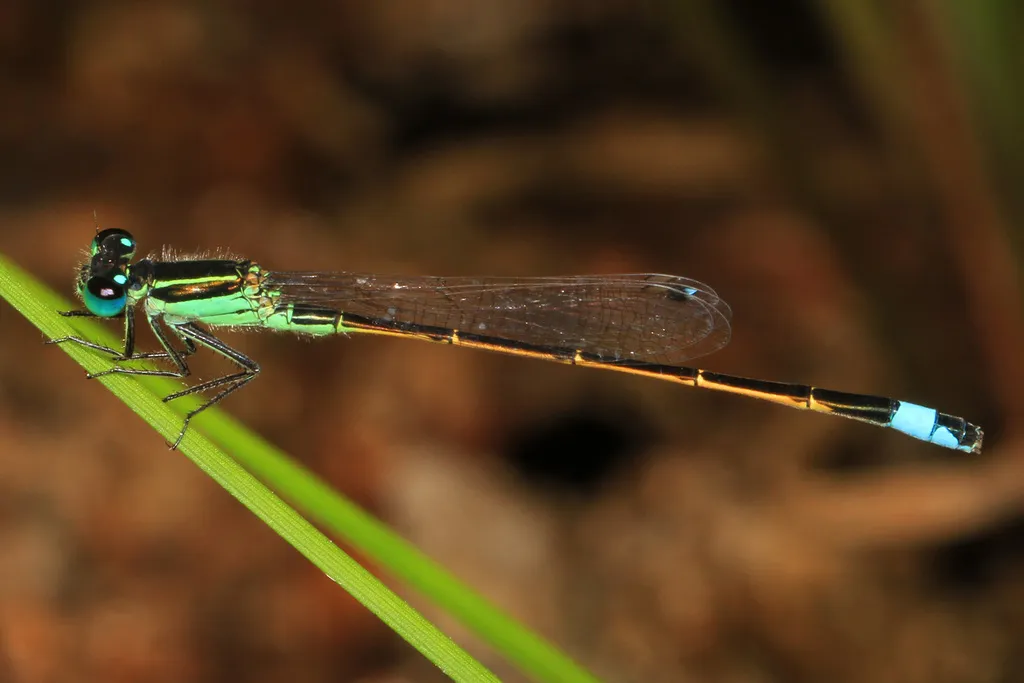
Rambur's Forktail
Ischnura ramburii
Identification: The completely blue abdominal segment 8 (A8) in males appears to be diagnostic. Male-like female with blue (A8) is also diagnostic. The two other female forms are not readily separable from other species. The females do have a strong
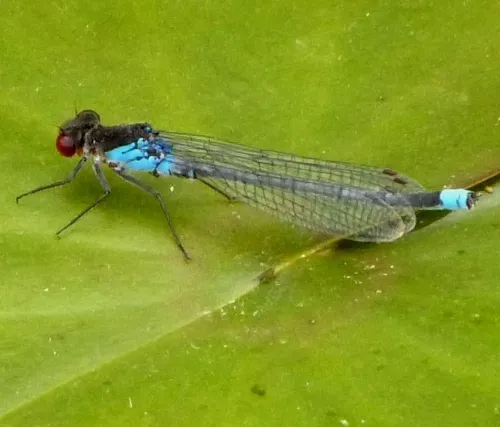
Red-eyed Damselfly
Erythromma najas
This species is quite a large and robust damselfly, with distinctive 'bug-eyed' look. Adult males have blood-red eyes and tend to rest on floating vegetation. They are very territorial and chase off any other encroaching male. When newly emerged they
Red-mantled Dragonlet
Erythrodiplax fervida
First US record taken at the National Butterfly Center in Mission, TX. -- Rick Nirschl on 19 December, 2012
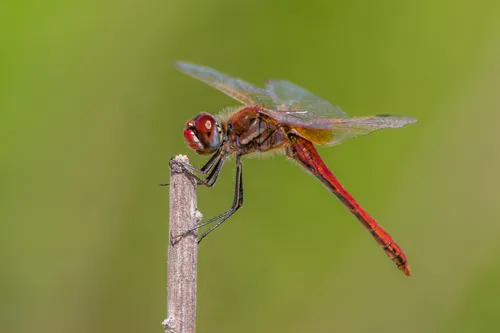
Red-veined Darter
Sympetrum fonscolombii
Length: 38 to 40 mm.The bright red males and clear yellow-brown females are attractive. The eyes are brown above and blue below and the wing bases are yellow. The pterostigma is yellow to orange strongly outlined in black. The males become a deep red
Ruby Meadowhawk
Sympetrum rubicundulum
Identification: Males may be recognizable by shape of hamuli, but see comments by Steve here . rubicundulum and internum may be conspecific; see HERE
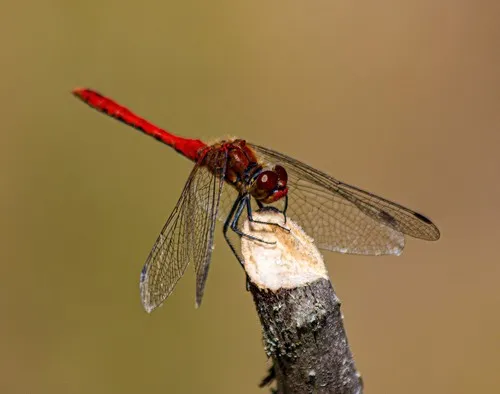
Ruddy Darter
Sympetrum sanguineum
A medium-sized dragonfly. Males are crimson red, females are ochre. The abdomen is slightly 'waisted'. Both sexes have all black legs (other red darters have a yellow stripe). The Ruddy Darter is slightly smaller than the Common Darter with a 'waiste
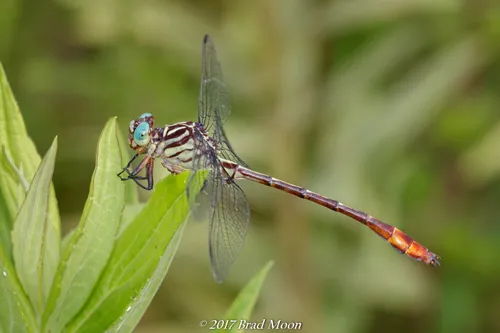
Russet-tipped Clubtail
Stylurus plagiatus
Identification: Greenish thorax, rusty club, green eyes. See print references for discussion, note geographic variation.
Rusty Snaketail
Ophiogomphus rupinsulensis
Identification: Mostly brownish abdomen with sparse thoracic striping. Thorax looks entirely green from a distance. Male Female
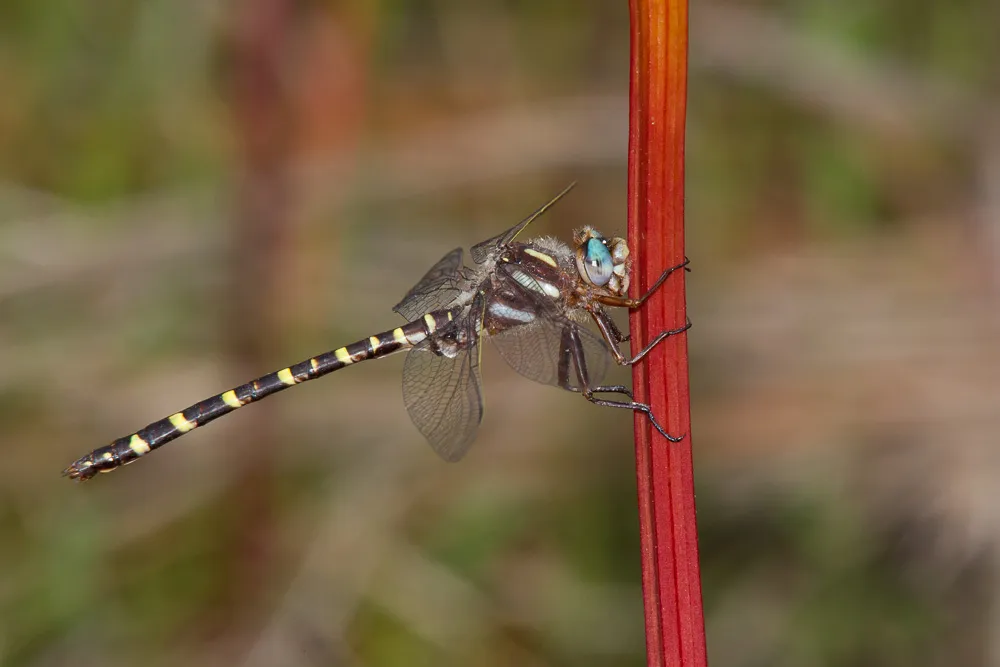
Sarracenia Spiketail
Zoraena sarracenia
Identification: numerous close-up images and discussion - The Hibbitts Network considered by Louisiana to be a "Species of Greatest Conservation Need" (SGCN)
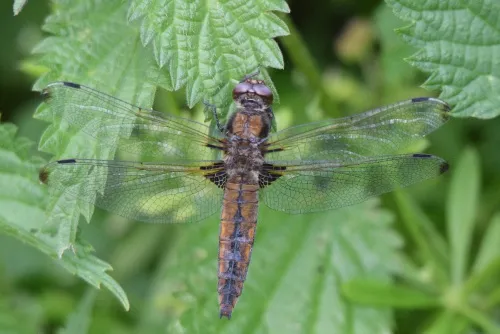
Scarce Chaser
Libellula fulva
Length: 40 to 49mm. The abdomen of the mature male Scarce Chaser is pale blue. Its eyes are also blue. However, prior to maturity the male and female look very similar having deep orange colouration, black triangular shaped markings on the upper surf
Seaside Dragonlet
Erythrodiplax berenice
Identification: Dragonlet found in salt-marsh habitats. Mature male is very dark. Female has much more yellow, but also has "male-like form". Habitat is distinctive. The only dragonfly (Western Hemisphere) restricted to salt-marsh habitats.
Sedge Sprite
Nehalennia irene
Identification: Thicker than sphagnum sprite. Metallic green body with blue tip and yellow thorax. See Ed Lam page 88
Slender Bluet
Enallagma traviatum
Identification: Abdominal segments 8 and 9 blue. Male has abdominal segment 10 black, with long appendages. Female has segment 10 blue. Middle segments black with blue rings. Large blue eyespots connected by narrow bar. Black shoulder stripes narrow.
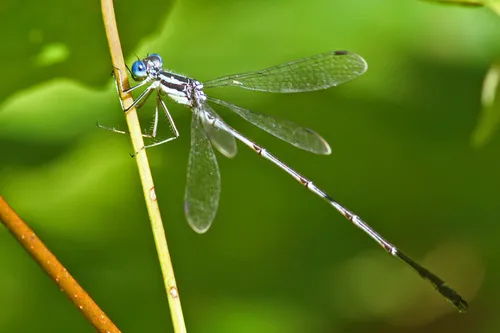
Slender Spreadwing
Lestes rectangularis
Identification: Wide gray shoulder stripe on female, abdomen dark with tan along sides. Male has very long dark abdomen, about twice as long as wings, usually lacks pruinosity at tip.
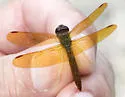
Slough Amberwing
Perithemis domitia
Identification: Distinguished from the much more common and widespread Eastern Amberwing ( P. tenera ) by the dorsal abdominal pattern, where the dashes on each segment line up to form a straight dashed line (rather than the chevrons or triangles of
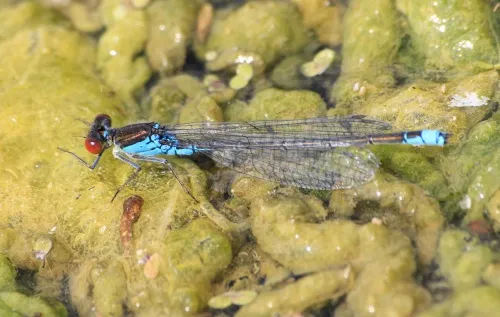
Small Red-eyed Damselfly
Erythromma viridulum
Length: 29mm. A small damselfly with a dark abdomen and a blue tip in the male. The eyes of the male are brownish red and the thorax in both sexes is bronze black on top. The female has complete, thin green or blue ante-humeral lines. Very similar to
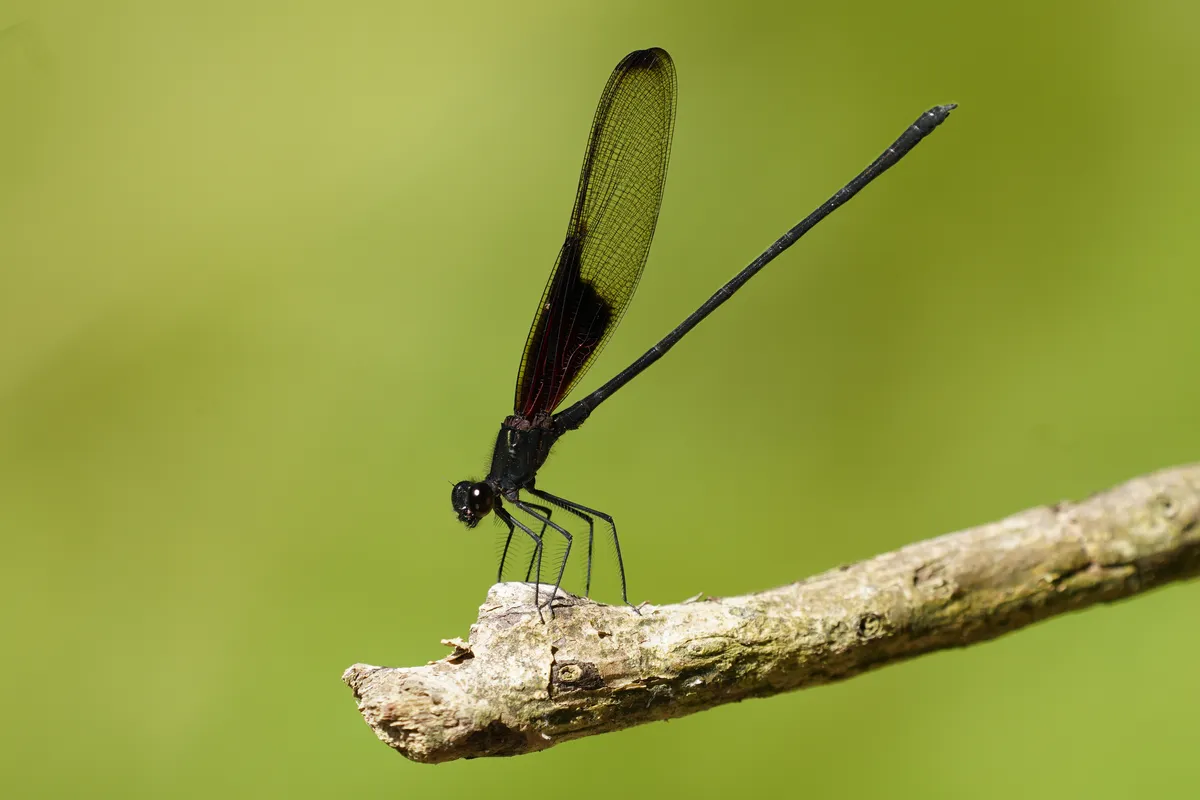
Smoky Rubyspot
Hetaerina titia
Identification: Dark damselfly, males typically with some red in wings, though it could be obscured by darker infuscation. Females have varying amounts of color in the wings. Normal male Lightly marked male Female
Sooty Dancer
Argia lugens
Identification: detailed description in females: blue form and brown form
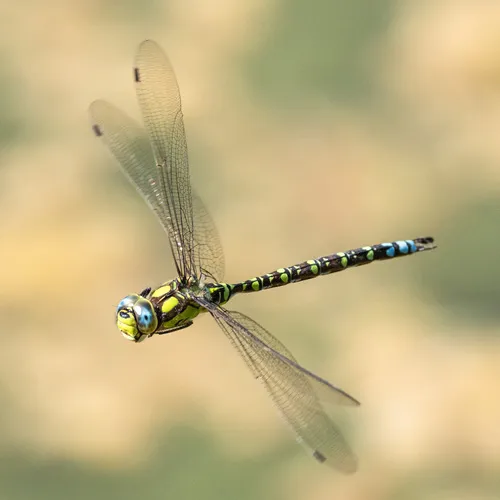
Southern Hawker
Aeshna cyanea
This is a large hawker. Usually males are black with large apple green spots on the abdomen and with blue markings on the last two segments and along the sides of the abdomen. Thorax sides are largely bright green, as is the face, with blue eyes. Fem
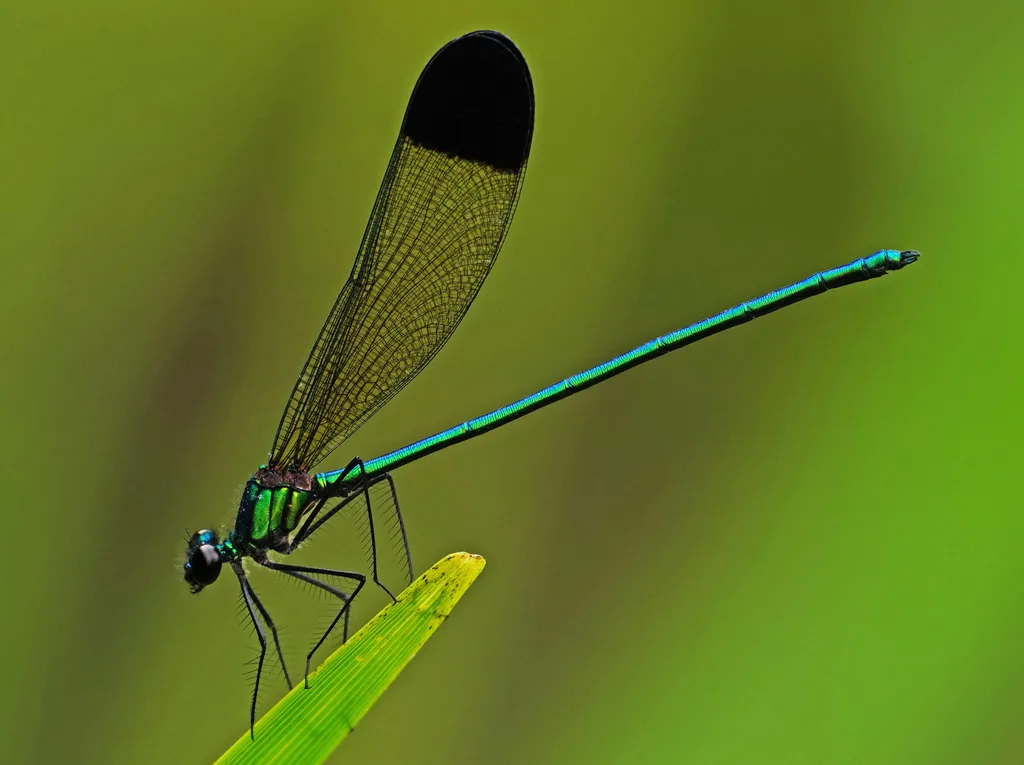
Sparkling Jewelwing
Calopteryx dimidiata
Identification: Male has dark wingtips. Female usually has clear wings with white spot, though that is sometimes absent. Female sometimes has dark wingtips as well. Male Female
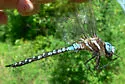
Spatterdock Darner
Rhionaeschna mutata
"Females oviposit on the undersides of spatterdock leaves, in other aquatic and emergent vegetation, and in shoreline mud."
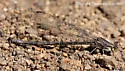
Spine-tipped Dancer
Argia extranea
Identification: Male has distinctive saddle-shaped black mark on side of abdominal segment 2.
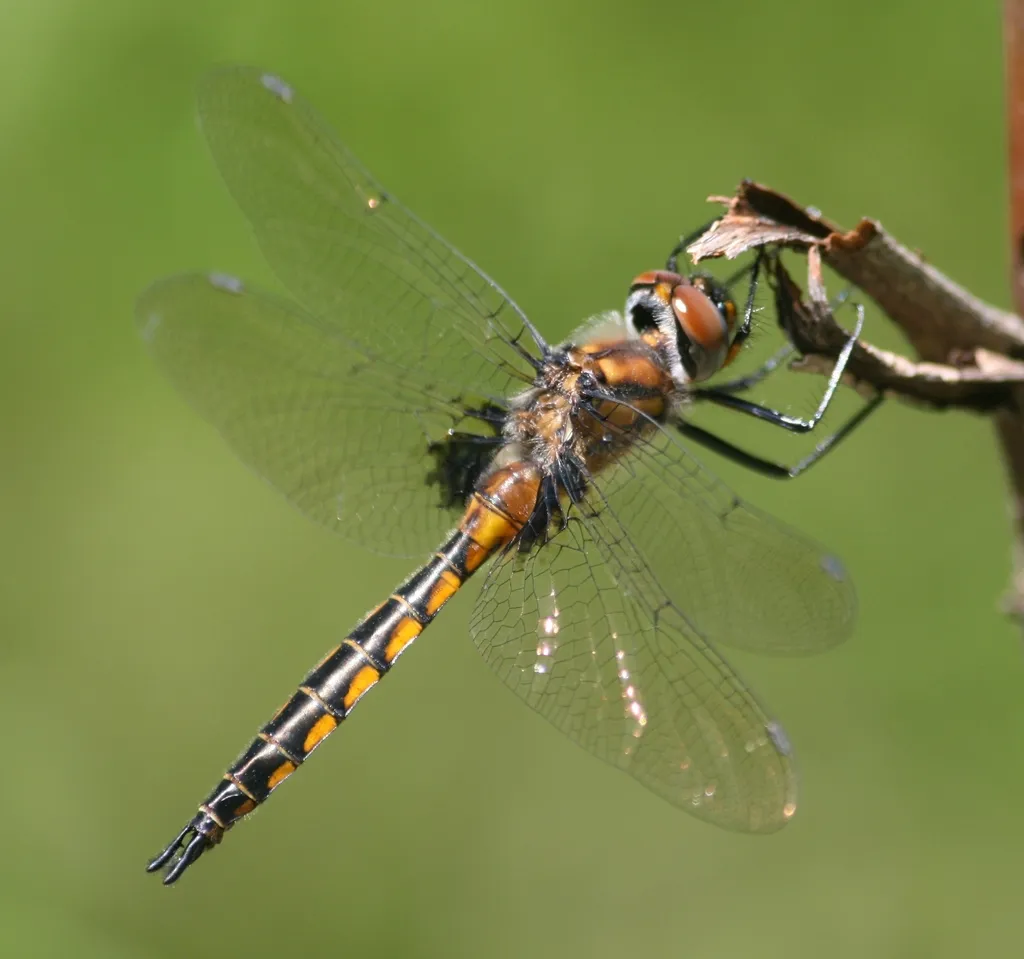
Spiny Baskettail
Epitheca spinigera
Identification: · See Also Representative Images Classification Kingdom Animalia (Animals) Phylum Arthropoda (Arthropods) Subphylum Hexapoda (Hexapods) Class Insecta (Insects) Order Odonata (Dragonflies and Damselfl
Spot-tailed Dasher
Micrathyria aequalis
Identification: All blue darkening on the last 4 or 5 segments, spot on the sides of segment 7 See Dunkle
Spotted Spreadwing
Lestes congener
Identification: Two black spots on the ventrolateral surface of the thorax are diagnostic and give the species its common name; thorax black dorsally.
Springtime Darner
Basiaeschna janata
Identification: Males have brown thorax with two relatively straight yellow lateral thoracic stripes. Eyes generally blue. Abdomen spotted with blue. Female similar but abdominal spots may be blue or green.
St. Croix Snaketail
Ophiogomphus susbehcha
Discovered on the upper St. Croix River in Wisconsin in 1989 by William A. Smith, a zoologist with the Wisconsin Department of Natural Resources Natural Heritage Inventory Program (Brody, 1997; Seitz, 2020).
Stillwater Clubtail
Arigomphus lentulus
Identification: The two brown shoulder stripes are about the same size. Thorax is a muted yellowish green. From abdominal segements 3 to 6 there are pale rings, and this part of the abdomen looks unusually pale at first glance. Segments 7 to 9 are a
Straw-Colored Sylph
Macrothemis inacuta
Identification: Largest of three sylphs in North America. Brown with eyes becoming blue in adult males. Thoracic stripes are pale, incomplete--those of others in genus more prominent. Wings washed with amber .
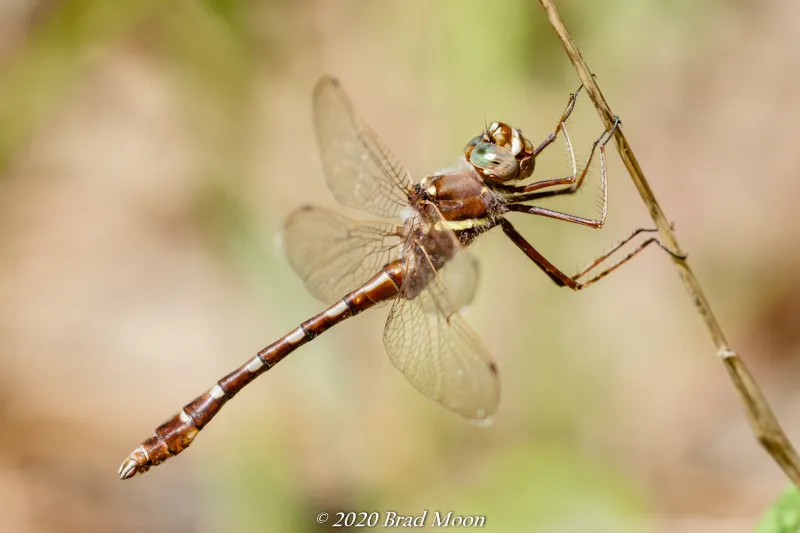
Stream Cruiser
Macromia transversa
Identification: Nymph : Flattened wide nymphs with very long legs. Sides of head bulging behind eyes. Triangular frontal projection. Prementum cupped with rounded ‘teeth’ in the vertical plane, 3 or 5 long palpal setae. Posterolateral spines on S8 s
Stygian Shadowdragon
Neurocordulia yamaskanensis
Interestingly, to me, that the image in Dunkle is from New Brunswick a few miles SW of the Shogomoc Stream specimen (image 88338)

Sulphur-tipped Clubtail
Phanogomphus militaris
Identification: Blue eyes with yellow face; thorax and abdomen with a lot of yellow markings; T1-2 well-developed and narrowly separated; T3-4 narrower and widely separated; hind femur marked with yellow; abdomen black with yellow spear points from S
Superb Jewelwing
Calopteryx amata
Identification: Males bright green with brown wingtips Females are duller and lack the brown wingtips. They have a white stigma
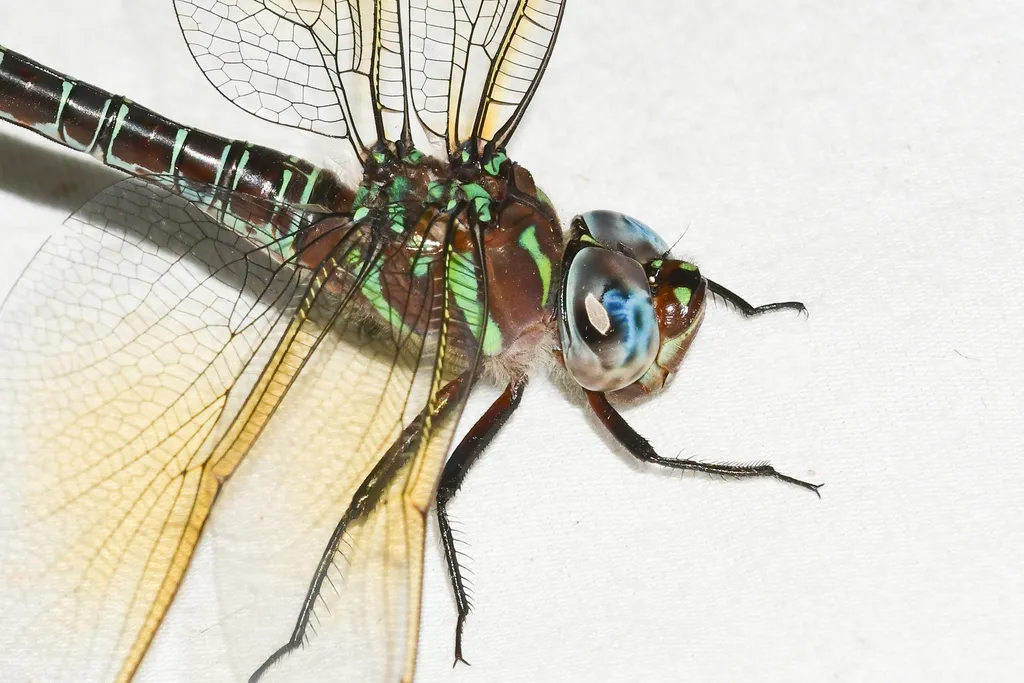
Swamp Darner
Epiaeschna heros
Identification: Large, dark brown with blue eyes. Compare Regal and Cyrano Darners. An impressive dragonfly of southern wetlands. Christopher Hadin journal entry -- "August 22, 2005 This evening at dusk there was a steady migration of what appeared t
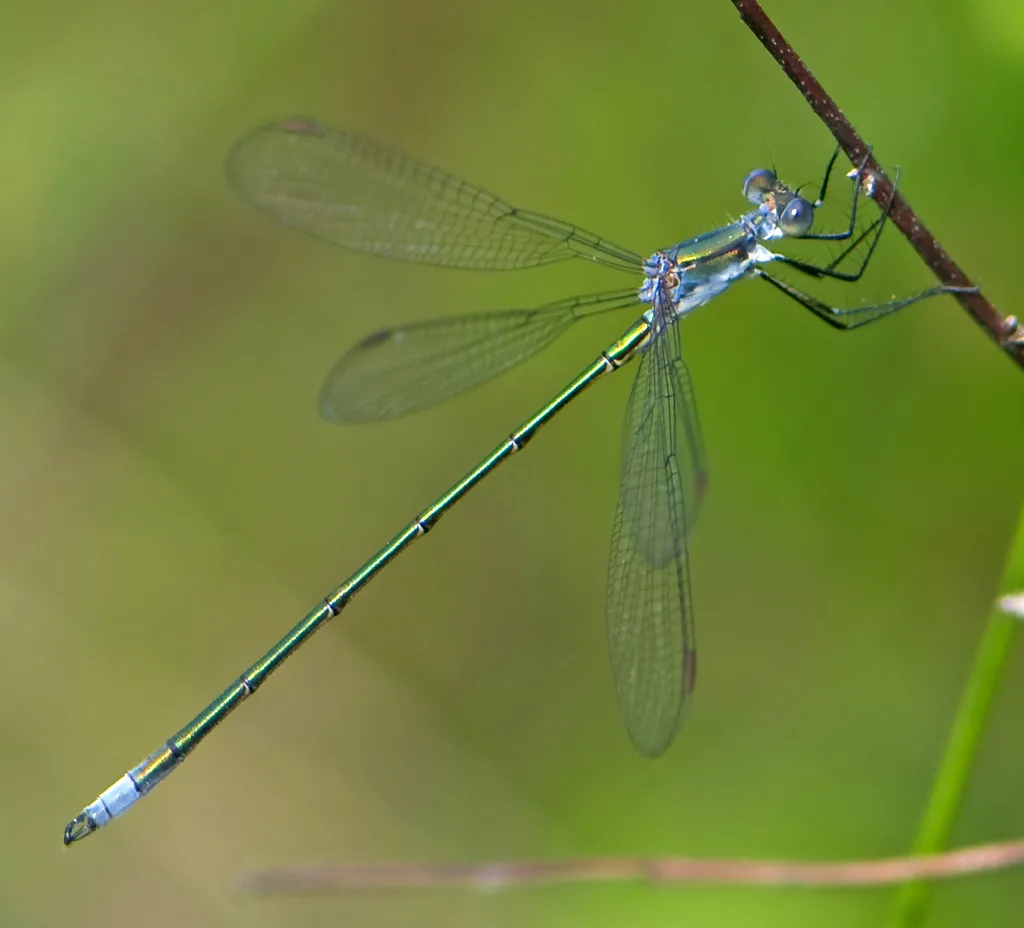
Swamp Spreadwing
Lestes vigilax
Identification: Large, metallic colored, male has brilliant blue eyes, female brown eyes. Compare Common Spreadwing, L. disjunctus, and Sweetflag Spreadwing, L. forcipatus. Southern populations of this speces are dark, less emerald green than norther
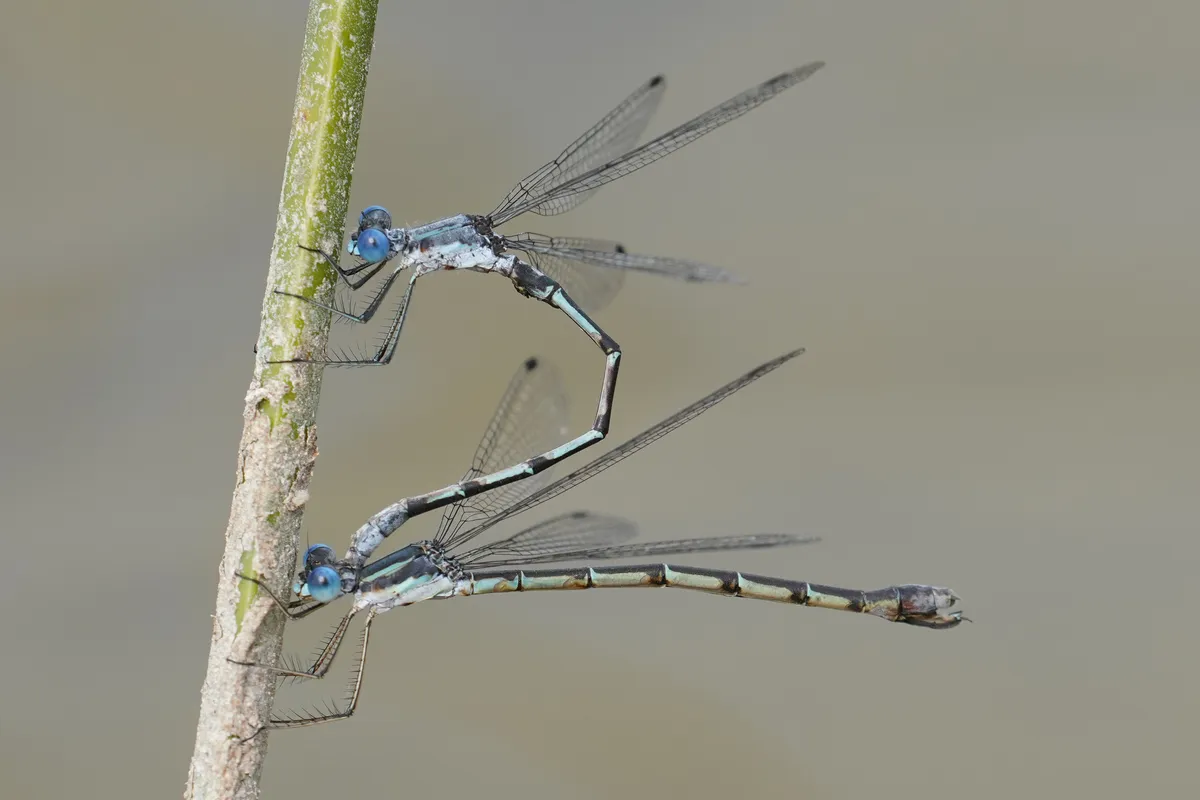
Sweetflag Spreadwing
Lestes forcipatus
Identification: Dark, male has variable shoulder stripes. Female has very large ovipositor, rather distinctive.
Taiga Bluet
Coenagrion resolutum
Identification: Back half of segment 5 and all of segments 6 and 7 are all black, with greenish sides on thorax.
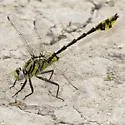
Tamaulipan Clubtail
Gomphurus gonzalezi
This is a TPWD Species of Greatest Conservation Need (SGCN) It's also on the IUCN Red List of Threatened Species
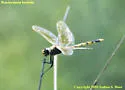
Tawny Pennant
Brachymesia herbida
Identification: Similar to female or immature B. gravida, but face is tan rather than dark, and stigmata are tan rather than white, and wing spots are much more diffuse. A vagrant in the US, though may have bred in the Florida Keys in 1997.
Texas Emerald
Somatochlora margarita
considered by LA and TX to be a "Species of Greatest Conservation Need" (SGCN)
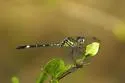
Three-striped Dasher
Micrathyria didyma
Identification: Each side of the thorax has three parallel, vertical, straight black stripes. This distinguishes it from the very similar Thornbush Dasher (M. hagenii), in which the center stripe forks into a "Y". Also, the two white tail-spots are t
Tonto Dancer
Argia tonto
Identification: Adult: overall violet color; humeral stripe dark, not forked, widest anteriorly, narrowing posteriorly to form a thin line
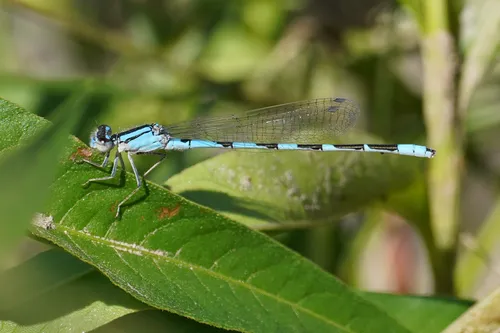
Tule Bluet
Enallagma carunculatum
Identification: Most abdominal segments half or more black above.
Turquoise Bluet
Enallagma divagans
Identification: Males have turquoise blue sides of thorax, abdomen mostly black, segments 8 and 9 are blue. Guide TBA--PC (more on id--details from Lam)
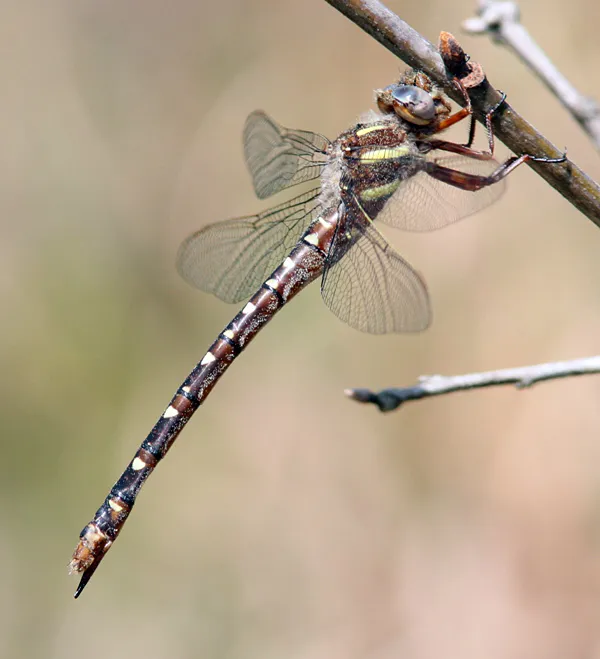
Twin-Spotted Spiketail
Zoraena maculata
Identification: Adult Recognized by pairs of short yellow dorsal spots on abdomen. Upper face yellow in males, brown in females. Northern Form - North of VA has body black marked with bright yellow, and sea-green eyes. Southern Form - has body brown
Two-striped Forceptail
Aphylla williamsoni
Identification: Note two broad, yellow thoracic stripes. Females sometimes have a very narrow stripe in between these two . The author of this species is Leonora Katherine Doll Gloyd (29 August 1902 near Larned, Kansas - 2 June 1993). She married How
Umber Shadowdragon
Neurocordulia obsoleta
Identification: Brown body, basal brown spot on each wing. Compare Common Baskettail, which has yellow stripes on abdomen. Lovely up close.
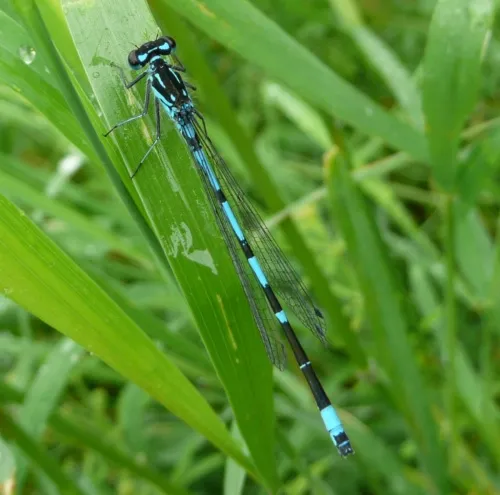
Variable Damselfly
Coenagrion pulchellum
A medium-small damselfly, very similar to the Azure Damselfly. Great care is needed to identify this species. In the male, the thoracic stripes are usually broken to form an exclamation mark (but not in females). Also on males, the black U-shaped mar
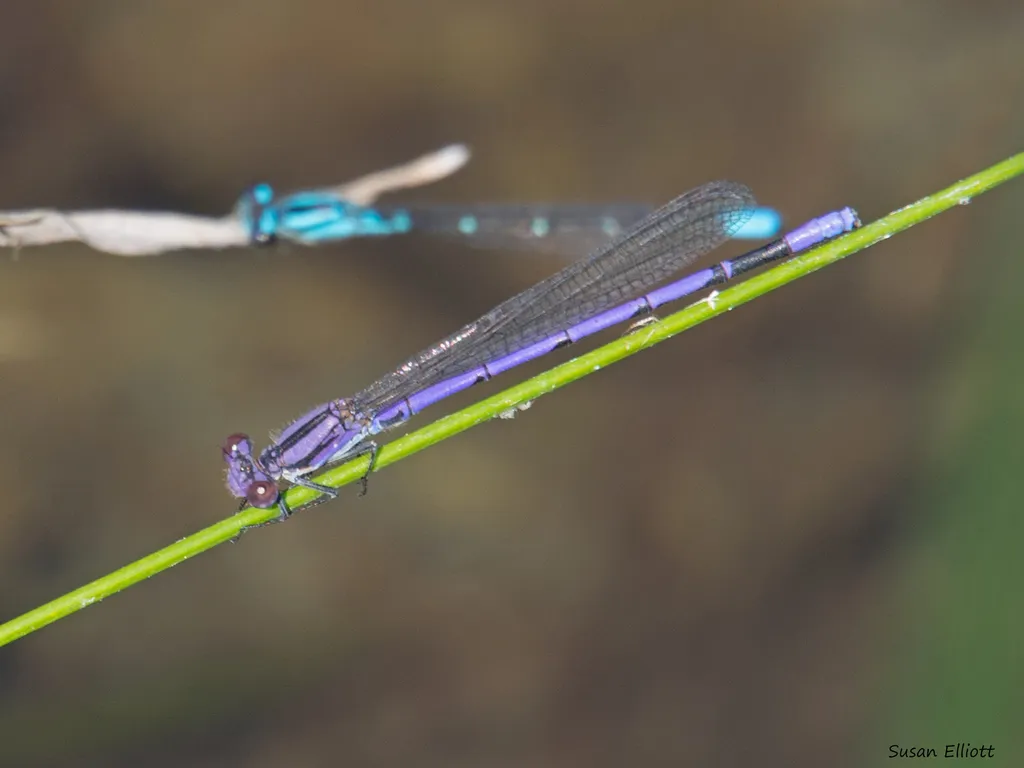
Variable Dancer
Argia fumipennis
As the name suggests, this is a variable species. The variation has led to the describing of three subspecies. The Violet Dancer ( A. f. violacea ) to the north has clear wings, the Smoky-winged Dancer ( A. f. fumipennis ) of the southeast has brown
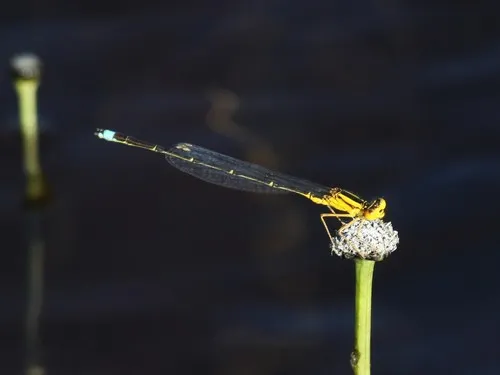
Vesper Bluet
Enallagma vesperum
Identification: Male: Bright yellow thorax. Black lateral thoracic stripe is quite thin or may barely be present at all. The abdomen is tipped in blue. Specifically, abdominal segment 10 is blue on the sides, while segment 9 is completely blue.
Western Forktail
Ischnura perparva
Identification: blue on segments 8-9/10 only -- black stripes on sides of segments 8-10 See California Dragonflies and Damselflies or Dennis Paulson Males: Orange females, orange on 2, 3, and 4: Mature females:
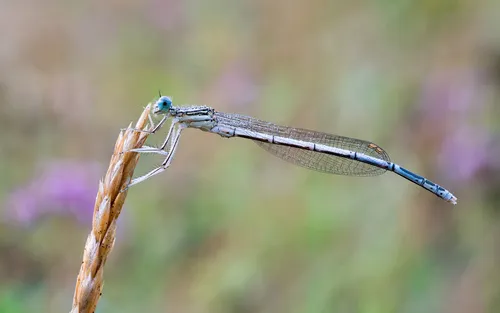
White-legged Damselfly
Platycnemis pennipes
As well as the diagnostic broad, 'feathery' white legs, it generally has a paler blue body to help distinguish it from the other blue damselflies. The pale chestnut wing spots are also characteristic. Immature males and females are mostly creamy whit
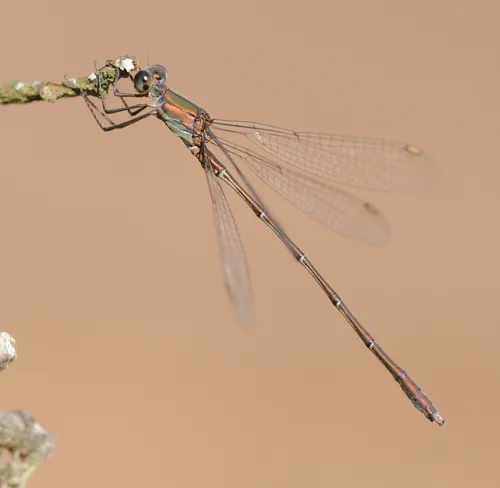
Willow Emerald Damselfly
Chalcolestes viridis
Length: 39 to 48 mm. Hindwing span: 23 to 48 mm. A dark metallic green damselfly with pale brown wing markings (pterostigma). Similar in appearance to the Emerald Damselfly. Willow Emerald Damselfly is longer than Emerald Damselfly, appears thinner a
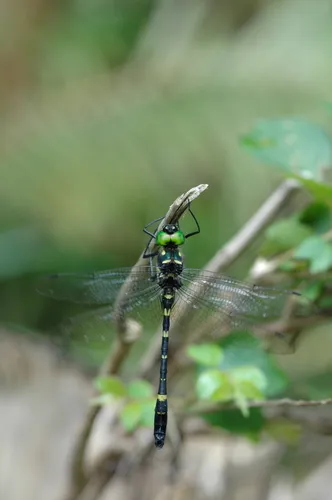
Macromia amphigena
Macromia amphigena
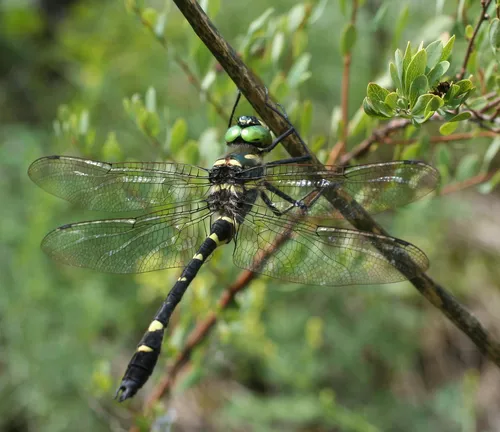
Macromia fraenata
Macromia fraenata
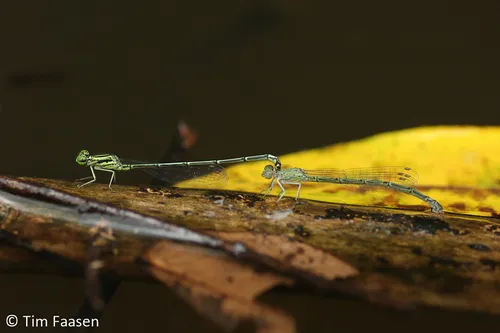
Neoneura bilinearis
Neoneura bilinearis
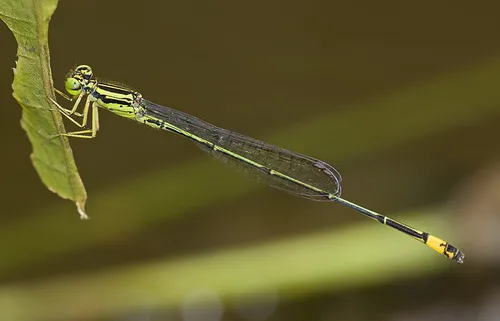
Neoneura confundens
Neoneura confundens
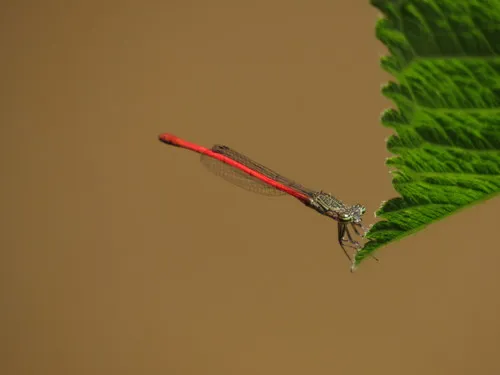
Neoneura ethela
Neoneura ethela
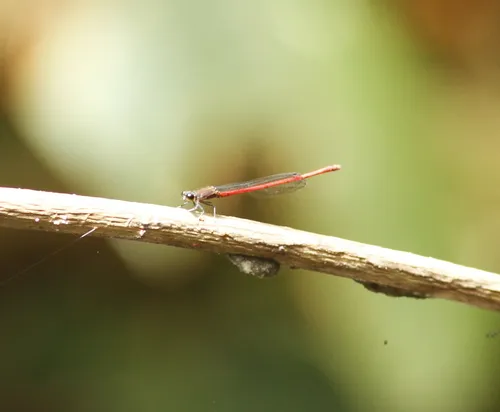
Neoneura myrthea
Neoneura myrthea
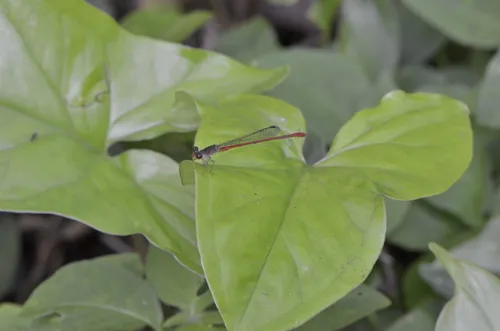
Neoneura rubriventris
Neoneura rubriventris
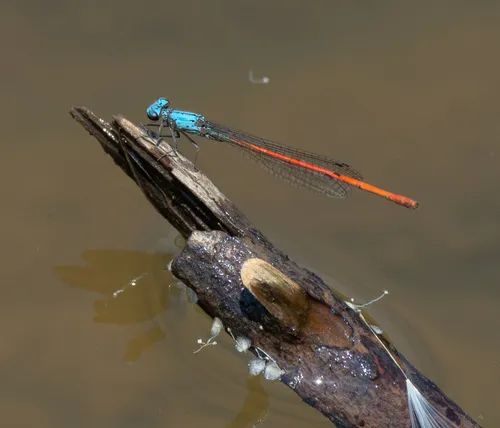
Neoneura sylvatica
Neoneura sylvatica
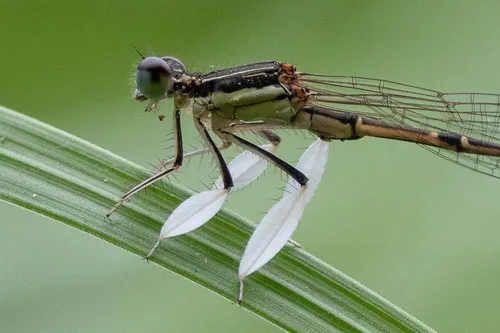
Platycnemis phyllopoda
Platycnemis phyllopoda
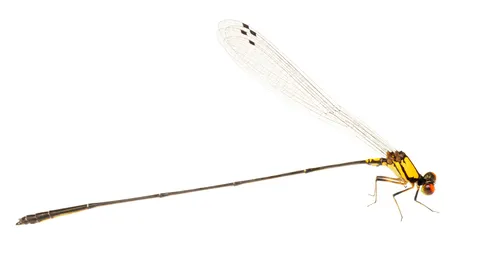
Protoneura paucinervis
Protoneura paucinervis
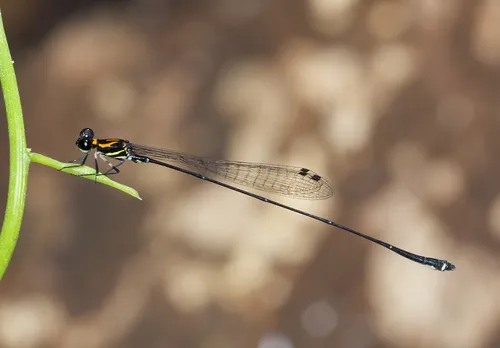
Protoneura scintilla
Protoneura scintilla
Alabama Shadowdragon
Neurocordulia alabamensis
Alkali Bluet
Enallagma clausum
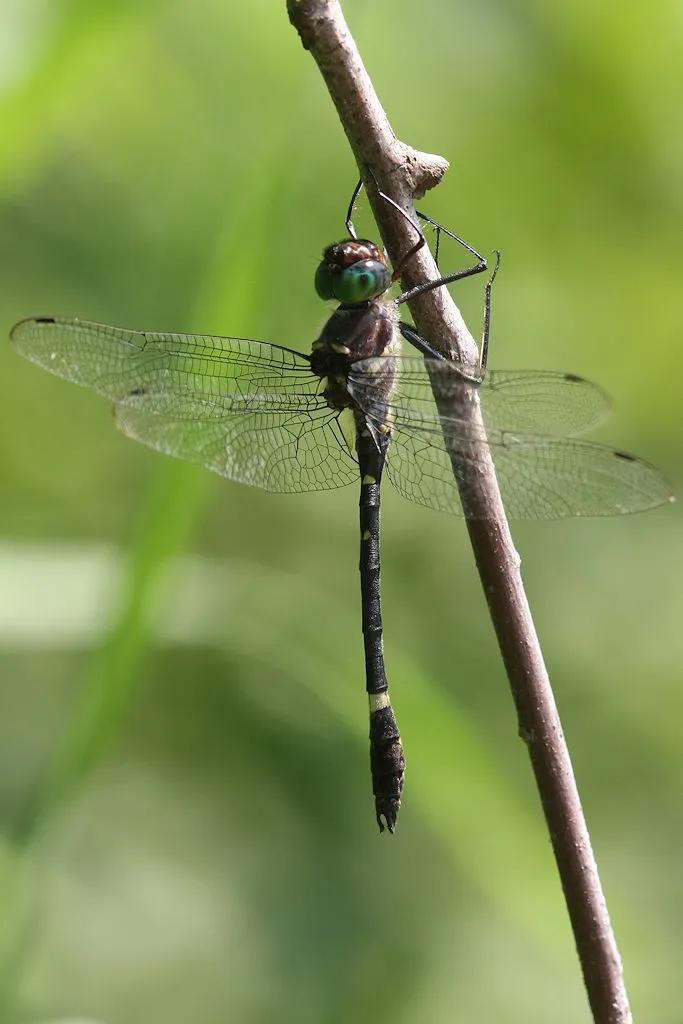
Allegheny River Cruiser
Macromia alleghaniensis
Amanda's Pennant
Celithemis amanda
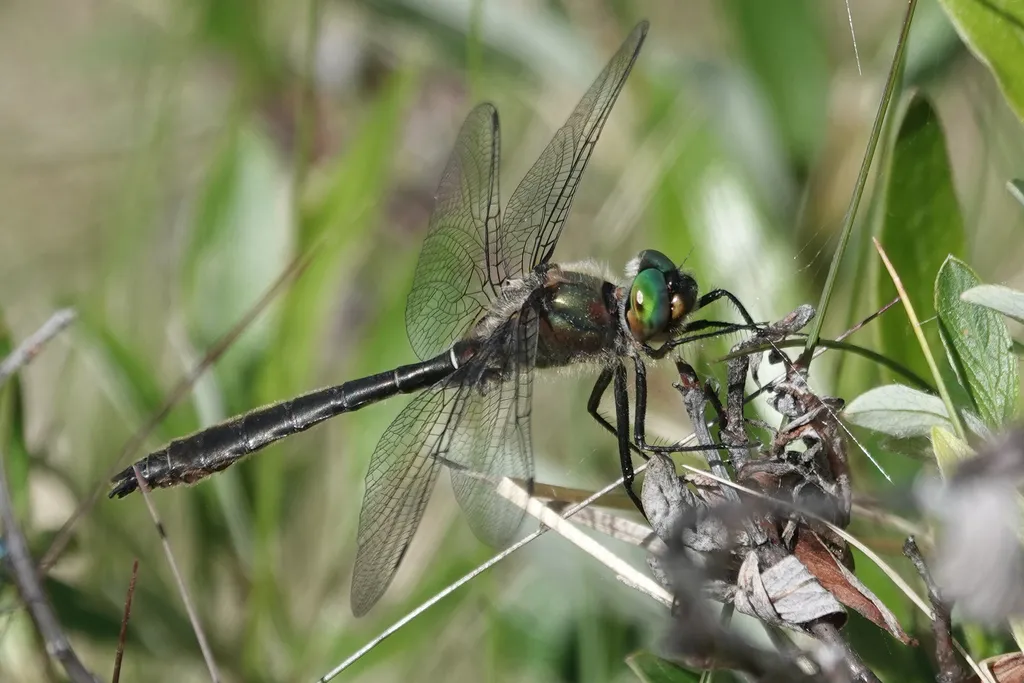
American Emerald
Cordulia shurtleffii
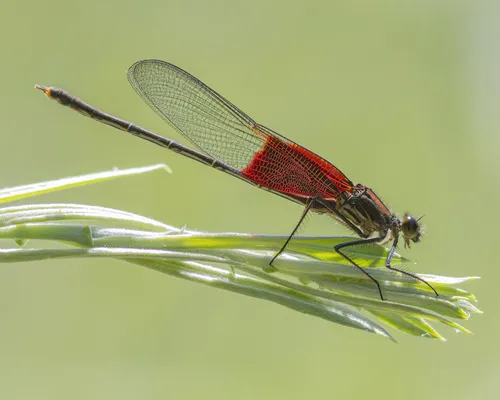
American Rubyspot Damselfly
Hetaerina americana
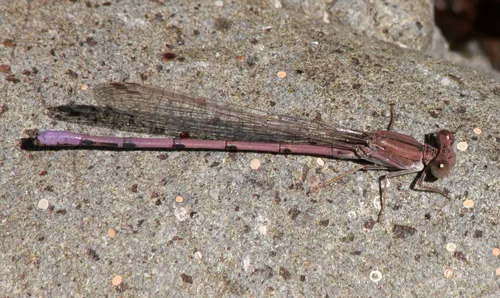
Amethyst Dancer
Argia pallens
Antillean Saddlebags
Tramea insularis
Apache Dancer
Argia munda
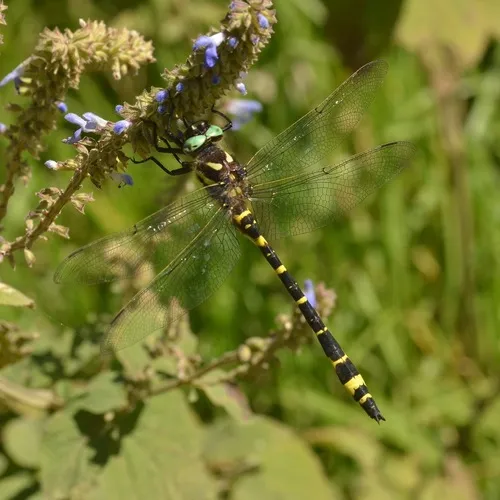
Apache Spiketail
Cordulegaster diadema
Apache Spiketail
Zoraena diadema
Arch-tipped Glider
Tauriphila argo
Arizona Snaketail
Ophiogomphus arizonicus
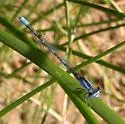
Arroyo Bluet
Enallagma praevarum
Arroyo Darner
Rhionaeschna dugesi
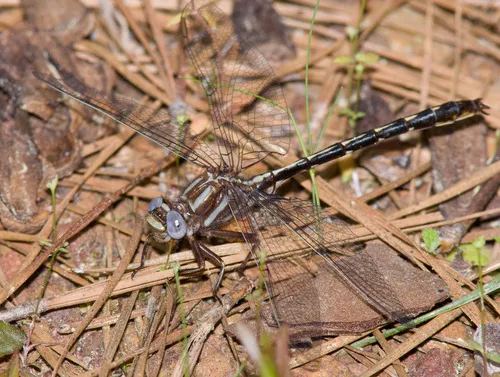
Ashy Clubtail
Phanogomphus lividus
Attentuated Bluet
Enallagma daeckii
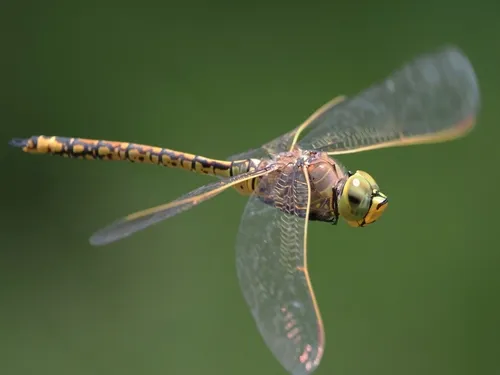
Australian Emperor
Anax papuensis
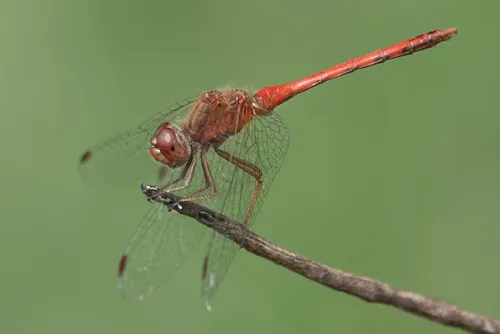
Autumn Meadowhawk
Sympetrum vicinum
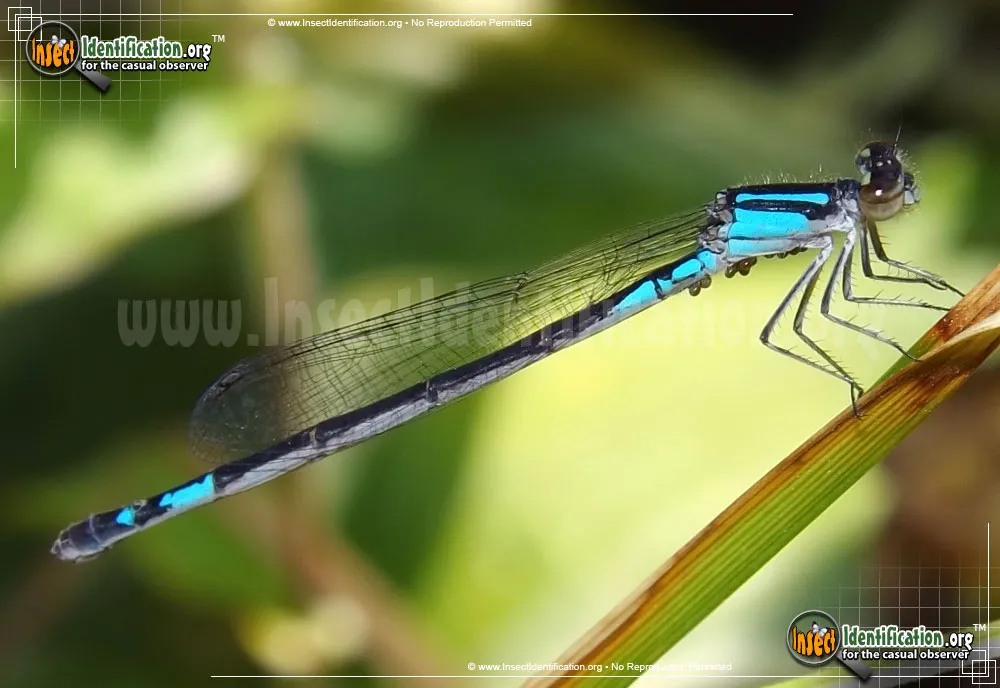
Azure Bluet
Enallagma aspersum
Azure Darner
Aeshna septentrionalis
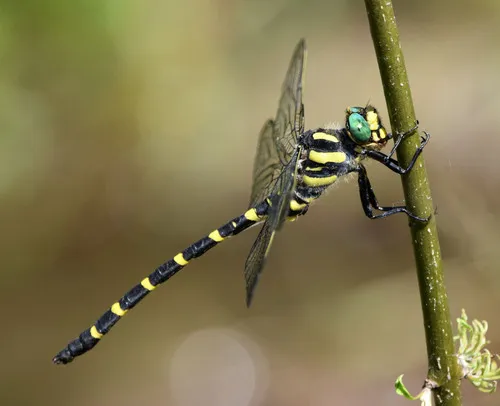
Balkan Goldenring
Cordulegaster heros
Band-winged Meadowhawk
Sympetrum semicinctum
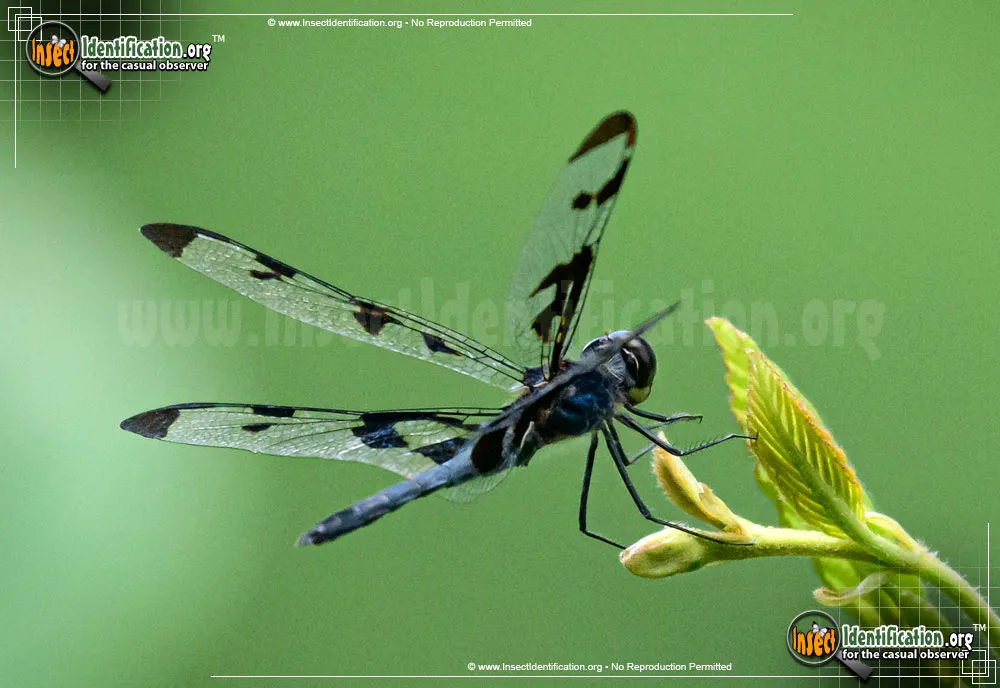
Banded Pennant
Celithemis fasciata