
Texas Emerald
Somatochlora margarita
This record describes Somatochlora margarita (species). Recorded family: Corduliidae. Recorded order: Odonata.
Identification and Appearance
considered by LA and TX to be a Species of Greatest Conservation Need (SGCN)
Classification
- Kingdom
- Animalia
- Phylum
- Arthropoda
- Class
- Insecta
- Order
- Odonata (Dragonflies and Damselflies)
- Suborder
- Anisoptera
- Family
- Corduliidae (Emeralds)
- Genus
- Somatochlora (Striped Emeralds)
Imported taxonomy record. Source availability varies; see the source references and editorial policy below.
Habitat and Range
Habitat
Small, sandy forest streams, with moderate current.
Geographic Range
e TX to w LA
Diet and Behavior
Life History
It flies high at tree top level, along dirt roads. Females occasionally come down into open fields or forest clearings to feed. They fly in the early morning and late afternoon to dusk, as is usual for the genus.
Additional species information
Species notes from the sources
Etymology: Somatochlora margarita Donnelly, 1962
About Dragonflies and Damselflies: the wider group
Order-level background for Odonata, the group containing Somatochlora margarita. Species-specific details appear above.
Group overview
Odonata includes ~6,000 described species of dragonflies and damselflies. Dragonflies are among the fastest flying insects, reaching 36 mph (58 km/h). They can fly in any direction including backward, and hover in place - each wing operates independently.
Ecological role of the group
Dragonflies predate dinosaurs by nearly 100 million years - fossils date to 325 million years ago. The largest dragonfly ancestor, Meganeuropsis permiana (285 mya), had a 75cm wingspan, enabled by atmospheric oxygen levels of 31-35% compared to today's 21%. Dragonflies have a 95% hunting success rate - the highest of any predator.
Economic and practical significance of the group
Dragonflies are voracious predators that consume hundreds of mosquitoes daily, providing natural pest control worth millions in reduced mosquito-borne disease risk. A single dragonfly can eat 30 to hundreds of mosquitoes per day.
Recorded sources for this group: Natural History Museum London, Britannica, fossil record research. Imported estimates may describe particular regions or reporting periods.
Photos of Texas Emerald (3)
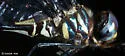
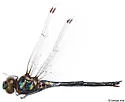
Photo credits: Contributed by Mike Quinn
Frequently Asked Questions About Texas Emerald
What is Texas Emerald?
Texas Emerald (Somatochlora margarita) is a species in the family Corduliidae, within the order Odonata.
How big is Texas Emerald?
Total length: 50-54 mm; abdomen: 32-41 mm; hindwing: 32-37 mm
Where is Texas Emerald found?
| Feature | Details |
|---|---|
| Habitat | Small, sandy forest streams, with moderate current. |
| Range | e TX to w LA |
What is the life cycle of a Texas Emerald?
It flies high at tree top level, along dirt roads. Females occasionally come down into open fields or forest clearings to feed. They fly in the early morning and late afternoon to dusk, as is usual for the genus.