
Family Plant Bugs (Miridae)
Miridae is a family in the order Hemiptera. Browse 969 named species recorded in this family, or open an individual profile for its available identification and natural-history information.
Species in Miridae (969)
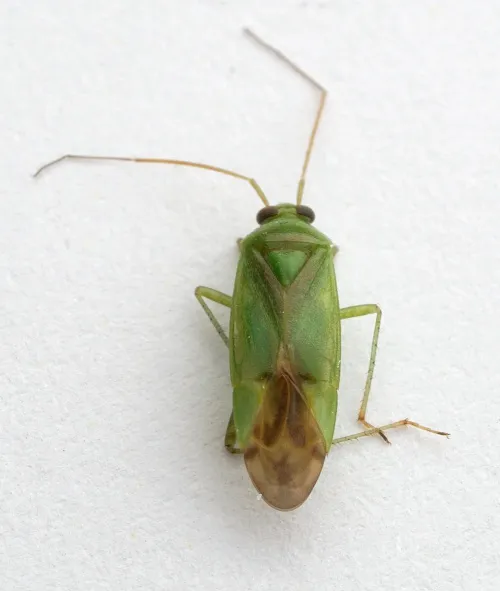
Neolygus contaminatus
Neolygus contaminatus
One of many similar green bugs found on various deciduous trees during summer. Length approximately 6 mm. The brown tibial spines arise from black spots and the 2nd antennal segment is longer than the width of the pronotum at the base. The clavus is
Neolygus knighti
Neolygus knighti
Identification: Similar to N. omnivagous but has somewhat distinct dark rays on the pronotum and a completely dark second antennal segment, as well as a somewhat more greenish yellow color.
Neolygus omnivagus
Neolygus omnivagus
Identification: Det. Brad Barnd, 2022 (ID'd from specimen) Type Locality: NY Knight's keys suggest the femora are "dark brown to fuscous" but Kelton's description states the legs of males are "mostly pale green; apical half of hind femur dark brown"
Neolygus quercalbae 0
Neolygus quercalbae
long series collected by Quinn (2000) ( 3 ) on oak and elm i central Texas, but these are the only GBIF records for Texas or any surrounding state, thus I question this det.
Neolygus tiliae
Neolygus tiliae
Identification: The males are distinguished by the dark brown colour of the scutellum, clavus, and most of corium, and by the genital claspers. The females are distinguished by teh relatively small size, by the greenish yellow colour of scutellum, cl
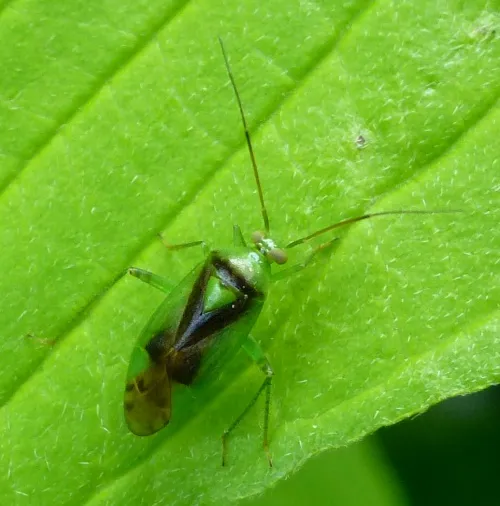
Neolygus viridis
Neolygus viridis
One of many similar green bugs found on various deciduous trees during summer. Length approximately 6 mm. The brown tibial spines arise from black spots and the 2nd antennal segment is longer than the width of the pronotum at the base. The clavus is
Neurocolpus arizonae
Neurocolpus arizonae
Identification: Distinguished from all other species by : 1) short rostrum (not reaching beyond mesocoxae); 2) short A1 (< A2/2); 3) pale median stripe on head and pronotum ; and 4) dark bands on tibiae . Dets. Jason Botz Type Locality: Tucson, Arizo
Neurocolpus jessiae
Neurocolpus jessiae
Identification: In early summer forms, 1) A1/A2 = 0.48-0.52 (male), 0.51-0.56 (female); 2) Pale to yellowish calli, collar, and cuneus; and 3) Apically dark hindlegs
Neurocolpus simplex
Neurocolpus simplex
Identification: "Antennal segment I widest at the inflated apex; rostrum just attaining posterior margin of middle coxae; color uniformly yellowish or fulvous" (Knight, 1968). In males, "apical area of corium sometimes clouded with light brown to fus
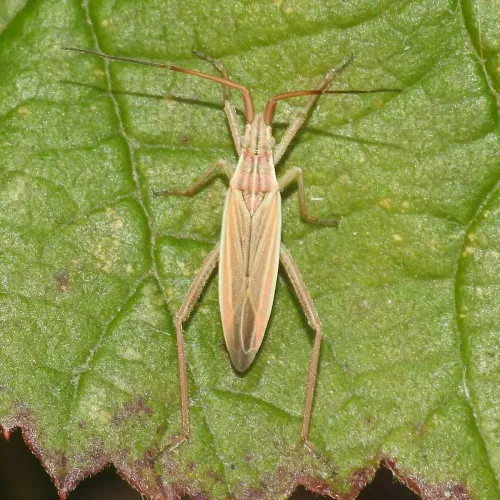
Notostira elongata
Notostira elongata
Length 7.5 to 8.5 mm. Notostira species are elongate grass bugs with a longitudinal furrow between the eyes. The genus is sexually dimorphic; males have a black central stripe on the upperside, with the margins yellowish-green, while females are much
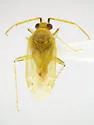
Occidentodema mcfarlandi
Occidentodema mcfarlandi
Identification: "Recognized by the overall pale golden-yellow coloration, the lack of a fuscous spot on the tylus, the numerous, small fuscous spots on the femora, particularly the metafemur, and by the strong fuscous lines along the dorsal margin of
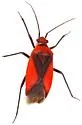
Oncerometopus atriscutis
Oncerometopus atriscutis
Identification: "Suggestive of nigriclavus but with black scutellum and longer second antennal segment which in both sexes exceeds the combined length of segments III and IV." Det. Jason Botz, 2020 Type Locality: AZ
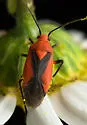
Oncerometopus nigriclavus
Oncerometopus nigriclavus
Identification: Dets. WonGun Kim Type Locality: Texas (BELFRAGE). Belfrage was based in Bosque County, Texas.
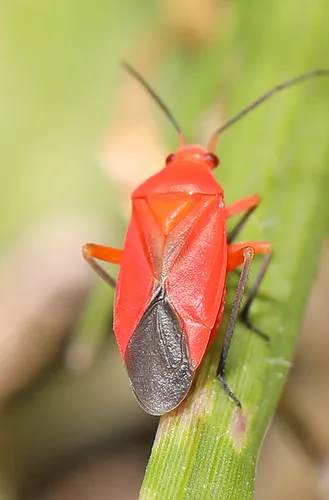
Oncerometopus ruber
Oncerometopus ruber
Identification: "Scutellum red, clavus reddish, tibiae largely pale" , femorae largely red, apical clavus occasionally dark but not black as in nigriclavus basal ant. segments are generally reddish; scutellum is orange, surrounded by red. Type Locali
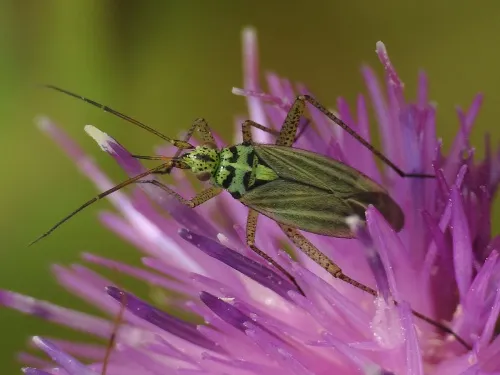
Oncotylus viridiflavus
Oncotylus viridiflavus
Length 5 to 6 mm. The black patterning on the head and pronotum combined with the blueish green colour are unique amongst the UK Miridae . This species can be identified with care but there are similar species that it could be confused with. Occasion
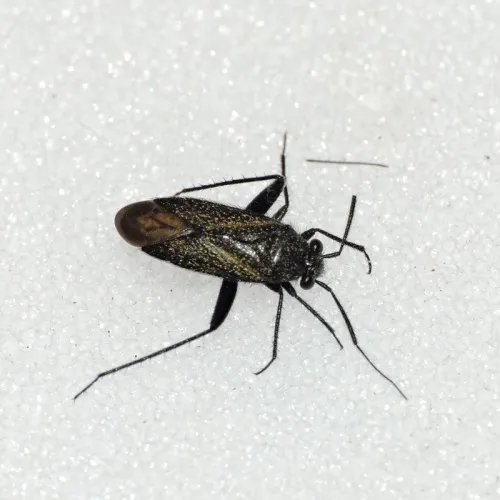
Orthocephalus coriaceus
Orthocephalus coriaceus
Length 4 to 5 mm. The two Orthocephalus species are very dark and rather squat plant bugs in which the hind tibiae are modified for jumping. The antennae are entirely black. This species is distinguished from the similar O. saltator by the entirely d
Orthocephalus saltator
Orthocephalus saltator
Identification: tibiae reddish-brown to dull yellowish on front and middle legs, and sometimes also hindlegs (a distinguishing feature); dorsal surface black with numerous silvery hairs; adult males have long wings that extend beyond abdomen; adult f
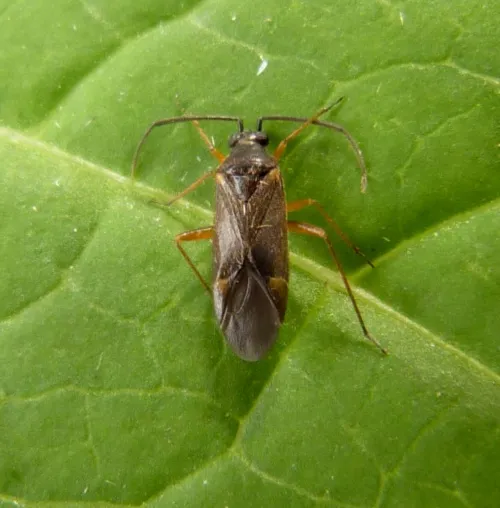
Orthonotus rufifrons
Orthonotus rufifrons
A distinctive dark plant bug which is covered in pale hairs, although the sexes are markedly dimorphic. Females are brachypterous and much more rounded in shape; the more elongate and parallel-sided males are macropterous. The 2nd antennal segment ha
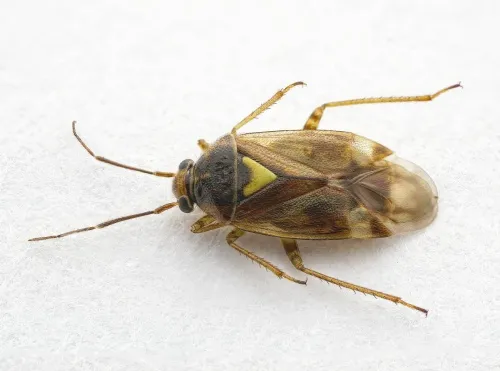
Orthops basalis
Orthops basalis
This genus contains three small bugs of around 5 mm. They generally have dark antennae. Although external characters are useful, some specimens cannot be reliably identified without dissection. Detailed examination of the specimen is needed to identi
Orthops campestris
Orthops campestris
Length around 4 mm. This genus contains three similar species which are often found on umbellifers. They generally have dark antennae. Although external characters are useful, some specimens cannot be reliably identified without dissection. O. campes
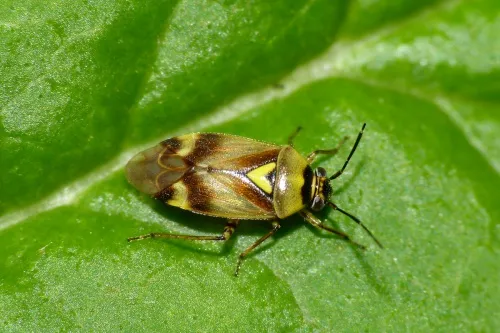
Orthops kalmii
Orthops kalmii
Length about 4.5 mm. This genus contains three small bugs (<5 mm) which are often found on umbellifers (Apiaceae). They generally have dark antennae. Although external characters are useful, some specimens cannot be reliably identified without dissec
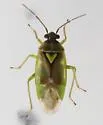
Orthops scutellatus
Orthops scutellatus
Considered invasive in this country. (Capinera, John L. North American Vegetable Pests. The Pattern of Invasion. American Entomologist. Spring 2002)
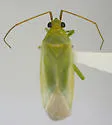
Orthotylus basicornis
Orthotylus basicornis
Identification: Green, large (~5.7-5.8 mm), first antennal segment darkened, tylus without dark mark, second antennal segment twice width of head
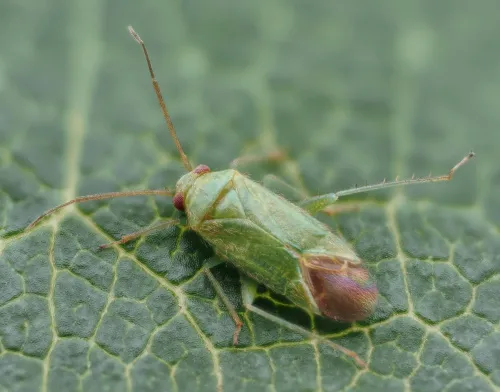
Orthotylus caprai
Orthotylus caprai
Length 3mm. Bright green, cuneus paler. Dorsal pubescence: dense semi-erect long brownish-black & fine prone yellowish hairs. Rostrum ≈ apex of hind coxae. Left clasper with 4-5 distinctive large teeth on outer edge of lobe. Tibial spines >tibia thic
Orthotylus coagulatus
Orthotylus coagulatus
Identification: Antennomere 2 longer than basal width of pronotum, dorsum mottled green with patches of whitish scales, dark spots on membrane behind veins, rostrum extends to about middle coxae, tibial spines brownish
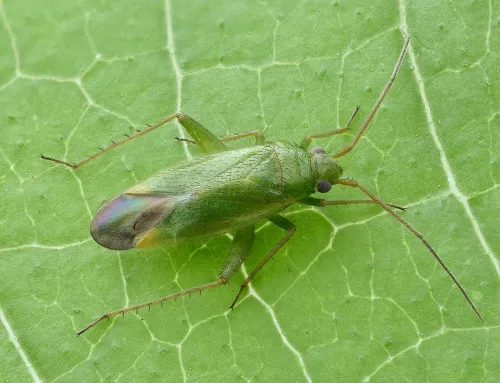
Orthotylus ericetorum
Orthotylus ericetorum
Green Mirid bugs are extremely similar and species identification based on external features is often difficult. The hostplant can be very informative. Orthotylus ericetorum is a small species (about 3.5 mm) found on heather. The upper surface is cov
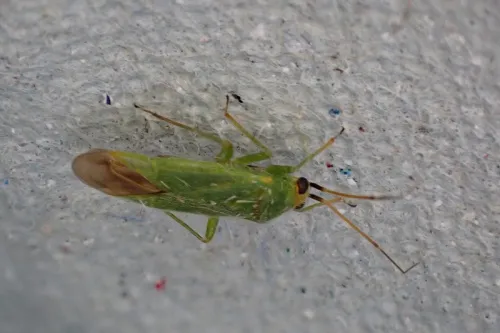
Orthotylus flavinervis
Orthotylus flavinervis
Length ~ 6.0 mm. Orthotylus is a large genus of predominantly green bugs. Many are extremely similar and species identification based on external features is often difficult. The hostplant can be very informative. O. flavinervis is one of the larger
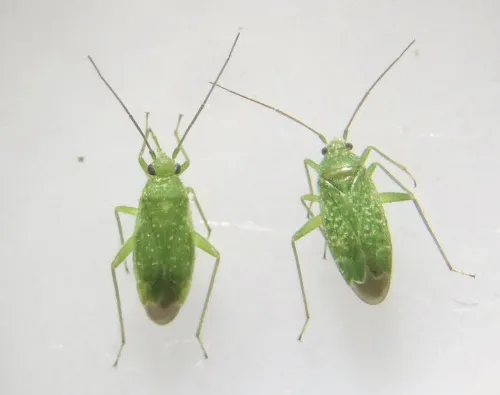
Orthotylus flavosparsus
Orthotylus flavosparsus
A small green bug that is similar to many other species. It has green wing membrane cells and patches of silvery hairs on the dorsal side, giving a white-speckled appearance It is associated with Chenopodiaceae such as fat-hen and oraches. Dissection
Orthotylus fuscicornis
Orthotylus fuscicornis
Identification: "Allied to hamatus Van D., but differs in the blackish antennae, longer second antennal segment, prominent white pubescence, and in the structure of the male genital claspers." The color of the antennae ranges from pale yellow to fusc
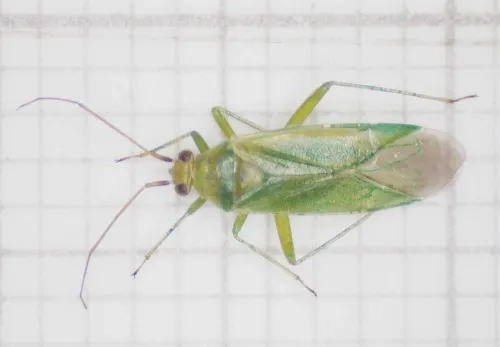
Orthotylus marginalis
Orthotylus marginalis
The genus Orthotylus contains several mainly green bugs which are very hard to separate with photographs. Noting the hostplant can be helpful, but a specimen is better. O. marginalis is about 6mm in length with a dense covering of pale hairs. The fir
Orthotylus modestus
Orthotylus modestus
Identification: Pronotal markings transverse; when the pronotum is all black the second antennal joint [segment?] of the male is rufo-testaceous Legs green or yellowish, not infuscated; light-colored areas of dorsum greenish or fading to yellowish, n
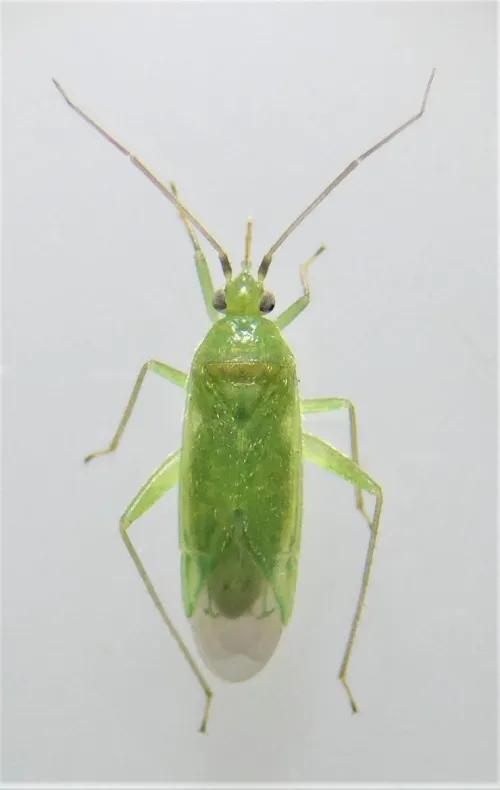
Orthotylus nassatus
Orthotylus nassatus
Length ~5mm. A blue-green species, the first antennal segment is pale above with a dark line on the underside. Photos showing key features required. Dissection of male left clasper helps with confirmation. On a range of deciduous trees, including Oak
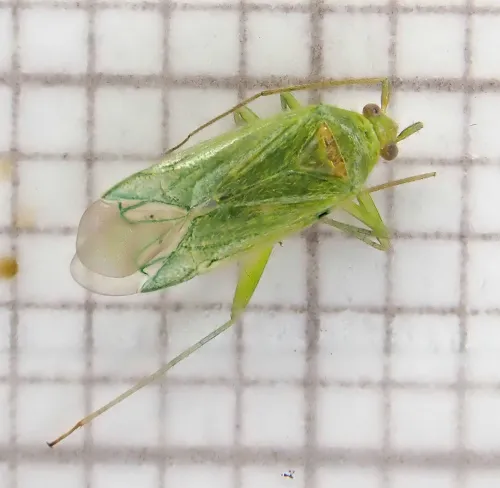
Orthotylus ochrotrichus
Orthotylus ochrotrichus
A ~5mm bright green species which is found on nettles and a variety of decidous trees, particularly elm. The length of the 2nd antennal segment is less than the 3rd and 4th combined. Extremely similar to O. prasinus, also found on elm, but this speci
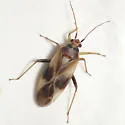
Orthotylus ornatus
Orthotylus ornatus
Identification: variable, but usually hind femora fuscous and light-colored areas of dorsum occasionally tinged with salmon , also (but not diagnostic) buldging eyes, dark ant. (esp. A1-A2), and pale scutellum Type Locality: Described from three fema
Orthotylus ramus
Orthotylus ramus
Identification: ant. pale orange, femora very pale green, end tarsi dark, subtle pale orange band along the pronotal-scutellar suture, apical wing membrane has a faint rose tinge. Dets. Michael Schwartz, 2025 Knight's indentifying characters, "hemely
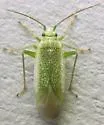
Orthotylus stanleyaea
Orthotylus stanleyaea
Identification: "Allied to brevirostris but with rostrum reaching to posterior margin of mesosternum; male claspers distinctive."
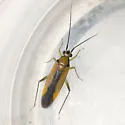
Orthotylus submarginatus
Orthotylus submarginatus
Identification: Dorsum pale salmon to orange; antennae, front of head, lateral margins of pronotal disk, scutellum, rather broad area on either side of commissure, embolium, area at apex of corium, apex of cuneus, and membrane, blackish or black; ros
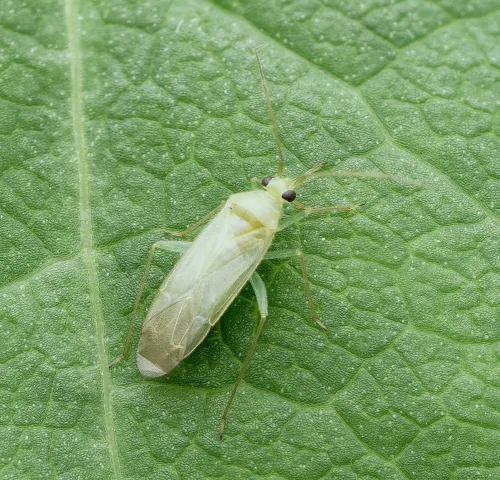
Orthotylus tenellus
Orthotylus tenellus
Length 4.0 to 4.5 mm. Orthotylus tenellus has a ground colour that is translucent pale yellow or yellow-green and the eyes are distinctively dark. The 1st antennal segment lacks long hairs. Unless identified by a recognised expert, a photo is require
Orthotylus ute
Orthotylus ute
Identification: * Difference between male and female 1) antennae: male black, female brown; 2) scutellum: male black with median line pale, female all pale.
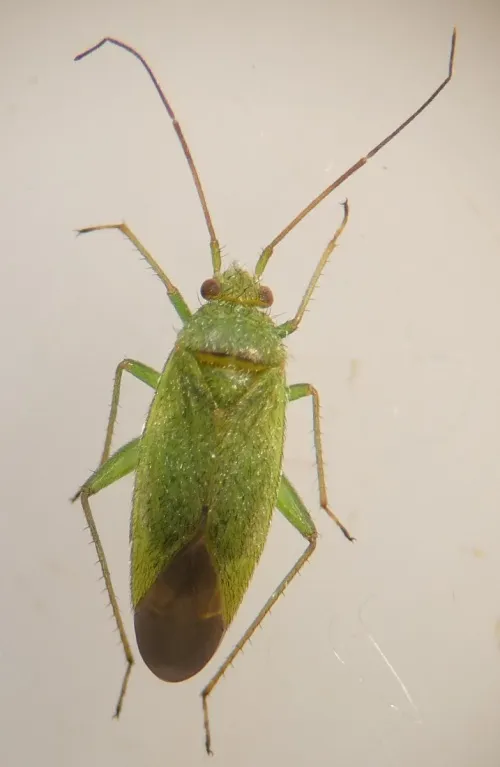
Orthotylus virescens
Orthotylus virescens
A narrow oval green bug found on Broom, about 4.5mm long. The dorsal surface is covered in erect dark hairs and it has a dark wing membrane. The rostrum is very short, reaching only to the hind margin of the mesobasisternum Other species of Orthotylu
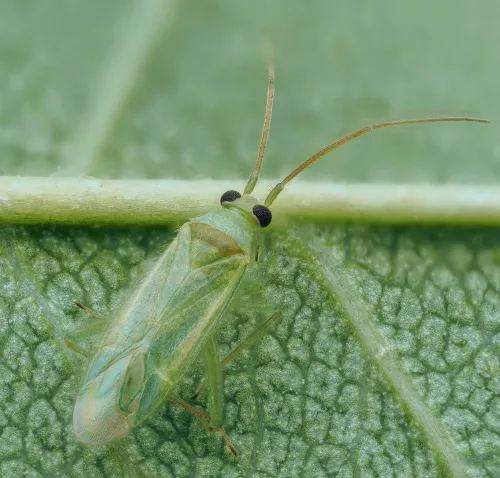
Orthotylus viridinervis
Orthotylus viridinervis
A narrow oval green bug found on Wych Elm and other tree species, including lime. 5-6mm long. The basal (1st) antennal segment is more or less equal in length to the head, and has more than 5 (usually 7) long hairs. The underside of the front femur h
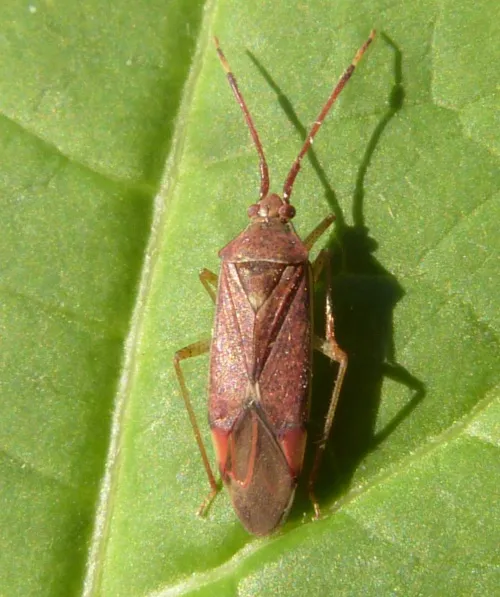
Pantilius tunicatus
Pantilius tunicatus
Length 8-10 mm. The large size (antennae shorter than the body) and spectacular colouring make it almost unmistakeable. The extent of the red markings is variable, and newly emerged adults can be almost entirely green. This bug may be found on the lo
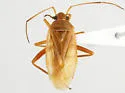
Pappus balli
Pappus balli
Identification: "Distinguished by the almost glabrous dorsum, by the long rostrum, by the reddish brown scutellum [and] inner corium, and by the reddish legs."
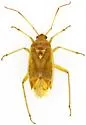
Pappus scutellatus
Pappus scutellatus
Identification: "Distinguished by the almost glabrous dorsum, by the reddish brown or brown triangular marks on the scutellum, and usually the brown longitudinal line between the calli on the pronotum."
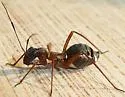
Paradacerla downesi
Paradacerla downesi
Identification: The diagnostic characters are the comparative length of AI and width of vertex and the posterior margin of the pronotum with a white border. --M.D. Schwartz, pers.comm. to =v= 20vii2021
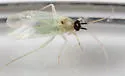
Paraproba capitata
Paraproba capitata
Identification: Recognized by the small size, pale greenish colour, black head , and by the fuscous to black first antennal segment .
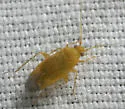
Parapsallus vitellinus
Parapsallus vitellinus
Identification: Recognized by relatively small size with average total length 3.26 mm, uniform orange coloration of dorsum, pale coloration of antennal segment 1, narrow dark band at base of antennal segment 2 with remainder of segment pale, and gene
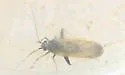
Parthenicus basicornis
Parthenicus basicornis
Identification: "Distinguished from related species by the brownish black first antennal segment , and by structure of the male claspers." (emphasis added) Type Locality: UT
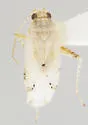
Parthenicus candidus
Parthenicus candidus
Identification: From Van Duzee's (1918) description: "Femora... marked with a few black points; [body] white, dotted with black; base of scutellum and thickened vein at base of membrane sanguineous; membrane white with two marginal spots and a few di
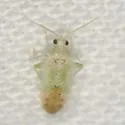
Parthenicus cuneotinctus
Parthenicus cuneotinctus
Identification: Hemelytra uniformly greenish (though paler green than in P. rufivenosus ), cuneus red ("roseate-red", i.e. pinkish, per orig. description), veins marked with red Type Locality: Ariz.
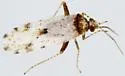
Parthenicus deleticus
Parthenicus deleticus
Identification: Similar to the vaccini complex of species, but hemelytra are milky white, without dark dots. Also, the second antennomere has only two small, dorsal spots.
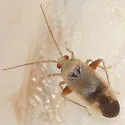
Parthenicus juniperi
Parthenicus juniperi
Identification: "General coloration pale testaceous, hemelytra often tinged with salmon pink, anterior 1/2 of pronotum tinged with greenish yellow, scutellum usually black or strongly infuscated," etc. (Henry 1982) Det. WonGun Kim, 2010
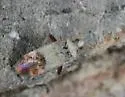
Parthenicus micans
Parthenicus micans
Identification: "Suggestive of oreades , but size smaller, distinguished by the uniformly silvery white, scale-like pubescence on clavus and corium, with golden scale-like hairs only at inner apical angles of corium" (Knight, 1925). The size differen
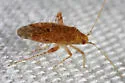
Parthenicus muchmorei
Parthenicus muchmorei
Identification: Pattern on membrane of hemelytra is unique.
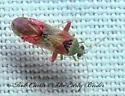
Parthenicus pictus
Parthenicus pictus
Type Locality: Santa Catalina Mts., Arizona, September 25, 1924 (A. A. Nichol)
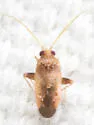
Parthenicus psalliodes
Parthenicus psalliodes
Identification: This species, known only from macropters, is very similar to P. cruentus in the overall pale background color, interspersed with numerous small red spots. It is distinguished by the generally larger size, uniformly dark or fumate heme
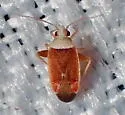
Parthenicus rubromaculosus
Parthenicus rubromaculosus
Identification: pale greenish, with dense red flecking on hemelytra
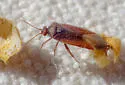
Parthenicus rufusculus
Parthenicus rufusculus
Identification: "Allied to psalliodes Reut., but size slightly larger; distinguished by the general fusco-reddish coloration." The females of this species and P. covilleae Van Duzee are virtually indistinguishable from each other. Males can be distin
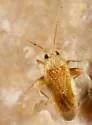
Parthenicus taxodii
Parthenicus taxodii
Identification: Distinguished from other species by the small size; uniformly yellow coloration, often with a faint orange tinge; silvery sericeous pubescence on the dorsum; and the pallid tibial spines lacking spots at the bases. Type Locality: Illi
Parthenicus vaccini
Parthenicus vaccini
Identification: This species is recognized by the overall gray to grayish-green coloration, with numerous fuscous spots on the dorsum, legs, and antennae; and the long rostrum that extends to near the base of the genital capsule. Males are always mac
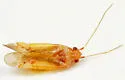
Parthenicus weemsi
Parthenicus weemsi
Identification: Distinguished from other species by the usually testaceous to golden-yellow color, with brown and/or red spots on the pronotum and the base and apex of the corium, and the numerous red spots on the legs. Darker specimens sometimes als
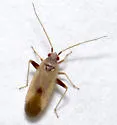
Parthenicus wheeleri
Parthenicus wheeleri
Identification: I am sure that this bug is Parthenicus wheeleri in Orthotylinae. According to Henry , P. wheeleri is distinguished by "the the pale testaceous dorsum (figs. 11, 12), occasionally with a few small red speckles on the head, pronotum, an
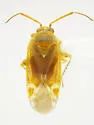
Phallospinophylus setosus
Phallospinophylus setosus
Identification: From Weirauch, omitting figure references: "Recognized by the moderate size (male total length: 3.17-3.78), rather uniform pale orange to red coloration with anterior portion of the cuneus transparent; left side of the pygophore with
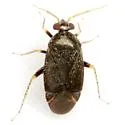
Phoenicocoris claricornis
Phoenicocoris claricornis
Identification: "positive identification would be furthered by lateral view of thorax; whether scalelike setae are present or not" (Schwartz, pers. comm. to =v=, 2012) Det. M.D. Schwartz 2012
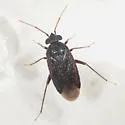
Phoenicocoris rostratus
Phoenicocoris rostratus
Identification: Recognized by the broad, apically serrate scalelike setae on the thoracic pleura and lateral margins of abdominal sternum; antennal segment 2 yellow or yellowish brown, cylindrical, length less than or subequal to width of head across
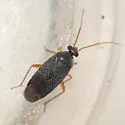
Phoenicocoris strobicola
Phoenicocoris strobicola
Identification: 1) Thoracic pleura and lateral margins of abdominal sternum with woolly or scalelike setae; 2) A2 >> head width; and 3) Antennae and legs pale yellow.
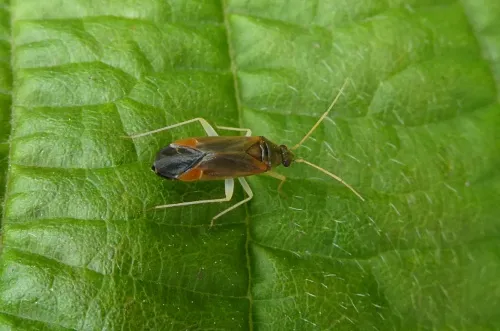
Phylus coryli
Phylus coryli
Length 4.5 to 5.5 mm. There are three species of Phylus bugs in the UK, which can be separated with some reliability by the colour of the head and forewings. Host plant is also a useful aid to identification. The forewings of this species vary from l
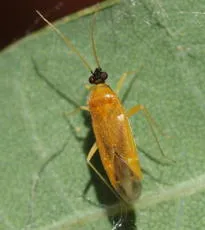
Phylus melanocephalus
Phylus melanocephalus
Length 4.5-6 mm. Phylus bugs are fairly long and slender. There are three species in the UK, which can be separated with some reliability by the colour of the head and forewings. Host plant is also a useful aid to identification. The forewings of thi
Phytocoris adenostomae
Phytocoris adenostomae
Type Locality: Oak Grove, San Diego Co., California, September 10, 1975, ex Adenostoma sparsifolium Torr., J. D. Pinto (AMNH). Paratypes from Riverside Co., Calif.
Phytocoris albellus
Phytocoris albellus
Type: Described from a single female collected at Payson, Gila Co., Arizona, 3 August 1929, E. D. Ball.
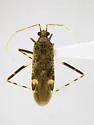
Phytocoris albicuneatus
Phytocoris albicuneatus
Rare in collections. When the species was described, only 19 specimens were known.
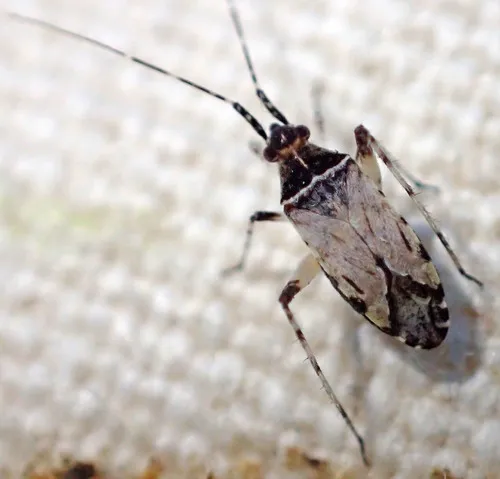
Phytocoris albidopictus
Phytocoris albidopictus
Identification: "Recognized by the extensively darkened pronotal disk, usually with only posterior margin and narrow longitudinal stripe between calli pale; mixed dorsal vestiture, including narrow scalelike, dark brown or black setae; and by the sho
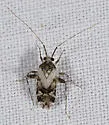
Phytocoris albifrons
Phytocoris albifrons
Identification: This is among the subset of species in the juniperanus group that have just a few scattered setae at the base of the left genital tubercle, rather than a clump of dark, bristle-like setae. Dets. Jason Botz
Phytocoris angusticollis 0
Phytocoris angusticollis
Identification: distinguished from other species of the stellatus group by the following combination of characters: ratio of length of antennal segment I to width of head across eyes from 0.85:1 to 1.10: 1; clavus and corium with brown to fuscous mar
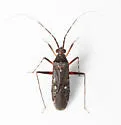
Phytocoris annulicornis
Phytocoris annulicornis
Identification: Det. Michael D. Schwartz, 2024 Type Locality: Texas ( Belfarge )
Phytocoris antennalis
Phytocoris antennalis
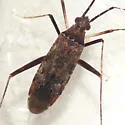
Identification: 1) A2 black at base, with a light-colored band more distad ; 2) A1 slender and A1 > width of pronotum at base; and 3) Four small, black, conical projections, two on either side of median line, present near posterior margin of pronotum
Phytocoris arizonensis
Phytocoris arizonensis
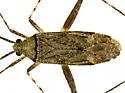
Identification: "...Distinguished from other species of the rostratus group by the large left genital tubercle, coarse serrations on the right sclerotized process of the vesica, and left process of vesica fully sclerotized, with small spines on the o
Phytocoris baboquivari
Phytocoris baboquivari
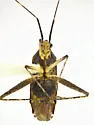
Identification: From Stonedahl, omitting references to figures: "...Distinguished from other brown or grayish brown species of the rostratus group by the following combination of characters: ratio of eye length to width of vertex from 0.90:1 to 1.10:
Phytocoris becki
Phytocoris becki
Identification: recognized by the pale yellowish green hemelytra, gray pronotum with fuscous markings, reddish yellow femora, and uniformly brownish yellow antennae (see frontispiece of Knight, 1968). The pronotum is clothed with white, sericeous set
Phytocoris berbericola
Phytocoris berbericola
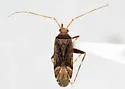
Identification: Among the members of the P. aurora species group, this species is distinguished by the relatively short first antennomere (0.68-0.79 times the posterior width of the pronotum); "distal two-thirds of hind femora dark reddish brown to d
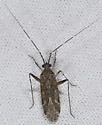
Phytocoris borregoi
Phytocoris borregoi
Identification: Similar to P. catalinae in having unusually large eyes, narrow vertex (in males), and weakly convex frons for the rostratus group. Larger on average than P. catalinae (6.80 mm vs. 5.76 mm, respectively = midpoints of published ranges
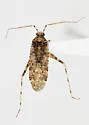
Phytocoris breviatus
Phytocoris breviatus
Identification: Similar in appearance to P. plenus but smaller, and with shorter first antennomere relative to the head size (less than 1.1x the head width across the eyes for the male and less than 1.2x for the female). Structure of the male genital
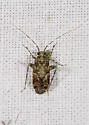
Phytocoris brevicornis
Phytocoris brevicornis
Identification: Scutellum strongly deflexed apically "Closely resembles breviusculus but differs by the brown to fuscous second antennal segment with pale median annulus, strongly convex scutellum that is abruptly deflexed apically, and by the struct
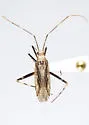
Phytocoris brevisetosus
Phytocoris brevisetosus
Identification: From Stonedahl: "...Mostly pale first antennal segment with limited brown or reddish brown markings, ratio of segment length to posterior width of pronotum 1.12:1 to 1.15:1 for males and 1.78:1 to 1.96:1 for females; pronotal disk wit
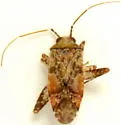
Phytocoris breviusculus
Phytocoris breviusculus
Identification: Distinguished from other brown species of the juniperanus group by the absence of dark scalelike setae on the dorsum, and the uniformly brownish yellow second antennal segment, without pale median annulus. 1) Wing membrane confusedly
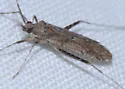
Phytocoris canescens
Phytocoris canescens
Identification: Among the P. tenuis group, "recognized by the long first antennal segment with dark markings ventrally ans well as dorsally and laterally, length of segment greater than posterior width o pronotum; hemelytra with dark spots at bases o
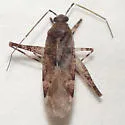
Phytocoris carnosulus
Phytocoris carnosulus
Identification: Apices of fore tibiae pale; rostrum of male reaching near middle of genital capsule; hind femora strongly tapered, basal region greatly expanded, distal half with scattered, long, bristlelike setae. Lower margin of antennal fossa well
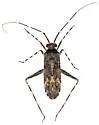
Phytocoris catalinae
Phytocoris catalinae
Identification: From Stonedahl: " Phytocoris catalinae closely resembles borregoi but differs by the smaller average size [5.76 mm vs. 6.80 mm, respectively = midpoints of published ranges for males]; propleuron without pale median line; ...genital c
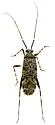
Phytocoris cercocarpi
Phytocoris cercocarpi
Identification: Overall reddish-brown color with pale mottling. To distinguish this species from others in the aurora species group: "Ratio of length of antennal segment I to posterior width of pronotum from 0.70:1 to 0.80:1 for males; apical pale an
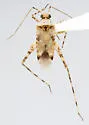
Phytocoris chemehuevi
Phytocoris chemehuevi
Identification: "Similar to carnosulus but distinguished by the smaller size; lower margin of antennal fossa at level of ventral margin of eye; hind legs with long erect setae; and by the structure of the male genitalia, especially the narrow cylindr
Phytocoris cinereus
Phytocoris cinereus
Type Locality: Red Rocks Park, nr. Morrison, 5600 ft (1710 m), Jefferson Co., Colorado, 15 July 1983, ex. Rhus trilobata , R. T. Schuh and D. A. Polhemus (AMNH).
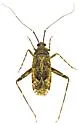
Phytocoris commissuralis
Phytocoris commissuralis
Identification: From Stonedahl: "Similar to heidemanni but distinguished by the structure of the male genitalia: shaft of left paramere with large, often spinose, tubercle basodorsally (fig. 62b); dorsal process on arm of right paramere weakly produc
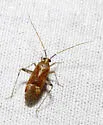
Phytocoris comulus
Phytocoris comulus
Identification: Cuneus extensively marked with red "Similar to cochise but smaller... and with darker, reddish brown or dark brown markings on the legs and first antennal segment. The banded front tibiae and large pale region between the eyes will fu
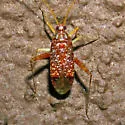
Phytocoris confluens
Phytocoris confluens
Identification: Similar to puella . Quoting from a key : Hemelytra with many small, distinct, white spots; calli darkened with fuscous --> confluens Hemelytra with only indistinct, white spots, nearly uniformly deep orange red; calli pale --> puella
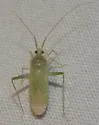
Phytocoris consors
Phytocoris consors
Identification: Overall greenish color with darker speckling. Similar to P. schwartzi but with length of first antennomere much greater than width of head across eyes (length equal or slightly greater than head width in P. schwartzi ), in addition to
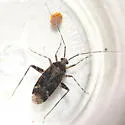
Phytocoris conspurcatus
Phytocoris conspurcatus
Identification: 1) Wing membrane confusedly sprinkled with discolored or dark spots, or with numerous, minute, pale spots; 2) A1 slender; 3) A2 with pale band at base and at middle; 4) A3 with pale band at base and at middle; 5) Dorsum bearing both b
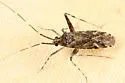
Phytocoris coronadoi
Phytocoris coronadoi
Identification: From Stonedahl, omitting references to figures: "Recognized by the dark brown general coloration; small knoblike left genital tubercle; right basal lobe of vesica with small field of spinulae laterally; and left sclerotized process ab
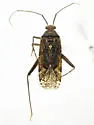
Phytocoris corticola
Phytocoris corticola
Identification: " Phytocoris corticola is distinguished from other large, gray or brown species of the fraterculus group by the structure of the male genitalia: shaft base of left paramere with prominent, ridgelike process dorsally; arm of right para
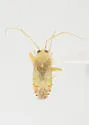
Phytocoris cuneotinctus
Phytocoris cuneotinctus
Identification: "Distinguished from other species of the juniperanus group by the pale green general coloration with small, dusky flecks on the hemelytra." There is also generally a pink area covering at least part of the cuneus. P. vanduzeei is also
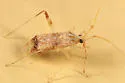
Phytocoris depictus
Phytocoris depictus
Identification: Length of first antennal segment less than width of head and vertex combined (last couplet)