
Phytocoris chemehuevi
This record describes Phytocoris chemehuevi (species). Recorded family: Miridae. Recorded order: Hemiptera.
Identification and Appearance
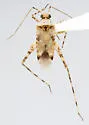
Similar to carnosulus but distinguished by the smaller size; lower margin of antennal fossa at level of ventral margin of eye; hind legs with long erect setae; and by the structure of the male genitalia, especially the narrow cylindrical tubercle above base of the left paramere. (Prior to the Yuma Co., AZ specimen collected by J.T. Botz) known only from the holotype male collected near Vidal, San Bernardino Co., CA.
Classification
- Kingdom
- Animalia
- Phylum
- Arthropoda
- Class
- Insecta
- Order
- Hemiptera (True Bugs, Cicadas, Hoppers, Aphids and Allies)
- Suborder
- Heteroptera
- Superfamily
- Miroidea
- Family
- Miridae (Plant Bugs)
- Subfamily
- Mirinae
- Tribe
- Mirini
- Genus
- Phytocoris
Imported taxonomy record. Source availability varies; see the source references and editorial policy below.
Habitat and Range
Geographic Range
CA
Additional species information
Species notes from the sources
Etymology: Named for the Chemehuevi tribe who, like this mirid, have long called the Mojave Desert home.
About True Bugs, Cicadas, Hoppers, Aphids and Allies: the wider group
Order-level background for Hemiptera, the group containing Phytocoris chemehuevi. Species-specific details appear above.
Group overview
Hemiptera (true bugs) includes over 80,000 described species across cicadas, aphids, leafhoppers, shield bugs, and bed bugs. Aphids alone cost global agriculture an estimated $2.5 billion annually in crop losses.
Ecological role of the group
Many Hemiptera are essential food sources for birds and predatory insects. Cicadas provide massive nutrient pulses during emergence events - a single Brood X emergence can involve trillions of individuals across 15 states.
Economic and practical significance of the group
The brown marmorated stink bug (Halyomorpha halys) caused $37 million in apple crop losses in a single year in the U.S. Mid-Atlantic region. Bed bug infestations in the U.S. increased by 500% between 2001-2010, costing the hotel industry hundreds of millions annually.
Recorded sources for this group: USDA, EPA, University research. Imported estimates may describe particular regions or reporting periods.
Photos of Phytocoris chemehuevi (2)
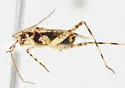
Photo credits: Contributed by Jason Botz
Frequently Asked Questions About Phytocoris chemehuevi
What is Phytocoris chemehuevi?
Phytocoris chemehuevi is a species in the family Miridae, within the order Hemiptera.
How big is Phytocoris chemehuevi?
male: 4.65 mm (female unknown)
How do you identify Phytocoris chemehuevi?
Similar to carnosulus but distinguished by the smaller size; lower margin of antennal fossa at level of ventral margin of eye; hind legs with long erect setae; and by the structure of the male genitalia, especially the narrow cylindrical tubercle above base of the left paramere.
Where is Phytocoris chemehuevi found?
Range: CA