
Family Geometrid Moths (Geometridae)
Geometridae is a family in the order Lepidoptera. Browse 1,358 named species recorded in this family, or open an individual profile for its available identification and natural-history information.
Species in Geometridae (1,358)
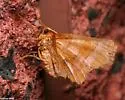
Kent's Geometer - Hodges#6818
Selenia kentaria
Identification: adults mimic wilted leaves and hold wings over head at rest, while the larvae resemble twigs
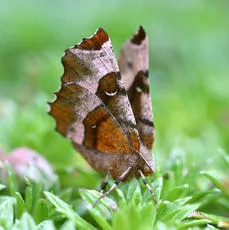
Purple Thorn
Selenia tetralunaria
Wingspan 30-38 mm. The silvery crescent on purplish brown forewing is larger than on Lunar Thorn and it has a dark central spot towards outer edge of hindwing upperside. The late summer moths are paler. Occupying woodland, heathland and other bushy a
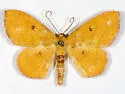
Semaeopus ella - Hodges#7141
Semaeopus ella
Identification: Highly variable. See plates at Moths of Southeastern Arizona
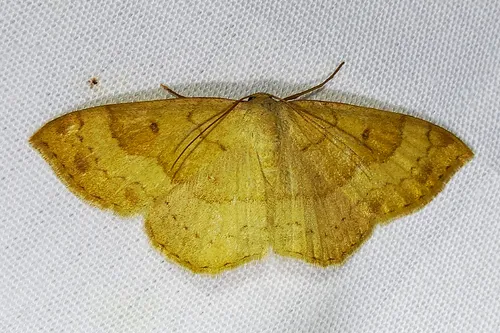
Semaeopus gracilata - Hodges#7142
Semaeopus gracilata
Semaeopus gracilata - Hodges#7142 (Semaeopus gracilata) is a species in the family Geometridae, commonly known as geometrid moths, belonging to the order Lepidoptera (Butterflies and Moths). It is classified within the subfamily Sterrhinae, tribe Cos
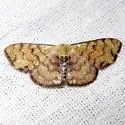
Semaeopus marginata - Hodges#7145
Semaeopus marginata
Identification: Similar to Semaeopus ella , but generally plainer yellow, more mottled, and with a collapsed forewing discal spot. Females have a distinct dark wing margin.
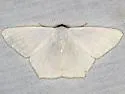
Sericoptera virginaria - Hodges#6994
Sericoptera virginaria
Identification: The original description as Ripula virginaria Hulst and a later description as Sericoptera insularis Warren are both available online in the print references below.
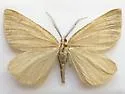
Sericosema immaculata - Hodges#6673
Sericosema immaculata
Identification: Barnes & McDunnough original description as Euemera immaculata is available online in the print references. Specimen identified by DNA analysis (BOLD).
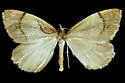
Sericosema wilsonensis - Hodges#6674
Sericosema wilsonensis
Identification: Cassino & Swett original description is online in the print references. Specimen determined by DNA analysis (BOLD).
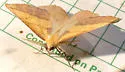
Sicya crocearia - Hodges#6911
Sicya crocearia
Identification: Specimen identified by DNA analysis:
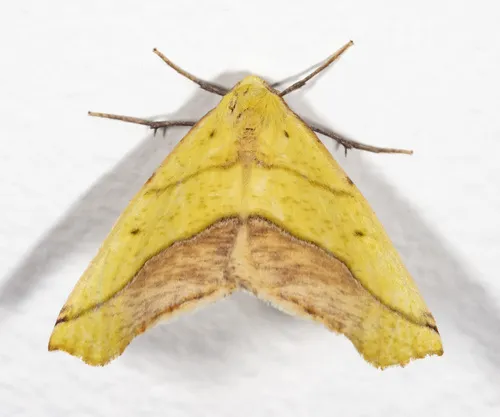
Sharp-lined Yellow - Hodges#6912
Sicya macularia
Identification: Adult: forewing yellow with distinctive broad pinkish border, although the intensity of the pink margin varies considerably; female slightly larger than male, with coarser dark speckling; hindwing with similar pattern but paler colors
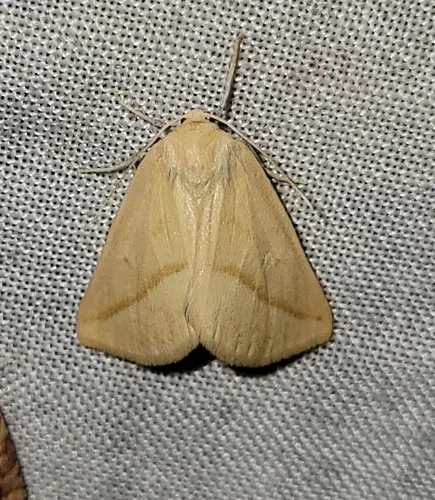
Sicyopsis blanchardata - Hodges#6916.1
Sicyopsis blanchardata
Identification: Ferguson states this moth seems to have no close relatives Head: Pale, tawny-yellow. Eyes large, slightly smaller on female. Antenna: Simple, slightly thicker on male. Thorax: Pale tawny-yellow, long hairs (scales). Wings: Pale tawny-
Slossonia rubrotincta - Hodges#6816
Slossonia rubrotincta
Identification: Hulst original description is online in the print references. Powell & Opler reported the adults always rest butterfly-style, with wings held high.
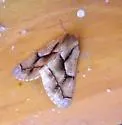
Snowia montanaria - Hodges#6875
Snowia montanaria
Identification: Distinctive bold dark AM and PM lines.
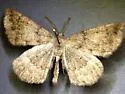
Somatolophia haydenata - Hodges#6947
Somatolophia haydenata
Identification: "Head, thorax, and abdomen similar to those of pallescens ; antennae with from 49 to 51 segments, terminal 12 to 14 simple, longest pectinations 1.5 to 1.6mm. in length" . Genitalia:
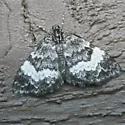
White-banded Carpet - Hodges#7313
Spargania luctuata
Identification: Adult - sexually dimorphic. Larva - pale green or brown with dark cross-shaped markings.
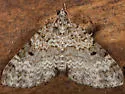
Double-banded Carpet - Hodges#7312
Spargania magnoliata
Identification: forewing gray with white AM and PM bands, and up to 10 scalloped dark gray lines variably shaded with black; discal spot large, black hindwing dirty white shaded with gray, usually with slight pink tint; terminal line black; finge whi
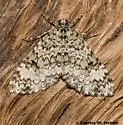
Spargania viredescens - Hodges#7309
Spargania viridescens
Identification: The original description as Hydriomena viridescens Grossbeck is available online in the print references below. Determined by Noel McFarland.
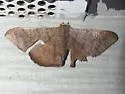
Sphacelodes vulneraria - Hodges#6800
Sphacelodes vulneraria
Identification: Dusky brown upperwings with a small obtuse yellow or orange triangle along the leading edge. Antenna are the same color as those triangles, contrasting strongly with the dark head and body. A single tiny white fleck near the leading e
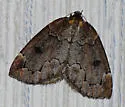
Spodolepis substriataria - Hodges#6799
Spodolepis substriataria
Identification: Adult: forewing light gray with black speckling, often with shades of brown along costa and apex; jagged AM and PM lines resemble a dog's head in profile, with the dark discal spot forming the eye; extent of dark markings, including t
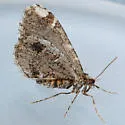
Stamnodes albiapicata - Hodges#7335
Stamnodes albiapicata
Identification: Specimen determined by DNA analysis (BOLD).
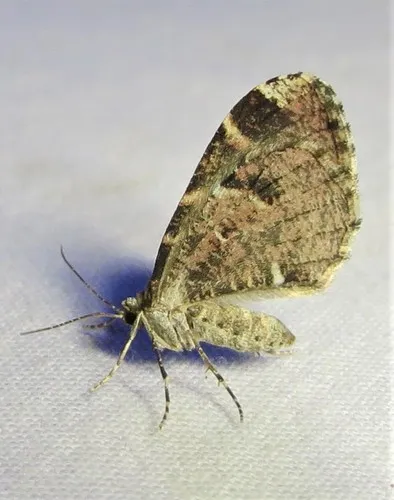
Stamnodes blackmorei - Hodges#7334
Stamnodes blackmorei
Identification: Swett original description is online.
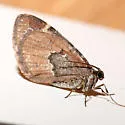
Stamnodes coenonymphata - Hodges#7341
Stamnodes coenonymphata
Identification: Tanner Matson is working on a North American revision of Stamnodes as part of his PhD dissertation; Glenn Fine's specimen "is a less common form of Stamnodes coenonymphata. This species is extremely variable in color but underside pat
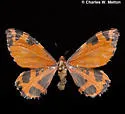
Stamnodes deceptiva - Hodges#7355
Stamnodes deceptiva
Identification: Very closely similar to S. fervefactaria , but usually found at lower elevations and apparently not ranging so far northward nor eastward. Averaging smaller in size. Light coloring variable in hue, but most commonly prevalently oran
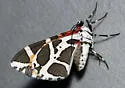
Stamnodes fergusoni - Hodges#7355.1
Stamnodes fergusoni
Identification: Adults can be immediately separated from most Stamnodes by its orange ground color and pattern of lead-gray patches across the forewing and hindwing. North of Mexico, Stamnodes fergusoni may only be confused with Stamnodes deceptiva o
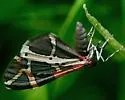
Stamnodes fervefactaria - Hodges#7354
Stamnodes fervefactaria
Identification: Very closely similar to S. deceptiva , but usually found at higher elevations and apparently ranging farther northward. Averaging larger in size. Light coloring variable in hue, often orange above and distinctly pinkish below, or may
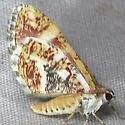
Stamnodes formosata - Hodges#7347
Stamnodes formosata
Stamnodes formosata - Hodges#7347 (Stamnodes formosata) is a species in the family Geometridae, commonly known as geometrid moths, belonging to the order Lepidoptera (Butterflies and Moths). It is classified within the subfamily Larentiinae, tribe St
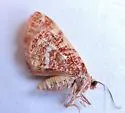
Stamnodes franckata - Hodges#7350
Stamnodes franckata
Identification: See original description in the print references below.
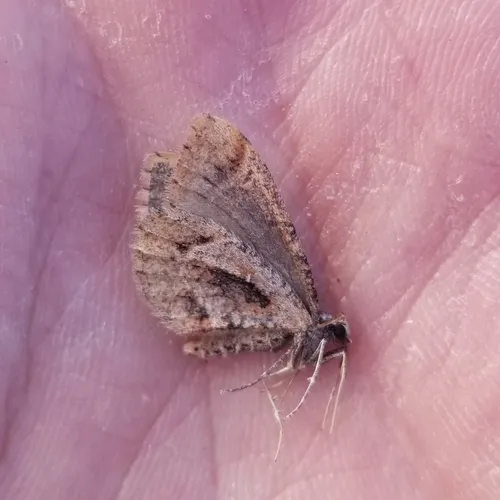
Stamnodes reckseckeri - Hodges#7336
Stamnodes reckseckeri
Stamnodes reckseckeri - Hodges#7336 (Stamnodes reckseckeri) is a species in the family Geometridae, commonly known as geometrid moths, belonging to the order Lepidoptera (Butterflies and Moths). It is classified within the subfamily Larentiinae, trib
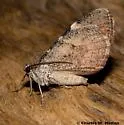
Stamnodes seiferti - Hodges#7353
Stamnodes seiferti
Identification: Upper side and lower front wing dull yellowish orange to orange; front wing crossed part way by bold dark diagonal bar, and above with dark apex often extending narrowly downward along outer margin. Lower hind wing finely mottled or s
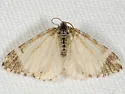
Stamnodes topazata - Hodges#7349
Stamnodes topazata
Identification: Adult: forewing variably pale cream to dark yellow, with contrasting dark gray band across apex; hindwing similarly colored but without the dark apical band
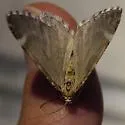
Stamnodes watsoni - Hodges#7365
Stamnodes watsoni
Identification: Distinction from S. marmorata (from further west) is weak.
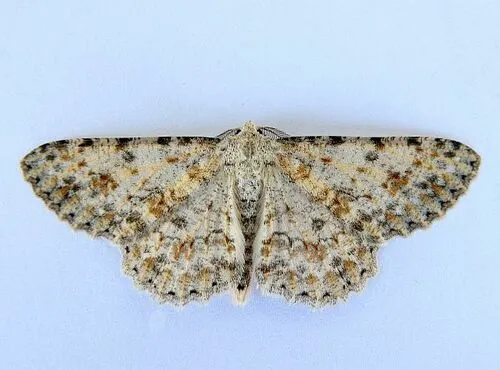
Stenoporpia dionaria - Hodges#6458
Stenoporpia dionaria
Identification: The Rindge revised description is available online in PDF. Specimens identified by DNA analysis (BOLD).
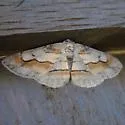
Stenoporpia macdunnoughi - Hodges#6470
Stenoporpia macdunnoughi
Identification: The Rindge revised description in PDF. The pale wings have bold discal spot and wide reddish brown bands along the transverse lines.
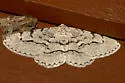
Stenoporpia pulmonaria - Hodges#6463
Stenoporpia pulmonaria
Identification: Specimens identified by DNA analysis:
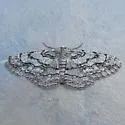
Stenoporpia separataria - Hodges#6473
Stenoporpia separataria
Identification: Detailed description by Rindge can be found at the link in citations below.
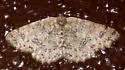
Stergamataea delicatum - Hodges#6710
Stergamataea delicatum
Identification: Head, thorax, abdomen and ground color of wings dark flesh color with a brownish cast, the wings sprinkled over with dark scales, especially in the outer areas. See original description listed below for a complicated description of b
Stergamataea inornata - Hodges#6709
Stergamataea inornata
Identification: Original description by Hulst can be found at link in citations below.
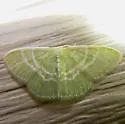
Aberrant aerata-frondaria
Synchlora aerata-frondaria
Identification: The specimen was sent to Miss. Entomol. Museum where the genitalia were examined and from where Richard Brown reports: "Although the lines are thick and unlike Synchlora, the genitalia are a match for Synchlora frondaria/S. aerata (Fe
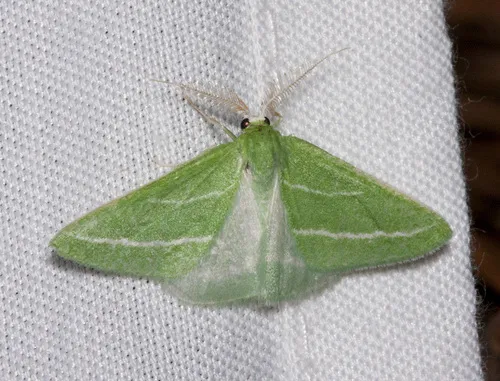
Oblique-striped Emerald - Hodges#7065
Synchlora bistriaria
Identification: Adult: forewing bright green with two almost straight and almost parallel white lines crossing wing at slight angle; hindwing white at base, green only beyond white PM line, more so toward anal angle. As in some other Synchlora specie
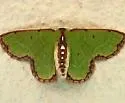
Synchlora cupedinaria - Hodges#7064
Synchlora cupedinaria
Identification: Distinctive brown border along the outer margin.
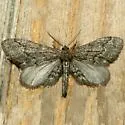
Synglochis perumbraria - Hodges#6519
Synglochis perumbraria
Identification: The head has a unique tubercle visible with a microscope in both genders: Genitalia: ♀ ♂
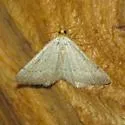
Taeniogramma mendicata - Hodges# 6424
Taeniogramma mendicata
Identification: Adapted from Entomologica Americana original description: Head and collar ochreous. Thorax in front narrowly reddish ochreous, otherwise thorax, abdomen and wings soiled white; forewings heavily powdered, outwardly some striated with
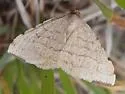
Taeniogramma octolineata - Hodges#6423
Taeniogramma octolineata
Identification: The forewing has four regularly spaced nearly parallel transverse lines. The fringe on the outer half has a dark patch. Moths of southeastern Arizona pinned specimen has a label with the spelling "octolieata".
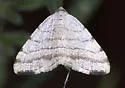
Taeniogramma quadrilinea - Hodges#6359
Taeniogramma quadrilinea
This species is very rare, known in Arizona from only three specimens. (Moths of Southeastern Arizona)
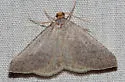
Taeniogramma tenebrosata - Hodges#6425
Taeniogramma tenebrosata
Identification: Ferguson has a detailed description.
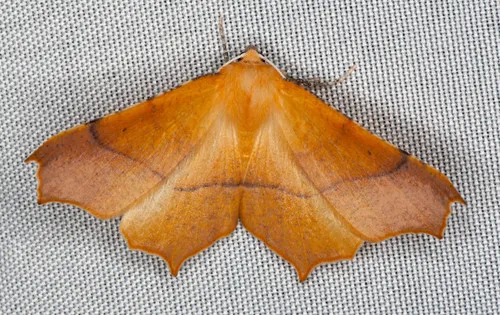
Tetracis australis - Hodges#6956.1
Tetracis australis
Currently (2022) the BOLD ( 4 ) specimens in this genus seem to be split, mixed up or duplicated with Synaxis and Tetracis . (see here and here ) It isn't clear why they are using both genera. See also - Specimens of Synaxis brunneilinearia (old nam
Tetracis barnesii - Hodges#6959
Tetracis barnesii
Identification: Sinuous postmedial line is smeared basally at the costal margin and is bordered along the length outwardly by a thin pale yellow-ochre line.
Tetracis cervinaria - Hodges#6956
Tetracis cervinaria
Identification: Specimens identified by DNA analysis:
Tetracis formosa - Hodges#6958
Tetracis formosa
It is possible that the California arid region populations represent a sibling species of T. formosa
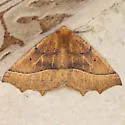
Tetracis hirsutaria - Hodges#6960
Tetracis hirsutaria
Identification: Ferris & Schmidt description available online in PDF. Sexually dimorphic.
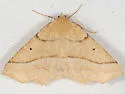
October Thorn - Hodges#6954
Tetracis jubararia
Identification: Adult - Base color generally tan and dark brown-tan (males) and orange-tan (females). FW apex falcate. AM and PM lines brown; PM line narrow, sinuate, sometimes with very narrowpale outer edge, bending basad at vein M3; MB colored as
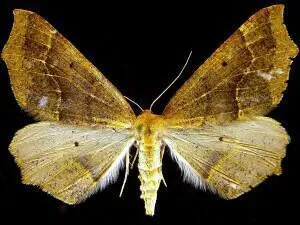
Tetracis montanaria - Hodges#6954.1
Tetracis montanaria
Identification: "Base color generally ochreous orange-brown. Forewing apex weakly falcate. AM and PM lines brown; PM line narrow, flattened “S-shape”, with very narrow pale outer edge, bending sharply basad at vein M3; median band slightly darker the
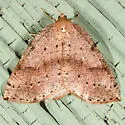
Thallophaga hyperborea - Hodges#6809
Thallophaga hyperborea
Identification: Adult: forewing light brown with dark speckling, pale veins, and diffuse dark median line which is slightly wavy and reaches costa; apex pointed but outer margin not obviously falcate; AM and PM lines with conspicuous black dots at ve
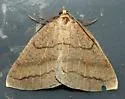
Thallophaga nigroseriata - Hodges#6810
Thallophaga nigroseriata
Identification: Specimen identified by DNA analysis (BOLD).
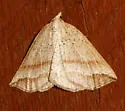
Thallophaga taylorata - Hodges#6808
Thallophaga taylorata
Identification: Adult: forewing light to medium brown or grayish-brown with dark speckling, pale veins, straight dark median line that fades before reaching costa, and pointed apex with slightly falcate outer margin; PM line with black dots at veins;
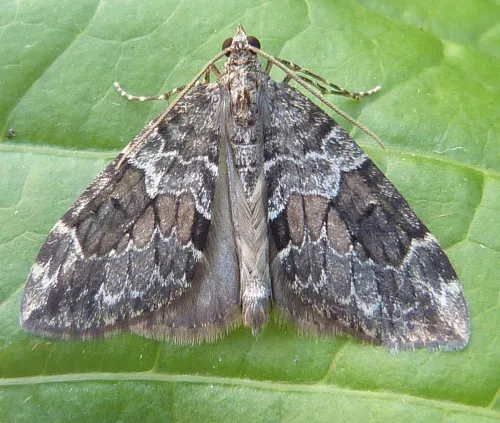
Spruce Carpet
Thera britannica
Wingspan 18-25 mm. Triangular in shape, though sometimes seen with wings raised together 'butterfly like'. Colouring is a mixture of greys, browns and buffs. Spruce Carpet is similar to the Pine Carpet and Grey Pine Carpet. Grey Pine Carpet and Spruc
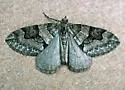
Contracted Spanworm - Hodges#7218
Thera contractata
Identification: Adult: forewing ground color white, densely speckled with brownish-gray; basal line black, wavy; AM and PM lines enclose darker median area which is wide at costa but narrow and constricted at inner margin; subterminal line white, zig
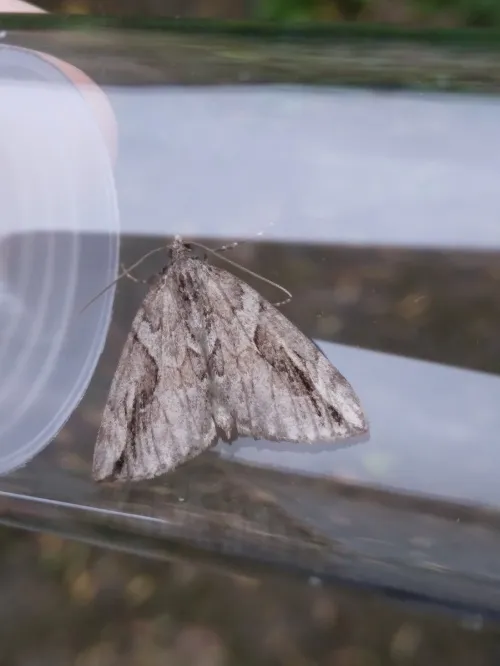
Cypress Carpet
Thera cupressata
Wingspan 26 to 29 mm. Similar to Juniper Carpet but with a series of dark streaks near the apex of the forewing. Unless identified by a recognised expert, a photo is required. If the photo doesn't show the key ID features then in the comments box des
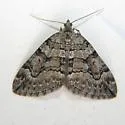
Thera latens - Hodges#7220
Thera latens
Identification: Barnes & McDunnough (1917) original description is available in the print references.
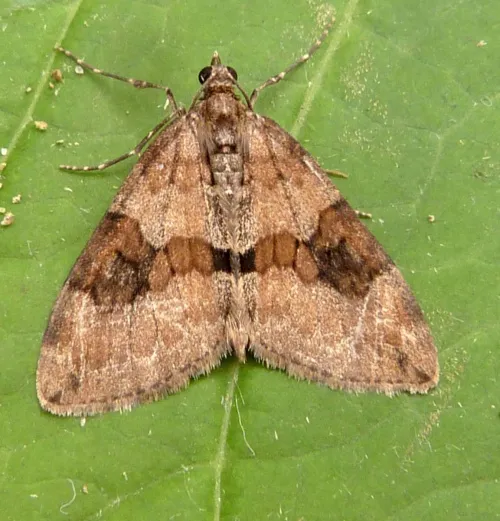
Grey Pine Carpet
Thera obeliscata
Wingspan 28-36 mm. This species shows rather more variation than the similar Pine Carpet as its patterning can be any of a mixture of colours from greyish brown to a richer russet colour. Grey Pine Carpet is similar to the Pine Carpet and Spruce Carp
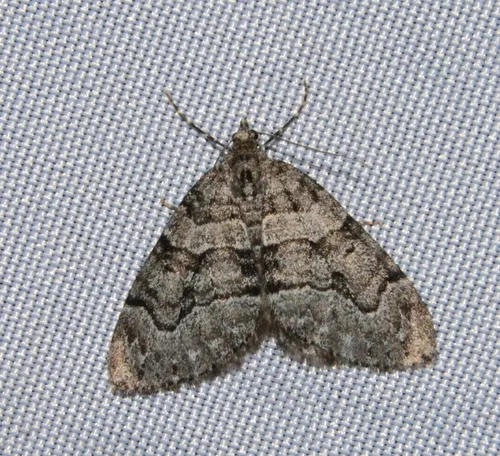
Thera otisi - Hodges#7219
Thera otisi
Identification: Dyar (1904) original description as Mesoleuca simulata otisi is available in the print references. Larva have yellowish green head, body is green with yellowish subdorsal stripe. Spiracular stripe is red and white, with the red on top
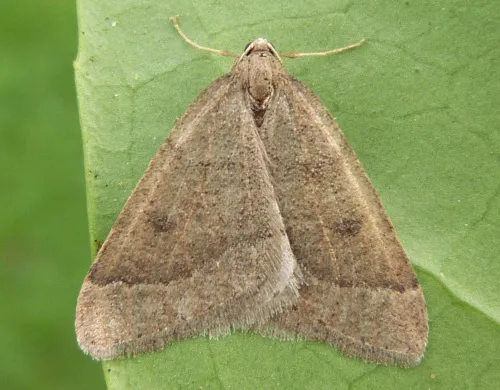
Early Moth
Theria primaria
Wingspan 32-37 mm. Like many other winter species, the females are almost wingless. The male is a brown moth usually with a darker spot on each wing. This aptly-named species is to be found on the wing in January and February. It feeds on Hawthorn an
Thyrinteina arnobia - Hodges#6772
Thyrinteina arnobia
Identification: The species has a normal and melanic form, south of the United States. Research has concluded the Brazil population of Thyrinteina arnobia covers its eggs with compounds that are toxic to the parasitoid wasp Trichogramma maxacalii . T
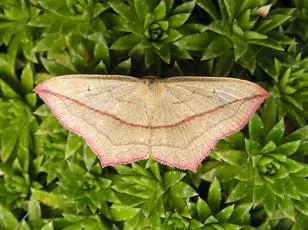
Blood-vein
Timandra comae
The adult rests with the wings held in such a position that the reddish cross-lines of the fore and hind wings form a continuous band. The fringes are also suffused with pink. There is a rare melanic form f.nigra . Marshes, river-banks, damp meadows
Tornos abjectarius - Hodges#6487
Tornos abjectarius
Identification: Genitalia: ♀ ♂ 8/7/2023 - Ann Hendrickson/(JoAnne Russo) It is my opinion that PHOTOGRAPH identification for this species is only accurate for FEMALES (that are fresh with bright white ground color. Age affects the coloration, the old
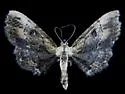
Tornos benjamini - Hodges#6483
Tornos benjamini
Identification: Adult - see Rindge's description in Print References below. Genitalia: ♀ ♂
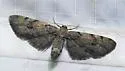
Tornos cinctarius - Hodges#6485
Tornos cinctarius
Identification: Both sexes are non-dimorphic, ground color is dark brown with prominent, dark brown to black AM and PM lines. Genitlaia: ♀ ventral, ostium sclerotized plate extends laterally with a pair of outward pointing projections on the posterio
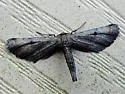
Dimorphic Gray - Hodges#6486
Tornos scolopacinaria
Identification: Genitalia: ♀ ♂ 8/7/2023 Ann Hendrickson: It is my opinion that PHOTOGRAPH identification for this species is only accurate for FEMALES. JR(females that are fresh and have very bright white ground colors can be accurately IDed as scolo
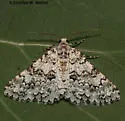
Tracheops bolteri - Hodges#6615
Tracheops bolteri
Identification: Specimens identified by DNA analysis:
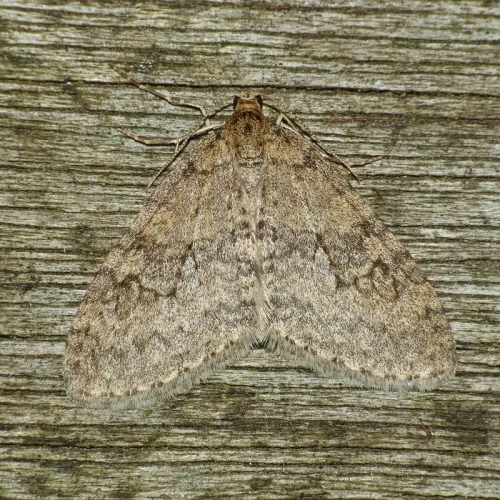
Early Tooth-striped
Trichopteryx carpinata
Wingspan 30 to 34 mm. Typically the moth has ill-defined markings, but the northern fasciata form has more contrasting cross-bands. Woodland habitats and well wooded areas. Flies in April and May in a single generation. The larvae feed on various tre
Trichopteryx veritata - Hodges#7636
Trichopteryx veritata
Identification: Specimen determined by DNA analysis (BOLD).
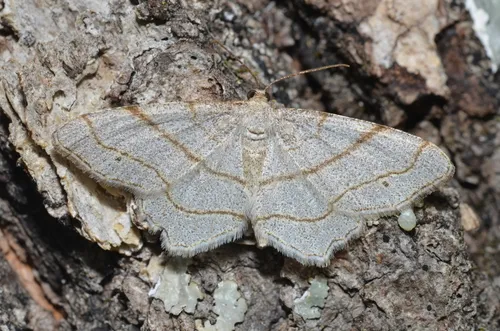
Four-spotted Angle - Hodges#6360
Trigrammia quadrinotaria
Identification: Adult: wings white or very pale brown with brown speckling; lines dark brown, sometimes conspicuously edged with yellow; forewing AM line slightly wavy, sometimes faint; median line straight, heavy; PM line slightly S-curved; dark bro
Triphosa bipectinata - Hodges#7288
Triphosa bipectinata
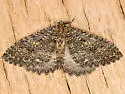
Identification: Barnes & McDunnough (1917) original description is presented below and online at the link in the print references. "Palpi upturned to about level of front; antennae bipectinate; thorax and primaries light shiny gray-brown, the latter
Triphosa californiata - Hodges#7287
Triphosa californiata
Identification: Specimens identified by DNA analysis:
The Tissue
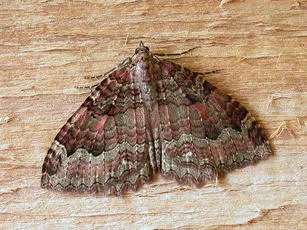
Triphosa dubitata
Wingspan 38 to 48 mm. This moth has a slightly glossy appearance to the upperside, and often has a purplish tinge. The preferred habitats are woodland, heathland, chalk and limestone areas, and open bushy places. The adults fly in August and Septembe
Tissue Moth - Hodges#7285
Triphosa haesitata
Identification: FW is variable red brown with darker and lighter wavy bands. HW margin is strongly toothed. Specimens identified by DNA analysis: Some individuals have extensive dark markings. (variations) Genitalia:
Welsh Wave - Hodges#7425
Venusia cambrica
Identification: Adult: forewing white with several lines and dark brown bands crossing wing; terminal line composed of several black triangular spots at ends of veins (a distinguishing feature); median line black, irregular, but lacking prominent not
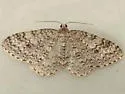
Pearsall's Carpet Moth - Hodges#7429
Venusia pearsalli
Identification: This species is represented at BOLD by either BOLD:AAB1356 or BOLD:AAB5482 , two BINs in Venusia narrowly separated by mtDNA barcode. (As of 2023, specimens in the latter are misidentified as obsoleta .) Until examination of type spec
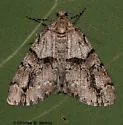
Vinemina opacaria - Hodges#6635
Vinemina opacaria
Vinemina opacaria - Hodges#6635 (Vinemina opacaria) is a species in the family Geometridae, commonly known as geometrid moths, belonging to the order Lepidoptera (Butterflies and Moths). It is classified within the subfamily Ennominae, tribe Melanolo
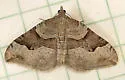
Xanthorhoe alticolata - Hodges#7385
Xanthorhoe alticolata
Identification: Specimens identified by DNA analysis:
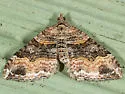
Xanthorhoe defensaria - Hodges#7386
Xanthorhoe defensaria
Identification: Specimens identified by DNA analysis (BOLD).
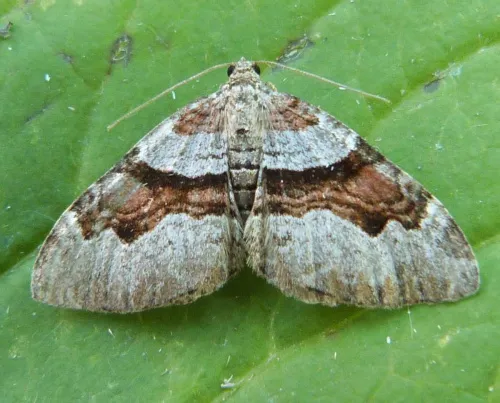
Flame Carpet
Xanthorhoe designata
Wingspan 25-28 mm. The only likely confusion is with the Red Carpet which has a sinuous outer edge to the central cross-band; in Flame Carpet the outer edge of the central cross-band is dentate with two distinct projections. There are two generations
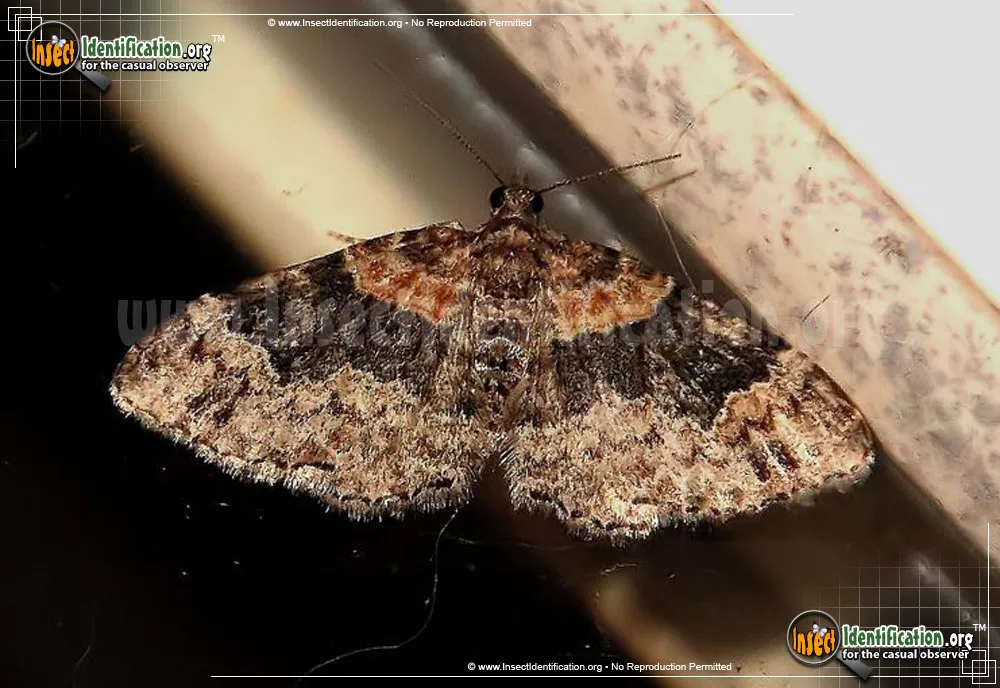
Dark-barred Twin-spot Carpet
Xanthorhoe ferrugata
Wingspan 18 to 22 mm. The character to separate this species from Red Twin-spot Carpet was previously thought to be a notch on the inner edge of the median fascia close to the costa, but this is no longer considered completely reliable although it is
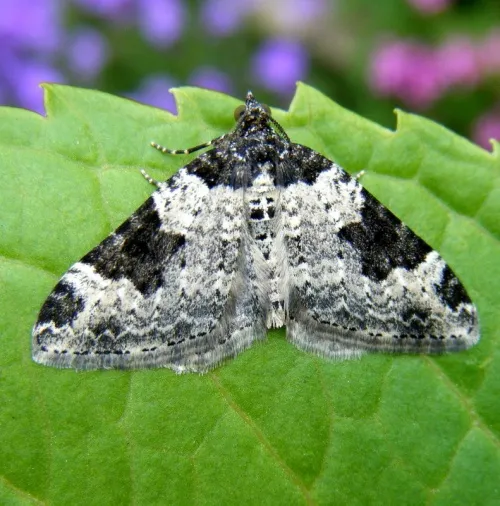
Garden Carpet
Xanthorhoe fluctuata
Wingspan 18-25 mm. A grey or greyish white moth. Central cross band on forewing blackish in leading half usually pale in trailing half. This moth shows a preference for suburban habitats, but can be found almost anywhere It is continuously-brooded du
Xanthorhoe fossaria - Hodges#7380
Xanthorhoe fossaria
Identification: Specimens identified by DNA analysis:
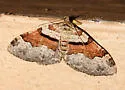
Labrador Carpet Moth - Hodges#7368
Xanthorhoe labradorensis
Identification: Adult : A flimsy moth with a small body and broad wings. FW light grey, slightly mottled. Basal area is red brown, with prominent black AM. Median area, between AM and PM, is rust-red, with a small red-brown patch on the costa, before
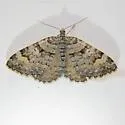
Xanthorhoe macdunnoughi - Hodges#7372
Xanthorhoe macdunnoughi
Identification: Dissection or DNA analysis often needed to distinguish.
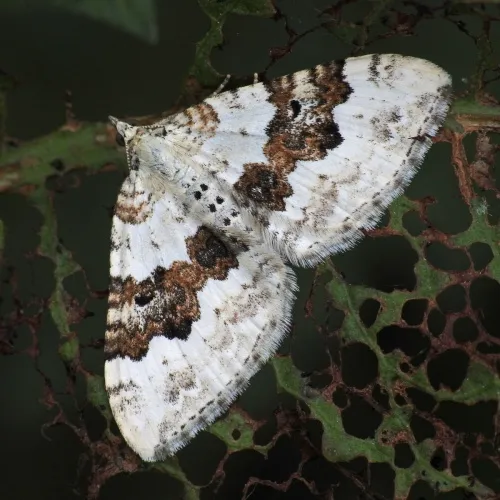
Silver-ground Carpet
Xanthorhoe montanata
Wingspan 24-28 mm. Displaying a wide range of differing depths of colour, although all forms have the distinctive whitish ground colour. In woodlands, clearings and similar habitats. The adults fly from May into July and it can often be disturbed dur
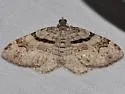
Xanthorhoe packardata - Hodges#7369
Xanthorhoe packardata
Identification: Adult : A flimsy moth with a small body and broad wings. FW light grey, slightly mottled. Basal area is red brown, with prominent black AM. Median area, between AM and PM, is rust-red, with a small red-brown and black patch on the cos
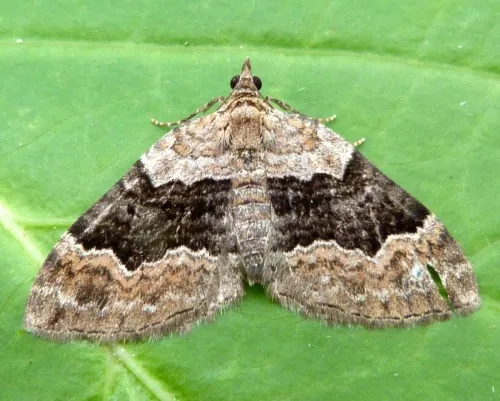
Large Twin-spot Carpet
Xanthorhoe quadrifasiata
Wingspan 29-32 mm. The outer edge of the dark central cross-band is slightly crenulate throughout its length in the Large Twin-spot. Inhabiting woodland habitats and rough grassland in well wooded areas. A single-brooded species, the adult flies in J
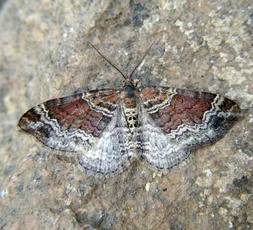
Red Twin-spot Carpet
Xanthorhoe spadicearia
Wingspan 24-27 mm. Similar to Dark-barred Twin-spot Carpet, but more common in VC55. The presence or absence of a notch on the inner edge of the median fascia close to the costa is no longer considered a reliable character to separate the two species
Rufous Geometer Moth - Hodges#6742
Xanthotype rufaria
Identification: The original description is available online in the print references below. The Rindge revised description, including detailed description of genitalia, is available in PDF.
Xerochlora viridipallens - Hodges#7078
Xerochlora viridipallens
Identification: Description can be found in MONA Fascicle 18-1 at link in citations below.
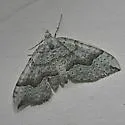
Zenophleps alpinata - Hodges#7408
Zenophleps alpinata
Identification: Original description by Cassino is linked below.
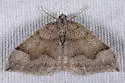
Zenophleps lignicolorata - Hodges#7406
Zenophleps lignicolorata
Identification: Specimens identified by DNA Analysis:
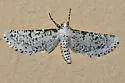
Acanthotoca graefii - Hodges#6920
Acanthotoca graefii
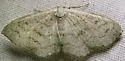
Acratodes suavata - Hodges#7148
Acratodes suavata
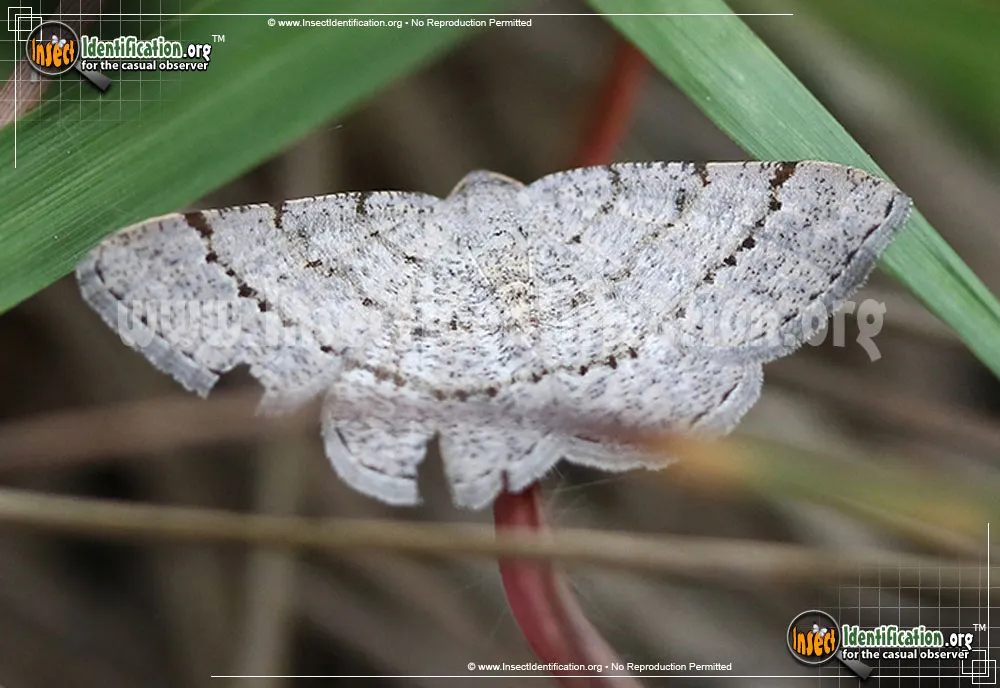
Four-barred-Gray Moth
Aethalura intertexta
Almodes terraria - Hodges#6260
Almodes terraria
Anavitrinella addendaria - Hodges#6592
Anavitrinella addendaria