
Walkingsticks
Order Phasmida
The Walkingsticks (Order Phasmida) includes 45 species across 7 families and 11 genera in our directory.
About Walkingsticks
Phasmida (stick insects and leaf insects) includes ~3,000 described species. The longest insect ever discovered is a stick insect - Phryganistria chinensis Zhao - measuring 64 cm (25.2 inches) found in China in 2016.
Economic Impact
Stick insects are among the most popular pet insects worldwide. The Indian stick insect (Carausius morosus) is widely used in schools and laboratories for biology education and genetic research.
Ecological Role
Many stick insect species can reproduce without mating (parthenogenesis) - entire populations can consist of only females. Their eggs often mimic plant seeds and are dispersed by ants, which carry them to their nests.
Families in Phasmida (7)
Species in Phasmida (45)
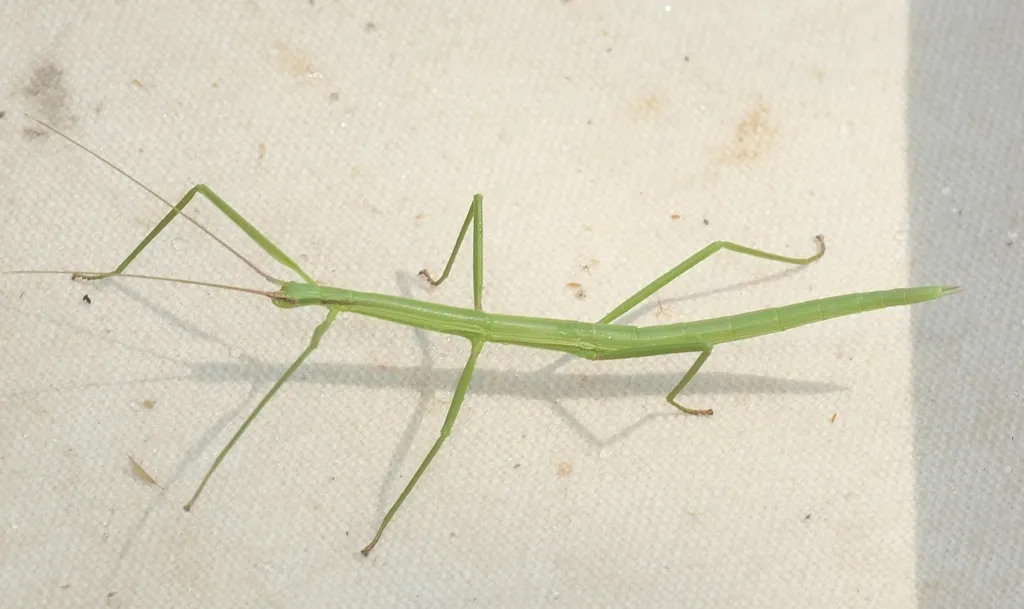
Blatchley Walkingstick
Manomera blatchleyi
Identification: Green and tan color pattern usually distinct in adult females. Long slender head (noticeably longer than wide) and lack of spines under the hind femora will separate this species from Diapheromera spp.
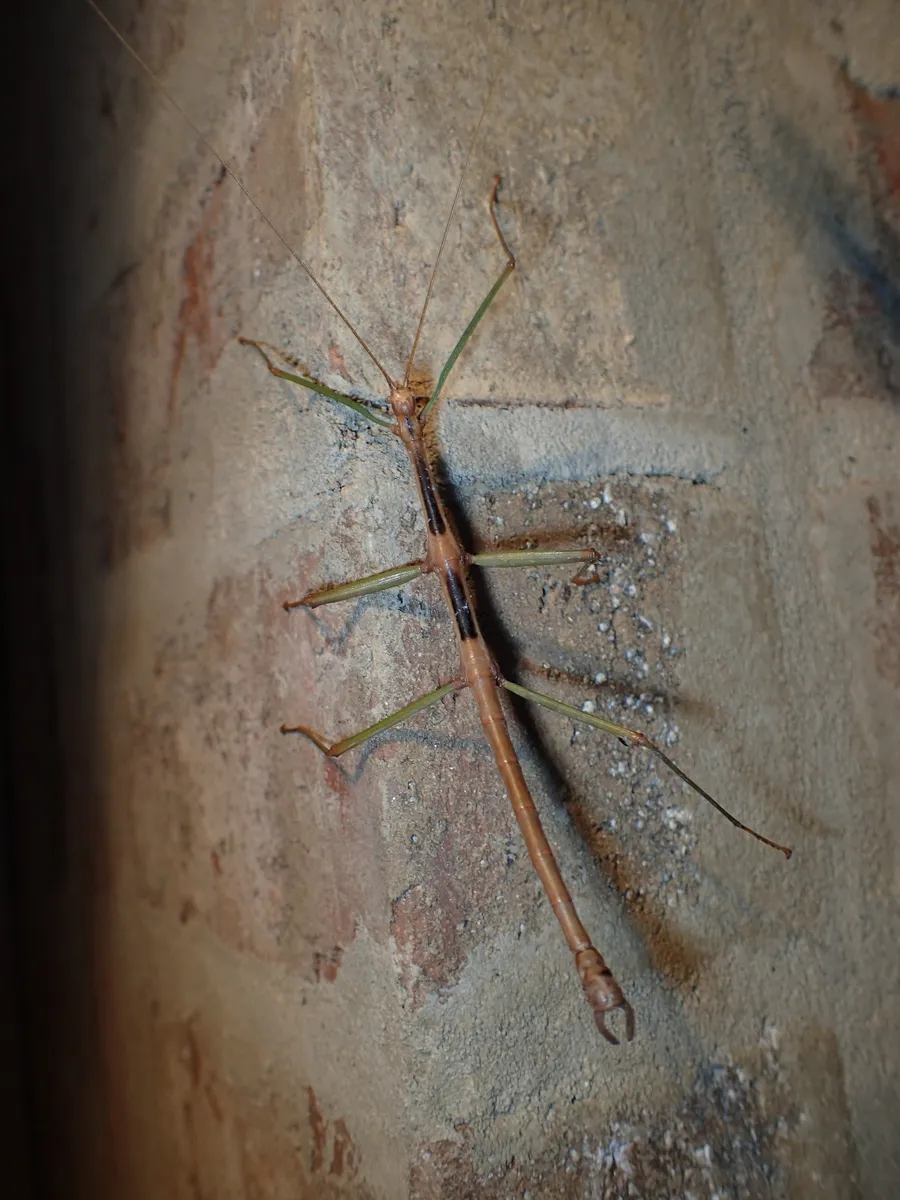
Carolina Walkingstick
Diapheromera carolina
Identification: Described from a male specimen from North Carolina, and a second specimen was reported by Blatchley (in 1920) from Lake Toxaway, North Carolina. As of 2011, one additional male specimen from northern Georgia appears to have been post
Catalina Walkingstick
Pseudosermyle catalinae
Identification: Antennae not over twice as long as front femora. Only known from Santa Catalina Island, California.
Diapheromera arena
Diapheromera arena
Identification: Very similar to D. velii, but apparently never found together. Third antennal segment distinctly swollen and enlarged (especially in males). Larger and broader male poculum than in D. velii. Egg capitulum narrower and more elongated t
Diapheromera persimilis
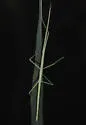
Diapheromera persimilis
Identification: Similar to Diapheromera velii , but more slender with head proportionately longer. Middle femur has a spine on lower side near tip, but equivalent spine on hind femur is often missing (always present in males, and usually females in
Indian Stick Insect
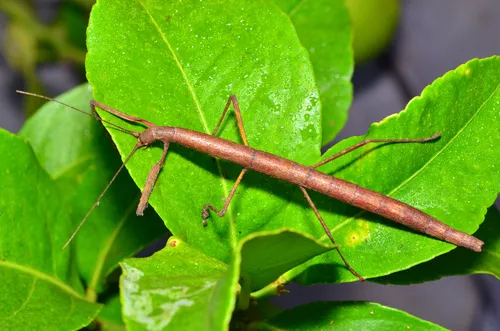
Carausius morosus
Identification: A good diagnostic character is reddish coloration on the inner foreleg femur Nocturnal. Introduced from India with the pet trade, used in classrooms. Accidentally released. Found in some areas of California for the past several years.
Mayer's Walkingstick
Haplopus scabricollis
Identification: Only winged walkingstick in the U.S. Two large spines on head, smaller spines on body. Type locality: Florida, Loggerhead Key
Mexican Walkingstick
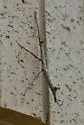
Sermyle mexicana
Identification: Middle femur and fifth abdominal segment conspicuously lobed. Known only from females , it could be parthenogenic. (comment per Paul Lenhart, 2010)
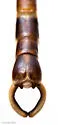
Short-Rumped Walkingstick
Manomera brachypyga
Identification: Nearly identical to M. tenuescens, but note differences in the end of the abdomen of mature males:
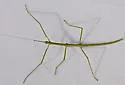
Slender-bodied Walkingstick
Manomera tenuescens
Identification: Nearly identical to M. brachypyga, but note differences in the end of the abdomen of mature males: . The terminal segments in M. brachypyga (left) are proportionately shorter in length than M. tenuescens (right).
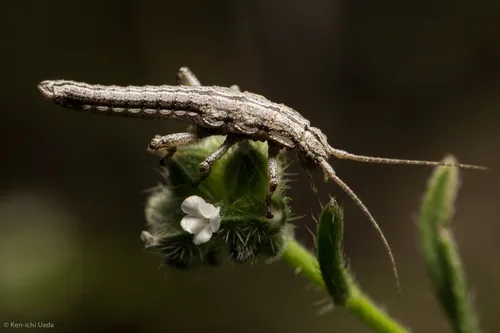
Timema boharti
Timema boharti
Identification: The distinctive male terminalia are illustrated in Fig. 1 here . The female terminalia have the apex of the last (10th) tergite shallowly-notched (or "emarginate"), as emphasized in the keys in both Vickery (1993) and the earlier pap
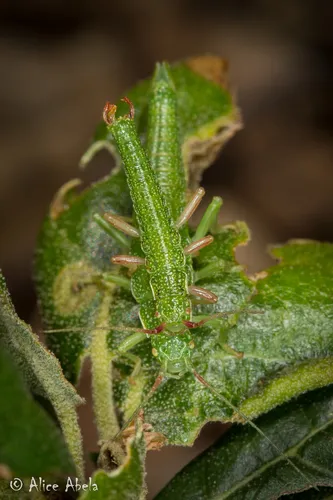
Timema californicum
Timema californicum
Identification: A depiction of the male terminalia appears as Fig. 6 in the plate here .
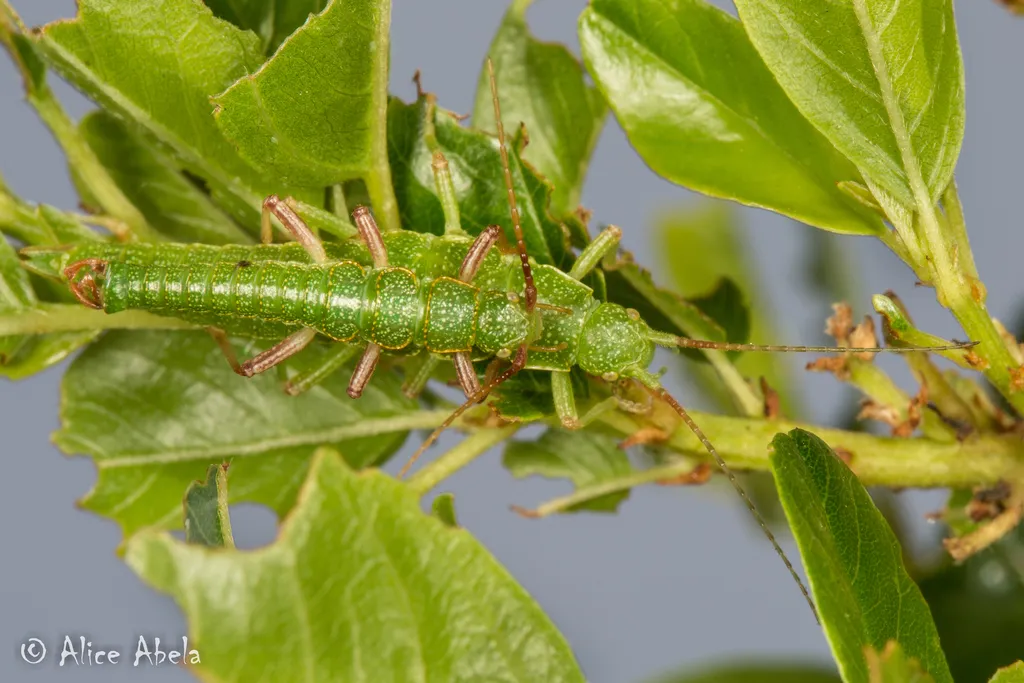
Timema cristinae
Timema cristinae
Identification: This species comes in a number of color morphs, and also striped or unstriped patterns. Male terminalia are similar to that of T. californicum , except the sinistral cercus is abruptly widened near its base in T. cristinae . This is p
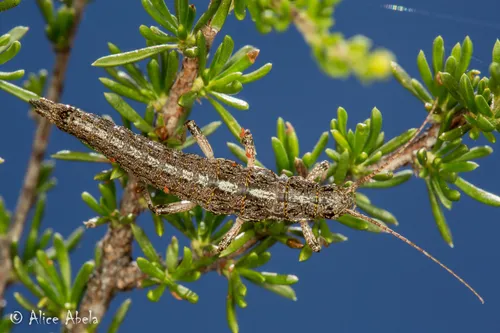
Timema genevievae
Timema genevievae
Identification: Light to dark gray (sometimes nearly blackish ) with a mottled pattern. Terminal (10th) tergite slightly emarginate. Eyes are more "produced" (i.e. bulging outwards) than in most other Timema species. All individuals are female (it's
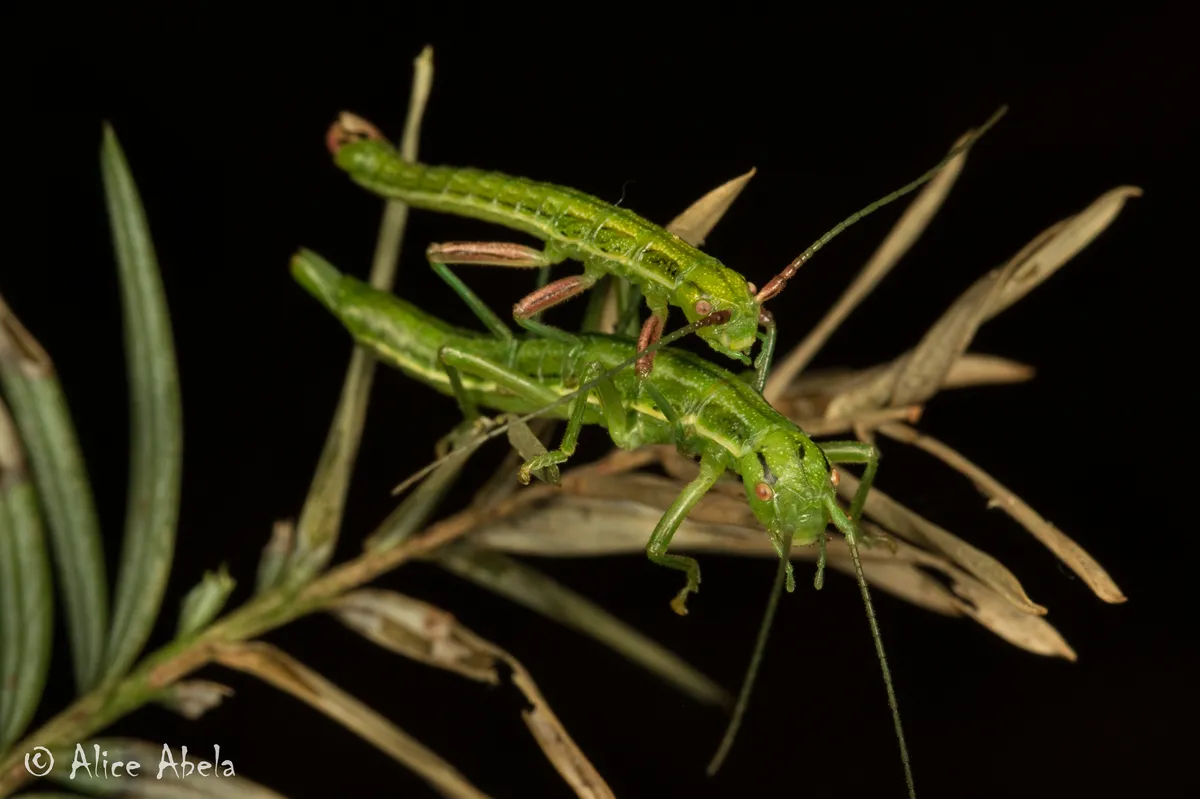
Timema knulli
Timema knulli
Identification: similar in color to the sexual T. poppense and its asexual relative T. douglasi but differs in host plants, size, and male terminalia. T. knulli is restricted to Santa Lucia range in Monterey Co.; T. poppense and T. douglasi are more
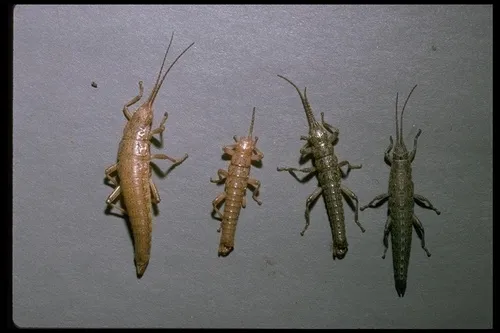
Timema podura
Timema podura
The original description of T. podura , with depictions of the male and female terminalia appear in Strohecker (1936) .
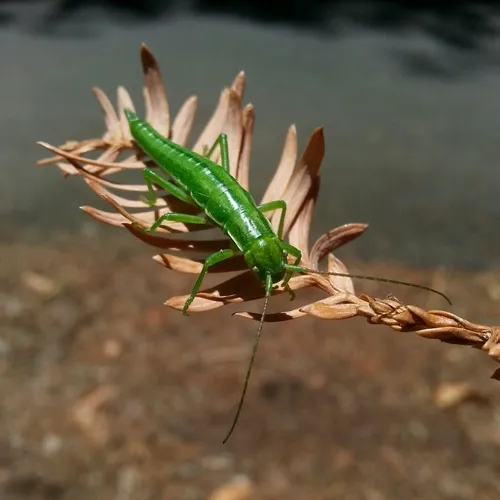
Timema poppense
Timema poppense
Identification: Both males and females are a luminous green with three narrow, darker-green (longitudinal) stripes along the dorsum of the abdomen (one medial, and another on each side). Confident ID should be strongly supported by a good match with
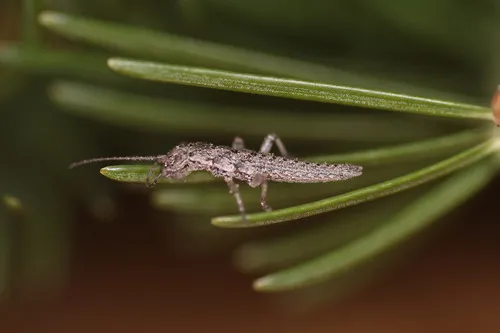
Timema ritense
Timema ritense
Identification: Male with terminalia in dorsal view as in Fig. 2 here from Tinkham(1942) . Strongly mottled with reddish-brown; legs and cerci also mottled; underside pale with reddish-brown mottling as on dorsum but with paired indistinct lateral li
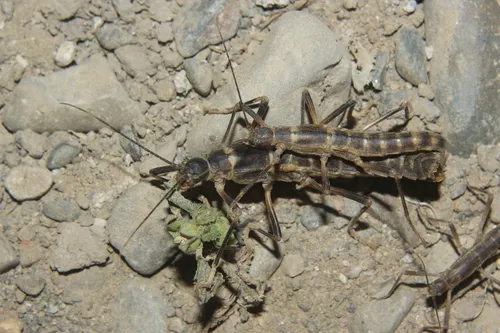
Peruphasma pentlandi
Peruphasma pentlandi
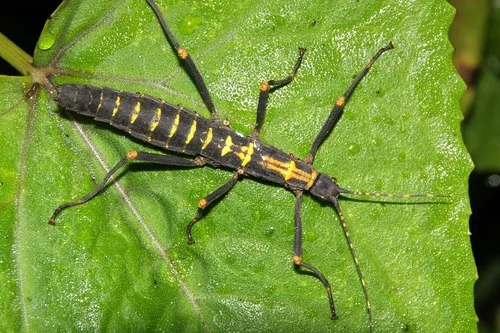
Peruphasma transversatum
Peruphasma transversatum
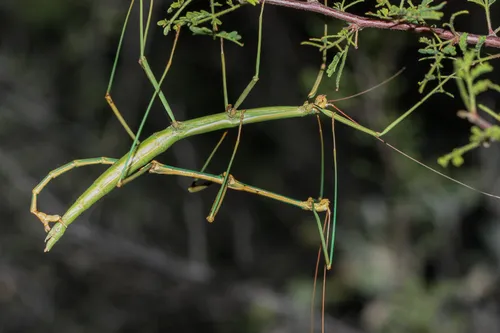
Arizona Walkingstick
Diapheromera arizonensis
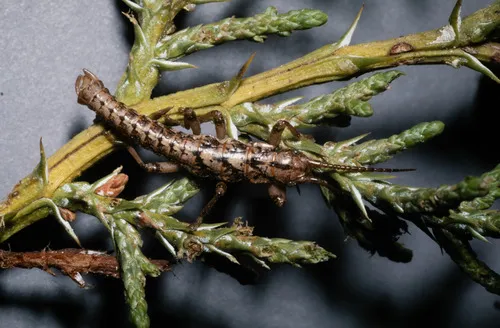
Coffman's Timema
Timema coffmani
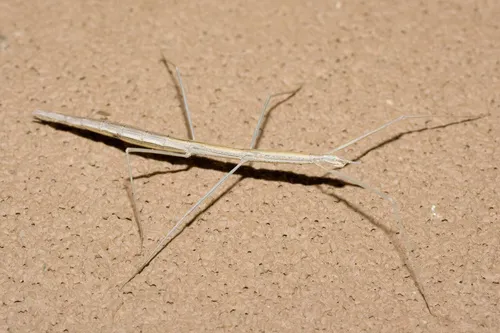
Colorado Short-horn walkingstick
Parabacillus coloradus
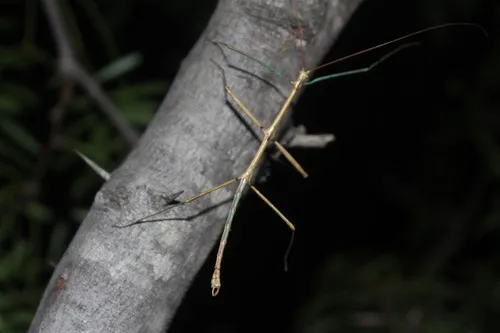
Creosote Bush Walkingstick
Diapheromera covilleae
Diapheromera torquata
Diapheromera torquata
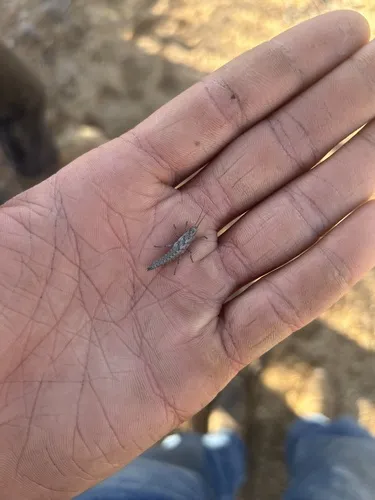
Dorothy's Timema
Timema dorotheae
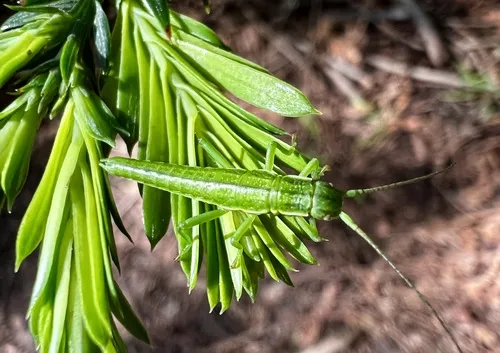
Douglas's Timema
Timema douglasi
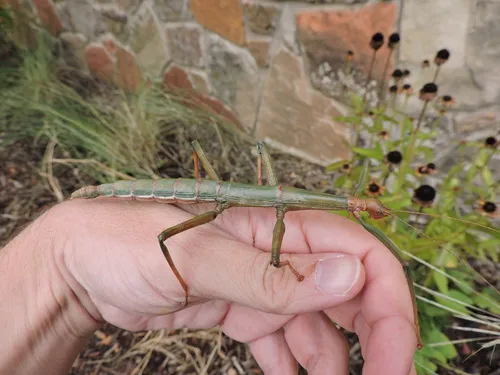
Giant Walkingstick
Megaphasma denticrus
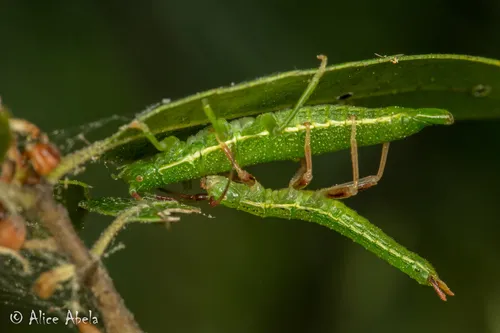
Landels-Hill Timema
Timema landelsense
Napika Timema
Timema nakipa
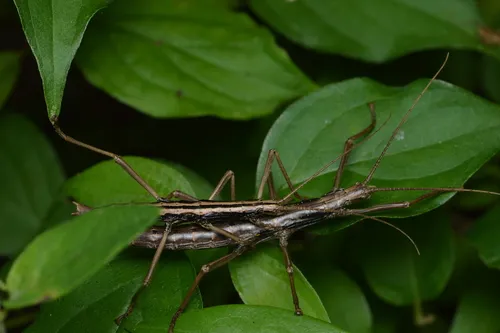
Northern Two-striped Walkingstick
Anisomorpha ferruginea
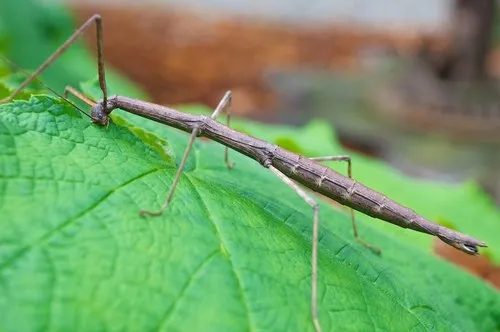
Northern Walkingstick
Diapheromera femorata
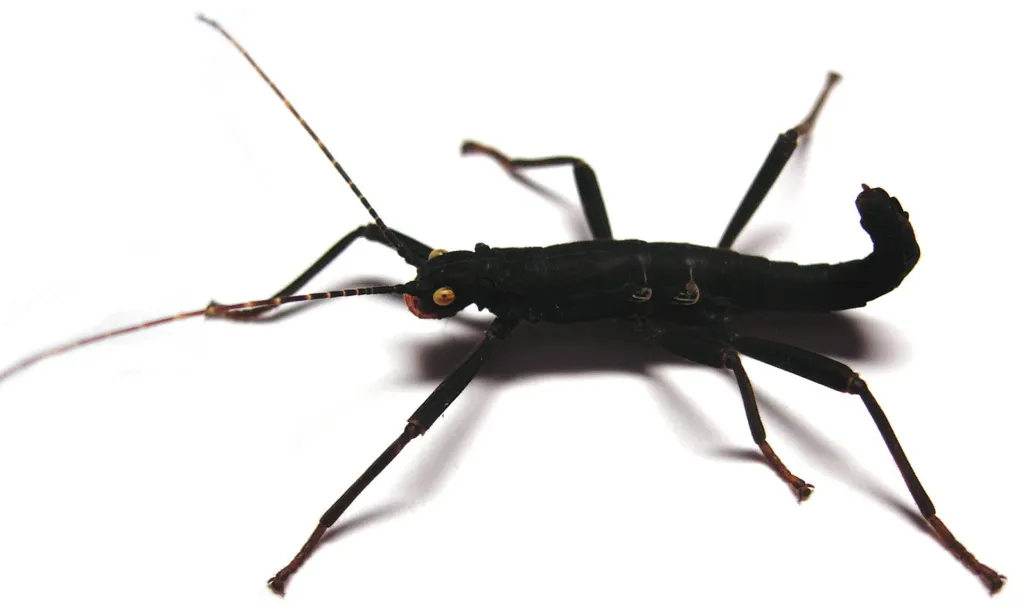
Peruphasma schultei
Peruphasma schultei
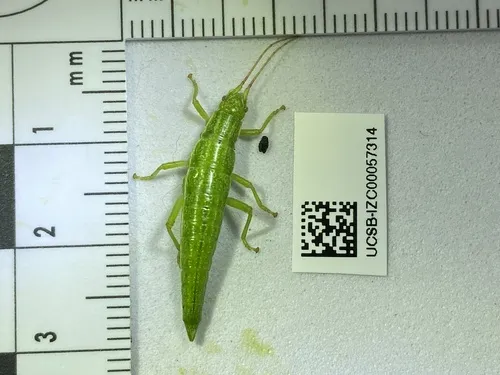
Petite Timema
Timema petita
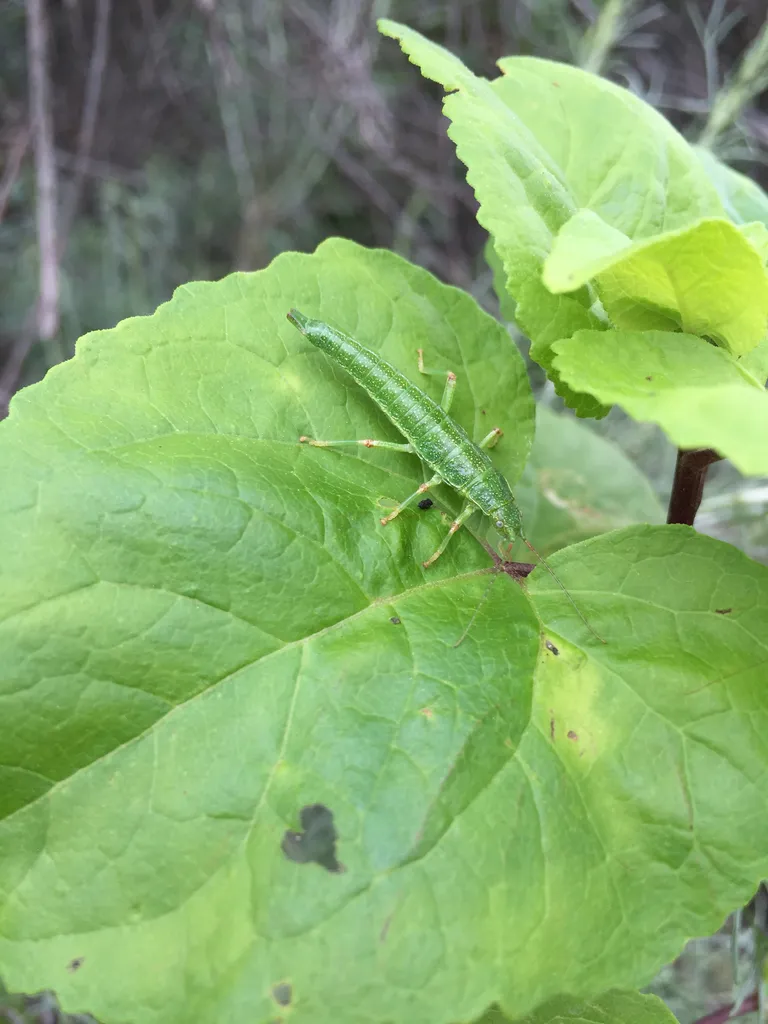
Santa Monica Mountains Timema
Timema monikense
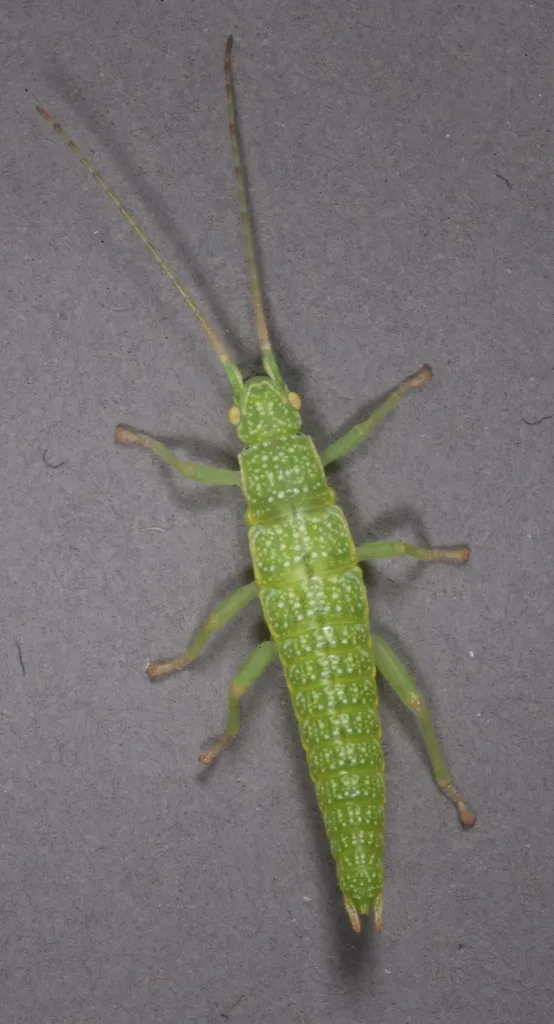
Shepard's Timema
Timema shepardi
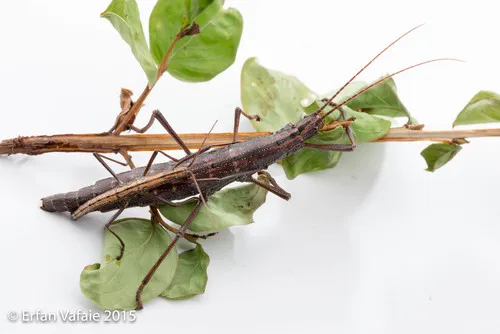
Southern Two-striped Walkingstick
Anisomorpha buprestoides
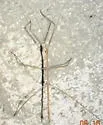
Straw-colored Walkingstick
Pseudosermyle straminea
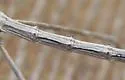
Striped Walkingstick
Pseudosermyle strigata
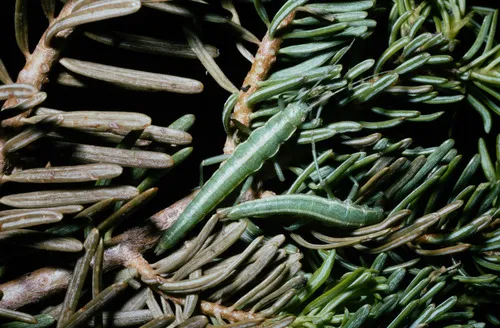
Tahoe Timema
Timema tahoe
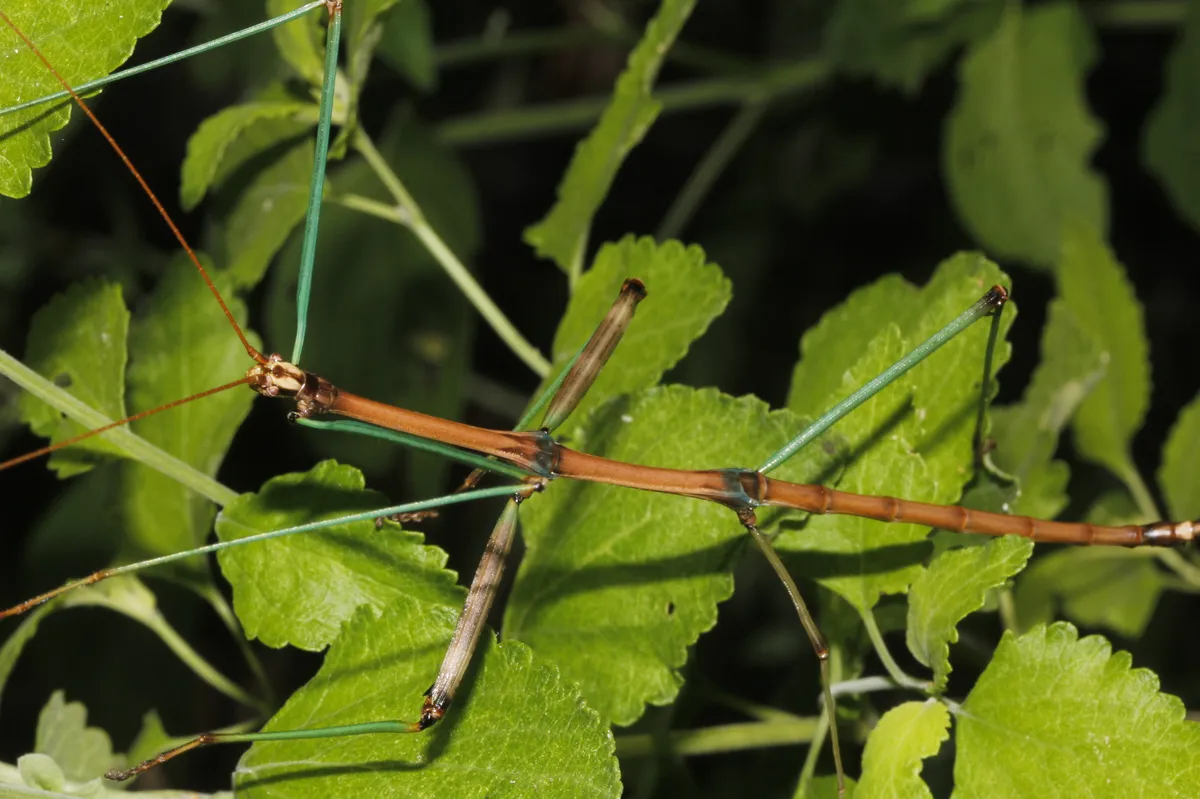
Tamaulipan Walkingstick
Diapheromera tamaulipensis
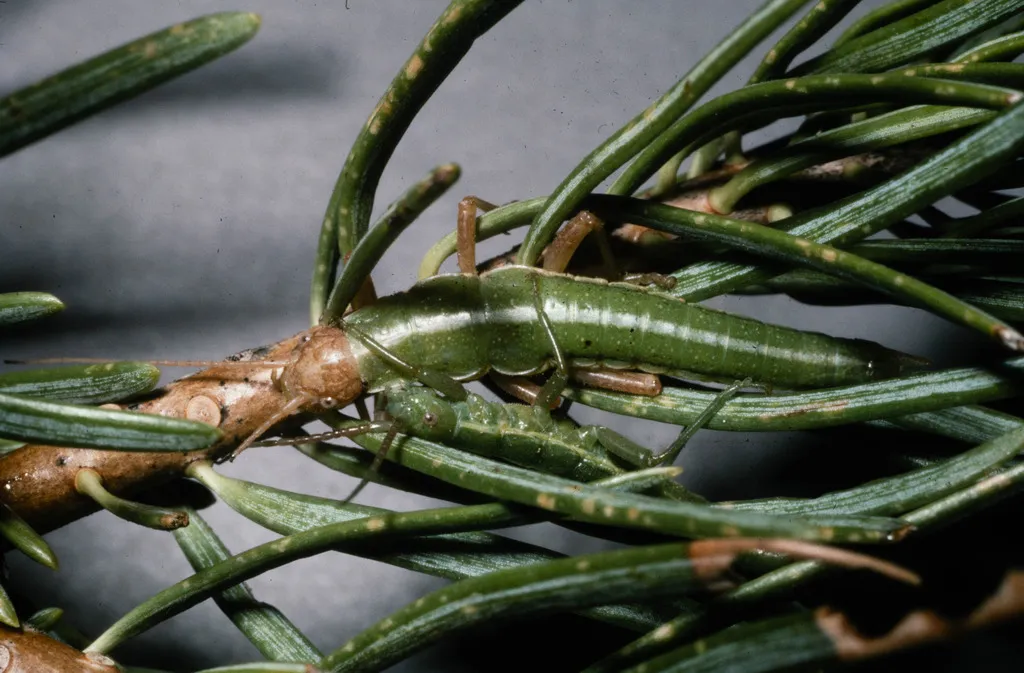
Timema bartmani
Timema bartmani
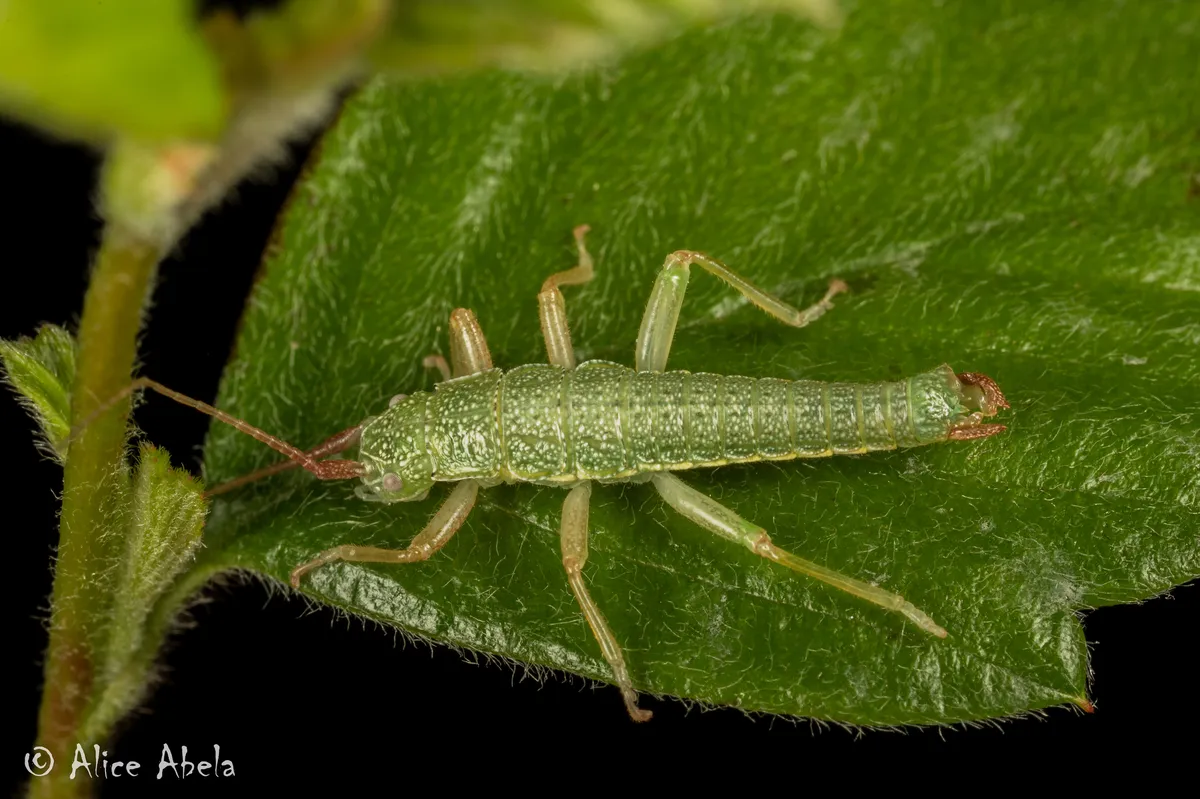
Timema chumash
Timema chumash
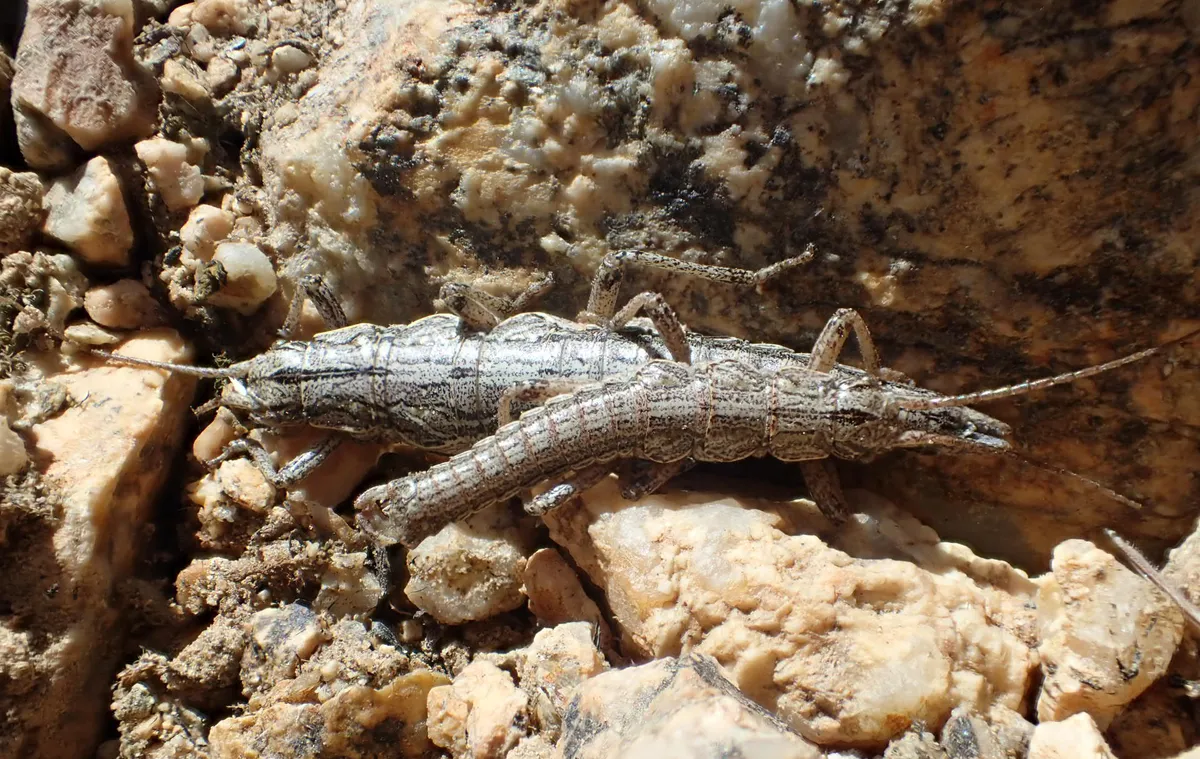
Timema nevadense
Timema nevadense
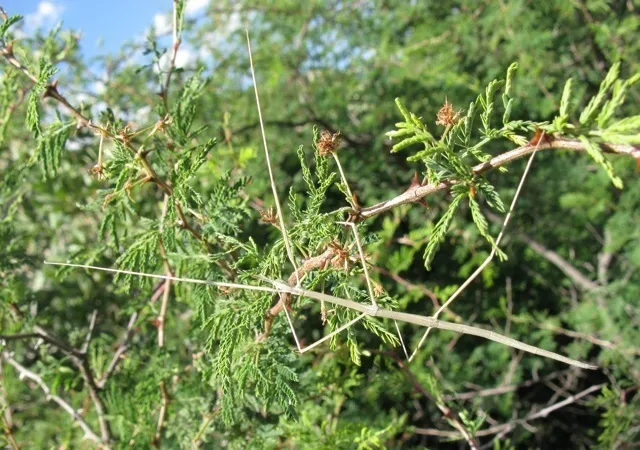
Western Short-horn Walkingstick
Parabacillus hesperus