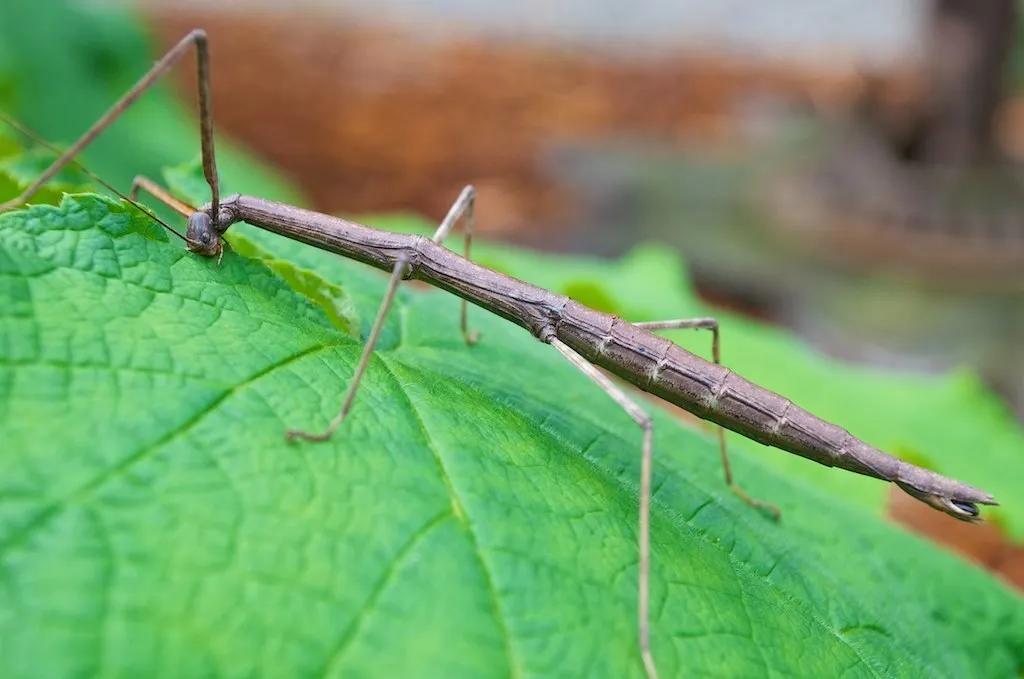
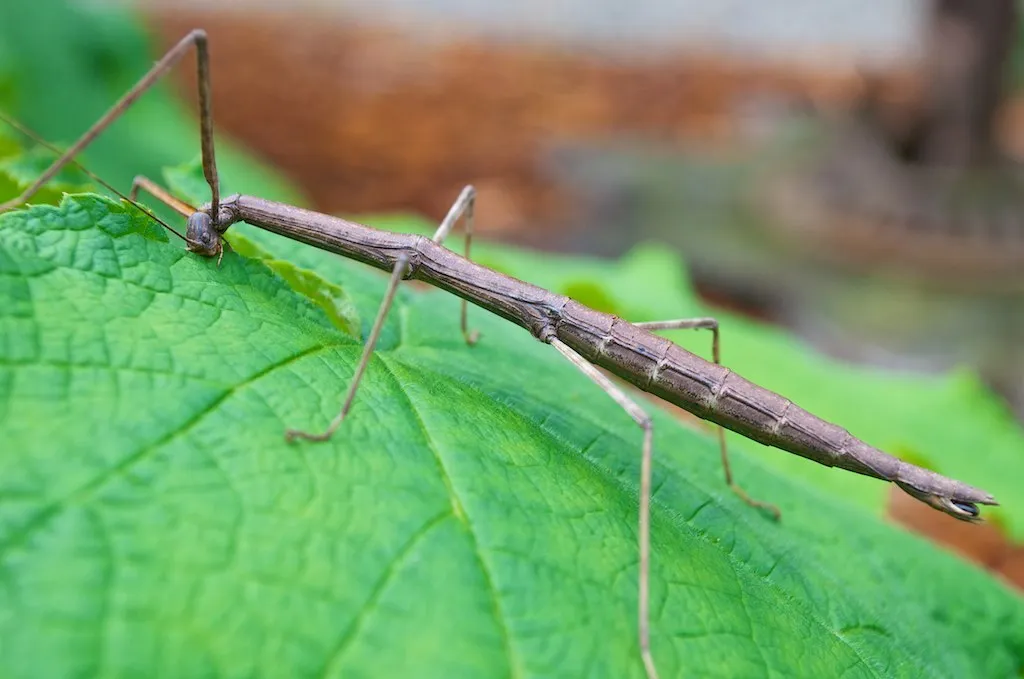
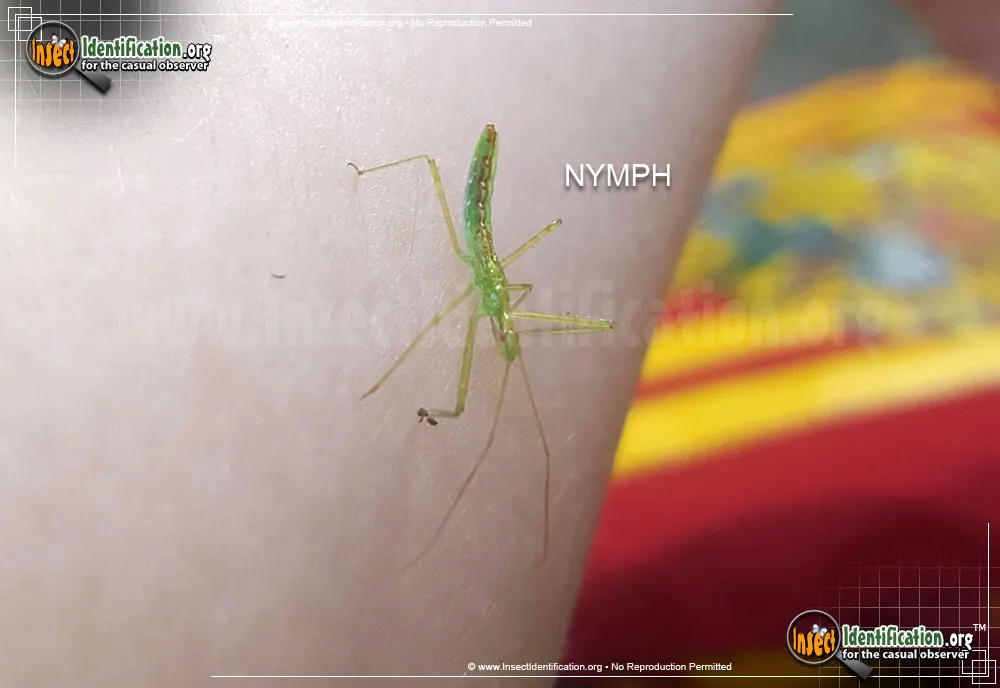
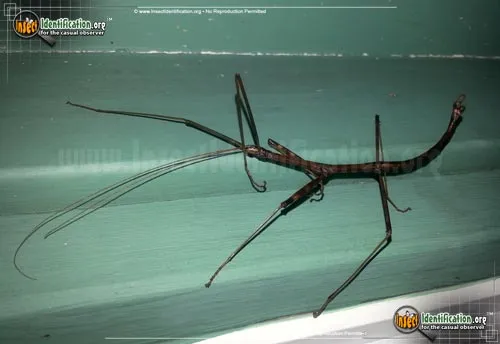
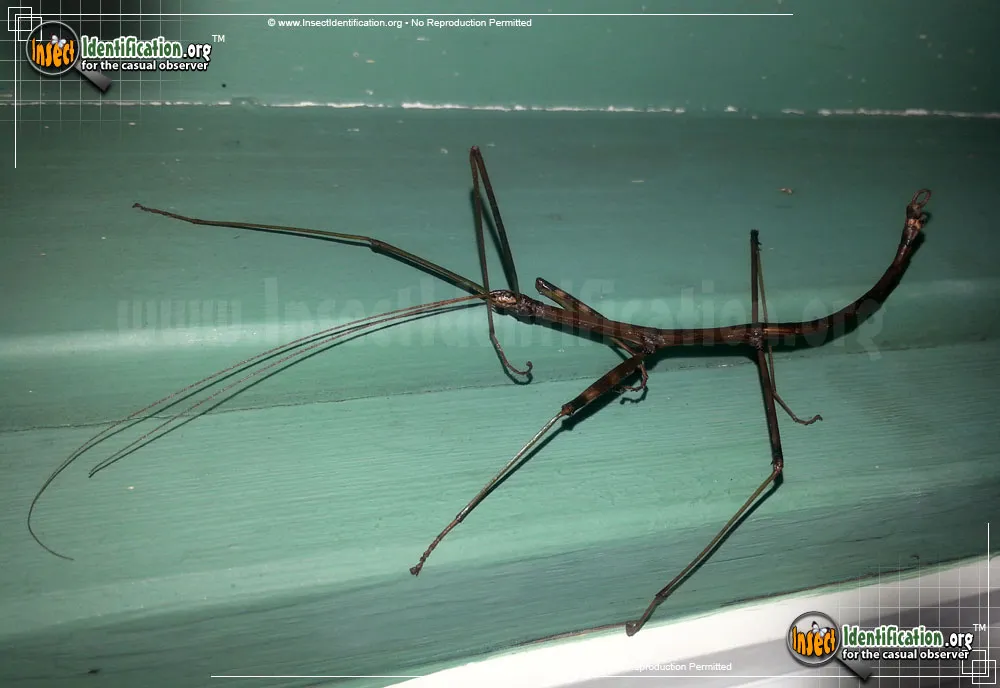
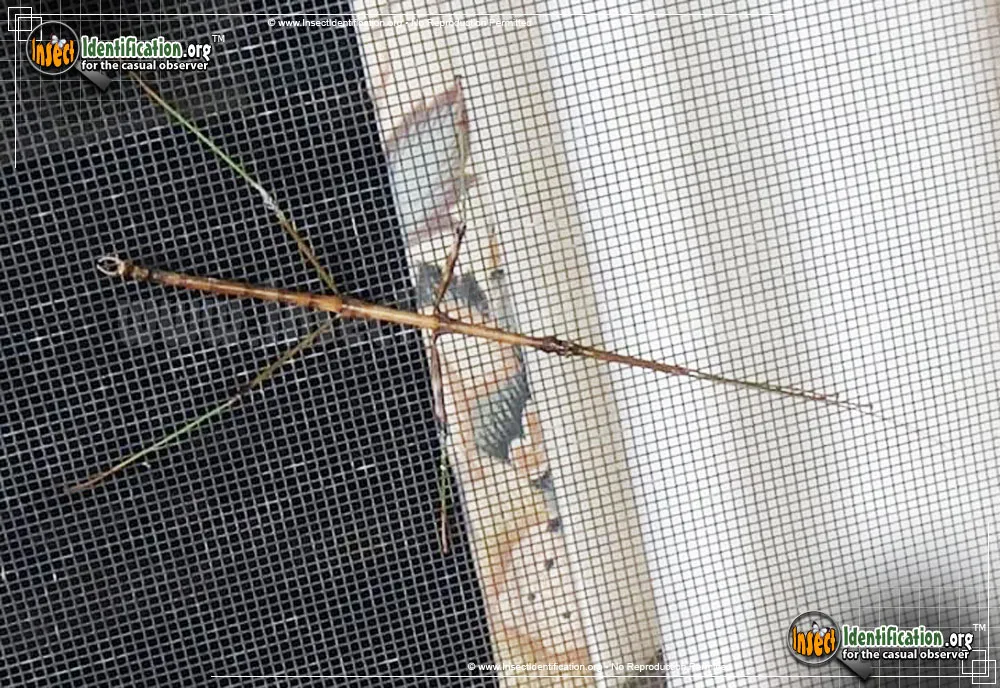
Northern Walkingstick
Diapheromera femorata
This record describes Diapheromera femorata (species). Recorded family: Phasmidae. Recorded order: Phasmida.
Identification and Appearance
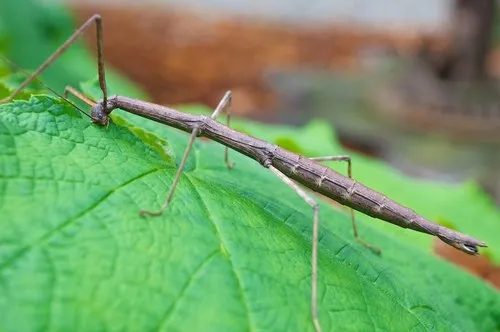
| Other recorded terms |
|
|---|
Terms from the source record, grouped for readability. Broad terms such as size or location are not measurements or a confirmed range.
Wikipedia reference for Diapheromera femorata: http://en.wikipedia.org/wiki/Common_walkingstick.
Classification
About Walkingsticks: the wider group
Order-level background for Phasmida, the group containing Diapheromera femorata. Species-specific details appear above.
Group overview
Phasmida (stick insects and leaf insects) includes ~3,000 described species. The longest insect ever discovered is a stick insect - Phryganistria chinensis Zhao - measuring 64 cm (25.2 inches) found in China in 2016.
Ecological role of the group
Many stick insect species can reproduce without mating (parthenogenesis) - entire populations can consist of only females. Their eggs often mimic plant seeds and are dispersed by ants, which carry them to their nests.
Economic and practical significance of the group
Stick insects are among the most popular pet insects worldwide. The Indian stick insect (Carausius morosus) is widely used in schools and laboratories for biology education and genetic research.
Recorded sources for this group: Guinness World Records, entomology research. Imported estimates may describe particular regions or reporting periods.