
Family Underwing, Tiger, Tussock, and Allied Moths (Noctuidae)
Noctuidae is a family in the order Lepidoptera. Browse 2,425 named species recorded in this family, or open an individual profile for its available identification and natural-history information.
Species in Noctuidae (2,425)
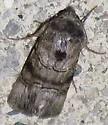
Saunders' Sympistis - Hodges#10099
Sympistis saundersiana
Identification: Adult: forewing median area dark brownish-gray with pale gray or silvery shading inside AM line and in subterminal area; AM and PM lines thin, black, double; diffuse black band runs across median area; reniform, orbicular, and clavifo
Sympistis saxatilis - Hodges#10042.2
Sympistis saxatilis
Identification: Troubridge & Crabo original description is online in PDF. Rare.
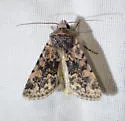
Sympistis singularis - Hodges#10109
Sympistis singularis
Identification: See original description in print references below .
Sympistis sorapis - Hodges#10074.1
Sympistis sorapis
Identification: Similar to Sympistis perscripta but the claviform is larger and extends past the orbicular further. There is no black spots above the reniform.
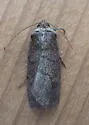
Brown Sallow - Hodges#10062
Sympistis stabilis
Identification: A medium-small (2.7-3.0 cm. ws) somewhat shiny dark reddish brown moth with no significant wing markings. The curved PM line and the veins on the outer third of the FW are very faintly marked in darker scales in most specimens. Normal
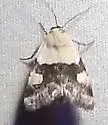
Sympistis toddi - Hodges#10153
Sympistis toddi
Identification: Blanchard original description available in PDF or read online. Determined Ed Knudson (Texas Lepidoptera Survey)
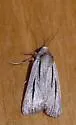
Sympistis utahensis - Hodges#10146
Sympistis utahensis
Identification: This species can be recognized by its southern Idaho distribution, light gray color, long spots, black dashes at the base and in the spots in the cell, and streaked gray terminal area.
Syngrapha abstrusa - Hodges#8940
Syngrapha abstrusa
Identification: Syngrapha abstrusa , alias , cryptica and rectangula cannot be reliably separated using DNA barcoding, PLoS ONE 12(6): e0178548; Supplementary Table S8 ( 3 ) . Examiantion of genitalia is usually required. "... In general, abstrusa is
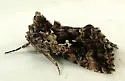
Hooked Silver Y - Hodges#8939
Syngrapha alias
Identification: Syngrapha abstrusa , alias , cryptica and rectangula cannot be reliably separated using DNA barcoding, PLoS ONE 12: e0178548; Supplementary Table S8 . Examiantion of genitalia is usually required. "... In general, abstrusa is a little
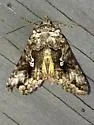
Syngrapha altera - Hodges#8925
Syngrapha altera
Identification: best to confirm ID by genitalia dissection see Remarks under Syngrapha ( 3 ) for separating altera from similar species, based on genitalia.
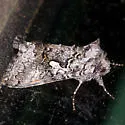
Syngrapha celsa - Hodges#8944
Syngrapha celsa
Syngrapha celsa - Hodges#8944 (Syngrapha celsa) is a species in the family Noctuidae, commonly known as owlet moths, belonging to the order Lepidoptera (Butterflies and Moths). It is classified within the subfamily Plusiinae, tribe Plusiini, superfam
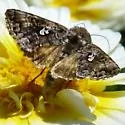
Syngrapha cryptica - Hodges#8941
Syngrapha cryptica
Identification: Syngrapha abstrusa , alias , cryptica and rectangula cannot be reliably separated using DNA barcoding, PLoS ONE 12: e0178548; Supplementary Table S8 . Examiantion of genitalia is usually required. " Syngrapha rectangula is easy to ide
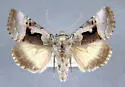
Syngrapha diasema - Hodges#8935
Syngrapha diasema
Identification: Specimen determined by DNA analysis (BOLD).
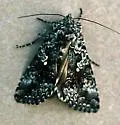
Dusky Silver Y - Hodges#8926
Syngrapha octoscripta
Identification: see Remarks under Syngrapha for separating octoscripta from similar species, based on genitalia.
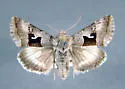
Syngrapha parilis - Hodges#8948
Syngrapha parilis
Identification: Specimen determined by DNA analysis (BOLD).
Syngrapha selecta - Hodges#8928
Syngrapha selecta
Identification: separated from other members of the genus by distinctive green stigma
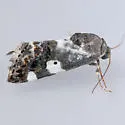
Tarache abdominalis - Hodges#9138
Tarache abdominalis
Identification: Along the inner margin of the forewing near the base there is a elongated oval gray patch. The lower half of the subterminal line is white There is a small white rectangular spot along the costa near the apex.
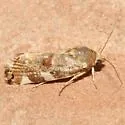
Tarache apela - Hodges#9133
Tarache apela
Identification: Sexually dimorphic. Forewing ground color of males is yellow-tan and females are white.
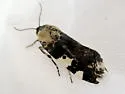
Exposed Bird Dropping Moth - Hodges#9136
Tarache aprica
Identification: specimen identified by DNA analysis (BOLD) from Mark Dreiling female . . . . . . male
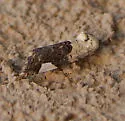
Tarache areloides - Hodges#9158
Tarache areloides
Identification: Per MPG here : "The Acontia areli group consists of six species, five of which are found in our check list area. They are similar in appearance, but differ in genitalia..." Bob Patterson notes on his tentative ID here : "... based on
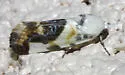
Tarache arida - Hodges#9150
Tarache arida
Identification: The original description as Acontia arida Smith, and the Hampson revised description as Tarache arida are both available online in the print references below.
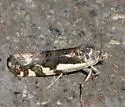
Narrow-winged Midget - Hodges#9111
Tarache augustipennis
Identification: Adult: forewing dark gray to blackish with white strip along costa broken into four patches by 3 intervening dark bars; the first white costal patch is the largest, extending almost half-way along costa from base; the remaining 3 cost
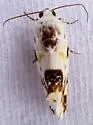
Tarache bella - Hodges#9147
Tarache bella
Identification: See "Noctuidae of North America" in Internet References below.
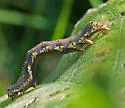
Delightful Bird Dropping Moth - Hodges#9146
Tarache delecta
Identification: Adult: forewing white with brown and blue shading in basal and subterminal areas; these two areas sometimes merge; hindwing yellow with broad gray terminal band (sometimes incomplete) and yellow fringe
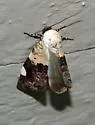
Tarache geminocula - Hodges#9159.2
Tarache geminocula
Identification: Dimorphic The forewing basal area nearly white in males and very pale yellowish in females. - Specimen identified by DNA analysis (BOLD) ( 4 )
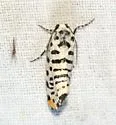
Tarache idella - Hodges#9120
Tarache idella
Identification: Adult: forewing white with black transverse streaks and spots, and deep yellow patch near apex; hindwing deep yellow; top of thorax white with large black spots; abdomen deep yellow; legs black and white.
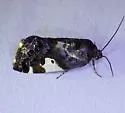
Tarache knowltoni - Hodges#9139
Tarache knowltoni
Identification: Geographically variable species. Females are similar to males but more heavily marked usually.
Tarache lagunae - Hodges#9140.1
Tarache lagunae
Tarache lagunae - Hodges#9140.1 (Tarache lagunae) is a species in the family Noctuidae, commonly known as owlet moths, belonging to the order Lepidoptera (Butterflies and Moths). It is classified within the subfamily Acontiinae, tribe Acontiini, supe
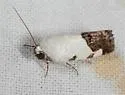
Tarache quadriplaga - Hodges#9142
Tarache quadriplaga
Tarache quadriplaga - Hodges#9142 (Tarache quadriplaga) is a species in the family Noctuidae, commonly known as owlet moths, belonging to the order Lepidoptera (Butterflies and Moths). It is classified within the subfamily Acontiinae, tribe Acontiini
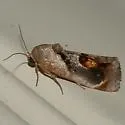
Curve-lined Bird-dropping Moth - Hodges#9145
Tarache terminimaculata
Identification: The description of Tarache terminimaculata Grote, is available online at the link in the print references below, and at nearctica.com. Sexually dimorphic. ♂ hindwing is yellowish brown ♀ hindwing is dark brown
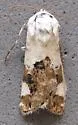
Tarache toddi - Hodges#9159.1
Tarache toddi
Identification: Ferris & Lafontaine stated "DFW basal area nearly white in both sexes; dark brown distal area nearly uniformly brown with only a few scales of different color; orbicular spot nearly obsolete; reniform spot less prominent than in A. ar
Tesagrotis amia - Hodges#10978.2
Tesagrotis amia
Identification: Description available in MONA Fascicle 27-3 at link in citations below.
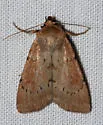
Tesagrotis atrifrons - Hodges#10977
Tesagrotis atrifrons
Identification: Description can be found in MONA Fascicle 27-3 at link in citations below.
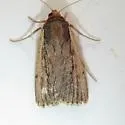
Tesagrotis corrodera - Hodges#10978.1
Tesagrotis corrodera
Identification: Pacific Northwest Moths has detailed description. Miller & Hammond (2003) describe the larvae and adult in PDF. ( 3 )
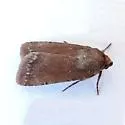
Tesagrotis piscipellis - Hodges#10978
Tesagrotis piscipellis
Identification: Description can be found in MONA Fascicle 27-3 at link in citations below. Genitalia:
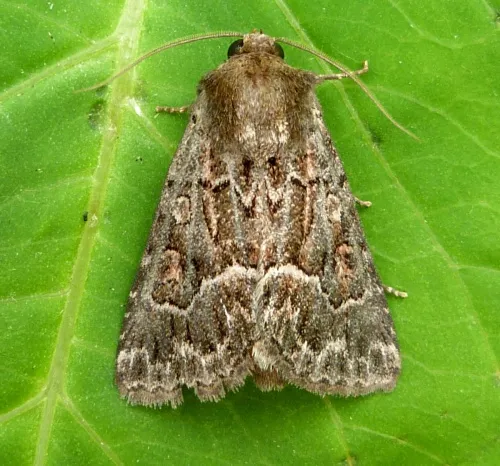
Straw Underwing
Thalpophila matura
Wingspan 38-46 mm. Pale straw yellow underwing with brown border, together with broad dark forewing, white outer cross line and thickset build are diagnostic. It frequents open grassland, moors and downs. The flight period is during July and August a
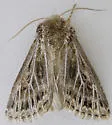
Tholera americana - Hodges#10523
Tholera americana
Identification: A distinctive species, mottled gray and black with all veins prominently highlighted with white, plus a subterminal line of white.
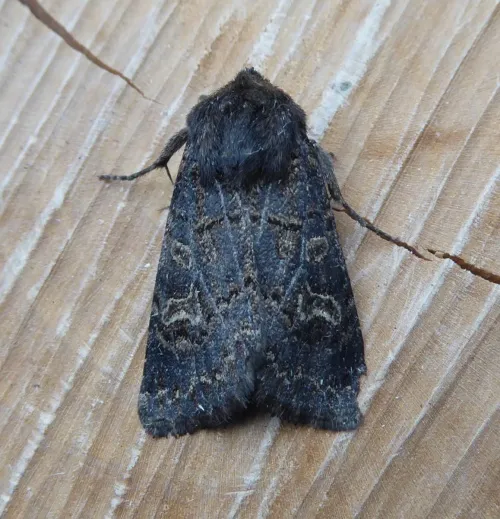
Hedge Rustic
Tholera cespitis
Despite its English name, this is a species of open grassland. It flies in August and September, and can be attracted to light. The caterpillars feed on various grasses, including mat-grass (Nodus stricta) and hair-grass (Deschampsia spp.). Locally c
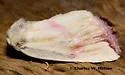
Thurberia Bollworm - Hodges#9817
Thurberiphaga diffusa
Adults attracted to light from 9pm to 12pm (Vorhies, 1926).
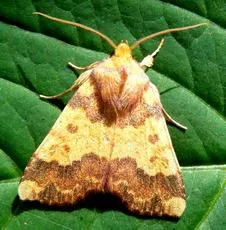
Barred Sallow
Tiliacea aurago
Wingspan 27-32 mm. An attractive moth with red-brown wings that are crossed by a thick band of golden yellow. It inhabits wooded valleys, downland and Southern heaths. The larvae feed on Beech or Field Maple - at first on the buds and subsequently on
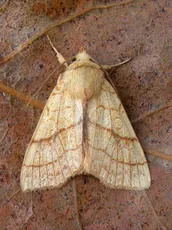
Orange Sallow
Tiliacea citrago
Wingspan 28 to 33 mm. Forewing is broad, pointed, orange-yellow finely speckled with orange-red, and with orange brown cross lines and veins, the central one thicker and fairly straight, diagonal and passing between oval and kidney mark touching the
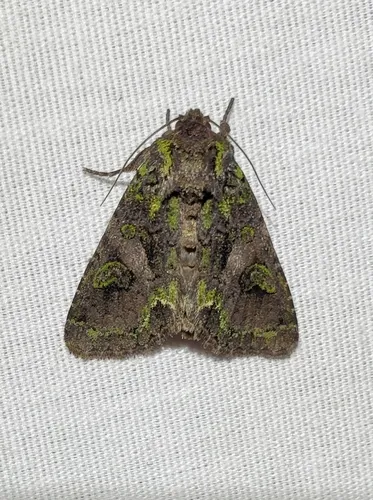
Trachea delicata - Hodges#9626
Trachea delicata
Identification: Grote original description as Hadena delicata is online and linked in the print references.
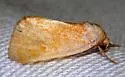
Trichocosmia inornata - Hodges#10219
Trichocosmia inornata
Identification: Adult: forewing uniformly pale yellowish except for faint whitish subterminal line and very slightly darker shading in subterminal/postmedial area; hindwing white; top of head and thorax same color as forewing. Usually the forewing ma
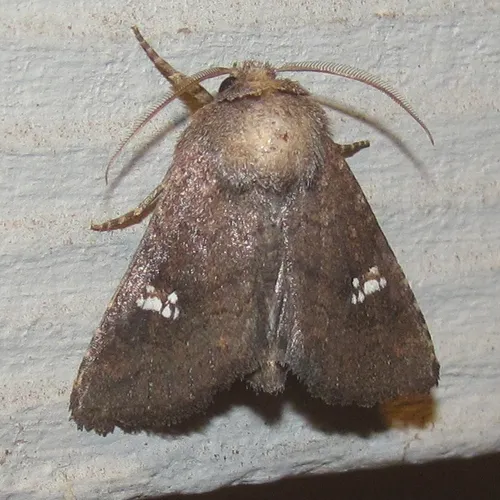
Tricholita baranca - Hodges#10629
Tricholita baranca
Identification: Thorax and forewing relatively uniform dark brown with a slight purple tint; dark color of the FWs typically obscures any underlying pattern; a blackish sinuous PM line with outward points on the veins is sometimes visible, bordered d
Tricholita chipeta - Hodges#10631
Tricholita chipeta
Identification: The original description of Tricholita chipeta Barnes, is available in the print references below.
Tricholita fistula - Hodges#10630
Tricholita fistula
Tricholita fistula - Hodges#10630 (Tricholita fistula) is a species in the family Noctuidae, commonly known as owlet moths, belonging to the order Lepidoptera (Butterflies and Moths). It is classified within the subfamily Noctuinae, tribe Eriopygini,
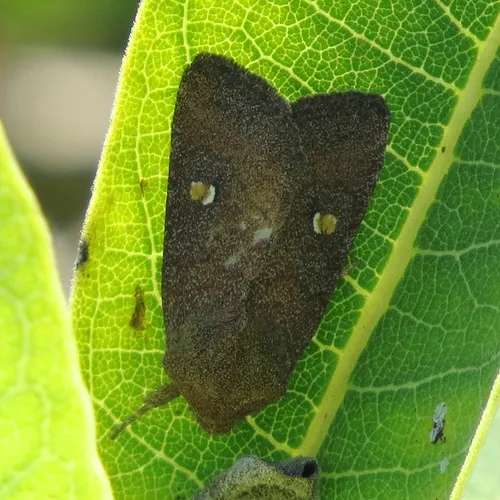
Tricholita notata - Hodges#10628
Tricholita notata
Identification: The revised description by Hampson (1905), as Chabuata notata (Barnes and Benjamin), is available online in the print references below. Listed on Ohio's endangered species list. Wisconsin lists the species as rare.
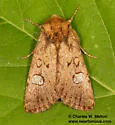
Tricholita palmillo - Hodges#10267
Tricholita palmillo
Identification: See original description in print references below .
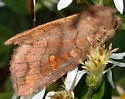
Signate Quaker - Hodges#10627
Tricholita signata
Identification: Adult: forewing dark orange or brown crossed by 3 or 4 darker lines; reniform spot mostly white (some individuals show no white); ST line wavy, stops short of apex; diffuse pale patch usually present at apex hindwing dark brownish-gra
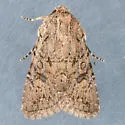
Trichopolia alfkenii - Hodges#10559
Trichopolia alfkenii
Identification: Specimens identified by DNA analysis: Genitalia:
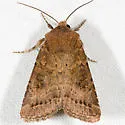
Trichopolia curtica - Hodges#10546
Trichopolia curtica
Identification: Adult - see Lafontaine, Walsh & Ferris below. Larva - see Crumb below.
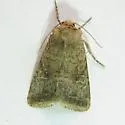
Banded Quaker - Hodges#10552
Trichopolia incincta
Identification: Adult - forewing grayish-brown with slightly darker median and sometimes terminal areas; AM and PM lines black, scalloped; subterminal line black, slightly wavy or irregular; reniform spot partially filled with dark gray or black; hin
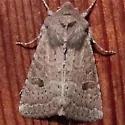
Trichopolia melanopis - Hodges#10566
Trichopolia melanopis
Identification: Adult - pale gray-brown forewing with contrasting reniform and orbicular spots.
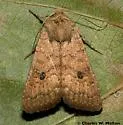
Trichopolia mulina - Hodges#10562
Trichopolia mulina
Identification: The original description as Taeniocampa mulina Schaus, and the Hampson 1905 description as Eriopyga mulina are both available online in the print references below. Notes on larvae by Crumb 1956 ( 4 ) , and Godfrey 1972 ( 5 ) in the pr
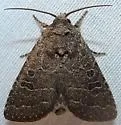
Trichopolia orobia - Hodges#10565
Trichopolia orobia
Identification: The original description as Mamestra orobia Harvey, is available at the link in the print references below.
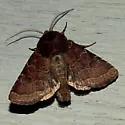
Ruddy Quaker - Hodges#10563
Trichopolia oviduca
Identification: Adult - forewing reddish-brown. AM and PM lines fine, white, edged with black; ST line most conspicuous, yellowish white, nearly straight. Spots black with white outlines; orbicular spot touches AM line; reniform spot oval. Hindwing g
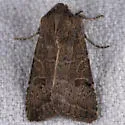
Rufous Quaker - Hodges#10557
Trichopolia rufula
Identification: Adult - forewing rust-colored, reddish-brown, or dull orangish; AM, PM, and subterminal lines distinct; orbicular and reniform spots dark brownish-gray, outlined in pale scales; dark scales along veins from PM line to outer margin giv
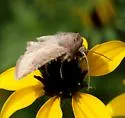
Trichopolia ustulata - Hodges#10557.1
Trichopolia ustulata
Identification: The reniform spot is described as kidney shaped, but can be greatly constricted at the middle appearing like a figure 8.
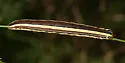
Striped Garden Caterpillar Moth - Hodges#10304
Trichordestra legitima
Identification: Adult: forewing inner half pale gray, and outer (costal) half reddish-brown; AM and PM lines double, slightly scalloped; claviform spot a sharp black triangle; orbicular spot oval, pale gray; reniform spot reddish-brown with blackish
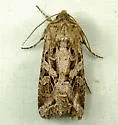
Aster Cutworm - Hodges#10307
Trichordestra lilacina
Identification: Adult: forewing light brown with dark brown or gray patches; claviform spot conspicuous, cone-shaped, brown with black outline; orbicular spot oblique, pale; reniform spot blackish in lower half; some specimens have mostly grayish for
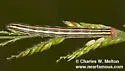
Trichordestra prodeniformis - Hodges#10309
Trichordestra prodeniformis
Identification: Adult: forewing dark gray with silvery shading in subterminal, lower median, and costal areas; orbicular spot oblong, oblique, rimmed in white; paler grayish-brown shading along inner margin; subterminal line silvery white, with promi
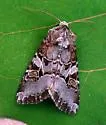
Trichordestra tacoma - Hodges#10303
Trichordestra tacoma
Identification: Adult: forewing brownish-gray with dark gray patches; subterminal area pale purplish-gray; subterminal line whitish, with distinct W-shaped jog near middle; hindwing yellowish-gray with dark veins and broad dark terminal band; fringe
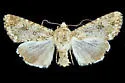
Tridepia nova - Hodges#10253
Tridepia nova
Identification: Specimen determined by DNA analysis (BOLD).
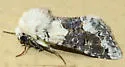
Triocnemis saporis - Hodges#10174
Triocnemis saporis
Identification: Grote (1881) original description. "White: Head and thorax white, with a brownish tuft behind on the thorax. Band of forewings white, bounded by the t. a. line, which makes a sharp sub-median projection and a slight notch on s. c. vei
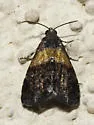
Tripudia balteata - Hodges#9005
Tripudia balteata
Identification: Identified by the broad yellowish band on forewing. ( 4 ) But confusion can arise with duller examples of Tripudia flavofasciata (see below). Type Locality: Arizona, Santa Rita Mountains.
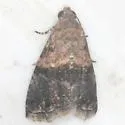
Tripudia calusa - Hodges#9007.1
Tripudia calusa
Identification: forewing blackish-brown mesial band extends from posterior margin to costal margin
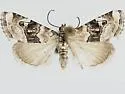
Tripudia chihuahua - Hodges#9004.1
Tripudia chihuahua
Tripudia chihuahua - Hodges#9004.1 (Tripudia chihuahua) is a species in the family Noctuidae, commonly known as owlet moths, belonging to the order Lepidoptera (Butterflies and Moths). It is classified within the subfamily Cobubathinae, superfamily N
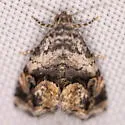
Tripudia damozela - Hodges#9002.2
Tripudia damozela
Listed as Tripuda inquaesita on the California and Arizona checklists. ( 5 )
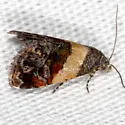
Tripudia flavofasciata - Hodges#9009
Tripudia flavofasciata
Identification: The original description is available online in the print references below. Specimen identified by DNA analysis (BOLD) ( 4 ) See comments on photos.
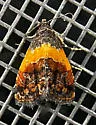
Tripudia flavofasciata-complex - Hodges#9010.95
Tripudia flavofasciata-complex
The Tripudia flavofasciata complex includes T. flavofasciata , versutus , goyanensis and undescribed species as revealed by DNA barcoding. Maculation and location appear to be of limited value in assigning specimens to species. Chris Schmidt and Don
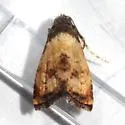
Tripudia goyanensis - Hodges#9010.1
Tripudia goyanensis
Tripudia goyanensis is a member of the Tripudia flavofasciata complex which also includes T. flavofasciata , versutus and undescribed species as revealed by DNA barcoding. Maculation and location appear to be of limited value in assigning specimens t
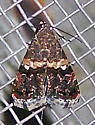
Tripudia luxuriosa - Hodges#9008
Tripudia luxuriosa
Identification: Smith original description is in PDF.
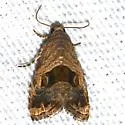
Tripudia quadrifera - Hodges#9003
Tripudia quadrifera
"Tripudia quadrifera was shown to be a species complex by Pogue (2009) with T. quadrifera confined in United States to Texas, T. rectangula occupying most the remainder of the North American range, and two additional species, T. grapholithoides (Mösc
Trudestra hadeniformis - Hodges#10237
Trudestra hadeniformis
Identification: similar to Anarta trifoli , but tan rather than gray This species may belong to genus Anarta
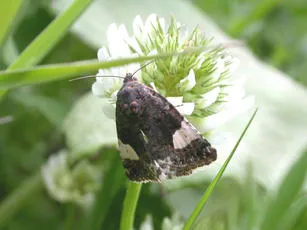
The Four-spotted
Tyta luctuosa
Wingspan 22 to 25 mm. Large white spots one extending two-thirds of the way along the leading edge of the brownish black forewing, and white band on the hindwing are diagnostic of this rather distinctive moth. It can be found in dry, sandy or chalky
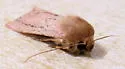
Ufeus faunus - Hodges#11053
Ufeus faunus
Identification: Lafontaine & Walsh revised description in PDF. Crumb described larva.
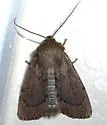
Ufeus hulstii - Hodges#11052.1
Ufeus hulstii
Identification: "Forewing markings limited to light and dark gray antemedial and postmedial lines. The forewing color is even with a gloss when fresh. The antemedial and postmedial lines are similar, dark gray adjacent to the median area and light gr
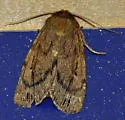
Grote's Satyr - Hodges#11051
Ufeus satyricus
Identification: Lafontaine & Walsh revised description in PDF. Wagner et al. has photo of larva.
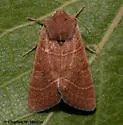
Ulolonche consopita - Hodges#10568
Ulolonche consopita
Identification: Specimen identified by DNA analysis (BOLD). ( 3 )
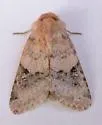
Ulolonche dilecta - Hodges#10572
Ulolonche dilecta
Identification: The original description as Perigea dilecta Edwards, and the Hampson (1888) description as Hyssia dilecta are available in the print references below.
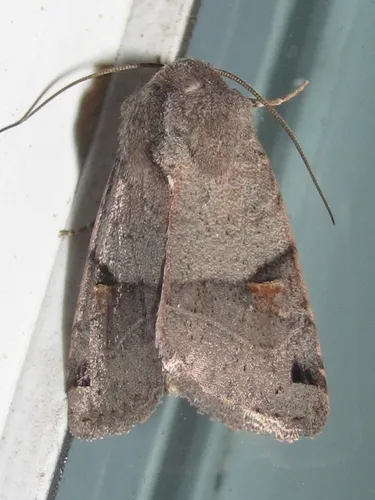
Ulolonche disticha - Hodges#10573
Ulolonche disticha
Identification: The original description as Caradrina disticha Morrison, and the Hampson 1905 description as Hyssia disticha are in the print references below. Adult: forewing light grayish-brown on basal half, medium grayish-brown on distal half, s
Ulolonche fasciata - Hodges#10570
Ulolonche fasciata
Identification: Detailed original description by Smith can be found at the link in citations below. From Smith, forewings gray with fuscous powdering of basal and ST area; median space with bluish tint; terminal space darker; yellowish reniform frame
Modest Quaker - Hodges#10569
Ulolonche modesta
Identification: The original description as Dianthoecia modesta Morrison, and the Hampson (1905 ) description as Hyssia modesta , are in the print references below. Terminal space of forewing is usually a contrasting lighter blue-gray color. Photo de
Ulolonche niveiguttata - Hodges#10575
Ulolonche niveiguttata
Identification: The original description as Mamestra niveiguttata Grote, is in the print references below. The Smith revised description as Ulolonche niveiguttata is in PDF. Specimen identified by DNA analysis (BOLD).
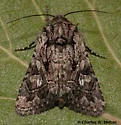
Ulolonche orbiculata - Hodges#10574
Ulolonche orbiculata
Identification: Adult - forewing brownish-gray with irregular dark gray subterminal area and oblong white patch or streak beside reniform spot; black marks along costa, and dark chevron-shaped markings near middle of wing; hindwing dark gray, paler t
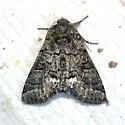
Viridemas galena - Hodges#10023
Viridemas galena
Identification: Wagner, et al (2008, p. 50, figs. 37 a-b) illustrates the genitalia for tribe placement.
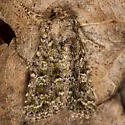
Viridiseptis marina - Hodges#9403
Viridiseptis marina
Identification: See updated description in Mustelin & Crabo Specimen identified by DNA analysis (BOLD) :
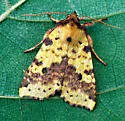
Pink-barred Sallow - Hodges#9965
Xanthia tatago
Identification: Adult: thorax and forewing bright yellow; collar, line fragments, and postmedial shading purple , mixed with reddish-brown; ST line dotted, black; hindwing white, tinted with pale yellow [description by Charles Covell]
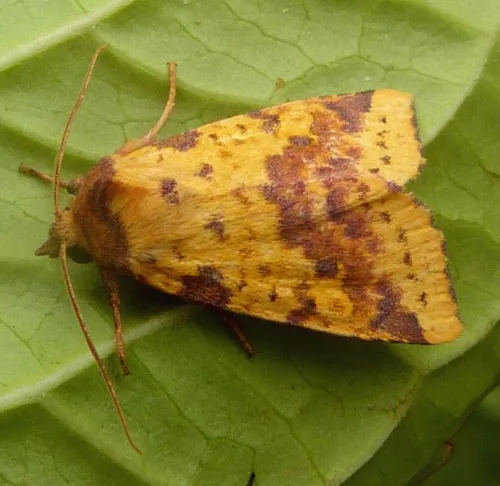
Pink-barred Sallow
Xanthia togata
Wingspan 27-30 mm. A rather variable mix of yellow undertones and pink to maroon markings, it is best identified by its reddish head and upper shoulders. Frequenting mainly damp woodland and marshy areas. It is single-brooded, flying in September and
Spanish Moth - Hodges#10640
Xanthopastis regnatrix
Identification: Adult: hairy black body and pink forewing with black markings (forewing may be mostly white or mostly yellowish - see images under Internet References below); subterminal line composed of several yellow spots; reniform spot outlined i
Wilson's Wood-nymph Moth - Hodges#9298
Xerociris wilsonii
Identification: In Eudryas species if the hindwing was partially visible as in these photos it would appear to be yellow with a red border. X. wilsonii has a rather distinctive marking along the inner margin that also differs from all species of Eudr
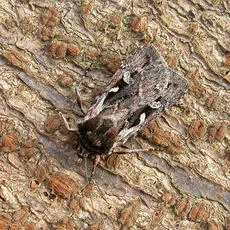
Heath Rustic
Xestia agathina
Wingspan 28 to 36 mm. There are a number of colour forms in different parts of the country, including a blackish form, ab. scopariae in northern England. The flight time of the adults is September, when they can be attracted to light. Widespread, but
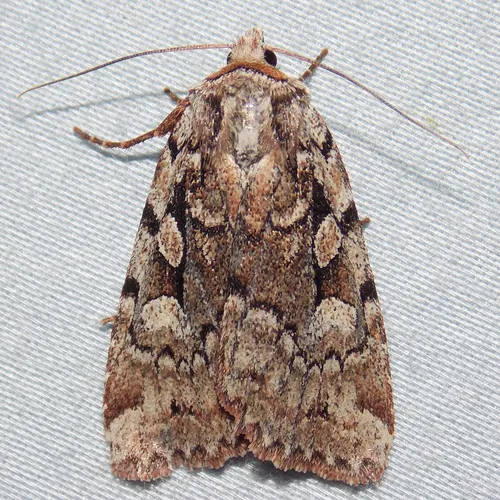
Northern Variable Dart - Hodges#10968
Xestia badicollis
Identification: Adult: forewing gray with slight red or pink shading; lines sharp to obscure, usually widening into spots at costa; black shading on basal side of orbicular spot, and reddish-brown shading between orbicular and reniform spots, with th
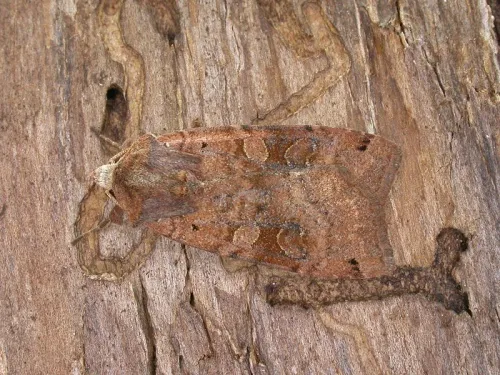
Dotted Clay
Xestia baja
This is a moth of woodland and heathland. The adults fly in July and August in a single generation, and are frequently attracted to light. The caterpillars hibernate when quite young, and in the spring feed nocturnally on Bog Myrtle, Bramble and othe
Xestia bolteri - Hodges#10941
Xestia bolteri
Identification: Smith original description is available in online in the print references.
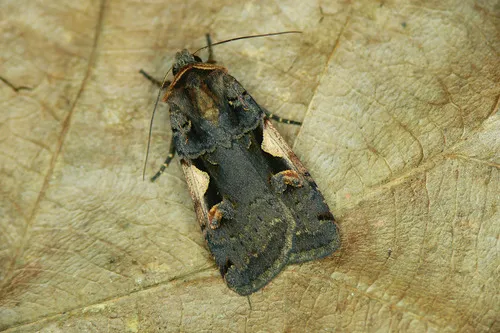
Setaceous Hebrew Character
Xestia c-nigrum
Wingspan 35-42 mm. A distinctive species which should not be difficult to identify. Gardens, woodland, heathland and marshes. In the southern half of its range, there are two broods, flying in small numbers in May and June, but far more commonly in A
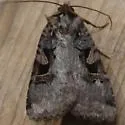
Xestia conchis - Hodges#10946
Xestia conchis
Identification: The Grote (1879) and Hampson (1903) descriptions are available in the print references. Determined by Hugh McGuinness
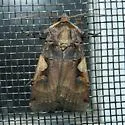
Greater Black-letter Dart - Hodges#10942.1
Xestia dolosa
Identification: Specimen identified by DNA analysis (BOLD). ( 3 ) In The Owlet Moths of Ohio, Roy Rings writes: "The maculation of X. c-nigrum is identical to X. dolosa. The best way to separate the two species is by size. X. c-nigrum averages 6 mm (
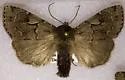
Xestia fabulosa - Hodges#10958
Xestia fabulosa
Identification: Specimen determined by DNA analysis (BOLD).
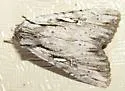
Xestia finatimis - Hodges#10972.1
Xestia finatimis
Identification: Xestia finatimis looks like a pale gray washed out form of Xestia infimatis . Forewing gray or brownish gray, usually with longitudinal brown streak distal to reniform spot; AM line dark gray and deeply zigzagged but inconspicuous due