
Scorpionflies, Hangingflies, and Allies
Order Mecoptera
The Scorpionflies, Hangingflies, and Allies (Order Mecoptera) includes 89 species across 6 families and 10 genera in our directory.
About Scorpionflies, Hangingflies, and Allies
Mecoptera (scorpionflies) includes ~600 described species. Males of many species have an upturned abdomen tip resembling a scorpion's stinger, but they are completely harmless. Mecoptera are among the oldest insect orders with fossils dating to the Permian period (~270 million years ago).
Economic Impact
Scorpionflies have little direct economic impact but are valuable research subjects - they are considered ancestral to fleas and possibly to all holometabolous insects (those with complete metamorphosis).
Ecological Role
Scorpionflies are primarily scavengers feeding on dead insects and decaying organic matter. Some species practice 'nuptial gifting' - males offer prey items or salivary secretions to females as mating gifts.
Families in Mecoptera (6)
Species in Mecoptera (89)
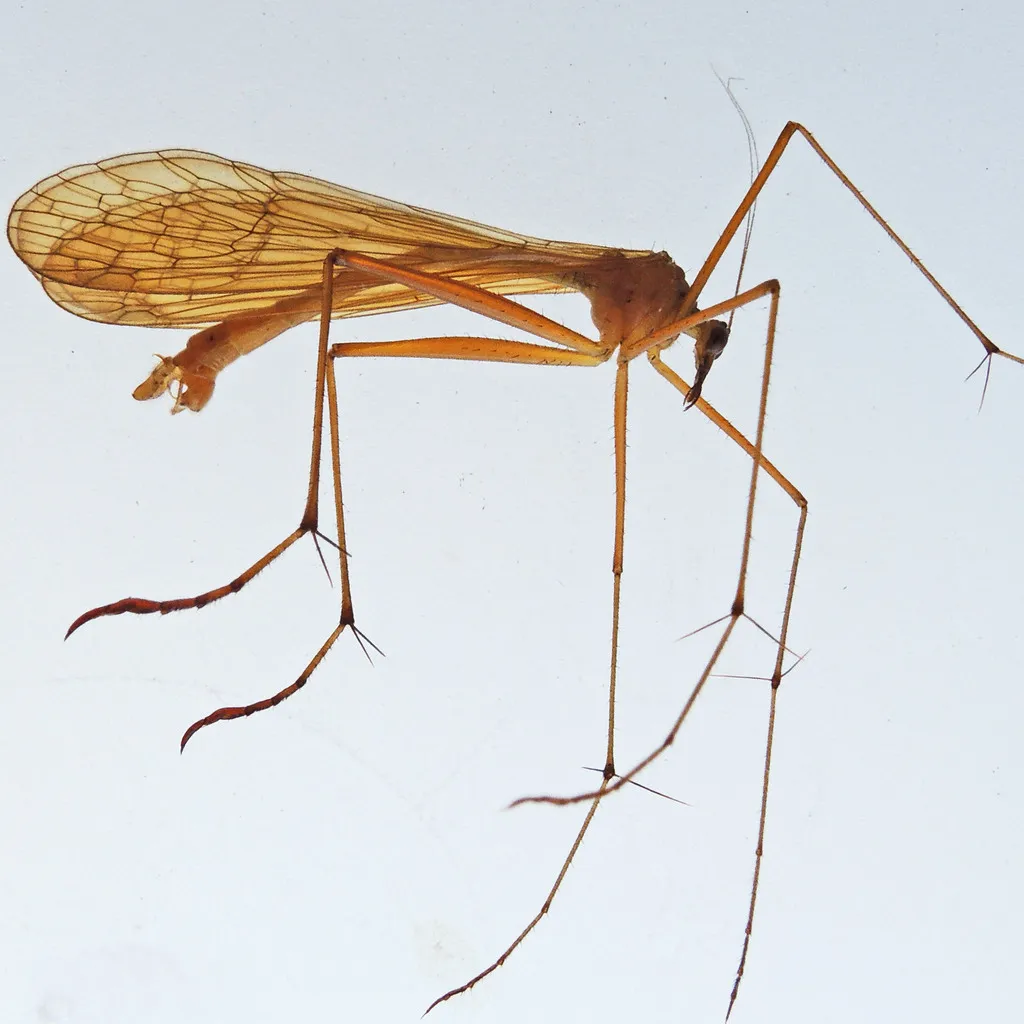
Bittacus stigmaterus
Bittacus stigmaterus
Identification: Yellowish with black eyes, head small; thorax large, humped. Wings: All equal in size, extending past tip of abdomen. Pale yellowish. Stigma just before wing tip, darker yellow. Crossveins are not darker. Types: Holotype as Bittacus s
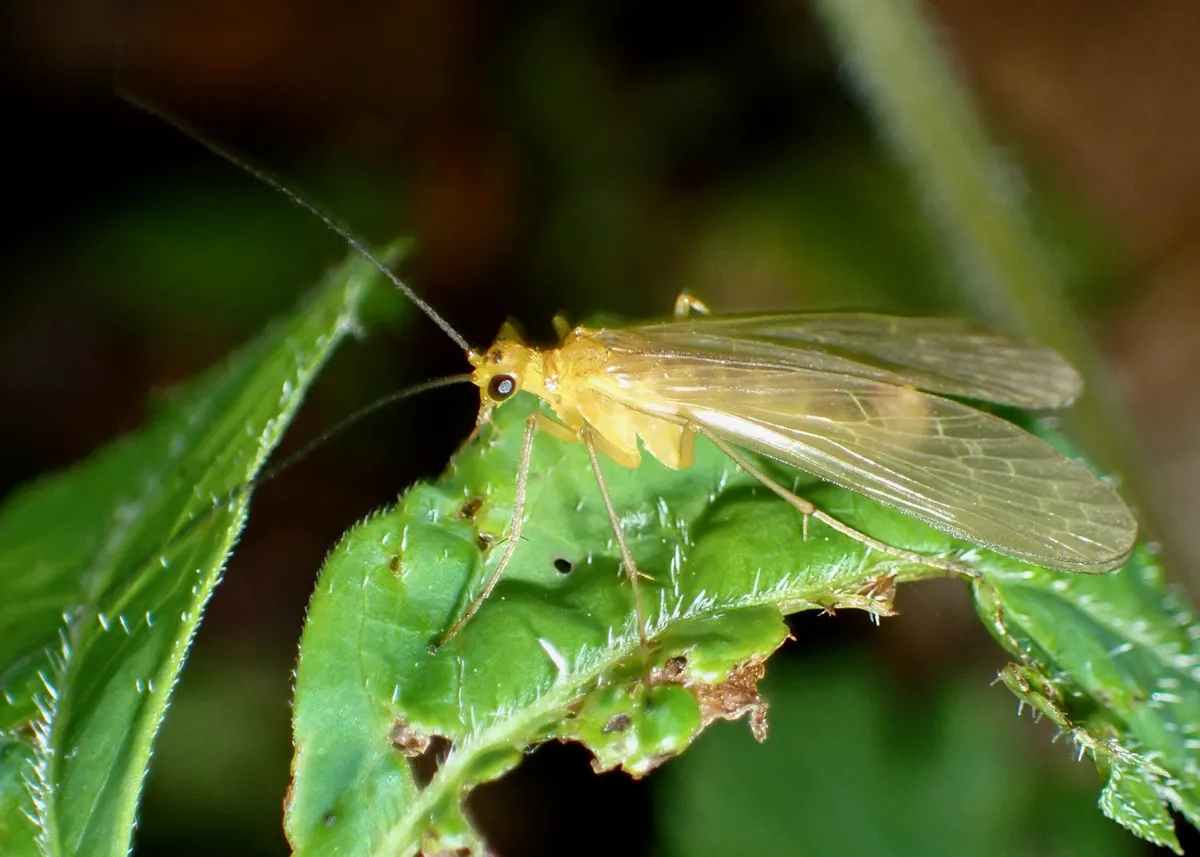
Brachypanorpa carolinensis
Brachypanorpa carolinensis
Identification: Description (Carpenter, 1931): Male. - Body light brown, legs and antennae darker; genital bulb rounded; hypovalvae fused for half their lengths; teeth of forceps directed downward; rostrum broad, apical incision shallow; no ocellar s
Dinokanaga andersoni
Dinokanaga andersoni
Identification: D. andersoni , a large fossil Mecopteran, can be distinguished from other Dinokanaga species by the forewing being narrower in the preserved regions (basal third, apical portion), others widening more rapidly from base. Present image
Dinokanaga dowsonae
Dinokanaga dowsonae
Identification: D. dowsonae can be distinguished from other species of this genus by its forewings: from D. hillsi and D. wilsoni by its penniform (featherlike) shape, narrow at the base and widest toward the tip; from D. andersoni by greater width;
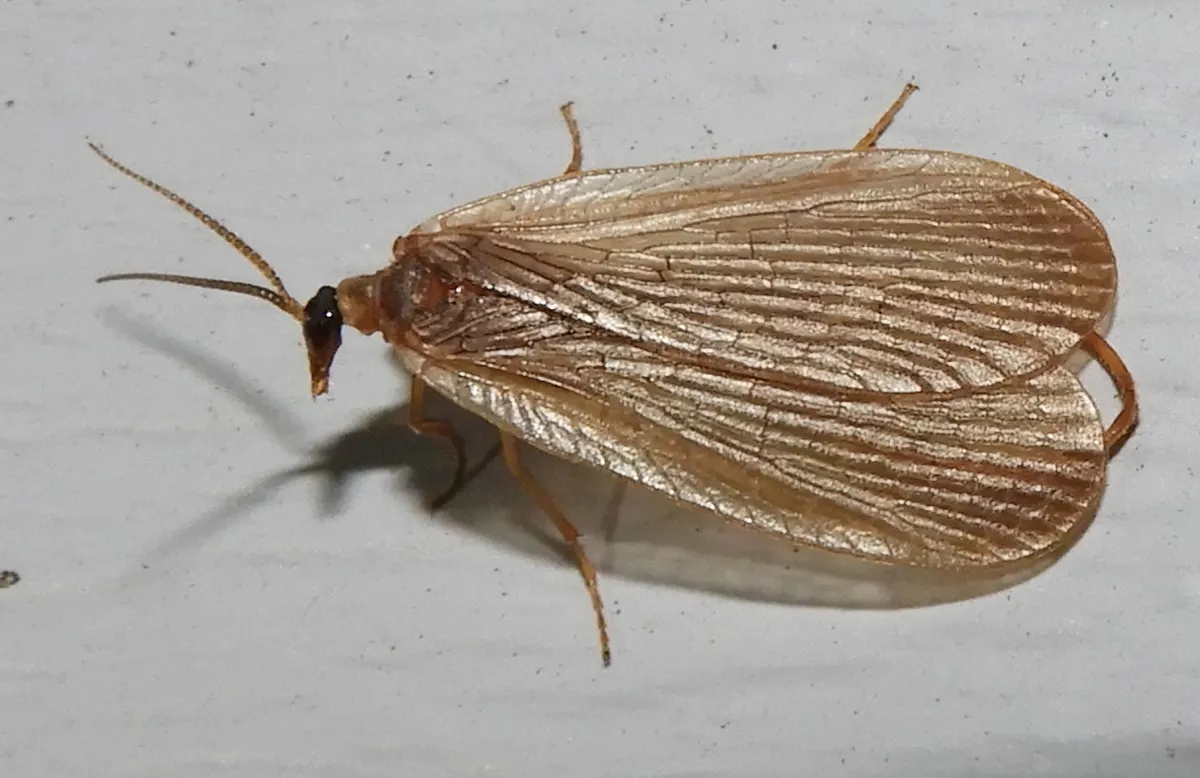
Forcepfly
Merope tuber
Identification: Appearance unique; body rather flattened, yellowish-brown; wings divided into many rectangular cells by numerous cross-veins; male with elongate, slender clasping structures at end of abdomen; female abdomen shorter, tapering to narro
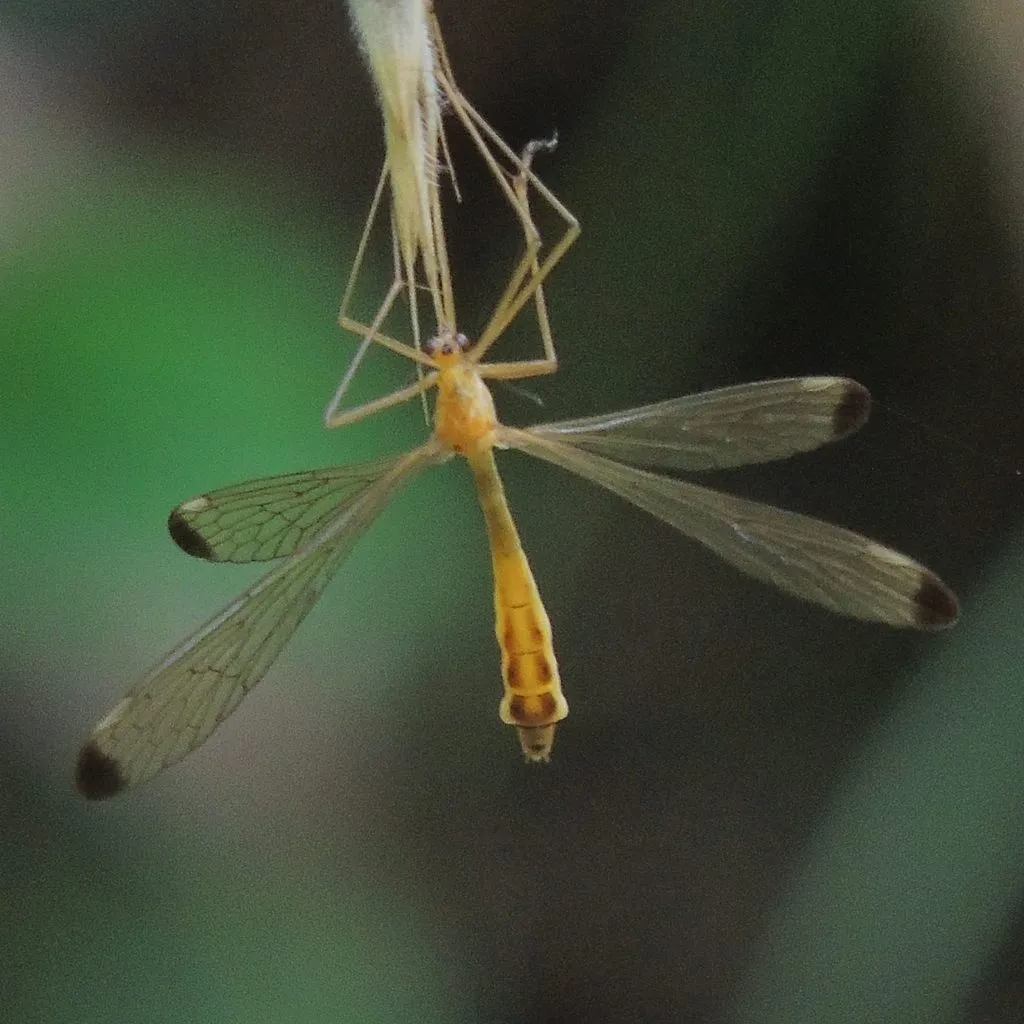
Hylobittacus apicalis
Hylobittacus apicalis
Identification: Diurnal, rests with wings outspread, and has black wingtips.
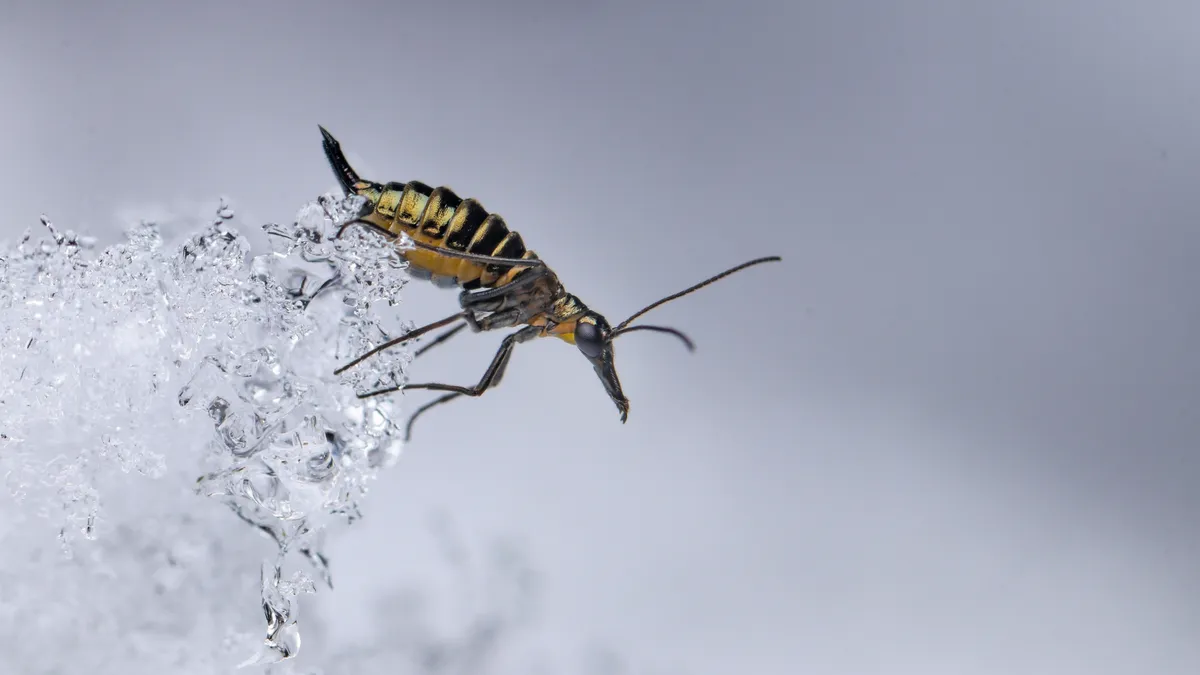
Mid-winter Boreus
Boreus brumalis
Identification: Legs, antennae, eyes, rostrum dull black; abdomen shiny blackish-green with light brown lateral stripes; ovipositor shiny black; rudimentary wings in male brownish-black; in female, the tiny wingpads are barely visible as two minute g
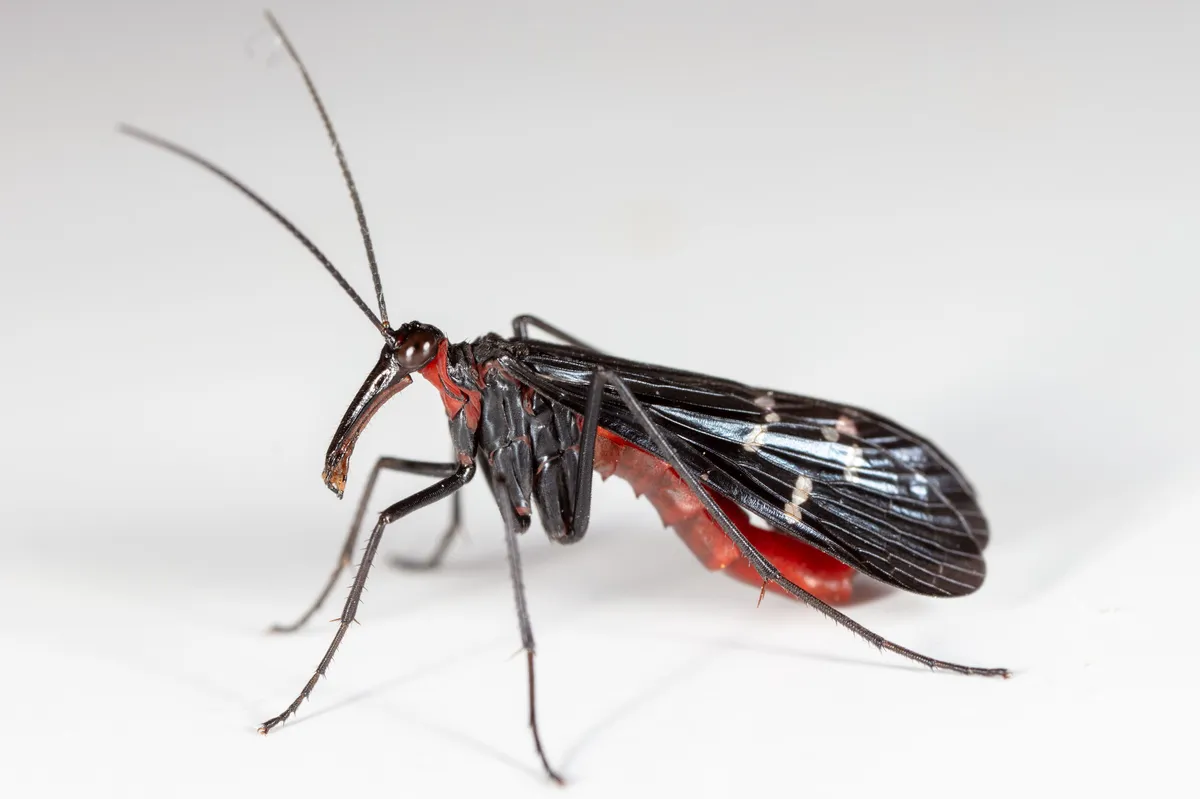
Mourning Scorpionfly
Panorpa lugubris
Identification: wings distinctive (black with white bands/spots) locally common
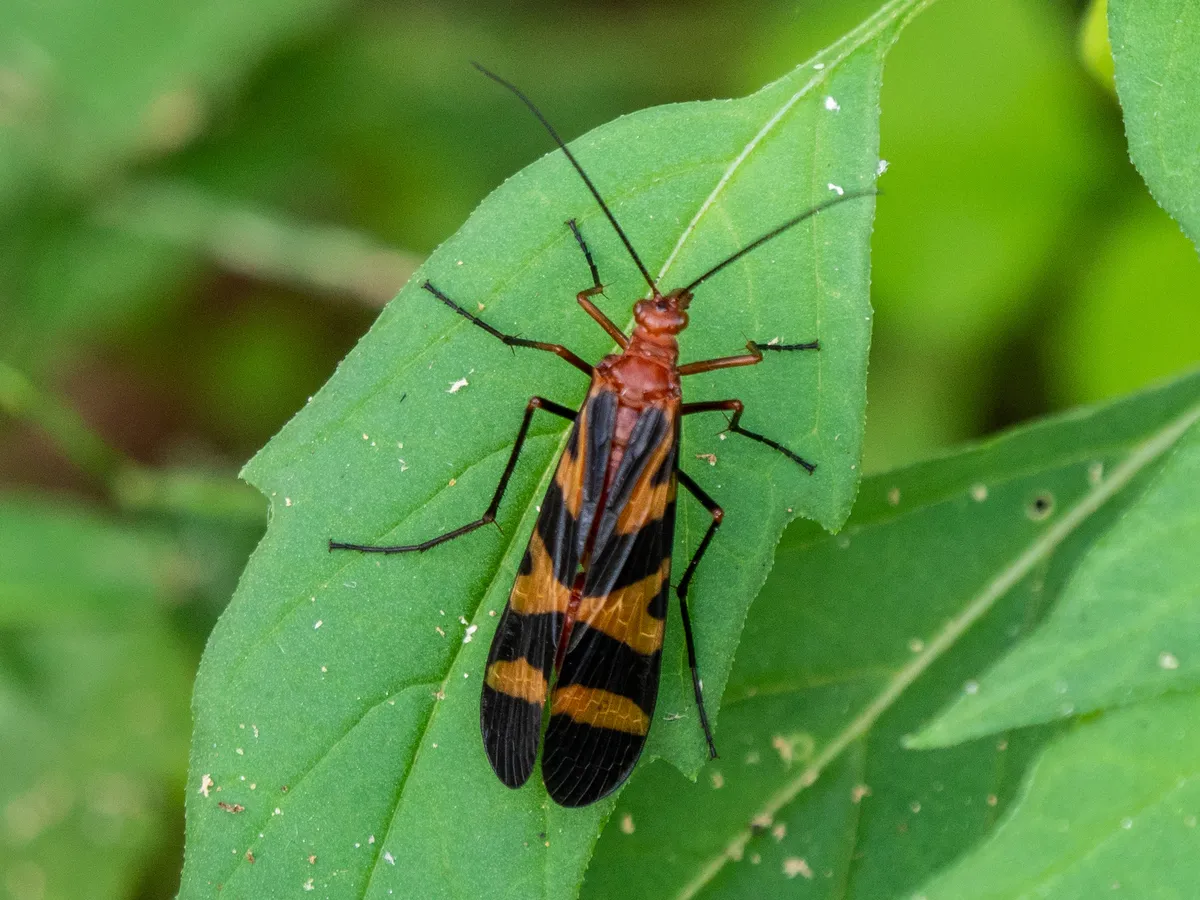
Nuptial Scorpionfly
Panorpa nuptialis
Identification: Large for this genus. Wings distinctive, heavily marked with broad dark bands in ( 3 ) , the name of the author is misspelled and the range is erroneously described
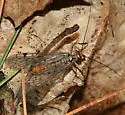
Panorpa acuta
Panorpa acuta
Identification: wing ground color clear, crossveins margined; apical band broken up with small pale spots; pterostigmal band broken, indistinct; marginal spots absent
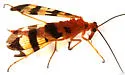
Panorpa americana
Panorpa americana
Identification: The only American species with complete wing bands having clean (non-ragged) edges on a hyaline (clear, not colored) background. (Joshua Jones, 9.i.2008)
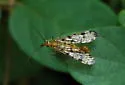
Panorpa banksi
Panorpa banksi
Identification: wing ground color usually clear (some specimens have faint yellow wing membranes), crossveins margined; apical band dark brown; pterostigmal band broken into small dark brown spots; marginal spots absent
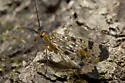
Panorpa claripennis
Panorpa claripennis
Identification: wing ground color clear, crossveins lightly margined, apical band dark brown, broken posteriorly; pterostigmal band brown, continuous; basal band reduced to two large spots; marginal spots absent common; appears earlier in the year th
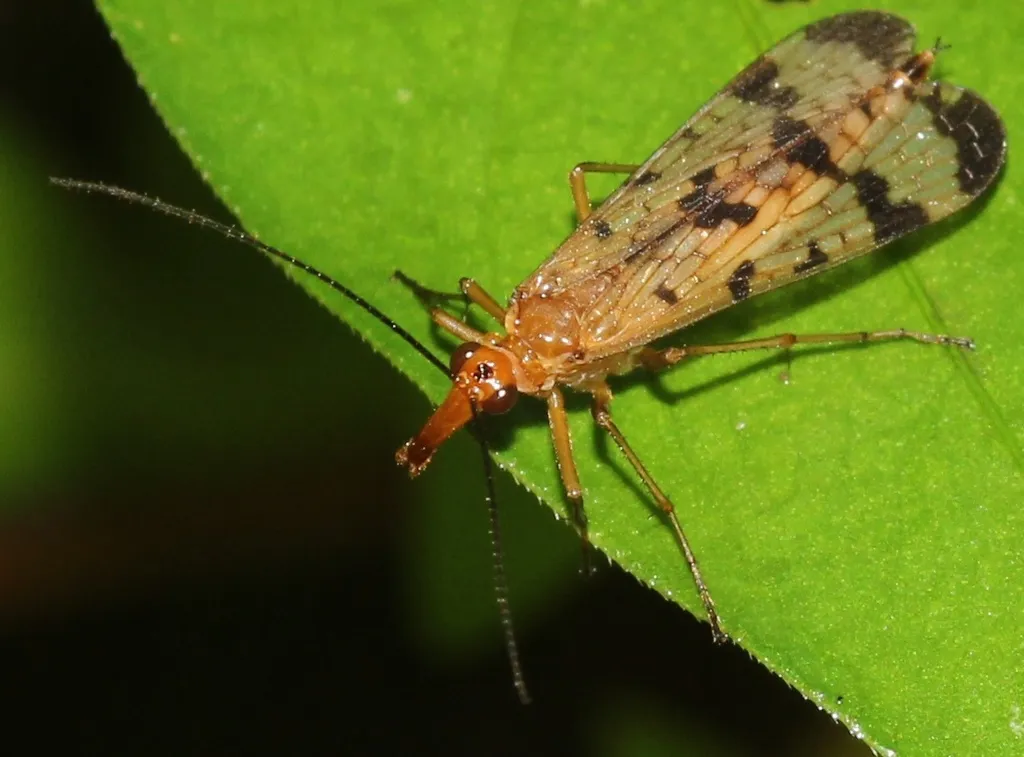
Panorpa debilis
Panorpa debilis
Identification: wing ground color clear, crossveins margined; apical band dark brown, broad anteriorly, narrow posteriorly, sometimes interrupted with clear spots; pterostigmal band brown, continuous; marginal spots absent
Panorpa galerita
Panorpa galerita
Identification: wings with clear background color, crossveins not margined; apical band dark brown, usually continuous but sometimes with clear spots on posterior part; pterostigmal band brown, continuous; marginal spots absent
Panorpa latipennis
Panorpa latipennis
Identification: wing ground color clear, crossveins margined; apical band broken, with pale brown and clear spots; pterostigmal band broad anteriorly, narrow posteriorly, interrupted by clear spots (such as large oval spot near costa); marginal spots
Panorpa mirabilis
Panorpa mirabilis
Identification: wing background clear, crossveins not margined; apical band dark brown and continuous; pterostigmal band pale to dark brown, continuous; marginal spots absent
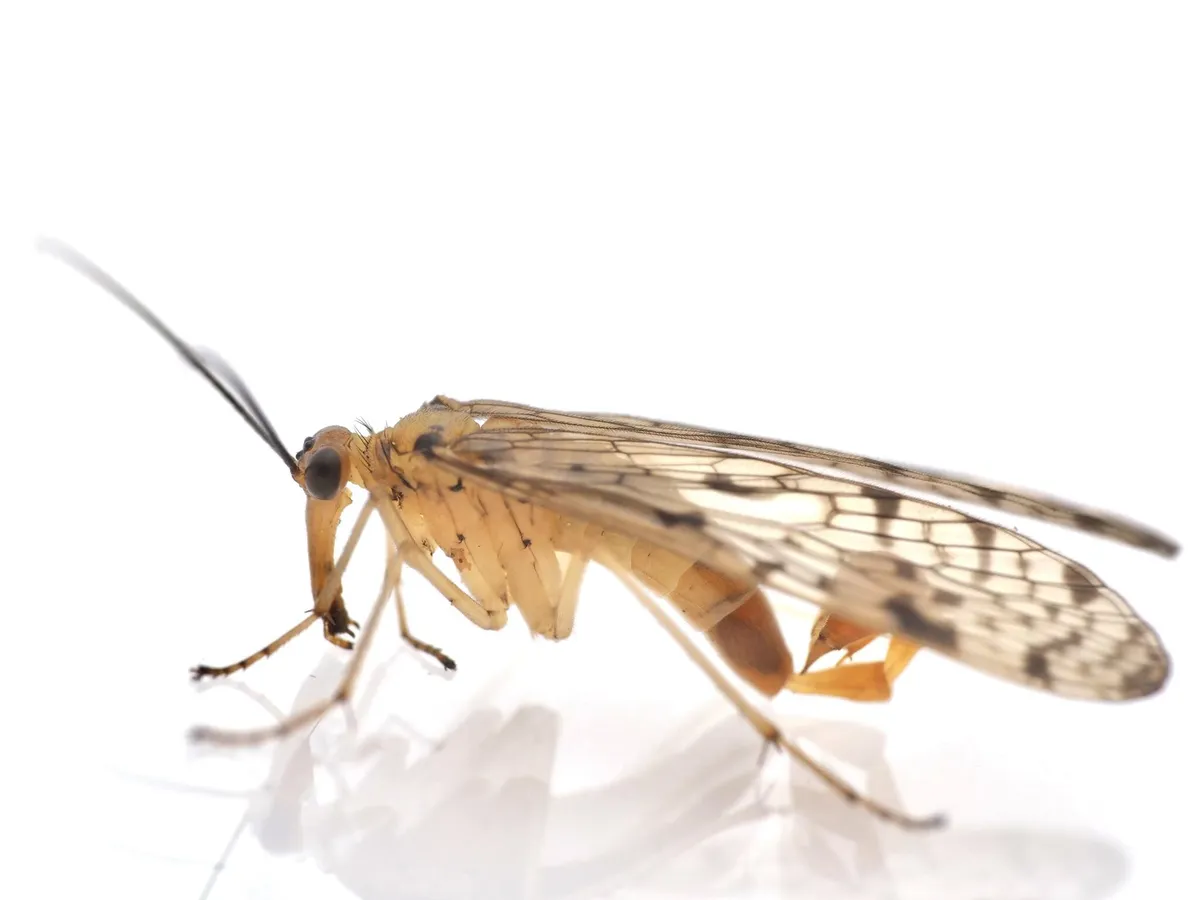
Panorpa nebulosa
Panorpa nebulosa
Identification: wing background clear, crossveins lightly margined; apical band reduced to many small pale spots; pterostigmal band forked but not continuous, broken posteriorly with pale spots; first and second marginal spots absent
Panorpa neglecta
Panorpa neglecta
Identification: wing ground color pale yellow, crossveins not margined; apical band brown, usually continuous but sometimes with 1 or 2 clear spots; pterostigmal band brown, continuous, sometimes forked; marginal spots absent
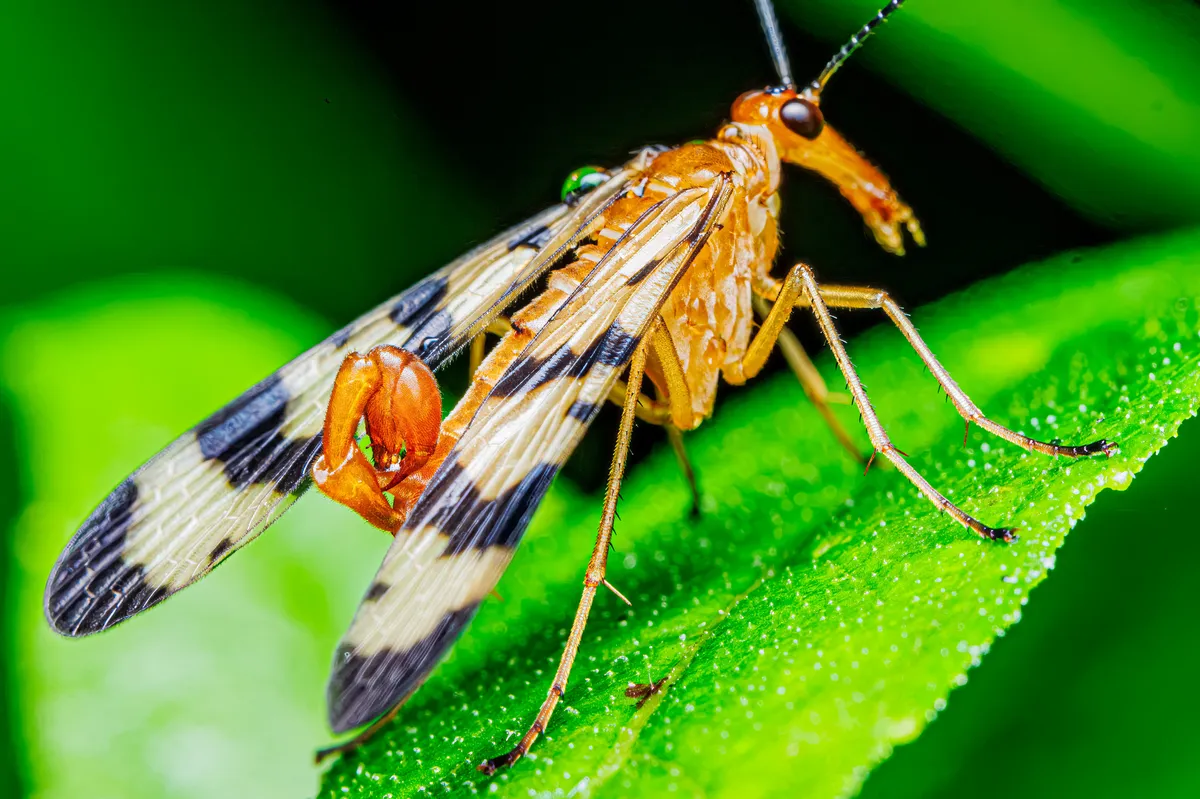
Panorpa subfurcata
Panorpa subfurcata
Identification: wing background clear, crossveins not margined; apical band dark brown, broad anteriorly and narrowed posteriorly, sometimes interrupted with clear spots; pterostigmal band brown, continuous and usually forked; marginal spots variable
Panorpa submaculosa
Panorpa submaculosa
Identification: forewing background clear, and crossveins margined; apical band brown to dark brown, broken up into spots; pterostigmal band dark brown, not continuous; first marginal spot and second marginal spot absent
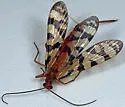
Red Scorpionfly
Panorpa rufa
Identification: Relatively uncommon; closely related to P. nuptialis and P. lugubris . The Y-shaped subapical band distinguishes it from P. nuptialis . (Joshua Jones, pers. comm. 1/9/2008)
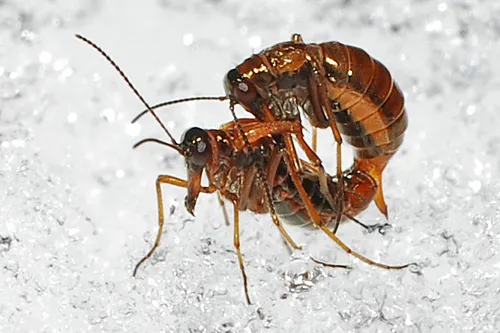
Snow-born Boreus
Boreus nivoriundus
Identification: Adapted from Asa Fitch's original 1847 description: head, eyes, antennae black; rostrum brown with black tip; side of thorax black; top of thorax varying from brown to cinnamon except basal half of prothorax black; abdomen varies from
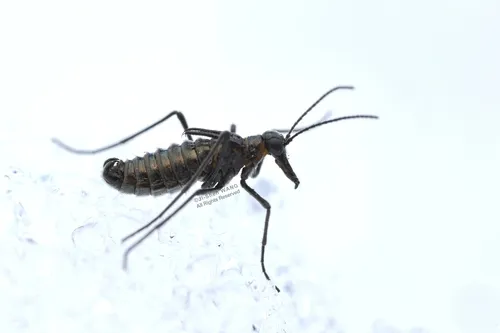
Boreus altaicus
Boreus altaicus
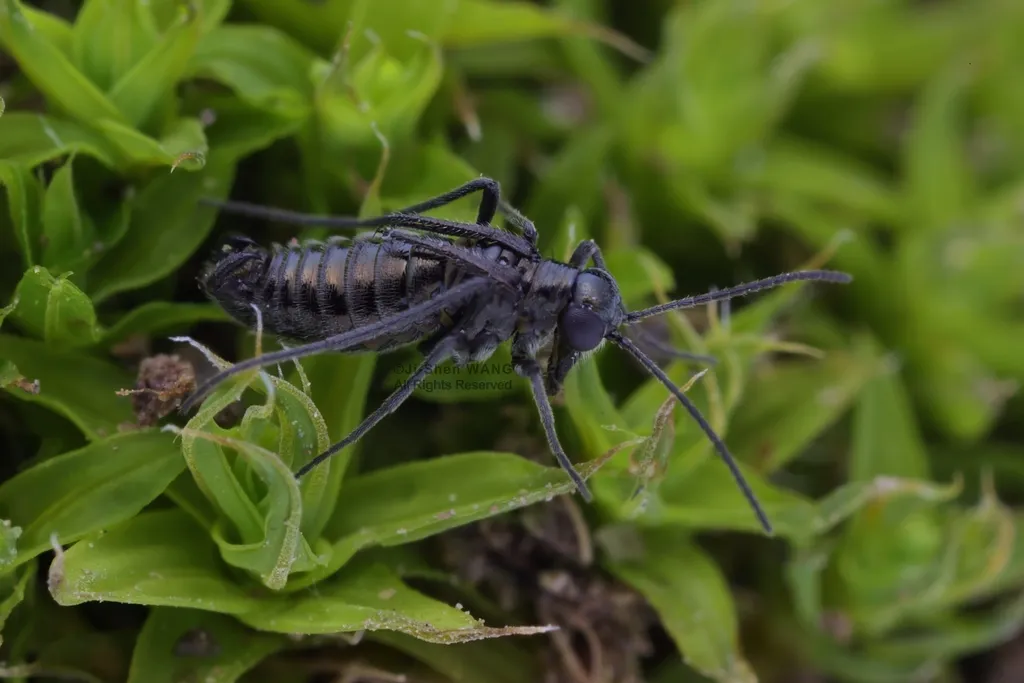
Boreus beybienkoi
Boreus beybienkoi
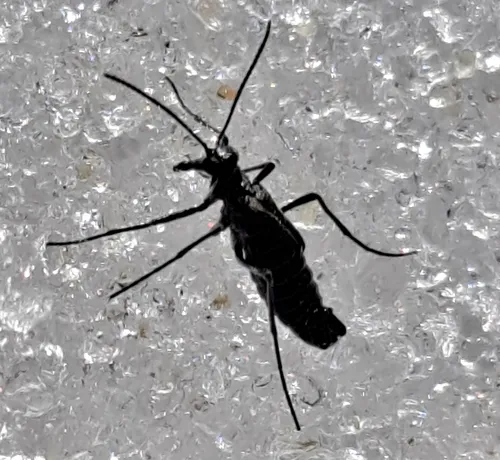
Boreus bomari
Boreus bomari
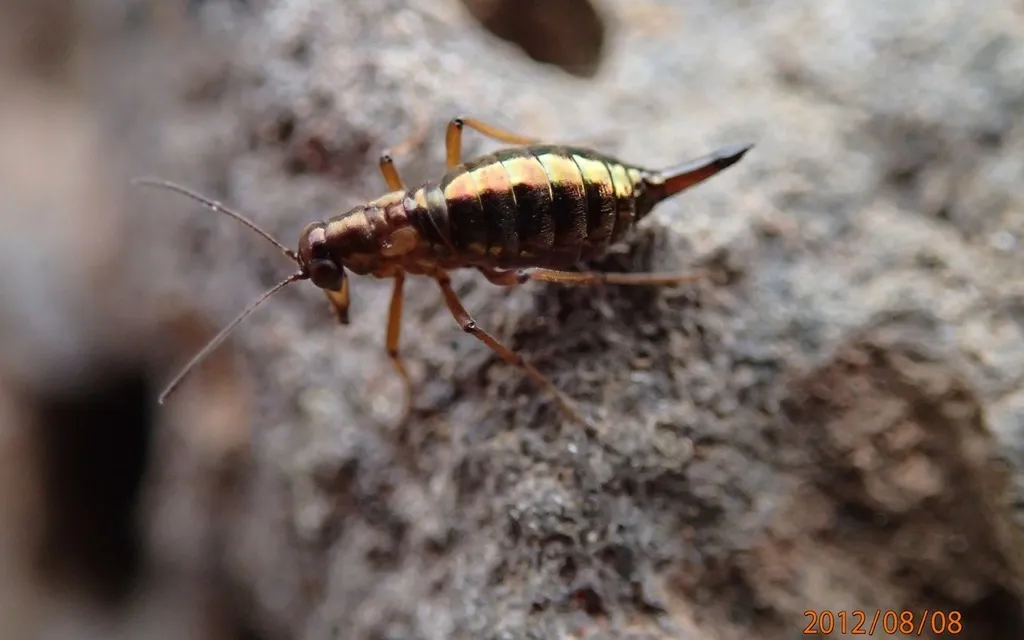
Boreus borealis
Boreus borealis
Boreus chadzhigireji
Boreus chadzhigireji
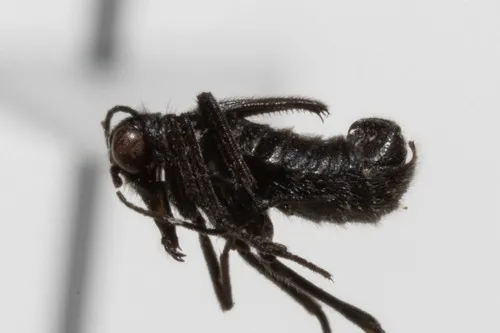
Boreus pilosus
Boreus pilosus
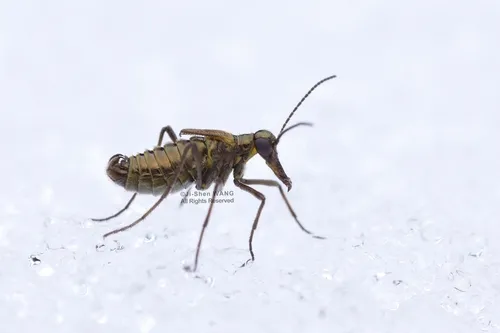
Boreus transiliensis
Boreus transiliensis
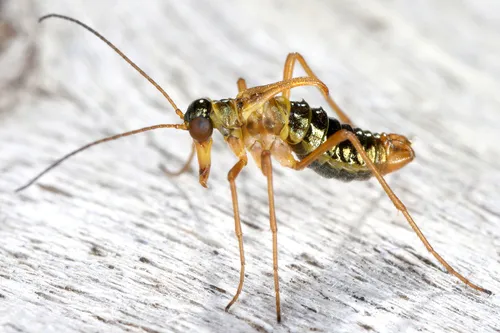
Boreus westwoodii
Boreus westwoodii
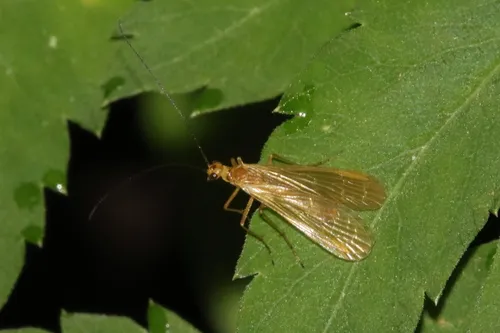
Brachypanorpa jeffersoni
Brachypanorpa jeffersoni
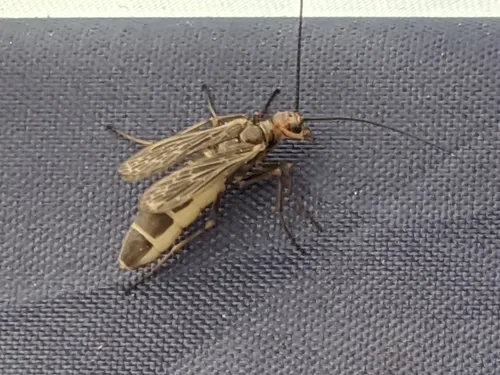
Brachypanorpa montana
Brachypanorpa montana
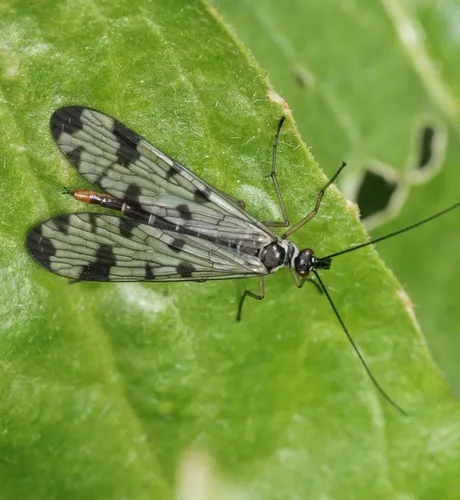
Panorpa caucasica
Panorpa caucasica
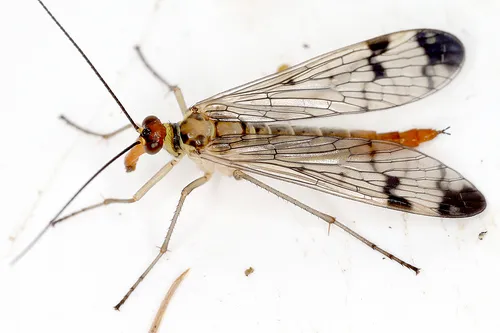
Panorpa cognata
Panorpa cognata

Panorpa connexa
Panorpa connexa
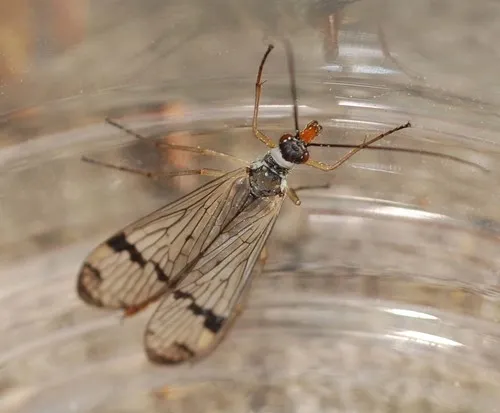
Panorpa cornigera
Panorpa cornigera
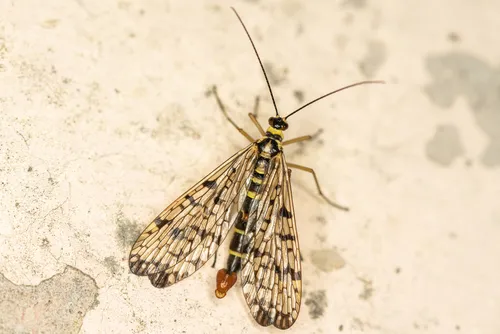
Panorpa hybrida
Panorpa hybrida
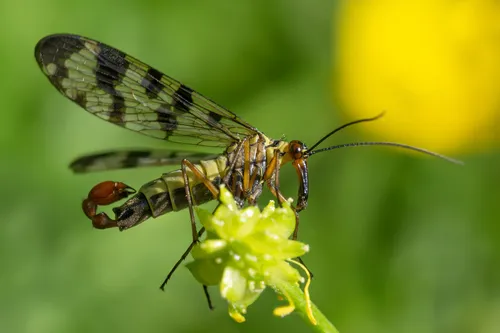
Panorpa meridionalis
Panorpa meridionalis
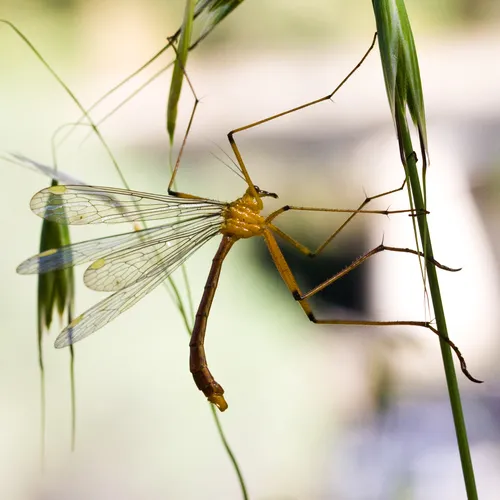
Bittacus chlorostigma
Bittacus chlorostigma
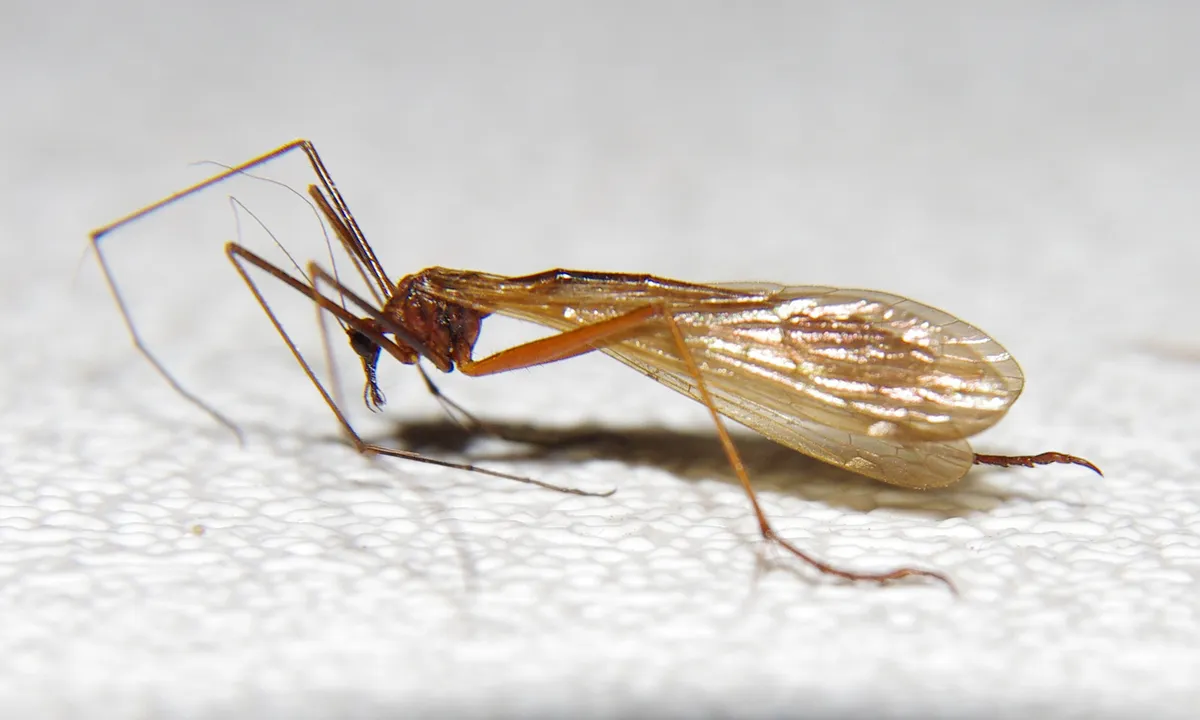
Bittacus occidentis
Bittacus occidentis
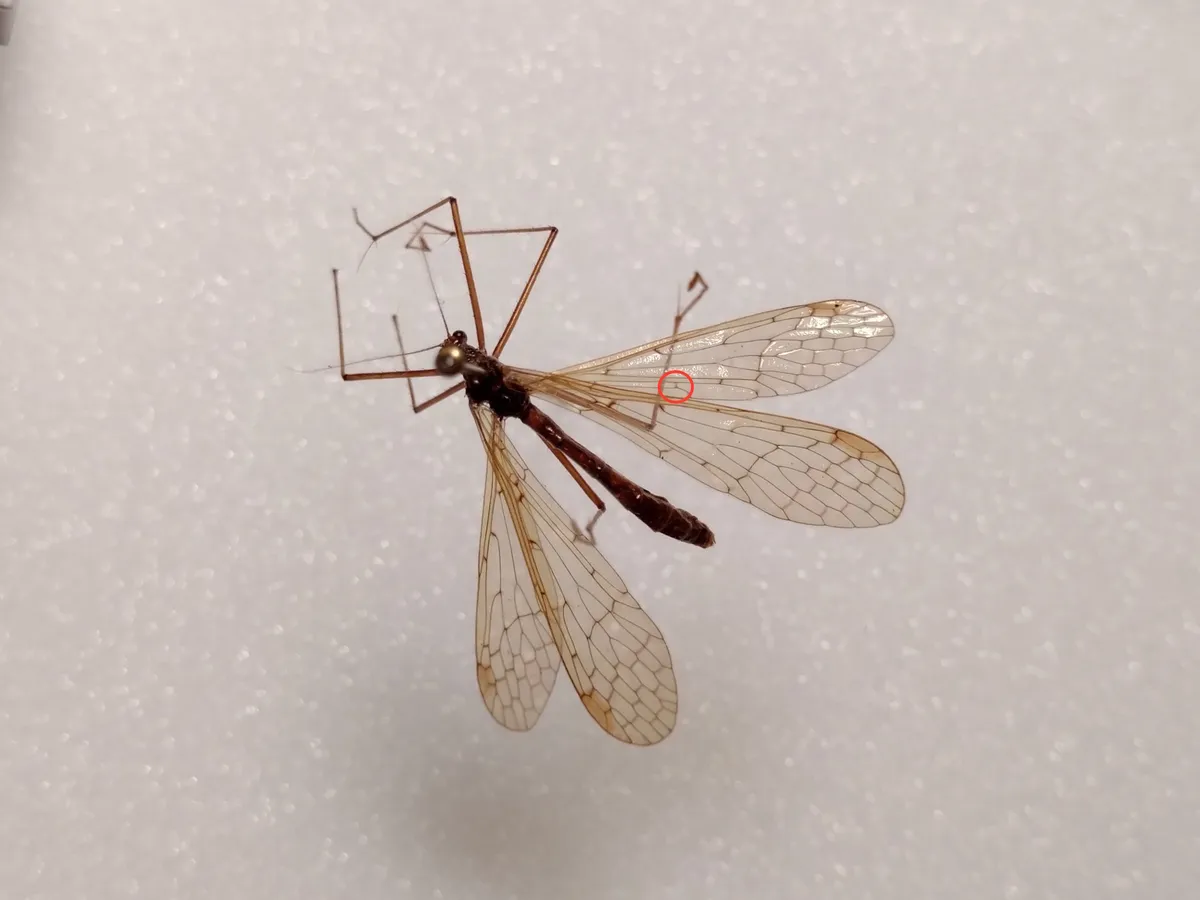
Bittacus pilicornis
Bittacus pilicornis
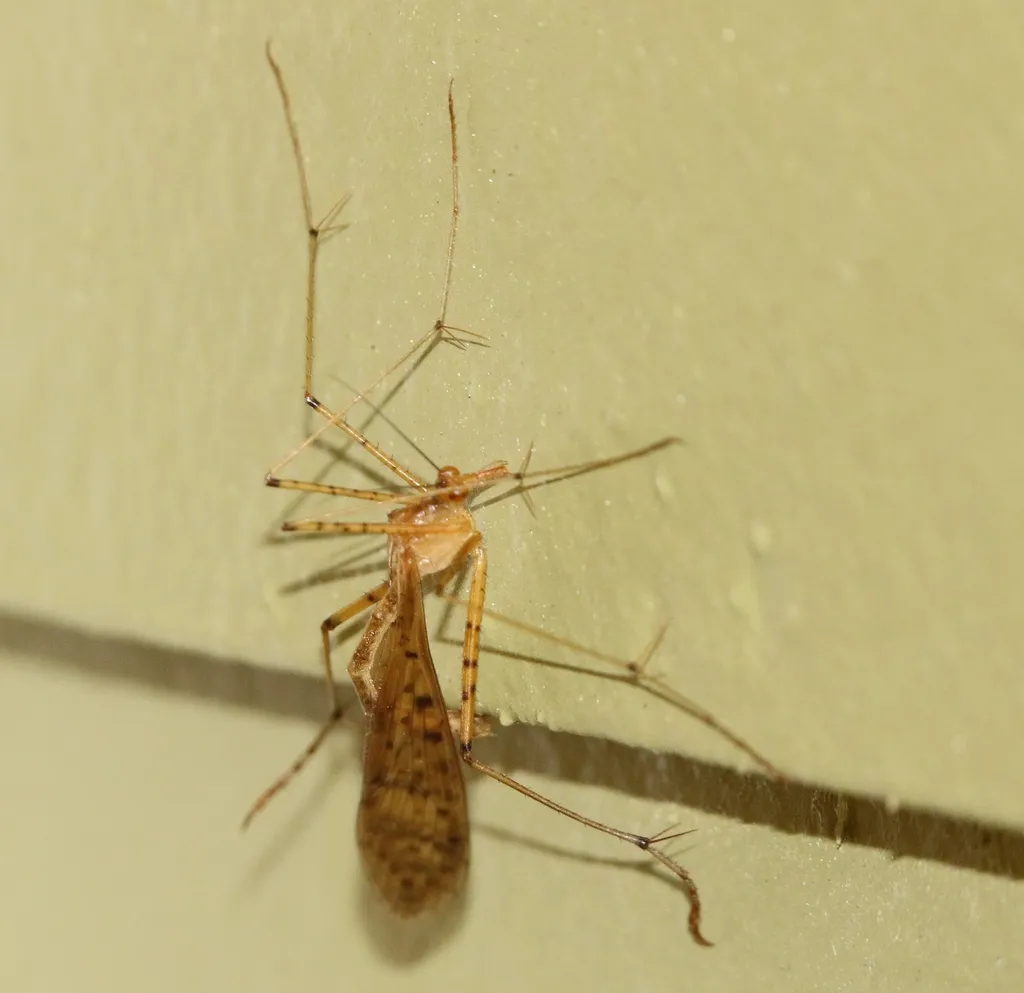
Bittacus punctiger
Bittacus punctiger
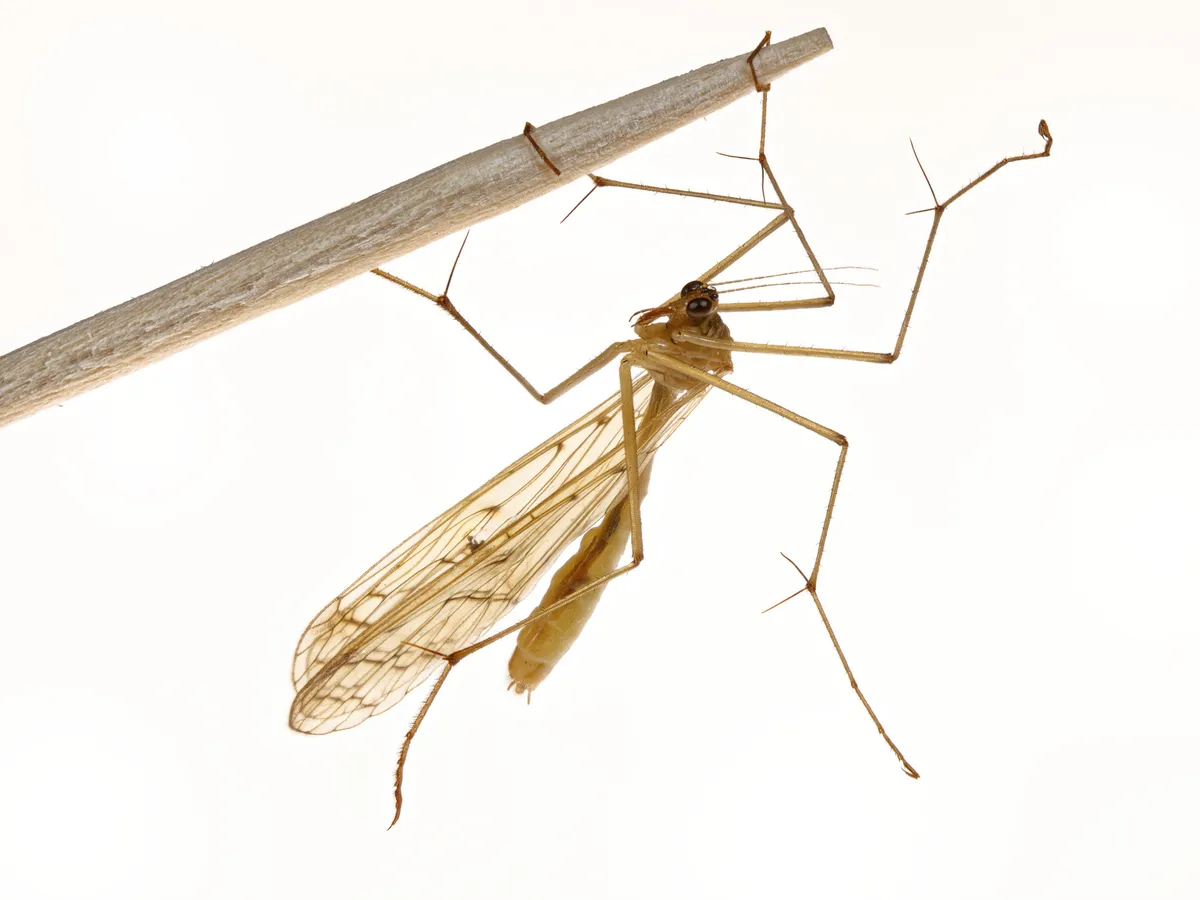
Bittacus strigosus
Bittacus strigosus
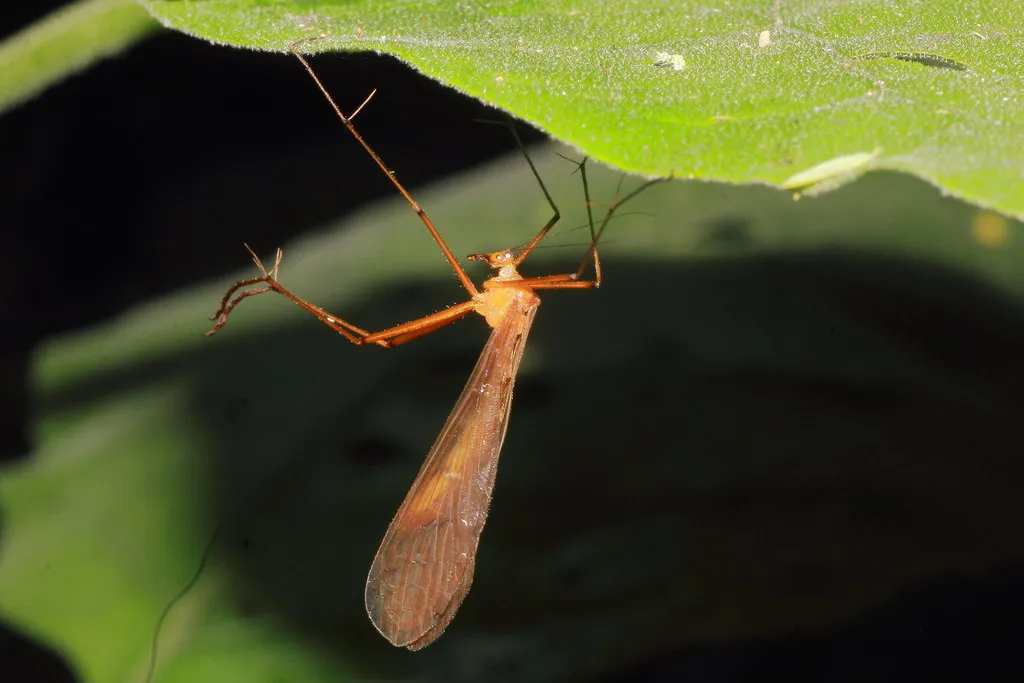
Bittacus texanus
Bittacus texanus
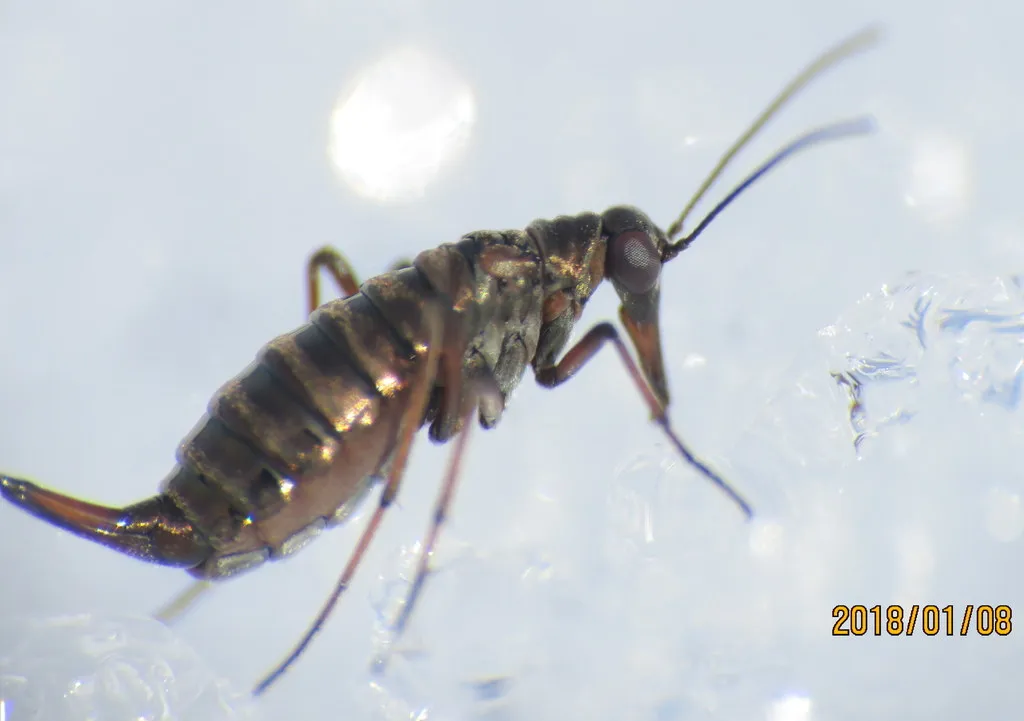
Boreus californicus
Boreus californicus
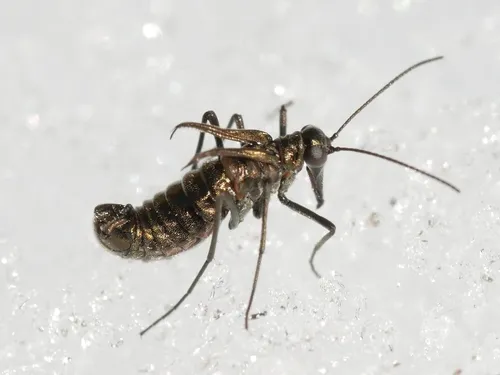
Boreus coloradensis
Boreus coloradensis
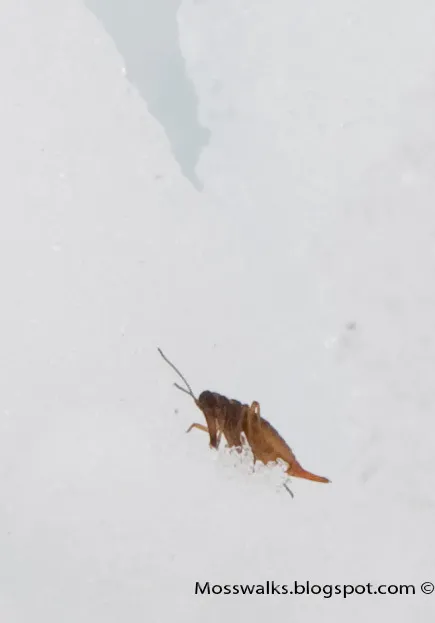
Boreus elegans
Boreus elegans
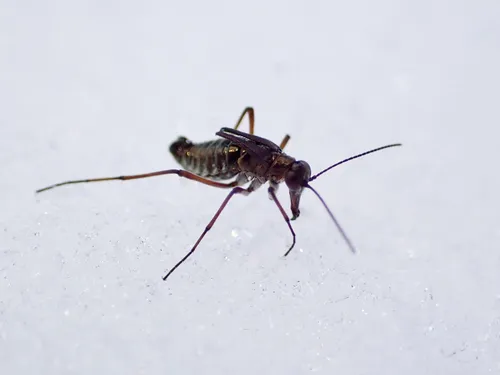
Boreus insulanus
Boreus insulanus
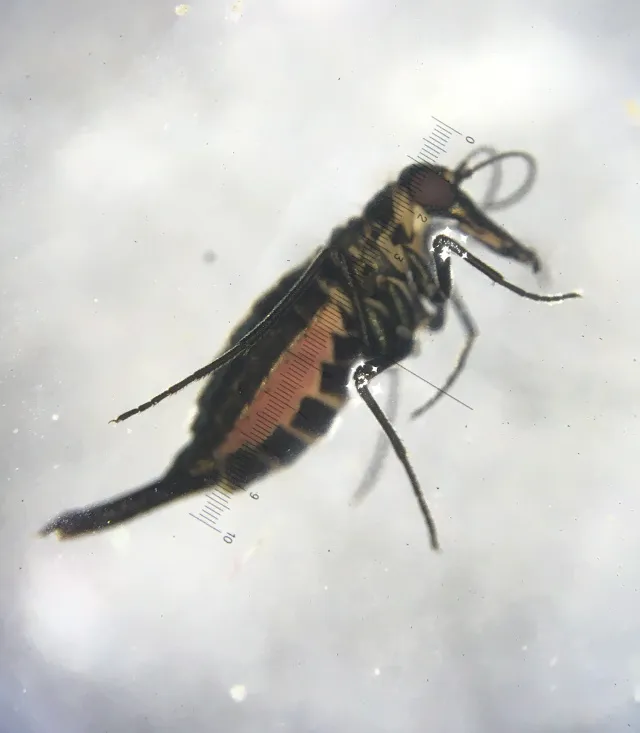
Boreus nix
Boreus nix
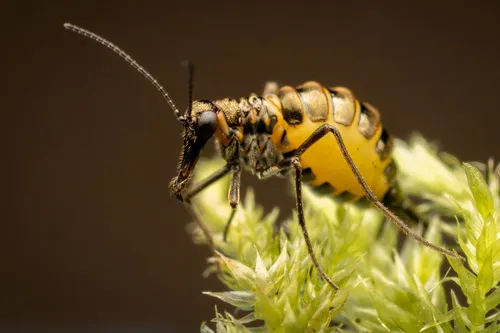
Boreus reductus
Boreus reductus
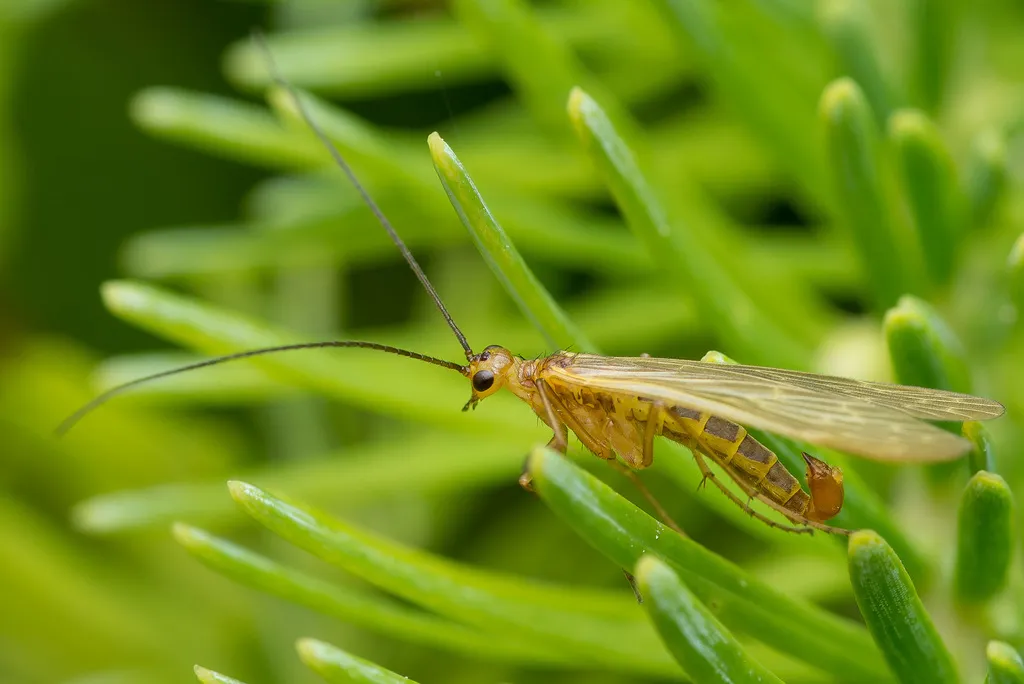
Brachypanorpa oregonensis
Brachypanorpa oregonensis
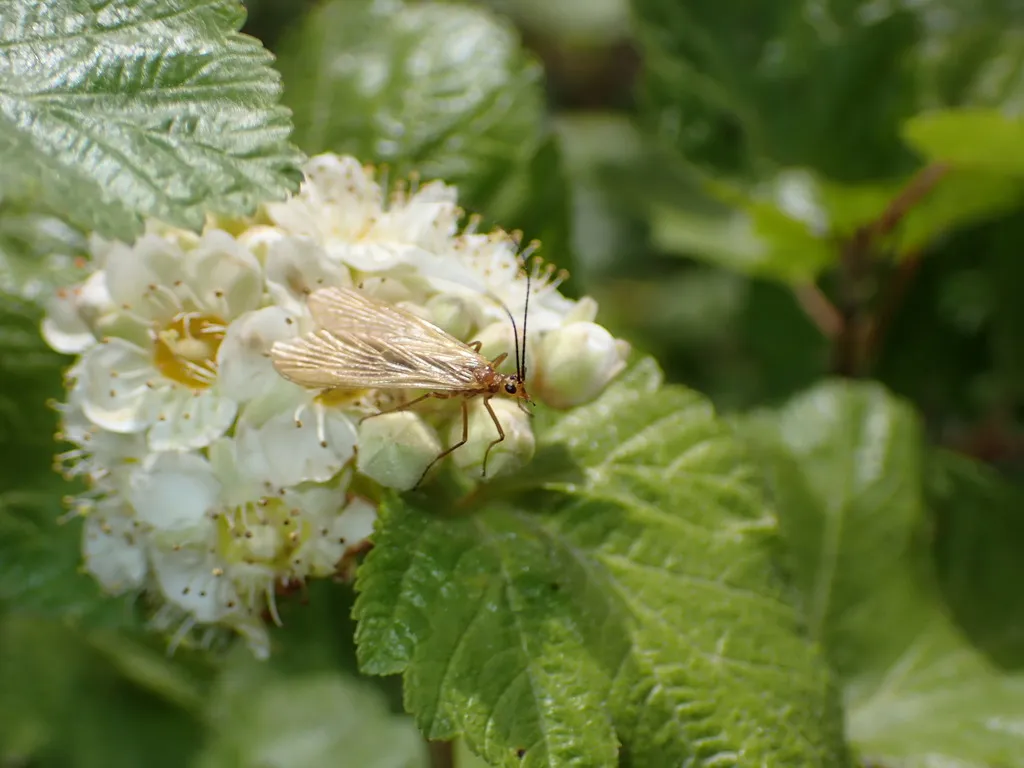
Brachypanorpa sacajawea
Brachypanorpa sacajawea
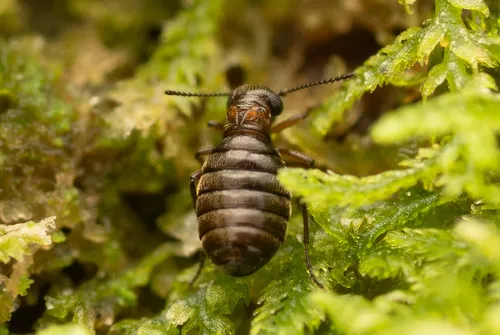
Caurinus dectes
Caurinus dectes
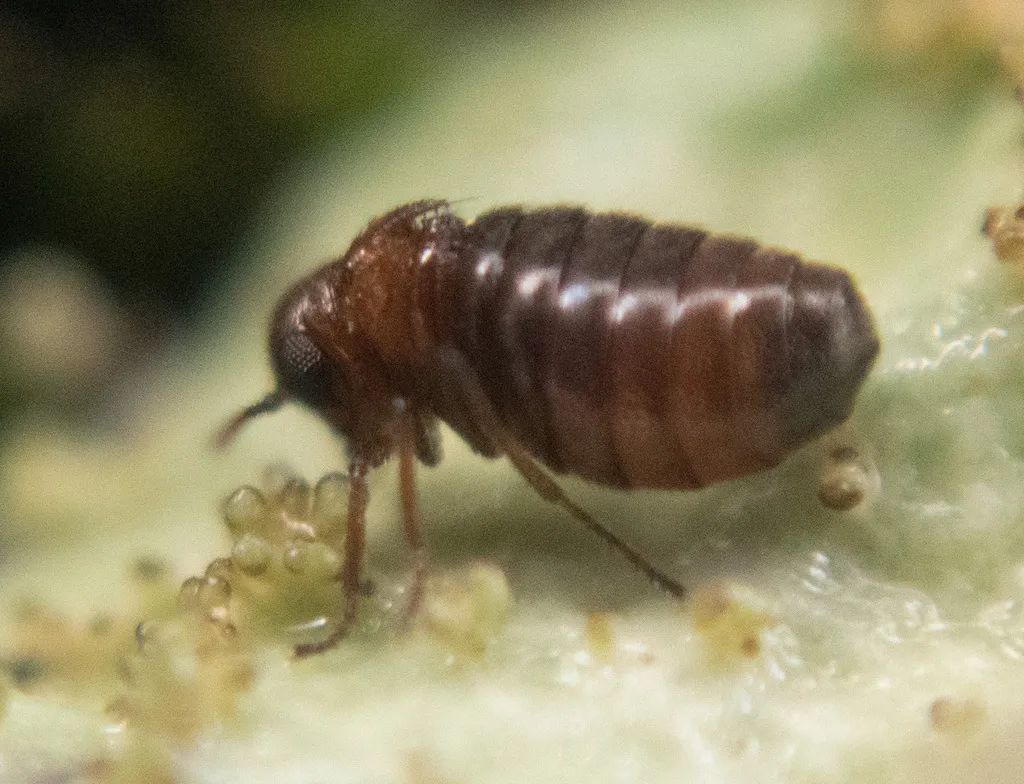
Caurinus tlagu
Caurinus tlagu
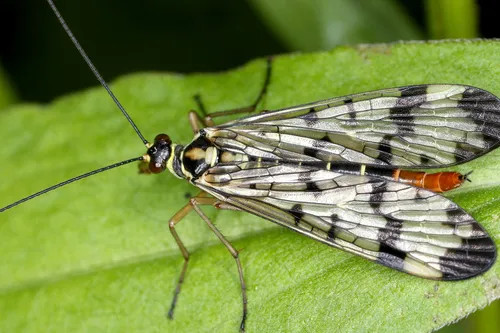
Common European Scorpionfly
Panorpa communis
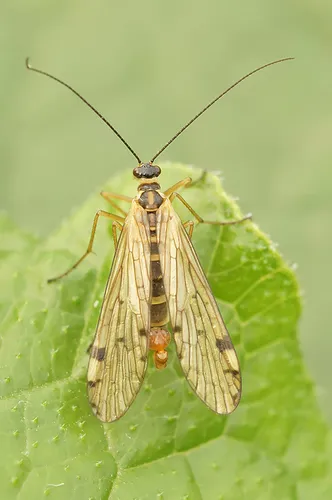
European Alpine Scorpionfly
Panorpa alpina
Florida Scorpionfly
Panorpa floridana
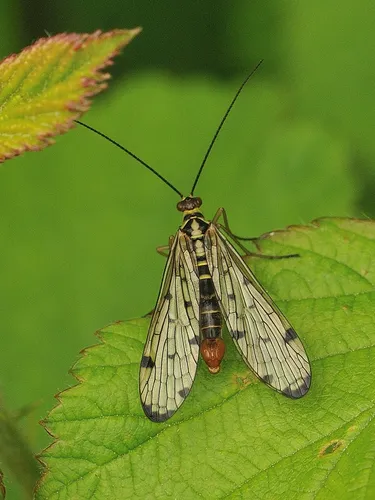
German Scorpionfly
Panorpa germanica
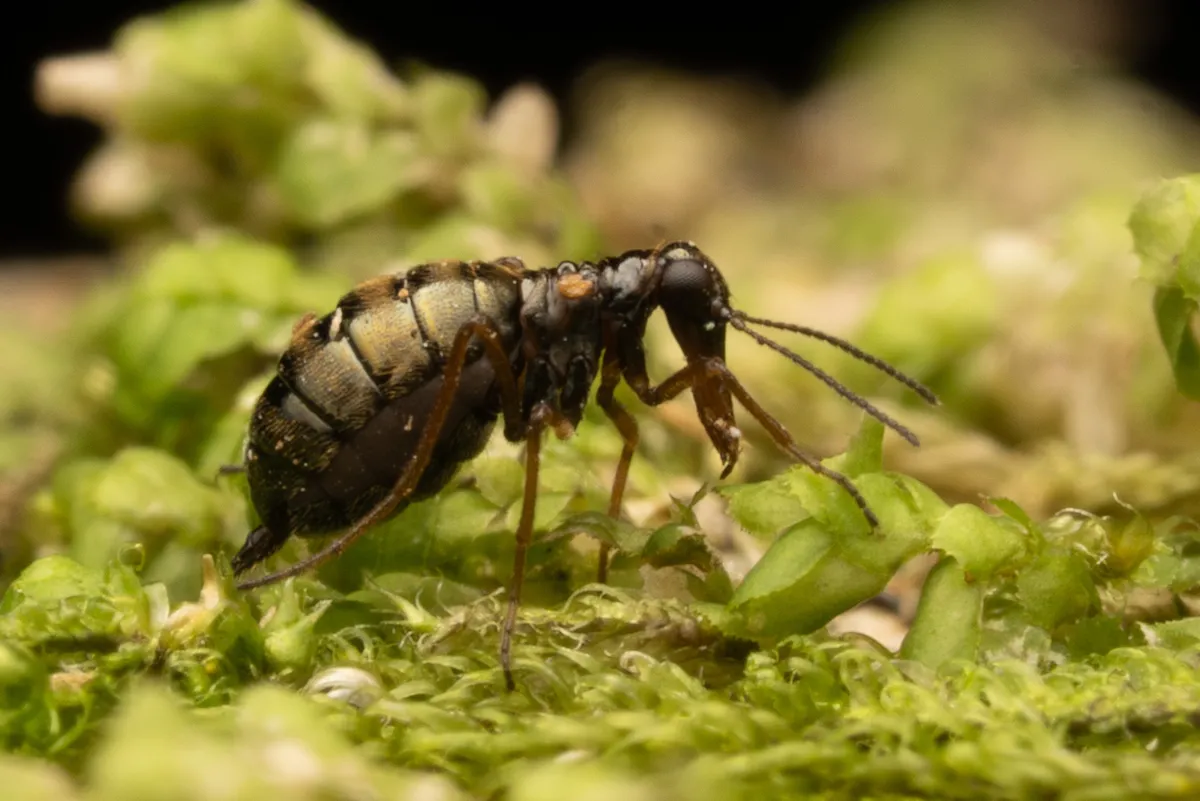
Hesperoboreus brevicaudus
Hesperoboreus brevicaudus
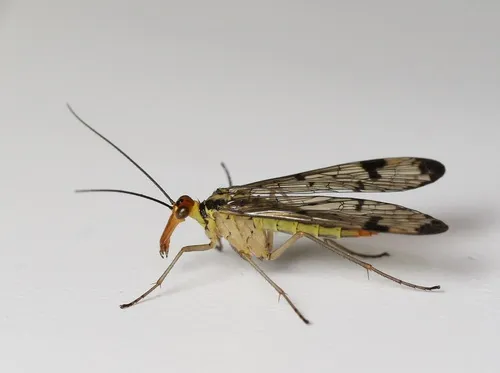
Lacedaemonian Scorpionfly
Panorpa lacedaemonia
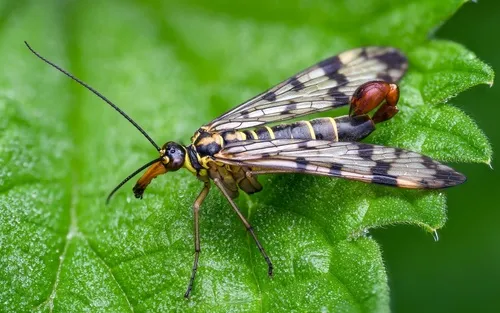
Meadow Scorpionfly
Panorpa vulgaris
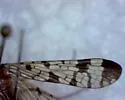
Panorpa anomala
Panorpa anomala
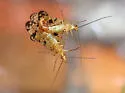
Panorpa banksiana
Panorpa banksiana
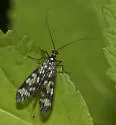
Panorpa carolinensis
Panorpa carolinensis
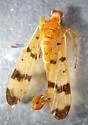
Panorpa choctaw
Panorpa choctaw
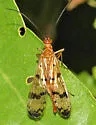
Panorpa confusa
Panorpa confusa
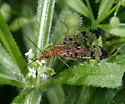
Panorpa consuetudinis
Panorpa consuetudinis
Panorpa cryptica
Panorpa cryptica
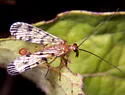
Panorpa dubitans
Panorpa dubitans
Panorpa ensigera
Panorpa ensigera
Panorpa ferruginea
Panorpa ferruginea
Panorpa flexa
Panorpa flexa
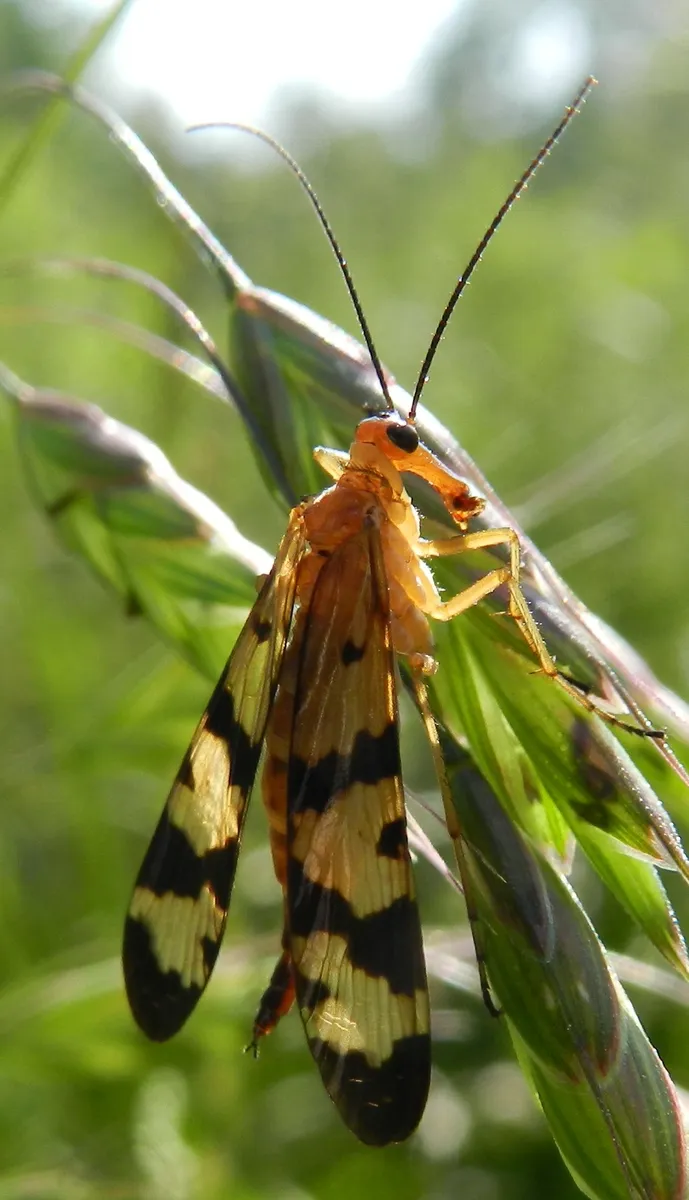
Panorpa helena
Panorpa helena
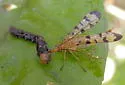
Panorpa hispida
Panorpa hispida
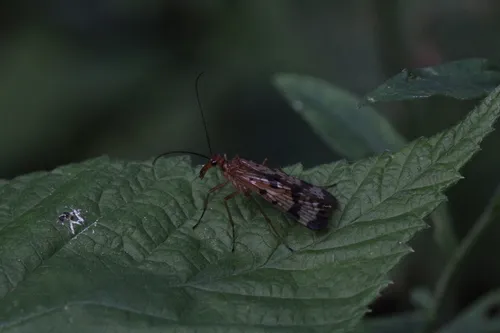
Panorpa hungerfordi
Panorpa hungerfordi
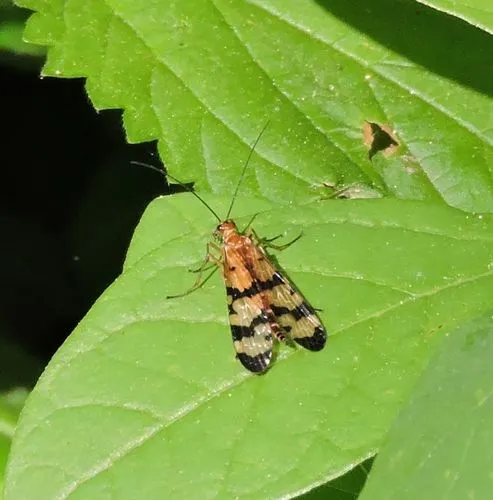
Panorpa insolens
Panorpa insolens
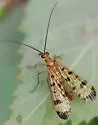
Panorpa isolata
Panorpa isolata
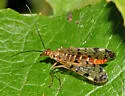
Panorpa maculosa
Panorpa maculosa
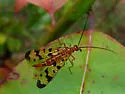
Panorpa oconee
Panorpa oconee
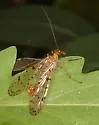
Panorpa palustris
Panorpa palustris
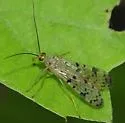
Panorpa possible-cryptica
Panorpa possible-cryptica
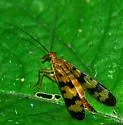
Panorpa rosemaria
Panorpa rosemaria
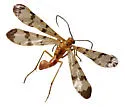
Panorpa setifera
Panorpa setifera
Panorpa speciosa
Panorpa speciosa
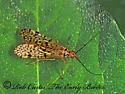
Panorpa vernalis
Panorpa vernalis
Panorpa virginica
Panorpa virginica
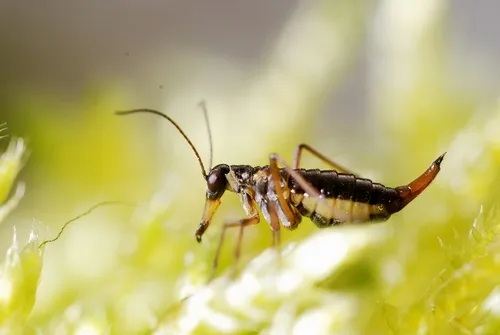
Snow Scorpionfly
Boreus hyemalis
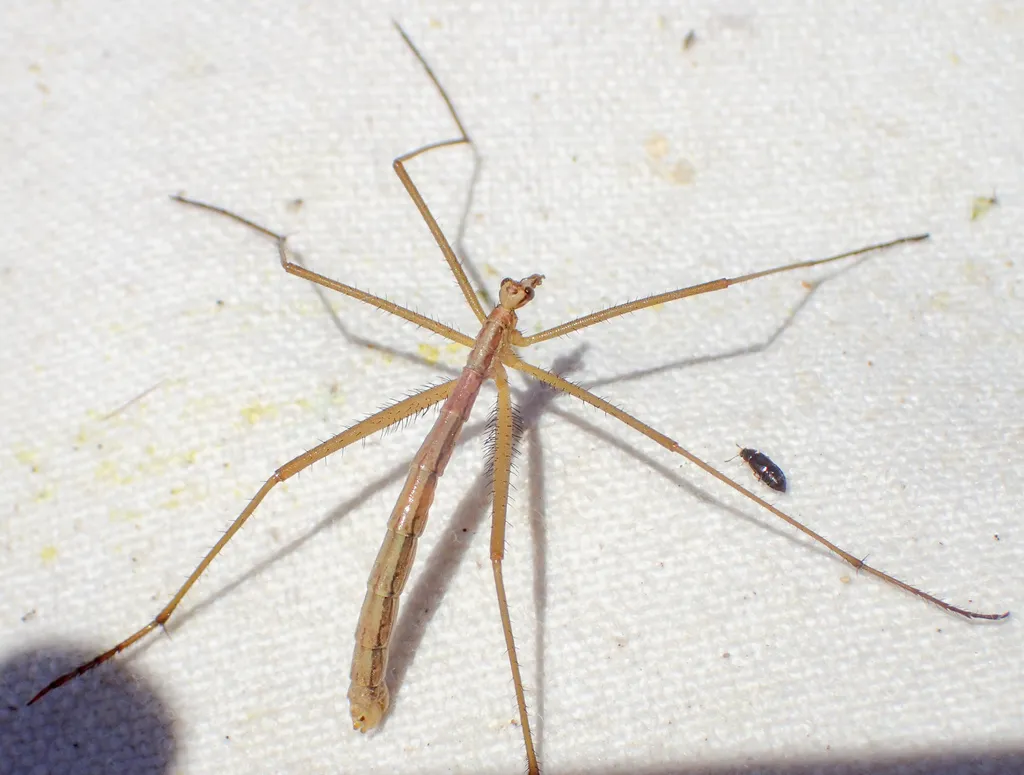
Wingless Scorpionfly
Apterobittacus apterus