
Bittacus stigmaterus
This record describes Bittacus stigmaterus (species). Recorded family: Bittacidae. Recorded order: Mecoptera.
Identification and Appearance
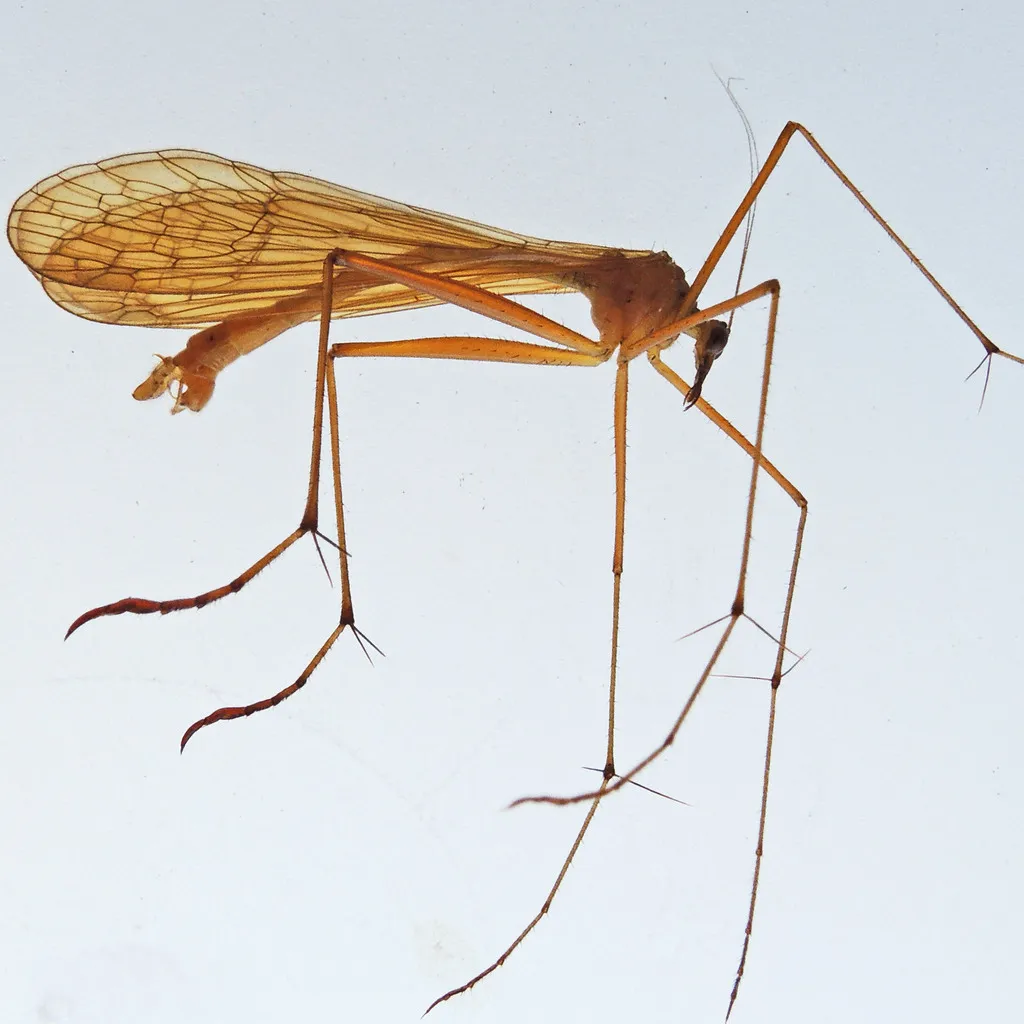
Yellowish with black eyes, head small; thorax large, humped. Wings: All equal in size, extending past tip of abdomen. Pale yellowish. Stigma just before wing tip, darker yellow. Crossveins are not darker. Types: Holotype as Bittacus stigmaterus by Say, 1823. Type Locality: Missouri. Type lost. Holotype as Bittacus pallidipennis by Westwood, 1847. Type Locality: unknown (probably England). In the British Museum of Natural History, London, England.
Wikipedia reference for Bittacus stigmaterus: https://en.wikipedia.org/wiki/Bittacus_stigmaterus.
Classification
- Kingdom
- Animalia
- Phylum
- Arthropoda
- Class
- Insecta
- Order
- Mecoptera (Scorpionflies, Hangingflies, and Allies)
- Family
- Bittacidae (Hangingflies)
- Genus
- Bittacus
Imported taxonomy record. Source availability varies; see the source references and editorial policy below.
Habitat and Range
Habitat
Wet forests, stream edges.
Geographic Range
e. US (CT-GA to NE-TX) & southernmost ON
Seasonal Activity
July to September. (Flies later than B. strigosus).
Diet and Behavior
Diet: Adults prefer Diptera – flies, crane flies, long-legged flies and mosquitoes, but will eat almost any flying insect. Larvae feed on small roots like moss.
Life History
Adults fly only short distances and suspend themselves by their front legs on foliaged and wait for insects to fly by, catching them with their hind legs. They devour only soft body parts and liquids. Males give females a prey capture before mating. Females randomly drop eggs to the ground in wet or marshy areas. Eggs overwinter and will not hatch without wet soil. Eggs are able to wait until second year for wet conditions to return to soil. Eggs are dark brown, cube-shaped with a central depression on all six surfaces. Less than 1 mm in size. Eggs expand and become round just before hatching. Larvae have 4 instars; cylindrical, head bent down, light gray, head dark brown. Heavily spined. Older larvae are slate gray with warty appearance. They use a sucker at tip of abdomen for locomotion, but also have legs. Pupation takes place in tunnels in the soil. Adults live for about a week.
Additional species information
Species notes from the sources
Etymology: Bittacus stigmaterus Say 1823
About Scorpionflies, Hangingflies, and Allies: the wider group
Order-level background for Mecoptera, the group containing Bittacus stigmaterus. Species-specific details appear above.
Group overview
Mecoptera (scorpionflies) includes ~600 described species. Males of many species have an upturned abdomen tip resembling a scorpion's stinger, but they are completely harmless. Mecoptera are among the oldest insect orders with fossils dating to the Permian period (~270 million years ago).
Ecological role of the group
Scorpionflies are primarily scavengers feeding on dead insects and decaying organic matter. Some species practice 'nuptial gifting' - males offer prey items or salivary secretions to females as mating gifts.
Economic and practical significance of the group
Scorpionflies have little direct economic impact but are valuable research subjects - they are considered ancestral to fleas and possibly to all holometabolous insects (those with complete metamorphosis).
Recorded sources for this group: Entomological research, paleontology. Imported estimates may describe particular regions or reporting periods.
Photos of Bittacus stigmaterus (3)
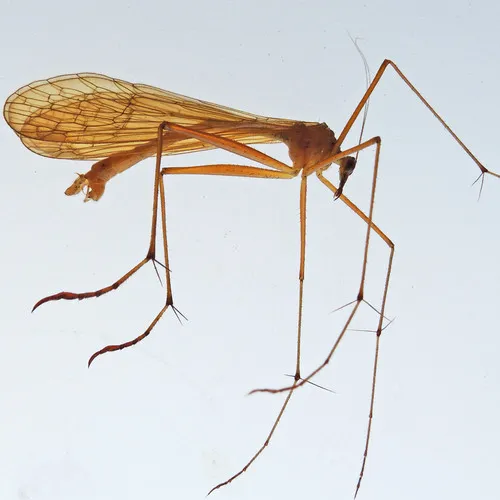
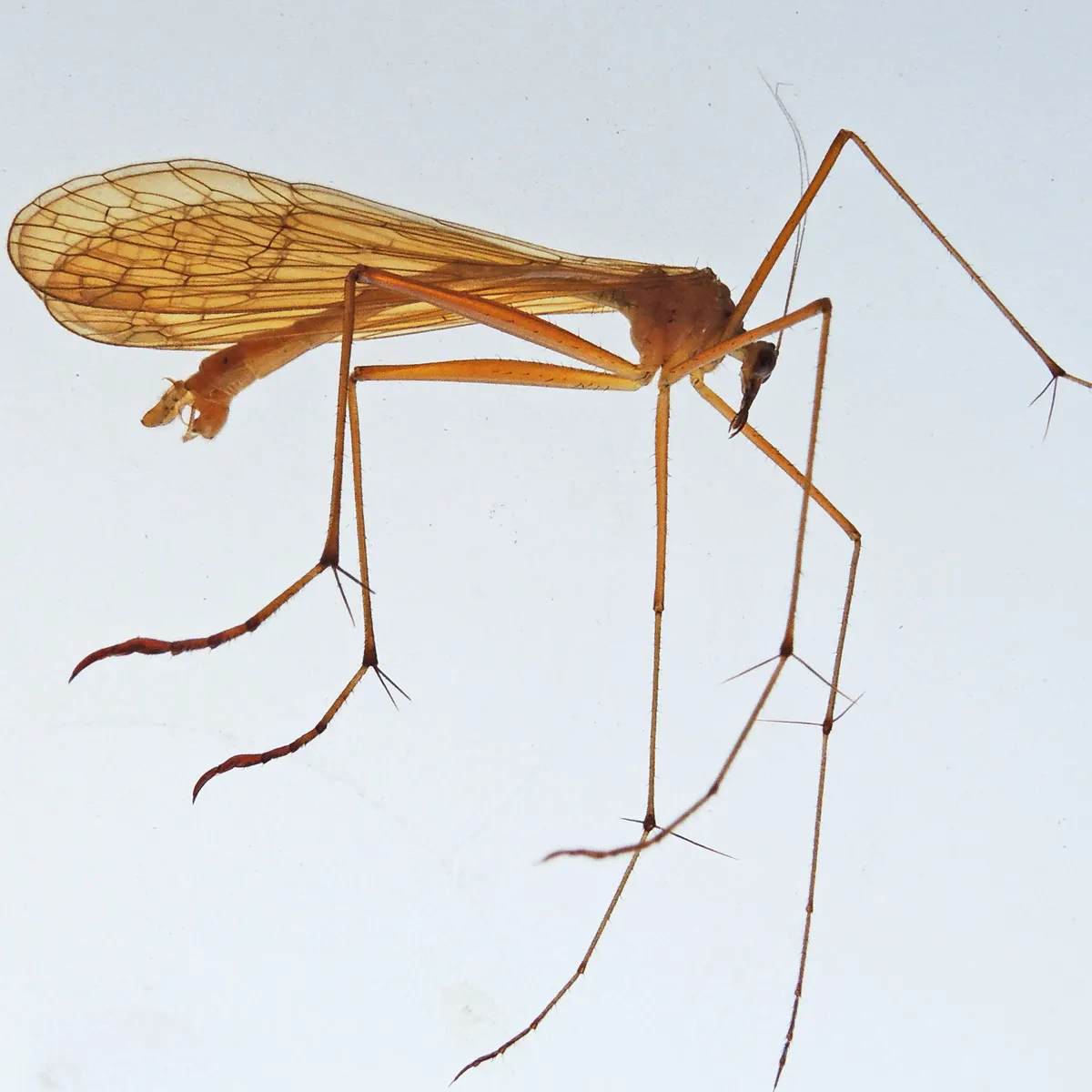
Photo credits: Contributed by v belov; Additional contributions by lee_penner
Frequently Asked Questions About Bittacus stigmaterus
What is Bittacus stigmaterus?
Bittacus stigmaterus is a species in the family Bittacidae, within the order Mecoptera.
How big is Bittacus stigmaterus?
16 to 18 mm long.
How do you identify Bittacus stigmaterus?
Yellowish with black eyes, head small; thorax large, humped. Wings: All equal in size, extending past tip of abdomen. Pale yellowish. Stigma just before wing tip, darker yellow. Crossveins are not darker.
Where is Bittacus stigmaterus found?
| Feature | Details |
|---|---|
| Habitat | Wet forests, stream edges. |
| Range | e. US (CT-GA to NE-TX) & southernmost ON |
What does Bittacus stigmaterus eat?
The diet of the Bittacus stigmaterus includes Adults prefer Diptera – flies, crane flies, long-legged flies and mosquitoes, but will eat almost any flying insect. Larvae feed on small roots like moss..
When is Bittacus stigmaterus active?
Bittacus stigmaterus: seasonal activity - July to September. (Flies later than B. strigosus)..
What is the life cycle of a Bittacus stigmaterus?
Adults fly only short distances and suspend themselves by their front legs on foliaged and wait for insects to fly by, catching them with their hind legs. They devour only soft body parts and liquids. Males give females a prey capture before mating. Females randomly drop eggs to the ground in wet or marshy areas. Eggs overwinter and will not hatch without wet soil. Eggs are able to wait until second year for wet conditions to return to soil. Eggs are dark brown, cube-shaped with a central depression on all six surfaces. Less than 1 mm in size. Eggs expand and become round just before hatching. Larvae have 4 instars; cylindrical, head bent down, light gray, head dark brown. Heavily spined. Older larvae are slate gray with warty appearance. They use a sucker at tip of abdomen for locomotion, but also have legs. Pupation takes place in tunnels in the soil. Adults live for about a week.