
Panorpa nebulosa
This record describes Panorpa nebulosa (species). Recorded family: Panorpidae. Recorded order: Mecoptera.
Identification and Appearance
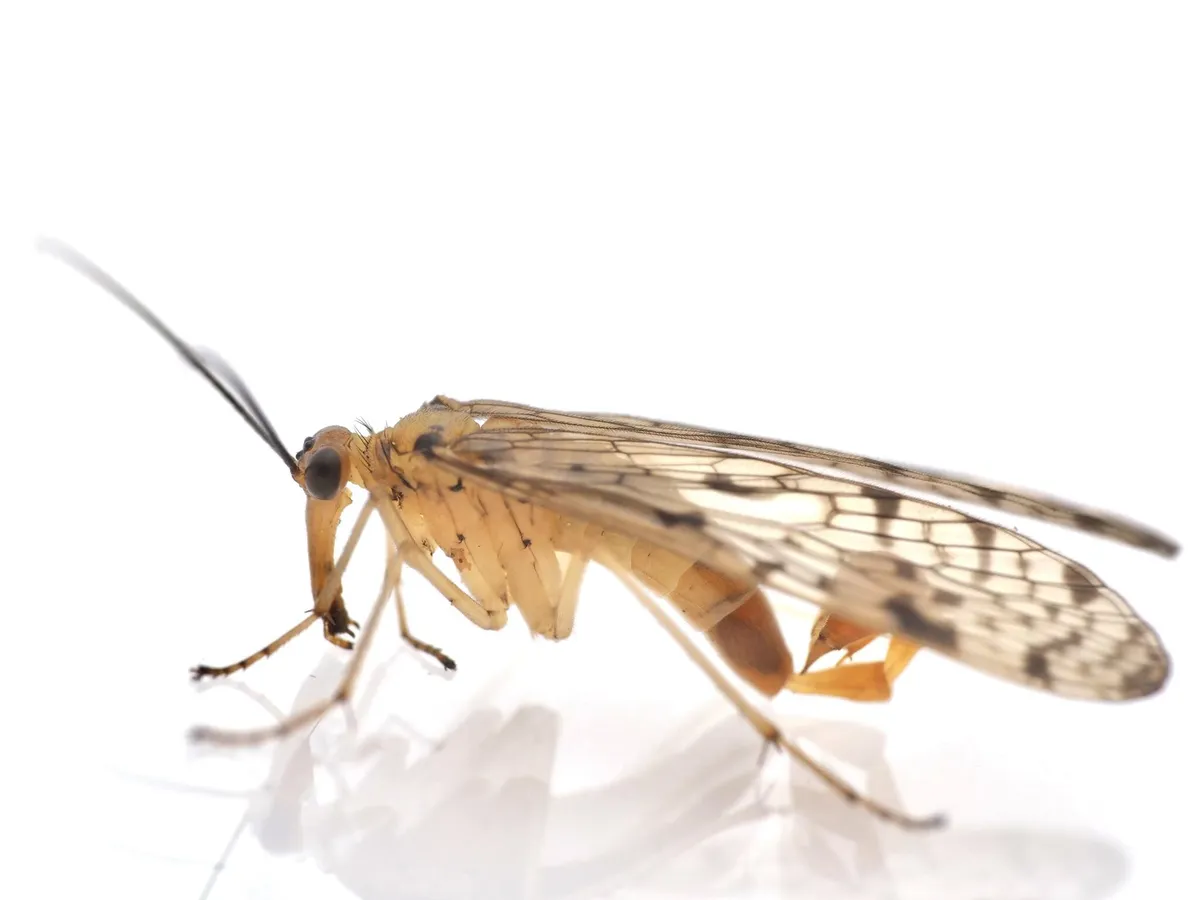
wing background clear, crossveins lightly margined; apical band reduced to many small pale spots; pterostigmal band forked but not continuous, broken posteriorly with pale spots; first and second marginal spots absent
Wikipedia reference for Panorpa nebulosa: http://en.wikipedia.org/wiki/Panorpa_nebulosa.
Classification
- Kingdom
- Animalia
- Phylum
- Arthropoda
- Class
- Insecta
- Order
- Mecoptera (Scorpionflies, Hangingflies, and Allies)
- Family
- Panorpidae (Common Scorpionflies)
- Genus
- Panorpa
Imported taxonomy record. Source availability varies; see the source references and editorial policy below.
Habitat and Range
Habitat
wide range of woodland habitats
Geographic Range
most of e. US & adjacent Canada (ME-ON-WI to MO-GA)
Seasonal Activity
May-Oct in the southern part of the range ( 3 )
Additional species information
Species notes from the sources
Etymology: Panorpa nebulosa Westwood 1846
About Scorpionflies, Hangingflies, and Allies: the wider group
Order-level background for Mecoptera, the group containing Panorpa nebulosa. Species-specific details appear above.
Group overview
Mecoptera (scorpionflies) includes ~600 described species. Males of many species have an upturned abdomen tip resembling a scorpion's stinger, but they are completely harmless. Mecoptera are among the oldest insect orders with fossils dating to the Permian period (~270 million years ago).
Ecological role of the group
Scorpionflies are primarily scavengers feeding on dead insects and decaying organic matter. Some species practice 'nuptial gifting' - males offer prey items or salivary secretions to females as mating gifts.
Economic and practical significance of the group
Scorpionflies have little direct economic impact but are valuable research subjects - they are considered ancestral to fleas and possibly to all holometabolous insects (those with complete metamorphosis).
Recorded sources for this group: Entomological research, paleontology. Imported estimates may describe particular regions or reporting periods.
Photos of Panorpa nebulosa (3)
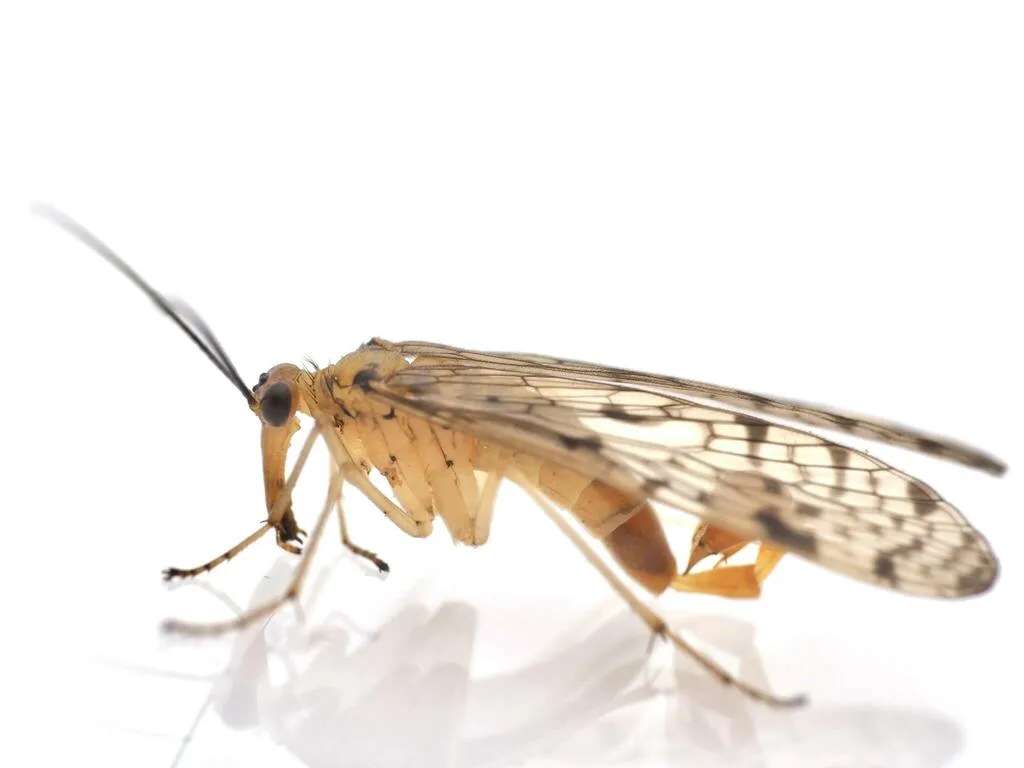
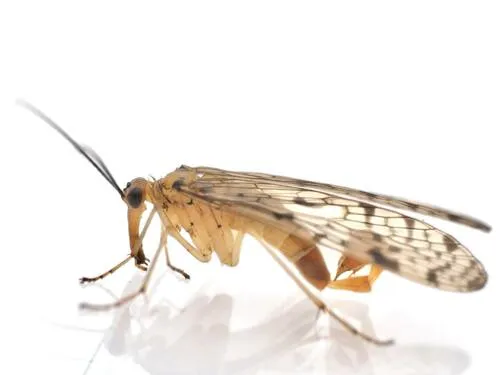
Photo credits: Contributed by tom murray; Additional contributions by Robin McLeod , v belov
Frequently Asked Questions About Panorpa nebulosa
What is Panorpa nebulosa?
Panorpa nebulosa is a species in the family Panorpidae, within the order Mecoptera.
How do you identify Panorpa nebulosa?
wing background clear, crossveins lightly margined; apical band reduced to many small pale spots; pterostigmal band forked but not continuous, broken posteriorly with pale spots; first and second marginal spots absent
Where is Panorpa nebulosa found?
| Feature | Details |
|---|---|
| Habitat | wide range of woodland habitats |
| Range | most of e. US & adjacent Canada (ME-ON-WI to MO-GA) |
When is Panorpa nebulosa active?
Panorpa nebulosa: seasonal activity - May-Oct in the southern part of the range ( 3 ).