
Dinokanaga andersoni
This record describes Dinokanaga andersoni (species). Recorded family: Dinopanorpidae. Recorded order: Mecoptera.
Identification and Appearance
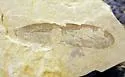
D. andersoni , a large fossil Mecopteran, can be distinguished from other Dinokanaga species by the forewing being narrower in the preserved regions (basal third, apical portion), others widening more rapidly from base. Present image is of the holotype (SR01-06-01): Extinct species All information based on Archibald (2005); see Reference below.
Classification
- Kingdom
- Animalia
- Phylum
- Arthropoda
- Class
- Insecta
- Order
- Mecoptera (Scorpionflies, Hangingflies, and Allies)
- Family
- Dinopanorpidae
- Genus
- Dinokanaga
Imported taxonomy record. Source availability varies; see the source references and editorial policy below.
Habitat and Range
Habitat
Paleohabitat: see family page ( Dinopanorpidae )
Geographic Range
Paleodistribution: one site, at Republic, WA; Early Eocene.
Additional species information
Species notes from the sources
Etymology: Specific epithet honors Eric Anderson's contribution to paleoentomology, in the collecting and donation of this fossil to the Stonerose Interpretive Center.
About Scorpionflies, Hangingflies, and Allies: the wider group
Order-level background for Mecoptera, the group containing Dinokanaga andersoni. Species-specific details appear above.
Group overview
Mecoptera (scorpionflies) includes ~600 described species. Males of many species have an upturned abdomen tip resembling a scorpion's stinger, but they are completely harmless. Mecoptera are among the oldest insect orders with fossils dating to the Permian period (~270 million years ago).
Ecological role of the group
Scorpionflies are primarily scavengers feeding on dead insects and decaying organic matter. Some species practice 'nuptial gifting' - males offer prey items or salivary secretions to females as mating gifts.
Economic and practical significance of the group
Scorpionflies have little direct economic impact but are valuable research subjects - they are considered ancestral to fleas and possibly to all holometabolous insects (those with complete metamorphosis).
Recorded sources for this group: Entomological research, paleontology. Imported estimates may describe particular regions or reporting periods.
Frequently Asked Questions About Dinokanaga andersoni
What is Dinokanaga andersoni?
Dinokanaga andersoni is a species in the family Dinopanorpidae, within the order Mecoptera.
How big is Dinokanaga andersoni?
| Feature | Description |
|---|---|
| Forewing | Forewing: 34 mm (based on single specimen found). |
| Hindwing | Hindwing: not known |
How do you identify Dinokanaga andersoni?
D. andersoni , a large fossil Mecopteran, can be distinguished from other Dinokanaga species by the forewing being narrower in the preserved regions (basal third, apical portion), others widening more rapidly from base. Present image is of the holotype (SR01-06-01):
Where is Dinokanaga andersoni found?
| Feature | Details |
|---|---|
| Habitat | Paleohabitat: see family page ( Dinopanorpidae ) |
| Range | Paleodistribution: one site, at Republic, WA; Early Eocene. |