
Family Tortricid Moths (Tortricidae)
Tortricidae is a family in the order Lepidoptera. Browse 1,247 named species recorded in this family, or open an individual profile for its available identification and natural-history information.
Species in Tortricidae (1,247)
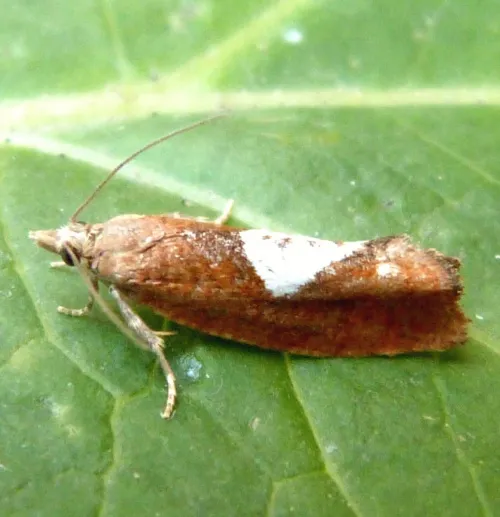
Epinotia solandriana
Epinotia solandriana
Wingspan 16 to 21 mm. Although quite variable in colour, the contrasting dorsal blotch is often present, sometimes darker and other times paler than the ground colour. The typical form has a yellowish brown or reddish brown forewing with a large dors
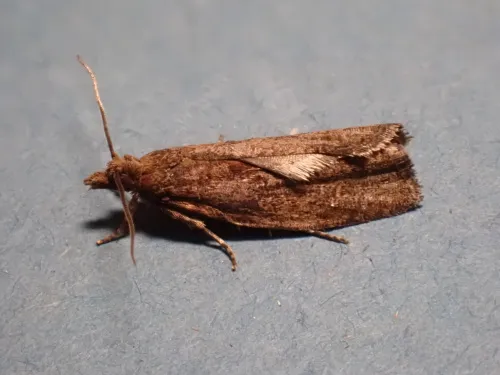
Epinotia sordidana
Epinotia sordidana
Wingspan about 20 mm. Rather plain in appearance, but often showing a slightly paler tornal blotch. Inhabits damp habitats, along streams, river banks and lakesides where the foodplant, alder grows. The adult moths fly from August to October. The lar
Black Dash Epinotia Moth - Hodges#3291.1
Epinotia sotipena
Identification: Adult - forewing light brown with darker speckling and diffuse whitish patch along costa near base; dark brown basal streak extends half-way along wing; another dark brown streak begins midway along costa and curves toward outer margi
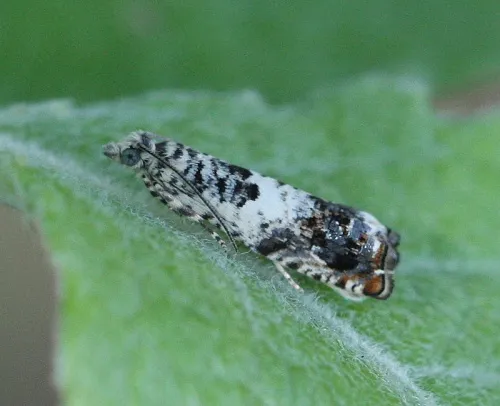
Epinotia subocellana
Epinotia subocellana
Wingspan 10 to14 mm. A largely white and grey species, but with a splash of orange near the wing tips. It inhabits wooded and damp areas where the foodplant occurs. The adults are on the wing during May to July, flying from dusk onwards, and are attr
Epinotia tedella
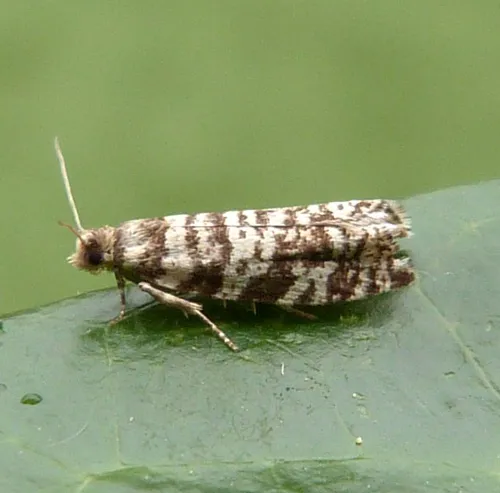
Epinotia tedella
Wingspan 10 to 13 mm. An attractively-marked species with noticeably pale labial palps. Occupying woodland where its foodplant, Norway spruce (Picea abies) occurs. The moths fly in May and June and are attracted to light. The larvae feed among the ne
Nut Bud Moth
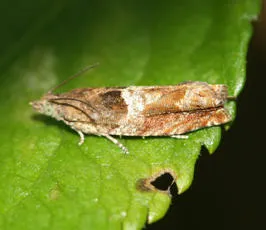
Epinotia tenerana
Wingspan 12 to16 mm. This is a small rust brown Tortrix , some specimens being darker than others. Woodland and damp areas, particularly where the food plants are present. Flies from dusk onwards and is on the wing from July to early October. They ca
Epinotia tetraquetrana
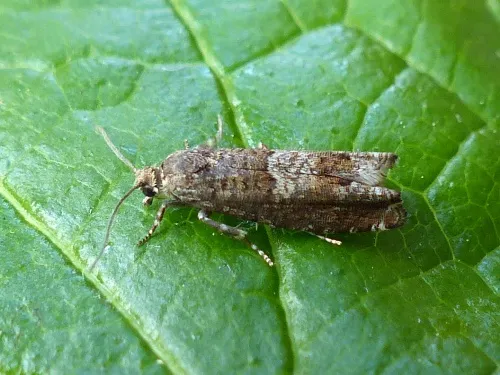
Epinotia tetraquetrana
Wingspan 12 to 16 mm. Although quite variable in intensity, this species generally has a distinguishing pale square blotch on the dorsum visible at rest, often inwardly edged darker, and with a single dark spot beyond. It can resemble E. immundana, w
Epinotia zandana - Hodges#3294
Epinotia zandana
Identification: Adult - forewing variably dark grayish-brown peppered with variable number of white or white-tipped scales, white scales usually forming a longitudinal sinuate line on inner marginal half; some specimens have narrow brown subbasal and
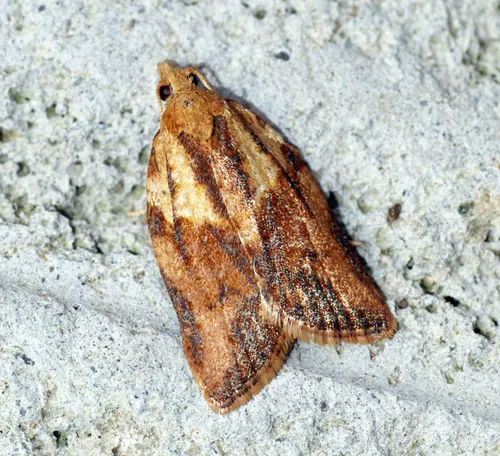
Light Brown Apple Moth
Epiphyas postvittana
Wingspan 16-25 mm. A really variable moth, the underlying wing colour being various shades of orangey brown and typically but not always, paler towards the shoulder. Gardens, particularly in built up areas. It flies in two generations between May and
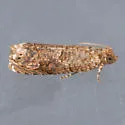
Sumac Leaftier Moth - Hodges#2701
Episimus argutana
Identification: FW generally appears dull reddish or grayish brown, finely mottled in various shades of brown to blackish. In fresh specimens, the dull color may appear to be overlaid with purple, a point noted in the description by Forbes. A partial
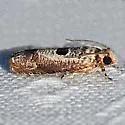
Episimus augmentana - Hodges#2702
Episimus augmentana
Identification: "This species is distinguished by its ochreous head vertex and the dark reddish-brown forewing markings, including a half-circular dorsal margin mark" .
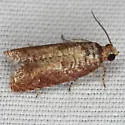
Episimus nesiotes - Hodges#2702.3
Episimus nesiotes
Identification: Adult - see original description in Print References and Heppner re-description. ,
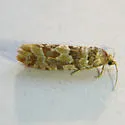
Eucopina bobana - Hodges#3067
Eucopina bobana
Identification: Adult : FW tan with bands of rust-red markings and pale portions yellow. HW light tan brown. ( 5 ) Larva : The larvae are pinkish and have a distinct dorsal shield on the first thoracic segment widely separated from the head. ( 5 )
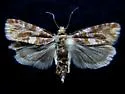
Shortleaf Pinecone Borer Moth - Hodges#3072
Eucopina cocana
Identification: Heinrich (1923) revised description in PDF. ( 4 ) Larger than other cone-feeding Eucosma species in the East ( 5 )
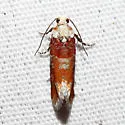
White Pine Shoot-borer - Hodges#3066
Eucopina gloriola
Identification: Heinrich (1931) original description as Eucosma gloriola is online in the print references. Considered a serious pest beacuse the larvae damage the shoots of conifers.
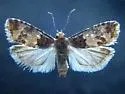
Red Pinecone Borer Moth - Hodges#3073
Eucopina monitorana
Identification: Broad white median band distinguishes this species from the similar E. tocullionana
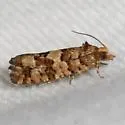
White Pine Cone Borer - Hodges#3074
Eucopina tocullionana
Identification: Heinrich original description is in PDF. Adult: forewing dark reddish-brown with large distinct orangish-yellow patches that often merge to create an irregular light-and-dark banding effect; hindwing brownish-gray with pale fringe; to
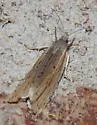
Eucosma ambodaidaleia - Hodges#3004.1
Eucosma ambodaidaleia
Identification: Adult : FW ground color is creamy white, most evident between the costa and radial vein. Between the radial and cubital veins, it has brownish ochreous longitudinal streaks extending from the base outward through the cell. From the di
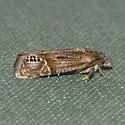
Eucosma amphorana - Hodges#2922
Eucosma amphorana
Identification: "Forewing color varies from gray to yellow with numerous intermediate forms, some featuring both yellow and gray in the interfascial areas and variable hoary white overscaling" ( 3 ) .
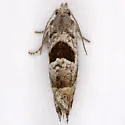
Eucosma apacheana - Hodges#2946
Eucosma apacheana
Identification: Adult - dark chevron shaped patch along inner margin.

Eucosma argutipunctana - Hodges#3005.1
Eucosma argutipunctana
Identification: Forewing whitish yellow with the dark brown maculations arranged roughly in vertical rows. The very similar p. granulatana has the patches of dark brown scales arranged irregularly.
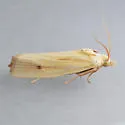
Eucosma bipunctella - Hodges#3099
Eucosma bipunctella
Eucosma bipunctella - Hodges#3099 (Eucosma bipunctella) is a species in the family Tortricidae, commonly known as tortricid moths, belonging to the order Lepidoptera (Butterflies and Moths). It is classified within the subfamily Olethreutinae, tribe
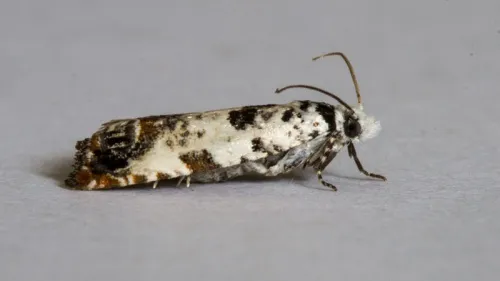
Eucosma campoliliana
Eucosma campoliliana
Wingspan 13 to 18 mm. Quite distinctive with its black and brown markings on a white background, and white head. The moths fly in June and July, from evening onwards, and are attracted to light. Larvae feed on the seeds and stems of Ragwort. Records
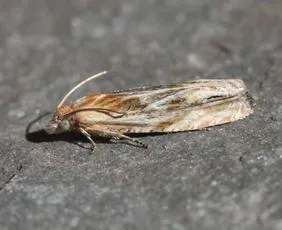
Eucosma cana
Eucosma cana
Wingspan 15-23 mm. This species is fairly distinctive with its buffish or greyish ground colour and darker longitudinal streaks. The light longitudinal discal streak on the forewing serves to separate darker specimens with indistinct markings from E.
Eucosma canusana - Hodges#3004.2
Eucosma canusana
Identification: Adult : FW is a mixture of gray to brownish gray scales, mostly tipped with white, producing a unicolorous ashy gray appearance. Some individuals have darker scales between veins and lighter scales on veins, producing weakly highlight
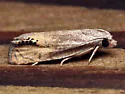
Eucosma circulana - Hodges#3052
Eucosma circulana
Identification: The proximal half of the forewing (basal to median) is uniformly yellow-brown to dark gray-brown and lacks the pale clay-colored costal streak present in the very similar Eucosma gemellana and Eucosma paragemellana .
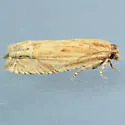
Eucosma clementeana - Hodges#2969.6
Eucosma clementeana
The specimen illustrated as stramineana in Powell & Opler , fig.15.6, Specimen No. EMEC71297 at Calphotos, is apparently the holotype of clementeana .
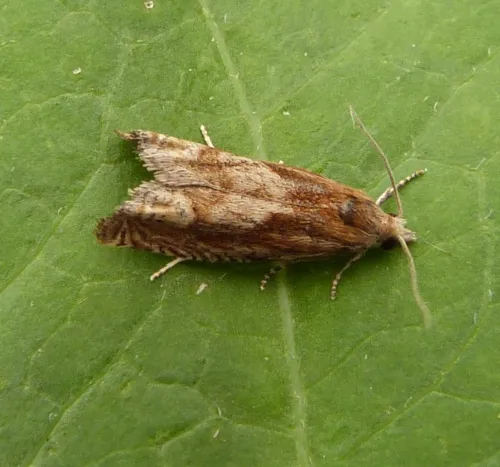
Eucosma conterminana
Eucosma conterminana
Wingspan 15 to19 mm. The British Eucosma species can be a difficult group to identify, but conterminana is more distinctive, having a pale sandy ground colour and a creamy dorsal blotch. It inhabits dry and stony or chalky habitats. The moths fly dur
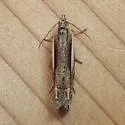
Eucosma dorsiatomana - Hodges#2972
Eucosma dorsiatomana
Identification: Adult : FW shades of pale olive-brown or fawn, with a white divided median stripe, ocellic spot, sub-apical costa markings, and inner two-fifths of costa narrowly edged with white. Brown shades are palest along the dorsum, between med
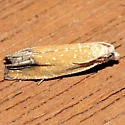
Eucosma floridana - Hodges#3144
Eucosma floridana
Identification: Adult - see original description in Print References.
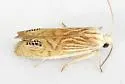
Eucosma gemellana - Hodges#3052.1
Eucosma gemellana
Identification: Forewing of most specimens has a clay-colored streak along the costa and similarly colored streaks emanating from the base.
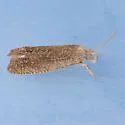
Eucosma glomerana - Hodges#3051
Eucosma glomerana
Identification: Adult - see original description in Print References.
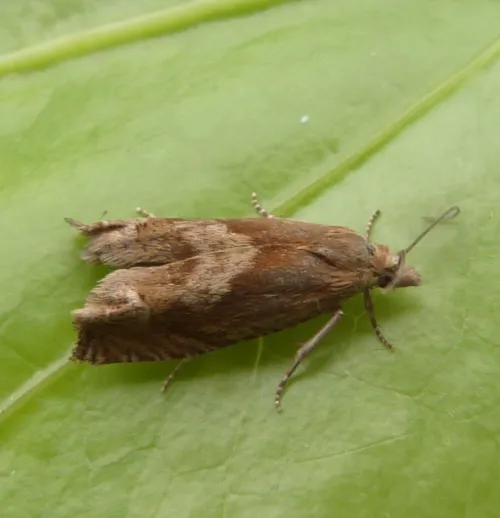
Eucosma hohenwartiana sensu stricto
Eucosma hohenwartiana sensu stricto
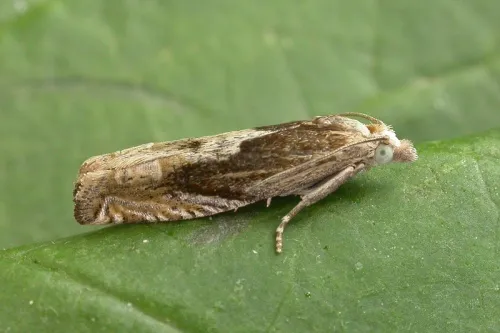
Wingspan 11 to 23 mm. One of several similar species and care is needed with identification. If the specimen has not been confirmed by gen det please record it to the aggregate page. If the specimen has not been confirmed by gen det please record it
Eucosma hohenwartiana/fulvana/parvulana
Eucosma hohenwartiana/fulvana/parvulana
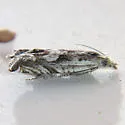
Wingspan 11 to 23 mm. These 3 species are very similar, and care is needed with identification. If the specimen has not been confirmed by dissection of genitalia, please record it to this aggregate page. If the specimen has not been confirmed by diss
Eucosma influana - Hodges#2947
Eucosma influana
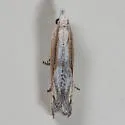
Eucosma influana - Hodges#2947 (Eucosma influana) is a species in the family Tortricidae, commonly known as tortricid moths, belonging to the order Lepidoptera (Butterflies and Moths). It is classified within the subfamily Olethreutinae, tribe Eucosm
Eucosma kiscana - Hodges#2982
Eucosma kiscana
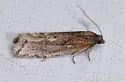
Identification: Adult - see original description in Print References.
Eucosma kokana - Hodges#2950
Eucosma kokana
Eucosma kokana - Hodges#2950 (Eucosma kokana) is a species in the family Tortricidae, commonly known as tortricid moths, belonging to the order Lepidoptera (Butterflies and Moths). It is classified within the subfamily Olethreutinae, tribe Eucosmini,
Eucosma landana - Hodges#3114
Eucosma landana
Identification: Head: Dark, heavily speckled with white-gray scales, including projecting palpi. Antenna: Brown Thorax: Dark brown, sprinkled with white scales. Wings: Dark gray to brownish; heavily speckled entirely with whitish-gray. Somewhat retic
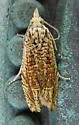
Sand Dune Eucosma - Hodges#3005.2
Eucosma linitipunctana
Identification: Blanchard & Knudson original description in PDF.
Eucosma misturana - Hodges#2963
Eucosma misturana
Eucosma misturana - Hodges#2963 (Eucosma misturana) is a species in the family Tortricidae, commonly known as tortricid moths, belonging to the order Lepidoptera (Butterflies and Moths). It is classified within the subfamily Olethreutinae, tribe Euco
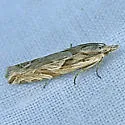
Eucosma montanana - Hodges#2994
Eucosma montanana
Identification: Adult - see original description in Print References. Genitalia:
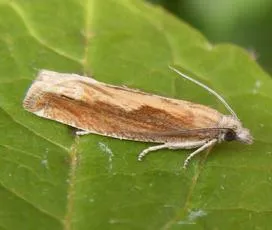
Eucosma obumbratana
Eucosma obumbratana
Wingspan 14-20 mm. A very plain orangey brown moth. The colour varies slightly. Farmland and along the edges of meadows. July and August. Normal flight time is from dusk onwards and they are attracted to light. The larvae feed in the autumn on the se
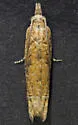
Pale-headed Eucosma - Hodges#2927
Eucosma ochrocephala
Identification: Adult - forewing light brownish-yellow with diffuse brown oval ring forming a large indistinct patch in median area; short brown diagonal streaks along costa, especially noticeable near apex; two dark longitudinal dashes usually visib
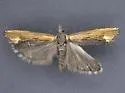
Eucosma offectalis - Hodges#3005
Eucosma offectalis
Identification: This species is highly variable in forewing color. ( 4 )
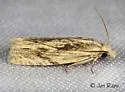
Olivaceous Eucosma - Hodges#2998
Eucosma olivaceana
Riley reported that the larvae are parisitized by the wasp Pimpla annulipes
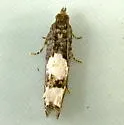
Eucosma oregonensis - Hodges#2935
Eucosma oregonensis
Identification: Heinrich original description in PDF.
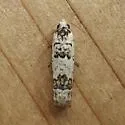
Ornate Eucosma - Hodges#2951
Eucosma ornatula
Identification: The original description as Thiodia ornatula Heinrich, is available in PDF and online in the print references below.
Eucosma pallidarcis - Hodges#2976
Eucosma pallidarcis
Identification: The original description as Thiodia pallidarcis Heinrich, is available in PDF or read online in the print references below. Specimen determined by Chuck Harp.
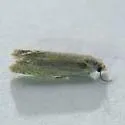
Eucosma pallidicostana - Hodges#2980
Eucosma pallidicostana
Identification: Specimen identified by DNA analysis (BOLD). ( 4 )
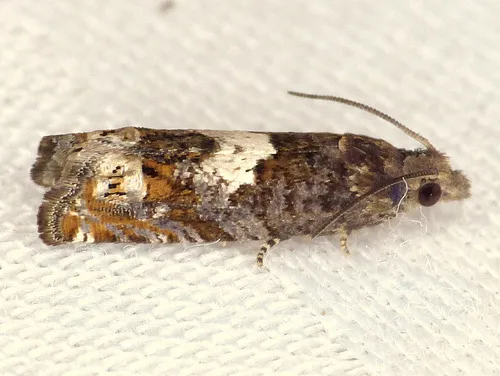
Aster Eucosma Moth
Eucosma parmatana
Eucosma parmatana is a species of olethreutine leafroller moth in the family Tortricidae, found in North America.
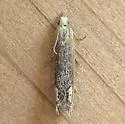
Eucosma perangustana - Hodges#2981
Eucosma perangustana
Identification: Determined by Richard Brown. Genitalia:
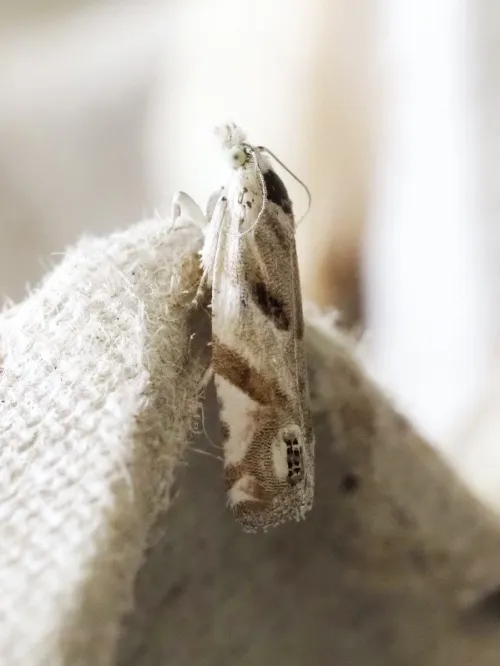
Eucosma pupillana
Eucosma pupillana
Wingspan around 17 mm. This species has a distinctive wing pattern of brown bars on a pale background. Records must be supported by a good photograph in view of the scarcity of this species in VC55. They rest among the foliage during the day, and fly
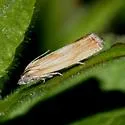
Eucosma radiatana - Hodges#2908
Eucosma radiatana
Identification: Adult - see original description in Print References. Genitalia:
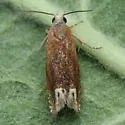
Reddish Eucosma - Hodges#2928
Eucosma raracana
Identification: Adult - see original description in Print References.
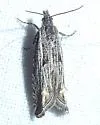
Eucosma salidana - Hodges#2972.1
Eucosma salidana
Identification: Description can be found in MONA Fascicle 9-4 at link in citations below.
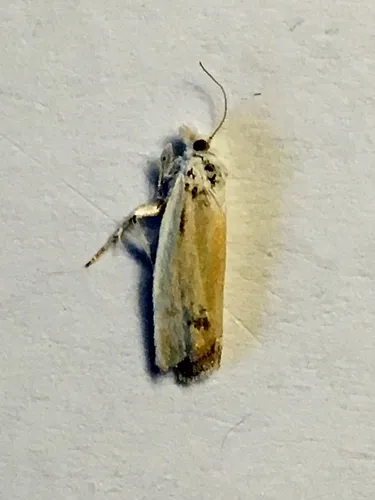
Eucosma segregata - Hodges#2991
Eucosma segregata
Eucosma segregata - Hodges#2991 (Eucosma segregata) is a species in the family Tortricidae, commonly known as tortricid moths, belonging to the order Lepidoptera (Butterflies and Moths). It is classified within the subfamily Olethreutinae, tribe Euco
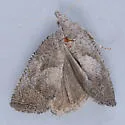
Eucosma sombreana - Hodges#3127
Eucosma sombreana
Identification: Adult - forewing brownish-gray, dusted with pale scales; faint, slightly paler oblique band in median area, bordered on both sides by diffuse dark shading, but showing little contrast against ground color (overall color fairly uniform
Eucosma stramineana - Hodges#3003
Eucosma stramineana
Identification: Wright, 2010 This species has been confused with the Eucosma grindeliana complex in collections and references such as Heinrich , Powell & Opler . The confusion was sorted out in Wright . It appears that stramineana from southern Cali
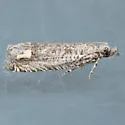
Eucosma subminimana - Hodges#2979
Eucosma subminimana
Identification: The Heinrich original description is available in PDF or read online from the print references below. Powell & Opler mentions the distinct ocellar spot.
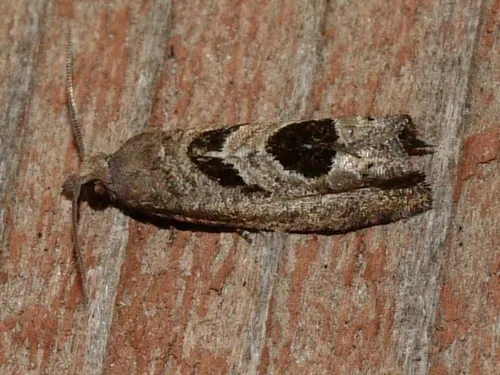
Aster-head Eucosma Moth - Hodges#2936
Eucosma tomonana
Identification: "forewings of pale gray, somewhat brownish in tone, with fine striations of slightly darker gray, most evident towards the costa. The most eye-catching features are the two large blackish spots at the inner margin. The innermost spo
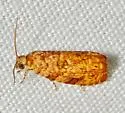
Eucosmomorpha nearctica - Hodges#3399.2
Eucosmomorpha nearctica
Previous to Miller (2001), this species was believed to be the Eurasian species Eucosmomorpha albersana (Hübner, [1813]).
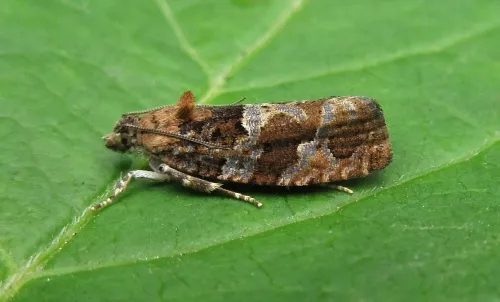
Eudemis profundana
Eudemis profundana
Wingspan 14 to 20 mm. A rather variable species which generally shows a rich mixture of reddish ground-colour overlaid with darker and paler marbling. The whitish dorsal blotch can be large and conspicuous. The adults are on the wing in July and Augu
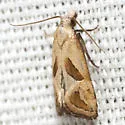
Two-spotted Eugnosta - Hodges#3763
Eugnosta bimaculana
Identification: Adult - forewing light brown with two large dark brown patches in median and subterminal areas; median patch does not reach inner margin creating two separate patches when wings held together at rest. Eugnosta bimaculana was originall
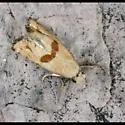
Eugnosta brownana - Hodges#3764.1
Eugnosta brownana
Identification: See Metzler & Forbes, 2012 in Print References below.
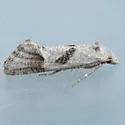
Eugnosta busckana - Hodges#3786
Eugnosta busckana
Identification: Comstock original description as Carolella busckana is avaiable online. Listed on the 1994 IUCN red list of threatened animals.
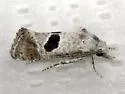
Eugnosta deceptana - Hodges#3789
Eugnosta deceptana
Identification: Busck original description as Pharmacis deceptana is online in the print references.
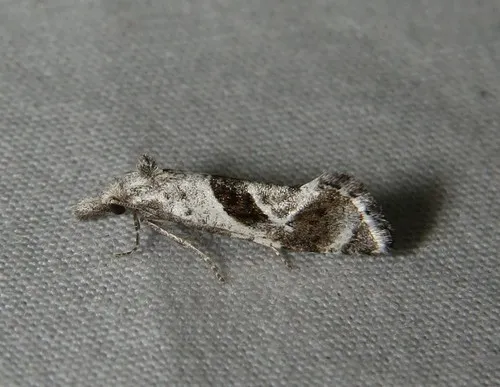
Eugnosta mexicana - Hodges#3791
Eugnosta mexicana
Identification: Busck original description. "Labial palpi white, slightly sprinkled with light fuscous externally and with apical joint light fuscous. Head and thorax white, slightly suffused with light ochreous fuscous. Fore wings white, slightly su
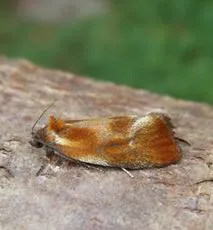
Eulia ministrana
Eulia ministrana
Wingspan 18-25 mm. The creamish ground colour and red/brown markings are fairly characteristic. It flies in May and June, from dusk and into the night, when it can be attracted by light. The caterpillars feed on a variety of deciduous trees and shrub
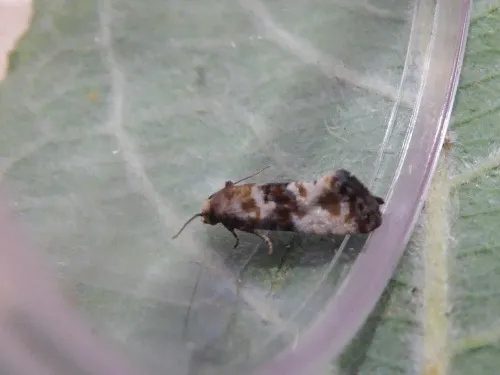
Eupoecilia angustana
Eupoecilia angustana
Wingspan 10 to 15 mm. A small, brightly-coloured species, comprising two forms, with a third in Shetland considered a subspecies. The nominate form angustana occurs in woodland edges, meadows and similar locations, and feeds on a variety of plants in
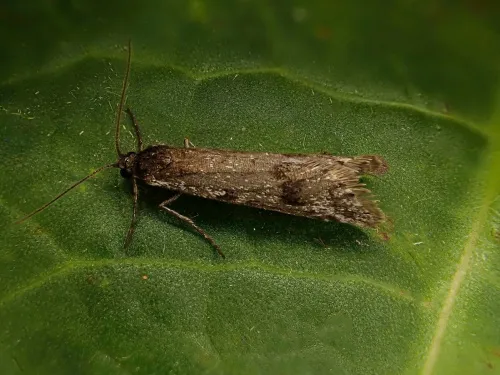
Exapate congelatella
Exapate congelatella
Wingspan 18 to 22 mm. A rather peculiar species, the male with elongated forewings, and the female having much reduced vestigial wings. Please provide a photograph to support your record, and retain the specimen until identification is confirmed. Occ
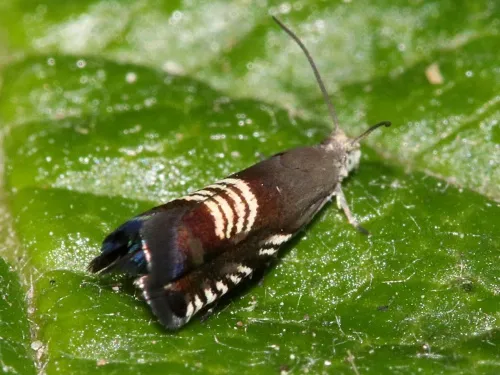
Grapholita compositella
Grapholita compositella
Wingspan 9-10 mm. A small but very attractive Tortricid , being all dark except for four long white strigulae on the dorsum and eight short ones on the leading forewing edge. There is also a leaden metallic patch, or ocellus towards the rear of the w
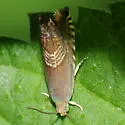
Eurasian Hemp Moth - Hodges#3443.1
Grapholita delineana
Identification: Adult : FW dark brown with two pair of white dorsal strigulae on each forewing. HW are dark brown. Wing pattern is similar to other Grapholita, especially Grapholita tristrigana in eastern North America. The dorsal strigulae in G. del
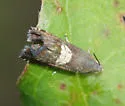
Grapholita fana - Hodges#3434
Grapholita fana
Identification: Adult- see original description in Print References.
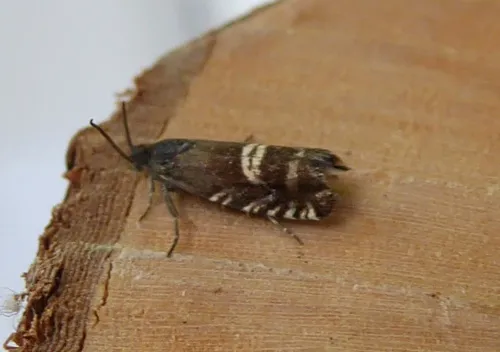
Grapholita internana
Grapholita internana
Unless identified by a recognised expert, a photo is required. If the photo doesn't show the key ID features then in the comments box describe the size and identifying characters you have observed. If recorded on, or near to, Gorse please state this
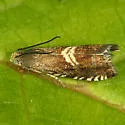
Clover Head Caterpillar Moth - Hodges#3439
Grapholita interstinctana
Identification: Adult : FW dark brown with a single pair of white dorsal strigulae per wing. ( 5 ) Larva : Late instar larvae are approximately 5-6 mm in length with a pale abdomen. The head and prothoracic shield are yellowish brown. An anal comb is
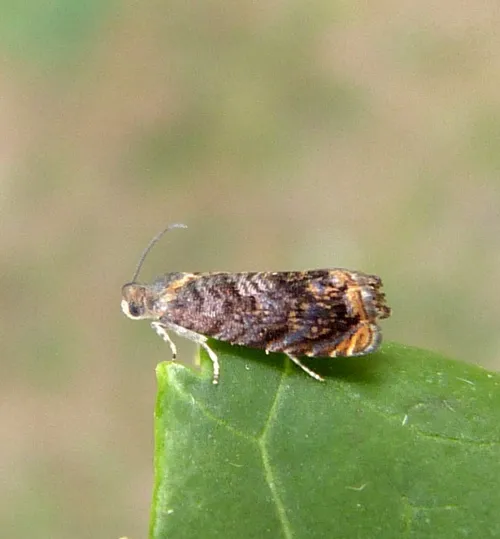
Grapholita janthinana
Grapholita janthinana
Wingspan 9-11 mm. A small moth with a mottling of browns, oranges and greys. This moth flies during the afternoon and early evening and is at large during July and early August. The larva feeds in the berries of Hawthorn, spinning two or three berrie
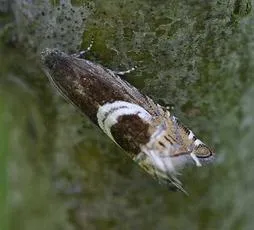
Grapholita jungiella
Grapholita jungiella
Wingspan 10-13 mm. The moths fly low over the foodplants in sunshine and have conspicuously white hindwings. A springtime species, flying in April and May in the north, whilst in the south a later second generation also occurs. The larvae feed on Bit
Grapholita lana - Hodges#3441
Grapholita lana
Grapholita edwardsiana (Kearfott, 1907) and Grapholita lana (Kearfott, 1907) are probably races of a single species.
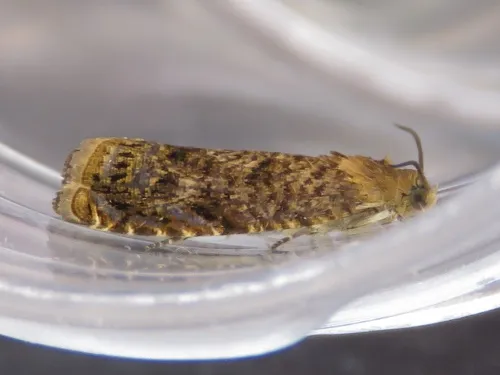
Grapholita lobarzewskii
Grapholita lobarzewskii
Records for this species must be confirmed by genitalia examination. Probably most likely to be encountered where the larval foodplant fruit trees occur. Flight period is typically in May and June. The larvae feed in the fruits of Plum and Cherry, an
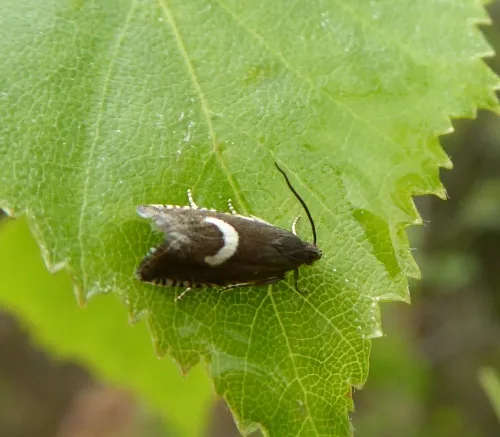
Grapholita lunulana
Grapholita lunulana
Wingspan 11 to 17 mm. The white crescent shape wing marking in distinctive. Good photograph required. Please retain specimen until identification is confirmed. In view of the scarcity of this species in VC55 any records should be supported by photogr
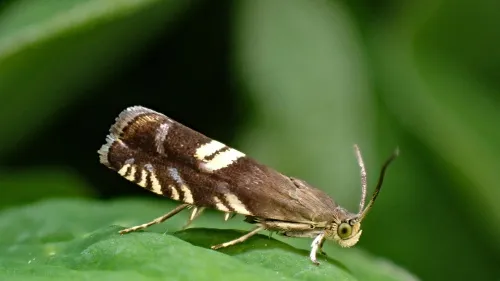
Grapholita pallifrontana
Grapholita pallifrontana
It is similar in appearance to Grapholita internana and care must be taken with identification. This is a rare species in VC55 and records must be supported by good photographs. If your record is not of a moth in association with its foodplant gen de
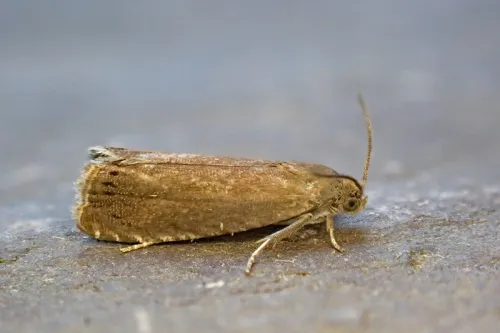
Grapholita tenebrosana
Grapholita tenebrosana
Wingspan 12 - 14 mm. This is a small purple brown species, it sometimes shows a reddish tinge. It can easily be confused with Grapholita funebrana . They can be separated by the colour of the palps; dull greyish brown in G. funebrana, greyish white o
Three-lined Grapholita - Hodges#3443
Grapholita tristrigana
Three-lined Grapholita - Hodges#3443 (Grapholita tristrigana) is a species in the family Tortricidae, commonly known as tortricid moths, belonging to the order Lepidoptera (Butterflies and Moths). It is classified within the subfamily Olethreutinae,
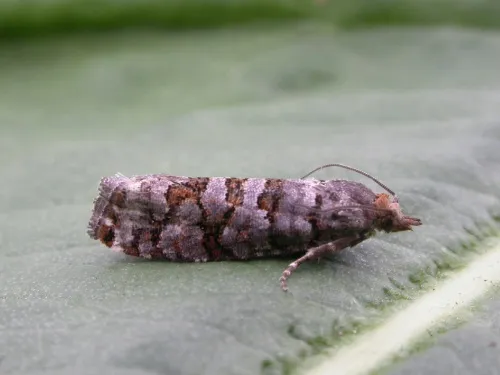
Gravitarmata margarotana
Gravitarmata margarotana
A migrant. Abroad it favours areas where the larval foodplants are found. Typically it is on the wing on the continent in April and May. The larval host plants are various coniferous trees including pine and spruce. The first record of this species f
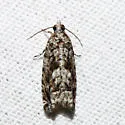
Gretchena amatana - Hodges#3264
Gretchena amatana
Identification: Heinrich stated, "Forewing with a distinct, outwardly angulate, dark basal patch; on middle of dorsal margin a somewhat irregular pale blotch,..."
Gretchena nymphana - Hodges#3266.1
Gretchena nymphana
Identification: Adult - wavy black line from apex to dorsal margin near base. Separated from other Gretchena by its pale yellowish brown ground color.
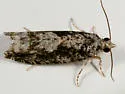
Gretchena watchungana - Hodges#3261
Gretchena watchungana
Identification: Adult - see original description in Print References. Genitalia:
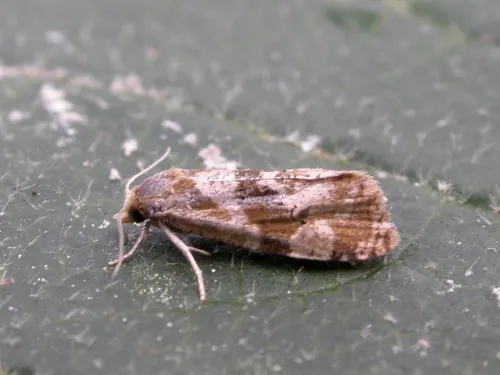
Gynnidomorpha alismana
Gynnidomorpha alismana
Wingspan around 12mm. This small brownish tortrix resembles several other species, and care is needed with identification. Around water, especially where Water-plantain is found. Adult moths are on the wing between June and August, and fly at sunset,
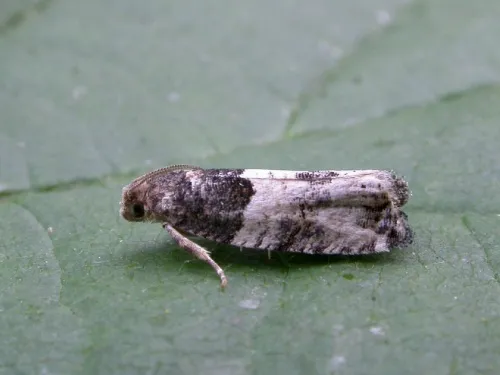
Gypsonoma aceriana
Gypsonoma aceriana
Adults are on the wing in July, and are occasionally attracted to light. The larval foodplant is poplar, where the larva feeds within young shoots and buds to begin with, and later within the stem of a leaf stalk. Occurring locally in the southern ha
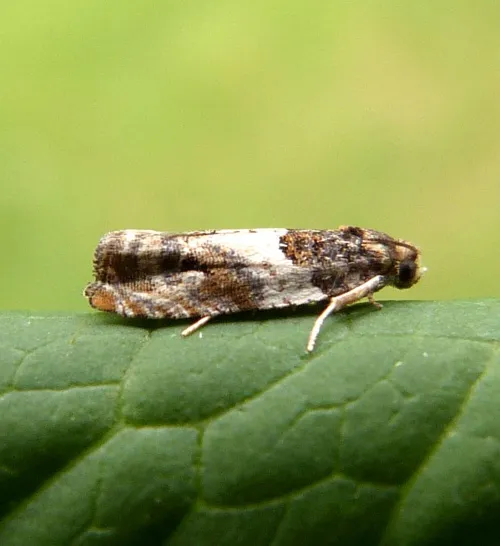
Gypsonoma dealbana
Gypsonoma dealbana
Wingspan 11-14 mm. This species can be distinguished from other Gypsonoma species by the creamy-white patch on the front of the head, which is pure white in G. sociana and darker on others. The larvae mine the midrib of various species of trees and s
Cottonwood Twig Borer - Hodges#3226
Gypsonoma haimbachiana
Identification: Adult - see original description on Print References. The larvae are among the most destructive pests of cottonwoods in our area.
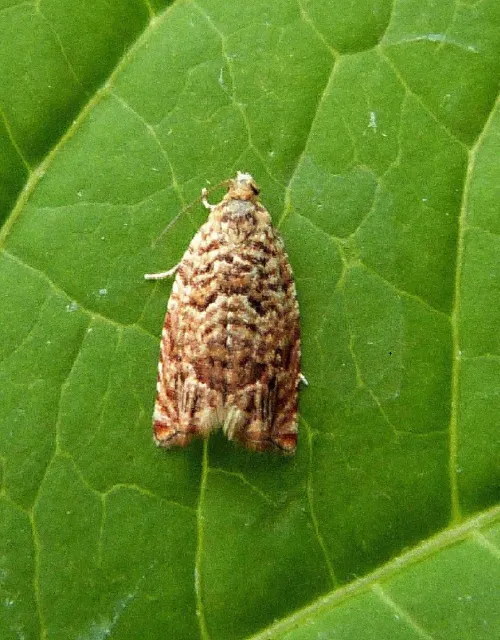
Gypsonoma minutana
Gypsonoma minutana
Wingspan around 12 to 15 mm. This is a rather distinctive, heavily mottled Tortricid. The flight period of the adults is during July when the moths may be found resting on tree-trunks but are often hidden higher up in the canopy. The foodplants are p
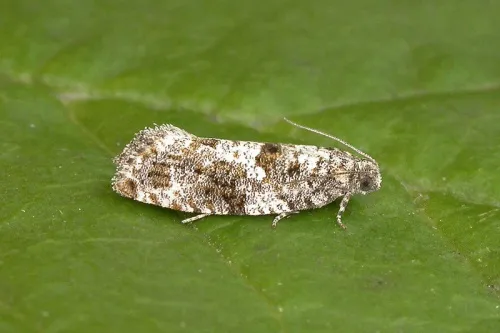
Gypsonoma oppressana
Gypsonoma oppressana
Wingspan about 14 mm. The larva mines the leaves of Poplar species, making a short corridor along midrib and often into the side vein; they then feed on the leaf under-surface inside a silken tube covered in frass. The larva is red-brown, which helps
Gypsonoma salicicolana - Hodges#3228
Gypsonoma salicicolana
Identification: Adults are polymorphic in color. Adult: forewing dark grayish-brown from base to AM line and in broad PM band crossing wing; median band and subterminal band paler yellowish-brown; AM line varies from a gently curved arc to a rounded
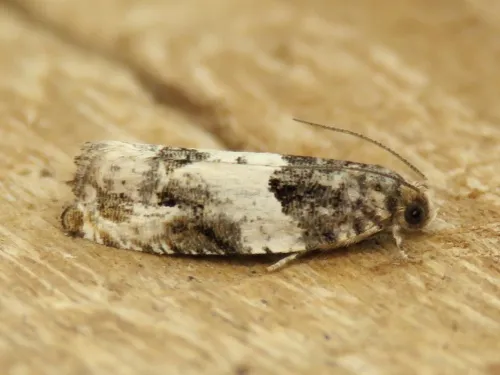
Gypsonoma sociana
Gypsonoma sociana
Wingspan 12-15 mm. This species has a distinctive blackish triangle on the lower edge of each forewing which join together to form a diamond shape when the moth is at rest. Woodland, gardens, orchards, parks, river-banks and ditches. The moth flies f
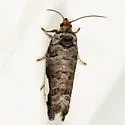
White-spotted Hedya - Hodges#2863
Hedya chionosema
Identification: Adult - forewing medium brownish-gray to bronzy, crossed by three dark brown partial bands; large white semicircular patch along distal half of costa but not reaching apex; raised tuft of dark scales protrudes from top of thorax near
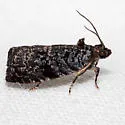
Hedya cyanana - Hodges#2864
Hedya cyanana
Identification: Larva - glossy dark green with dark line along the dorsum. Head polished honey-yellow to olive. Cervical shield nearly same color as head. (Murtfeldt, 1880). Adult - see Murtfeldt in Print References. Genitalia:
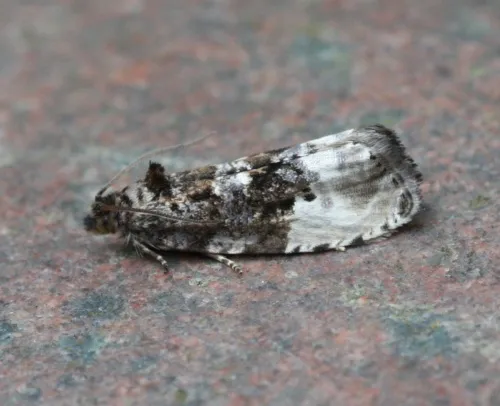
Marbled Orchard Tortrix
Hedya nubiferana
Wingspan 15-21 mm. One of many similar species which mimics a bird-dropping when at rest. Flying from dusk into the night, between June and August, the adult is easily attracted to light. The larvae feed on a variety of trees including Hawthorn and B
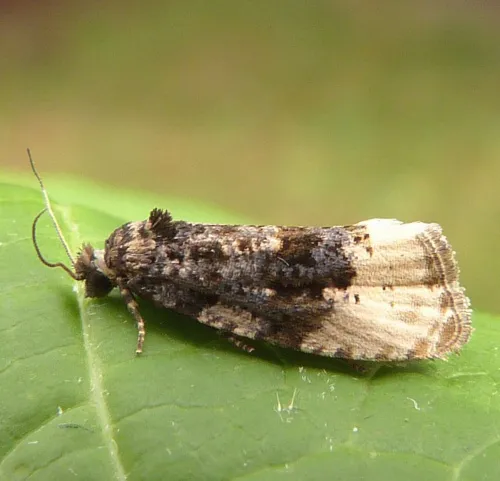
Hedya ochroleucana
Hedya ochroleucana
Wingspan 16 to 21 mm. Rather similar in appearance to some of the other Hedya species, this moth can usually be distinguished by the relatively clean-looking creamy outer part of the forewing. Varied habitats, especially where the larval foodplants a
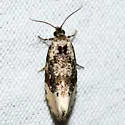
Off-white Hedya - Hodges#2861
Hedya ochroleucana-of-authors
Identification: Adult - rather similar in appearance to some of the other Hedya species, this moth can usually be distinguished by the relatively clean-looking creamy outer part of the forewing. Note: true Hedya ochroleucana is a strictly Palearctic