
Family Tortricid Moths (Tortricidae)
Tortricidae is a family in the order Lepidoptera. Browse 1,247 named species recorded in this family, or open an individual profile for its available identification and natural-history information.
Species in Tortricidae (1,247)
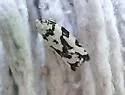
Boldly-marked Archips - Hodges#3666
Archips dissitana
Identification: Adult - easily identified by white forewings sharply contrasted with jagged jet black bands.
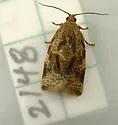
Exotic Leafroller Moth - Hodges#3663.2
Archips fuscocupreanus
Identification: Adult - see original description in Print References.
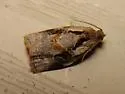
Archips grisea - Hodges#3660
Archips grisea
Identification: Adult : FW brownish gray, with dark-brown to black markings that are more prominently expressed in the male. HW uniform gray. Males have a FW costal fold. ( 3 ) Genitalia:
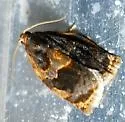
Smoked Leafroller - Hodges#3659
Archips infumatana
Identification: Adult - forewing brown with large blackish patch in median area, and smaller patches in basal and subterminal areas; hindwing grayish-brown, paler toward base.
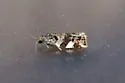
Dusky-back leaf roller - Hodges#3649
Archips mortuana
Identification: Similar to Archips argyrospila , but darker. " Archips mortuana is part of the Archips argyrospila species complex, and it was once hypothesized to simply be a dark form of A. argyrospila (Powell, 1964). Chapman and Lienk demonstrated
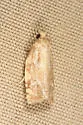
Larger Boxelder Leafroller Moth - Hodges#3654
Archips negundana
Identification: Adult - paler than Archips argyrospila (Walker). Females have "huge brushes of erect scales on the abdominal venter, which are laid in neat, imbricate rows across the egg masses."
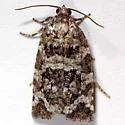
Spring Spruce Needle Moth - Hodges#3667
Archips packardiana
Identification: Adult - forewing with blotchy pattern of black and white (or pale gray) patches; pale areas have diffuse dark lines running through them; hindwing dark gray with white fringe.
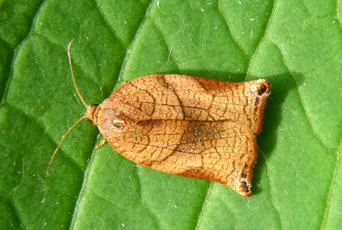
Large Fruit-tree Tortrix
Archips podana
Wingspan 18-26 mm. Sexual dimorphism is quite pronounced. The male has a costal fold on the forewing and is usually smaller and more brightly coloured than the female. The female has no costal fold and a much more protruding apex on the forewing. Gar
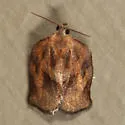
Archips purpurana - Hodges#3658
Archips purpurana
Identification: Adult is easily recognized by the strongly sinuous, "bell-shaped" costal margin. FW is light to dark purplish brown with darker fine brown to reddish brown thin lines and reticulations. The lines in the basal and median areas are more
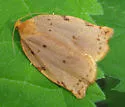
Southern Ugly-nest Caterpillar Moth - Hodges#3662
Archips rileyana
Identification: Adult - spots variable, see MPG . - fairly typical form
Oak Leafroller Moth - Hodges#3653
Archips semiferanus
Identification: Adult: forewing light yellowish-brown to reddish-brown with pale patches along costa; hindwing pale grayish-brown with whitish fringe. Larva: body various shades of green with black head.
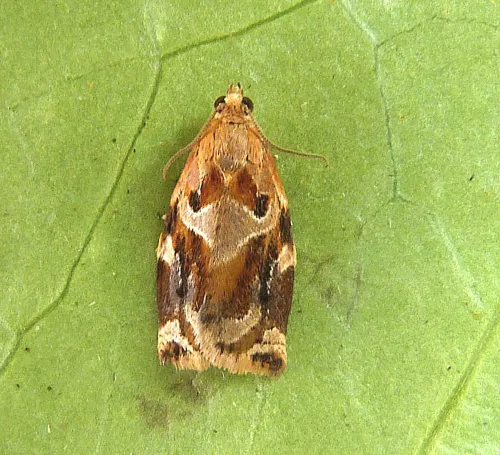
Variegated Golden Tortrix
Archips xylosteana
The adults fly from just before dusk into the night and are on the wing during July and August. It uses a range of deciduous trees and shrubs for its foodplants. It can be found over much of Britain. In the Butterfly Conservation's Microlepidoptera R
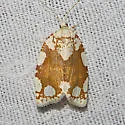
White-spotted Leafroller - Hodges#3624
Argyrotaenia alisellana
Identification: Adult: forewing whitish with large irregular dark brown patch in median area; strands of brown project outward from patch to wing edges, leaving intervening whitish areas along costa and outer margin; hindwing white.
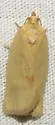
Argyrotaenia dorsalana - Hodges#3618
Argyrotaenia dorsalana
Identification: Adult - pale yellow with variable dark markings. In parts of the Great Basin ground color is rust orange.
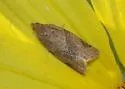
Orange Tortrix - Hodges#3612
Argyrotaenia franciscana
Identification: Adult - sinuate costa, grey with whitish antemedial band, dorsal area and outlining the distal costal spot. Females have broader forewing and diffuse markings. ( 3 ) Larva - larval head and prothoracic shield are light brown and unmar
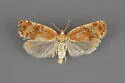
Argyrotaenia graceana - Hodges#3629
Argyrotaenia graceana
Identification: Adult - large, pale species with indistinct brownish or reddish-brown banding on the forewing. Somewhat variable both in distinctness and color, ranging to a form with rather complete and distinct bands.
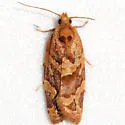
Argyrotaenia hodgesi - Hodges#3598.1
Argyrotaenia hodgesi
Identification: Adult - head and labial palps: orange-brown with buff frons • FW is buff with three irregular orange-brown fasia, all having a fine, dark brown border • Large orange-brown basal patch • Median patch, constricted in the middle, widened
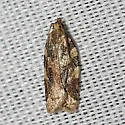
Ivana leafroller moth - Hodges#3627
Argyrotaenia ivana
Ivana leafroller moth - Hodges#3627 (Argyrotaenia ivana) is a species in the family Tortricidae, commonly known as tortricid moths, belonging to the order Lepidoptera (Butterflies and Moths). It is classified within the subfamily Tortricinae, tribe A
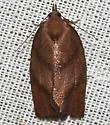
Hickory Leafroller - Hodges#3622
Argyrotaenia juglandana
Identification: Adult - forewing brown with two darker brown diagonal lines across wing; small pale spot at base of wing touches small pale spot at tip of thorax to form conspicuous pale patch when wings are held together at rest; hindwing pale gray
Argyrotaenia lautana - Hodges#3619
Argyrotaenia lautana
Identification: Adult - A large species with broad pale tan forewings marked only by a small outer costal spot of red-brown.
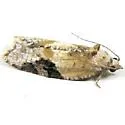
Gray-banded Leafroller - Hodges#3625
Argyrotaenia mariana
Identification: Adult - large dark gray patch (roughly triangular) extends from costa about halfway across forewing, contrasting sharply with pale yellowish or whitish ground color; a greenish-yellow band connects the two dark patches when the wings
Argyrotaenia martini - Hodges#3628
Argyrotaenia martini
Identification: Adult - A shining golden species having the forewings marked with broad, ochreous-brown spots and bands.
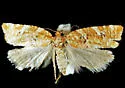
Argyrotaenia niscana - Hodges#3610
Argyrotaenia niscana
Identification: Adult - see original description in Print References. Specimen determined by DNA analysis (BOLD).
Argyrotaenia paiuteana - Hodges#3616
Argyrotaenia paiuteana
Identification: Adult - shining, pale species, the forewings golden, marked with tan or pale red-brown.
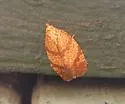
Lesser All-green Leafroller - Hodges#3621
Argyrotaenia quadrifasciana
Identification: Adult - forewing yellowish-tan completely covered with medium reddish-brown blotches forming an "alligator pattern"; AM and PM lines dark reddish-brown, oblique, usually complete; PM line has small "Y" branch at costa, and terminates
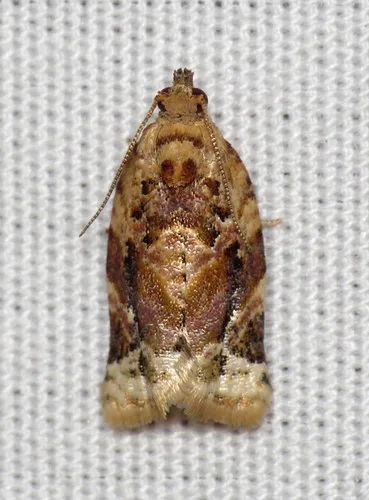
Red-banded Leafroller Moth
Argyrotaenia velutinana
Argyrotaenia velutinana, the red-banded leafroller moth, is a species of moth of the Tortricidae family. It is found in the eastern United States and south-eastern Canada, from Quebec and Ontario to Florida, west to Texas and at least Iowa. It has al
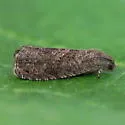
Oriental Fruit Moth - Hodges#3426
Aspila molesta
Identification: Adult : FW dull grayish brown with a row of black dots near the apex and termen. Larva : Last instar larvae are approximately 10-12 mm in length with a pinkish abdomen and large pale pinacula. The head and prothoracic shield are yello
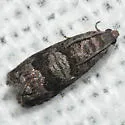
Cherry Fruitworm Moth - Hodges#3428
Aspila packardi
Identification: Adult : range in color from light to dark. Light individuals have silvery striae and darker contrasting fasciae, while dark individuals lack a well-defined FW pattern. Males have a conspicuous patch of dark sex scales on the dorsal su
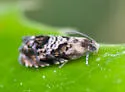
Lesser Appleworm Moth - Hodges#3429
Aspila prunivora
Identification: Adult - forewing pattern is distinctive with pale-yellow costal strigulae, silvery striae, a line of yellow scales preceding the black terminal line, and a well-developed ocellus with 3-4 black dashes. Genitalia: Larva - late instar l
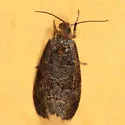
Sparkling Aterpia - Hodges#2748
Aterpia approximana
Identification: Heinrich original description as Olethreutes approximana , and Heinrich revised description as Esia approximana are online and linked in the print references. Forewing black, liberally sprinkled with bright blue spots and blotches. Ge
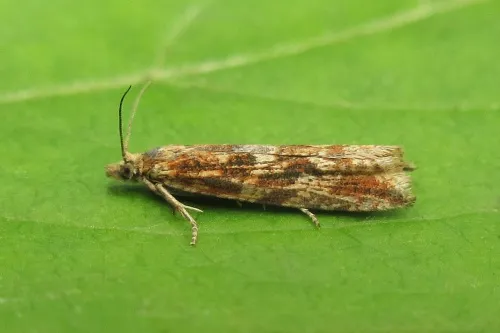
Bactra furfurana
Bactra furfurana
Wingspan 13 to 19 mm. When well-marked this species is fairly distinctive, poorly-marked specimens are difficult to separate from other Bactra species. This species occupies damp marshy habitats. The larvae feed in the stems of rushes such as Common
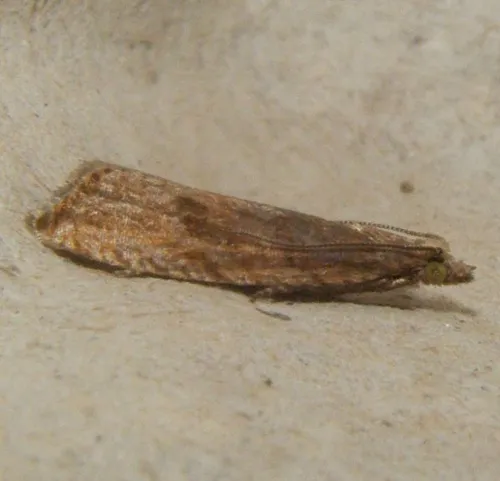
Bactra lancealana
Bactra lancealana
Wingspan 11 to 20 mm. Quite a variable species, with some individuals being almost unicolorous, others with a pale streak along the fore edge of the darker brown wing, and some with obvious darker patches on a mottled forewing. It is also very variab
Bactra priapeia - Hodges#2709
Bactra priapeia
Identification: The original description is available in PDF or view online in the print references below.
Javelin Moth - Hodges#2707
Bactra verutana
Identification: The FW are light brown, narrow-pointed at the apex and with a number of darker brown areas. The HW are sooty-brown in color. Similar in appearance to B. furfurana but easily distinguished by the male genitalia as the cucullus bears st
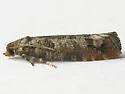
Douglas-Fir Cone Moth - Hodges#2903
Barbara colfaxiana
Identification: The original description as Evetria colfaxiana Kearfott, is available online in the print references below. The Heinrich revised description of Barbara colfaxiana (Kearfott) is available in PDF or read online in the print references b
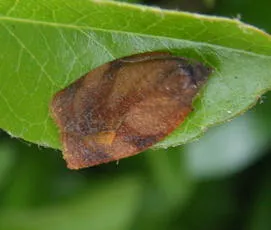
Carnation Tortrix
Cacoecimorpha pronubana
Wingspan 14 to 24 mm. It is a fairly distinctive moth with rounded forewings and bright orange hindwings. Adults can be found on the wing in May and June and again in August and September. The larvae feed on a wide variety of different plants. An adv
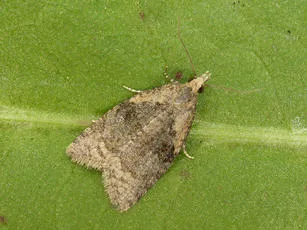
Capua vulgana
Capua vulgana
Wingspan 13 to19 mm. A fairly broad-winged Tortrix moth. The females are less well-marked than the males, which have paler markings on the base of the forewing, and a buff-coloured head. The main flight period is during May and June when the moths ca
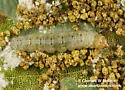
Catastega nebula - Hodges#3333.2
Catastega nebula
Identification: See original description in print references below .
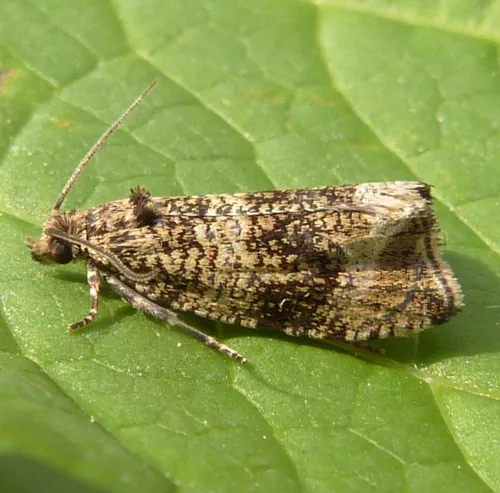
Celypha lacunana
Celypha lacunana
Wingspan 14-18 mm. Although extremely variable, this species can usually be distinguished from its near relatives by the strong indentation or lacuna in the median fascia above the middle and in dark forms this indentation tends to become obscure but
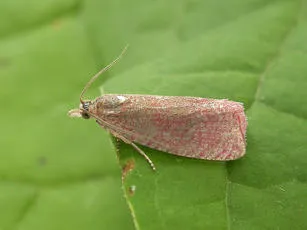
Celypha rosaceana
Celypha rosaceana
Wingspan 15 to19 mm. When freshly emerged, this species can have a distinctly rosy or purplish tinge, which gives rise to the scientific name. However this can fade quite quickly to a dull buff colour. Frequents rough pasture and similar habitats. Ju
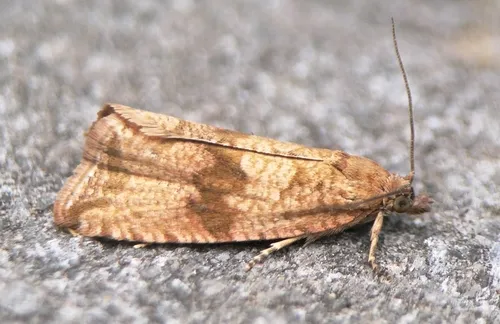
Celypha striana
Celypha striana
Wingspan 16-22 mm. Distinguished from other Celypha sp. by the strongly developed median fascia in the forewing. Flies from dusk between June and August, being attracted to light. The larvae feed on Dandelion ( Taraxacum officinale ), boring into the
Spring Dead-leaf Roller - Hodges#3716
Cenopis diluticostana
Identification: Adult - see original description in Print References. Genitalia:
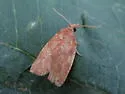
Chokecherry Leafroller - Hodges#3722
Cenopis directana
Identification: Adult: forewing dull orange with dull reddish diagonal AM and PM lines and diffuse/stippled reddish shading beyond PM line (forming a triangular patch across apex); very little contrast between red and orange color, and no net-like re

Cenopis eulongicosta - Hodges#3721.1
Cenopis eulongicosta
Identification: Distinguished from other similar species by its large size and elongate male antennal sensillae (3/4 times width of flagellomere vs. 1/4).
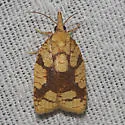
Cenopis ferreana - Hodges#3720.1
Cenopis ferreana
Identification: Busck original description as Sparganothis ferreana is available online in the print preferences.
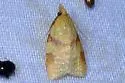
Cenopis karacana - Hodges#3718
Cenopis karacana
Identification: Adult - see original description in Print References.
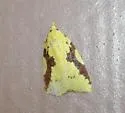
Aproned Cenopis - Hodges#3727
Cenopis niveana
Identification: Adult: forewing dark brown except for light yellow band across base and across wingtip, and yellow semicircular patch mid-way along costa; some individuals have extensive yellow shading along inner margin (resulting in less extensive
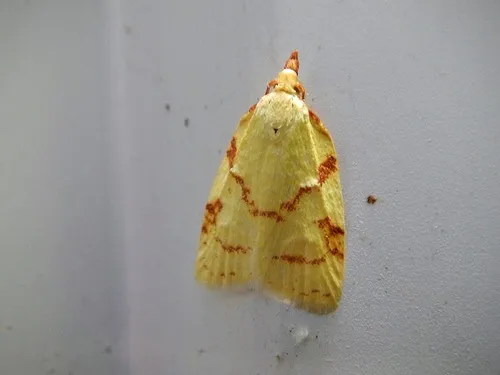
Maple-Basswood Leafroller Moth
Cenopis pettitana
The maple-basswood leafroller (Sparganothis pettitana) is a moth of the Tortricidae family. It is found in eastern North America, from Nova Scotia to Florida, west to Texas.
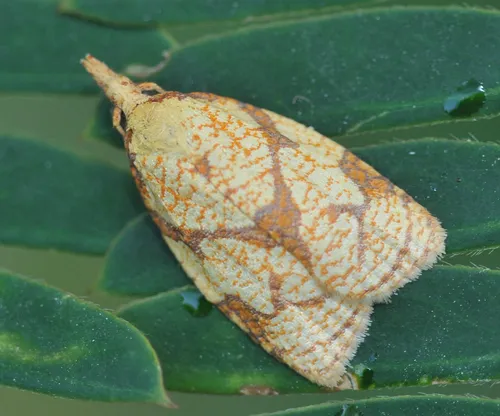
Reticulated Fruitworm Moth
Cenopis reticulatana
The reticulated sparganothis (Sparganothis reticulatana) is a moth of the Tortricidae family. It is found in most of eastern North America.
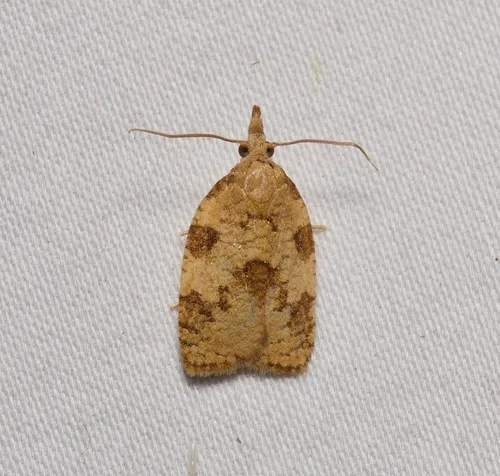
Cenopis saracana - Hodges#3724
Cenopis saracana
Identification: Adult - see original description in Print References.
Chimoptesis gerulae - Hodges#3272
Chimoptesis gerulae
Identification: Original description online: [Adapted from original description]: White patch along the middle of inner margin. Beginning near the middle of the costa is a band of black scales curving into the wing and ending at the apex. There is a
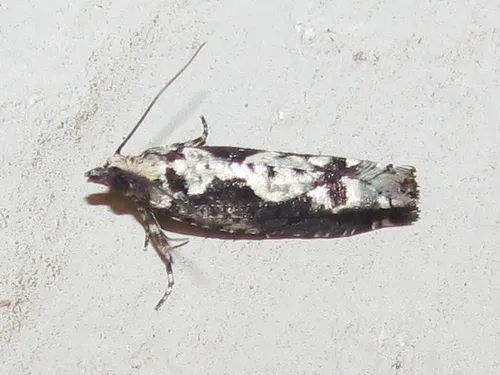
Filigreed Chimoptesis - Hodges#3273
Chimoptesis pennsylvaniana
Identification: Adult - forewing dark gray to blackish with white tri-lobed strip along inner margin, sometimes tinted with green; black V-shaped mark at anal angle; several small white spots along costa; hindwing gray with dark double terminal line
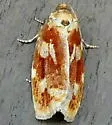
Choristoneura carnana - Hodges#3645
Choristoneura carnana
Identification: Adult - both sexes with rust crossed by a broad, pale antemedial band blending to white in the tornal area. Larva - rust-colored.
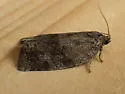
Large Aspen Tortrix - Hodges#3637
Choristoneura conflictana
Identification: Adult - pale grey to brownish grey with indistinct markings. Larvae - initially pale yellowish-green later turning deep green or almost black with reddish brown to black head capsule.
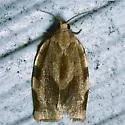
Broken-banded Leafroller - Hodges#3632
Choristoneura fractivittana
Identification: Adult - orangish-yellow with oblique brown median band, broken by ground color near upper end (the break more conspicuous in males than females). Narrow brown subapical patch at costa linked to median band in males, separated in femal
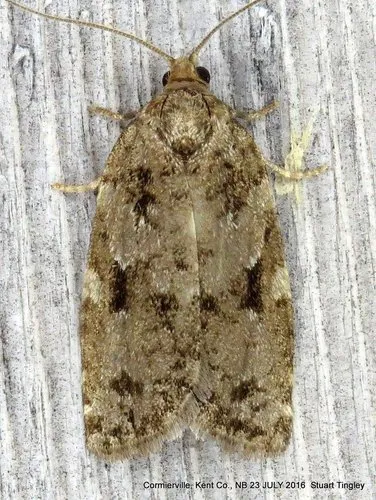
Spruce Budworm Moth
Choristoneura fumiferana
Choristoneura fumiferana, the eastern spruce budworm, is a species of moth of the Tortricidae family. It is also commonly referred to as the spruce budworm. It is one of the most destructive native insects in the northern spruce and fir forests of th
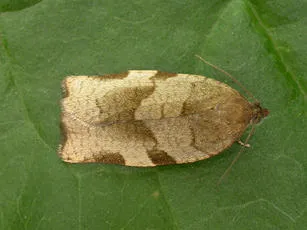
Choristoneura hebenstreitella
Choristoneura hebenstreitella
Wingspan.20 to 30 mm. This rather large Tortrix is fairly distinctive. There is slight sexual dimorphism, females being generally larger than males. June and July is the flight period for the adult moths, which are on the wing around dusk. The larvae
Juniper Budworm - Hodges#3647
Choristoneura houstonana
Identification: Adult - checkered with raised patches of pale rust and rose lavender scales. Hindwing white. ( 3 ) Type Locality: Texas
Choristoneura lambertiana - Hodges#3644
Choristoneura lambertiana
Identification: Adult - geographically variable. Typical form from southern Oregon to western Montana that feed on sugar pine and ponderosa pine tend to have rust forewings with white bands. Populations in the eastern Sierra Nevadas that feed on lodg
Choristoneura retiniana - Hodges#3639
Choristoneura retiniana
Identification: Adult - slender forewings either tan or rust-orange with dark lines. Also see Obraztsov. Larva - all green, including the head. Even the pupa is greenish.
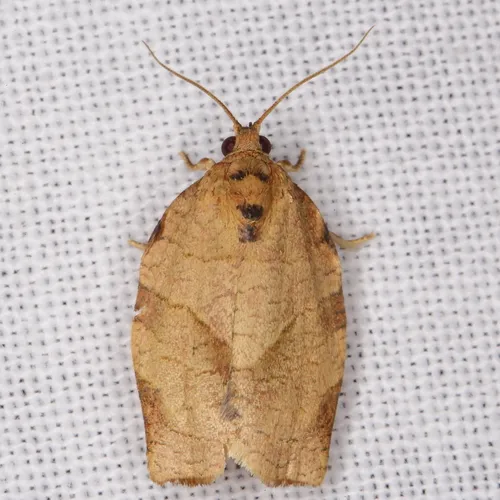
Oblique-banded Leafroller Moth
Choristoneura rosaceana
Choristoneura rosaceana, the oblique banded leaf roller or rosaceous leaf roller, is a moth of the Tortricidae family. It is native to North America, but has been accidentally introduced into other parts of the world.
Zapulata Moth - Hodges#3634
Choristoneura zapulata
Identification: Very difficult to distinguish from Choristoneura rosaceana Lacks the small triangular costal fold (males) found in C. rosaceana
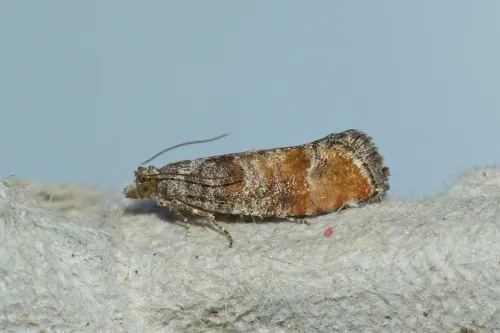
Pine Leaf-mining Moth
Clavigesta purdeyi
Wingspan 10-12 mm. Quite a small but brightly coloured Tortrix. Various habitats but preferring areas with Pine. Flying from July to September, the adults are attracted to light. The larvae feed internally on the needles of Pine, overwintering in thi

Clepsis listerana - Hodges#3679
Clepsis listerana
Identification: Adult - see original description in Print References. Very rare in collections.
Black-patched Clepsis Moth - Hodges#3686
Clepsis melaleucanus
Identification: Larva - body pale green, head yellow-brown.
Clepsis penetralis - Hodges#3688.1
Clepsis penetralis
Kruse & Powell 2014 mention subtle differences is wing pattern which tend to separate C. penetralis from C. peritana , however, the distinction does not seem to apply with respect to the California population on C. peritana . Compare BOLD:ABZ6564 (Ca
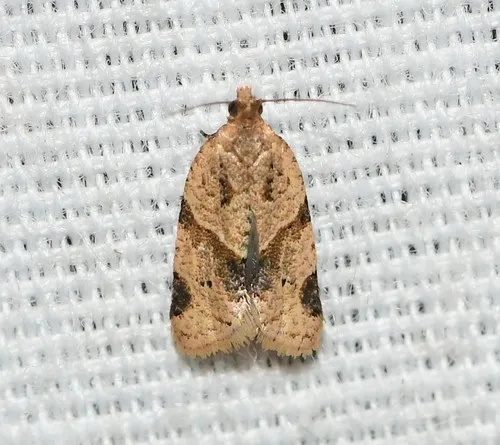
Garden Tortrix
Clepsis peritana
Clepsis peritana, the garden tortrix or strawberry garden tortrix, is a species of moth of the family Tortricidae. It is found in Spain, Cuba, as well as North America, where it has been recorded from southern Canada throughout the United States.
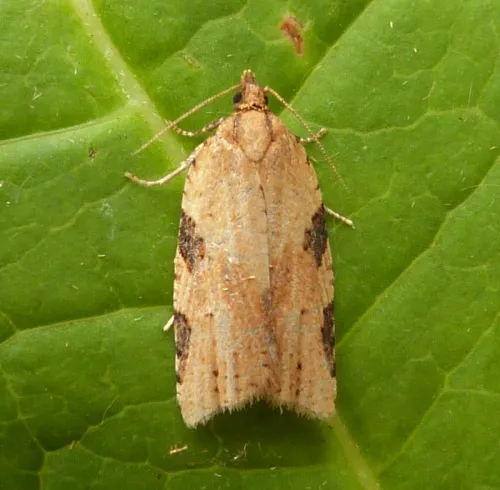
Cyclamen Tortrix
Clepsis spectrana
Wingspan 16-22 mm. This is a very variable species. The ground colour of the forewing ranges from creamy yellow to rich chestnut-brown or dark brown. However, it usually shows a similar pattern of darker markings. The costa of the male's wing is dist
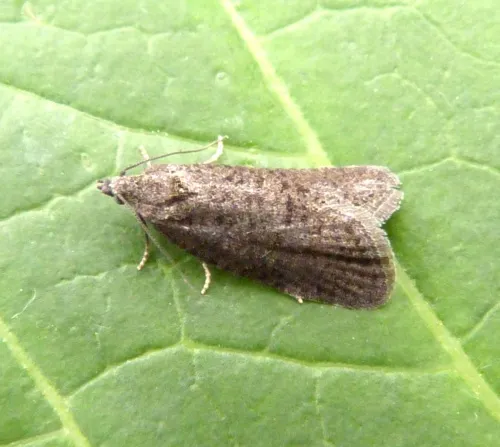
Flax Tortrix
Cnephasia asseclana
Wingspan 15-18 mm. The patterning of the wings can be variable with dark brown bands and spots on a paler brown background. There are other very similar species in this genus which means that detailed examination of an actual specimen is generally ne
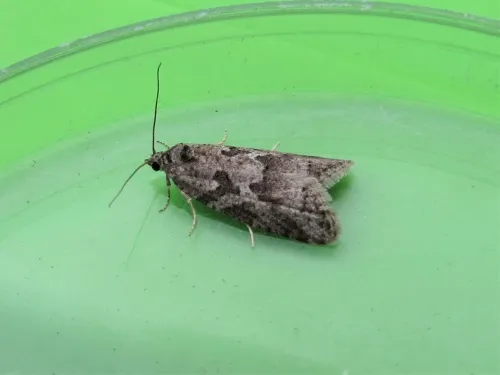
Cnephasia communana
Cnephasia communana
The wingspan is 18 to 22 mm. Many of the Cnephasia species are externally very similar, and gen det is required for species identification. Where gen det has not been carried out the records should be added as Cnephasia sp. Gen det is required for sp
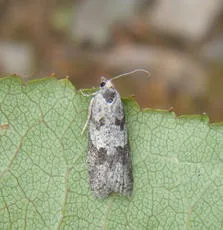
Cnephasia genitalana
Cnephasia genitalana
Wingspan 15 to 22 mm. It is one of the least well-marked of the Cnephasia species, though some individuals are more strongly marked. The moth frequents chalk downland and rough grassland. The larvae feed in spun flowers or leaves of a range of herbac
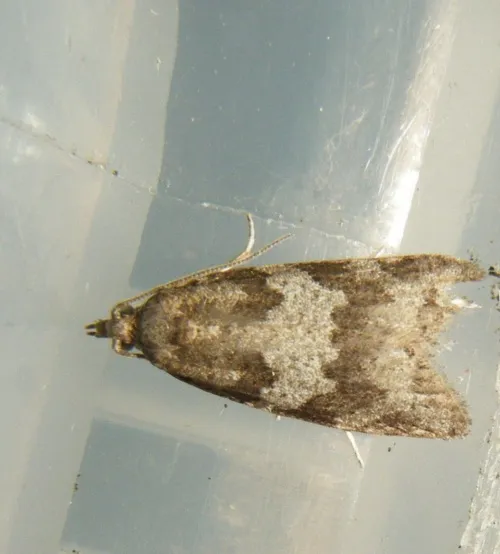
Light Grey Tortrix
Cnephasia incertana
Wingspan 14 to18mm. One of several similar Cnephasia species but also one of the smallest. The habitat preference is for woodland edges and hedgerows. The adults are at large during June and July. The overwintering larvae feed in a spinning on a rang
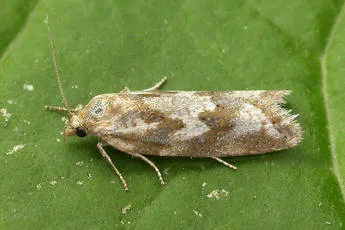
Cnephasia longana
Cnephasia longana
Wingspan 15 to 22mm. This species is sexually dimorphic: male adults have a uniform white to yellowish-brown unmarked forewing while female adults are variably marked with light to dark brown. Some females have a strong banded pattern. Males lack a c
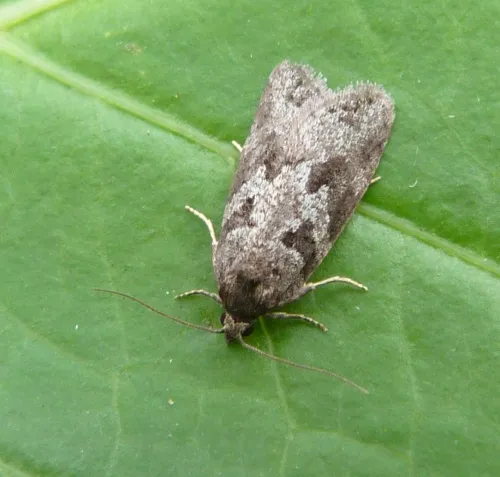
Grey Tortrix
Cnephasia stephensiana
Wingspan 18 to 22 mm. As its English name suggests, this is quite a greyish-brown moth. Specimens from the southern part of the British Isles are often darker than those from further north and Scotland, some of which have an almost whitish ground col
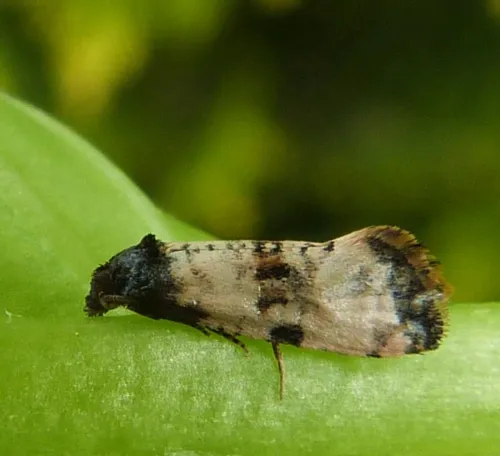
Cochylichroa atricapitana
Cochylichroa atricapitana
Wingspan 12-16 mm. It differs from similar species by its dark head and thorax. Areas containing Ragwort and other composite flowers. The adults fly in two generations, in May and June and again around August. The larvae feed on Common Ragwort. Early
Cochylichroa aurorana - Hodges#3767
Cochylichroa aurorana
Identification: Adult - see original description in Print References. ( 3 )
Hoffman's Cochylid - Hodges#3776
Cochylichroa hoffmanana
Identification: See Kearfott, 1907 Print References for original description. Genitalia: ♀ ♂
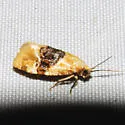
Banded Sunflower Moth - Hodges#3777
Cochylichroa hospes
Identification: Adults - golden ochreous with broad, dark brown to rust brown medial fascia and subapical blotch containing irridescent gray patches. ( 3 ) Also see Razowski (1997). ( 4 ) Genitalia: ♀ ♂
Cochylichroa viscana - Hodges#3783
Cochylichroa viscana
Identification: Adult - see original description in Print References. Genitalia:
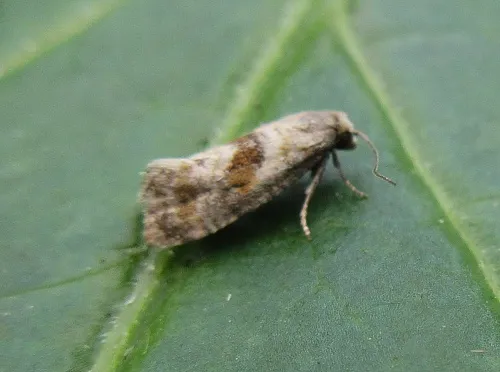
Cochylidia heydeniana
Cochylidia heydeniana
Unless identified by a recognised expert, a photo is required. In view of the rarity of this species in our area the moth should be retained as determination by genitalia examination (gen. det.) may be required to confirm records to full species. The
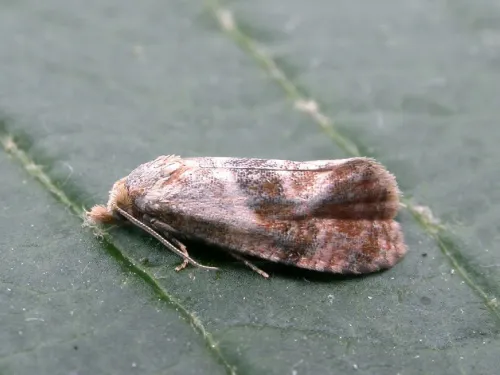
Cochylidia rupicola
Cochylidia rupicola
Can be found in a wide range of habitats, especially where the larval food plant is present. Flying in June and July, the moths can be found at large on warm sunny afternoons, but typically fly from dusk onwards. The larval foodplant is Hemp Agrimony
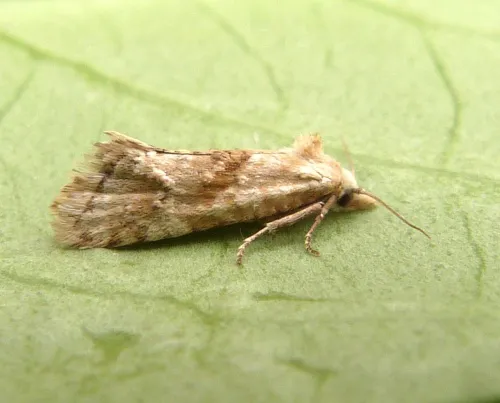
Cochylimorpha straminea
Cochylimorpha straminea
Wingspan 10-16 mm. A fairly plain buff coloured moth, with a pale, rust coloured band forming a 'V' pattern on its back. There is just the hint of a darker band at the wing tips but none of its markings are particularly pronounced. Occurring in any s
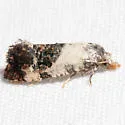
Cochylina-unplaced glaucofuscana - Hodges#3859
Cochylina-unplaced glaucofuscana
Identification: See original description in print references below (in German) . Unplaced as to genus .
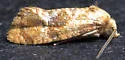
Cochylis bucera - Hodges#3769
Cochylis bucera
Identification: Adult - orange with silver-studded brown median band. Genitalia:
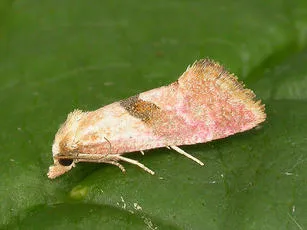
Cochylis roseana
Cochylis roseana
Wingspan 10 to17 mm. The pink suffusion on the forewing varies in intensity, and can be inconspicuous. On sites where Teasel grows plentifully. The larva lives August - May in a silk tunnel bored through the sides of several teasel seeds, on which it
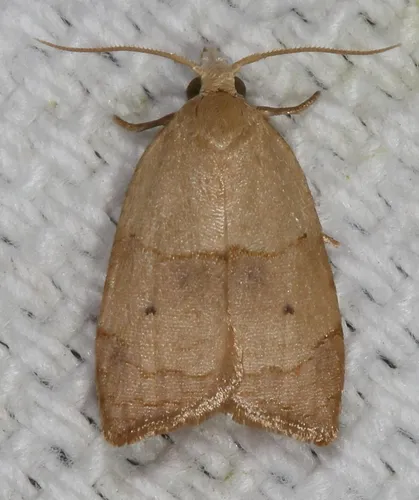
The Batman Moth - Hodges#3747
Coelostathma discopunctana
Identification: Males do not have a costal fold Genitalia:
Coelostathma placidana - Hodges#3747.1
Coelostathma placidana
Formerly listed on BugGuide as "undescribed Florida species." Remarks from the deleted page: "I expect this will be given a name in the next year when a MONA fascicle for Spargothine tortricids is published. I saw specimens in the USNM from SC and FL
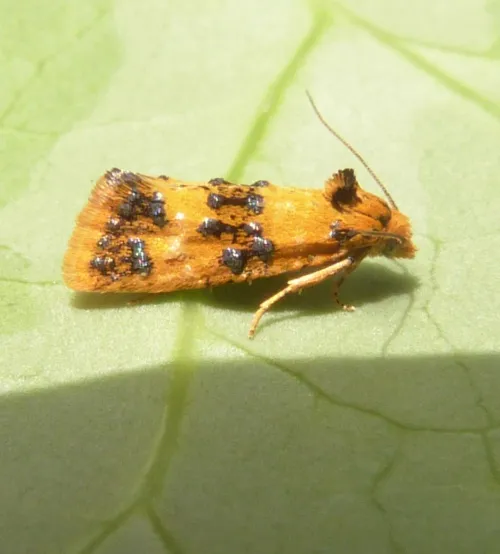
Commophila aeneana
Commophila aeneana
Wingspan 13 to 17 mm. A brightly coloured Tortrix moth, having orange-yellow forewings with metallic blue markings. The larvae live from September throughout the winter, feeding in the roots of Ragwort (Senecio jacobaea). It is rather scarce in Brita
Crocidosema aporema - Hodges#3332
Crocidosema aporema
Identification: Adults - See images and info at TortAI Larvae - See images and info at LepIntercept
Lantana Flower-Cluster Moth - Hodges#3279
Crocidosema lantana
Identification: Larva - fuscous colored with a slight reddish tinge.
Crocidosema longipalpana - Hodges#3274.2
Crocidosema longipalpana
Crocidosema litchivora was synonymized with Crocidosema longipalpana by Baixeras after discovering the type specimen for the latter in a collection in Germany. The synonymy was published in the World Catalogue of Insects, Vol. 5. (see note 13)
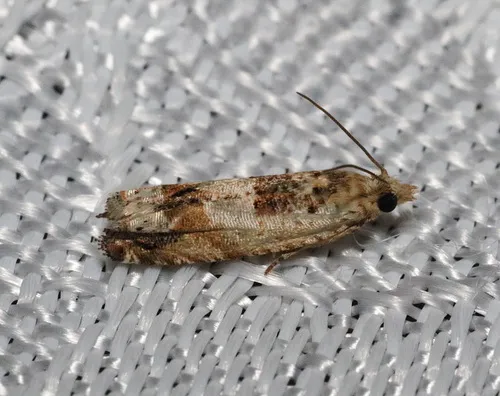
Crocidosema plebejana
Crocidosema plebejana
Various habitats including parks and gardens. The moths fly mainly between July and October, and can be found on the wing from early evening, after which they will come to light. The larvae feed on Tree-mallow (Lavatera arborea) and related species,
Cotton Tipworm Moth - Hodges#3274
Crocidosema plebejana-of-authors
Identification: Sexually dimorphic. The black patch at the wing base of the female does not extend to the coastal margin. The coastal margin of males has dark scales from base to apex. This page is for Crocidosema plebejana of authors not Zeller, 184
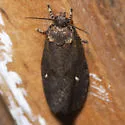
Cryptaspasma bipenicilla - Hodges#2704.1
Cryptaspasma bipenicilla
Identification: Adult : Males are grayish brown with faint black reticulated markings. Females are uniformly darker with less markings. Both males and females have a conspicuous white dot on the distal one-third of the FW. HW are pale grayish brown.
Slash Pine Seedworm Moth - Hodges#3488
Cydia anaranjada
Identification: The orange color distinguishes Cydia anaranjada from the others in the genus. The original description as Laspeyresia anaranjada Miller is available in the PDF.
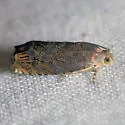
Hickory Shuckworm Moth - Hodges#3471
Cydia caryana
Identification: Genitalia: ♀ ♂ Gathering and destroying nuts in the winter is helpful control when there is an infestation.
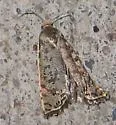
Cydia colorana - Hodges#3484
Cydia colorana
Identification: Adult - see original description in Print References.
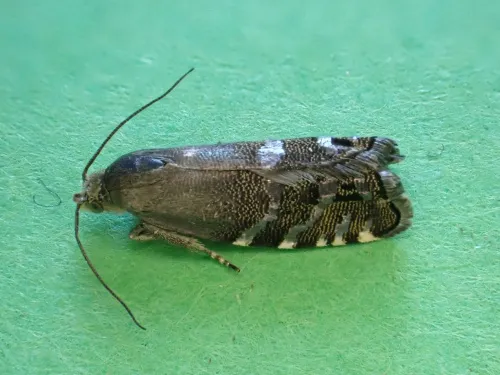
Cydia conicolana
Cydia conicolana
Wingspan about 11mm. Sometimes a small exit hole in a pine cone can be observed and indicates that the larva has overwintered in it and the adult moth has emerged. Very good quality photographs required and if possible the specimen should be retained
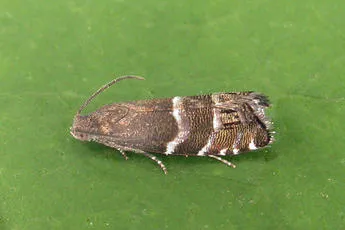
Cydia cosmophorana
Cydia cosmophorana
Wingspan 8 to14 mm. The adults are quite small and they resemble C. coniferana and C. conicolana , both of which are found in similar habitat, but tend to show more distinct white markings than those species. They fly during the day in sunshine throu
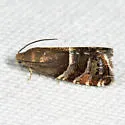
Cydia erotella - Hodges#3485
Cydia erotella
Identification: The distinctive forewing pattern is usually easy to recognize. The revised and original description by Heinrich are available in PDF. ,