
Family Underwing, Tiger, Tussock, and Allied Moths (Noctuidae)
Noctuidae is a family in the order Lepidoptera. Browse 2,425 named species recorded in this family, or open an individual profile for its available identification and natural-history information.
Species in Noctuidae (2,425)
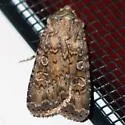
Fawn Brown Dart - Hodges#10727
Euxoa pleuritica
Identification: Adult: forewing mottled coppery brown with areas of dark gray and darker brown; reniform spot has dark gray smudge in lower half; orbicular spot round, dark in center; claviform spot partial or sometimes absent; AM line black, double,
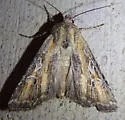
Euxoa pluralis - Hodges#10795
Euxoa pluralis
Identification: "The orange and gray forewing color and pattern of this species are diagnostic". ( 3 )
Euxoa ridingsiana - Hodges#10861
Euxoa ridingsiana
Identification: Description can be found in MONA Fascicle 27-2 at link in citations below.
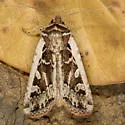
Euxoa riversii - Hodges#10868
Euxoa riversii
Identification: This species is the southern counterpart of E. wilsoni and can be distinguished from that species by its paler coloration and genital characteristics. It has similar forms to wilsoni . Essentially, most riversii specimens look like bl
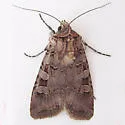
Euxoa rockburnei - Hodges#10757
Euxoa rockburnei
Identification: Specimen determined by DNA analysis (BOLD).
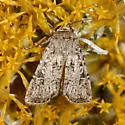
Euxoa satiens - Hodges#10792
Euxoa satiens
Identification: The elliptical orbicular spot is close to the reniform. ( 3 ) Photo identified by Lars Crabo.
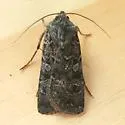
Euxoa satis - Hodges#10786
Euxoa satis
Identification: Forewing is dark brown to black, hindwing is dark brown/gray. A form with a lighter ground color occurs in Washington, Oregon, and California with paler shading adjacent to the transverse lines on the forewing and pale shading in the
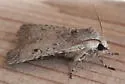
White Cutworm Moth - Hodges#10715
Euxoa scandens
Considered a pest of many vegetable crops as are many of the cutworm species.
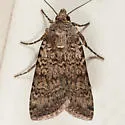
Scholastic Dart - Hodges#10793
Euxoa scholastica
Identification: Adult: forewing brownish-gray with black double scalloped AM and PM lines; reniform and orbicular spots same color as ground color with black perimeter; subterminal line dark, irregular; no dark shading in terminal area; hindwing unif
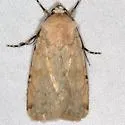
Euxoa scotogrammoides - Hodges#10746
Euxoa scotogrammoides
Identification: Description can be found in MONA Fascicle 27-2 at link in citations below. The barely traceable maculation of this species resembles a number of other Euxoa species but flies earlier.
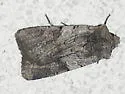
Euxoa sculptilis - Hodges#10815
Euxoa sculptilis
Identification: Adult - Forewing with the basal half grey irrorated with brown; the terminal half black-brown; a double black subbasal line from costa angled inwards; a double sinuous antemedial line, strongly angled outwards below costa and above in
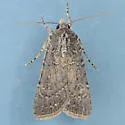
Euxoa selenis - Hodges#10790
Euxoa selenis
Euxoa selenis - Hodges#10790 (Euxoa selenis) is a species in the family Noctuidae, commonly known as owlet moths, belonging to the order Lepidoptera (Butterflies and Moths). It is classified within the subfamily Noctuinae, tribe Noctuini, superfamily
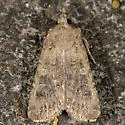
Euxoa septentrionalis - Hodges#10739
Euxoa septentrionalis
Identification: Specimens identified by DNA analysis:
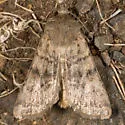
Euxoa setonia - Hodges#10794
Euxoa setonia
Identification: Description can be found in MONA Fascicle 27-2 at link in citations below. Forewing pale yellow brown or buff brown to the north; orange brown in southern Rocky Mountain region.
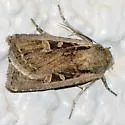
Silent Dart - Hodges#10751
Euxoa silens
Identification: Adult: forewing light grayish-brown with paler costa; usually has thin black basal streak expanding into poorly defined dark median streak incorporating claviform spot and running through orbicular and reniform spots; orbicular spot s
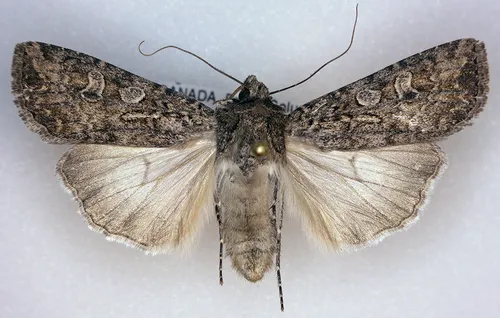
Euxoa simona - Hodges#10729
Euxoa simona
Identification: Adult: forewing grayish-brown with black double basal, AM and PM lines, usually indistinct; ground color of wing slightly paler in basal half; orbicular spot circular, with prominent pale perimeter and dark interior; reniform spot wit
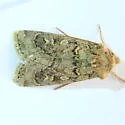
Euxoa simulata - Hodges#10754
Euxoa simulata
Identification: Pacific Northwest Moths has a detailed description. Uncommon.
Euxoa sinelinea - Hodges#10703
Euxoa sinelinea
Identification: Description can be found in MONA Fascicle 27-2 at link in citations below.
Euxoa spumata - Hodges#10763
Euxoa spumata
Identification: Description can be found in MONA Fascicle 27-2 at link in citations below.
Euxoa stygialis - Hodges#10761
Euxoa stygialis
Identification: Adult - dark basal dash on the forewings. See description by Barnes & McDunnough in Print References.
Tessellate Dart - Hodges#10805
Euxoa tessellata
Identification: Adult: forewing medium to dark grayish-brown, often with reddish or purplish tint; orbicular and reniform spots prominent, pale gray or yellowish; black triangular patch proximal to orbicular spot, and black rectangular patch between
Euxoa tristicula - Hodges#10723
Euxoa tristicula
Identification: Head and body grey, with a contrasting black thoracic collar. The forewings are light grey, with the costa even paler, especially near the base. The normal lines are obsolete or nearly so, indicated by a few dark scales at best. There
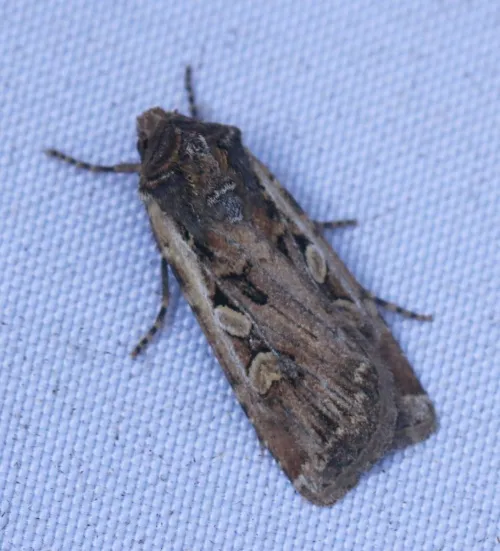
White-line Dart
Euxoa tritici
Good photographs required. It is advisable to retain the specimen until identification is confirmed as this species is quite scarce in our area. A species of heathland, moorland and sandy areas. Flight period is July and August sometimes into Septemb
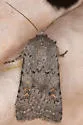
Euxoa vallus - Hodges#10709
Euxoa vallus
Identification: Description as three disjunct populations is available in MONA Fascicle 27-2 is available at link in citations below.
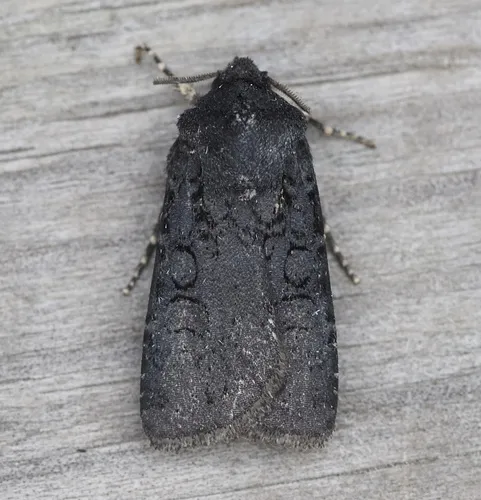
Fleece-winged Dart - Hodges#10803
Euxoa velleripennis
Identification: forewing very dark gray with black AM and PM lnes that show little contrast against ground color; reniform, orbicular, and claviform spots outlined in black; center of reniform spot with obscure paler area; orbicular spot very large (
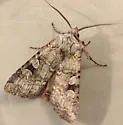
Euxoa vetusta - Hodges#10724
Euxoa vetusta
Identification: One of the easier species of Euxoa to identify. The whitish to grayish forwings with the large discal spots help separate it from most other species. The space between the orbicular and reniform spots is usually shaded from gray to bl
Euxoa westermanni - Hodges#10707
Euxoa westermanni
Identification: Specimen determined by DNA analysis (BOLD).
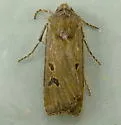
Euxoa wilsoni - Hodges#10867
Euxoa wilsoni
Identification: This group is best determined by genitalia. Specimens identified by DNA analysis (BOLD). ( 4 )
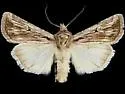
Euxoa xasta - Hodges#10821
Euxoa xasta
Identification: Pacific Northwest Moths description is linked below. Barnes & McDunnough description is online. The forewing has a narrow black basal dash.
Epauletted Pitcher-plant Moth - Hodges#9021
Exyra fax
Identification: Original description online as Xanthoptera fax Grote. ,
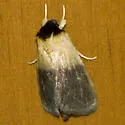
Pitcher Plant Mining Moth - Hodges#9024
Exyra semicrocea
Identification: Adult - typical form has basal half of forewing bright yellow, distal half dark gray, divided by straight median line at right-angles to costa; some individuals have completely pale yellow forewing except for faint subterminal line; h
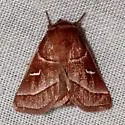
Marsh Fern Moth - Hodges#9629
Fagitana littera
Identification: Adult: forewing dark reddish-brown or purplish-brown with white AM and PM lines edged in black; reniform spot a white horizontal streak; AM line oblique, PM line almost straight, terminal line white, following contour of slightly angl
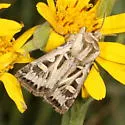
Feltia inyoca - Hodges#10670.1
Feltia inyoca
Identification: "This species and Feltia evanidalis are disjunct Californian relatives of jaculifera. Feltia inyoca is characterized by 1) the shape of the claviform spot, which is longer (4x as long as basal width) than that of evanidalis but shorte
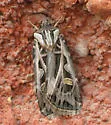
Dingy Cutworm Moth - Hodges#10670
Feltia jaculifera
Identification: Adult: forewing dark gray to blackish, patterned with white, gray, and tan streaks and lines; two white-lined veins (M3 and CU1) extend from bottom corner of reniform spot nearly to outer margin, forming a distinct W shape where they
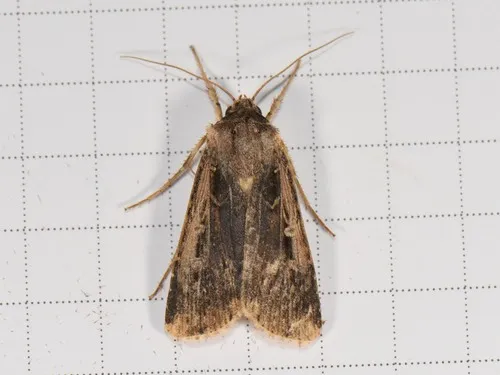
Subterranean Dart - Hodges#10664
Feltia subterranea
Identification: Adult: forewing yellowish to medium brown with blackish shading heavier in female than in male; black bar extending from orbicular to reniform spot is distinctive feature; large dark patch along costa near apex, and usually a smaller
Comstock's Sallow - Hodges#10008
Feralia comstocki
Identification: Adult: described by Covell as having bright green FW, sometimes fading to yellowish; lines scalloped, broken, black, edged with white; note three squarish black blotches around reniform spot. HW cream; gray discal spot, partial median
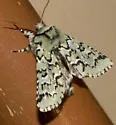
Deceptive Sallow - Hodges#10006
Feralia deceptiva
Identification: Adult: forewing dark green with black AM and PM lines, bordered medially by white; reniform and orbicular spots filled with ground color and rimmed with black and white; fringe checkered black and white. hindwing dark gray with even d
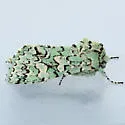
Feralia februalis - Hodges#10009
Feralia februalis
Identification: Grote (1874) original description is in the print references. Crumb (1956) described the larva. ( 4 )
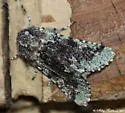
Major Sallow - Hodges#10007
Feralia major
Identification: Adult : FW pale to mint green, variable ● Basal and terminal areas of FW lighter green ● Median area peppered with black ● Orbicular and reniform spots partly outlined white ● AM & PM black jagged lines are often inconspicuous and amo
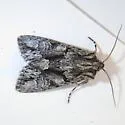
Fishia connecta - Hodges#9971
Fishia connecta
Identification: The original description as Polia connecta Smith, is available online at the link in the print references below. Forewing is gray and reddish-brown with basal and median dashes. The orbicular spot is round with a lighter filling. Rare
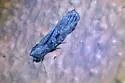
Fota armata - Hodges#9842
Fota armata
Identification: Tortriciform. Forewings gray, with a black shade along the cell, connecting the median stigmata and preceding the orbicular. Stigmata concolorous; orbicular round, reniform upright. , A long black shade on median space over submedian
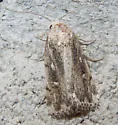
Fotella notalis - Hodges#9833
Fotella notalis
Identification: Noctuidae of North America - nearctica.com ( 4 ) has a good description. Determined by Jan Metlevski
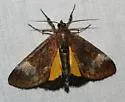
Gerra sevorsa - Hodges#9303
Gerra sevorsa
Wanders around on branches and suitable surfaces with wings held high, revealing the striking underside pattern. At rest the wings are hastily folded together and rested against the surface, revealing the less colourful side of the moth.
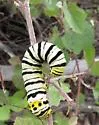
Gerrodes minatea - Hodges#9304
Gerrodes minatea
Identification: Gerra radicalis is similar, but considerably smaller, with dark border of hind wing wider, and on front wing with outer bands above not curving around inner margin of wing.
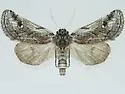
Gloanna hecate - Hodges#9844.1
Gloanna hecate
Identification: Blanchard & Knudson description of the adult, including genitalia, is available in PDF.
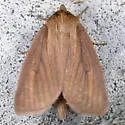
Capsula laeta - Hodges#9451
Globia laeta
Identification: Morrison (1875) original description as Nonagria laeta is online in the print references.
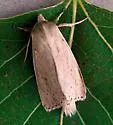
Oblong Sedge Borer - Hodges#9449
Globia oblonga
Identification: Adult: forewing yellowish with grayish-brown shading; orbicular and reniform spots outlined with ground color; PM line and terminal line a series of tiny black dots hindwing colored as forewing but grayish-brown shading darker [descri
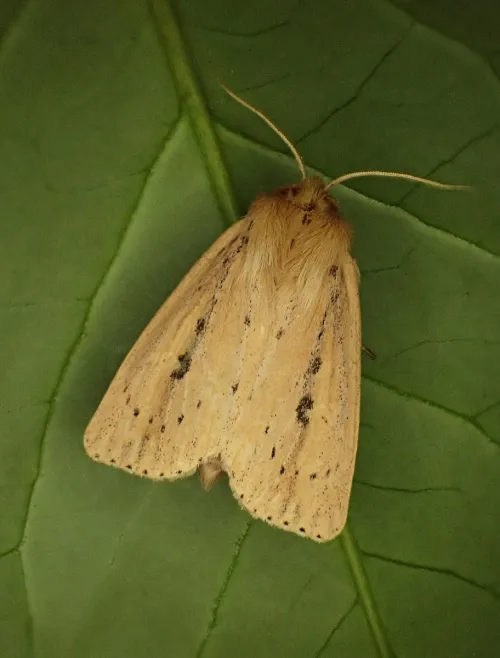
Webb's Wainscot
Globia sparganii
Wingspan 32 to 40 mm. This species is orange-brown to cream in colour and distinguished by the broad, blunt forewing, rounded at the tip. The amount of dark streaking also varies usually, crossing an outer row of black dots. There is also a row of sm
Subflava Sedge Borer - Hodges#9450
Globia subflava
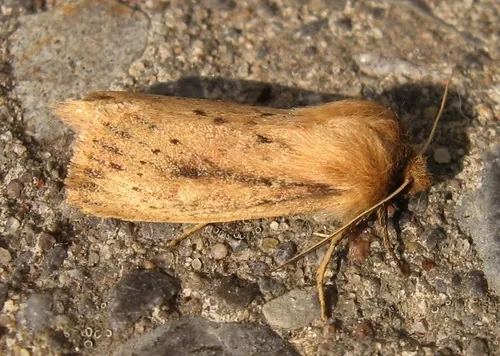
Identification: A medium-size moth with pale yellow brown to deep rust brown forewings with a darker shade along the cubital vein and a prominent row of dark dots marking the postmedian line where it crosses the veins, and a dark shade in the middle
Frosted Orange
Gortyna flavago
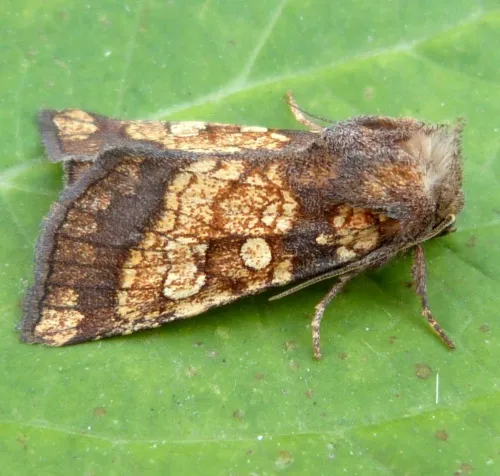
Wingspan 35-40 mm. An attractive moth with a pattern of pale yellows and browns Its favoured haunts are woodland, waste ground and marshes The larvae feed internally in the wide stems of such plants as Thistle and Burdock species also pupating within
Double Dart
Graphiphora augur
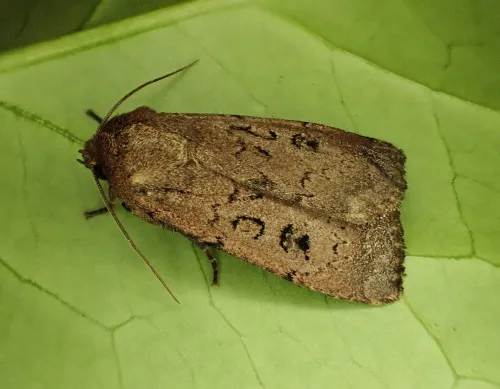
Wingspan 35 to 42 mm. The markings may vary slightly but are usually sufficient to enable the species to be identified. It inhabits woodland, bushy places and grassy areas. Flies in a single generation during June and July. The larvae feed nocturnall
Merveille du Jour
Griposia aprilina
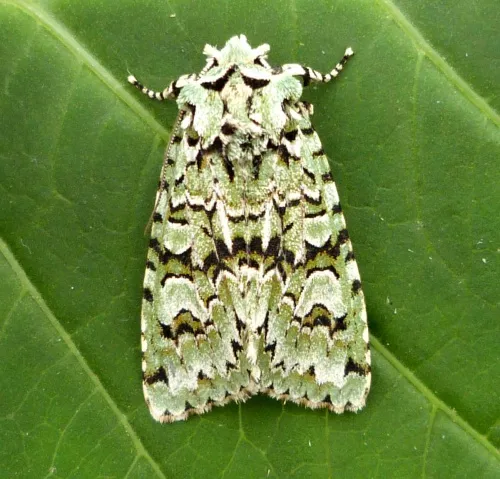
Wingspan 35-40 mm. One of our most beautiful moths, especially when freshly emerged. Pinned specimens in identification guides have often lost the attractive green colour, fading to a brownish yellow. This species frequents woodland and parks. It fli
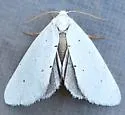
Grotella dis - Hodges#11217
Grotella dis
Identification: Forewing is pure white without cream-white tinge, a few small black dots representing am. and pm. lines; hindwing is grey-brown with pm. line showing little contrast - from Robert W. Poole's species page.
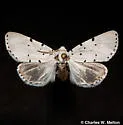
Grotella sampita - Hodges#11215
Grotella sampita
Identification: The original description by Barnes is available online in the print references below. Specimen identified by DNA analysis (BOLD)
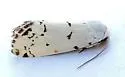
Grotella soror - Hodges#11223
Grotella soror
Identification: Adult : FW is slightly off-white ● Basal line is represented by a small black dot on the FW costa ● PM consists of irregular dots and dashes, with no traces of any orange band ● AM is a series of irregular dots and lines and is slight
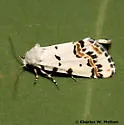
Grotella tricolor - Hodges#11222
Grotella tricolor
Identification: Adult: forewing white to pale yellow with median line of black spots; PM line double, inner line composed of black spots, outer line of reddish-brown spots; subterminal line composed of large oblong black spots; terminal line composed
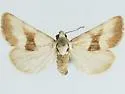
Grotella vauriae - Hodges#11228
Grotella vauriae
Identification: Specimen identified by DNA analysis (BOLD). photo soon
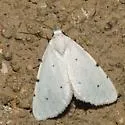
Grotellaforma lactea - Hodges#9042
Grotellaforma lactea
Identification: From Nearctica.com: "Grotellaforma lactea is a small, nearly pure white, species of the southwestern United States and Baja California del Norte. The forewing is white with the maculation reduced to a few black dots representing the a
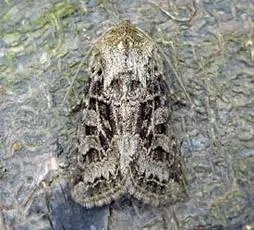
The Shears
Hada plebeja
Wingspan 30-35 mm. There is quite a variation in ground colour, generally the paler individuals occurring further south. It flies from May to July, with a partial second generation in the south. The larvae feed nocturnally on such low plants as Dande
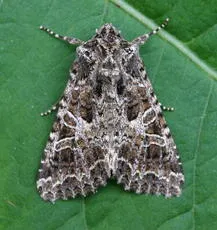
The Lychnis
Hadena bicruris
Wingspan 30-40 mm. Broad forewing which is dark greyish brown, with fine quite crisp straw white markings and a dark solid square or tooth like mark. The Campion is very similar but this species usually has a pink hue to the wings. Inhabiting woodlan
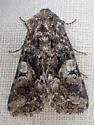
Hadena caelestis - Hodges#10322.1
Hadena caelestis
Identification: Hadena caelestis is nearly identical to Hadena ectrapela . Hadena caelestis has a larger, whiter, and more circular orbicular spot. Original description of Hadena caelestis Troubridge & Crabo is available in PDF.
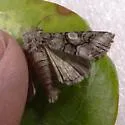
Capsule Moth - Hodges#10317
Hadena capsularis
Identification: Adult : FW medium gray ground, including a large pale-filled orbicular spot, a pointed claviform spot, and a series of horizontal black lines at the dentate W-mark along the outer margin. AM and PM are black, doubled.
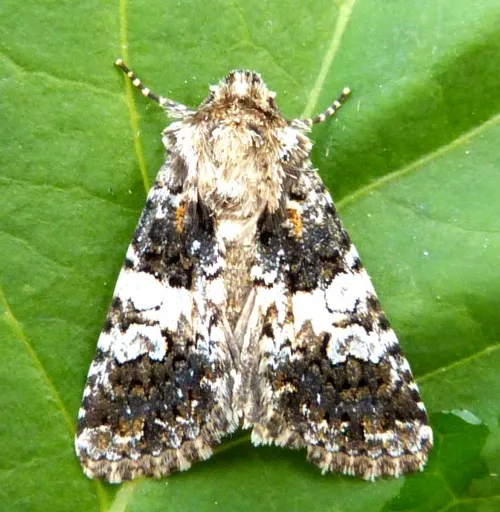
Varied Coronet
Hadena compta
Wingspan 25-30 mm. Bold black and white forewing with cross band complete and meeting trailing edge about halfway along (not diagonal as in Marbled Coronet). The main flight period is from June to July, when the species comes to light. The main foodp
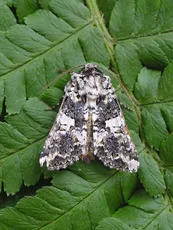
Marbled Coronet
Hadena confusa
Wingspan 33 to 39 mm. The species varies from a very black-and-white form to an almost all brown variety, occurring in Shetland. Preferring chalky soils and shingle beaches. The adults fly in May and June, sometimes with a partial second generation i
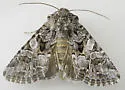
Hadena ectrapela - Hodges#10321
Hadena ectrapela
Identification: For complete description, see referenced Pacific Northwest Moths, below
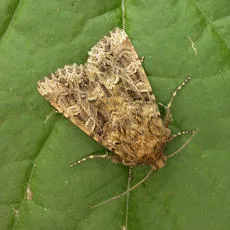
Tawny Shears
Hadena perplexa
Wingspan 27 to 36 mm. There is quite a range of variation in the ground colour and marking intensity, with paler specimens in the south-east and darker or duller ones in the north and west. Inhabiting dry grassy or stony habitats such as chalk downla
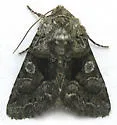
Hadena plumasata - Hodges#10323
Hadena plumasata
Identification: The original description as Anepia plumasata Buckett & Bauer is available online in PDF. - The only Hadena with a dark, charcoal grey forewing and no basal dash. Also has a less distinctive/contrasting "W" shape along the subterminal
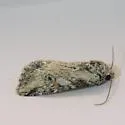
Hadenella pergentilis - Hodges#10221
Hadenella pergentilis
Identification: Detailed description at Pacific Northwest Moths ( 3 )
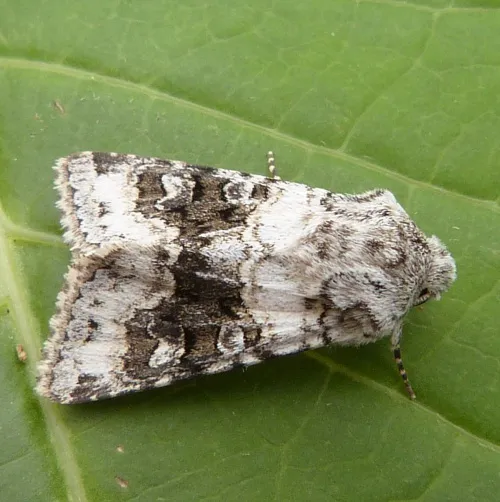
Broad-barred White
Hecatera bicolorata
Wingspan 28-35 mm. Broad dark grey or blackish central band on a whitish forewing which has a straight leading edge. Its preferred habitats are down land, wasteland and suburban areas. The larvae feed on the flowers and buds of such plants as Hawk's-
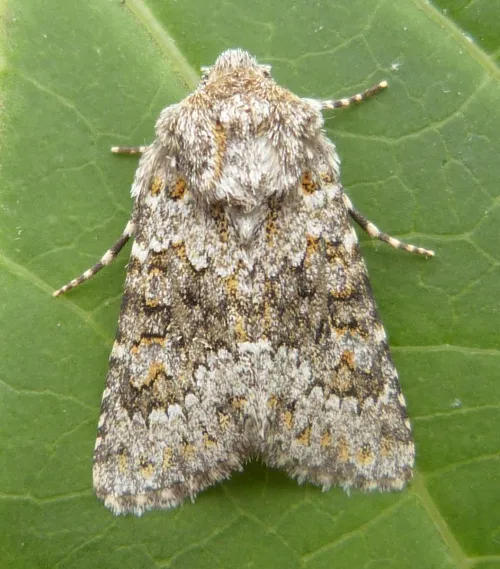
Small Ranunculus
Hecatera dysodea
Wingspan 32-34 mm. Forewing greenish-grey with occasional orange and gold spots, including a row near the outer edge. Rough open ground and gardens and roadside verges. The adults fly mainly in June and July and are occasionally attracted to light. T
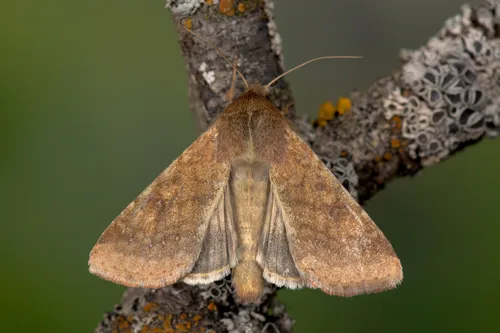
Scarce Bordered Straw
Helicoverpa armigera
Wingspan 30-40 mm. A lightly marked reddish-brown species. Mainly seen on the coast, but occasionally inland Occurring most often in the autumn months. An immigrant species to Britain. Found as a larva from time to time on Tomato plants, Geraniums an
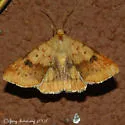
Spotted Straw Moth - Hodges#11073.1
Heliocheilus lupatus
This moth is expanding its range northward. In 1954 the moth was not known to occur north of the Carolinas. It's now common and widespread in southern New Jersey.
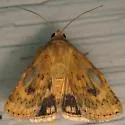
Paradoxical Grass Moth - Hodges#11074
Heliocheilus paradoxus
Identification: Grote (1865) original description is online. 329 . Sexually dimorphic. Males have a costal "bulge" along front of the FW and two elongate oval "windows" on the FW which can appear translucent. ♂ ♀
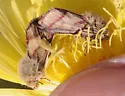
Heliolonche pictipennis - Hodges#11210
Heliolonche pictipennis
Identification: See PNW Moths reference for detailed description of adult
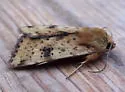
Heliothis acesias - Hodges#11072.1
Heliothis acesias
Identification: Forewing median band is curved at the reniform compared to sharply angled in Heliothis phloxiphaga . Hindwing is pale yellow or bright yellow-orange with a large black curved discal mark. There is a black terminal band which has a obl
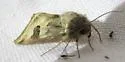
Heliothis australis - Hodges#11072.2
Heliothis australis
Identification: The Hardwick description of the adult, including genitalia, is available in PDF.
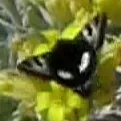
Heliothis belladonna - Hodges#11080
Heliothis belladonna
Identification: Edwards (1881) original description as Melicleptria belladonna is online in the print references. diurnal Males of Heliothis belladonna have been captured in traps baited with commercial pheromone lures placed for Helicoverpa zea (Cor
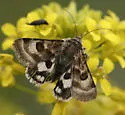
Flax Bollworm Moth - Hodges#11077
Heliothis ononis
Identification: Adult: forewing light brown with darker reddish-brown scaling at base and on shoulders (tegulae); dark brown median band incorporates large black reniform spot; subterminal band dark, narrower in the middle; fringe reddish-brown; hind
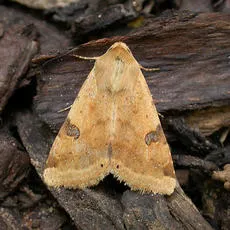
Bordered Straw
Heliothis peltigera
It is quite variable, and it is suggested that the paler individuals derive from desert origin, these often arriving with Saharan 'dust storms'. Various, but often near the south coast. June to August is the main arrival period. In a good migration y
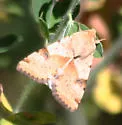
Darker-spotted Straw Moth - Hodges#11072
Heliothis phloxiphaga
Identification: A medium-sized light yellow-brown or tan moth with darker markings. There is a broad darker brown median band crossing the forewing, which angles sharply inward at the lower end of the large blackish reniform, and a dark triangular pa
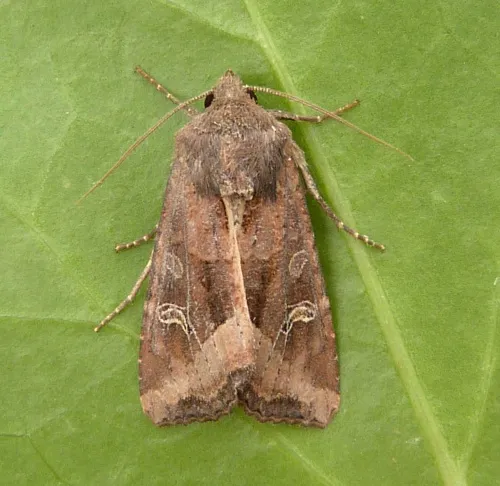
The Crescent
Helotropha leucostigma
Wingspan 37 to 44 mm. In addition to the typical form there is a well marked variation, ab. fibrosa, which is just as frequent, as well as several intermediate forms. A species of damp, marshy woodland and moorland. The eggs overwinter and hatch in s
Kidney-spotted Rustic - Hodges#9453
Helotropha reniformis
Identification: Adult: forewing dark brown with lighter brown subterminal band and small basal patch; reniform spot either solid white or brown with white outline and white streak in middle; two diverging white lines extend from inner corner of renif
Hemieuxoa Moth - Hodges#10914
Hemieuxoa rudens
Identification: The adults have two forms. typical form "pellucida" form This is the type species of the genus Hemieuxoa . The holotype male and female were collected in Texas.
Heminocloa mirabilis - Hodges#9735
Heminocloa mirabilis
Identification: The original description as Basilodes mirabilis Neumoegen, is available online in the print references below.
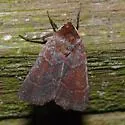
Sundew Dart - Hodges#10993.1
Hemipachnobia monochromatea
Identification: determined by Hugh McGuinness genitalia
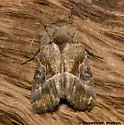
Hexorthodes accurata - Hodges#10601
Hexorthodes accurata
Identification: Hindwings are semitranslucent white, with brown veins.
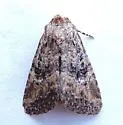
Hexorthodes nipana - Hodges#10286
Hexorthodes nipana
Identification: Specimen determined by DNA analysis (BOLD).
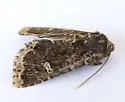
Hexorthodes senatoria - Hodges#10602
Hexorthodes senatoria
Identification: See Smith (1900) in Print References below.
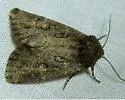
Hexorthodes serrata - Hodges#10592
Hexorthodes serrata
Hexorthodes serrata - Hodges#10592 (Hexorthodes serrata) is a species in the family Noctuidae, commonly known as owlet moths, belonging to the order Lepidoptera (Butterflies and Moths). It is classified within the subfamily Noctuinae, tribe Eriopygin
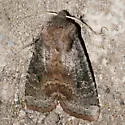
Homoglaea carbonaria - Hodges#9883
Homoglaea carbonaria
Identification: The original description as Lithophane carbonaria Harvey, is available to read online or in PDF. Specimens identified by DNA analysis:
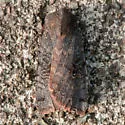
Homoglaea dives - Hodges#9882
Homoglaea dives
Identification: Specimens identified by DNA analysis:
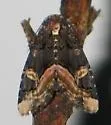
Black Wedge-Spot - Hodges#9057
Homophoberia apicosa
Identification: Adult: forewing dark gray or blackish except for broad pale terminal band and pale oblique reniform spot; terminal band may be pinkish, whitish, or cream-colored; hindwing whitish with grayish-brown shading and black dot at outer marg
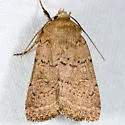
Alder Quaker - Hodges#10533
Homorthodes communis
Identification: Adult: forewing yellowish-brown with fine black irregular AM and PM lines; other markings faint except for dark shading in lower half of reniform spot; ST line usually visible but not prominent; hindwing light gray, paler toward base;
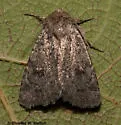
Homorthodes dubia - Hodges#10536
Homorthodes dubia
Identification: Specimens identified by DNA analysis:
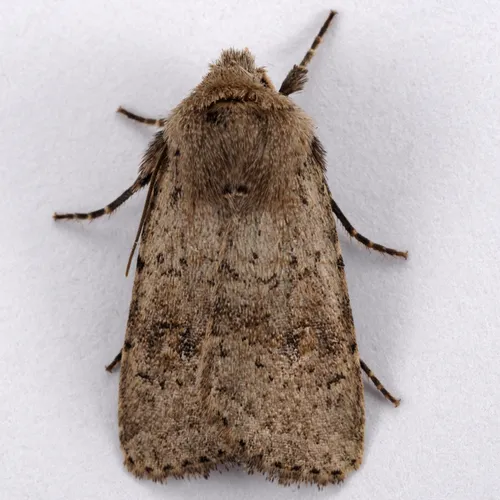
Homorthodes fractura - Hodges#10534
Homorthodes fractura
Identification: Specimens identified by DNA analysis: Subspecies:
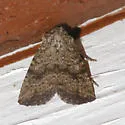
Homorthodes hanhami - Hodges#10539
Homorthodes hanhami
Identification: This species can usually be recognized by its small size, brown color, dark median band and lines across the distal wing, and the dark lower reniform with adjacent white spots. ( 3 )
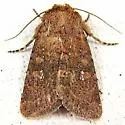
Southern Scurfy Quaker Moth - Hodges#10532.1
Homorthodes lindseyi
Identification: shape of distal end of valvae differs from H. furfurata Formerly considered to be a subspecies of H. furfurata (Northern Scurfy Quaker). The two species are sympatric from at least Massachusetts south to Maryland. However, they may be
Homorthodes mania - Hodges#10537
Homorthodes mania
Identification: Original description by Strecker is available at link in citations below. Of note is that the forewings are described as "ochreous fawn" in color. Also, the ST line is bordered on basal side by two dark sagittate spots between veins 4
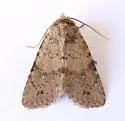
Homorthodes rubritincta - Hodges#10538
Homorthodes rubritincta
Identification: Described by McDunnough as having the same maculation as Homorthodes mania but with forewings "deep pinkish over a light ochreous ground" . The original description of mania is available from a link on that species page.
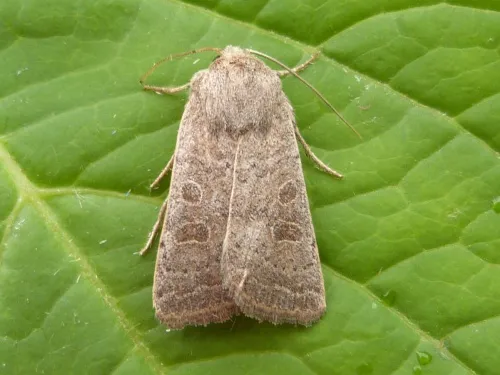
Vine's Rustic
Hoplodrina ambigua
Wingspan 32-34 mm. One of the rather similar Hoplodrina group, this species is generally paler than blanda or alsines and tends to show larger and rounder stigmata. Grassland, heathland, woodland rides and gardens There are two generations with moths