
Family Underwing, Tiger, Tussock, and Allied Moths (Noctuidae)
Noctuidae is a family in the order Lepidoptera. Browse 2,425 named species recorded in this family, or open an individual profile for its available identification and natural-history information.
Species in Noctuidae (2,425)
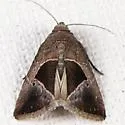
Elaphria deltoides - Hodges#9679.1
Elaphria deltoides
Identification: Adult: forewing medium brown with large dark brown patch along inner margin, extending more than halfway to costa; patch shape somewhat triangular, resembling a shark's dorsal fin (anterior margin a convex arc; posterior margin slight
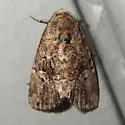
Exesa Midget Moth - Hodges#9682
Elaphria exesa
Identification: See Hampson in print references below. " Elaphria trolia (Dyar, 1914), stat. n., was described and previously treated as a Central American subspecies of Elaphria exesa (Guenée, 1852), but differs from it in barcodes (3.5%) and male g
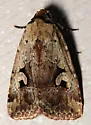
Festive Midget - Hodges#9681
Elaphria festivoides
Identification: Adult: distinct whitish reniform spot interrupts broad black dash in median area of forewing. Lower PM line also whitish. Rest of forewing brown: lighter brown with gray mottling near base and along costa, darker beyond PM line. Hindw
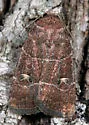
Grateful Midget - Hodges#9684
Elaphria grata
Identification: Forewing reddish-brown with whitish lines. Dark gray dots in reniform and orbicular spots. .
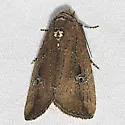
Sugarcane Midget - Hodges#9676
Elaphria nucicolora
Identification: Adult: forewing medium brown with small round blackish reniform spot (sometimes indistinct) and diffuse dark blotch in center of median area; median area may or may not contain slightly darker patch shaped somewhat like a shark's dors
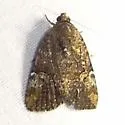
Elaphria trolia - Hodges#9682.2
Elaphria trolia
" Elaphria trolia (Dyar, 1914), stat. n., was described and previously treated as a Central American subspecies of Elaphria exesa (Guenée, 1852), but differs from it in barcodes (3.5%) and male genital characters. So, it is revised to the status of v
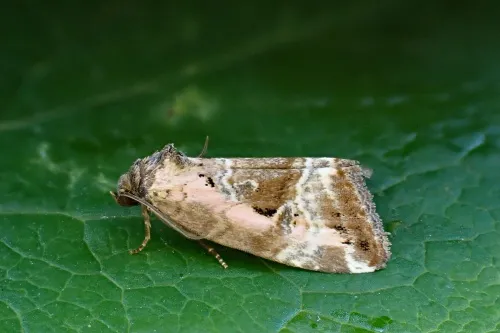
Rosy Marbled
Elaphria venustula
It flies at the end of May and in June, from dusk into the night, when it comes to light. The larval foodplant is not fully known in this country, but is suspected to be Tormentil. A local species, occurring mainly in certain localities in the south-
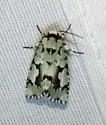
Emarginea dulcinea - Hodges#9719
Emarginea dulcinea
Identification: Specimen identified by DNA analysis:
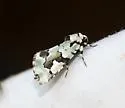
Beloved Emarginea Moth - Hodges#9718
Emarginea percara
Identification: Adult: forewing whitish with distinct green tint in live specimens; large dark gray irregular U-shaped patch in median area, with the ends of the "U" touching the costa; smaller dark gray patch along inner margin near anal angle; blac
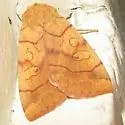
Enargia fausta - Hodges#9550.2
Enargia fausta
Identification: "Forewing with black spot at base of reniform that is distinctly darker than other forewing markings. Forewings yellow ochre to orange ochre with contrasting dark markings, never unicolourous grey or brown; AM and PM lines distinct, s
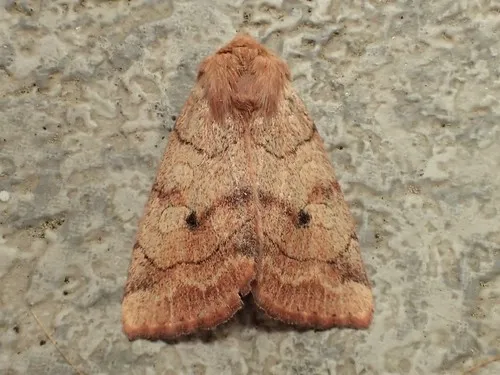
Smoked Sallow - Hodges#9550
Enargia infumata
Identification: Adult: forewing yellowish with light reddish-brown speckling; AM and PM lines brown, distinct; AM line with sharp angle in middle; orbicular and reniform spots solid yellowish; dark brown or black spot at lower end of reniform spot; b
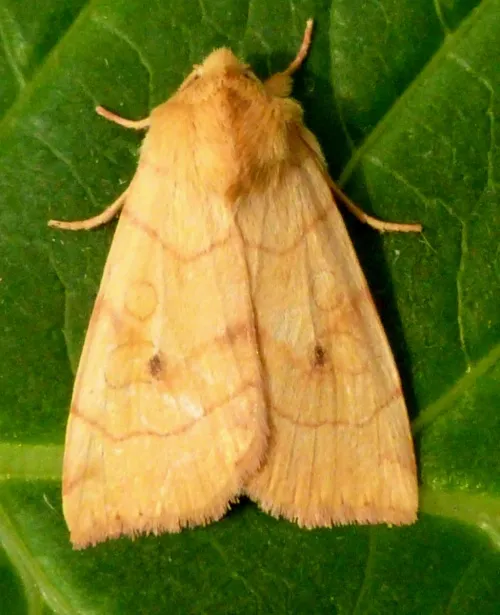
Angle-striped Sallow
Enargia paleacea
Wingspan 40 to 60 mm. Quite distinctive, even though the forewings vary in colour and in strength of markings. The forewing is broad with a slightly hooked tip and usually yellow to orange-yellow. There is also a fine, roughly centrally elbowed inner
Antillean Looper Moth - Hodges#8886.1
Enigmogramma antillea
Identification: Adult : FW brown with slight purple hue. HW gray, becoming paler towards the base.
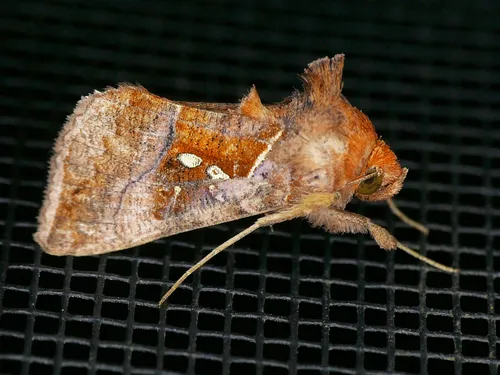
Pink-washed Looper Moth - Hodges#8886
Enigmogramma basigera
Identification: Adults - forewing pink/brown. Silver spots on forewing, one hollow and with stem attaching to line on wing, one filled. Larva description.
Epidemas obscurus - Hodges#10003
Epidemas obscurus
Identification: According to PNW Moths, this is a dimorphic species in which female forewing orbicular/reniform spots are considerably larger and more white filled that those of the males.
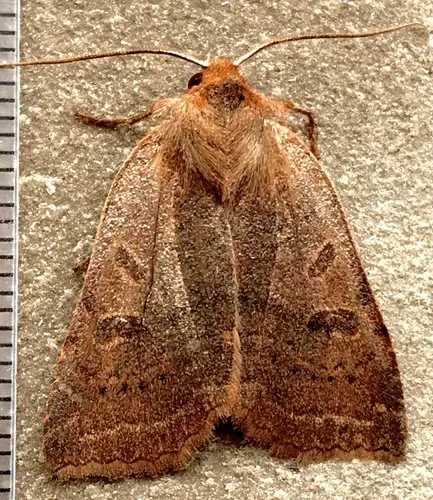
Sloping Sallow - Hodges#9946
Epiglaea decliva
Identification: Adult: forewing variably orangish to reddish-brown or purplish-brown; reniform and orbicular spots oblong, filled with slightly darker color, and with pale outline; orbicular spot on oblique angle; PM line either faint and evenly roun
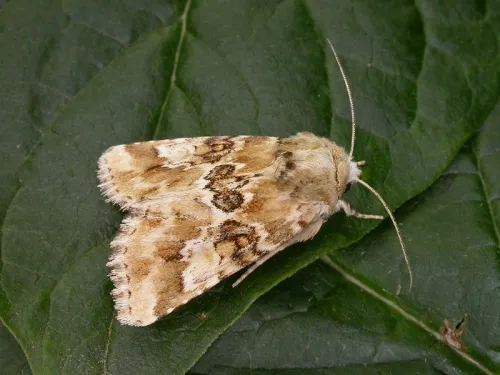
Dusky Sallow
Eremobia ochroleuca
Wingspan 34 to 37 mm. This is a quite distinctively-marked moth. It prefers dry, chalky or stony habitats as well as sand-dunes and shingle beaches. Flies in July and August, when it can be found feeding at various flowers, as well as being attracted
Dark-winged Quaker - Hodges#9396
Eremobina claudens
Identification: Adult: forewing variably pale to dark gray with black and white markings; black basal dash usually extends to touch AM line; orbicular and reniform spots large, pale, with darker scales between the two spots; orbicular spot egg-shaped
Eremobina leucoscelis - Hodges#9398
Eremobina leucoscelis
Eremobina leucoscelis - Hodges#9398 (Eremobina leucoscelis) is a species in the family Noctuidae, commonly known as owlet moths, belonging to the order Lepidoptera (Butterflies and Moths). It is classified within the subfamily Noctuinae, tribe Apamei
Eriopyga (prov. plcmt.) crista of authors - Hodges#10605
Eriopyga crista
"This is actually a misidentification, but the true identity of this AZ species is unknown (Lafontaine & Schmidt 2010)." “Eriopyga” crista - A synonym of this species (“Eriopyga” dissimilis) was nominally described from Arizona. However, the species
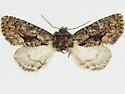
Euamiana adusta - Hodges#9807.1
Euamiana adusta
Identification: Specimen identified by DNA analysis (BOLD). ( 4 )
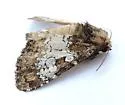
Euamiana contrasta - Hodges#9807
Euamiana contrasta
Identification: Barnes & McDunnough (1910) stated "This species, easily recognizable by the broad white central area..."
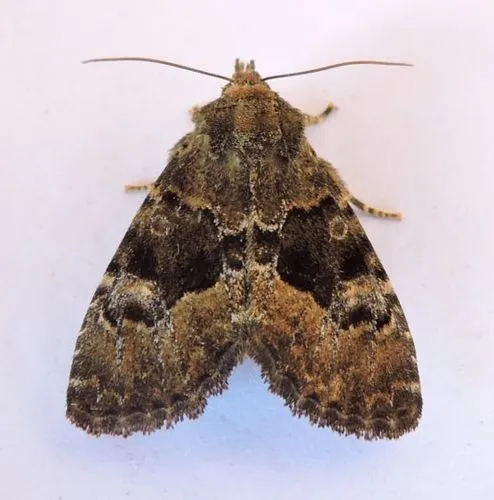
Euamiana dissimilis - Hodges#9808
Euamiana dissimilis
Identification: See Noctuidae of North America (nearctica.com)
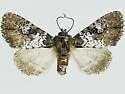
Euamiana endopolia - Hodges#9806.1
Euamiana endopolia
Robert W. Poole states "I examined a specimen of the type series prior to its description by Blanchard and Knudson and failed to recognize it as equal to the Mexican species Amiana endopolia Dyar. Therefore the responsibility for this synonymy is min
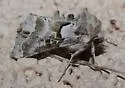
Euchalcia albavitta - Hodges#8903
Euchalcia albavitta
Identification: Ottolengui original description as Autographa albavitta is available in PDF or read online at the link in the print references.
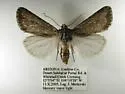
Eucoptocnemis dollii - Hodges#10643
Eucoptocnemis dollii
Identification: Adult: forewing grayish-brown with no discernible lines; diffuse dusting of lighter and darker scales show little contrast against ground color; reniform spot indistinct; slightly darker grayish shading in terminal area, along costa n
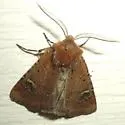
Fringed Dart - Hodges#10694
Eucoptocnemis fimbriaris
Identification: Adult: forewing either light gray or reddish; AM and PM lines formed of black-and-white dots; reniform spot yellowish, edged with blackish, and surrounded by dark gray scaling; terminal line composed of black spots; black patches alon
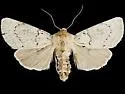
Eucoptocnemis nr. rufula - Hodges#10696.89
Eucoptocnemis nr-rufula
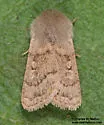
Don Lafontaine (pers., comm., 03/16/2018) advises that E. rufula is not known outside of AZ and NM. Similar examples from Texas likely represent a new undescribed species near rufula . Specimens of this taxon are currently shown shown at BOLD in BIN,
Eucoptocnemis rufula - Hodges#10696.1
Eucoptocnemis rufula
Don Lafontaine (pers., comm., 03/16/2018) advises that E. rufula is not known outside of AZ and NM. Similar examples from Texas likely represent a new undescribed species near rufula. Specimens of the undescribed taxon are currently shown shown at BO
Eudryas brevipennis - Hodges#9300
Eudryas brevipennis
Identification: "This species is unmistakable west of the Rockies due to its distinctively patterned forewing and bright yellow hindwing" .
Attentive Dart - Hodges#11009
Eueretagrotis attentus
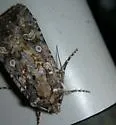
Identification: Adult: forewing reddish-brown with variable amounts of white scaling along costa from base to reniform spot; prominent black basal dash is diagnostic; orbicular and reniform spots variable from ground color with a few white spots to m
Autumnal Rustic
Eugnorisma glareosa
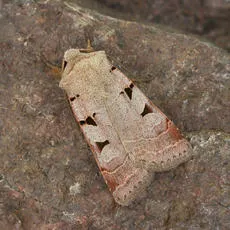
Wingspan 32 to 38 mm. An attractive species, typically with a smooth, velvety grey appearance with strong black markings. In the south there are examples with a more buff or pinkish ground colour, and an extreme dark subspecies edda occurs in Shetlan
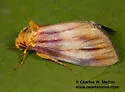
Eulithosia plesioglauca - Hodges#9767
Eulithosia plesioglauca
Identification: Forewing has violet sheen with thin dark lines that run from the base towards the outer margin.
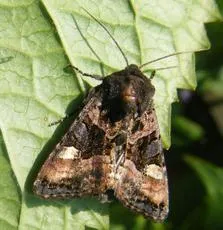
Small Angle Shades
Euplexia lucipara
Wingspan 27-32 mm. Has an attractive patterning of pinks, oranges and browns. Occupying woodland, parkland and suburban habitats. The adults fly in June and July, sometimes with a later generation in August and September. The species is readily attra
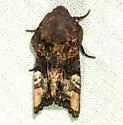
Euplexia triplaga - Hodges#9544
Euplexia triplaga
Identification: Distinctive light colored subapical patch.
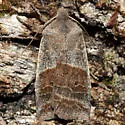
Lost Sallow - Hodges#9939
Eupsilia devia
Identification: Lilac gray FW is strongly dusted with white scales. ML and band beyond ST are darker brown. Whitish AM & PM curve gently outward. Faint reniform spot is partly edged white. ( 3 )
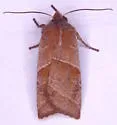
Eupsilia fringata - Hodges#9938
Eupsilia fringata
Identification: Specimen identified by DNA analysis (BOLD).
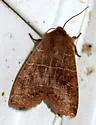
Morrison's Sallow - Hodges#9936
Eupsilia morrisoni
Identification: Grote original description as Scopelosoma morrisoni is available online in the print references. Crumb describes the larva.
Schweitzer's Sallow - Hodges#9934.1
Eupsilia schweitzeri
Identification: Cannot be identified from photos alone, see Journal of the Lepidopterists Society, Vol 70, Number 3; published 8/30/16 for full description and keys to adult Eupsilia species.
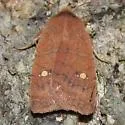
Sidus Sallow Moth - Hodges#9933.1
Eupsilia sidus
Identification: From Paul Dennehy: showing the scaling on the forewing to differentiate E. sidus from E. vinulenta .
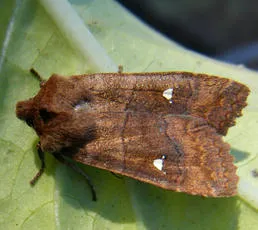
The Satellite
Eupsilia transversa
Wingspan 32-42 mm. There are a number of variations, but usually with reddish-brown ground colour and white or orange reniform stigmata. The small 'satellites' either side of the stigma can be obscure, especially in worn individuals. Broad-leaved woo
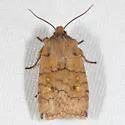
Three-Spotted Sallow - Hodges#9935
Eupsilia tristigmata
Identification: Resembles typical light form of Straight-toothed Sallow, but white or orange reniform spot usually has obvious black dot in inner half. AM is slightly wavy.
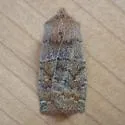
Straight-toothed Sallow - Hodges#9933
Eupsilia vinulenta
Identification: FW is variably pale orange to rusty brown or maroon, with purplish lines. AM is straight, ML angled and PM jagged. Reniform spot is either white or orange with tiny satellite dots on either side. scales
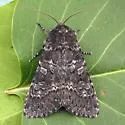
Eurois nigra - Hodges#10931
Eurois nigra
Identification: The very brief Smith (1892) original description is available in the print references.
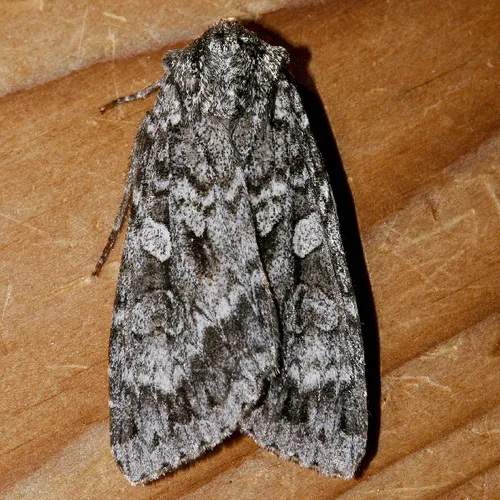
Great Brocade - Hodges#10929
Eurois occulta
Identification: Adult: forewing mottled gray or grayish-brown and black with large white diagonal orbicular spot (occasionally filled with gray); AM and PM lines double, whitish, scalloped; reniform spot dark gray in center, whitish around perimeter;
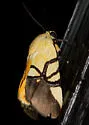
Eusceptis flavifrimbriata - Hodges#9166
Eusceptis flavifrimbriata
1 male paratype, Brownsville, Texas, May 26, 1956, P. A. Glick
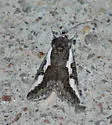
Purslane Moth - Hodges#9307
Euscirrhopterus gloveri
Identification: Caterpillars vary much in coloring and pattern, particularly in the amount of black. Commonly comes to lights in large numbers.
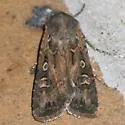
Sordid Dart - Hodges#10730
Euxoa adumbrata
Identification: The sexes are dimorphic; females are dark blackish-brown and males red-brown. Females are essentially unmarked except for pale scales outlining the reniform and orbicular spots. Males are almost identical to red specimens of Euxoa och
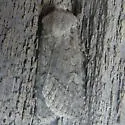
Euxoa aequalis - Hodges#10776
Euxoa aequalis
Identification: Descriptions of four subspecies can be found in MONA Fascicle 27-2 at link in citations below. Genitalia:
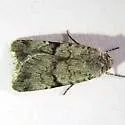
Euxoa annulipes - Hodges#10747
Euxoa annulipes
Identification: Forewing pale gray with powdery look due to dusting of black and white; AM and PM lines range from obscure to prominent; median line is dark gray and prominent; dark shading typically on each side of ST line; reniform and orbicular sp
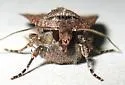
Euxoa atomaris - Hodges#10726
Euxoa atomaris
Identification: Smith original description as Agrotis atomaris in PDF. Essig described the larva "The caterpillars are light gray in color, smooth, and, when full grown, measure about 1 1/2 inches in length." Specimen determined by DNA analysis (BOLD
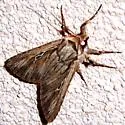
Euxoa atristrigata - Hodges#10768
Euxoa atristrigata
Identification: Description can be found in MONA Fascicle 27-2 at link in citations below.
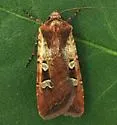
Euxoa basalis - Hodges#10798
Euxoa basalis
Identification: Forewing is red with a white basal patch instead of the white costal margin as seen in Euxoa costata. See Northern Prairie Wildlife Research Center .
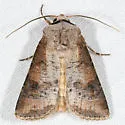
Euxoa bochus - Hodges#10913
Euxoa bochus
Identification: The wings often look like they are not quite in focus due to the overall diffuse gray to brownish to reddish-brown color with dark speckling on the forewings and with heavier amounts along the costa and between the reniform and orbicu
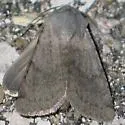
Boston Dart - Hodges#10812
Euxoa bostoniensis
Identification: forewing pale mouse-gray; lines faint, double, incomplete except for a broad single median line which passes through faint reniform spot, then angles toward costa; no orbicular spot hindwing white with grayish-brown border in male; so
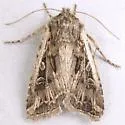
Euxoa brevipennis - Hodges#10824
Euxoa brevipennis
Identification: Original description online as Agrotis brevipennis Smith: The subterminal line has two teeth extending below the reniform spot and they appear as a jagged extension of the pale area. Sexually-dimorphic: The males have a pale area alon
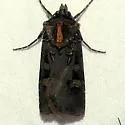
Flat Dart - Hodges#10756
Euxoa campestris
Adults are attracted to sugar based baits and lights.
Euxoa castanea - Hodges#10825.1
Euxoa castanea
Identification: Described as similar to Euxoa costata but with chestnut brown forewings as opposed to orange-red; forewings dusted with black scales; cubital vein pale lined.
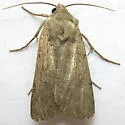
Euxoa choris - Hodges#10819
Euxoa choris
Identification: forewing has black basal dash and single postmedial line
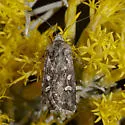
Euxoa cinereopallidus - Hodges#10770
Euxoa cinereopallidus
Identification: Smith (1903) original description in the print references. Photo determined by Lars Crabo.
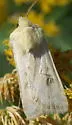
Euxoa citricolor - Hodges#10841
Euxoa citricolor
Identification: The yellow forewing with gray terminal area is distinctive.
Euxoa conjuncta - Hodges#10778
Euxoa conjuncta
Identification: Description can be found in MONA Fascicle 27-2 at link in citations below. very uncommon in collections
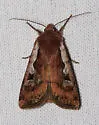
Euxoa costata - Hodges#10825
Euxoa costata
Identification: Forewing reddish-brown with contrasting silver-gray costa, reniform spot and orbicular spot; cubital vein not pale.
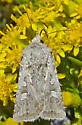
Rubbed Dart - Hodges#10838
Euxoa detersa
Identification: Adult: forewing yellowish to dark brown, dark specimens tinted with gray; lines double, white-edged; orbicular and reniform spots whitish with dark brown outlines, and dots in their centers; hindwing dark brown E. d. detersa typical f
Euxoa dissona - Hodges#10706
Euxoa dissona
Identification: Specimen determined by DNA analysis (BOLD).
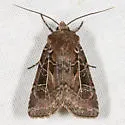
Euxoa divergens - Hodges#10702
Euxoa divergens
Identification: The combination of dark or gray-brown forewing color, black basal dash, and a pale cubital vein helps separate this species from most other Euxoa species.
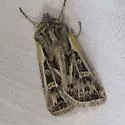
Euxoa flavidens - Hodges#10758
Euxoa flavidens
Identification: The original description as Agrotis flavidens Smith, is available at the link in the print references below. -
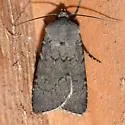
Euxoa fumalis - Hodges#10781
Euxoa fumalis
Identification: Detailed description is available in MONA Fascicle 27-2 which is available as a free PDF download at the link below in citations. From the key to species in the fascicle - Forewing an even brown color with all markings obscure except
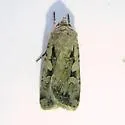
Euxoa furtivus - Hodges#10826.1
Euxoa furtivus
Identification: Determination confirmed by Chuck Harp.
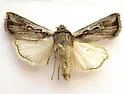
Euxoa hollemani - Hodges#10820
Euxoa hollemani
Identification: The original description as Agrotis hollemani is available in the print references. Orbicular and reniform are fused together to form a hour glass shape. ( 3 ) Specimen identified by DNA analysis (BOLD). ( 4 ) Genitalia:
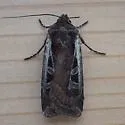
Euxoa idahoensis - Hodges#10826
Euxoa idahoensis
Euxoa idahoensis - Hodges#10826 (Euxoa idahoensis) is a species in the family Noctuidae, commonly known as owlet moths, belonging to the order Lepidoptera (Butterflies and Moths). It is classified within the subfamily Noctuinae, tribe Noctuini, super
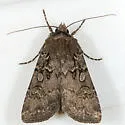
Euxoa infausta - Hodges#10785
Euxoa infausta
Identification: The form that is most widespread and occurs in the drier more open habitats has a more even buffy to pale grayish brown background color of the forewing. In more forested habitats in Alberta, British Columbia, and western Washington a
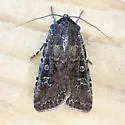
Euxoa intermontana - Hodges#10737
Euxoa intermontana
Identification: Forewing black or dark brown with maroon suffusion Genitalia:
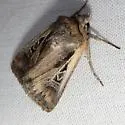
Euxoa laetificans - Hodges#10829
Euxoa laetificans
Identification: Smith (1894) original description as Carneades laetificans is in the print references. Determined by Chuck Harp, Denver Museum of Nature & Science.
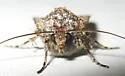
Euxoa latro - Hodges#10848
Euxoa latro
Identification: Specimen determined by DNA analysis (BOLD). ( 3 ) Genitalia:
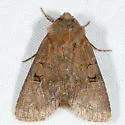
Euxoa lewisi - Hodges#10718
Euxoa lewisi
Identification: Forewing color varies from light gray to dark red-brown with a small dark patch between the reniform and orbicular spots. There is usually an incomplete buffy line inside the black of the reniform and orbicul spots. The transverse lin
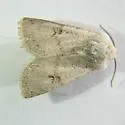
Euxoa lineifrons - Hodges#10784
Euxoa lineifrons
Identification: Smith (1890) original description is available online in the print references.
Euxoa lucida - Hodges#10782
Euxoa lucida
Identification: Description can be found in MONA Fascicle 27-2 at link in citations below.
Euxoa maimes - Hodges#10864.1
Euxoa maimes
Identification: Description can be found in MONA Fascicle 27-2 at link in citations below.
Euxoa manitobana - Hodges#10863
Euxoa manitobana
Identification: Description can be found in MONA Fascicle 27-2 at link in citations below.
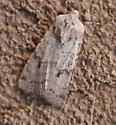
Median-banded Dart - Hodges#10813
Euxoa medialis
Identification: Forewing variable and can be pale gray, yellowish or a dull pinkish color. Genitalia:
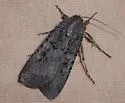
Reaper Dart - Hodges#10705
Euxoa messoria
Identification: Adult: forewing brownish-gray with black double scalloped AM and PM lines; reniform and orbicular spots same color as ground color with black perimeter; subterminal line pale, irregular; some dark shading in terminal area, especially
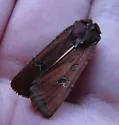
Ruddy-winged Dart - Hodges#10738
Euxoa mimallonis
Identification: Adult: forewing variably bright to dull reddish or orangish with faint AM and PM lines, and dark reniform and orbicular spots sometimes outlined in pale scales; hindwing bright white in male, and dirty white, shading to sooty gray wit
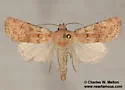
Euxoa misturata - Hodges#10766
Euxoa misturata
Identification: Extremely variable; forewing color may be white, gray, orange or brown (varying to certain extent upon geographic location); white hindwing. Forewing variable in darkness from powdery cream, tan, gray-brown to dark gray; some specimen
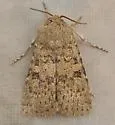
Euxoa mitis - Hodges#10774
Euxoa mitis
Identification: detailed description can be found in MONA Fascicle 27-2 at link in citations below.
Euxoa mojave - Hodges#10794.2
Euxoa mojave
Identification: Description can be found in MONA Fascicle 27-2 at link in citations below.
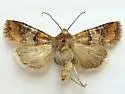
Euxoa murdocki - Hodges#10846
Euxoa murdocki
Identification: Revised description by Lafontaine in PDF. The original description as Agrotis murdocki Smith, and the revised description by Hampson are both available in the print references below. The orange basal and subterminal areas of the forew
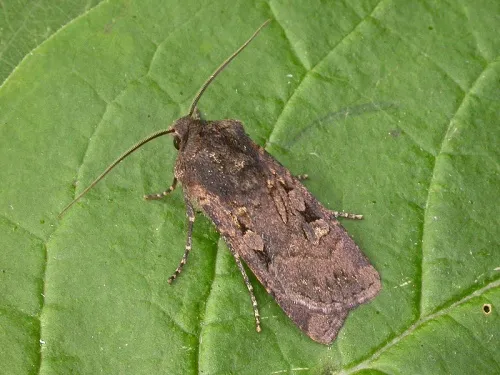
Garden Dart
Euxoa nigricans
Occupies a range of habitats including gardens and waste ground. The adults fly in August and September, when they can be attracted to sugar as well as to light. The caterpillars feed on a range of herbaceous plants, including clover and plantain. Th
Euxoa nomas - Hodges#10866
Euxoa nomas
Euxoa (Orosagrotis) nomas incognita (Smith) is the North American subspecies. The nominate occurs in mountains from Iran to Turkmenistan.
Euxoa nostra - Hodges#10800
Euxoa nostra
Euxoa nostra - Hodges#10800 (Euxoa nostra) is a species in the family Noctuidae, commonly known as owlet moths, belonging to the order Lepidoptera (Butterflies and Moths). It is classified within the subfamily Noctuinae, tribe Noctuini, superfamily N
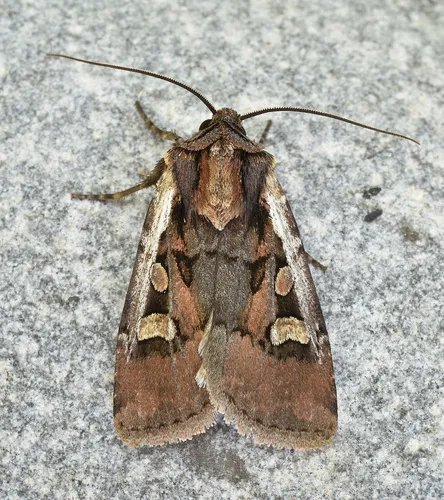
Obelisk Dart - Hodges#10817
Euxoa obeliscoides
Identification: forewing with dirty white strip along costa from base to reniform spot; an adjacent black strip provides a contrasting background for the large pale yellowish reniform and orbicular spots; claviform spot cone-shaped, dark gray; medium
Euxoa oblongistigma - Hodges#10834
Euxoa oblongistigma
Identification: Forewing - pale, evenly colored costa, reniform spot and orbicular spot orbicular spot elongate, barlike PNW Moths also mentions that the thick black basal dash appears to fuse with the long claviform creating a what appears to be one
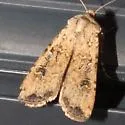
Euxoa ochrogaster - Hodges#10801
Euxoa ochrogaster
Identification: Specimens identified by DNA analysis (BOLD). Google search to find many papers concerning the pest status.
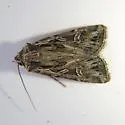
Euxoa olivalis - Hodges#10833
Euxoa olivalis
Identification: The light grey or white cubital vein will distinguish most specimens of Euxoa olivalis from E. plagigera . Dissection may be required on some specimens for positive identification.
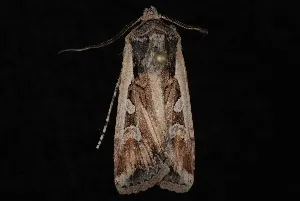
Euxoa olivia - Hodges#10741
Euxoa olivia
Identification: This species can be so variable that has been 'originally' described no less than eight times, and many times by the same author. The form that is most recognizable has the forewing streaked longitudinally with costal, subterminal and
Euxoa oncocnemoides - Hodges#10748
Euxoa oncocnemoides
Identification: Forewing is creamy white; median line dark and sharply defined; orbicular and reniform spots are white filled; orbicular spot is round in most specimens. Previously considered a subspecies of Euxoa annulipes .
Euxoa pallidimacula - Hodges#10794.1
Euxoa pallidimacula
Identification: Description can be found in MONA Fascicle 27-2 at link in citations below.
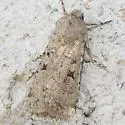
Euxoa pallipennis - Hodges#10765
Euxoa pallipennis
Identification: The original description as Agrotis pallipennis Smith, is available online in the print references below.
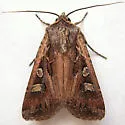
Euxoa perexcellens - Hodges#10816
Euxoa perexcellens
Identification: The forewings are streaked lengthwise, have a fairly large claviform spot, and yellow/buff shading in the reniform and orbicular spots. Forewings of males are usually more reddish brown while the females are more silver/gray. Specimen
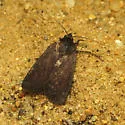
Polished Dart Moth - Hodges#10865
Euxoa perpolita
Identification: Description at Pacific Northwest Moths