
Lobster Moth
Stauropus fagi
This record describes Stauropus fagi (species). Recorded family: Notodontidae. Recorded order: Lepidoptera.
Identification and Appearance
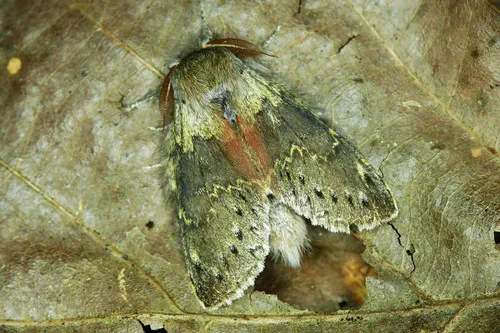
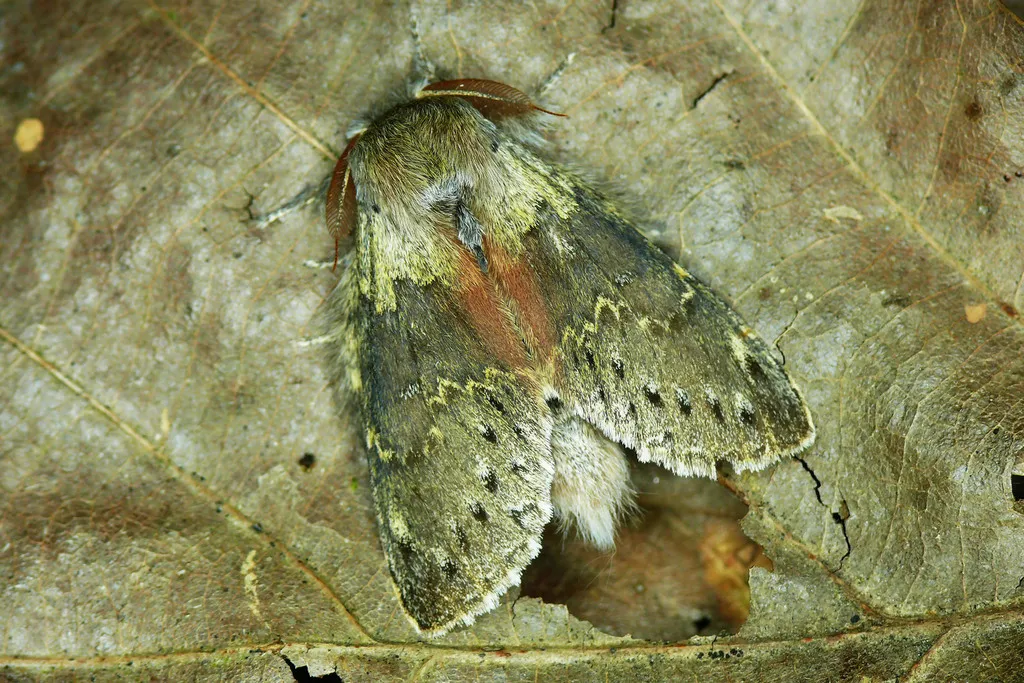
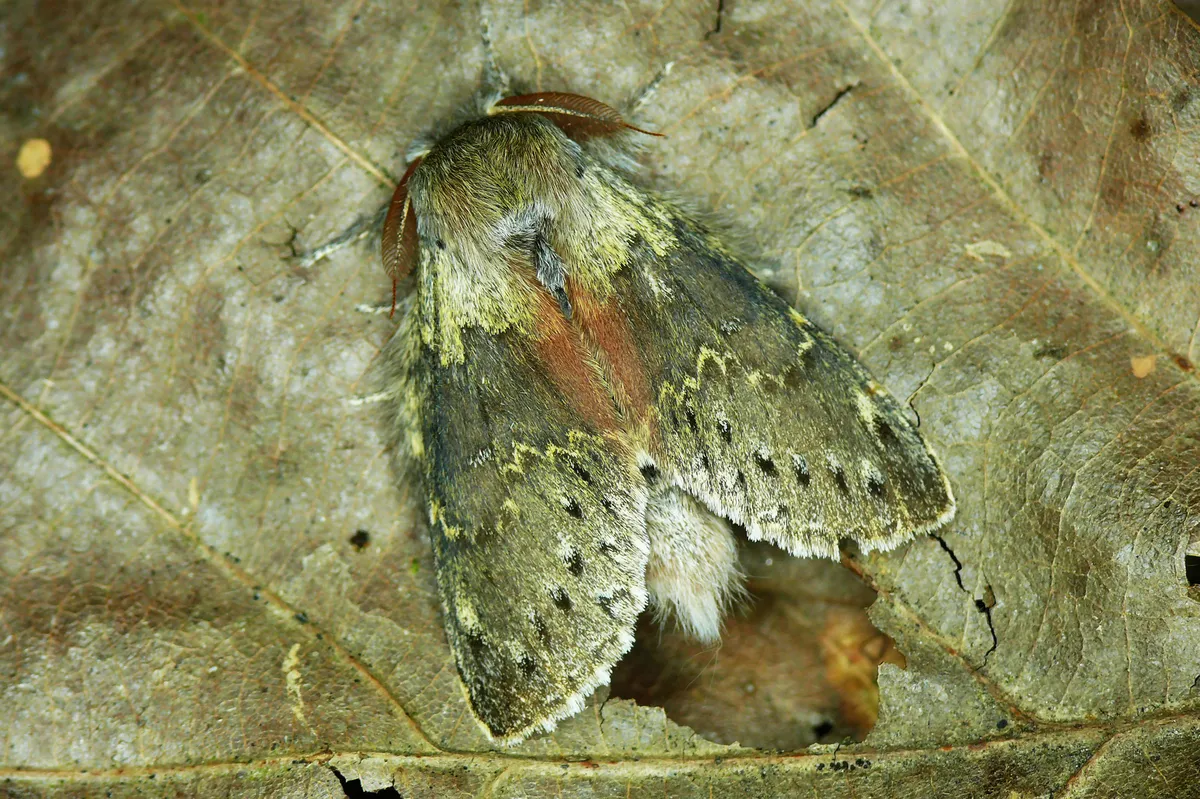
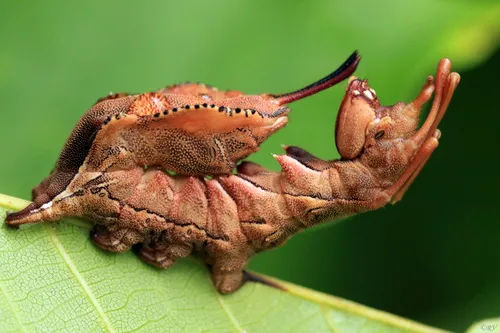
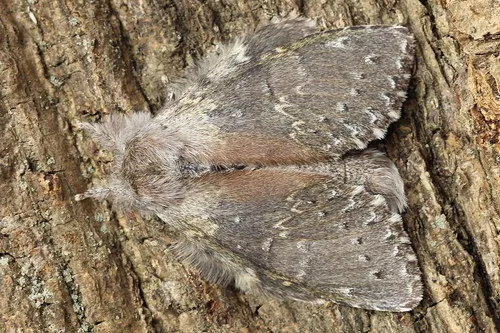
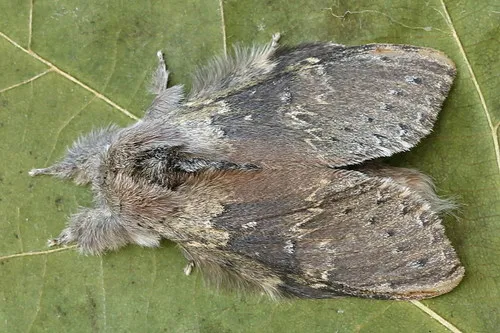
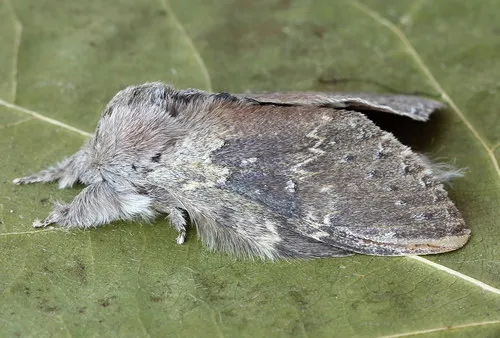
Wingspan 45-60 mm. A large and easily recognisable moth with a distinctive resting posture. Please provide a photograph to support your record as this species is rare in our area Favours mature woodland and other well wooded areas. Flight period is from April to August with a peak between May and July The larva is said to resemble a crustacean and this gives the species its English name. Mainly found in Sothern England, East Anglia and Wales. No additional images available for this species.
Wikipedia reference for Stauropus fagi: https://en.wikipedia.org/wiki/Stauropus fagi.
Classification
- Kingdom
- Animalia
- Phylum
- Arthropoda
- Class
- Insecta
- Order
- Lepidoptera (Butterflies and Moths)
- Superfamily
- Noctuoidea
- Family
- Notodontidae (Prominent Moths)
- Subfamily
- Stauropinae
- Genus
- Stauropus
Imported taxonomy record. Source availability varies; see the source references and editorial policy below.
Habitat and Range
Habitat
Favours mature woodland and other well wooded areas.
Seasonal Activity
Flight period is from April to August with a peak between May and July
Diet and Behavior
Life History
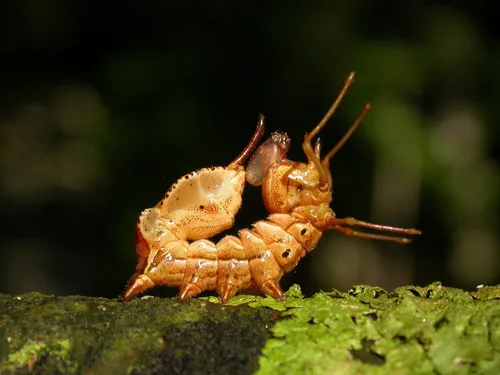
The larva is said to resemble a crustacean and this gives the species its English name.
Additional species information
Recorded status
Mainly found in Sothern England, East Anglia and Wales.
About Butterflies and Moths: the wider group
Order-level background for Lepidoptera, the group containing Stauropus fagi. Species-specific details appear above.
Group overview
Lepidoptera includes approximately 180,000 described species of butterflies and moths. Moths outnumber butterflies roughly 10:1. The monarch butterfly's eastern population has declined by more than 80% since the mid-1990s, and the western population by over 95% since the 1980s. The IUCN lists the migratory monarch as Vulnerable.
Ecological role of the group
Butterflies and moths are essential indicators of ecosystem health. As caterpillars, they are a primary food source for birds - a single nest of blue tit chicks requires ~10,000 caterpillars. Adult moths pollinate many night-blooming plants.
Economic and practical significance of the group
Lepidoptera are critical pollinators. In Europe, grassland butterfly species have declined by almost 50% since the early 1990s. In the UK, three-quarters of butterflies are in decline. In the U.S., five butterfly species have gone extinct since 1950, with 29 listed as endangered.
Recorded sources for this group: IUCN Red List, Xerces Society, USFWS, PNAS, WWF. Imported estimates may describe particular regions or reporting periods.
Photos of Lobster Moth (10)
Frequently Asked Questions About Lobster Moth
What is Lobster Moth?
Lobster Moth (Stauropus fagi) is a species in the family Notodontidae, within the order Lepidoptera.
Where is Lobster Moth found?
Habitat: Favours mature woodland and other well wooded areas.
When is Lobster Moth active?
Lobster Moth: seasonal activity - Flight period is from April to August with a peak between May and July.
What is the life cycle of a Lobster Moth?
The larva is said to resemble a crustacean and this gives the species its English name.