
Family Underwing, Tiger, Tussock, and Allied Moths (Noctuidae)
Noctuidae is a family in the order Lepidoptera. Browse 2,425 named species recorded in this family, or open an individual profile for its available identification and natural-history information.
Species in Noctuidae (2,425)
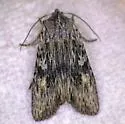
Lithophane contenta - Hodges#9901
Lithophane contenta
Identification: Grote original description available online in the print references. Pacific Northwest Moths has a detailed description. Crumb described the larvae. Determined by Lars Crabo. Genitalia: ♀ ♂
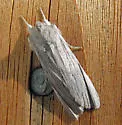
Hoary Pinion - Hodges#9917
Lithophane fagina
Identification: Adult: forewing uniformly light to medium gray with faint black streaks; hoary white strip along basal two-thirds of costa is diagnostic; hindwing dirty yellowish-white with gray veins and pale fringe Larva: body densely speckled pale
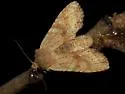
Lithophane franclemonti - Hodges#9888.1
Lithophane franclemonti
Adults are best found by using sugary baits (e.g. rotten banana + brown sugar) painted on tree trunks, shrubs, and other vegetation. Also comes to light moderately well for a Lithophane, esp. later in the spring flight period.
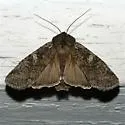
Grote's Pinion - Hodges#9915
Lithophane grotei
A cold-weather species, usually seen in early spring and late fall.
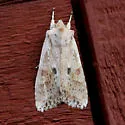
Nameless Pinion - Hodges#9888
Lithophane innominata
Identification: Adult: forewing yellowish-tan with dark brown median shade and subterminal line; very diffuse blackish subreniform spot, often with irregular outline; two blackish blotches in terminal area; pairs of small black dashes on veins form A
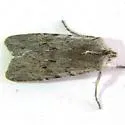
Lithophane itata - Hodges#9920
Lithophane itata
Lithophane itata - Hodges#9920 (Lithophane itata) is a species in the family Noctuidae, commonly known as owlet moths, belonging to the order Lepidoptera (Butterflies and Moths). It is classified within the subfamily Noctuinae, tribe Xylenini, superf
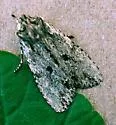
Lithophane lanei - Hodges#9893.1
Lithophane lanei
Identification: Forewing has distinct blackish subreniform spot and blackish brown basal dash. Antennae are filiform.
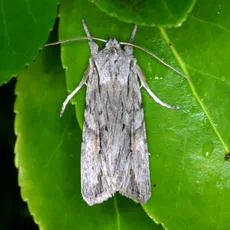
Blair's Shoulder-knot
Lithophane leautieri
Occupies habitats (especially suburban) where ornamental varieties of certain conifers abound. It flies from mid September to November. The larvae feed on Cypress, especially Lawson's Cypress and Leyland Cypress, consuming mainly the flowers. A recen
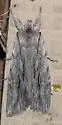
Lemmer's Pinion - Hodges#9899
Lithophane lemmeri
Identification: genitalia Conservation Status: G3 - per NatureServe , but that status apparently only applies to populations in the mid-Atlantic coastal area (New Jersey south to South Carolina).
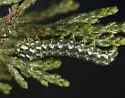
Lithophane longior - Hodges#9898
Lithophane longior
Identification: Adult forewing pale gray with vague markings and a dark gray median band. Occasionally with a black streak running somewhat parallel to inner margin. Hindwing gray. Larva is green with large wavy white spots forming a partial to compl
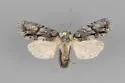
Lithophane nasar - Hodges#9926
Lithophane nasar
Identification: See original description in print references below .
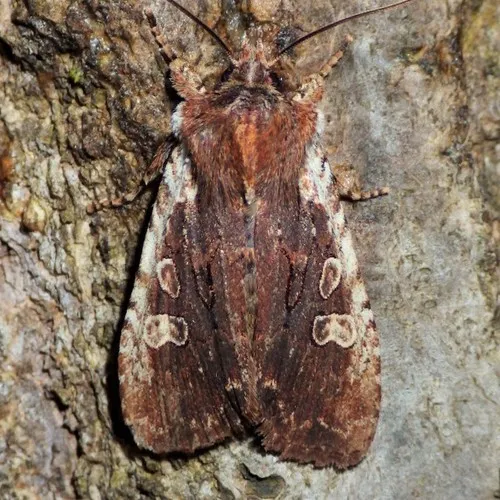
Immigrant Pinion - Hodges#9894
Lithophane oriunda
Identification: Adult: forewing dark brown with tan strip and dark markings along costa; reniform and orbicular spots with pale perimeter; reniform spot pale in upper half and dark in lower half; orbicular spot oblique and completely filled by ground
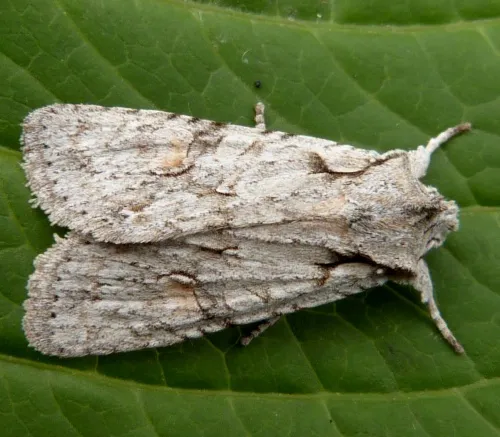
Grey Shoulder-knot
Lithophane ornitopus
The adults emerge in September and October, and overwinter, appearing again from February to April. The caterpillars, like several other Lithophane species, have a tendency towards cannibalism. The foodplant is Oak. Found mainly in the southern part
Dimorphic Pinion - Hodges#9886
Lithophane patefacta
Identification: Adult has two color forms: light form - forewing pale brownish-gray to silvery-gray with short dark diagonal marks along costa; subreniform spot black, oblong or oval, with a smooth (not irregular) outline, and a sharply-defined (not
Plush-naped Pinion - Hodges#9922
Lithophane pexata
Identification: Adult: forewing dark brownish-gray with prominent white strip bordering basal dash, slightly curved as viewed from above; reniform spot large, filled with dull orange; orbicular spot oval, oblique, with rounded top (nearest costa); re
Lithophane ponderosa - Hodges#9924.1
Lithophane ponderosa
Identification: Specimen determined by DNA analysis (BOLD). ( 4 )
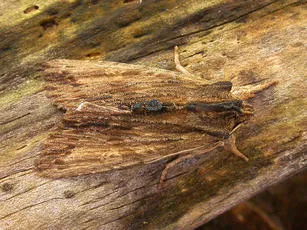
Tawny Pinion
Lithophane semibrunnea
Wingspan 40 to 44 mm. Mainly tawny brown generally paler and more straw coloured toward the leading edge of the wing, but with a blackish bar running parallel with the trailing edge. The preferred habitats are open woodland and marshy places. The spe
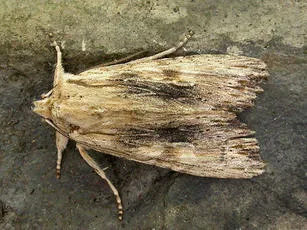
Pale Pinion
Lithophane socia
Wingspan 38 to 42 mm. Similar to the Tawny Pinion, with the same thoracic and abdominal crests, but these lack the blue-green iridescence. The moths are on the wing in October and November, and reappear after hibernation in early spring, when breedin
Dowdy Pinion - Hodges#9916
Lithophane unimoda
Identification: Adult: forewing bluish gray with a pale orbicular spot, a small elliptical claviform spot touching inner margin of orbicular spot, and a faint reniform spot outlined with light gray. Dark gray patch between reniform and orbicular spot
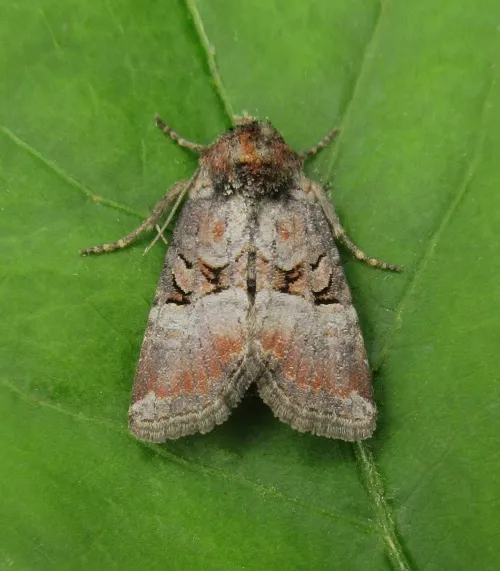
Rosy Minor
Litoligia literosa
Wingspan 25 to 30 mm. Although displaying some variation, this species tends to be less ochreous than similar species, appearing generally greyer, with usually some rosy or purplish tint. Various grassy habitats, especially in coastal localities. The
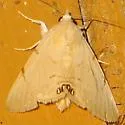
Palm Flower Moth - Hodges#8558
Litoprosopus coachella
Identification: Adult: forewing tan or pale gray with two dark diagonal marks along costa; hindwing has two black-rimmed white spots near anal angle. Larva: body pink, smooth; head brown. Larvae may sometimes enter homes and use bits of carpet or rug
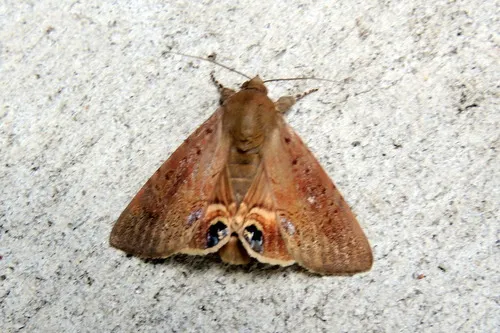
Palmetto Borer Moth - Hodges#8556
Litoprosopus futilis
Identification: Adult: forewing brown to orangish with broken double AM and PM lines, not contrasting much against ground color of wing; hindwing brown with large white-edged black spot near anal angle; the spot has two white linear dashes inside it;
Lophoceramica artega - Hodges#10634
Lophoceramica artega
Identification: See original description in print references below .
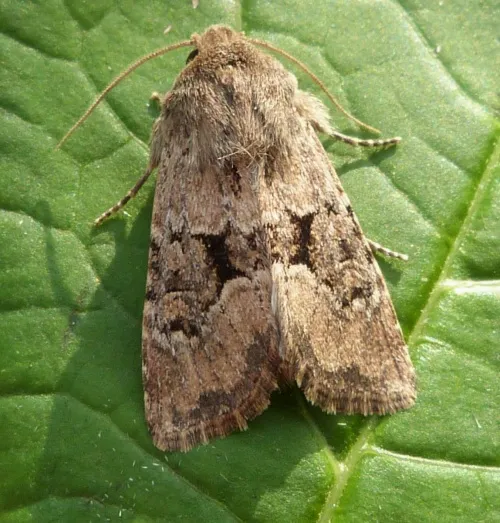
Flounced Rustic
Luperina testacea
Wingspan 30-35 mm. A very variable species both in colour and patterning. There is one generation, flying in August and September, when the species comes to light. The larvae feed underground in the bases of grass stems and amongst the roots. A commo
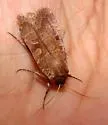
Lycophotia Moth - Hodges#11010
Lycophotia phyllophora
Identification: Adult: forewing light brownish-gray with darker brown shading in subterminal area and between reniform and orbicular spots; AM and PM lines dark, scalloped, sometimes indistinct; hindwing light gray with darker veins and pale fringe
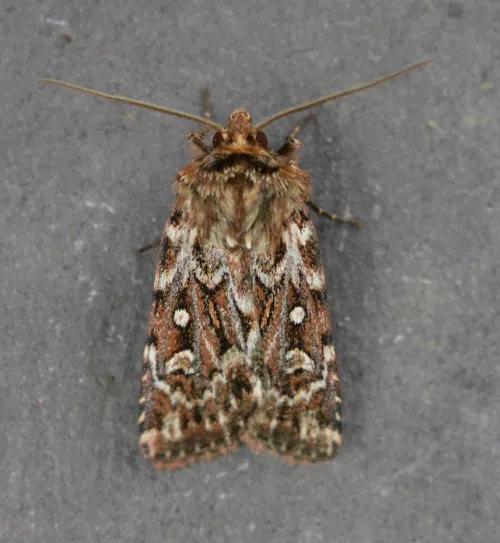
True Lover's Knot
Lycophotia porphyrea
Wingspan 25 to 30 mm. A small but attractive moth, with distinctive chestnut, black and white markings, often with a purplish tinge. It flies between June and August in a single generation, and is attracted to light. The well-camouflaged larvae feed
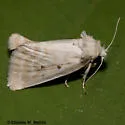
Lythrodes tripuncta - Hodges#9734
Lythrodes tripuncta
Identification: The original description of Lythrodes tripuncta Barnes & McDunnough, is available online at the link in the print references below. - Forewing is off-white with faint, dull yellow transverse bands, and three dark dots; one as oribicul
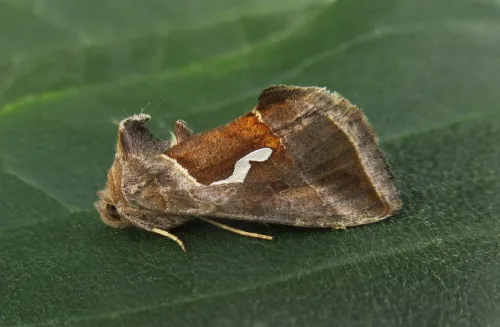
Dewick's Plusia
Macdunnoughia confusa
On the continent it is double-brooded, and the larvae feed on a range of plants, most commonly nettle (Urtica dioica). This was formerly a very rare migrant to the UK, but has colonized and quickly spread during the last decade. In addition, the intr
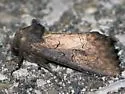
Iris Borer - Hodges#9452
Macronoctua onusta
Identification: forewing brown with darker brown or gray margins; AM and PM lines thin, black, and zigzagged; wingtips with several concave scallops; hindwing uniformly pale brown Genitalia: much information on caterpillar damage and control on the w
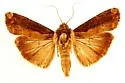
Tropical Narrow-wing - Hodges#9637
Magusa orbifera
Identification: Smaller than Magusa divaricata, which is widespread in North America The widespread Magusa divaricata was once included as a synonym of M. orbifera. References to M. orbifera outside of Florida in North America refer to what is now kn
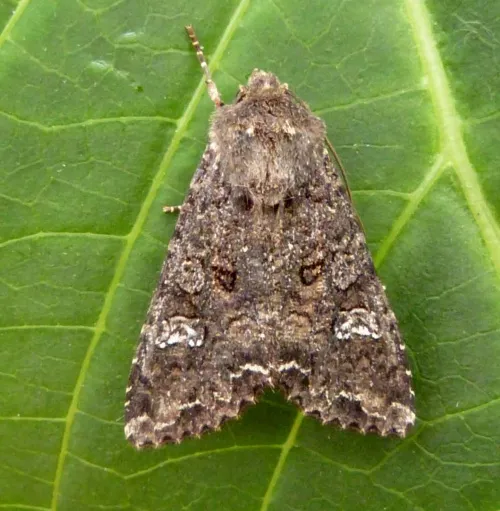
Cabbage Moth
Mamestra brassicae
Wingspan 37-45 mm. There can be considerable variation in the size of the adults. The markings vary, and it can resemble a number of other species, but can always be identified by the presence of a curved 'spur' on the tibia of the foreleg. The speci
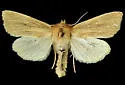
Mammifrontia rileyi - Hodges#9447
Mammifrontia rileyi
Identification: Specimen determined by DNA analysis (BOLD).
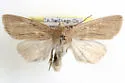
Mammifrontia sarae - Hodges#9447.1
Mammifrontia sarae
Identification: Specimen determined by DNA analysis (BOLD). ( 3 )
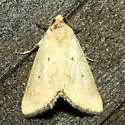
Marimatha quadrata - Hodges#9044.2
Marimatha quadrata
Identification: Forelegs and middle legs are brown, flecked with a few paler scales. the only western species with brown forelegs.
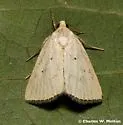
Marimatha squala - Hodges#9044.1
Marimatha squala
Identification: The description of the adults including genitalia is available in the PDF. The legs are yellow and flecked with brown scaling, more heavily on the middle legs, forelegs, and in females.
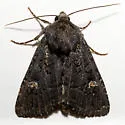
Melanapamea mixta - Hodges#9361
Melanapamea mixta
Identification: Specimen identified by Lars Crabo. photo soon! more information soon!
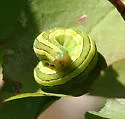
Black Arches - Hodges#10295
Melanchra assimilis
Identification: Adult: forewing dark blackish-brown with black lines and spots faint or inconspicuous; subterminal line a series of whitish dots, broadening to form a wavy white mark at anal angle; hindwing shiny yellowish-white with blackish veins,
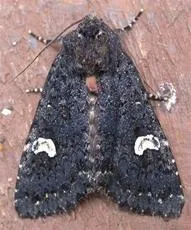
Dot Moth
Melanchra persicariae
Wingspan 37-40 mm. A dark coloured moth with distinctive pale dot on each wing. Frequenting a range of suburban habitats, including gardens, waste ground and roadside verges. The adults are on the wing in July and August, and frequently visit the gar
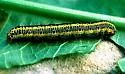
Zebra Caterpillar Moth - Hodges#10293
Melanchra picta
Identification: Adult: head, thorax, and forewing deep reddish-brown; upper half of forewing dark brown from base to reniform spot; reniform spot gray-filled and indistinct; broken whitish subterminal line is only line clearly visible hindwing white
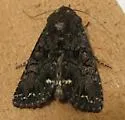
Melanchra pulverulenta - Hodges#10294
Melanchra pulverulenta
Identification: This species can usually be identified by the combination of a dark olive-gray FW with a uneven but distinct white subterminal line forming a spot near the anal angle. a
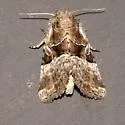
Newman's Brocade Moth - Hodges#9428
Meropleon ambifusca
Identification: The FW is gray with the basal or inner half dark gray and heavily shaded with black, especially toward the inner margin. The outer half of the FW is whitish shaded with light gray. The HW is whitish and pale gray. 1 Genitalia:
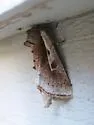
Meropleon cosmion - Hodges#9425
Meropleon cosmion
Identification: Distinguished from the other Meropleon by the strong contrasting white areas of thee forewing.
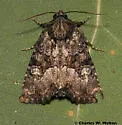
Mesapamea arbora - Hodges#9407
Mesapamea arbora
Identification: Barnes & McDunnough (1912) stated "The white dots on outer margin of reniform and the dark patch opposite the claviform are characteristic." Determined by Noel McFarland.
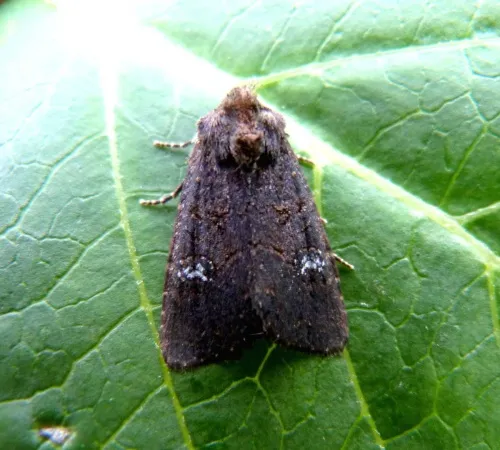
Lesser Common Rustic
Mesapamea didyma
Wingspan 22 to 30 mm. Almost identical in appearance to Common Rustic, the two species (and M. remmi, Remm's Rustic) can only be reliably separated by examination of the genitalia. The adults fly in a single generation in July and August. The larvae
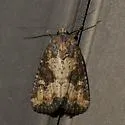
Broken-lined Brocade - Hodges#9406
Mesapamea fractilinea
Identification: Adult: forewing usually dark brown to blackish along costa, upper median area, and outer margin, and pale brown to yellowish in remaining areas; reniform spot white with black mottling; terminal line with several pale dots; hindwing b
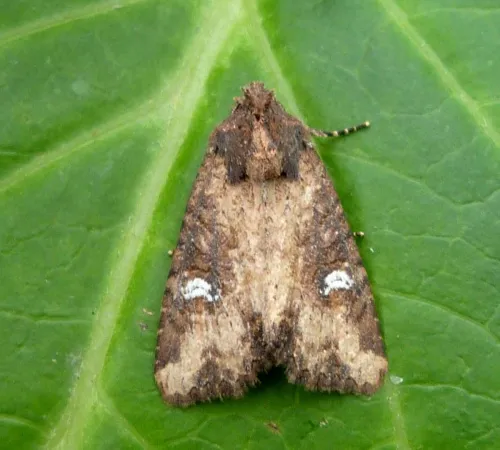
Common Rustic
Mesapamea secalis
Wingspan 27-30 mm. This is one of three very similar species and expert examination is required to identify the species. Various habitats especially grassy areas. July and August. Regularly come to light. The larvae feed inside the stems of various g
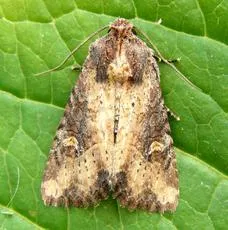
Common Rustic agg.
Mesapamea secalis agg.
Formerly a single species, this has now been split giving Lesser Common Rustic specific status. Generally very variable, the pair cannot be reliably separated without dissection. If selecting individuals for dissection, the very dark forms with almos
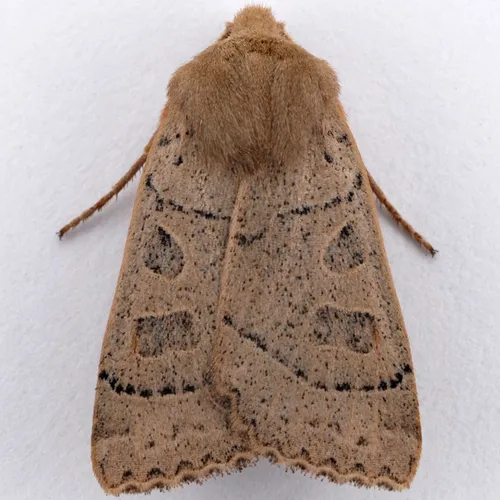
Mesogona olivata - Hodges#9953
Mesogona olivata
Identification: Detailed description available in link to the Mesogona revision linked below under citations. From the key to adult species - hindwing gray or with gray suffusion.
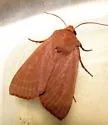
Mesogona rubra - Hodges#9953.1
Mesogona rubra
Identification: Detailed description is available at the link to the Mesogoan revision in citations below. From the key to adults in the revision, rubra has thorax and forewings that are brownish red to pink with faint or absent forewing spots; hindw
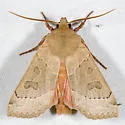
Mesogona subcuprea - Hodges#9953.2
Mesogona subcuprea
Identification: Detailed description is available in the Mesogona revision that is linked in citations below. From the key to adults in the revision, the thorax and forewings of subcuprea are yellow-brown with orbicular and reniform spots strongly ou
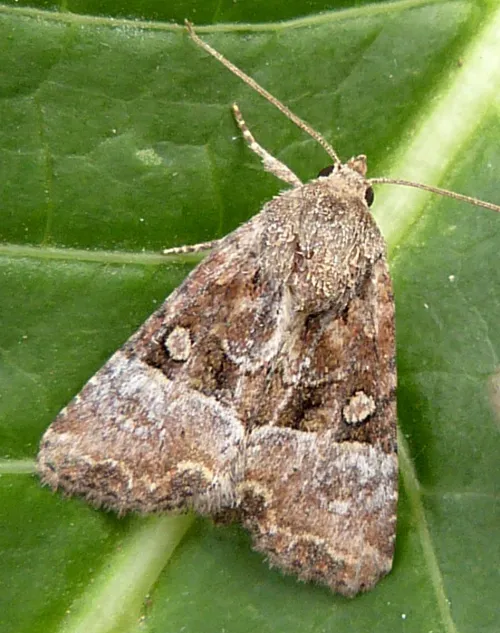
Cloaked Minor
Mesoligia furuncula
Wingspan 22-28 mm. A very variable species with a wide range of colour forms and patterns, the typical form as the forewing sharply demarcated between pale and rufous. It is commonest around sand-dunes, grassy seaside slopes and other coastal habitat
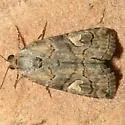
Metaponpneumata rogenhoferi - Hodges#9074
Metaponpneumata rogenhoferi
Identification: Adult: forewing brownish-gray with irregular, wavy AM and PM lines; reniform spot pale, notched or broadly V-shaped, with black outline; dark shading in median area, sometimes continuing beyond reniform spot; short apical dash continu
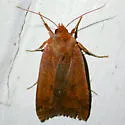
Southern Sallow Moth - Hodges#9945.1
Metaxaglaea australis
Identification: Original description of Metaxaglaea australis Schweitzer, 1979. (PDF)
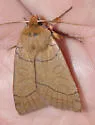
Unsated Sallow - Hodges#9943
Metaxaglaea inulta
Identification: Brown FW often has violet sheen when fresh. Purplish AM & PM curve gently inward near costa. Hollow orbicular and reniform spots converge and sometimes touch. ST is edged warm brown. HW dark grayish-brown with pale brown fringe.
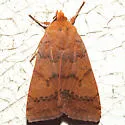
Footpath Sallow Moth - Hodges#9945
Metaxaglaea semitaria
Identification: Franclemont description is in PDF or read online.
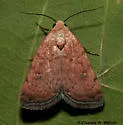
Micrathetis n. sp. - Hodges#9644.1
Micrathetis new-species
Identification: Specimen identified by DNA analysis:
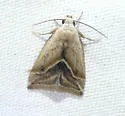
Micrathetis tecnion - Hodges#9646
Micrathetis tecnion
Micrathetis tecnion - Hodges#9646 (Micrathetis tecnion) is a species in the family Noctuidae, commonly known as owlet moths, belonging to the order Lepidoptera (Butterflies and Moths). It is classified within the subfamily Condicinae, tribe Condicini
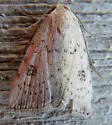
Triplex Cutworm Moth - Hodges#9644
Micrathetis triplex
Identification: Adult: male forewing pale yellowish to light brown with prominent dark gray reniform spot; PM line composed of double row of blackish dots; scattered dark dots and speckling in basal half of wing; female forewing darker brown than mal
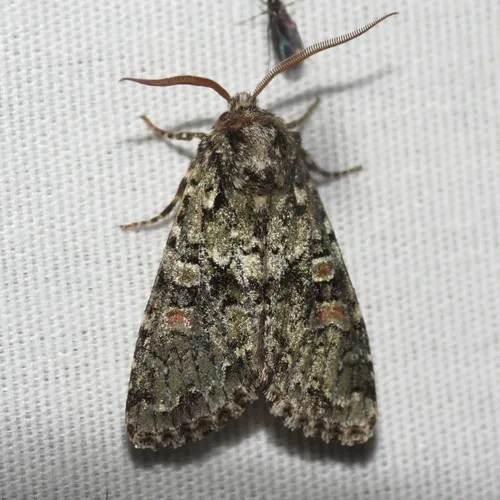
Mimobarathra antonito - Hodges#10622
Mimobarathra antonito
This species has hairy eyes, which is what led Barnes to originally place this species in Mamestra . Unlike Mamestra , however, it possesses spined mid and hind tibiae which is characteristic of Agrotinae (Hampson). Only two genera possessed both of
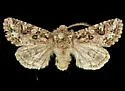
Miodera stigmata - Hodges#10623
Miodera stigmata
Identification: Smith (1908) original description of the adult is online in the print references. Comstock & Dammers (1936) description of the larvae is online in the print references. Crumb (1956) also described the larvae. ( 3 ) Specimen determined
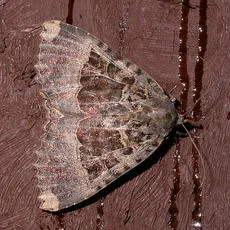
Old Lady
Mormo maura
Wingspan 55-65 mm. A large broad winged dark brown moth. It hides by day in old buildings and sheds, and frequents damp localities as well as waste ground and gardens. On the wing in July and August. The adults are not readily attracted to light, but
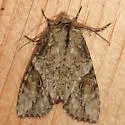
Fluid Arches - Hodges#10291
Morrisonia latex
Identification: forewing gray with dark patches along costa on either side of orbicular spot, black anal dash, and double black dash along outer margin below reniform spot; orbicular spot large, pale whitish, oblong, and extending obliquely to costa;
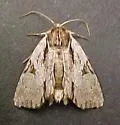
Morrisonia triangula - Hodges#10521.1
Morrisonia triangula
Recently described, moth is found in southeast. Type locality is at Croatan National Forest. Sullivan, J. Bolling & James K. Adams, 2009, A new species of Morrisonia (Noctuidae) from Southeastern North America. Journal of the Lepidopterists' Society
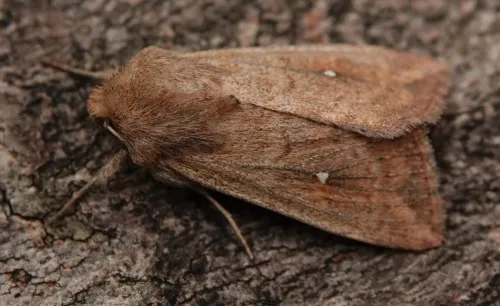
White-point
Mythimna albipuncta
Wingspan 30 to 35 mm. A rather round, pure white mark on forewing diagnostic. In Europe the larvae are known to feed on various grasses. A former migrant to the British Isles, but has colonized in the last two decades. Once a very rare migrant to VC5
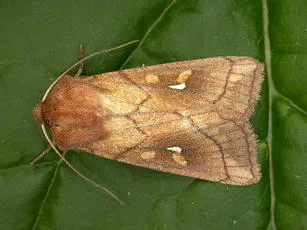
Brown-line Bright-eye
Mythimna conigera
Wingspan 30 to 35 mm. The wings have a conspicuous tear shaped white mark and brown cross-lines and veins near the outer edge. The adults fly in June and July from dusk. The larvae are nocturnal and feed on grasses, particularly Cock's-foot and Commo
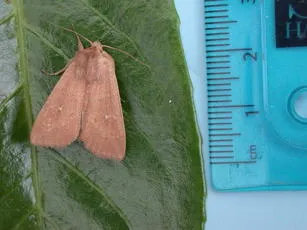
The Clay
Mythimna ferrago
Wingspan 35-40 mm. This moth often has a pinkish tinge to the forewings. The male has a distinctive black triangle or chevron on the underside of the abdomen. It occupies a range of habitats, though preferring more wooded areas The caterpillars feed
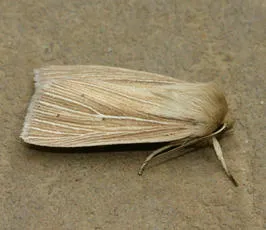
Smoky Wainscot
Mythimna impura
Wingspan 31-38 mm. Named after the dusky or smoky suffusion on the hindwing. Downland, sand dunes and rough grassy areas. It flies from June to August, sometimes later in the south as a partial second brood. The larval foodplants are mainly grasses.
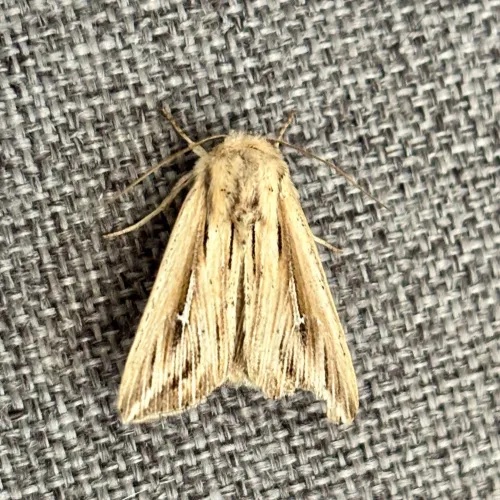
L-album Wainscot
Mythimna l-album
Wingspan 30 to 35 mm. One of the more distinctively-marked of the wainscots. Good quality photograph required to support your record. If possible please retain specimen until id is confirmed. The adults fly in two generations; in July and again in Se
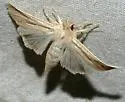
Lesser Wainscot - Hodges#10436
Mythimna oxygala
Identification: Adult: FW uniformly light tan or yellowish, evenly striated with thin brown lines between veins and three black spots arranged in triangular pattern in middle of wing. Whitish streak extending through central median area, diverges at
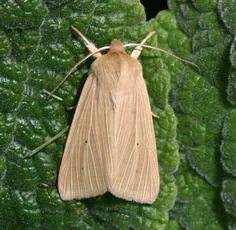
Common Wainscot
Mythimna pallens
Wingspan 30-35 mm. With a similar distribution to the Smoky Wainscot ( M. impura ). The two moths show some variation and can resemble one another, but this species generally has much cleaner whitish hindwings. In the south there are two generations,
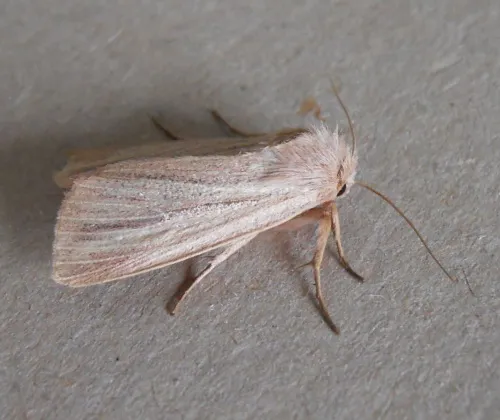
Striped Wainscot
Mythimna pudorina
Please provide a photograph and retain specimen determination by genitalia examination (gen. det.) may be required. This species inhabits marshland and damp heaths. The adults fly in June and July and are attracted to light. The caterpillars are also
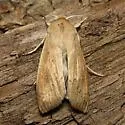
Wheat Armyworm - Hodges#10438.1
Mythimna sequax
Identification: The original description is available online. Hindwing is white with contrasting dark veins and dark shading along the outer margin.
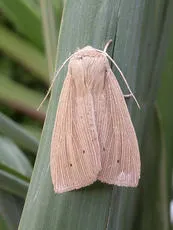
Southern Wainscot
Mythimna straminea
Wingspan 32 to 40 mm. The forewing has a brown streak along the pale central vein. The outer cross row of dark dots is usually well developed. This species can be hard to seperate from the Common Wainscot. Look out for the more angular wings, a diffe
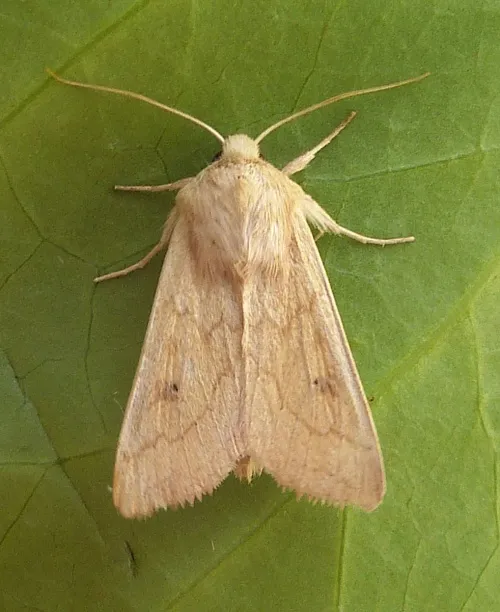
The Delicate
Mythimna vitellina
Wingspan 36 to 43 mm. The adults vary in colour from very pale yellow to almost orange. Usually seen between August and October, but also sometimes earlier in the season. It is considered that some of the earlier migrants during the year may breed in
Nacopa bistrigata - Hodges#9827
Nacopa bistrigata
Identification: Barnes & McDunnough (1918) original description is online in the print references.
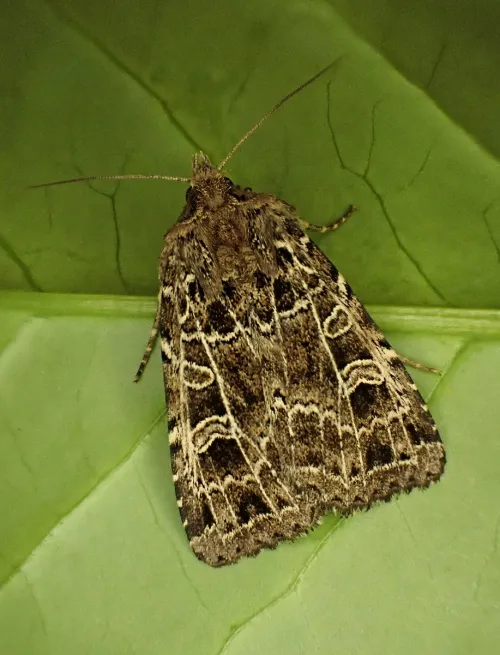
The Gothic
Naenia typica
Wingspan 33-40 mm. Quite similar in appearance to the Bordered Gothic ( Heliophobus reticulata ) and the Feathered Gothic ( Tholera decimalis ), this species can be identified by its broader wings and dark patch between the forewing stigmata. Due to
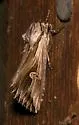
Gray Half-Spot - Hodges#9582
Nedra ramosula
Identification: forewing streaked with silver-gray, brown, and white on black background; orbicular spot elongated, outlined in black and filled with brownish-gray; reniform spot partially outlined in white, especially around lower end, and filled wi
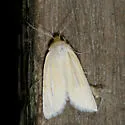
Neleucania patricia - Hodges#10610
Neleucania patricia
Identification: The original description as Heliophila patricia Grote, and the Hampson (1905) description as Meliana patricia are both available online in the print references below.

Square-spotted Brocade - Hodges#9410
Neoligia crytora
Identification: Apparently, this is the only species in this genus that has the two small dark boxes, just inside of the PM line. Common name "Square-spotted Brocade" is from iNaturalist , seems to be accepted widely.
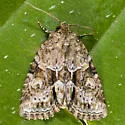
Exhausted Brocade - Hodges#9408
Neoligia exhausta
Identification: The only eastern species of Neoligia with an anal dash (black streak extending from claviform spot to anal angle of forewing) Genitalia: an uncommon species with a restricted range
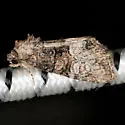
Neoligia invenusta - Hodges#9413.2
Neoligia invenusta
Identification: Specimens identified by DNA analysis:
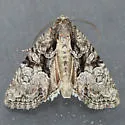
Neoligia tonsa - Hodges#9413
Neoligia tonsa
Identification: Specimen identified by DNA analysis (BOLD). ( 3 ) Listed as Oligia tonsa on many checklists available online.
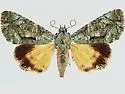
Neophaenis boucheri - Hodges#9628
Neophaenis boucheri
Blanchard reported from Texas as Neophaenis respondens . Barbut & Lalanne-Cassou described all the Texas specimens as Neophaenis boucheri .
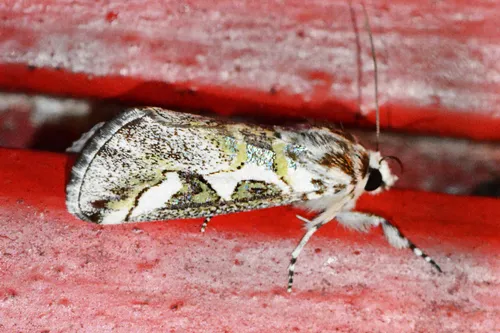
Neotuerta hemicycla - Hodges#9305
Neotuerta hemicycla
Identification: Sexually dimorphic. ♀ hindwing is yellow with a black band along the outer margin. ♂ hindwing is reddish-brown. The earliest collection record appears to be by H.V. Weems, Jr., in Monroe County, Florida in 1966. Todd (1966) ( 5 )
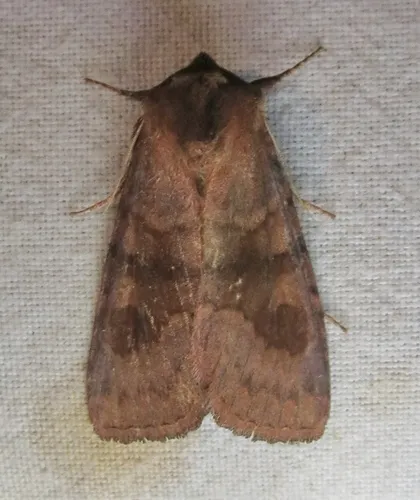
Bronzed Cutworm Moth
Nephelodes minians
The Bronzed Cutworm or Shaded Umber Moth (Nephelodes minians) is a moth of the Noctuidae family. It is found in most of North America, except Florida and adjacent states.
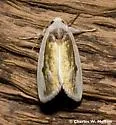
Poetry Moth - Hodges#9737
Neumoegenia poetica
Identification: Adult - Dorsal surface of forewing is a shiny metallic greenish-bronze color with a white strip along the costa.
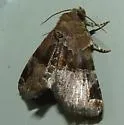
Hops Angleshade - Hodges#9558.1
Niphonyx segregata
East Asian in origin and is thought to have been introduced into the New York City area in the late 1990s
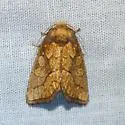
Nocloa alcandra - Hodges#9799
Nocloa alcandra
Nocloa alcandra - Hodges#9799 (Nocloa alcandra) is a species in the family Noctuidae, commonly known as owlet moths, belonging to the order Lepidoptera (Butterflies and Moths). It is classified within the subfamily Amphipyrinae, tribe Psaphidini, sup
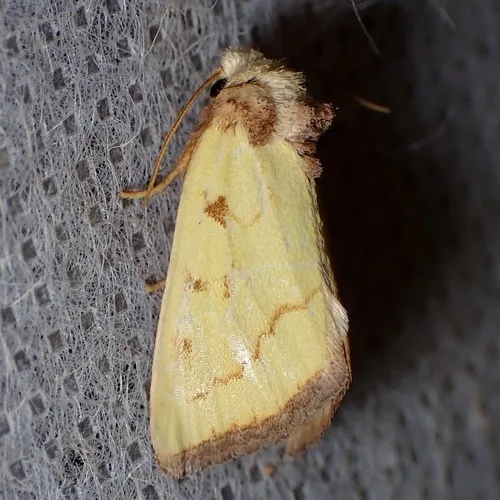
Nocloa aliaga - Hodges#9800
Nocloa aliaga
Nocloa aliaga - Hodges#9800 (Nocloa aliaga) is a species in the family Noctuidae, commonly known as owlet moths, belonging to the order Lepidoptera (Butterflies and Moths). It is classified within the subfamily Amphipyrinae, tribe Psaphidini, superfa

Nocloa pallens - Hodges#9795
Nocloa pallens
Identification: Smith (1883) original description as Aedephron pallens is available in the print references below. Forewing is pale olive green with a bolder olive green medial band.
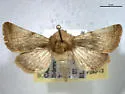
Nocloa rivulosa - Hodges#9794
Nocloa rivulosa
Identification: Smith original description is available online in the print references. Specimen determined by DNA analysis (BOLD).
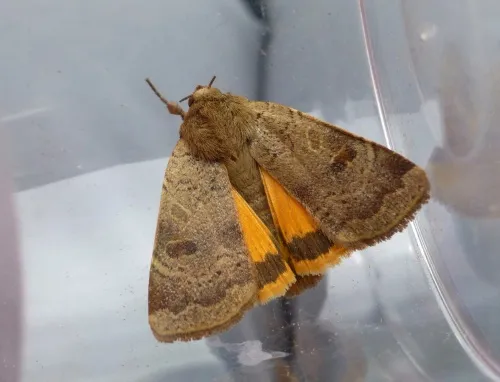
Lesser Yellow Underwing
Noctua comes
Wingspan 37-45 mm. Like its larger cousin, the Large Yellow Underwing ( N. pronuba ), it shows a wide range of variation in colour and pattern of the forewings. The adults are on the wing between July and September, when they are often attracted to l
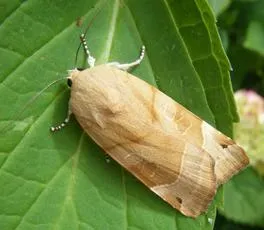
Broad-bordered Yellow Underwing
Noctua fimbriata
Wingspan 45-55 mm. Showing marked sexual dimorphism, the males of this moth are generally shades of darker brown, the females are orangey-buff. Broad-leaved woodland, parkland, heathland and gardens. The adults fly in one generation from July to Sept
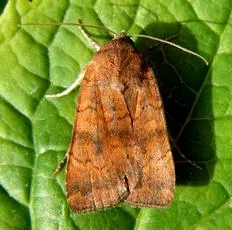
Least Yellow Underwing
Noctua interjecta
Wingspan 31-36 mm. A relatively small Noctua , with a rich reddish-brown upperwing. The adults are on the wing in July and August. The larvae feed on grasses and other herbaceous plants, and overwinter. It is widespread and fairly frequent, mainly in
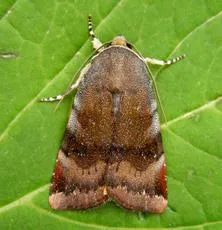
Lesser Broad-bordered Yellow Underwing
Noctua janthe
Wingspan 30-40 mm. Although it is less variable than some of its close relatives, this moth does show some variation, with many individuals showing a purplish tinge. The thorax has a sharply defined pale buff frontal area, giving a very neat appearan
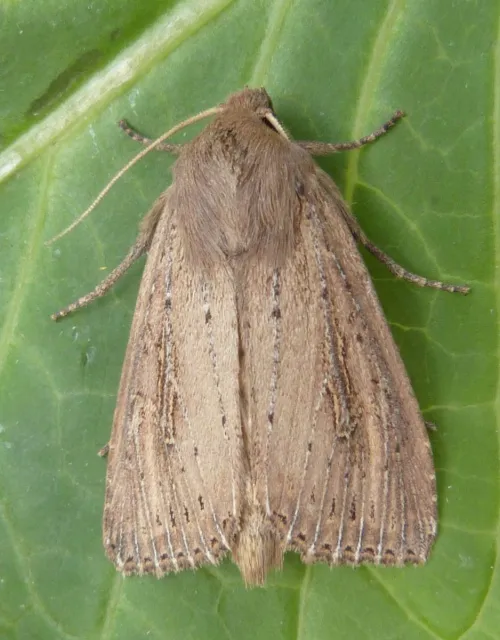
Bulrush Wainscot
Nonagria typhae
Wingspan 45 to 50 mm. This is a large distinctive species, the rather blunt forewings have small blackish dashes or crescents along the outer edge, and (usually) fine arrowheads near them. It occupies a range of damp or marshy habitats, but is someti
Nudorthodes texana - Hodges#10560
Nudorthodes texana
Identification: Comes in tan-brown and gray color forms. AM and PM lines are single, narrow, black; AM jagged, PM sinuous with a sharp basal turn close to the costa. Basal area is uniformly tan-brown or gray. Pale orbicular and reniform spots are mos
UID
Nudorthodes uid
Identification: Genitalia: Ann Hendrdickson 1/2/2021 The existence of an Unidentified Species is well documented on BOLD by the existence of a separate BIN containing 6 specimens, 5 of which are mine. I have them identified only to NOCTUINAE because
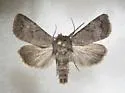
Protorthodes variabilis - Hodges#10561
Nudorthodes variabilis
Identification: The Barnes & McDunnough (1912) original description is available online in the print references below.
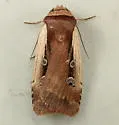
Flame-shouldered Dart - Hodges#10891
Ochropleura implecta
Identification: forewing reddish-brown edged with cream along costa from base to reniform spot; black basal dash and bar extend through gray orbicular and reniform spots hindwing white with yellowish-brown terminal line and shading at apex [descripti