
Family Geometrid Moths (Geometridae)
Geometridae is a family in the order Lepidoptera. Browse 1,358 named species recorded in this family, or open an individual profile for its available identification and natural-history information.
Species in Geometridae (1,358)
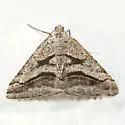
Digrammia curvata - Hodges#6370
Digrammia curvata
Identification: Adult: forewing AM line thick, black, does not reach costa but often merges with median line to form V-shaped mark projecting from inner margin; PM line a smooth black curve, usually interrupted near costa; hindwing dappled gray with
Decorated Granite - Hodges#6389
Digrammia decorata
Identification: Adult: forewing medium gray or brownish-gray with black AM and PM lines, and distinct dark discal spot; lower portion of AM line bold/conspicuous but upper portion faint/absent; PM line strongly curved, S-shaped, interrupted by short
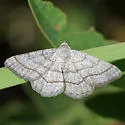
Digrammia equivocata - Hodges#6357.1
Digrammia equivocata
Identification: Gray-brown with three nearly parallel, almost straight, evenly spaced lines on the forewing; two lines on hindwing. Somewhat elongated discal spot above median line of FW and faint darker subterminal band sometimes present.
Digrammia eremiata - Hodges#6357
Digrammia eremiata
Identification: Three similar, subparallel, equally spaced transverse lines on gray-brown forewing; two lines on hindwing; lines likely to be complete and continuous, but occasionally indistinct; discal spots not usually apparent; subterminal band ma

Digrammia excurvata - Hodges#6363
Digrammia excurvata
Identification: Adult - similar to Curve-lined Angle ( Digrammia continuata ) but occurs farther west and usually has a straighter PM line on forewing. This species forms a complex with D. continuata and D. setonana and adults are best identified by
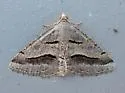
Digrammia fieldi - Hodges#6402
Digrammia fieldi
Identification: Forewing gray to reddish gray; with or without dark banding below the PM line; PM line generally more straight than D. subminiata or D. decorata .
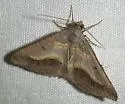
Digrammia gilletteata - Hodges#6400
Digrammia gilletteata
Identification: MONA Fascicle 17-2 considers this a 'doubtful species', but characterizes it as a hybrid between Digrammia subminiata and Digrammia mellistrigata .
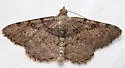
Hollow-spotted Angle - Hodges#6405
Digrammia gnophosaria
Identification: Specimen identified by DNA analysis:
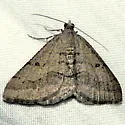
Digrammia hebetata - Hodges#6394.1
Digrammia hebetata
Identification: The species has two forms, banded and unbanded. Both forms usually have a dark spot on the costa where the postmedial line begins.
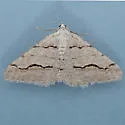
Digrammia imparilata - Hodges#6366.1
Digrammia imparilata
Identification: Transverse lines appear double and are boldly marked.
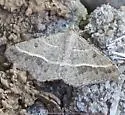
Digrammia irrorata - Hodges#6395
Digrammia irrorata
Identification: Adult: forewing color varies from light tan to yellowish to medium brown with straight, pale yellowish AM and PM lines; AM line stops just short of costa, and both lines may be indistinct in paler individuals; discal spot dark brown,
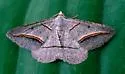
Yellow-lined Angle - Hodges#6397
Digrammia mellistrigata
Identification: forewing light to medium gray or brownish-gray with sparse speckling and conspicuous dark yellow AM and PM lines; PM line curves gently from inner margin toward apex, then bends sharply forward near costa before touching costa; AM lin
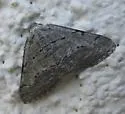
Digrammia napensis - Hodges#6366
Digrammia napensis
Identification: Description can be found in MONA Fascicle 17-2 at link in citations below.
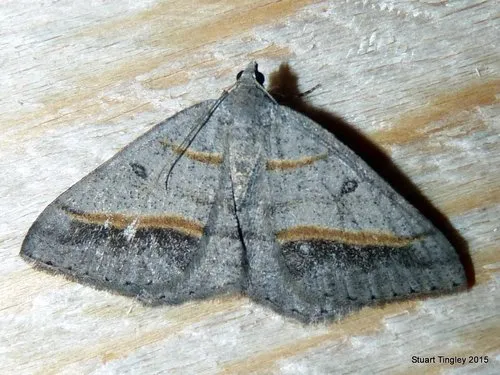
Dark-bordered Granite - Hodges#6396
Digrammia neptaria
Identification: Forewing light grayish-brown with speckling and variably faint or bold markings; AM and PM lines bicolored orangish-yellow for most of length, changing to gray near costa; PM line slightly sinuous, the yellowish part bordered distally
Digrammia nubiculata - Hodges#6371
Digrammia nubiculata
Identification: Forewings gray, heavily dusted with darker scales and have three or four subparallel transverse lines. The transverse lines are not as boldly defined as those in D. curvata . The original description as Phasiane nubiculata Packard, is
Digrammia ordinata - Hodges#6358
Digrammia ordinata
Identification: Forewing light speckled brown, crossed by 3 darker yellowish-brown lines; hindwing similar but with only 2 dark lines; no other markings present
Digrammia pallidata - Hodges#6410
Digrammia pallidata
Identification: (Ann Hendrickson) At least in Edwards County, Texas, I have found them to be dimorphic. The males generally have darker PM areas with smudges: and the females often have V mark at vein 3 along the PM line, like this example: However,
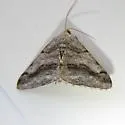
Digrammia pertinata - Hodges#6365
Digrammia pertinata
Identification: Ferguson (2008) stated "neither the male nor female genitalia differ from those of D. continuata or most other members of the juniper-feeding group." Determined by Chuck Harp.
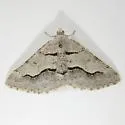
Digrammia rippertaria - Hodges#6394
Digrammia rippertaria
Identification: two forms: banded and unbanded occur. banded : antimedial line is bold black bar for the first 2/3 from the inner margin, then ends before reaching costa. Postmedial line similar but s-shaped curve then fading or ending before reachin
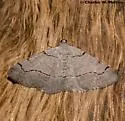
Digrammia setonana - Hodges#6364
Digrammia setonana
Identification: The postmedial band is concave for most the length and the antemedial band is always convex.
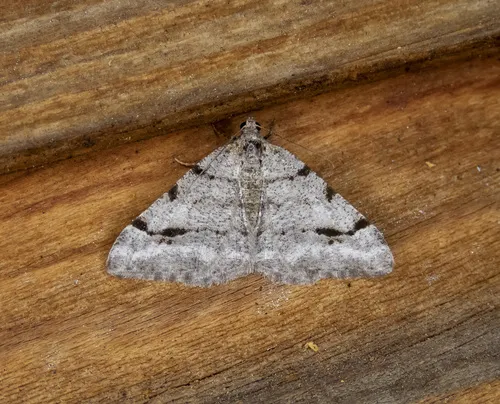
Six-spotted Digrammia - Hodges#6387.1
Digrammia sexpunctata
Identification: Forewings mostly plain gray with black marks on the costa at the locations of the AM, median, and PM lines. The PM line is often bold, black, and continuous about half-way down the FW , typically with at least an additional black smud
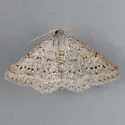
Digrammia sublacteolata - Hodges#6355
Digrammia sublacteolata
Identification: Detailed description is available in MONA Fascicle 17-2 at link in citations below. ( 3 ) Specimens identified by DNA analysis (BOLD). ( 4 )
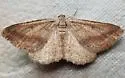
Digrammia subminiata - Hodges#6399
Digrammia subminiata
Identification: forewing with postmedial (PM) line in the shape of a 1-cycle sine wave, thickest near inner margin, and bordered distally by dark shading; antemedial (AM) line straight or arc-shaped, also thickest near inner margin; dark discal spot
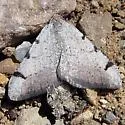
Digrammia triviata - Hodges#6385
Digrammia triviata
Identification: "It is geographically and seasonally variable." Douglas C. Ferguson. Pg. 258, Moths of North America Fascile 17.2. In the Moths of North America, Fascicle 17.2 Douglas C. Ferguson discusses the pallidata -group on pages 256-259. Para
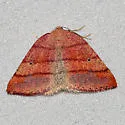
Drepanulatrix carnearia - Hodges#6688
Drepanulatrix carnearia
Identification: Rindge described two forms of this species, D. c. carnearia and D. c. columbriaria . The form columbriaria is a bit larger and occurs from central California to British Columbia. Form carnearia is smaller and occurs from central Calif
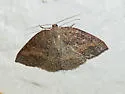
Drepanulatrix foeminaria - Hodges#6686
Drepanulatrix foeminaria
Identification: Adult: male antennae pectinate (feathery); forewing brown or brownish-gray speckled with black; discal spot tiny, black, sometimes white-margined; subterminal area usually with line of black dots or dark shading; numerous short dark p
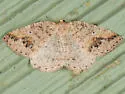
Drepanulatrix secundaria - Hodges#6690
Drepanulatrix secundaria
Identification: Adult: forewing pale yellowish-brown or orangish with fine dark speckling and sometimes a pink tint; terminal line composed of several dark dots; PM line an irregular series of dark spots or wedges, sometimes faint; small dark discal
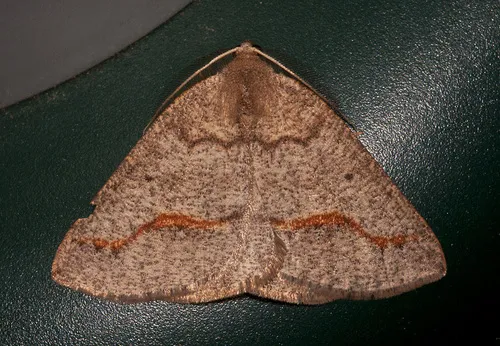
Spurred Wave - Hodges#6682
Drepanulatrix unicalcararia
Identification: Adult: forewing variably pale yellowish, brown, or gray with fine speckling and pointed apex; PM line yellow or orangish, slightly wavy, often broken in middle, sometimes bordered distally by black spots near upper and lower ends; AM
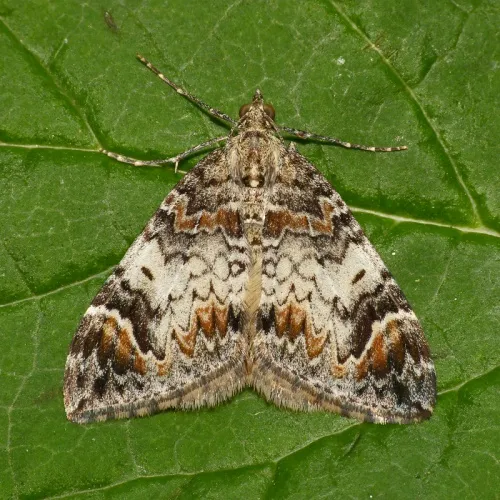
Dark Marbled Carpet
Dysstroma citrata
Wingspan 25 to 30 mm. Variable in markings and colouration, but very similar to Common Marbled Carpet (Dysstroma truncata). There are subtle separation characteristics based on the shape of the postmedian line on the underwings, which is more angular
Dysstroma colvillei - Hodges#7192
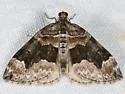
Dysstroma colvillei
Identification: Blackmore original description in PDF. Specimens identified by DNA analysis (BOLD).
Formosa Carpet - Hodges#7191
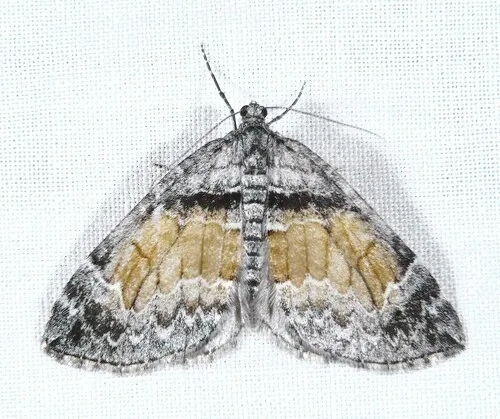
Dysstroma formosa
Identification: Adult [gray form]: forewing pale brownish-gray with darker gray median area; basal area with fairly straight dark gray band beginning at inner margin and stopping short of the costa (the band is diffuse and does not extend to the AM l
Orange-barred Carpet - Hodges#7189
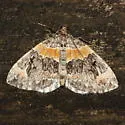
Dysstroma hersiliata
Identification: Adult: typical form has basal and medial areas of forewing gray, with solid orange bar in AM area; upper portion of PM line with deep cleft (inward-pointing tooth), beyond which is an orange & cream patch in subterminal area other for
Dysstroma mancipata - Hodges#7195
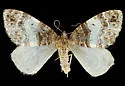
Dysstroma mancipata
Identification: Specimen determined by DNA analysis (BOLD).
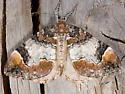
Dysstroma ochrofuscaria - Hodges#7186
Dysstroma ochrofuscaria
Identification: Adult: forewing color and pattern variable but the image shown at CBIF (presumably representing a typical specimen) is virtually identical to the photo by John Davis in typical specimens, forewing basal area, AM band, and PM band dark
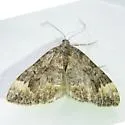
Dysstroma suspectata - Hodges#7185
Dysstroma suspectata
Identification: Dysstroma suspectata has a dark brown-grey hindwing and forewing especially the underside which is much darker than other species. ID confirmed by Chuck Harp.
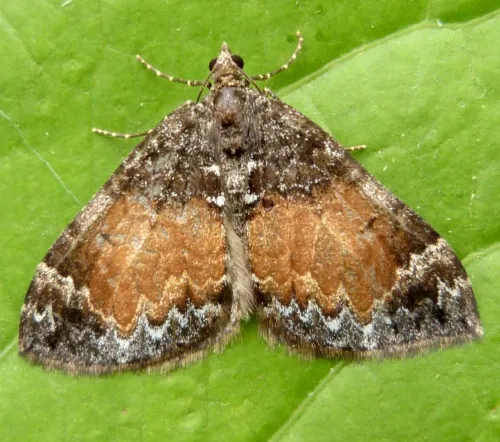
Common Marbled Carpet
Dysstroma truncata
Wingspan 24-30 mm. A common and remarkably variable species. This species has a wide range of habitats. There are two broods, flying in May and June, and again from August to October, sometimes later. The larvae feed on a wide range of low-growing pl
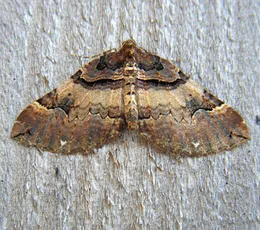
Shoulder Stripe
Earophila badiata
Wingspan 25-30 mm. It shows a variety of colour forms, but all have the same basic pattern. It inhabits woodland, scrubland and other open areas. An early Spring species, flying in March and April. This moth is fairly common in England and Wales and
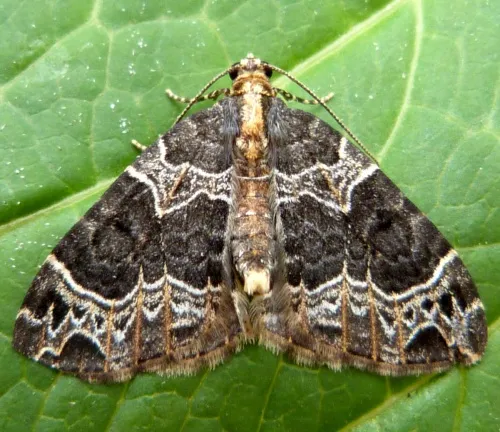
Small Phoenix
Ecliptopera silaceata
Wingspan 23-27 mm. There are two main forms - one where the dark central band across the forewing is broken by two brown and white lines on wing veins and then a typical form in which the band is unbroken. Both have a distinctive series of dark wedge
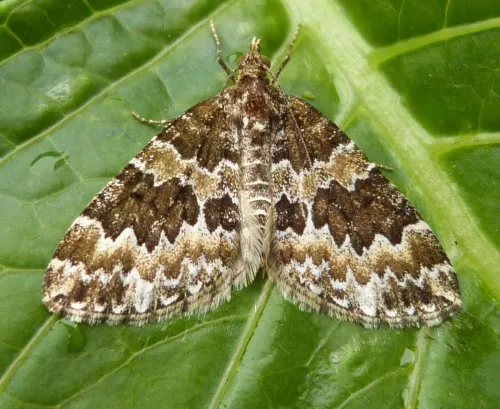
Broken-barred Carpet
Electrophaes corylata
Wingspan 22-30 mm. Easily recognised by the characteristic central band which is pinched at the mid-point. Woodland, scrubland and other bushy places. The single generation is on the wing in May and June when it is attracted to light. The larvae feed
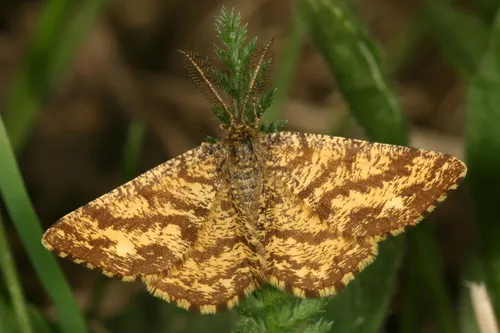
Common Heath
Ematurga atomaria
Wingspan 22 to 30 mm.This is a rather variable species. Inhabiting heaths, moorland and open woodland. It appears in May and June, sometimes again in August in the south and flies during the day, sometimes abundantly in sunshine. The caterpillars, wh
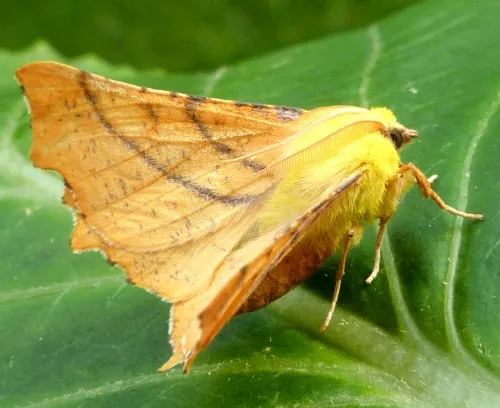
Canary-shouldered Thorn
Ennomos alniaria
Wingspan 38-42 mm. Aptly named after the canary-yellow thorax, or 'shoulders'. It frequents woodland, gardens and a range of other habitats. It has a single generation which flies from July to October and is regularly attracted to artificial light. T
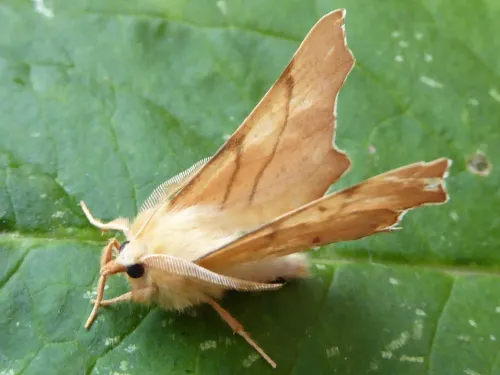
September Thorn
Ennomos erosaria
Wingspan 30 to 35mm. Pale yellow with dark cross lines. Although superficially similar to several other of the autumn-feeding 'Thorns', this species is generally much plainer in appearance. It is very similar to the August Thorn. Perhaps the easiest
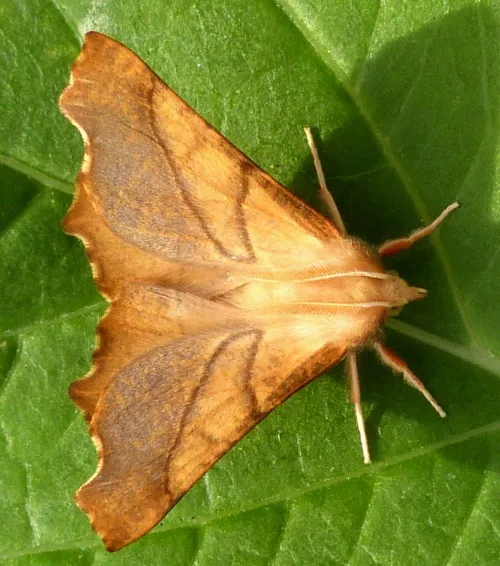
Dusky Thorn
Ennomos fuscantaria
Wingspan 35-40 mm. Generally distinguished by its resting position and by the mauvish grey or grey brown shading between the outer cross line and outer edge of wing. Shape of cross line on forewing slightly variable. The species is found in deciduous
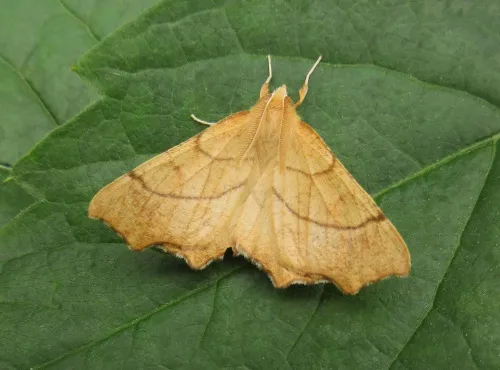
August Thorn
Ennomos quercinaria
Wingspan 42 to 50 mm. One of several similar 'Thorns', the adults of this species can be distinguished by the shape of the cross-lines on the forewing. The inner line is distinctly curved, and the outer line has a 'kink' where it meets the leading ed
Elm Spanworm - Hodges#6798
Ennomos subsignaria
Identification: "Pure white except for yellow branches on bipectinate antennae. [of the males] Easily separated from other all-white species by angled outer margin of FW." [description by Charles Covell ] Some individuals have a significant amount of
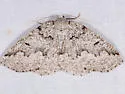
Packard's Girdle - Hodges#7007
Enypia packardata
Identification: Adult: light brownish-gray with dark speckling; discal spot a short black streak; AM and PM lines black, prominent; PM line angles diagonally from inner margin toward apex, meeting costa in apical area, and its outline is a highly irr
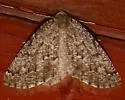
Variable Girdle - Hodges#7005
Enypia venata
Identification: A mid-sized, grey geometrid with heavy grey speckling and a dark broad median band, with a heavily scalloped border. Hindwing paler, with a faint PM line. Discal spot black, not white as in Caripeta species. Very similar to Nepytia sp
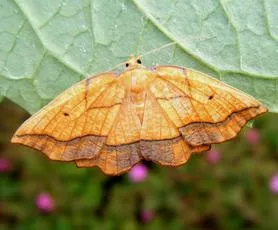
Bordered Beauty
Epione repandaria
Wingspan 25-30 mm. This orange and purplish species gets its name from the broad, dark border that runs around the bottom of the wings. Inhabits moist woodland, fens and other marshy places. The single generation flies from July to September and is a
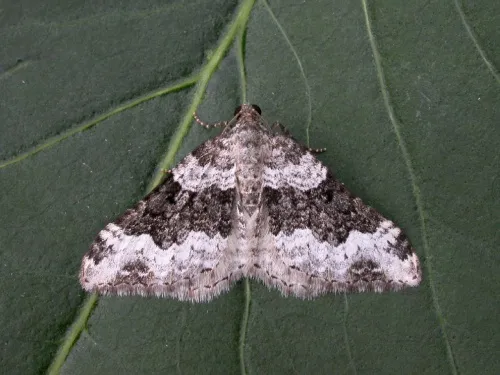
Galium Carpet
Epirrhoe galiata
Wingspan 28 to 32 mm. The species has a broad central bar of brown and greyish blue on a silvery white background. A bedstraw (Galium) feeding species, this moth is to be found on lime and chalk downland, grassy heathland and sea-cliffs where bedstra
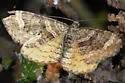
Epirrhoe plebeculata - Hodges#7395
Epirrhoe plebeculata
Identification: Adult: forewing brown with white lines and dark yellowish or gold bands in AM and PM areas (some specimens all brown); median area darker, sometime blackish; discal spot oval, black; AM line slightly curved, almost straight; PM line i
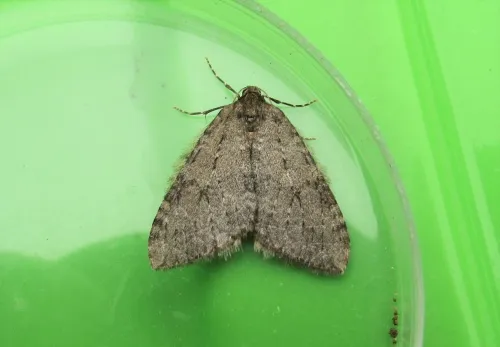
Pale November Moth
Epirrita christyi
Wingspan about 40 mm. Difficult to separate in the field from its close congeners, E. dilutata and E. autumnata so gen det is required. Tends to favour more wooded habitats than the other two species. The moths fly from September till November. Wides
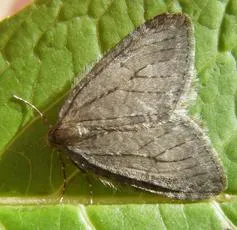
November Moth
Epirrita dilutata
Wingspan 38-44 mm. Three of the members of the genus Epirrita, (November Moth, E. dilutata, Autumnal Moth, E. autumnata, and Pale November Moth, E. chrystyi), can be very difficult to separate on markings alone, especially as some show marked melanis
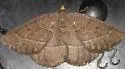
Episemasia cervinaria - Hodges#6714
Episemasia cervinaria
Identification: Ground color is typically reddish brown but can vary from pale pinkish buff, to dull gray brown, to dark purplish brown; median area sometimes slightly darker; all wings commonly peppered with black scales. Narrow AM and PM lines com
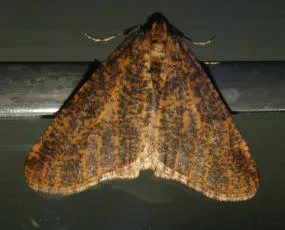
Mottled Umber
Erannis defoliaria
Wingspan 30-40 mm. A variable species, with some strongly-banded individuals, others plain brownish with darker speckling. The females are completely wingless. It can be found in woodland, scrub, hedgerows, grassland and various other habitats. The f
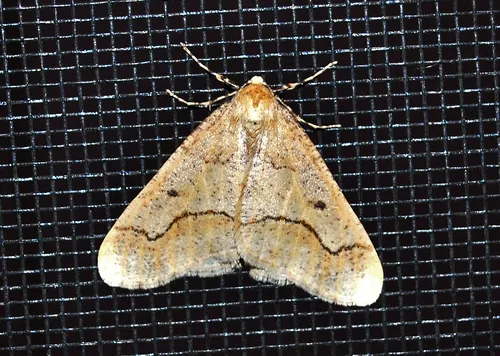
Linden Looper - Hodges#6665
Erannis tiliaria
Identification: Male : FW unicolorous yellowish brown, brown, or pale ochraceous salmon ● May have darker brown bands, basad of AM and distad of PM ● FW display considerable variability in color and degree of maculation ● HW pale grayish white, more
Broad-lined Erastria Moth - Hodges#6704
Erastria coloraria
diurnal. Adults attracted to baits and lights. rare and threatened (Natureserve rank G3/G4) by growing deer populations that overbrowse the host plant and other factors
Thin-Lined Erastria - Hodges#6705
Erastria cruentaria
Identification: Spring form is marked with two black spots. - summer form
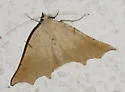
Eriplatymetra grotearia - Hodges#6854
Eriplatymetra grotearia
Identification: Specimens identified by DNA analysis (BOLD).
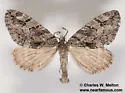
Ersephila grandipennis - Hodges#7280
Ersephila grandipennis
Identification: Hulst original description is available in PDF and online in the print references.
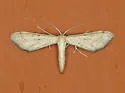
Euacidalia sericearia - Hodges#7087
Euacidalia sericearia
Identification: Identification of this image as Euacidalia sericearia based solely on distribution, sericearia being the only Euacidalia species found in Kentucky or anywhere east of Texas, as of February 2008.
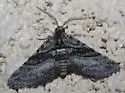
Eubarnesia ritaria - Hodges#6520
Eubarnesia ritaria
Identification: Adult - see Rindge's description. Larva - generally greenish white. See plates 11 and 12 and read online the Comstock & Dammers description. Larvae can be secured by bending a leafed-out ocotillo stalk and tapping sharply with a stick
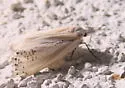
Eucaterva variaria - Hodges#6918
Eucaterva variaria
Identification: Specimens identified by DNA analysis: Larva - typical Geometrid shape; two forms, one mauve on the dorsal half and the other blue-green (Comstock & Dammers, 1932).
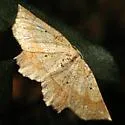
Euchlaena deplanaria - Hodges#6732
Euchlaena deplanaria
Identification: According to Rindge (1956), this species has single extradiscal lines on all wings, very prominent discal dots, inconspicuous veins, and tends not to have a well-defined patch at apex of FW.
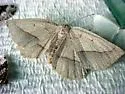
Least-marked Euchlaena - Hodges#6739
Euchlaena irraria
Identification: wings powdery yellowish or brownish-gray with fine speckling; forewing has faint brown AM line and brown sinuous, usually complete PM line; dark brown shading along lower half of PM line, fading back to ground color toward outer margi
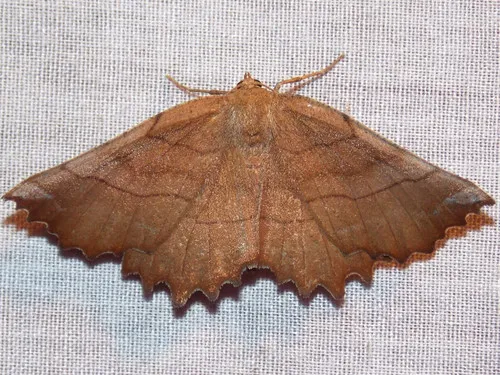
Johnson's Euchlaena - Hodges#6729
Euchlaena johnsonaria
Identification: Ground colour varies from light to dark rust-brown, AM and PM line thin and well defined, median line diffuse. Most specimens have diffuse black spots in the forewing subterminal space (but may be without any black at all). Similar to
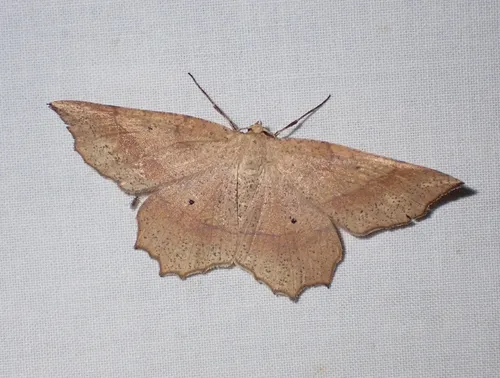
Ochre Euchlaena - Hodges#6734
Euchlaena marginaria
Identification: Adult: wings light to dark brown with extensive dark speckling but lack black patches in subterminal area seen in E. tigrinaria ; AM and PM lines more diffuse than in E. madusaria ; black discal spots small, well defined; in eastern N
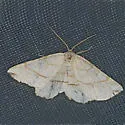
Euchlaena mollisaria - Hodges#6730
Euchlaena mollisaria
Identification: Determined by Bob Patterson. Genitalia:
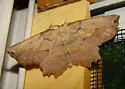
Euchlaena muzaria - Hodges#6725
Euchlaena muzaria
Identification: Genitalia: "muzaria - sacculus with broad spine patch, less than twice as long as wide; apical part of valve broader. obtusaria - spine patch more slender, more than twice as long as wide, and more nearly confined to dorsal part of sa
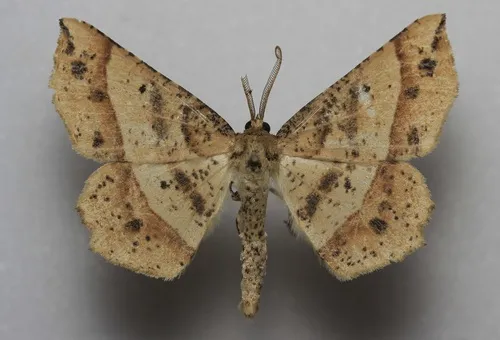
Mottled Euchlaena - Hodges#6737
Euchlaena tigrinaria
Identification: Adult: forewing color varies from bright orangish-yellow to medium yellowish-brown, darker beyond single fairly straight PM line; dark gray or black speckling intermixed with several larger blotches (speckling not as conspicuous again
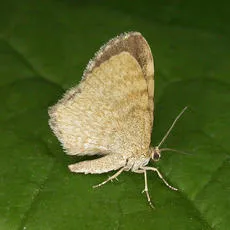
Dingy Shell
Euchoeca nebulata
Wingspan 23 to 25 mm. This is an ochreous-yellow moth. Occupying damp woodland, fens and other marshy areas. The adult moths are on the wing in June and July, in a single brood. This moth is fairly commonly distributed in England and Wales, but is ra
Eudrepanulatrix rectifascia - Hodges#6681
Eudrepanulatrix rectifascia
Identification: Specimens identified by DNA analysis:
Pine Powder Moth - Hodges#6637
Eufidonia convergaria
Identification: Larva - slender, green with pale gray-green dorsal and addorsal lines, mimicking pine needles. , Adult - see description at E.H. Strickland Entomological Museum in Internet References.
Powder Moth - Hodges#6638
Eufidonia notataria
Identification: Eufidonia convergaria is separated by dissection.
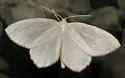
Snowy Geometer - Hodges#6965
Eugonobapta nivosaria
Identification: forewing and hindwing completely white (black discal dot sometimes present on underside of all wings, may show through faintly to upperside); hindwing somewhat diamond-shaped, the distal edge curving outward to a shallow point
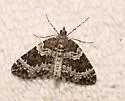
White Eulithis - Hodges#7206
Eulithis explanata
Identification: Adult: forewing white with dark gray basal, median, and terminal shading, heaviest just below apex; shading in median area may be broken into upper and lower patches by variably wide white band crossing median area; AM and PM lines ob
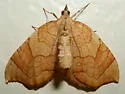
Eulithis luteolata - Hodges#7198
Eulithis luteolata
Identification: Specimen identified by DNA analysis:
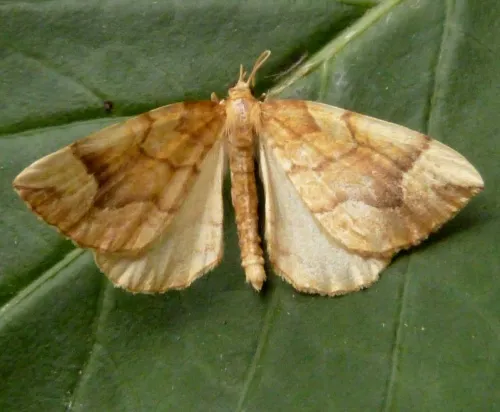
The Spinach
Eulithis mellinata
Wingspan 27-30 mm. The straw yellow wing bears a darker central band with one large tooth like projection on the outer edge. The wing fringes are chequered. Found in suburban areas as well as woodland and similar habitats. The adults fly from June to
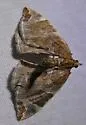
Dimorphic Eulithis - Hodges#7203
Eulithis molliculata
Identification: forewing ground color brownish in males, yellowish in females; a triangular dark brown patch near the apex has a single rounded notch and is bordered proximally by a white line; the middle of the forewing contains numerous rounded, el
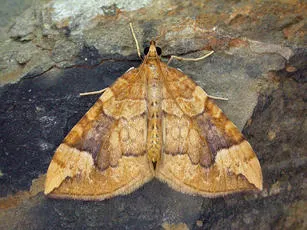
Northern Spinach
Eulithis populata
Wingspan 25 to 32 mm.This species shows a range of colour forms, with generally darker specimens further north. It inhabits peat moorland and grassland. There is one generation, with the moths flying in July and August. Distributed throughout Britain
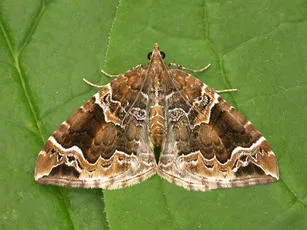
The Phoenix
Eulithis prunata
Wingspan 30-35 mm. With a wingspan of around 40mm, this is one of the larger members of the Larentiinae . Distinctively marked with rich deep browns. Sometimes rests with tail slightly raised. It is most often found in cultivated areas, gardens and t
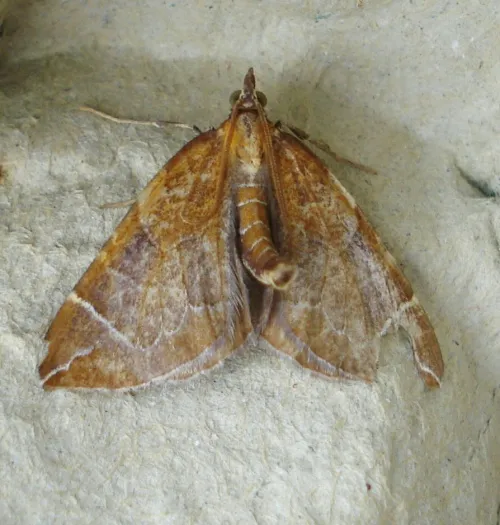
The Chevron
Eulithis testata
Wingspan 25 to 35 mm. Quite a variable species, this moth displays colour forms from yellowish through to fairly dark brown. It inhabits moorland habitats as well as sandy and woodland areas. The adults fly in July and August in a single generation.
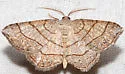
Brown-bordered Geometer - Hodges#6272
Eumacaria madopata
Identification: Adult: wings light tan to gray with darker brown shading beyond slightly wavy PM line; veins light; forewing AM line sharply angled; median line straight [description by Charles Covell] locally common but rare in parts of its range (e
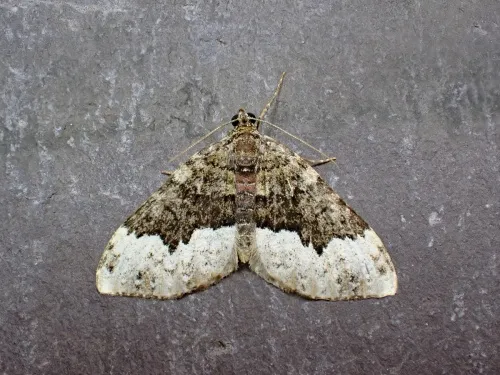
Cloaked Carpet
Euphyia biangulata
The wingspan is 25 to 30 mm. The forewings show a contrast between the dark brown midfield cross-band and the paler brown basal field with the distal cream band. There are two projections of the dark brown midfield cross-band into the cream band. The
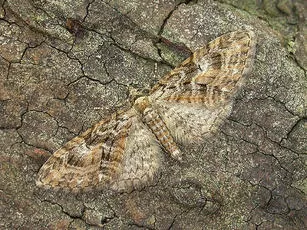
Brindled Pug
Eupithecia abbreviata
Wingspan 19 to 22 mm. Like several other species, in addition to the typical form there is a fairly common melanic form, hirschkei , which is devoid of many markings. An early spring species, and one of the first pugs of the season to be regularly en
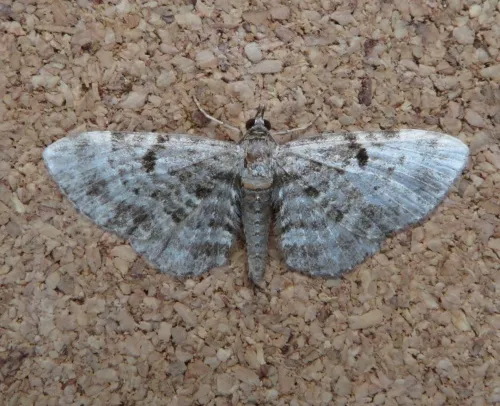
Cloaked Pug
Eupithecia abietaria
The larvae feed internally in the cones of Norway Spruce, Sitka Spruce and Noble Fir. A scarce species, once resident in a range of scattered locations throughout Britain, but apparently dying out in the early part of the 20th century. Since then it
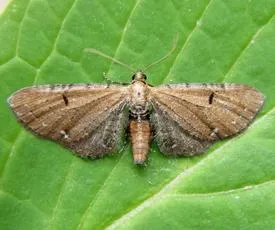
Wormwood Pug
Eupithecia absinthiata
If you are recording the caterpillar, please note the host-plant. Inhabiting open waste ground, gardens and woodland fringes. The adults fly in June and July and are often attracted to light. The larval foodplants are a range of low-growing plants, i
Eupithecia adequata - Hodges#7585
Eupithecia adequata
Identification: brushing scales off ventral plate, process is stubby, with wide excavation; and prominent, finger-like, rounded process on valvae.
Eupithecia affinata - Hodges#7495
Eupithecia affinata
Identification: Genitalia: ♀ ductus bursae with collar-like colliculum; wide sclerotized and striated band extending down from colliculum; rounded corpus bursae with spines and a lateral patch of spinules. ♂
Eupithecia agnesata - Hodges#7561
Eupithecia agnesata
Identification: The Taylor original description of Eupithecia agnesata is available online in the print references. - Dark bar across abdomen in front of the middle. Second abdominal segment is darker gray. Forewing is acutely pointed and a gray grou
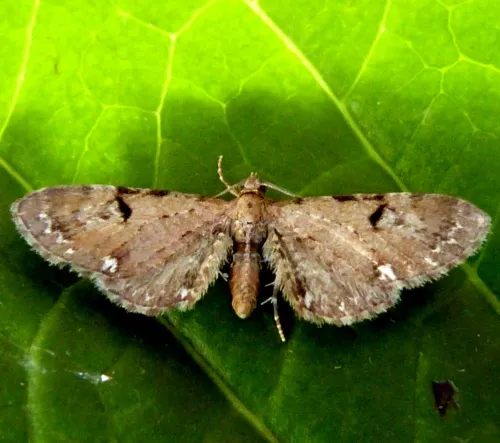
Currant Pug
Eupithecia assimilata
Although superficially similar to several other Eupithecia species, this moth usually has a distinct black mark on the forewing, a broken white subterminal line ending in a 'toothed' white blotch and a general chestnut colour to the forewings. Size c
Eupithecia bivittata - Hodges#7478
Eupithecia bivittata
Identification: Specimens identified by DNA analysis (BOLD). ( 5 ) Genitalia:
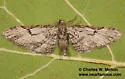
Eupithecia bolterii - Hodges#7500
Eupithecia bolterii
Identification: See this marked-up gray example for details: , and Ann Hendrickson's characteristic buff-colored example from Edwards County: . [Adapted from McDunnough, p. 589 ] Forewings pointed apically (narrower than most other Eupithecia ’s in r
Eupithecia bowmani - Hodges#7565
Eupithecia bowmani
Identification: Wingspan: 13-16 mm. female/male genitalia
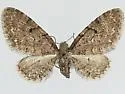
Eupithecia broui - Hodges#7479.1
Eupithecia broui
Identification: Rindge provides a description of the adults, including the genitalia. The genus Eupithecia is often a difficult group to determine from photos. Genitalia dissection is the most accurate method.
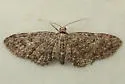
Eupithecia bryanti - Hodges#7480
Eupithecia bryanti
Identification: Adult - see original description in Print References. Specimens identified by DNA analysis: Genitalia:
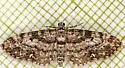
Eupithecia casloata - Hodges#7492
Eupithecia casloata
The external features of the adult E. casloata are not very useful in separating them from other species in the fletcherata group. (K.B. Bolte, 1990)
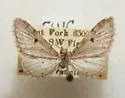
Eupithecia cazieri - Hodges#7510
Eupithecia cazieri
Identification: small gray moth, poorly maculated but with prominent discal spot.
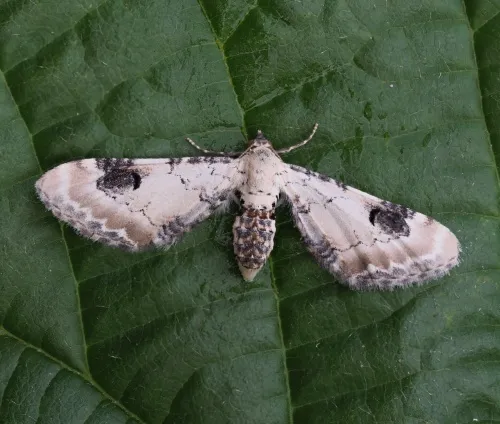
Lime-speck Pug
Eupithecia centaureata
Wingspan 16-20 mm. A distinctive and slender-winged Pug, it is thought that this species may resemble a bird-dropping and thus reduce attraction to predators. The species has one or two broods, being found on the wing from April to September. The cat
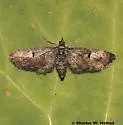
Eupithecia classicata - Hodges#7598
Eupithecia classicata
Identification: Adult: forewing grayish-brown with prominent discal spot and diffuse paler area immediately beyond spot. The nature of the male and female genitalia suggests that classicata is allied to E. graefii (Hulst), but the two species differ
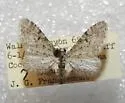
Eupithecia coconinoensis - Hodges#7504.1
Eupithecia coconinoensis
Identification: Similar in habitus to E. nabokovi, neomexicana and piccata. Ventral plate on males can be brushed to ID. females must be dissected. Genitalia: ♀ ♂ described from a tray of 80 specimens collected by J.G.Franclemont in Walnut Canyon, ne