
Boxwood Leafminer
Monarthropalpus flavus
This record describes Monarthropalpus flavus (species). Recorded family: Cecidomyiidae. Recorded order: Diptera.
Identification and Appearance
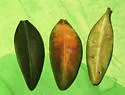
Larve form 5 mm blisters on the upper sides of boxwood leaves. This is the only gall midge on boxwood in North America. The genus Buxus is not native and has no native gall makers.
Classification
- Kingdom
- Animalia
- Phylum
- Arthropoda
- Class
- Insecta
- Order
- Diptera (Flies)
- Superfamily
- Sciaroidea
- Family
- Cecidomyiidae (Gall Midges and Wood Midges)
- Subfamily
- Cecidomyiinae
- Tribe
- Lopesiini
- Genus
- Monarthropalpus
Imported taxonomy record. Source availability varies; see the source references and editorial policy below.
Habitat and Range
Geographic Range
"The species, an immigrant from Europe, was introduced into North America during colonial times with potted boxwood." It is now widespread.
Additional species information
Species notes from the sources
Etymology: The genus name means "single-jointed palps". Most Nematocera have longer palps. The species name means yellow.
About Flies: the wider group
Order-level background for Diptera, the group containing Monarthropalpus flavus. Species-specific details appear above.
Group overview
Diptera includes over 150,000 described species of flies, mosquitoes, and midges. Mosquitoes are the deadliest animal on Earth (CDC). Malaria alone causes ~249 million cases and over 608,000 deaths annually, mostly children under 5 (WHO). Vector-borne diseases account for over 17% of all infectious diseases, causing 700,000+ deaths per year.
Ecological role of the group
Despite their disease impact, flies are critical decomposers and pollinators. Hoverflies alone pollinate hundreds of crop and wildflower species. Flies are also the primary food source for many birds, bats, and fish. Forensic entomology relies heavily on fly species for crime scene analysis.
Economic and practical significance of the group
In the U.S., vector-borne disease cases tripled between 2004-2016, with over 640,000 cases reported in that period (CDC). Tickborne diseases doubled from 22,000 to 48,000 annual reports. Globally, mosquito-borne diseases cost billions in healthcare and lost productivity.
Recorded sources for this group: WHO, CDC, PNAS. Imported estimates may describe particular regions or reporting periods.
Photos of Boxwood Leafminer (5)
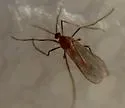
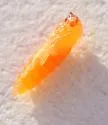
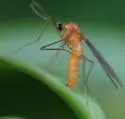
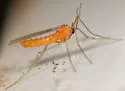
Photo credits: Contributed by Charley Eiseman; Additional contributions by Vox Sciurorum