
Amphipods
Order Amphipoda
The Amphipods (Order Amphipoda) includes 33 species across 12 families and 27 genera in our directory.
About Amphipods
Amphipoda includes ~10,000 described species of scuds, sand hoppers, and whale lice. While mostly aquatic, some species like sand hoppers (Talitrus saltator) are fully terrestrial, living on beaches above the tide line.
Economic Impact
Amphipods are standard test organisms in aquatic toxicology - Hyalella azteca is the EPA's primary freshwater sediment toxicity test species. They are also important food for fish in both freshwater and marine ecosystems.
Ecological Role
Amphipods are critical detritivores in aquatic ecosystems, shredding leaf litter and recycling nutrients. Deep-sea amphipods have been found at the bottom of the Mariana Trench (10,994m), making them among the deepest-living animals on Earth.
Families in Amphipoda (12)
Species in Amphipoda (33)
Amphiporeia virginiana
Amphiporeia virginiana
Identification: Can be separated from A. lawrenciana based on range (the latter is found in the Bay of Fundy) and several morphological characteristics. . Original description in
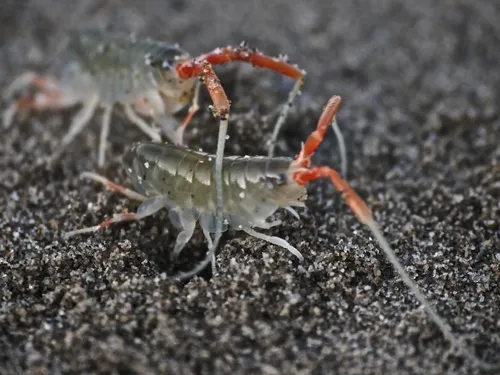
California beach flea
Megalorchestia californiana
Megalorchestia californiana is a species of sand-hopper in the family Talitridae. It was first described in 1851 by the German naturalist Johann Friedrich von Brandt and is the type species of the genus Megalorchestia. It is commonly known as the lon
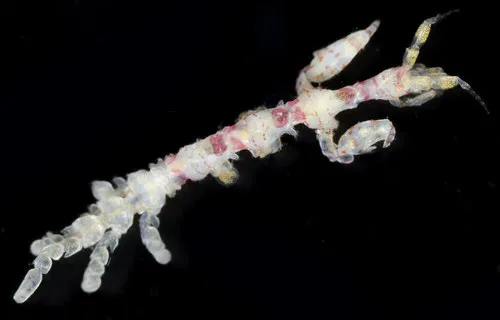
Caprella verrucosa
Caprella verrucosa
Caprella verrucosa is a species of amphipod in the family Caprellidae. It is found in temperate Asia.
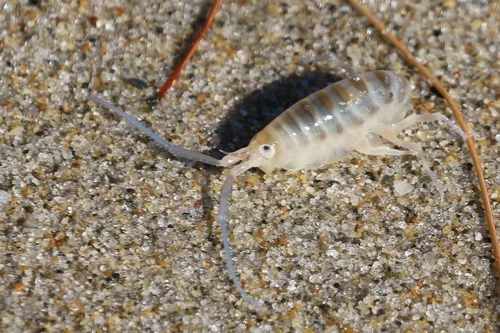
Common Atlantic Sandhopper
Americorchestia longicornis
Americorchestia longicornis, the common Atlantic sandhopper, is a species of beach hopper in the family Talitridae.
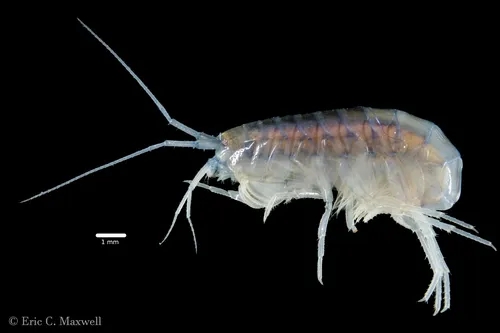
Ellis Bog Crangonyctid
Crangonyx richmondensis
"Crangonyx richmondensis is presumed native to three broad areas in North America, northern California to Alaska, the Great Lakes and eastern Canada, and the Atlantic Coastal Plain, from Maine to Florida" (Holisinger 1972; Bousfield 1973; Graening et
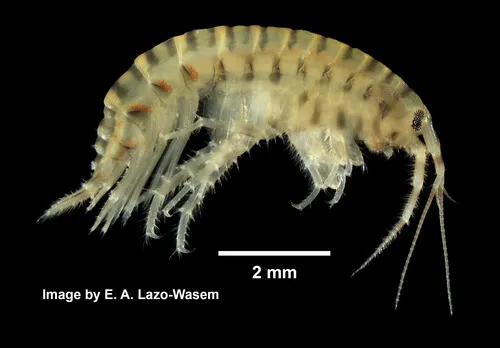
Gammarus fasciatus
Gammarus fasciatus
Identification: The distinct body markings and humped uronites are distinctive a relatively common species in the Northeast US
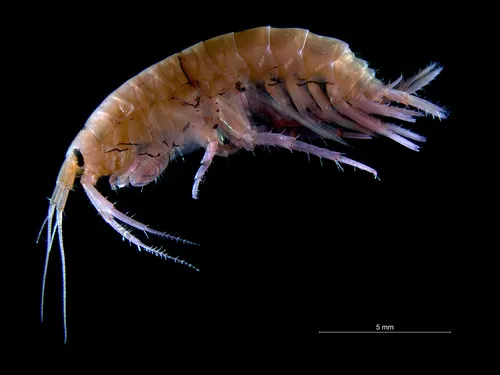
Gammarus locusta
Gammarus locusta
Gammarus locusta is a species in the family Gammaridae ("scuds"), in the order Amphipoda ("amphipods").
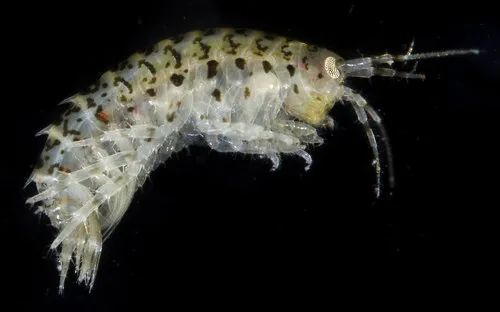
Gammarus mucronatus
Gammarus mucronatus
Identification: Various characters of antennae and presence of spines on pleosome and urosome important.
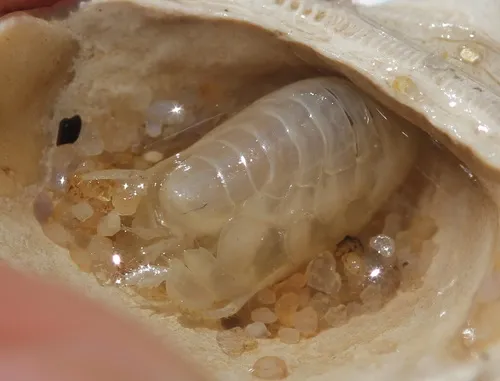
Haustorius canadensis
Haustorius canadensis
Identification: Easily identified by large size and overall appearance, at least in the southern New England portion of its range.
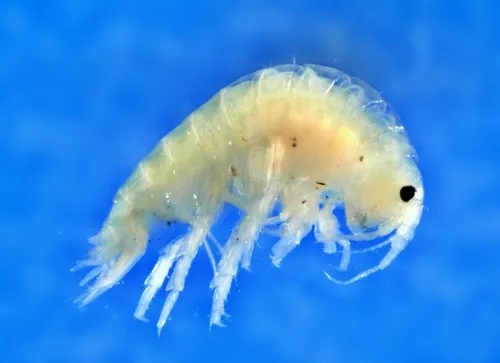
Hyalella azteca
Hyalella azteca
Hyalella azteca is a widespread and abundant species of amphipod crustacean in North America. It reaches 3–8 mm (0.12–0.31 in) long, and is found in a range of fresh and brackish waters. It feeds on algae and diatoms and is a major food of waterfowl.
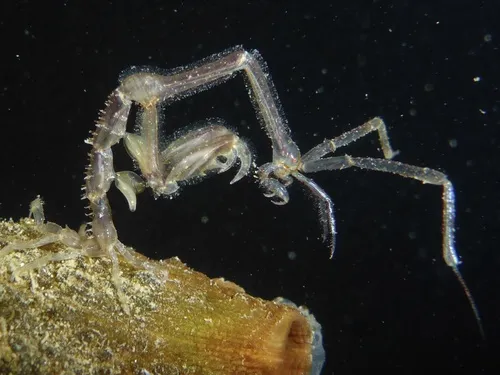
Japanese Skeleton Shrimp
Caprella mutica
Caprella mutica, commonly known as the Japanese skeleton shrimp, is a species of skeleton shrimp. They are relatively large caprellids, reaching a maximum length of 50 mm (2.0 in). They are sexually dimorphic, with the males usually being much larger
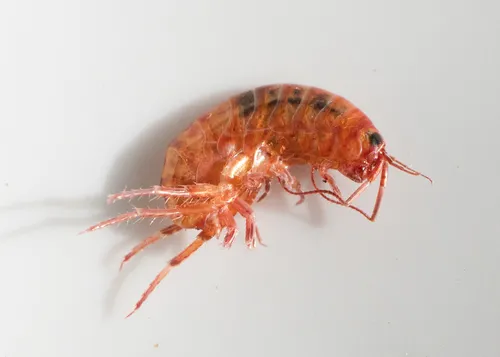
Lawn Shrimp
Arcitalitrus sylvaticus
Identification: Shrimp-like creatures with many legs that can hop like fleas. Springtails are much smaller and have only 3 pairs of legs These are rarely seen except when flooding or lack of moisture forces them to abandon their home in the soil in s
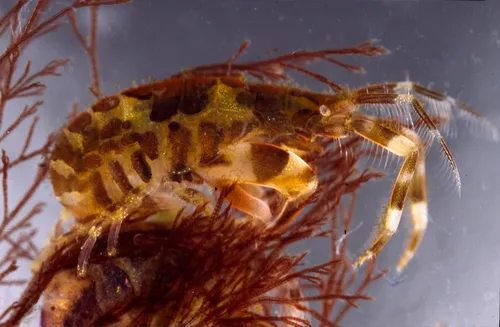
Marbled Scud
Jassa marmorata
Jassa marmorata is a species of tube-building amphipod. It is native to the northeast Atlantic Ocean but has been introduced into northeast Asia. J. marmorata are greyish in colour with reddish brown markings. The can grow to a length of up to 10 mil
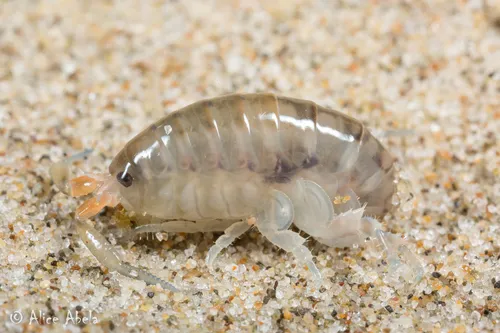
Megalorchestia corniculata
Megalorchestia corniculata
Identification: Key to Amphipoda of Santa Barbara County
Monocorophium cylindricum
Monocorophium cylindricum
Identification: As the specific name suggests, this amphipod is less laterally compressed than most amphipods. This species lives at the base of eelgrass either free living or in small sand tubes.
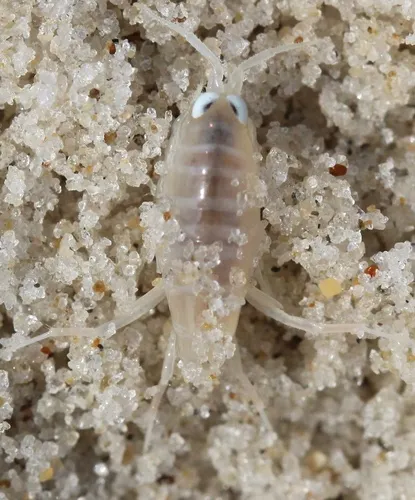
Northern Big-eyed Sandhopper
Americorchestia megalophthalma
Americorchestia megalophthalma, the northern big-eyed sandhopper, is a species of beach hopper in the family Talitridae.
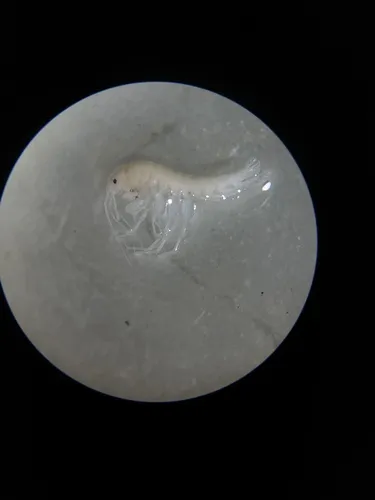
Northern Lake Crangonyctid
Crangonyx gracilis
Crangonyx gracilis, the northern lake crangonyctid, is a species of amphipod in the family Crangonyctidae. It is found in North America.
Orchestia grillus
Orchestia grillus
Identification: Among the talitrids of northeastern North America, can be identified by combination of dark coloration, small eyes, segment 3 of antenna 2 about the same width as antennomeres, and number of antennomeres =20.
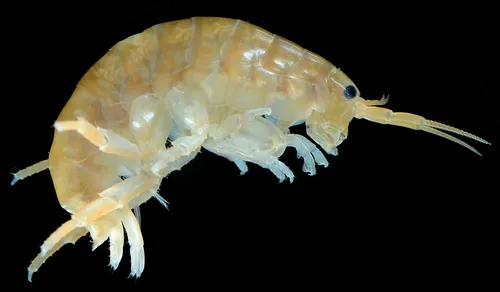
Pacific beach hopper
Traskorchestia traskiana
Traskorchestia traskiana, the Pacific beach hopper, is a species of beach hopper in the family Talitridae.
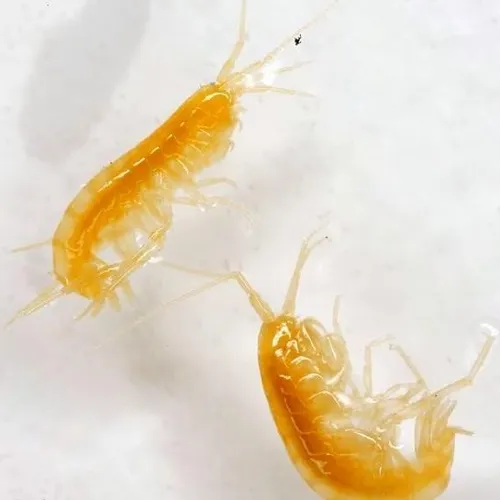
Peck's Cave Amphipod
Stygobromus pecki
Stygobromus pecki is a rare species of crustacean known by the common name Peck's cave amphipod. It is endemic to Texas in the United States, where lives in only two springs in Comal County. It is a federally listed endangered species of the United S
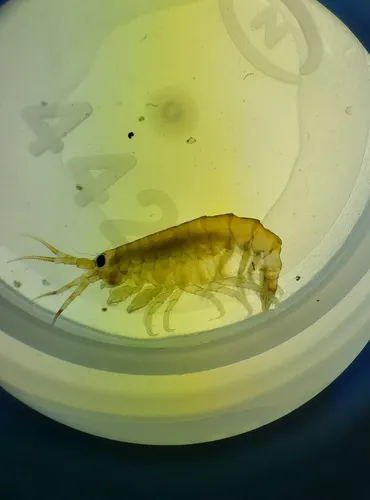
Planktonic Amphipod
Calliopius laeviusculus
Calliopius laeviusculus is a species of amphipod in the family Calliopiidae. It is found in Europe and North America.
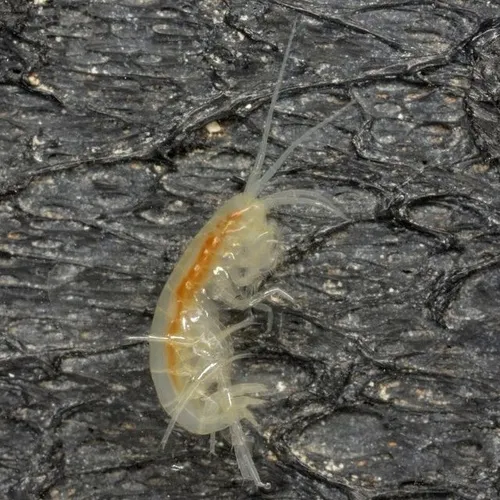
Russell's Cave Amphipod
Stygobromus russelli
Identification: highly variable, may be species complex (Holsinger 1972) The species is typically rare, but occasionally a large number of specimens may be found on a single cave visit. Texas considers this to be a "Species of Greatest Conservation N
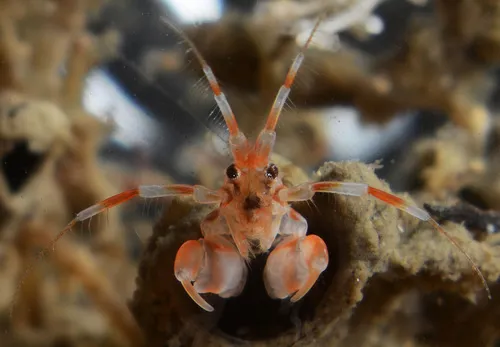
Tube-dwelling Sea Flea
Ericthonius rubricornis
Ericthonius rubricornis is a species of amphipod in the family Ischyroceridae. It is found in South America, North America, and Europe.
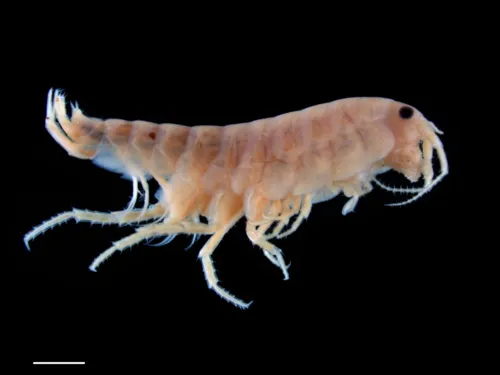
Uhlorchestia uhleri
Uhlorchestia uhleri
Identification: Among the talitrids of northeastern North America, can be identified by combination of dark coloration, small eyes, segment 3 of antenna 2 about the same width as antennomeres, and number of antennomeres =12
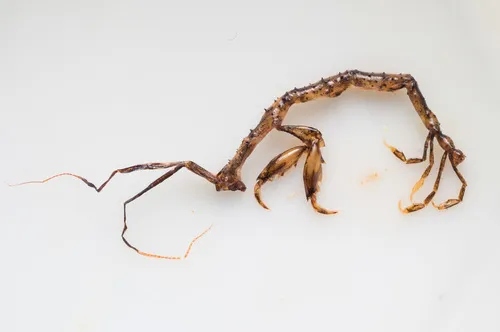
long-horned skeleton shrimp
Aeginina longicornis
Aeginina longicornis, the long-horned skeleton shrimp, is a species of amphipod in the family Caprellidae. The species is commonly found in the North Atlantic Ocean and provides extended parental care for their offspring, similar to other peracarid s
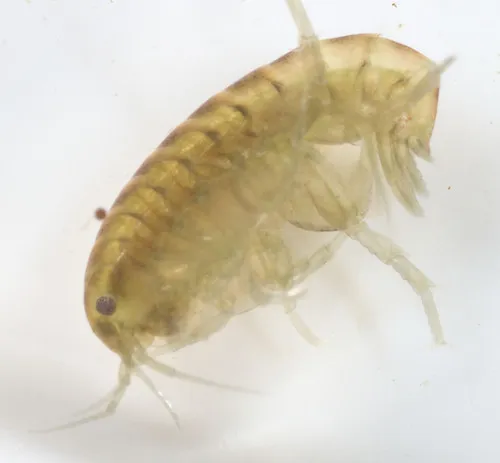
Hyalella wellborni
Hyalella wellborni
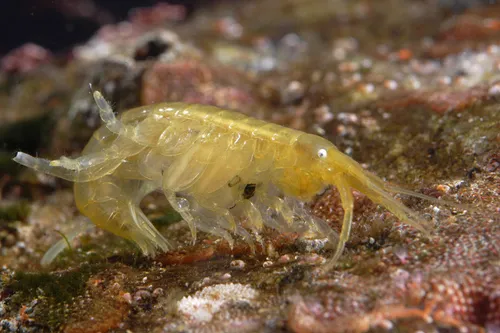
Kelp-curler amphipod
Sunamphitoe humeralis
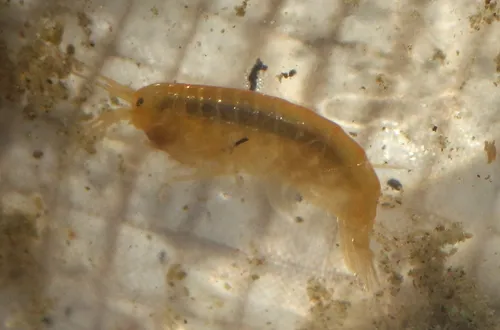
Lacustrine Scud
Gammarus lacustris
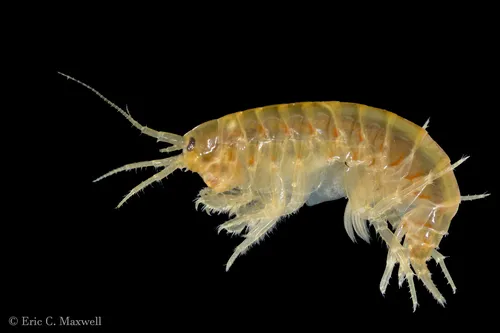
Northern Spring Amphipod
Gammarus pseudolimnaeus
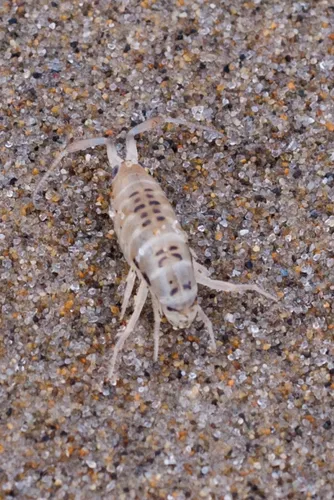
Pale beach hopper
Megalorchestia columbiana
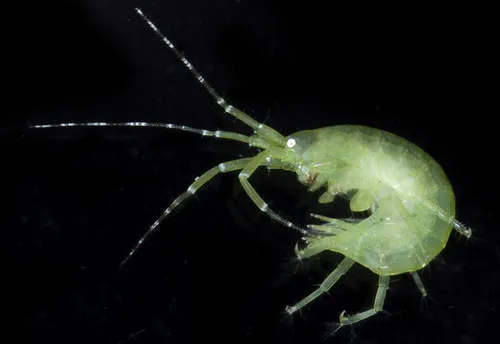
Sea Lettuce Sea Flea
Ampithoe lacertosa
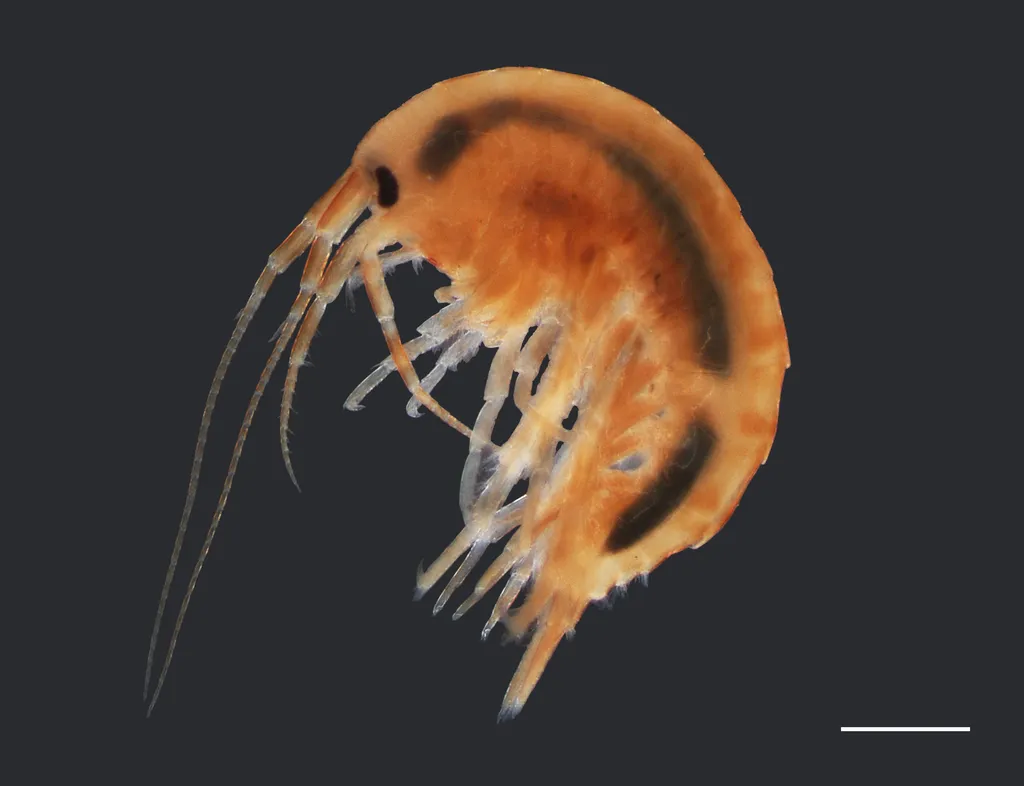
Seidel's Scud
Gammarus seideli
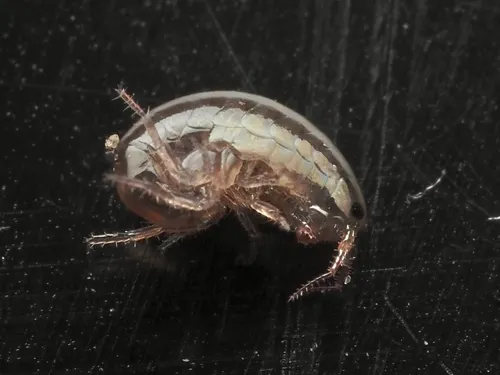
Talitroides alluaudi
Talitroides alluaudi