
Lawn Shrimp
Arcitalitrus sylvaticus
This record describes Arcitalitrus sylvaticus (species). Recorded family: Talitridae. Recorded order: Amphipoda.
Identification and Appearance
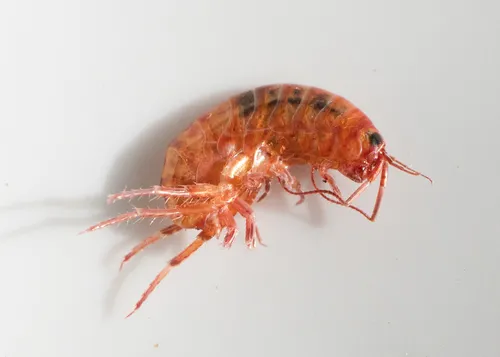
Shrimp-like creatures with many legs that can hop like fleas. Springtails are much smaller and have only 3 pairs of legs These are rarely seen except when flooding or lack of moisture forces them to abandon their home in the soil in search for suitable conditions. At such times they often end up dieing on pavement or in homes and become a nuisance. Once they start appearing, there's not much that can be done except to sweep them up- pesticides are pointless, bcause by then they're already dying or dead. The best solution is to keep the numbers down the rest of the year by keeping the soil from staying too moist- in California, especially, they're a sign of overwatering. Physical barriers like weather-stripping can also help to keep them out of homes, but their bodies are flat and narrow, allowing them to slip through surprisingly narrow cracks. Non-native; introduced probably from Australia along with blue-gum eucalyptus trees in the 1800s. First recorded in San Francisco, CA in 1967
Wikipedia reference for Arcitalitrus sylvaticus: https://en.wikipedia.org/wiki/Arcitalitrus sylvaticus.
Classification
- Kingdom
- Animalia
- Phylum
- Arthropoda
- Class
- Malacostraca
- Order
- Amphipoda (Amphipods)
- Suborder
- Senticaudata
- Family
- Talitridae (Beach Hoppers)
- Genus
- Arcitalitrus
Imported taxonomy record. Source availability varies; see the source references and editorial policy below.
Habitat and Range
Habitat
Moist soil and organic matter within 13 mm of the surface, often among ivy or other ground covers, mostly eucalyptus. Their exoskelton has no waxy coating to keep moisture in, so they can't survive dryness. They drown in water, though, so they need continuously moist, but not waterlogged conditions.
Geographic Range
Southeastern Australia (New South Wales and Victoria), as well as nearby areas of the Pacific, but introduced into New Zealand, the British Isles, Florida and California
Seasonal Activity
Year-round, but most visible when weather is either too dry (they leave their habitat search of moisture) or too wet (they leave flooded soil to keep from drowning).
Diet and Behavior
Diet: Dead organic matter in the soil, especially eucalyptus.
Life History
The female lays her eggs after mating in a pouch on the underside of her body. The babies are like smaller versions of the adults, and leave the pouch soon after hatching.
Additional species information
Species notes from the sources
Etymology: Latin: a variant spelling of silvaticus- "of or belonging to woods" from silva- "woods"
About Amphipods: the wider group
Order-level background for Amphipoda, the group containing Arcitalitrus sylvaticus. Species-specific details appear above.
Group overview
Amphipoda includes ~10,000 described species of scuds, sand hoppers, and whale lice. While mostly aquatic, some species like sand hoppers (Talitrus saltator) are fully terrestrial, living on beaches above the tide line.
Ecological role of the group
Amphipods are critical detritivores in aquatic ecosystems, shredding leaf litter and recycling nutrients. Deep-sea amphipods have been found at the bottom of the Mariana Trench (10,994m), making them among the deepest-living animals on Earth.
Economic and practical significance of the group
Amphipods are standard test organisms in aquatic toxicology - Hyalella azteca is the EPA's primary freshwater sediment toxicity test species. They are also important food for fish in both freshwater and marine ecosystems.
Recorded sources for this group: EPA ecotoxicology, deep-sea biology, marine research. Imported estimates may describe particular regions or reporting periods.
Photos of Lawn Shrimp (10)
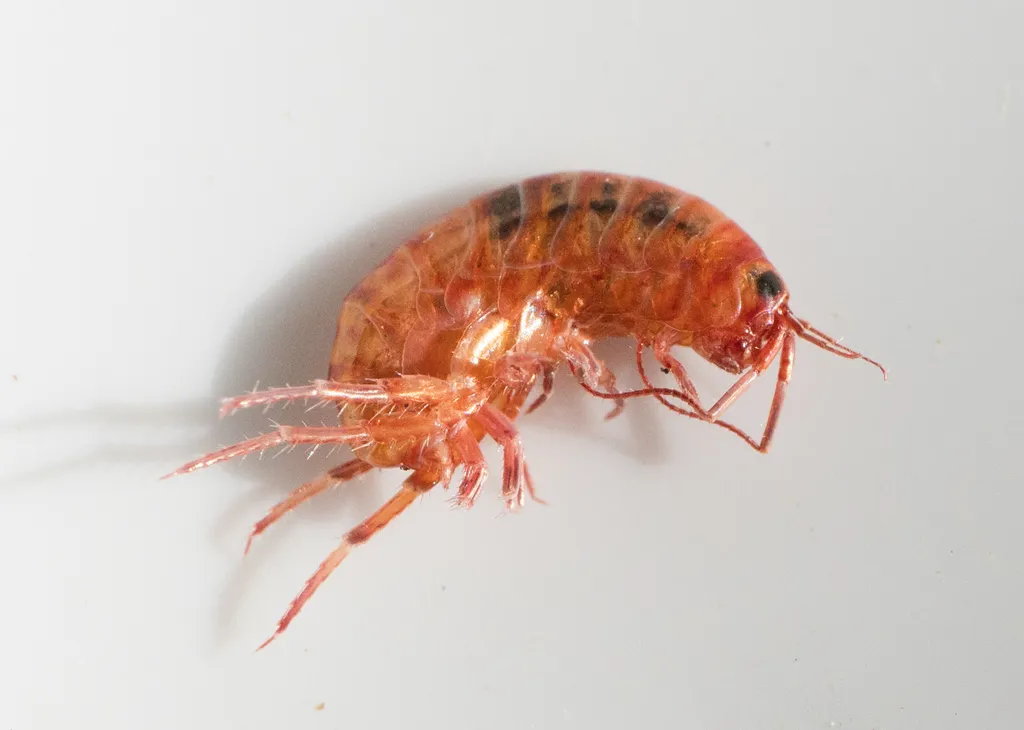
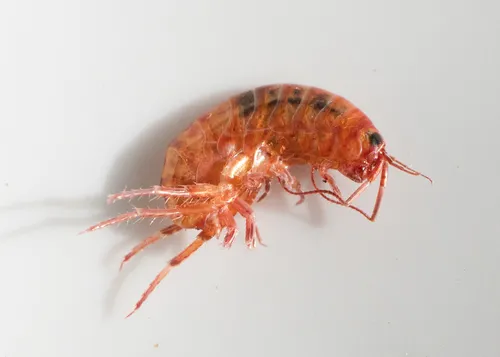
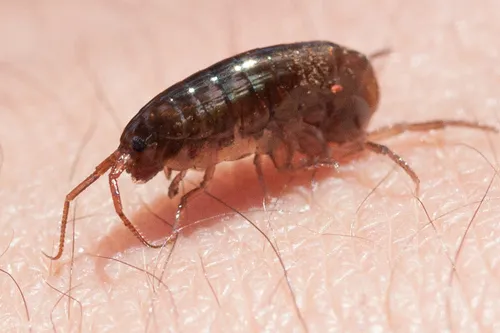
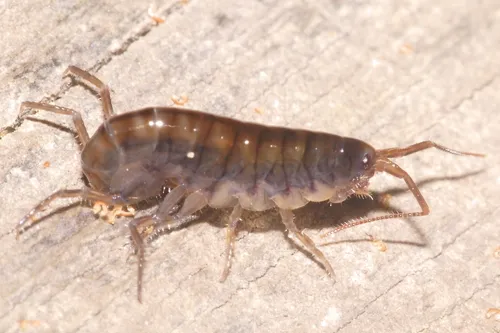
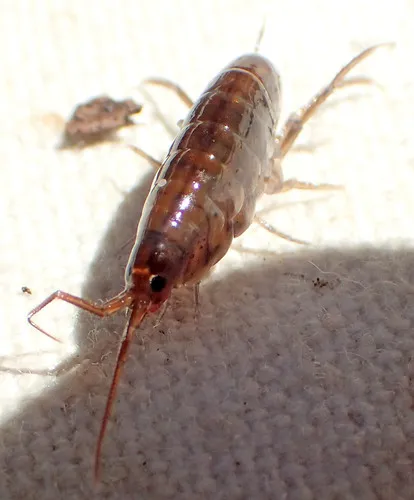
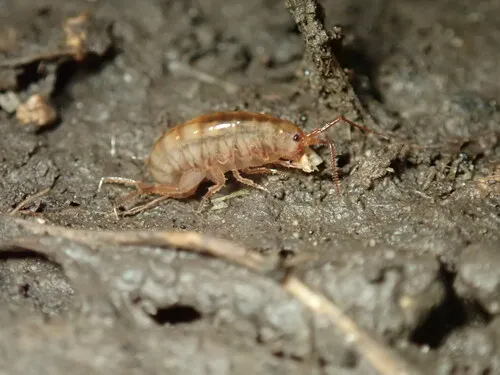
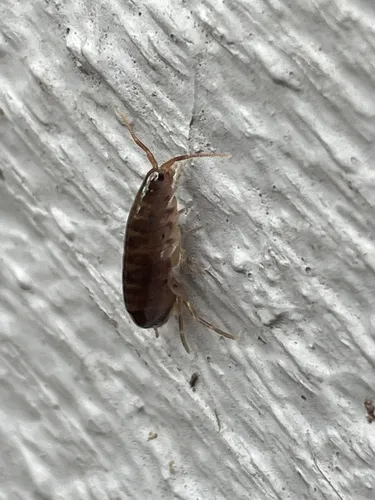
Photo credits: Contributed by Chuck Entz; Additional contributions by Beatriz Moisset
Frequently Asked Questions About Lawn Shrimp
What is Lawn Shrimp?
Lawn Shrimp (Arcitalitrus sylvaticus) is a species in the family Talitridae, within the order Amphipoda.
How big is Lawn Shrimp?
8 mm
How do you identify Lawn Shrimp?
Shrimp-like creatures with many legs that can hop like fleas. Springtails are much smaller and have only 3 pairs of legs
Where is Lawn Shrimp found?
| Feature | Details |
|---|---|
| Habitat | Moist soil and organic matter within 13 mm of the surface, often among ivy or other ground covers, mostly eucalyptus. Their exoskelton has no waxy coating to keep moisture in, so they can't survive dryness. They drown in water, though, so they need continuously moist, but not waterlogged conditions. |
| Range | Southeastern Australia (New South Wales and Victoria), as well as nearby areas of the Pacific, but introduced into New Zealand, the British Isles, Florida and California |
What does Lawn Shrimp eat?
The diet of the Lawn Shrimp includes Dead organic matter in the soil, especially eucalyptus..
When is Lawn Shrimp active?
Lawn Shrimp: seasonal activity - Year-round, but most visible when weather is either too dry (they leave their habitat search of moisture) or too wet (they leave flooded soil to keep from drowning)..
What is the life cycle of a Lawn Shrimp?
The female lays her eggs after mating in a pouch on the underside of her body. The babies are like smaller versions of the adults, and leave the pouch soon after hatching.