
Peck's Cave Amphipod
Stygobromus pecki
This record describes Stygobromus pecki (species). Recorded family: Crangonyctidae. Recorded order: Amphipoda.
Identification and Appearance
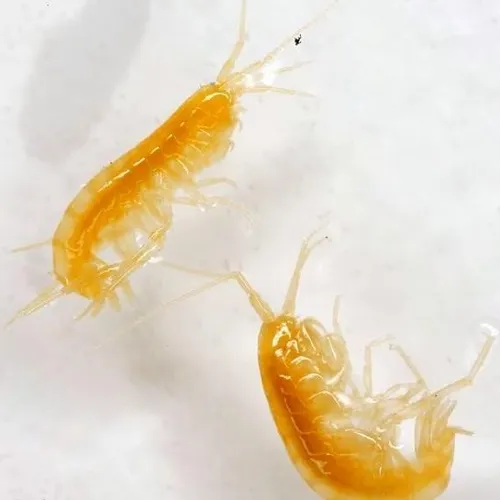
Stygobromus pecki is a rare species of crustacean known by the common name Peck's cave amphipod. It is endemic to Texas in the United States, where lives in only two springs in Comal County. It is a federally listed endangered species of the United States, and is listed as Endangered on the IUCN Red List.
Wikipedia reference for Stygobromus pecki: https://en.wikipedia.org/wiki/Stygobromus pecki.
Classification
- Kingdom
- Animalia
- Phylum
- Arthropoda
- Class
- Malacostraca
- Order
- Amphipoda (Amphipods)
- Suborder
- Senticaudata
- Family
- Crangonyctidae
- Genus
- Stygobromus
Imported taxonomy record. Source availability varies; see the source references and editorial policy below.
Habitat and Range
Habitat
Peck's cave amphipod is a subterranean, aquatic crustacean. Like all members of the exclusively subterranean genus Stygobromus , this species is eyeless and unpigmented, indicating that its primary habitat is a zone of permanent darkness in the underground aquifer feeding the springs. Above ground, individuals are easy prey for predators, but they usually take shelter in the rock and gravel crevices and may succeed in reentering the spring orifice. Barr (1993) got most specimens in drift nets at spring orifices and found them less often as she moved downstream, supporting the notion that they may be easy prey and do not likely survive for long outside the aquifer.
Geographic Range
endemic to Comal Springs and Hueco Springs, both in Comal Co., TX - Map
Additional species information
Species notes from the sources
Etymology: The first recorded specimen of the amphipod Stygobromus (= Stygonectes ) pecki (Holsinger 1967) was collected by Peck at Comal Springs in June 1964. Reddell collected a second specimen at the same place in May 1965. In 1967, Holsinger named the species Stygonectes pecki , in Peck's honor, selecting the 1965 specimen as the type specimen. Later he included all the nominal Stygonectes species in the synonymy of the large genus Stygobromus . The FWS Service used "cave amphipod" as a generic common name for members of this genus, and this name was simply transliterated as "Peck's cave amphipod" without reference to a particular cave.
About Amphipods: the wider group
Order-level background for Amphipoda, the group containing Stygobromus pecki. Species-specific details appear above.
Group overview
Amphipoda includes ~10,000 described species of scuds, sand hoppers, and whale lice. While mostly aquatic, some species like sand hoppers (Talitrus saltator) are fully terrestrial, living on beaches above the tide line.
Ecological role of the group
Amphipods are critical detritivores in aquatic ecosystems, shredding leaf litter and recycling nutrients. Deep-sea amphipods have been found at the bottom of the Mariana Trench (10,994m), making them among the deepest-living animals on Earth.
Economic and practical significance of the group
Amphipods are standard test organisms in aquatic toxicology - Hyalella azteca is the EPA's primary freshwater sediment toxicity test species. They are also important food for fish in both freshwater and marine ecosystems.
Recorded sources for this group: EPA ecotoxicology, deep-sea biology, marine research. Imported estimates may describe particular regions or reporting periods.
Photos of Peck's Cave Amphipod (9)
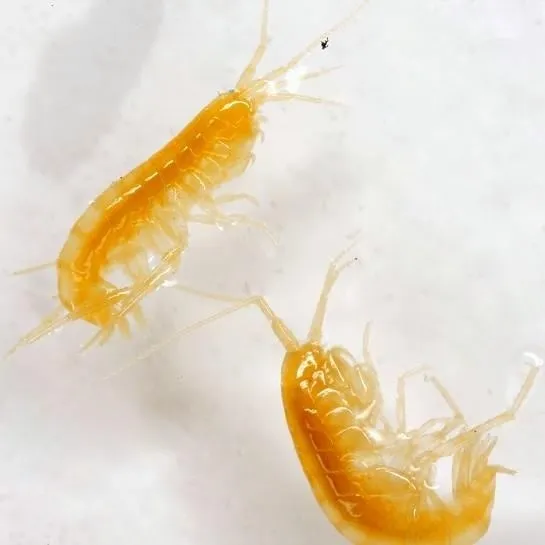
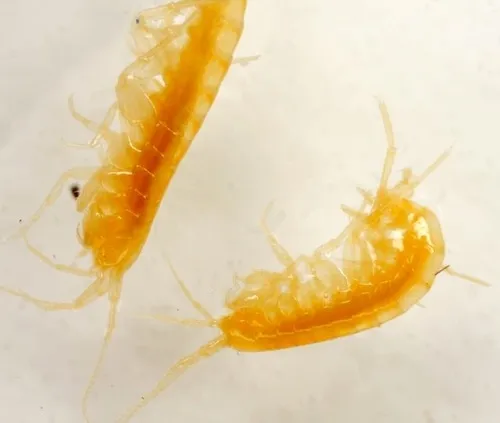
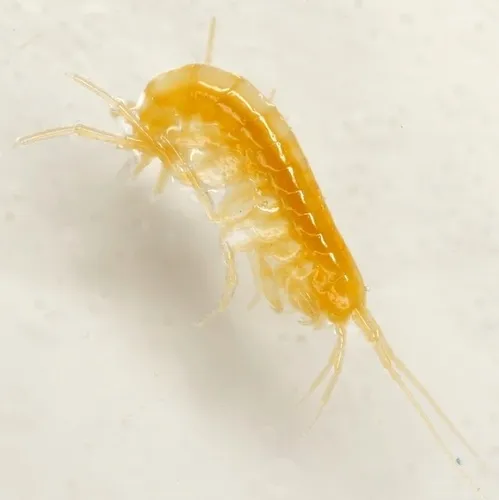
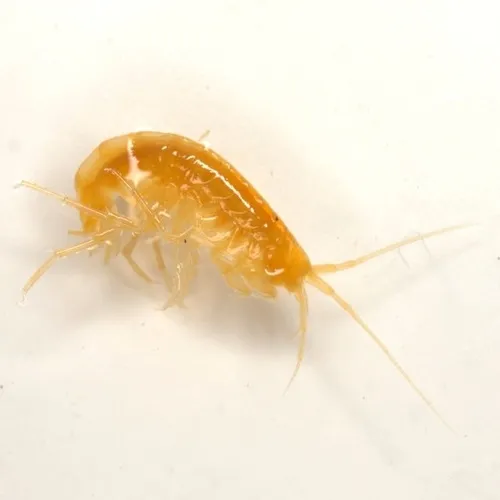
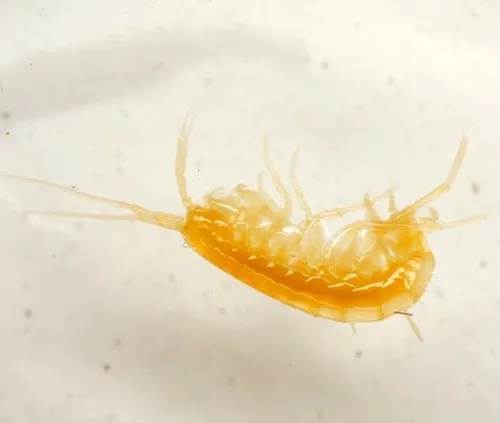
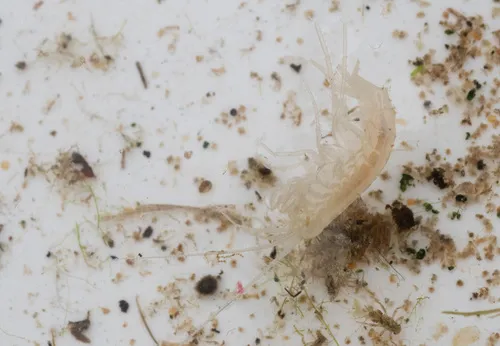
Photo credits: Contributed by Mike Quinn