
Family Plant Bugs (Miridae)
Miridae is a family in the order Hemiptera. Browse 969 named species recorded in this family, or open an individual profile for its available identification and natural-history information.
Species in Miridae (969)

Plagiognathus punctatipes
Plagiognathus punctatipes
Identification: Recognized by the generally castaneous coloration, ovoid body, neatly arranged, recumbent, golden, shining vestiture of dorsum, pale antennal segment 2 except at extreme base, femora mostly pale with some dark blotches, and tibiae pal
Plagiognathus reinhardi 0
Plagiognathus reinhardi
Identification: "This small red species, which breeds on Crataegus spp. in the southern United States, has been placed in Plagiognathus on the basis of superficial appearance. Several features mitigate against such placement, however. Notable among t
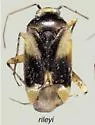
Plagiognathus rileyi
Plagiognathus rileyi
Identification: Recognized by the chocolate brown coloration of part or most of the dorsum, the yellowish costal vein (fig. 12), antennal segment 2 pale except at extreme base (fig. 18), the legs yellow with some dark blotches - Fig. 12 - Fig. 18 Det
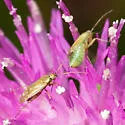
Plagiognathus salicicola
Plagiognathus salicicola
Identification: Recognized by the pale orange or light-brown background coloration of the dorsum, often with darker longitudinal markings on the hemelytra, antennal segment 2 mostly pale with a dark base, elongate ovoid body, and the calli darkened a
Plagiognathus schaffneri 0
Plagiognathus schaffneri
Identification: Recognized by the ovoid body of generally castaneous coloration (fig. 12), recumbent, golden, shining vestiture on the pronotum and anterior half of hemelytra with dark setae posteriorly, antennal segments 1 and 2 entirely dark (fig.
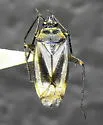
Plagiognathus shoshonea
Plagiognathus shoshonea
Identification: per : Coloration similar to that of lineatus and moerens ; distinguished from moerens by the dull dorsum and the shining, weakly woolly vestiture rather than black bristles; most easily separated from lineatus by the much larger size
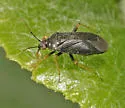
Plagiognathus syrticolae
Plagiognathus syrticolae
Identification: Recognized by the suberect, silvery, shining vestiture of dorsum appearing somewhat bristly, the small eyes , the transversely rugose pronotum , A2 mostly pale to weakly infuscate except at extreme base and only slightly longer than t
Plagiognathus texanus 0
Plagiognathus texanus
Identification: Recognized by the moderate size and generally shining black coloration of the dorsum (fig. 13), the black coxae and femora with the distal one-fourth of the femora white, antennae entirely dark (fig. 19) Type Locality: TEXAS: Wood Co.
Plagiognathus tinctus
Plagiognathus tinctus
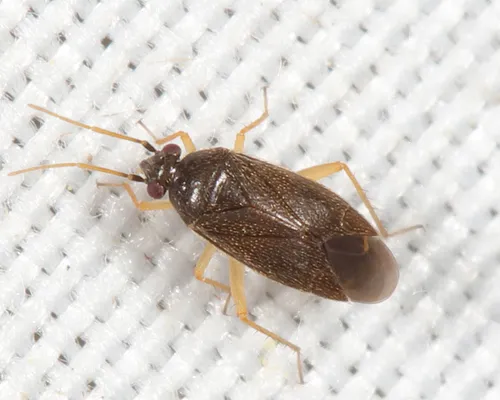
Identification: dark A1 (fig. 19), like albatus , but scutellum unicolorous dark - Fig. 19 - Fig. 13 (part) Recognized, in common with maculipennis and albatus , by mostly pale antennal segment 2 (fig. 19), generally pale costal vein on hemelytra, an
Plagiognathus tsugae
Plagiognathus tsugae
Identification: Recognized by the very small size, entirely castaneous coloration of the body, and pale legs. Most similar in general appearance and structure of the male genitalia to suffuscipennis and tumidifrons . Easily separated from suffuscipen
Plagiognathus verticalis
Plagiognathus verticalis
Identification: Recognized by medium to moderately large body size, the uneven brownish coloration of the dorsum with some lighter, diffuse, mostly longitudinal markings, the tumid frons with dark transverse striae, the brown calli, and the black, su
Platycranus bicolor
Platycranus bicolor
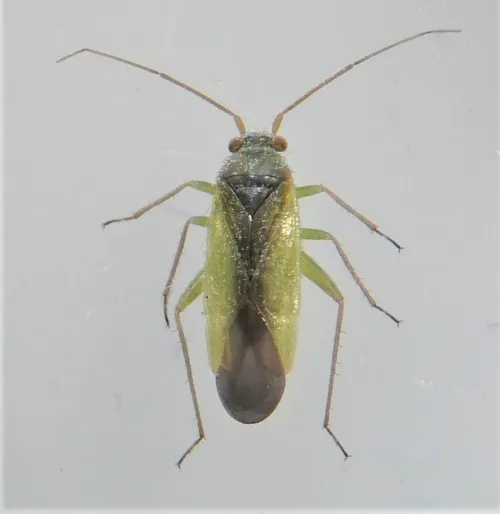
Length about 4 mm. Although similar to other green mirid bugs (e.g. Orthotylus sp.), this bug is the only one to occur on gorse in late summer. The upper surface is covered in scale-like pale hairs and the clavus is darkened in males. The vertex is r
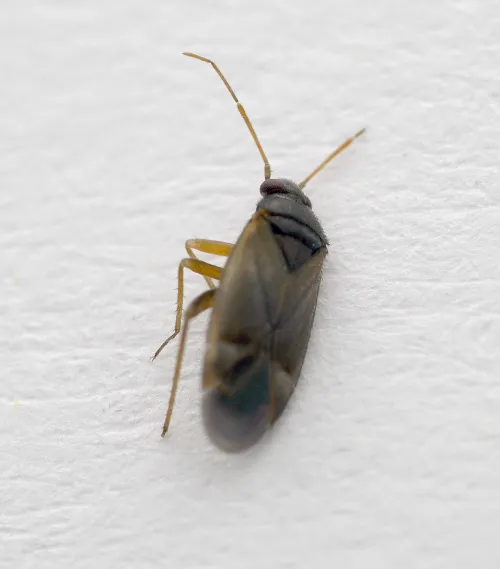
Plesiodema pinetella
Plesiodema pinetella
A small (length around 3 mm) dark bug which lacks pale hairs on the upper surface. The foreparts are often darker than the corium and the base of the cuneus is pale. The tibial spines are shorter than the width of the tibiae and are not set in black
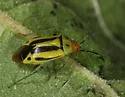
Poecilocapsus nigriger
Poecilocapsus nigriger
Identification: Note by J.T. Botz: Van Duzee wrote of P. nigriger in supposed contrast to P. lineatus : "...The cuneus has a large central black spot." I don't see a consistent difference in the size of the cuneal spot in BG entries of P. lineatus ve
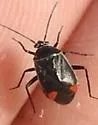
Polymerus americanus
Polymerus americanus
Identification: "[Adults] differ from those of similarly colored species of Polymerus by having three pale, triangular marks at the base of the vertex, the markings typically equal in length... The base, apex, and lateral margins of the pronotum are
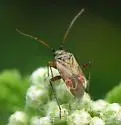
Polymerus basalis
Polymerus basalis
Identification: It varies with more or less extended and obscure or almost obsolete brown markings. Type Locality: Texas ( Belfarge )
Polymerus fasciolus
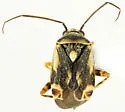
Polymerus fasciolus
Identification: "Allied to elegans Reut., but size smaller, rostrum and antennal segments shorter, apical half of femora banded with blackish." Knight goes on to describe the distinctive color pattern in great detail.
Polymerus gerhardi
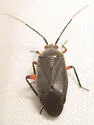
Polymerus gerhardi
Identification: All black dorsum with white pubescence; coxae and femora orangish; tibia and tarsi black; tibia thick; rostrum very short, not exceeding front coxae
Polymerus nigrita
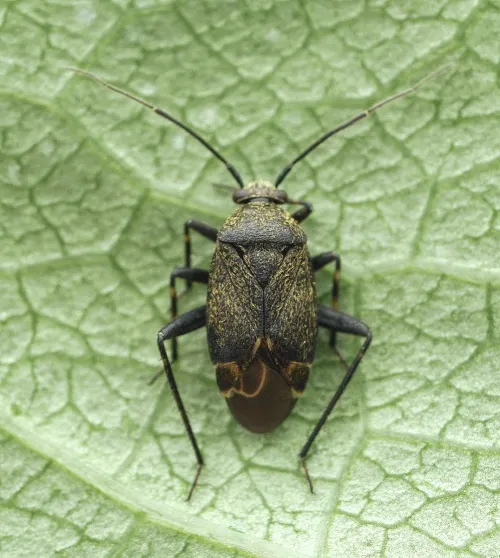
Polymerus nigrita
Length 4.5 mm. Polymerus species are medium-sized bugs which are predominantly black or black and yellow in colour. The upper surface is covered in scale-like golden or silver hairs and the tibiae bear strong black spines. This species can be identif
Polymerus unifasciatus
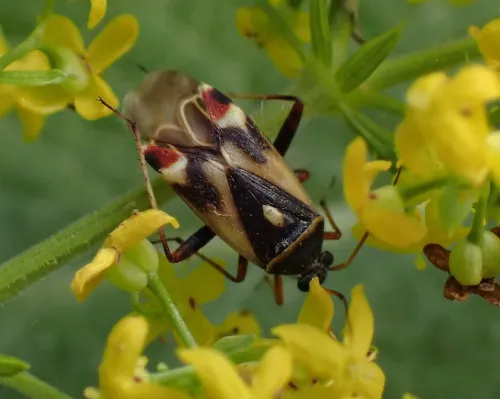
Polymerus unifasciatus
Length c. 6 mm. The upper surface is covered in scale-like golden or silver hairs and the tibiae have black spines; pronotum is mostly black, with the rear margin narrowly yellow. The corium is pale yellow and black, with a large paler area between t
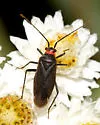
Prepops borealis
Prepops borealis
Identification: P. nigripilus was described with the scutellum yellow.
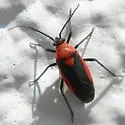
Prepops circumcinctus
Prepops circumcinctus
Identification: Antennae fuscous, first two joints and basal half of third reddish-yellow; abdomen without rows of dark spots. Description
Prepops diminutus 0
Prepops diminutus
Type Locality: Novo Mexico, Otero Co., Monumento Nacional de “White Sands”, altitude 4,100 pes, 20.VIII.1970, J. R. & M. N. Sweet; NMNH. ( 3 ) 9 female paratypes
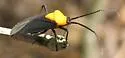
Prepops insitivus
Prepops insitivus
Identification: Adult: head small, black, shorter than wide; body elliptical and all black except bright yellow pronotum and scutellum; legs and antennae black; antennae long and tapered
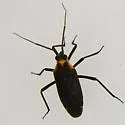
Prepops maldonadoi
Prepops maldonadoi
Identification: easily recognized by its entirely black coloration, with orange collar and lateral edges on the pronotum. (Dusoulier, et al. 2025) Det. WonGun Kim, 2026 Type Locality: 12 milhas sudoeste, Provincia La Vega, Republica Dominicana, 8.VII
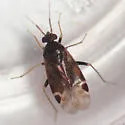
Psallovius piceicola
Psallovius piceicola
Identification: A2 0.58‒0.76 mm • A2:head width = 1.00‒1.18 • all femora dark brown to black, except for pale apices
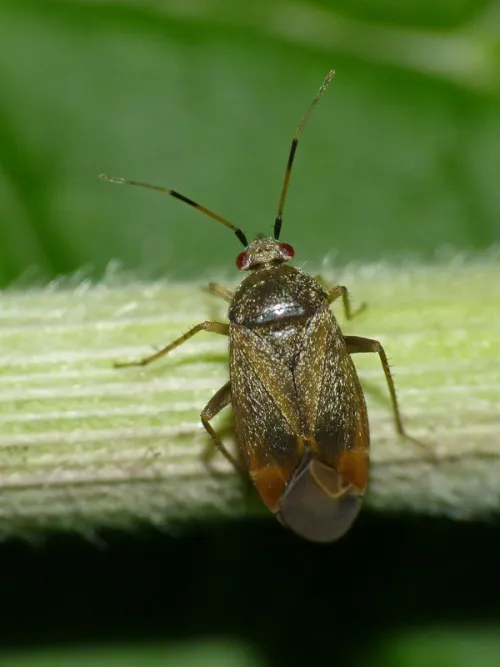
Psallus ambiguus
Psallus ambiguus
Length about 4 to 5 mm. The Psallus group includes many small bugs (< 6 mm) which are often mottled red, grey or dark brown. The pronotum and forewings are covered in scale like pale hairs and the tibial spines arise from black spots. Species identif
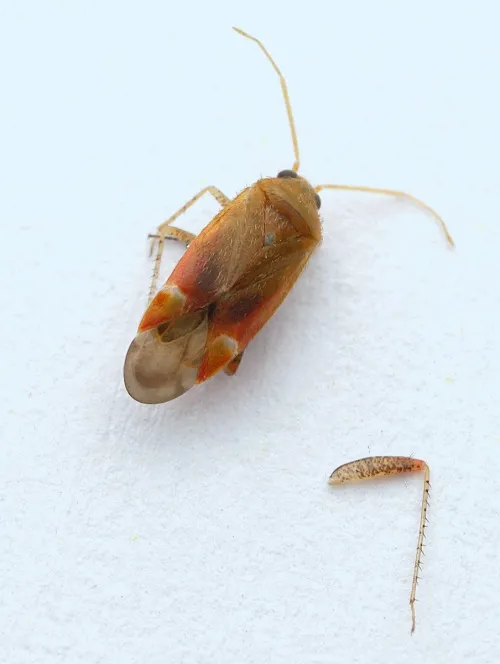
Psallus confusus
Psallus confusus
Length about 4 mm. Mottled red, but often visually indistinguishable from several other similarly coloured Psallus spp. The pronotum and forewings are covered in scale like pale hairs and the tibial spines arise from black spots. Other Psallus specie
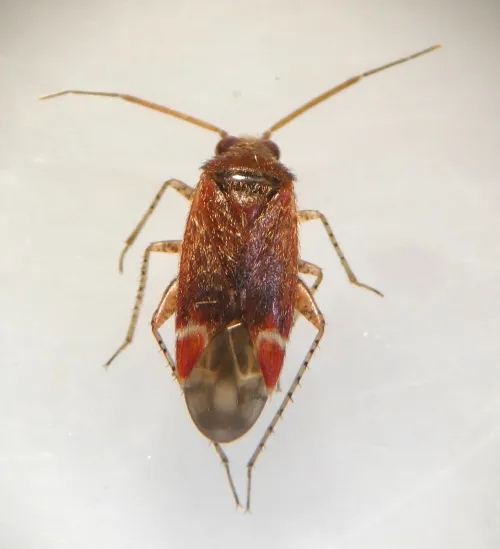
Psallus falleni
Psallus falleni
Length 4 mm. The Psallus group includes many small bugs up to 6 mm, which are often mottled red, grey or dark brown. The pronotum and forewings are covered in scale like pale hairs and the tibial spines arise from black spots. Species identification
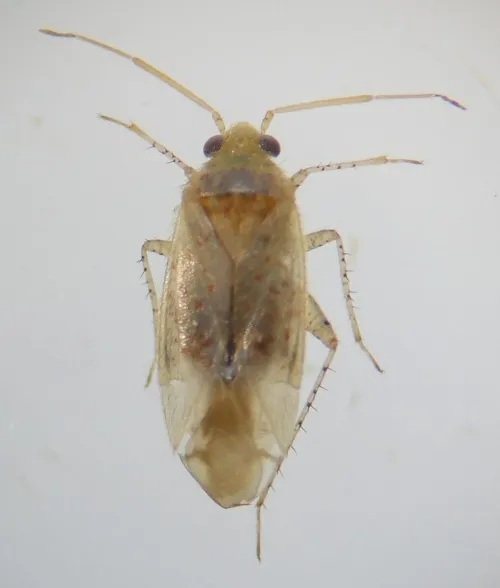
Psallus haematodes
Psallus haematodes
Length ~4mm. Very variable in colour. The cuneus is always entirely white, and the ground colour is pale and usually flecked with red or red-brown. Sometimes the upper surface is completely rose-coloured, and unspotted pale-green forms also exist. Wi
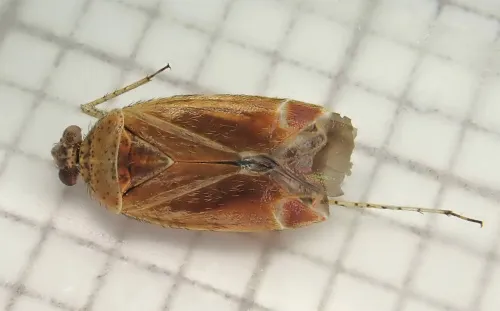
Psallus lucanicus
Psallus lucanicus
A reddish, elongate bug. Head and pronotum yellow-orange with characteristic well-defined small brown spots, pronotum and scutellum with yellowish middle line. First antennal segment yellowish, brown basally with two bristle-like setae arising from w
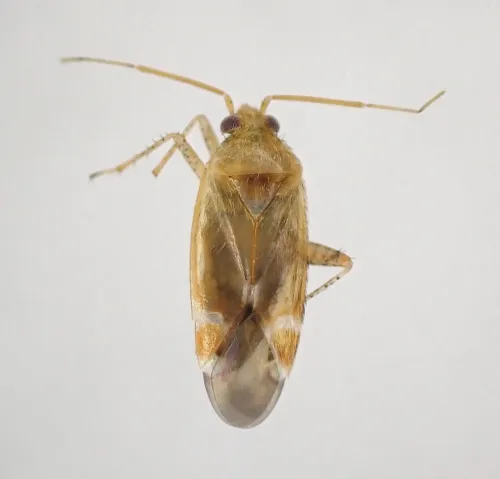
Psallus mollis
Psallus mollis
Length about 4 mm. Mottled red, indistinguishable from several other similarly coloured Psallus spp. The pronotum and forewings are covered in scale like pale hairs and the tibial spines arise from black spots. Species identification of Psallus based
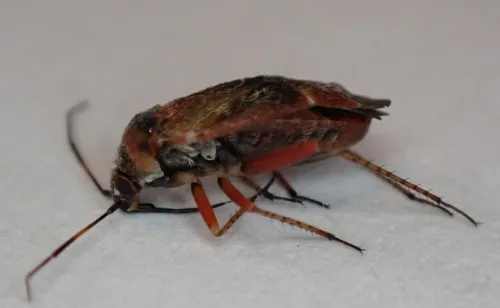
Psallus montanus
Psallus montanus
Length ~5mm. Females have deep blood red coloration and red femorae. Males are dark or reddish and indistinguishable from P. betuleti , with which this species was confused until very recently. Dissection of male specimen required to confirm ID, plea
Psallus perrisi
Psallus perrisi
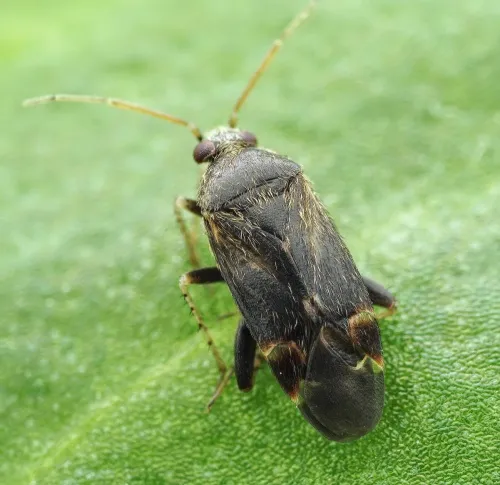
4 mm long. Dark brown-black, males are darker than females. The upper surface is covered with golden hairs and the femora are dark. Species level identification of Psallus based on external features is difficult and frequently impossible, especially
Psallus varians
Psallus varians
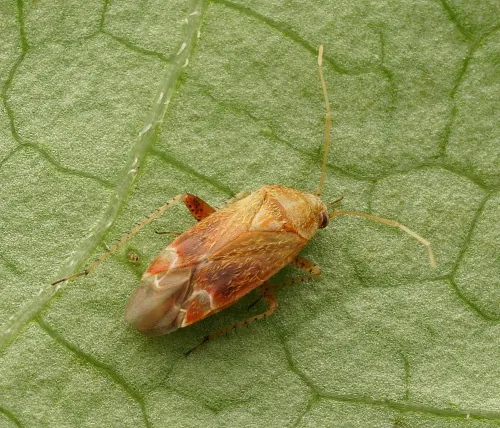
Length about 4 mm. The Psallus group includes many small bugs (< 6 mm) which are often mottled red, grey or dark brown. The pronotum and forewings are covered in scale like pale hairs and the tibial spines arise from black spots. Species identificati
Psallus wagneri
Psallus wagneri
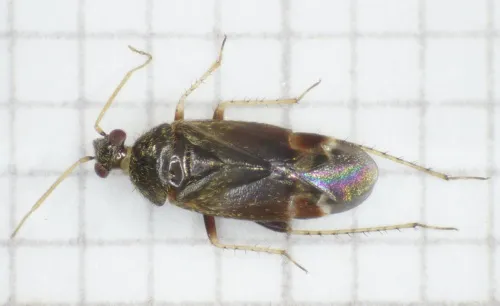
4 mm long. Dark brown-black, males are darker than females. The upper surface is covered with golden hairs and the femora are dark. Species level identification of Psallus based on external features is difficult and frequently impossible, especially
Cotton Fleahopper
Pseudatomoscelis seriatus
Identification: Dark spots on the pale green dorsum and on A2 Type Locality: Texas ( Belfarge )
Pseudoloxops coccineus
Pseudoloxops coccineus
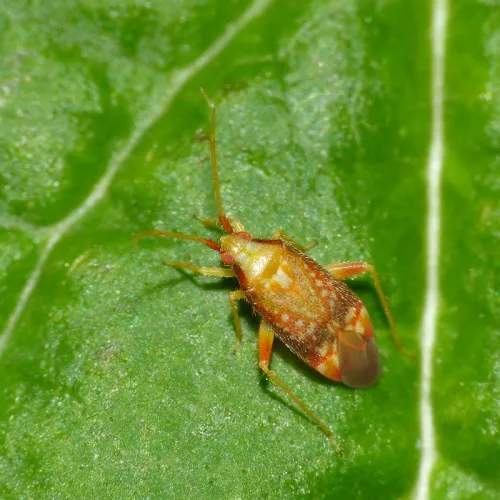
Length 4.5 mm. This species is distinctively coloured and the forewings are mottled orange and red. The 1st antennal segment is red and covered in dark hairs. The wing membrane veins and the sides of the pronotum are also marked with red. Detailed ex
Pseudopsallus atriseta
Pseudopsallus atriseta
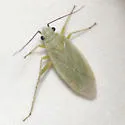
Identification: recognized by the subquadrate head with frons strongly protruding and rounded; hemelytra without, or with only a few, dark bristle-like setae mostly on apical halfofcorium; second antennal segment dark yellowish brown to nearly black;
Pseudopsallus puberus
Pseudopsallus puberus
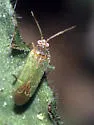
Identification: Recognized by the strongly protruding angulate claw base; dorsal vestiture with broad scale-like setae; pronotum with brown or orange brown cast; and males with two basally confluent ribbon-like left tergal processes. Female macropter
Pseudopsallus stitti
Pseudopsallus stitti
Pseudopsallus stitti (Pseudopsallus stitti) is a species in the family Miridae, commonly known as plant bugs, belonging to the order Hemiptera (True Bugs, Cicadas, Hoppers, Aphids and Allies). It is classified within the subfamily Orthotylinae, tribe
Pseudopsallus viridicans
Pseudopsallus viridicans
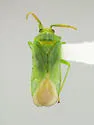
Identification: Smaller than most in the genus; "green or yellowish green cast on pronotal disk; strongly curved tarsal claw with large, angulate base; males with three tergal processes [on the genital capsule]. Female macropterous." The large, angul
Pseudothenicus rubropunctatus
Pseudothenicus rubropunctatus
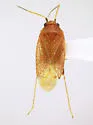
Identification: Superficially similar to red-speckled species of Parthenicus , but with only simple setae on dorsum, a weak basal carina on the head, and distinctively forked parameres. The left paramere is C-shaped and apically bifid, and the right
Pseudoxenetus regalis
Pseudoxenetus regalis
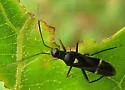
Identification: Adult: slender black ant mimic with two main color forms: form "regalis" (more common from North Carolina southward) usually has reddish-orange pronotum and white scutellum; form "scutellatus" (more common from North Carolina northwar
Pycnoderes medius
Pycnoderes medius
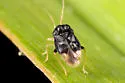
Identification: 1) Small size (< 3mm); 2) Pronotal disk bilobed by a median sulcus; 3) Embolium with distinct pale spot only at base; 4) Scutellum convex; 5) Mesoscutum not exposed; and 6) Membrane and veins distinctly fuscous . Type Locality: MO.
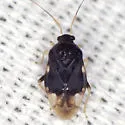
Pycnoderes quadrimaculatus
Pycnoderes quadrimaculatus
Identification: Det. T. J. Henry, 2012 Type Locality: Cuba
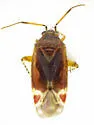
Quernocoris caliginosus
Quernocoris caliginosus
Identification: From Weirauch, omitting figure references: "Recognized by the moderate size, reddish to chocolate-brown coloration in the male, the pronotum mottled with dark spots, [and form of the male genitalia]. Distinguished from the similarly s
Ranzovius californicus
Ranzovius californicus
Identification: Strongly swollen antennal segment 2
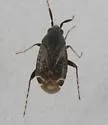
Ranzovius clavicornis
Ranzovius clavicornis
Identification: 1) A2 ≤ (vertex width) + (single eye); and 2) Apex of embolium and base of cuneus with a wide, white, lunate mark, often reaching from outer margin to membrane. uncommon (BG data)
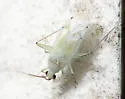
Reuteria bifurcata
Reuteria bifurcata
Identification: no large green dorsal blotches, membrane veins pale
Reuteria fuscicornis
Reuteria fuscicornis
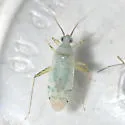
Identification: A2 with a broad fuscous to black area occupying basal half to three-fourths of segment
Reuteria querci
Reuteria querci
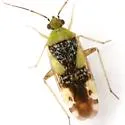
Identification: Broad fuscous area at the base of A2 Type Locality: Minn.
Reuteroscopus basicornis
Reuteroscopus basicornis
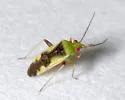
Identification: "Distinguished from other species by the black first antennal segment, segment II dusky, black only on base and apex."
Reuteroscopus femoralis
Reuteroscopus femoralis
Identification: Hind femora with at least a patch of reddish coloration near the apex, sometimes more extensively reddened. also most individuals have prominent red eyes (MAQ, pers. obs.) Det. Jason Botz, 2021 mostly recorded at UV lights
Reuteroscopus nicholi
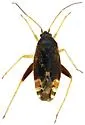
Reuteroscopus nicholi
Identification: "Uniformly dark brown to black in colour with a reddish tinge to the cuneus. The abdomen and hind femora are also dark brown." Pale A2 Type Locality: AZ
Reuteroscopus ornatus
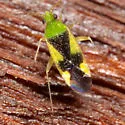
Reuteroscopus ornatus
Identification: See also Fig. 90, pg 258 of Henry & Froeschner Type Locality: Texas ( Belfarge )
Reuteroscopus tinctipennis
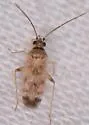
Reuteroscopus tinctipennis
Identification: "Distinguished by the long rostrum, testaceous color with black calli, roseate red on cuneus and more or less on basal half of corium."
Striped Oak Bug
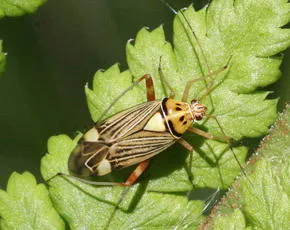
Rhabdomiris striatellus
Length 7 to 8 mm. This is a very striking bug. The females are usually paler then males. Miris striatus is larger and more elongate, with a completely yellow/orange cuneus and an entirely dark head. Overwintered eggs hatch in April, the larvae feedin
Rhinacloa callicrates
Rhinacloa callicrates
Identification: head and body pale brownish yellow; hemelytra straw yellow, mostly translucent, embolium and cuneus opaque; membrane uniformly pale fuscous, veins yellowish. Legs pale yellow, hind femora with scattered black spots on ventral surface;
Rhinacloa manleyi
Rhinacloa manleyi
Identification: Recognized by the orangish coloration, the long, slender black second antennal segment, the dorsum devoid of scalelike setae, and the structure of the male genitalia. Dorsum without flattened sericeous setae, highly polished and shini
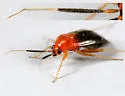
Rhinocapsus rubricans
Rhinocapsus rubricans
Identification: Clypeus partly red, jugum and lorum red; A2 uniformly reddish brown or black; femora without spots.
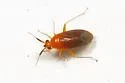
Azalea Plant Bug
Rhinocapsus vanduzeei
Identification: Clypeus, jugum, and lorum black; A2 pale on basal half, black on apical half; femora spotted with black.
Roburocoris exiguus
Roburocoris exiguus
Identification: Smaller than the other two species in the genus. Apical area of corium suffused with red, in addition to the reddish or brownish spots.
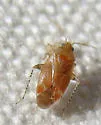
Rubeospineus bicorniger
Rubeospineus bicorniger
Identification: "Distinguished from R. truncatus and R. yosemite [by characters of the vesica and] also by the more contrasting reddish-orange and whitish color pattern, with the posterior pronotal lobe [and scutellum] usually largely whitish."
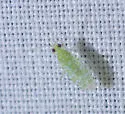
Saileria bella
Saileria bella
Identification: Per Jason Botz, "The quadrate (squarish) green spots on the hemelytra separate this from the two other US species."
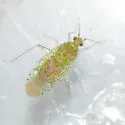
Saileria irrorata
Saileria irrorata
Identification: can be distinguished from all other species of Saileria by the black setae on the 1st antennal segment, the longer 2nd antennal segment and rostrum, and the black spines on the middle and hind tibiae. Type Locality: Indiana
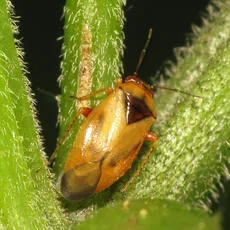
Salicarus roseri
Salicarus roseri
A very variable species found on willows, ranging from yellowish to orange to dark-brown, often with a darker marking on the corium creating a U shape. Tibial spines arise from small black spots, and the femora are usually reddish. The antennae are s
Sericophanes ocellatus 0
Sericophanes ocellatus
Identification: Knight (New and Noteworthy Forms of North American Miridae (Hemip.), 1917) says of the types: "Length to tip of membrane, 2.6 mm.; length of pronotum .43 mm., width at base .71 mm., apex .37 mm.; head, width across the eyes .6o mm., w
Sixeonotus albicornis 0
Sixeonotus albicornis
Identification: 1) Cuneus and embolium black; and 2) Antennae and legs wholly milky-white, tarsal claws alone darker.
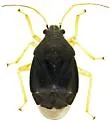
Sixeonotus dextratus
Sixeonotus dextratus
Identification: "Suggestive of insignis Reut. in the pale legs and antennae, but distinguished by the remarkable development of the male genitalia; left clasper very small while the right clasper is very thick and large, covered above by a large flap
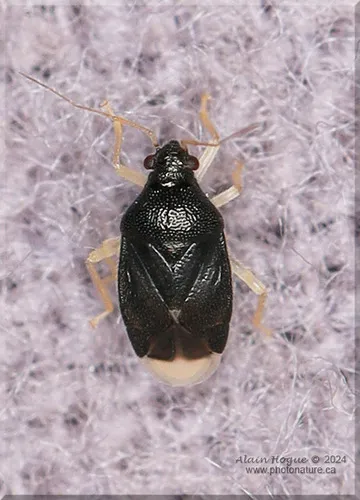
Sixeonotus insignis
Sixeonotus insignis
Identification: Antennae entirely pale; legs entirely pale with brownish areas on hind femora; membrane with basal half black Head, scutellum and under surface shining black with a tinge of bronze Sixeonotus albicornis should probably be treated as a
Sixeonotus tenebrosus
Sixeonotus tenebrosus
Identification: Femora wholly black; hemelytra with coarse, distinct brownish hairs; basal half or more of scutellum concealed
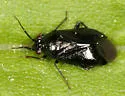
Slaterocoris atritibialis
Slaterocoris atritibialis
Identification: Distinguished from stygicus by its more arcuate hemelytra, black tibiae and the structure of the male genital claspers.
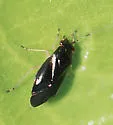
Slaterocoris pallipes
Slaterocoris pallipes
Identification: Differs from stygicus Say in the pale legs and the long finger-like spines at apex of the male right genital clasper.
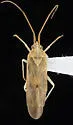
Squamocoris arizonae
Squamocoris arizonae
Identification: "Recognized by pale brownish yellow general coloration without dark markings, lateral margins of pronotal disk carinate, vestiture of dorsum with dark brown and silvery white scalelike setae, and structure of the male genitalia. Hemel
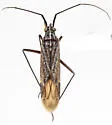
Squamocoris pallidinervus
Squamocoris pallidinervus
Identification: See description in Stonedahl & Schuh, 1986.
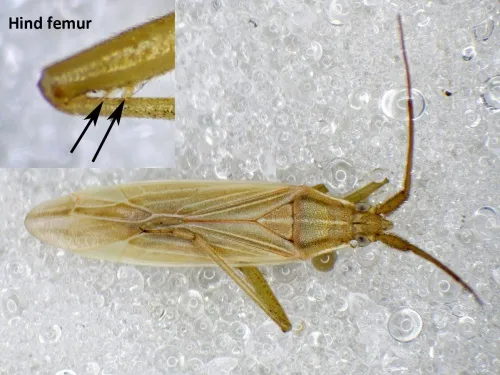
Stenodema calcarata
Stenodema calcarata
Length 7-8 mm. Stenodema species are elongate grass bugs with a longitudinal furrow between the eyes. The genus is best distinguished by the coarsely and densely pitted pronotum, although the two spurs on the hind femora of Stenodema calcarata make t
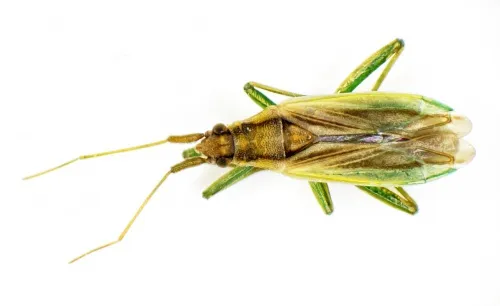
Grass Mirid Bug
Stenodema holsata
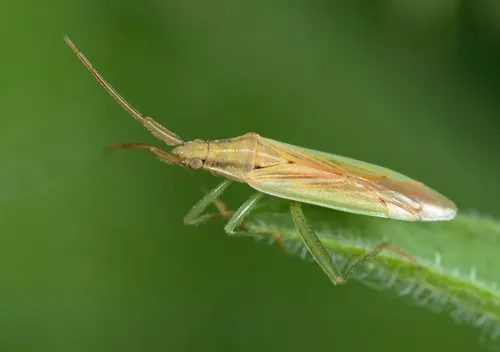
6 to 7 mm. Stenodema species are elongate grass bugs with a longitudinal furrow between the eyes. The genus is best distinguished by the coarsely and densely pitted pronotum. Very similar to S. laevigata, but has a much shorter, broader and more roun
Stenodema laevigata
Stenodema laevigata
Length 8-9 mm. Stenodema species are elongate grass bugs with a longitudinal furrow between the eyes. The genus is best distinguished by the coarsely and densely pitted pronotum, Stenodema laevigata is very similar to Stenodema calcarata and Stenodem
Stenodema pilosa
Stenodema pilosa
Identification: the three spines on the hind femur separate it from other congeners
Stenodema pilosipes
Stenodema pilosipes
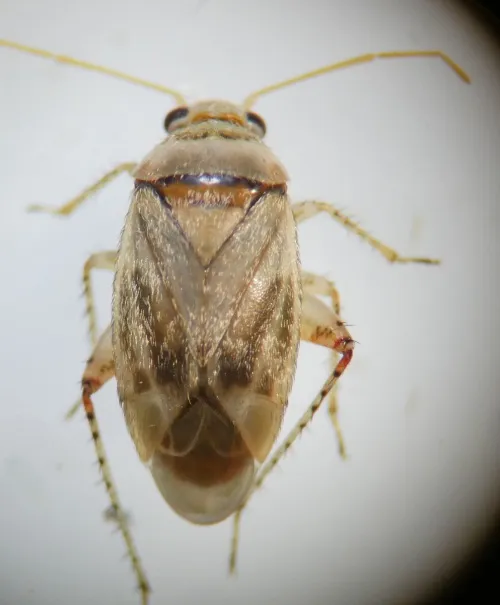
Identification: Hairy hind tibiae. Kelton described it was olive-green. But, it seems it does not match with the photos.
Sthenarus rotermundi
Sthenarus rotermundi
Length about 4 mm. This small whitish or grey-brown bug is well camouflaged on the leaves of grey and white poplar, the host-plants. The upper surface is covered in long pale hairs and the antennae are yellowish. The cuneus is usually at least partly
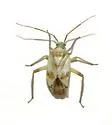
Taedia albifacies
Taedia albifacies
Identification: A1 ≥ (head width); ground color white, in part tinged with yellow, scutellum immaculate white, cuneus white with extreme apex black, tibiae without bands
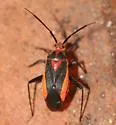
Taedia johnstoni
Taedia johnstoni
Identification: long antennal segment I and silvery white hair on the back Det. WonGun Kim, 2010 Type Locality: Texas
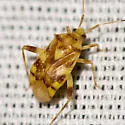
Taedia multisignata
Taedia multisignata
Identification: "Length of antennal segment II exceeding width of pronotum at base; ground color of the dorsum dark brown, mottled with several large yellow patches, one on apical half of scutellum, apex of clavus, middle of corium, apex of embolium
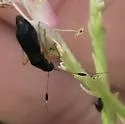
Teleorhinus tephrosicola
Teleorhinus tephrosicola
Teleorhinus tephrosicola (Teleorhinus tephrosicola) is a species in the family Miridae, commonly known as plant bugs, belonging to the order Hemiptera (True Bugs, Cicadas, Hoppers, Aphids and Allies). It is classified within the subfamily Phylinae, t
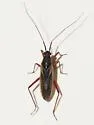
Teratocoris discolor
Teratocoris discolor
Identification: Hemelytra black along inner margins of clavus and corium
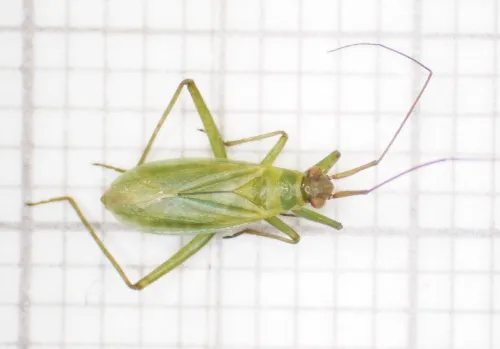
Teratocoris saundersi
Teratocoris saundersi
Teratocoris species are green bugs found in damp or wetland habitats. They have a transverse furrow between the eyes. Species identification is particularly difficult in females. The 1st antennal segment is usually mainly green and densely covered wi
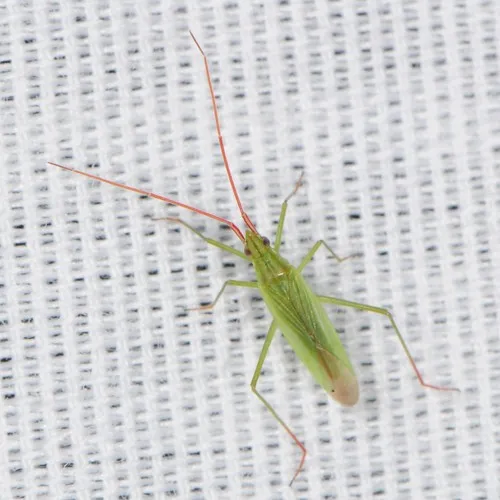
Trigonotylus caelestialium
Trigonotylus caelestialium
Length 5 to 6 mm. Trigonotylus species are elongate grass bugs which have a longitudinal furrow between the eyes and a smooth and unpunctured pronotum. The 1st antennal segment bears short spinose hairs and is not longer than the head. In T. caelesti
Trigonotylus confusus 0
Trigonotylus confusus
Identification: Similar in size and color to doddi (=brevipes) , but legs and first antennal longer and base of pronotum narrower. Type Locality: Described from Paincy Point and Bay Ridge, MD.
Trigonotylus pulcher
Trigonotylus pulcher
Identification: inner half of forewing has rosy pink shading; top of head and pronotum pale grayish-green with 3 dark red longitudinal stripes; legs light yellowish-green except for dark terminal tarsal segment Det. WonGun Kim, 2008 Type Locality: Te
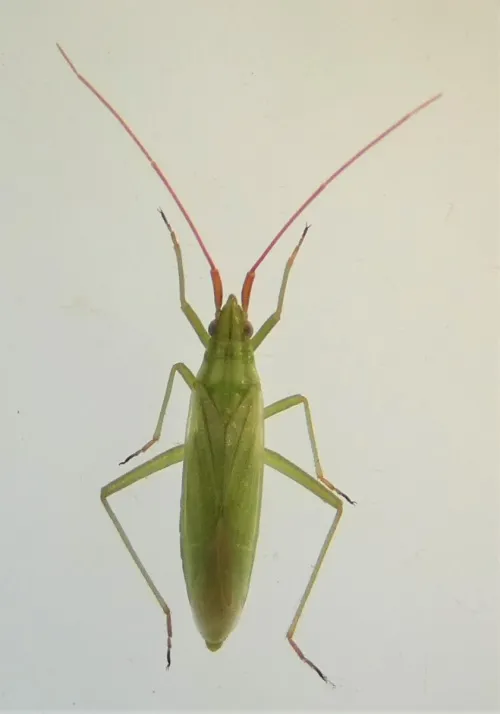
Trigonotylus ruficornis
Trigonotylus ruficornis
Length 5 to 6 mm. Trigonotylus species are elongate grass bugs which have a longitudinal furrow between the eyes and a smooth and unpunctured pronotum. The 1st antennal segment bears short spinose hairs and is not longer than the head. In T. ruficorn
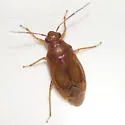
Tropidosteptes adustus
Tropidosteptes adustus
Identification: Tropidosteptes adustus superficially resembles rufusculus Knight but is considerably smaller and glabrous. In Froeschner adustus keys with amoenus Reuter but can be separated by the distinctly punctured frons , the fuscous spots on th
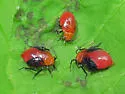
Tropidosteptes cardinalis
Tropidosteptes cardinalis
Identification: Det. Wongun Kim, 2011 at high risk of endangerment due to the EAB ( 4 )
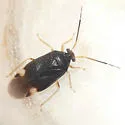
Tropidosteptes geminus
Tropidosteptes geminus
Identification: 1) Dorsum practically glabrous; 2) Dorsum uniformly black with cuneus pale, except apically, and membrane black; and 2) A1 pale.
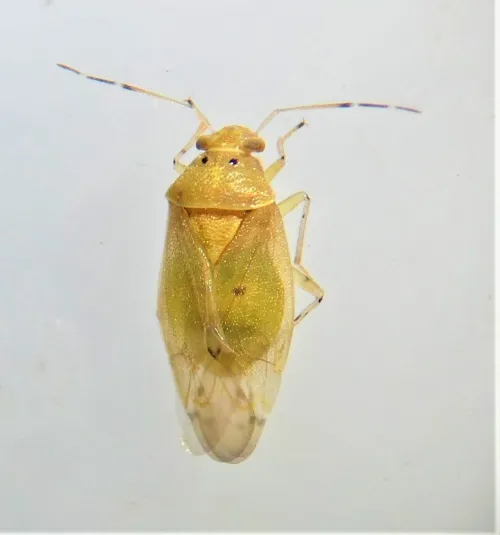
Tropidosteptes pacificus
Tropidosteptes pacificus
Length 4-5mm. Pale yellow/orange medium-sized bug, with two prominent black dots on the pronotum, a pale collar and pale posterior edge to the pronotum. The wings are nearly transparent. Males have darker antennae than the females. Provide good quali
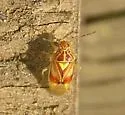
Tropidosteptes palmeri
Tropidosteptes palmeri
Identification: Blatchley's key 1) Upper surface glabrous; 2) A1 pale; 3) Corium with a reddish or blackish line beginning on outer margin of radius, curving inwardly and widened to cover the apical fourth of corium; and 4) membrane with a fuscous sp
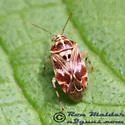
Oak Catkin Mirid
Tropidosteptes quercicola
Identification: Distinguished by the robust oval form, convex frons and scutellum, short rostrum, and coloration. (Johnston 1939) Det. M. A. Quinn, 2011 nymph Det. M. A. Quinn, 2024 Type Locality: College Station, Brazos Co., Texas, April 1, 1933 (H.
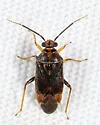
Tropidosteptes rufusculus
Tropidosteptes rufusculus
Identification: Genitalia illustrated in Kelton 1959 (Male genitalia as taxonomic characters in the Miridae (Hemiptera). Canadian Entomologist, suppl. 11: 72 pp.) Type Locality: NY
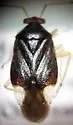
Tropidosteptes tricolor
Tropidosteptes tricolor
Identification: second antennal segment pale with apex fucous, front of head reddish to brownish