
Family Ground Beetles (Carabidae)
Carabidae is a family in the order Coleoptera. Browse 1,800 named species recorded in this family, or open an individual profile for its available identification and natural-history information.
Guides
Species in Carabidae (1,800)
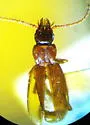
Platidiolus vandykei
Platidiolus vandykei
Identification: Color rufous, head darker; eyes small, genae long, 3rd elytral interval with 3 punctures (Lindroth 1961)
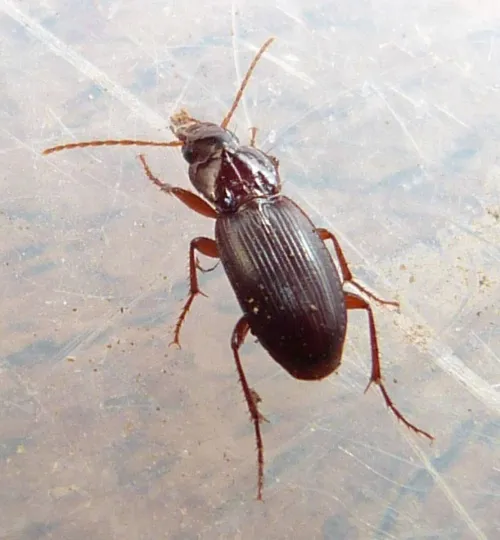
Platyderus depressus
Platyderus depressus
Length 5.5 to 8 mm. A narrow and elongate ground beetle, it is dorsally flat and varies in colour from a very dark red/brown to light red brown. Mainly from coastal regions and other dry or sandy areas. Occurs throughout England south of a line betwe
Platynus angustatus
Platynus angustatus
Platynus angustatus (Platynus angustatus) is a species in the family Carabidae, commonly known as ground beetles, belonging to the order Coleoptera (Beetles). It is classified within the subfamily Harpalinae, tribe Platynini, suborder Adephaga. This
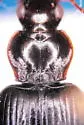
Platynus brunneomarginatus
Platynus brunneomarginatus
Identification: A western sp. with pronotal base smooth (non-punctate) and bordered by sharp rectangular hind angles
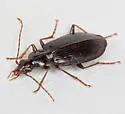
Platynus cincticollis
Platynus cincticollis
Identification: Differs most noticeably from P. tenuicollis by having two red spots on the head and a proportionately broader pronotum - Curt Harden via ID of the following. See Attracted to lights ( 3 )
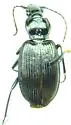
Platynus decentis
Platynus decentis
Identification: Larger size compared to similar genus Agonum, convex elytral intervals, sharp pronotal hind angles, dark legs.
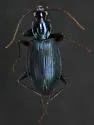
Platynus falli
Platynus falli
"Whitehead (1973: 196) stated that adults of this form are possibly conspecific with those of P. segregatus (Bates), a species known from the states of Michoacán, Colima, Morelos, Guerrero, and Oaxaca."
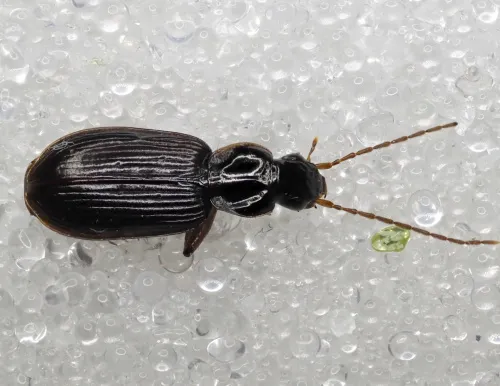
Platynus livens
Platynus livens
7-10mm. Dark (black or dark brown) but often with two dull red spots between the eyes. Antennae and legs are brown. Along with Agonum species it has a toothed mentum (the plate beneath the head). It has a transverse groove at the rear of the head. Si
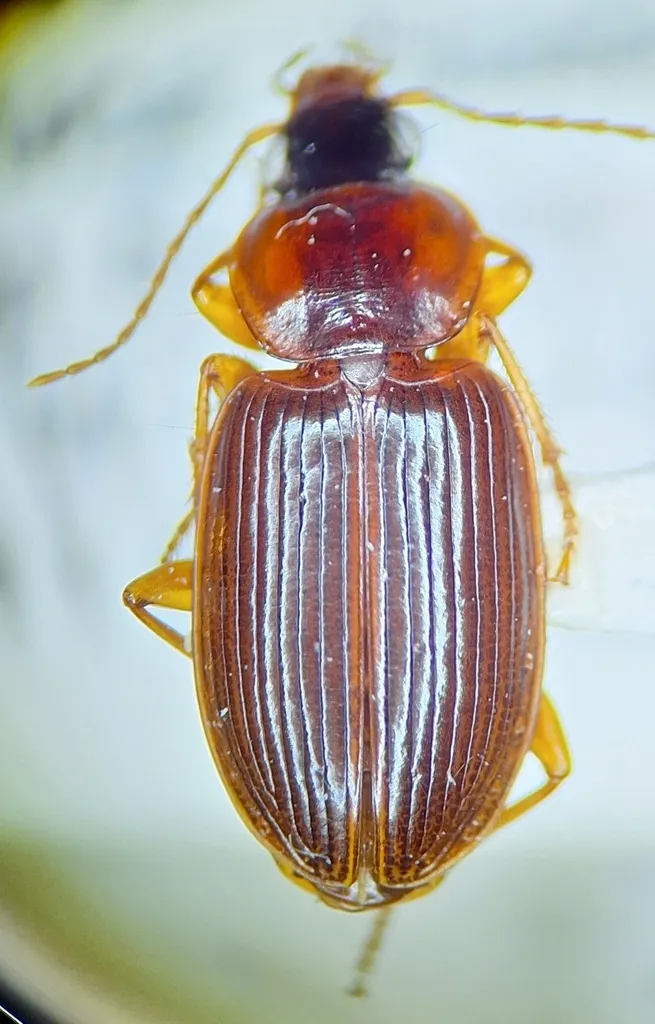
Platynus ovatulus
Platynus ovatulus
Platynus ovatulus is a species of ground beetle in the family Carabidae. It is found in North America.
Platynus prognathus
Platynus prognathus
Van Dyke wrote that the specimen came from "St. Simon Island, Okefinokee[sic] Swamp", but St. Simon Island is not in Okefenokee Swamp .
Platynus tenuicollis
Platynus tenuicollis
one of the few Platynus spp. that come to lights ( 3 )
Platynus trifoveolatus
Platynus trifoveolatus
Identification: easily distinguished from other Platynus spp. by its short body and oviform elytra with obsolete humeri

Poecilus cupreus
Poecilus cupreus
Poecilis cupreus is distinguished from the similar P. versicolor by having fine punctuations on its head between its eyes. In P. versicolor , the head is completely smooth and unpunctured. P. versicolor also prefers wetter habitats. You must have exa
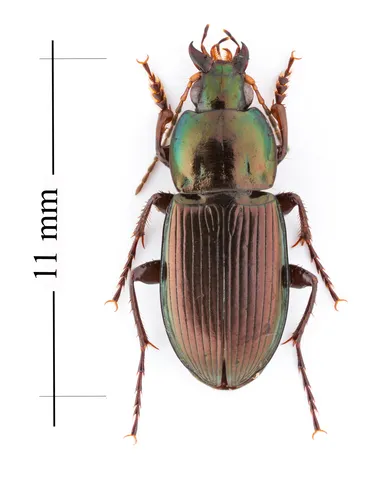
Woodland Ground Beetle
Poecilus lucublandus
Poecilus lucublandus is a species of woodland ground beetle in the family Carabidae. It is found in North America.
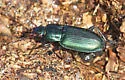
Poecilus scitulus
Poecilus scitulus
Identification: may be separated from the similar P. diplophryus by its sinuate prothorax sides before its right hind angle (vs. less sinuate sides before an obtuse hind angle), 2 dorsal elytron punctures (vs. 3), and BL 8.5‒11.5 mm (vs. 11‒12 mm)
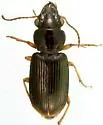
Pogonodaptus mexicanus
Pogonodaptus mexicanus
Pogonodaptus mexicanus (Pogonodaptus mexicanus) is a species in the family Carabidae, commonly known as ground beetles, belonging to the order Coleoptera (Beetles). It is classified within the subfamily Harpalinae, tribe Harpalini, suborder Adephaga.
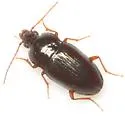
Pogonus texanus
Pogonus texanus
"displayed [...] quickness in escaping rarely surpassed among the Carabidae." (Wickham 1897)
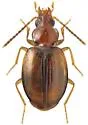
Porotachys bisulcatus
Porotachys bisulcatus
Porotachys bisulcatus (Porotachys bisulcatus) is a species in the family Carabidae, commonly known as ground beetles, belonging to the order Coleoptera (Beetles). It is classified within the subfamily Trechinae, tribe Tachyini, suborder Adephaga. Thi
Pseudanophthalmus hoffmani
Pseudanophthalmus hoffmani
Pseudanophthalmus hoffmani, or Hoffman's cave beetle, is a species of ground beetle in the family Carabidae. It is endemic to Virginia in the United States.
Pseudanophthalmus holsingeri
Pseudanophthalmus holsingeri
considered by VA to be a Species of Greatest Conservation Need (SGCN)
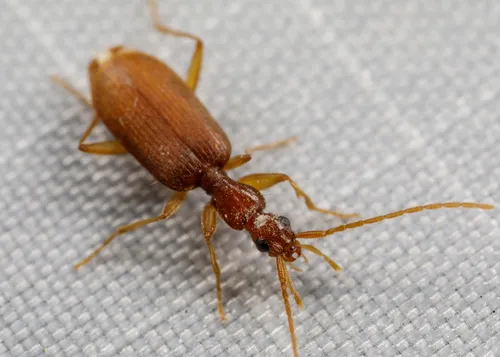
Pseudaptinus tenuicollis
Pseudaptinus tenuicollis
Pseudaptinus tenuicollis is a species of ground beetle in the family Carabidae. It is found in Central America and North America.
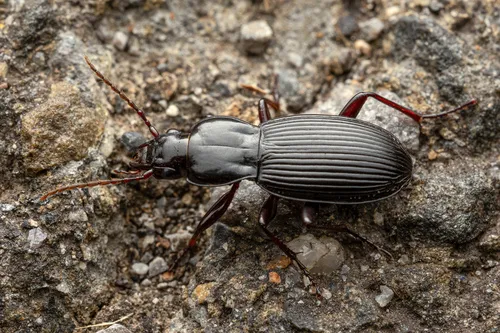
Pterostichus adoxus
Pterostichus adoxus
Pterostichus adoxus is a species of woodland ground beetle in the family Carabidae. It is found in North America. Larvae are predators....
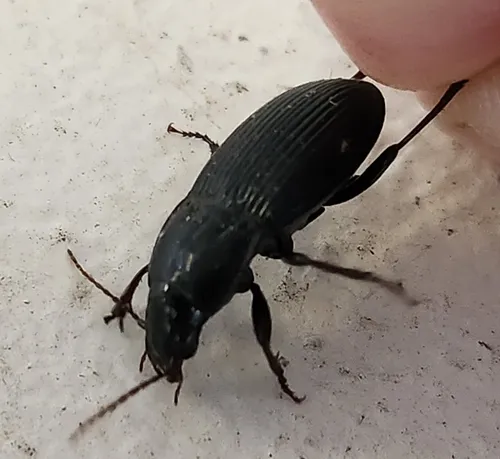
Pterostichus atratus
Pterostichus atratus
Pterostichus atratus is a species of woodland ground beetle in the family Carabidae. It is found in North America.
Pterostichus brevicornis
Pterostichus brevicornis
Two subspecies, one in our area- Pterostichus b. brevicornis Fossil records of the species are known from Greenland and Ontario.
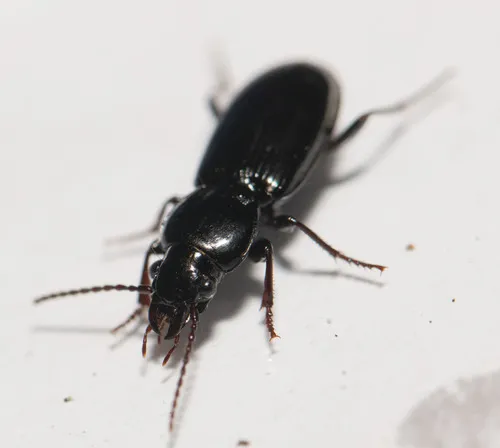
Pterostichus caudicalis
Pterostichus caudicalis
Identification: Helpful traits are the non-iridescent elytra and a strong constriction at base of pronotum ending in sharp rectangular angles.
Pterostichus commutabilis
Pterostichus commutabilis
Identification: A smaller Pterostichus with broad roundish pronotum and iridescent elytra
Pterostichus congestus
Pterostichus congestus
Identification: Elytra dull, without punctures, with markedly convex intervals; pronotum elongated, strongly sinuate, basally without bead
Pterostichus coracinus
Pterostichus coracinus
Requires close examination to separate from very similar P. novus
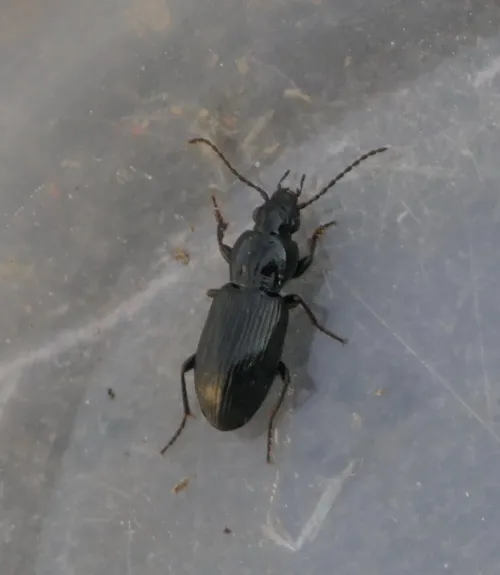
Pterostichus diligens
Pterostichus diligens
Pterostichus diligens is a 5 to 7 mm long, black ground beetle. There are three other small species that make identification very difficult. Unless identified by a recognised expert, a photo is required and the specimen should be examined in detail.
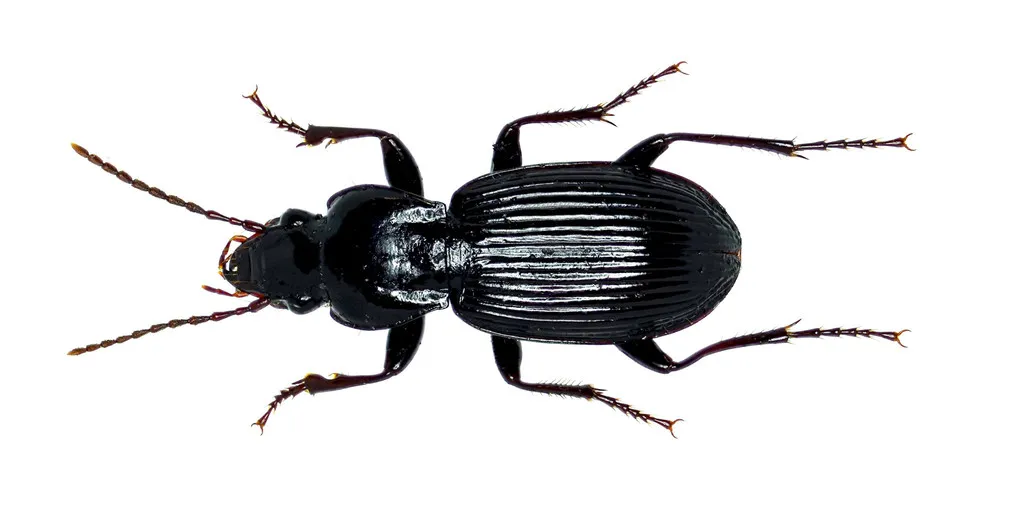
Pterostichus lachrymosus
Pterostichus lachrymosus
Pterostichus lachrymosus is a species of woodland ground beetle in the family Carabidae. It is found in North America.
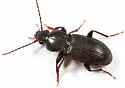
Pterostichus luctuosus
Pterostichus luctuosus
Identification: Helpful traits are the iridescent elytra and a relatively mild constriction at base of pronotum ending in sharp angles. Separated from sibling species P. tenuis by shape of mentum tooth.
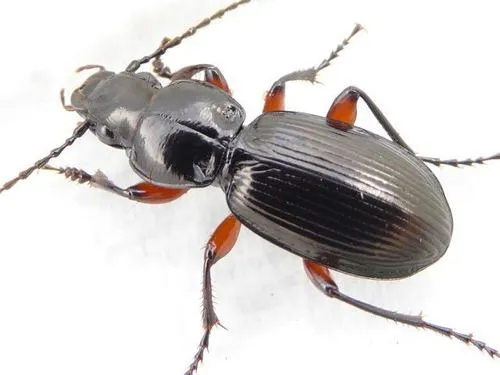
Black Clock Beetle
Pterostichus madidus
A large (15-20 mm) shiny black ground beetle with either all black legs or wine-red legs (variety concinnus ). The well-rounded pronotum helps to distinguish this species from other similar ground beetles. Lives under stones, loose bark and grass tus
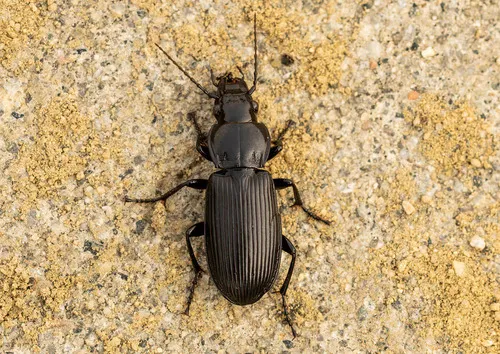
Pterostichus melanarius
Pterostichus melanarius
13-17 mm with body, legs and antennae all black. The pronotum is fairly short and wide when compared to Pterostichus niger and is evenly rounded with a small tooth at the sharp rear angles. Deep elytral striae with convex intervals; Claw-bearing tars
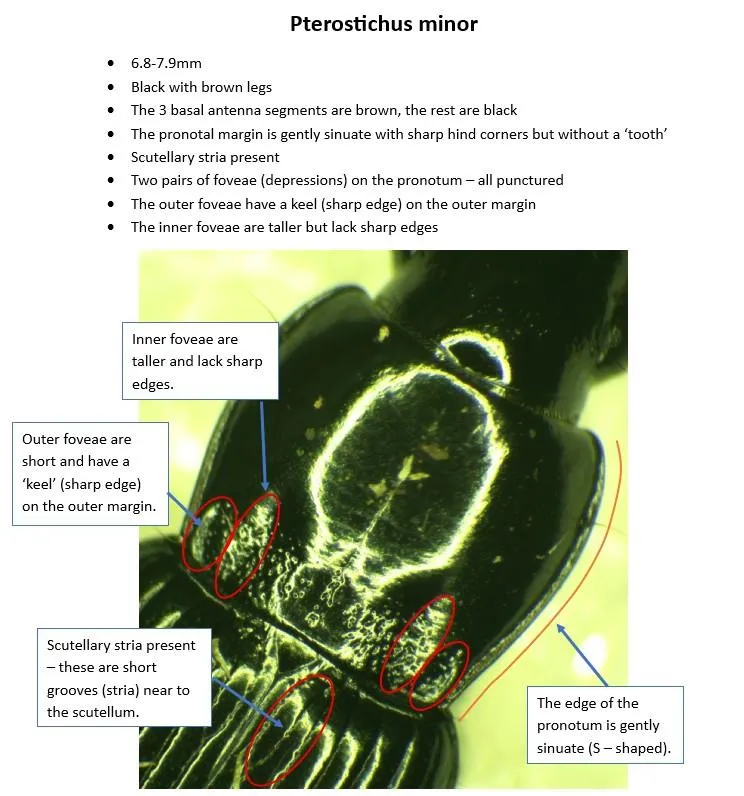
Pterostichus minor
Pterostichus minor
7-8mm, generally black but with brown legs. Antennae black except for the first three segments which are pale brown. The pronotum edge is sinuate and there are two pairs of basal foveae on the pronotum - the outer one having a keeled outer edge. See
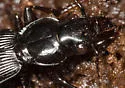
Pterostichus moestus
Pterostichus moestus
Identification: Diagnostic clues: terminal tarsomeres glabrous beneath; pronotal depression extends well to laterobasal side; pronotal sides sinuate; elytron widest near apex and with 4 dorsal setae; range noted below.
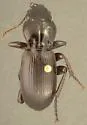
Pterostichus morionides
Pterostichus morionides
Pterostichus morionides is a species of woodland ground beetle in the family Carabidae. It is found in North America.
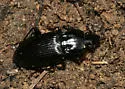
Pterostichus mutus
Pterostichus mutus
Identification: Three tiny punctures along elytron interval #3, a smooth convexity (not sharp ridge) between pronotal basal depression and sharp (not rounded) hind angles.
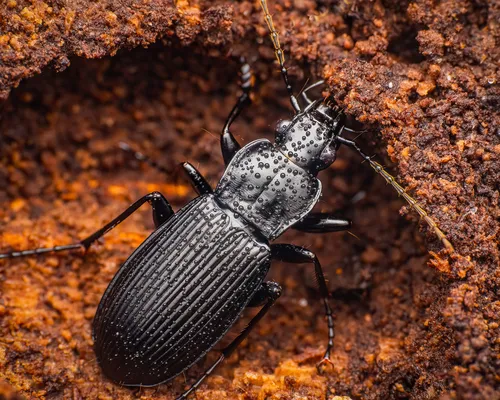
Pterostichus niger
Pterostichus niger
This large (15-21mm) ground beetle is all black apart from red claws and spines on its legs. The pronotum is rather long and fairly narrow by comparison with Pterostichus melanarius and also has sinuate sides. Pterostichus melanarius is a similar siz
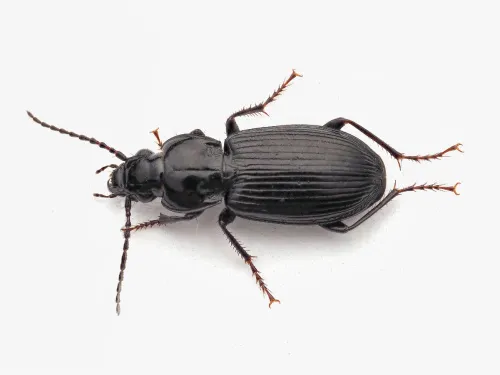
Pterostichus nigrita
Pterostichus nigrita
A medium-sized (9-12mm) black ground beetle. The typical form is uniformly black but there is a form with reddish femora (var. rufifemoratus ). P. nigrita cannot be separated from P. rhaeticus without examining the genitalia. P. nigrita has a rounded
Pterostichus parasimilis
Pterostichus parasimilis
Pterostichus parasimilis is a species of woodland ground beetle in the family Carabidae. It is found in Europe and Northern Asia (excluding China) and North America.
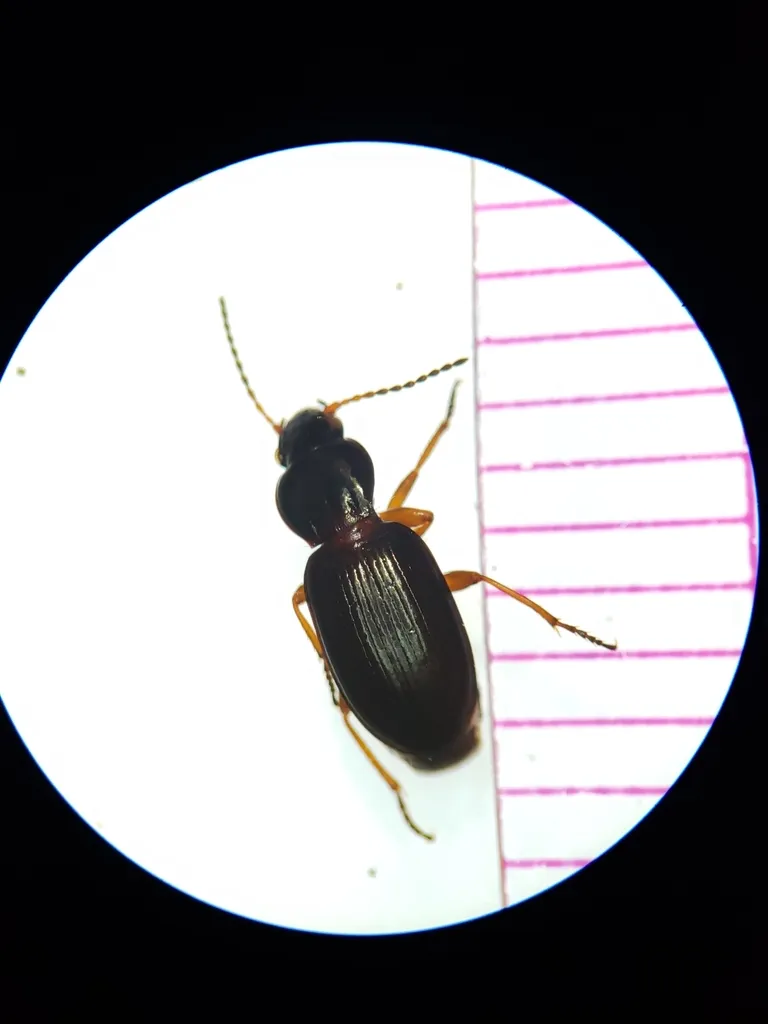
Pterostichus pinguedineus
Pterostichus pinguedineus
Pterostichus pinguedineus is a species of woodland ground beetle in the family Carabidae. It is found in Europe and Northern Asia (excluding China) and North America.
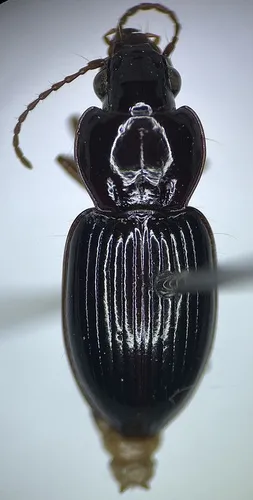
Pterostichus punctiventris
Pterostichus punctiventris
Pterostichus punctiventris is a species of woodland ground beetle in the family Carabidae. It is found in North America.
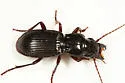
Pterostichus rostratus
Pterostichus rostratus
Identification: Important features are the long mandibles and absence of dorsal punctures on elytra
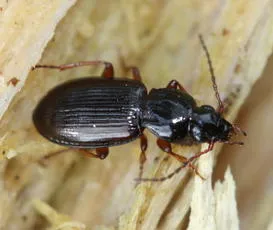
Pterostichus strenuus
Pterostichus strenuus
Length 5 to 7 mm. All black body but with red-brown legs. It has a sinuate pronotum with sharp hind angles. Common in almost every habitat, usually living amongst plant litter but also under stones. Common in gardens and on arable land.
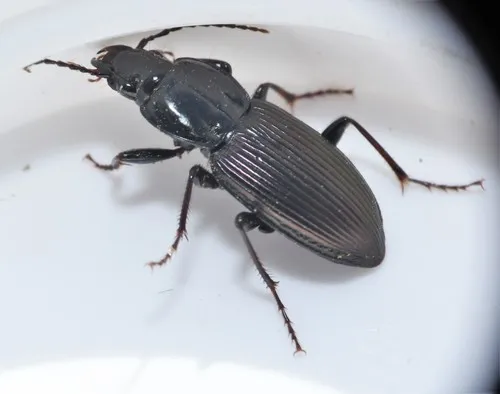
Pterostichus trinarius
Pterostichus trinarius
Pterostichus trinarius is a species of woodland ground beetle in the family Carabidae. It is found in North America.
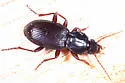
Pterostichus tristis
Pterostichus tristis
Identification: Helpful clues are: no setigerous punctures on dorsal elytra AND hind angle of pronotum sharp (vs duller in closely related P. adoxus).
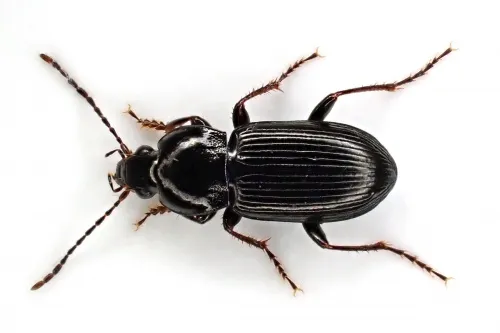
Pterostichus vernalis
Pterostichus vernalis
Length 6 to 8 mm. A black beetle with legs and antennae dark brown to black but with the basal segment of the antennae paler. It has a very rounded pronotum with toothed hind angles. The tarsi have a central furrow above. Various habitats, under logs
Rhadine babcocki
Rhadine babcocki
Identification: Eyed member of the subterranea group. (Barr 1974) [Actually I don't see Rhadine babocki listed with the "subterranea group" in Barr's 1974 article so this species could belong to another species group. Also, the posted image does not
Rhadine caudata
Rhadine caudata
Identification: Holotype designated a Species of Greatest Conservation Need in VA
Rhadine howdeni
Rhadine howdeni
Type Locality: Wilson's Cave [=Adam Wilson's Cave], 20 miles southwest of Hunt, Kerr County, Texas.
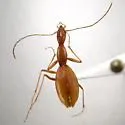
Rhadine infernalis
Rhadine infernalis
Texas Parks & Wildlife considers this to be a "Species of Greatest Conservation Need" (SGCN)
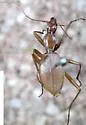
Rhadine ozarkensis
Rhadine ozarkensis
has the Species of Greatest Conservation Need status in AR
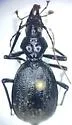
Scaphinotus behrensi
Scaphinotus behrensi
Identification: near the Pacific Coast: Lincoln Co., OR to Humboldt Co., n.CA
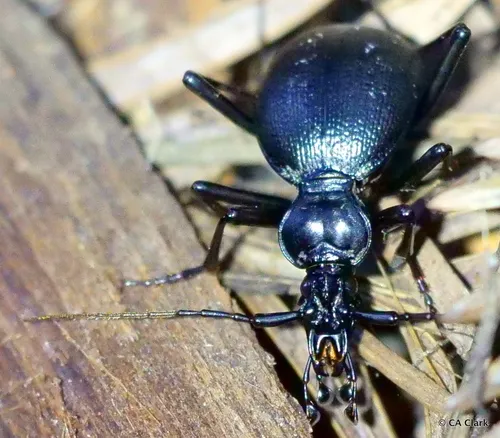
Ridged Snail-eating Beetle
Scaphinotus cristatus
Scaphinotus cristatus is a species of ground beetle in the family Carabidae. It is found in North America.
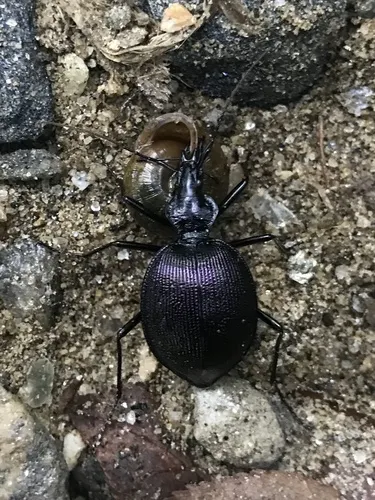
Scaphinotus guyotii
Scaphinotus guyotii
Identification: Largest and most variable species of Steniridia . Elytra markedly convex and relatively large compared to body. Color variable: violaceous-black, black, green-black, with or without aeneous reflections. Front tarsi of male very narrow
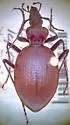
Hatch's Snail-eating Beetle
Scaphinotus hatchi
Scaphinotus hatchi, Hatch's snail-eating beetle, is a species of beetle of the Carabidae family. This species is found in the United States (Oregon), where it inhabits coniferous forests.
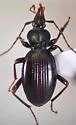
Scaphinotus hoffmani
Scaphinotus hoffmani
A poorly known species, known from very few specimens. Named for Richard L. Hoffman, who collected the holotype.
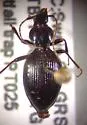
Scaphinotus hubbardi
Scaphinotus hubbardi
Identification: One of two described species of Maronetus (along with schwarzi ) with multiple setigerous punctures on the elytra.
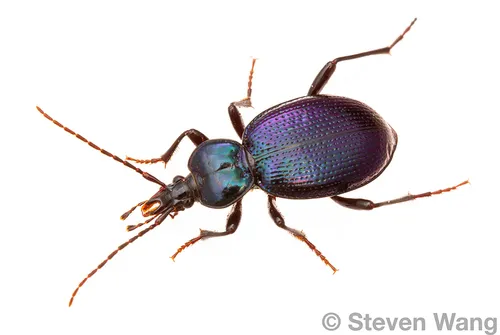
Liebeck's snail-eating beetle
Scaphinotus liebecki
Scaphinotus liebecki, or Liebeck's snail-eating beetle, is a species of ground beetle in the family Carabidae. It is found in North America.
Merkel's Snail-eating Beetle
Scaphinotus merkelii
Scaphinotus merkelii, Merkel's snail-eating beetle, is a species of beetle of the Carabidae family. This species is found in North America (British Columbia, Idaho, Montana), where it inhabits mixed forests.
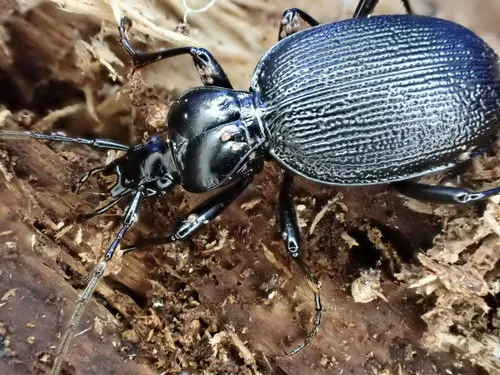
Relic Snail-eating Beetle
Scaphinotus relictus
Scaphinotus relictus, rilictual snail-eating beetle, is a species of beetle of the Carabidae family. This species is found in North America (Alberta, British Columbia, California, Idaho, Montana, Washington), where it inhabits deciduous, mixed and co
Thin Snail-eating Beetle
Scaphinotus tenuis
Scaphinotus tenuis is a species of ground beetle in the family Carabidae. It is found in North America.
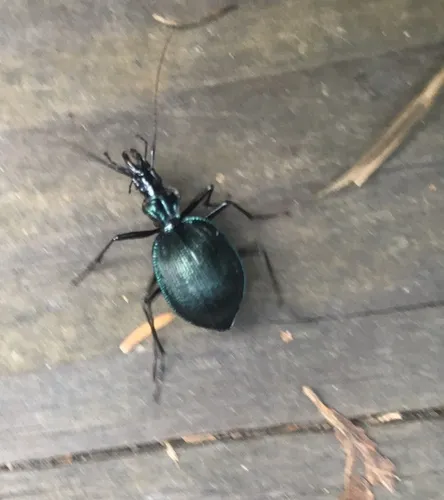
Three-ridged Snail-eating Beetle
Scaphinotus tricarinatus
Scaphinotus tricarinatus is a species of ground beetle in the family Carabidae. It is found in North America.
Scaphinotus unistriatus
Scaphinotus unistriatus
Identification: Highly glossy dorsal surface, each elytron with a single punctate stria and a row of discal setae.
Scaphinotus webbi
Scaphinotus webbi
Identification: Parameres of aedeagus have setae on the tips, margins of pronotum markedly reflexed, wider than in typical viduus. Populations in Virginia show a mixture of this form and typical viduus features; Hoffman et. al 2006 point out that web
Schizogenius lindrothi
Schizogenius lindrothi
Identification: 7th interval lacks setae, or at most with one. Type specimen: https://mczbase.mcz.harvard.edu/guid/MCZ:Ent:31970
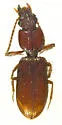
Schizogenius planulatus
Schizogenius planulatus
Identification: See Type specimen: https://mczbase.mcz.harvard.edu/guid/MCZ:Ent:5481
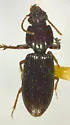
Schizogenius pluripunctatus
Schizogenius pluripunctatus
Identification: In part by eltra with long, abundant setae. See Type specimen: https://mczbase.mcz.harvard.edu/guid/MCZ:Ent:5484
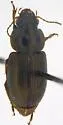
Selenophorus breviusculus
Selenophorus breviusculus
Identification: distinctive hairy thing Type locality: Oklahoma (Fort Cobb, Caddo Co.)
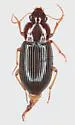
Selenophorus chaparralus
Selenophorus chaparralus
Identification: the only Selenophorus bearing paired carinate prominences on the last visible abdominal sternum of the male. Type Locality: Amistad Reservoir, Val Verde Co., TX
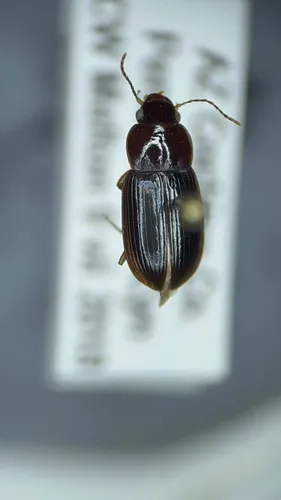
Selenophorus concinnus
Selenophorus concinnus
Selenophorus concinnus is a species of ground beetle in the family Carabidae. It is found in North America.
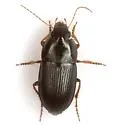
Selenophorus ellipticus
Selenophorus ellipticus
Identification: Species grossly distinguished in part by dull black dorsum (slightly shinier in male), not brassy like other small Selenophorus . Type Locality: restricted to Atlantic City, Atlantic Co., New Jersey
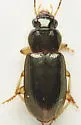
Selenophorus elytrostictus
Selenophorus elytrostictus
Identification: Pronotum with base straight between obtusely angulate hind angles; discwith distinct microsculpture, not diminished mediad. Elytra with intervals densely and coarsely punctate. Type Locality: TX: Cameron Co., Laguna Atascosa NWR, IV-2
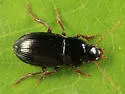
Selenophorus gagatinus
Selenophorus gagatinus
Identification: Species grossly distinguished in part by shiny but not iridescent dorsum.
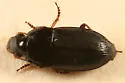
Selenophorus granarius
Selenophorus granarius
Identification: Amara-like habitus but serial punctures characteristic of Selenophorus . Differs from S. ellipticus by smaller body, sides of pronotum more convex, and stouter/shorter antennomeres.
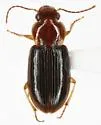
Selenophorus neoruficollis
Selenophorus neoruficollis
Identification: Head and pronotum orange, contrasting with black, strongly iridescent elytra. Pronotum with sides convergent to distinct obtuse hind angles. PARATYPE Type Locality: TX: Brazos Co./ 5 km SW Wellborn/ 30.5022N 96.3360W/ 1-7.vi.2018/ @ l
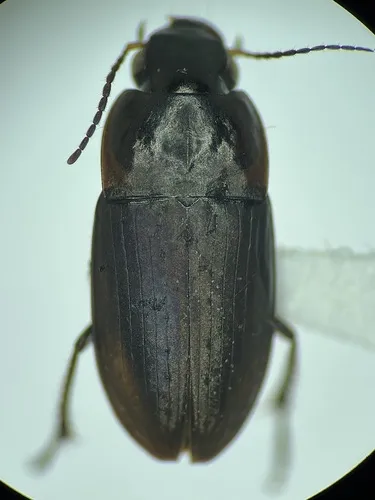
Selenophorus nonellipticus
Selenophorus nonellipticus
Identification: PARATYPE Type Locality: FLORIDA: Osceola County, Disney Wilderness Preserve, 19m, N28.0997 W81.4000, Pitfall trap, 07 Jul 2015, R. Nelson
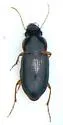
Selenophorus opalinus
Selenophorus opalinus
Identification: Relatively large size and shiny iridescent elytra with series of tiny punctures in striae 3, 5, & 7. NB: an undescribed species discovered recently in se TX superficially appears like a small (8-8.5 mm) S. opalinus . Type locality: Ca
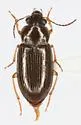
Selenophorus rileyi
Selenophorus rileyi
Identification: distinguished from other Nearctic Selenophorus species by the dark elytra with strong metallic luster; pronotum with base and front coarsely punctate, hind angles sharply subrectangular; elytra with subfoveate seriate punctures and de
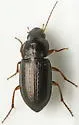
Selenophorus seriatoporus
Selenophorus seriatoporus
Identification: Elytra with seriate punctures large. Pronotum base more finely rugose than punctate. Det. P.W. Messer, 2021 (based on examination of the spmn)
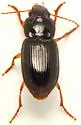
Selenophorus undatus
Selenophorus undatus
Identification: distinguished from other species of Selenophorus by its shiny and iridescent black elytra, dorsal microsculpture absent, pronotum not notably cordate, elytral striae not densely punctulate, abdomen without subapical carinae in males,
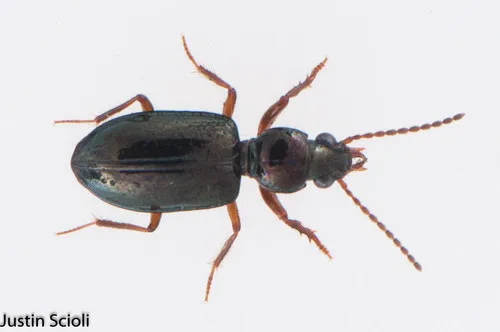
Green Semipoint-mouth Beetle
Semiardistomis viridis
Semiardistomis viridis is a species of ground beetle in the family Carabidae. It is found in North America.
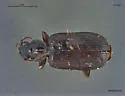
Sericoda bogemannii
Sericoda bogemannii
Sericoda bogemannii is a species of ground beetle in the family Carabidae. It is found in North America and Europe.
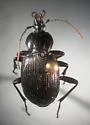
Sphaeroderus indianae
Sphaeroderus indianae
Identification: ~10 elytral striae. Pronotum scarcely punctate at base, lacking the transverse basal impression usually present in S. stenostomus . Rare.
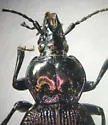
Sphaeroderus nitidicollis
Sphaeroderus nitidicollis
Identification: The only relatively constant structural difference between the two sspp. is the size
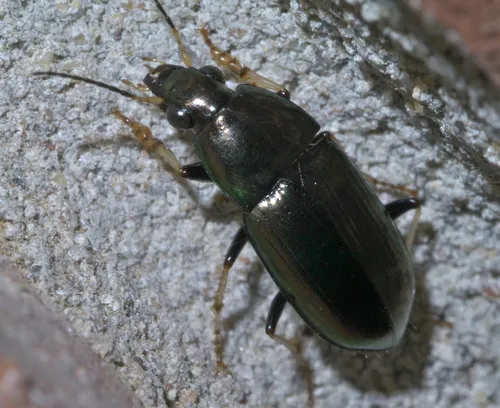
Stenocrepis cuprea
Stenocrepis cuprea
Stenocrepis cuprea is a species of beetle in the family Carabidae. It is found in Ontario, Canada and the United States.
Stenocrepis tibialis
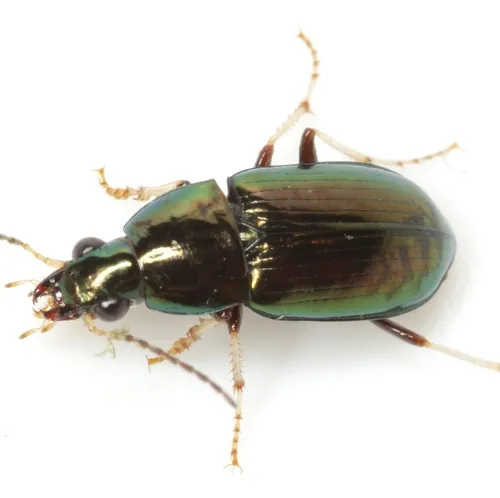
Stenocrepis tibialis
Stenocrepis tibialis is a species of beetle in the family Carabidae. It is found in the Caribbean, Argentina, Brazil, Guatemala, Ecuador, Mexico, and the U.S. state of Texas.
Stenolophus binotatus
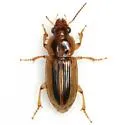
Stenolophus binotatus
Identification: Differs from S. lineola by larger (almost touching) pronotal spots and head mostly dark with round occipital pale spot. (comment by P.W. Messer, 2014)
Stenolophus comma
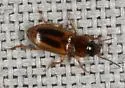
Stenolophus comma
Identification: S. comma vs S. lecontei adapted from :
Humid Harp Ground Beetle
Stenolophus humidus
Stenolophus humidus is a species of ground beetle in the family Carabidae. It is found in North America.
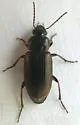
Stenolophus limbalis
Stenolophus limbalis
Identification: Blocky hind angles of pronotum, aeneus (but not iridescent) elytra
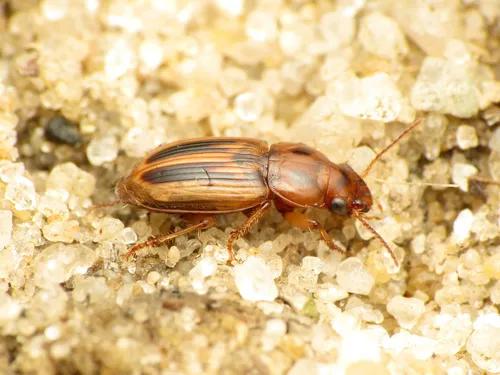
Stenolophus lineola
Stenolophus lineola
Identification: Det. Connor E.J. Graham, 2023 Commonly collected at light and in pitfall traps ( 3 )
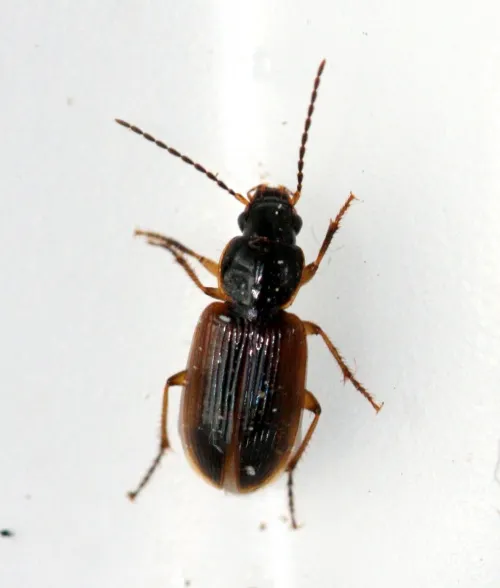
Stenolophus mixtus
Stenolophus mixtus
Length: 5 - 6 mm. Black head, black pronotum with brown margins and brown elytra but with pale margins, shoulders and suture line. Antennae are black but with a pale first segment and he legs are a pale yellow. Living at the margins of ponds, and oth
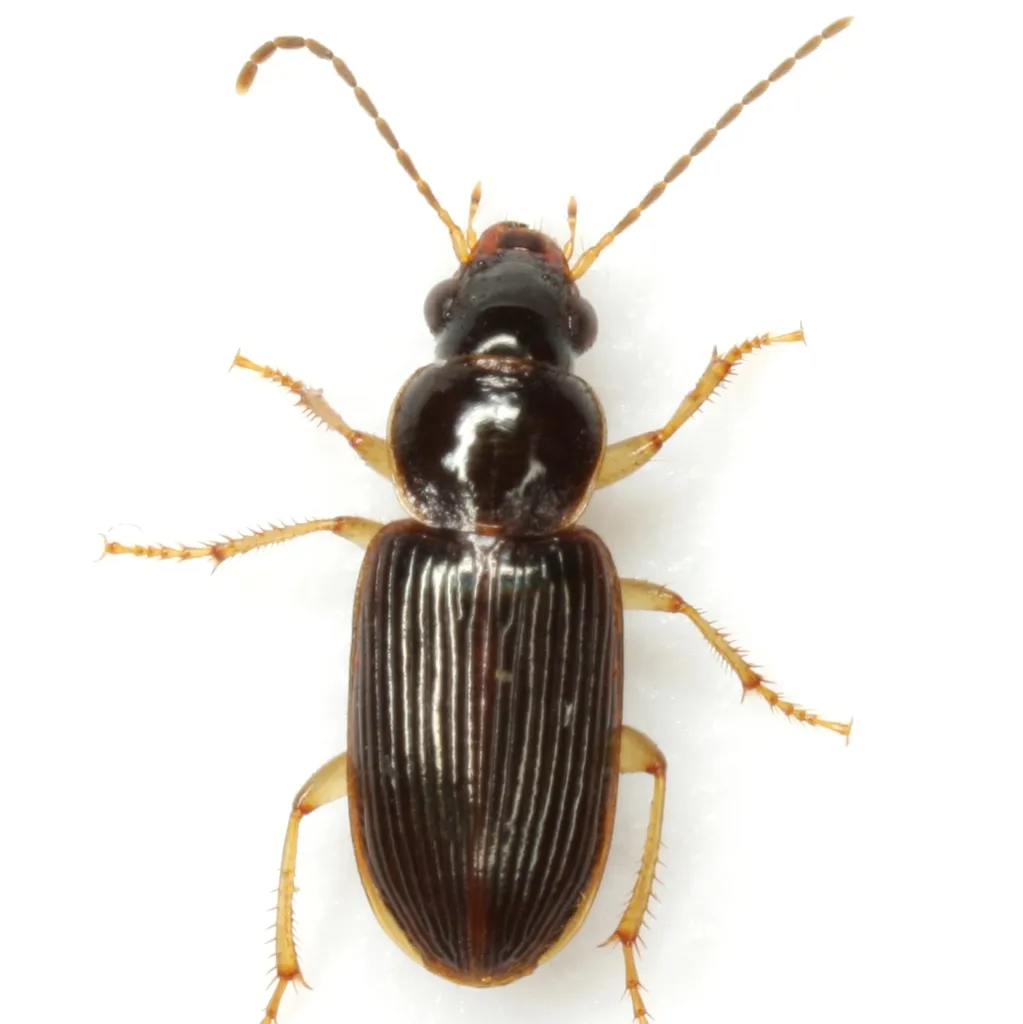
Stenolophus ochropezus
Stenolophus ochropezus
Stenolophus ochropezus (Stenolophus ochropezus) is a species in the family Carabidae, commonly known as ground beetles, belonging to the order Coleoptera (Beetles). It is classified within the subfamily Harpalinae, tribe Harpalini, suborder Adephaga.
Stenomorphus sinaloae
Stenomorphus sinaloae
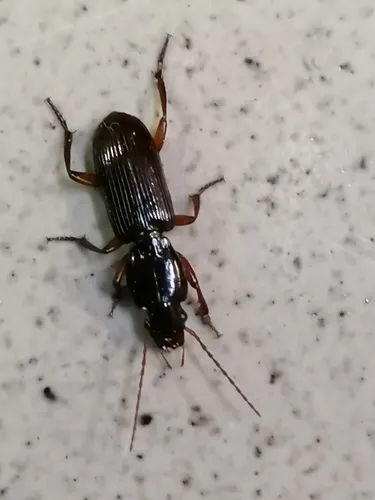
Stenomorphus sinaloae is a species of ground beetle in the family Carabidae. It is found in North America.
Stomis pumicatus
Stomis pumicatus
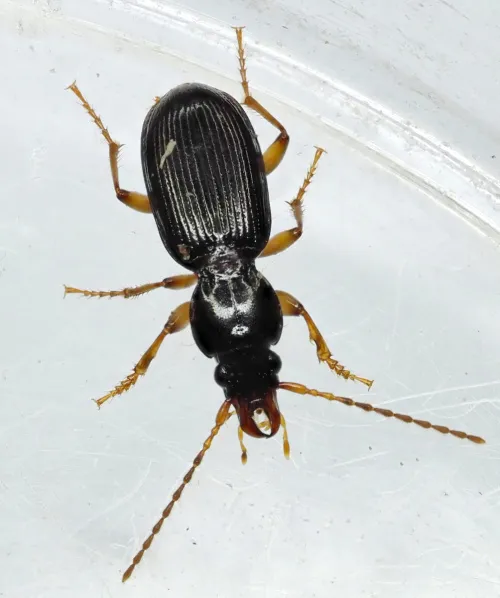
6.5-8.5mm. Dark brown but with pale yellow legs and antennae. It is elongate in shape with prominent mandibles projecting forward which are as long as the head. The right-hand mandible is broader than the left and slightly shorter. Wings are usually
Synuchus dubius
Synuchus dubius
Identification: Differs from widespread common S. impunctatus by somewhat larger size, dark legs, more opaque elytra.
Synuchus impunctatus
Synuchus impunctatus
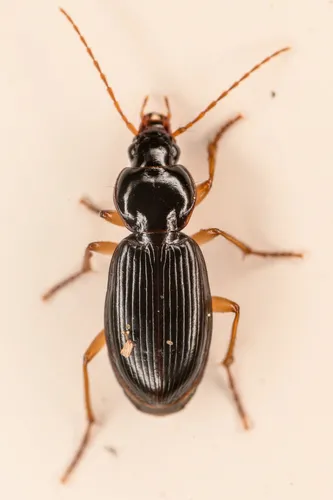
Synuchus impunctatus is a species of ground beetle in the subfamily Harpalinae. It was described by Say in 1823.
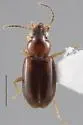
Tachys litoralis
Tachys litoralis
Identification: Notes from studying Casey's type: color uniformly reddish brown, elytra not patterned. Pronotum with sides sinuate before the hind angles which are about right, posterior margin nearly straight (not oblique). Elytral humeri clearly se
Tachys mordax 0
Tachys mordax
Identification: Uniformly pale; eyes small; pronotum cordate with sinuate margins before long and rectangular hind angles; elytral striae obsolete. holotype