
Family Ground Beetles (Carabidae)
Carabidae is a family in the order Coleoptera. Browse 1,800 named species recorded in this family, or open an individual profile for its available identification and natural-history information.
Guides
Species in Carabidae (1,800)
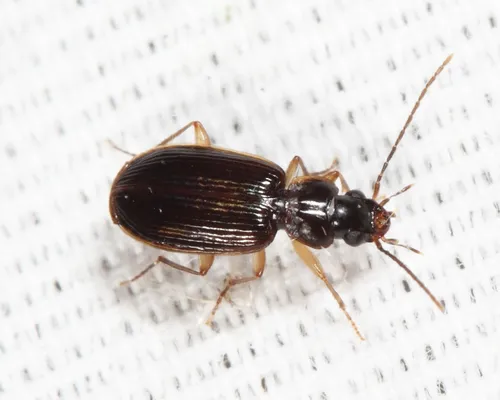
Badister reflexus
Badister reflexus
Badister reflexus is a species of ground beetle in the family Carabidae. It is found in North America.
Badister transversus
Badister transversus
Identification: Some clues that help distinguish this species include uniformly dark color, iridescent back and a conspicuous notch atop right mandible. our only representative of the transversus group
Bembidion acticola
Bembidion acticola
Bembidion acticola is a species of beetle in the family Carabidae. It is found along the East Coast of the United States, from Maryland to Long Island.
Bembidion acutifrons
Bembidion acutifrons
Identification: https://www.zoology.ubc.ca/~biodiv/entomology/main/Coleoptera/Carabidae/Trechinae/Bembidion%20acutifrons%20(1dorsal).jpg
Bembidion americanum
Bembidion americanum
Identification: Some helpful clues include: uniform brassy metallic luster that is not very shiny, elytra with striae all well defined and densely punctured, also four noticeably larger dorsal punctures.
Bembidion antiquum
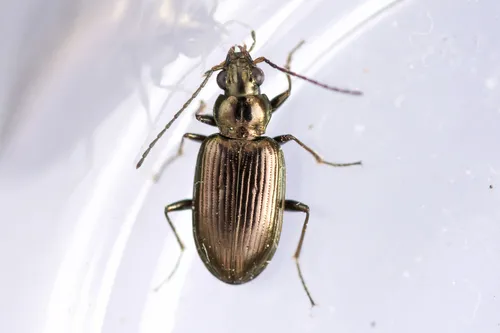
Bembidion antiquum
Bembidion antiquum is a species of ground beetle in the subfamily Trechinae. It is found in Canada and the United States.
Bembidion articulatum
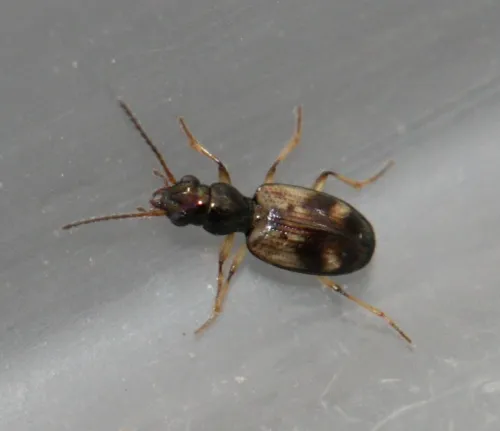
Bembidion articulatum
2.9 to 3.9 mm. Antennae with at least 3 pale basal segments, most of the fourth also usually pale. Pronotum with longitudinal central furrow, strongly constricted to base. Unless identified by a recognised expert, a photo is required. If the photo do
Bembidion basicorne
Bembidion basicorne
Bembidion basicorne is a species of ground beetle in the family Carabidae. It is found in North America.
Bembidion bifossulatum
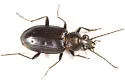
Bembidion bifossulatum
Identification: The large punctures on elytra and entirely dark antennae are helpful features. This species is restricted to the far west versus similar B. b. cheyennense that ranges toward the east (Maddison 1993). However, Y. Bousquet (pers. comm.)
Bembidion biguttatum
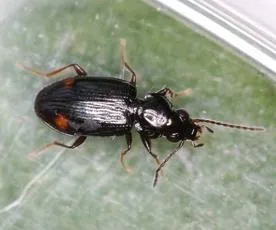
Bembidion biguttatum
This small beetle (~4mm) is shiny black with a blue reflection. It has a rounded pronotum which becomes strongly sinuate at the base. The elytra have 7 deeply punctured striae (plus a short scutellary stria) with two pale sub-apical spots. The antenn
Bembidion bowditchii
Bembidion bowditchii
Identification: https://www.zoology.ubc.ca/~biodiv/entomology/main/Coleoptera/Carabidae/Trechinae/Bembidion%20bowditchii%20(1dorsal)%20SEM-UBC%20COL-34987.jpg
Bembidion brachythorax
Bembidion brachythorax
Identification: https://www.zoology.ubc.ca/~biodiv/entomology/main/Coleoptera/Carabidae/Trechinae/Bembidion%20brachythorax%20(1dorsal).jpg
Bembidion chalceum
Bembidion chalceum
Bembidion chalceum (Bembidion chalceum) is a species in the family Carabidae, commonly known as ground beetles, belonging to the order Coleoptera (Beetles). It is classified within the subfamily Trechinae, tribe Bembidiini, suborder Adephaga. This sp
Bembidion clarkii
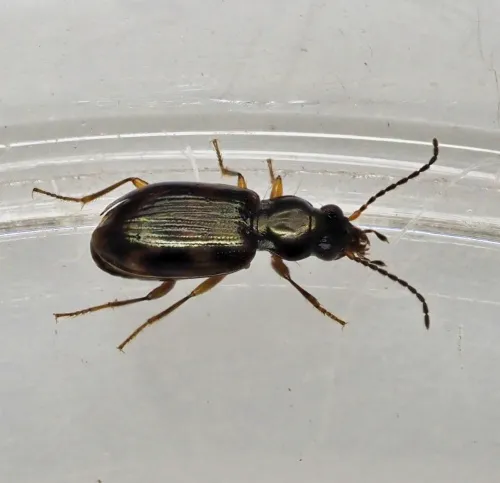
Bembidion clarkii
3.3-3.8mm. Shining black but with a subtle brassy brown reflection. Antennae black except for the first segment which is pale. Legs are pale brown. The pronotum is strongly sinuate then constricted at the hind end. It has two pairs of deep frontal fu
Bembidion compressum
Bembidion compressum
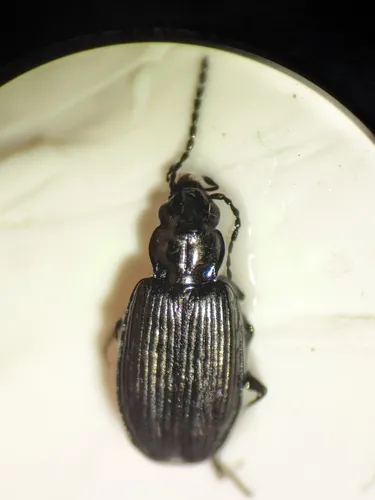
Bembidion compressum is a species of ground beetle in the family Carabidae. It is found in Europe and Northern Asia (excluding China) and North America.
Bembidion consimile
Bembidion consimile
Bembidion consimile is a species of ground beetle in the family Carabidae. It is found in North America.
Bembidion corgenoma
Bembidion corgenoma
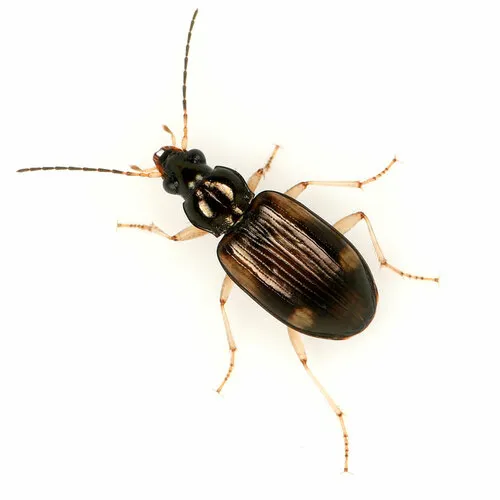
Identification: lateral lobes of the mentum well projected; antennomeres 1‒3 sharply pale; pronotal base relatively smooth (sparsely punctate); western coastline location. otherwise similar to B. transversale (which probably does not extend into CA)
Bembidion dentellum
Bembidion dentellum
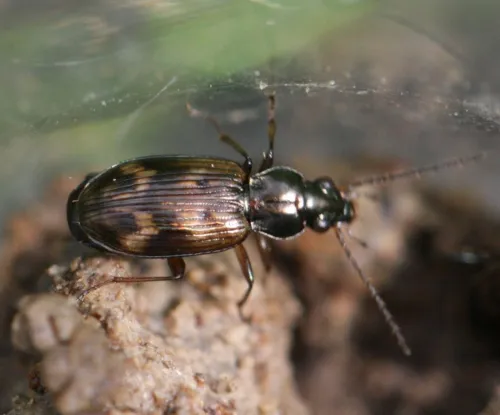
A large Bembidion, 5 to 6 mm. It has dark brown elytra with various lighter markings usually after the middle, although these may be obscure or missing. Marshes and well vegetated water margins. Also in flood refuse, on gravel bars and in mud. Widesp
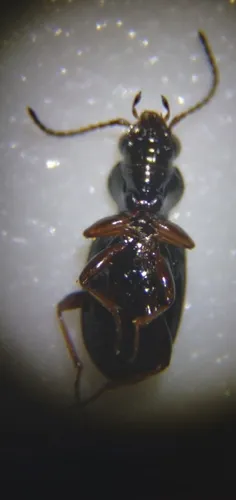
Bembidion dyschirinum
Bembidion dyschirinum
Bembidion dyschirinum is a species of ground beetle in the family Carabidae, found in North America.
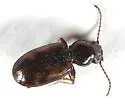
Bembidion egens
Bembidion egens
Identification: Elytra with more distinct pale pattern and weaker impressed elytral striae; Pronotum base somewhat broader, with parallel hind angle section longer and with weak but distinct carinae. difficult to distinguish from B. nogalesium Casey
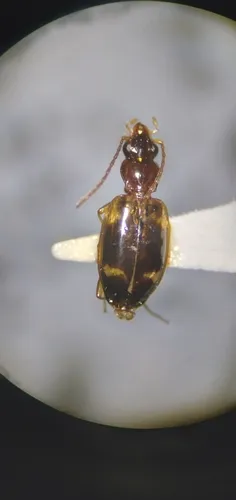
Bembidion festivum
Bembidion festivum
Bembidion festivum is a species of ground beetle in the family Carabidae. It is found in North America.
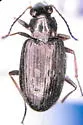
Bembidion foveum
Bembidion foveum
Identification: Elytra without distinct mirrors, with small silver spots. Elytra long and parallel sided, relatively wider than narrow prothorax. First protarsomere of male much larger than in related species.
Bembidion guttula
Bembidion guttula
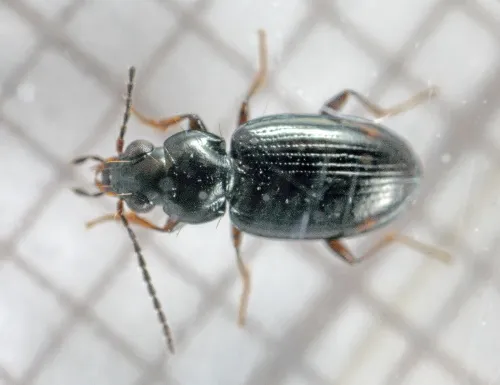
A small ground beetle (only about 3 to 3.5 mm long). It is black or dark bronze with sub-apical pale spots on the elytra and paler tips to the elytra as well. It only has 6 stria (excluding the scutellary stria). Bembidion biguttatum is similar and a
Bembidion hastii
Bembidion hastii
Bembidion hastii is a species of ground beetle in the family Carabidae. It is a Holarctic species found in northern Eurasia from Norway to the Far East and in North America (Alaska and Canada).
Bembidion immaturum
Bembidion immaturum
Bembidion immaturum is a species of ground beetle in the family Carabidae. It is found in North America.
Bembidion impotens
Bembidion impotens
Identification: Entire dorsum very shiny due to lack of microsculpture
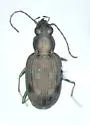
Bembidion inaequale
Bembidion inaequale
Identification: As the species names suggests, note unequal striae (lines) near base of elytra.
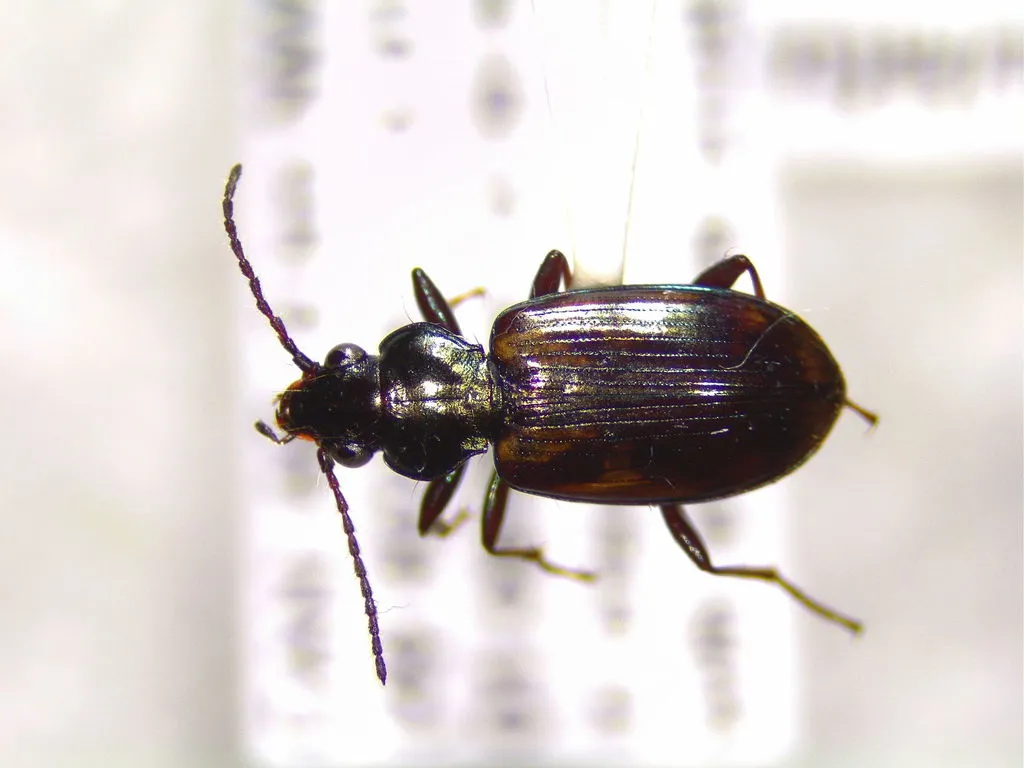
Bembidion insulatum
Bembidion insulatum
Bembidion insulatum is a species of ground beetle in the family Carabidae. It is found in North America.
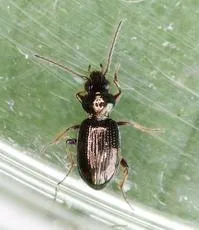
Bembidion lampros
Bembidion lampros
A small (3-4mm) beetle. It is very shiny, normally brassy, with reddish brown legs. Elytra with less than 7 strya. It frequents most dry habitats, including gardens and agricultural land.
Bembidion levettei
Bembidion levettei
Identification: both sspp. imaged here Relatively common
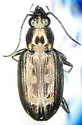
Bembidion lorquinii
Bembidion lorquinii
Identification: Similar to B. hesperium , with which it is often found. B. lorquinii is larger, more slender, and less shiny. In addition, the striae of B. lorquinii are shallower, especially around the silver spots, and the punctures are smaller.
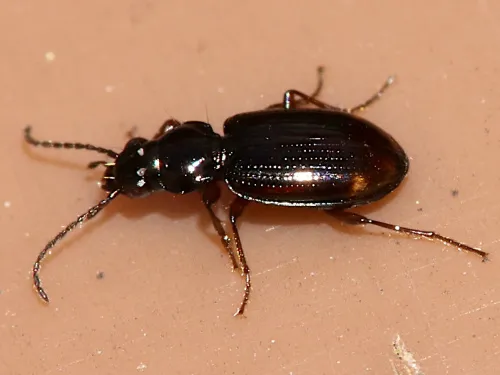
Bembidion lunulatum
Bembidion lunulatum
Small (3.5-4mm) black ground beetle, usually with pale sub-apical elytral spots though these can be faint or obscure. It has a well-rounded pronotum which contracts sharply at its base, giving the beetle a distinct 'waist'. It has dark brown legs and
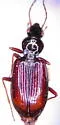
Bembidion mckinleyi
Bembidion mckinleyi
Bembidion mckinleyi (Bembidion mckinleyi) is a species in the family Carabidae, commonly known as ground beetles, belonging to the order Coleoptera (Beetles). It is classified within the subfamily Trechinae, tribe Bembidiini, suborder Adephaga. This
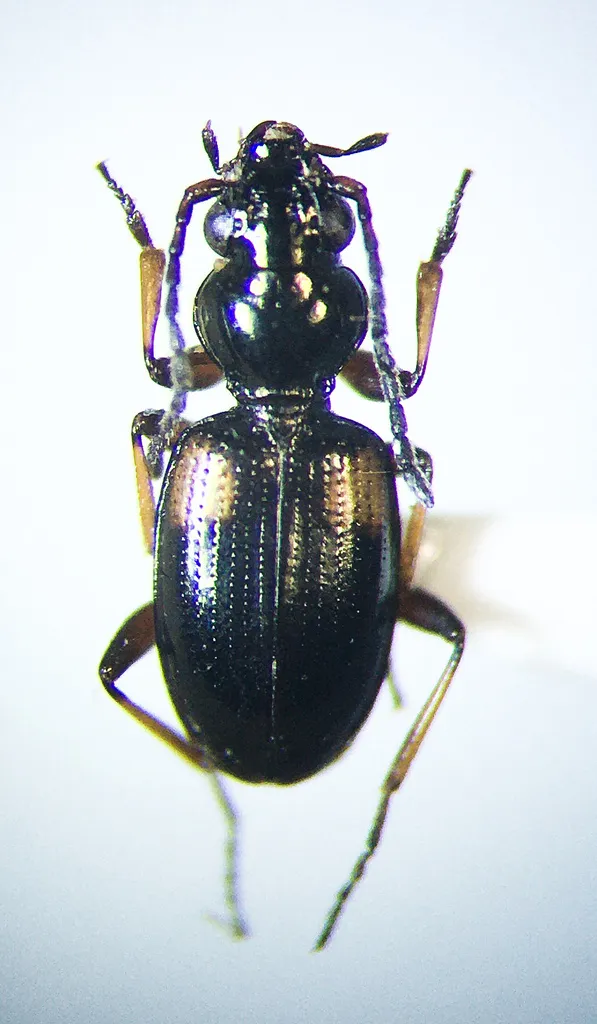
Bembidion mutatum
Bembidion mutatum
Bembidion mutatum is a species of ground beetle in the family Carabidae. It is found in North America.
Bembidion obliquum
Bembidion obliquum
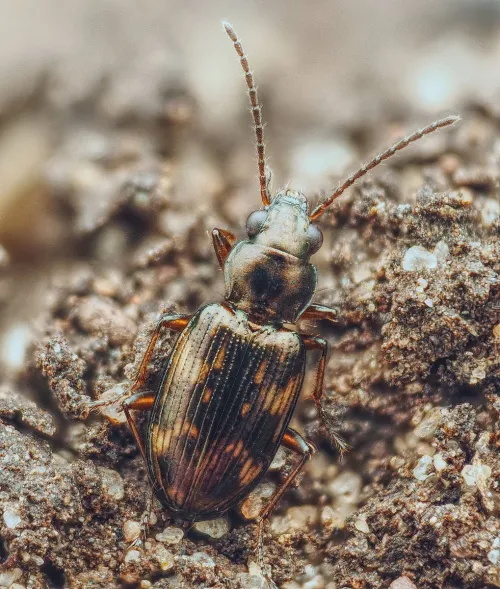
A small (~4mm) beetle with a characteristic X pattern on the elytra. Other Bembidion spp, particularly Bembidion varium. Typically on bare mud at the edges of bodies of water. Widespread in England where suitable habitat occurs. No additional images
Bembidion obtusum
Bembidion obtusum
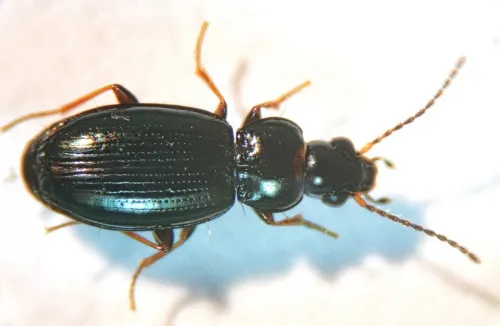
A small (3 to 3.5mm) black or brown-black ground beetle. Raised keel on shoulder of elytra is characteristic. This species seems to have a pronounced south-easterly distribution in Britain with only a handful of Scottish and Welsh records.
Palos Verdes Minute Intertidal Beetle
Bembidion palosverdes
Bembidion palosverdes is a species of ground beetle in the family Carabidae. It is found in North America.
Bembidion pedicellatum
Bembidion pedicellatum
Identification: Elytral pattern similar to B. quadrimaculatum oppositum but posterior spot sometimes absent; frontal furrows subparallel; pronotum small, scarcely wider than head; elytral punctures usually coarser
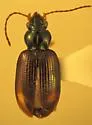
Bembidion plagiatum
Bembidion plagiatum
The only eastern member of the striola group See for a detailed note about this interesting species.
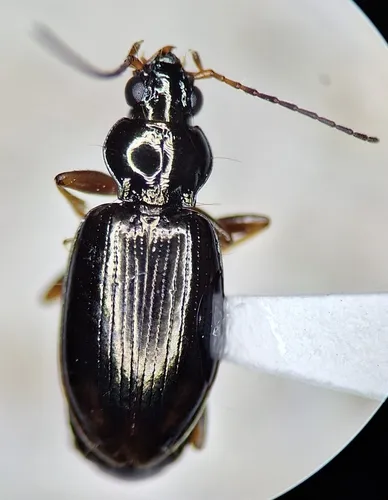
Bembidion platynoides
Bembidion platynoides
Bembidion platynoides is a species of ground beetle in the family Carabidae. It is found in North America.
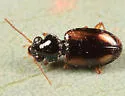
Bembidion poculare
Bembidion poculare
Identification: Combination of four elytral spots plus pronotum with markedly rounded base is distinctive.
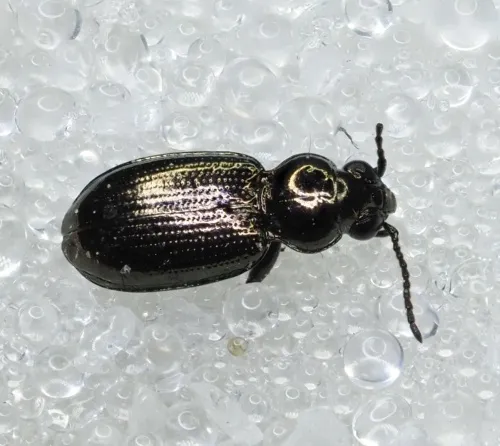
Bembidion properans
Bembidion properans
3.5 to 4.5 mm. A shiny metallic brassy or bronze beetle, sometimes distinctly blue or green, legs dark with the tibiae mostly pale. Unless identified by a recognised expert, a photo is required and the specimen should be examined with a microscope. I
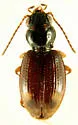
Pseudocautum Bembidion Beetle
Bembidion pseudocautum
Bembidion pseudocautum is a species of ground beetle in the family Carabidae. It is found in North America.
Bembidion punctulatum
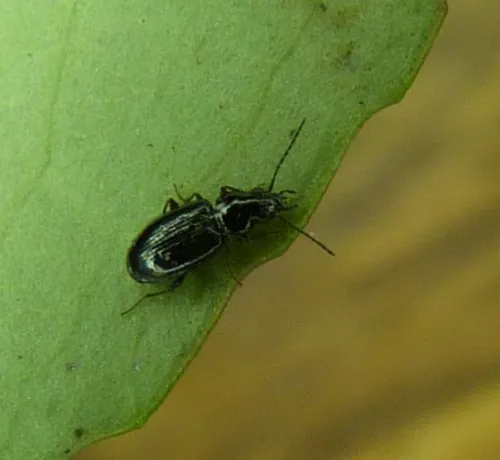
Bembidion punctulatum
A fairly small (4.5 to 5.5 mm) green or bronze ground beetle. Often associated with shingle areas, but not exclusively so. Widespread and fairly frequent in Britain, but with fewer records from the south east. No additional images available for this
Bembidion quadrimaculatum
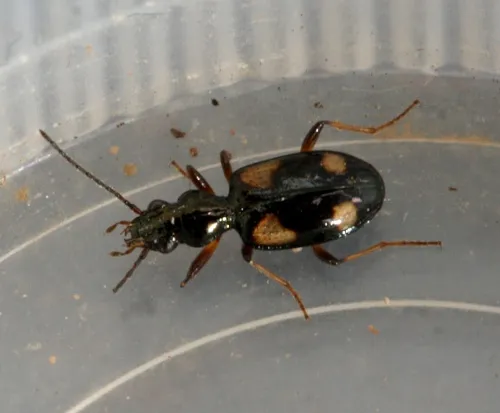
Bembidion quadrimaculatum
A small beetle with dark brown or almost black studded elytra marked with four pale yellow or orangey spots. Antennnae and femora mid-brown not black, apical part of antennae darker than distal part. Unlike similar members of the family it is found i
Bembidion quadrulum
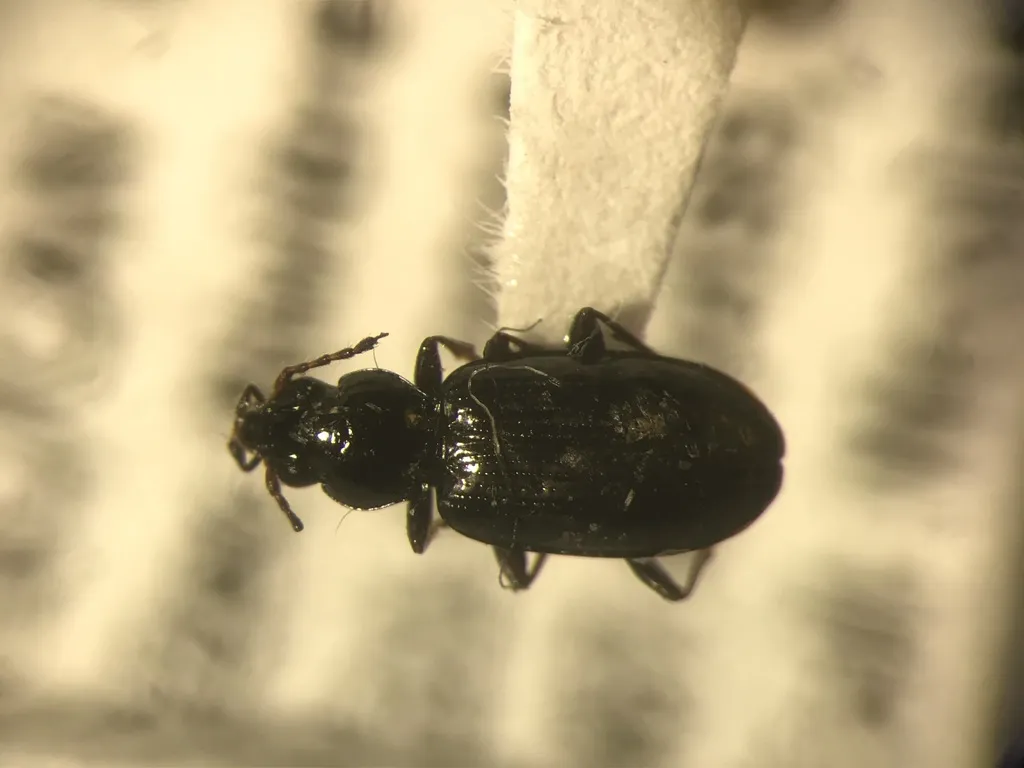
Bembidion quadrulum
Bembidion quadrulum is a species of ground beetle in the family Carabidae. It is found in North America.
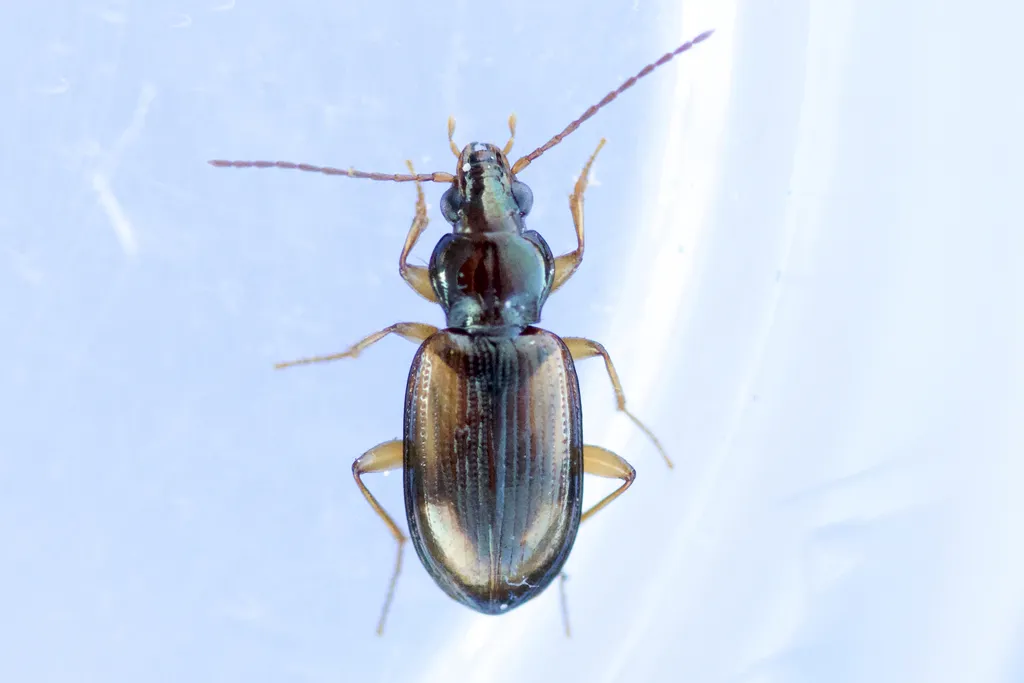
Bembidion rupicola
Bembidion rupicola
Bembidion rupicola is a species of ground beetle in the family Carabidae. It is found in North America.
Bembidion salinarium
Bembidion salinarium
Identification: Eyes flatter[than on ephippigerum ]. Prothorax with flat basal foveae. Elytra almost oviform with shoulders narrower and sides more evenly rounded, greatest width about middle. (Lindroth [addition by Graham for clarif.])
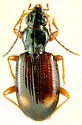
Bembidion scopulinum
Bembidion scopulinum
Identification: Characteristic combination of punctures on the head medial to eyes, pronotum without laterobasal carina, and microsculpture. A pair of red spots on posterior part of elytra.
Bembidion scudderi
Bembidion scudderi
Bembidion scudderi is a species of ground beetle in the family Carabidae. It is found in North America.
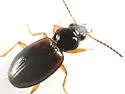
Bembidion semicinctum
Bembidion semicinctum
Identification: A northeastern species distinguished from similar species by elytra with ill-defined pale reddish area at base & shoulders.
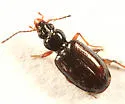
Bembidion semistriatum
Bembidion semistriatum
Identification: elytra characteristic: red-brown to blackish with serial setae in all intervals
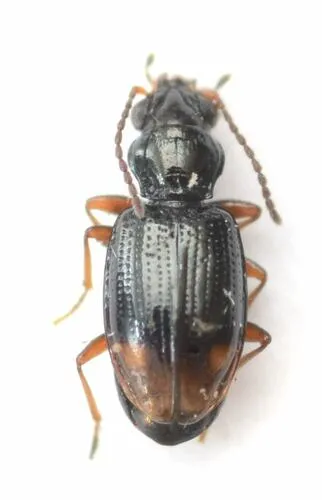
Bembidion siticum
Bembidion siticum
Bembidion siticum is a species of ground beetle in the family Carabidae. It is found in North America.
Bembidion subangustatum
Bembidion subangustatum
Bembidion subangustatum is a species of ground beetle in the family Carabidae. It is found in North America.
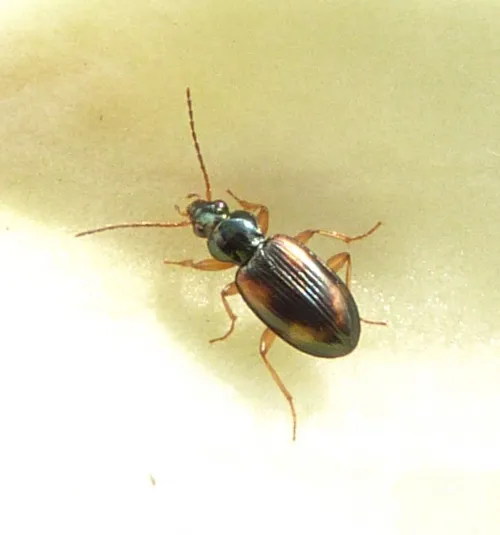
Bembidion tetracolum
Bembidion tetracolum
Length: 5-6 mm. The head and pronotum are dark metallic green, elytra are dark brown but with lighter patches on the 'shoulders' and more diffusely near the apex. Antennae are dark with 3 pale basal segments. The pronotum is strongly contracted to th
Bembidion texanum
Bembidion texanum
Identification: Det. E. G. Riley, 2010 Type Locality: Texas
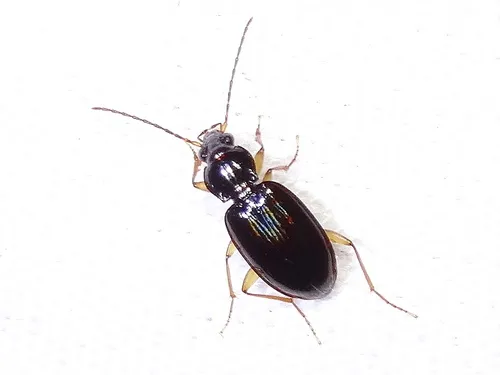
Bembidion trechiforme
Bembidion trechiforme
Bembidion trechiforme is a species of ground beetle in the family Carabidae. It is found in North America.
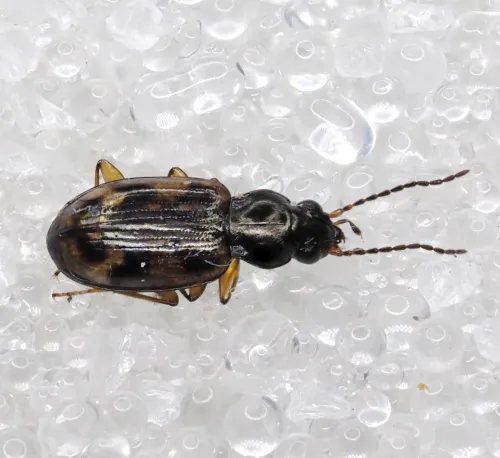
Bembidion varium
Bembidion varium
Approx 4 to 5 mm. The elytra are a dark olive brown flecked with orange-red. This species can be identified with care but there are similar species that it could be confused with. Please provide a photograph to support your record, and if possible pl
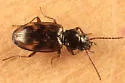
Bembidion versicolor
Bembidion versicolor
Identification: Some distinguishing characteristics include mosaic elytra; pronotum with relatively dull luster and lateral margins parallel toward base.
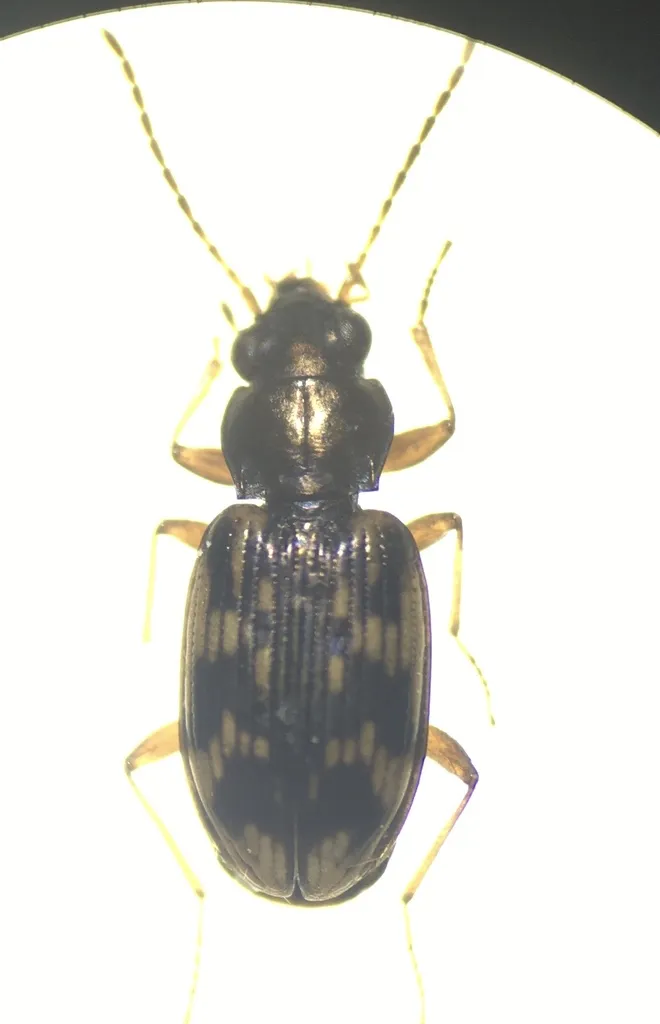
Bembidion versutum
Bembidion versutum
Bembidion versutum is a species of ground beetle in the family Carabidae. It is found in North America.
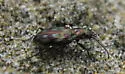
Bembidion zephyrum
Bembidion zephyrum
Identification: differentiating from B. levettei discussed here
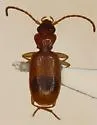
Blemus discus
Blemus discus
Identification: head dark brown or blackish; pronotum and basal half of elytra reddish-brown; distal half of elytra yellowish-brown; legs yellowish; pronotum trapezoidal, widest anteriorly; a broad dark brown or blackish band runs across the elytra j
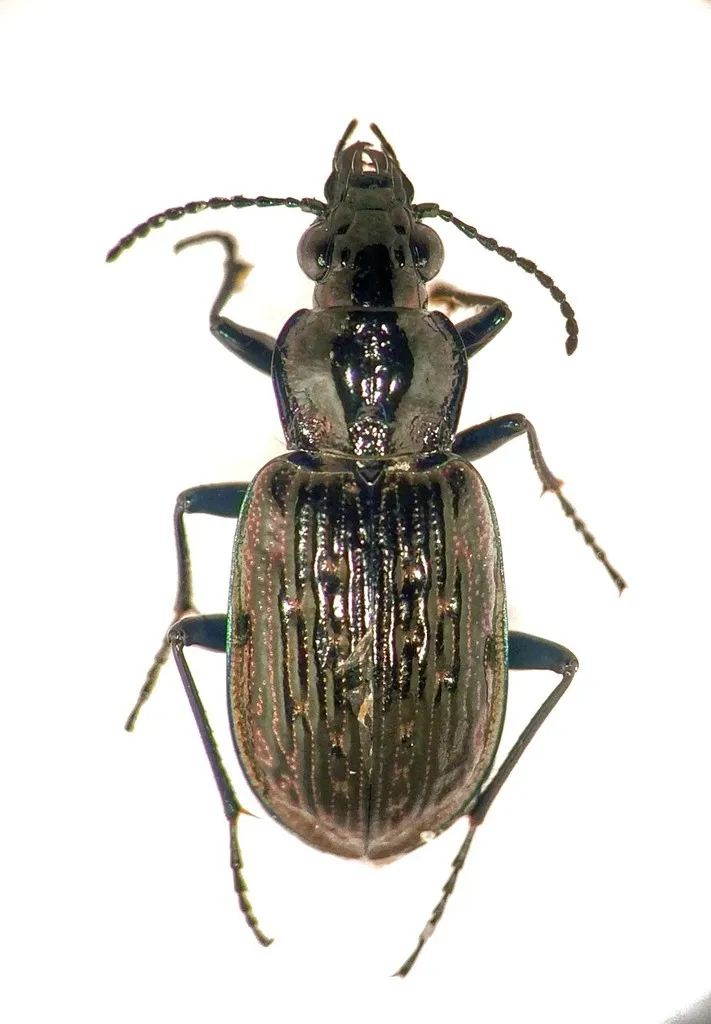
Blethisa hudsonica
Blethisa hudsonica
Blethisa hudsonica is a species of ground beetle in the family Carabidae. It is found in Europe & Northern Asia (excluding China) and North America.
Brachinus aabaaba
Brachinus aabaaba
Identification: last couplet: Knees infuscated; elytral pubescence evenly distributed over surface; pronotum narrow (fig. 421) Antennal articles 3 and 4, and knees infuscated, otherwise ferrugineous. elytra slate-grey, including the edge. rather mini
Brachinus adustipennis
Brachinus adustipennis
Identification: The brown elytra and pale epipleura (elytral edge), and pubescent elytral disc separate members of this species from all others east of the continental divide in the United States. knees infuscated. Antennal articles 3 and 4, usually
Brachinus alexiguus
Brachinus alexiguus
Identification: Submentum densely setiferous (16 or more setae, fig. 21); larger, more robust beetles; antennae ferrugineous B. americanus (LeConte), p. 55 Submentum sparsely setiferous (10 or less, fig. 19); smaller beetles; antennal articles 3 and
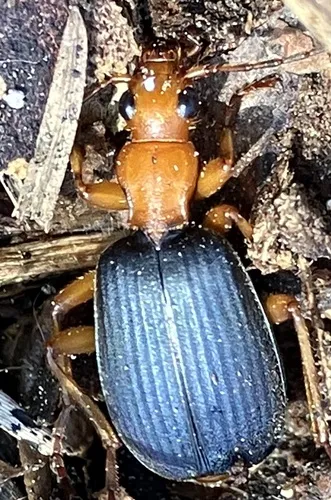
Brachinus alternans
Brachinus alternans
Identification: 1. Elytra concolourus, epipleura (margin) dark. Head & pronotum lighter than elytra. [suture also apparently dark, as in Brachinus phaeocerus , B. phaeocerus doesn't have prominent elytral ribs] 2. Mentum flat with 2 shallow lateral p
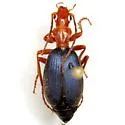
Brachinus americanus
Brachinus americanus
Identification: "Head, thorax, and legs ferruginous. Antenna; ferruginous, growing dusky towards the extremity. Head smooth, with a deep and long longitudinal impression between the eyes; eyes black. Thorax sparsely punctured; transverse impressions
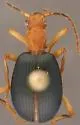
Brachinus costipennis
Brachinus costipennis
Identification: Mentum with a setose deep central sulcus, abdomen pale ventrally, elytra glabrous Ferrugineous, except antennal article 4 occasionally infuscated. Dorsal surface and epipleura of elytra blue. the only member of costipennis group in ou
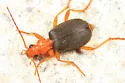
Brachinus cyanipennis
Brachinus cyanipennis
Identification: The most distinctive feature (magnifications required) are the extra long erect setae along elytral interval 3.
Brachinus cyanochroaticus
Brachinus cyanochroaticus
Identification: Differs from the nearest species by the combination of antennomere 3 pale in proximal half, legs entirely pale, and with protibia finely strigose (parrallel lines).
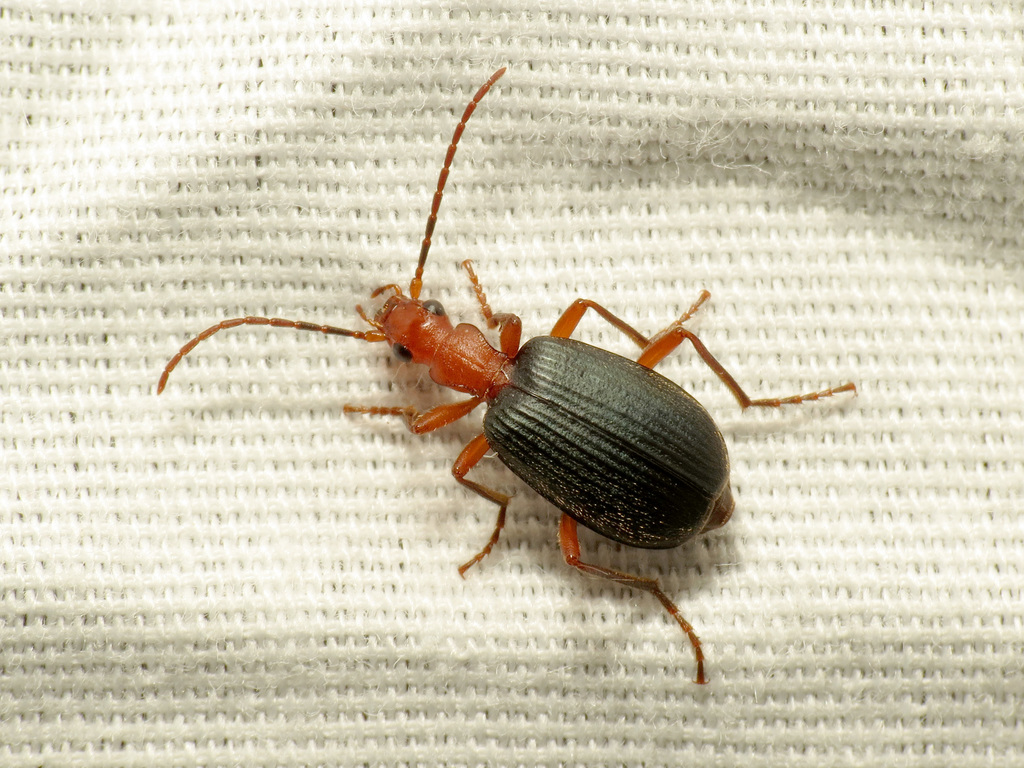
Brachinus elongatulus
Brachinus elongatulus
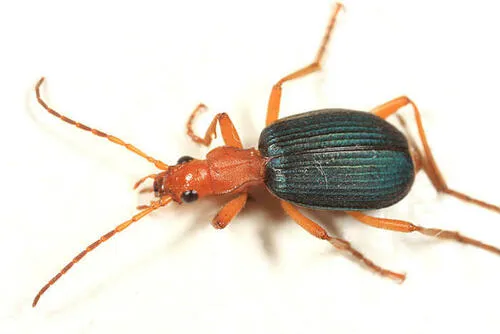
(c) Katja Schulz, some rights reserved (CC BY)Identification: differs from very similar B. texanus, B. elongatulus in that it has a limited southwestern range; elytra distinctly broader, with more prominent costae, and bluish reflection (may not be visible at all angles, not grey-greenish); and
Brachinus favicollis
Brachinus favicollis
Identification: pronotal punctures coarse, dense, uniformly distributed
Brachinus fulminatus
Brachinus fulminatus
Identification: Externally, the combination of third antennomere mostly dark plus legs uniformly pale excludes very similar B. cyanochroaticus and B. quadripennis.
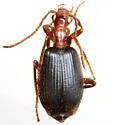
Brachinus geniculatus
Brachinus geniculatus
Identification: last key couplet: Tarsi, tibiae, and apices of femora infuscated to black Usually the antennal articles 3 and 4 darker than 1 and 2. Tibiae infuscated, degree varied with specimens; elytra slate-colored. Det. Peter W. Messer, 2021 Typ
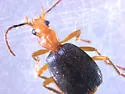
Brachinus imporcitis
Brachinus imporcitis
Identification: Apex of antennal articles 3 and 4, otherwise ferrugineous. Outer antennal articles usually dark. Dorsal surface and epipleura (edge) of elytra bright blue, with black sutural margins. Type locality: Pinal Creek, Globe, Gila County, Ar
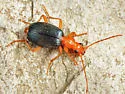
Brachinus janthinipennis
Brachinus janthinipennis
Identification: "This widespread Brachinus species is characterized by venter completely pale. Most other Brachinus have at least some ventral portions dark" - P. Messer
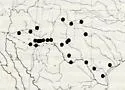
Brachinus javalinopsis 0
Brachinus javalinopsis
Identification: As in quadripennis , except antennal articles 3 and 4 infuscated only apically, and tibiae, tarsi, and palpi ferrugineous. The color of antennal articles 3 and 4 is paler in some individuals. Type locality: Willcox, Cochise County, Ar
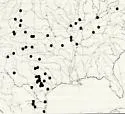
Brachinus kavanaughi 0
Brachinus kavanaughi
Identification: last key couplet: Knees not infuscated; elytral pubescence in rows between barely elevated costae; pronotum cordiform (fig. 226) elytra blue Type locality: Superior, Boulder County, Colorado, along Coal Creek.
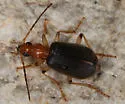
Brachinus lateralis
Brachinus lateralis
Identification: A southwestern species distinguished by dark knees against pale legs; elytra dark brownish with abrupt absence of pubescence on disc (center portion).
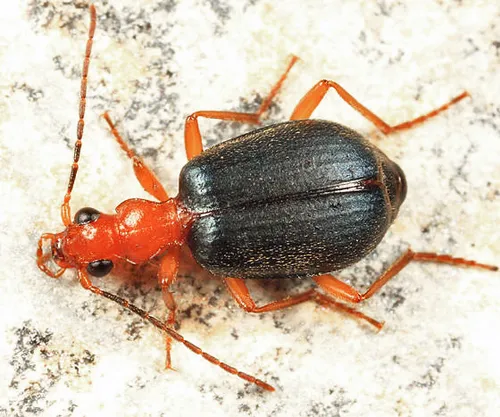
Brachinus medius
Brachinus medius
Identification: Dark venter including lateral portion of metasternum. Entire metasternum may be pale in some individuals; metasternum not shortened; glabrous proepipleura & poroepisterna; antennomere #3 completely dark; antennomere #1 proportionately
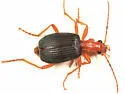
Brachinus mexicanus
Brachinus mexicanus
Identification: Most characteristic is pubescence limited to lateral and apical portions of elytra, absent over entire center portion. last couplet: Elytra blue, micro sculpture coarse, surface dull The composition of this species seems to be more co
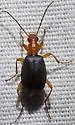
Brachinus phaeocerus
Brachinus phaeocerus
Identification: femora orange, tibiae and tarsi infuscated to black; elytra bright blue with black sutural margin; antennal articles 3-11 usually dark. Type Locality: Texas
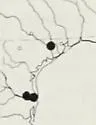
Brachinus puberulus 0
Brachinus puberulus
Identification: Anterior tibia with anterior surface strigose; elytra with costae moderately elevated Type locality: Brownsville, Cameron Co., Texas
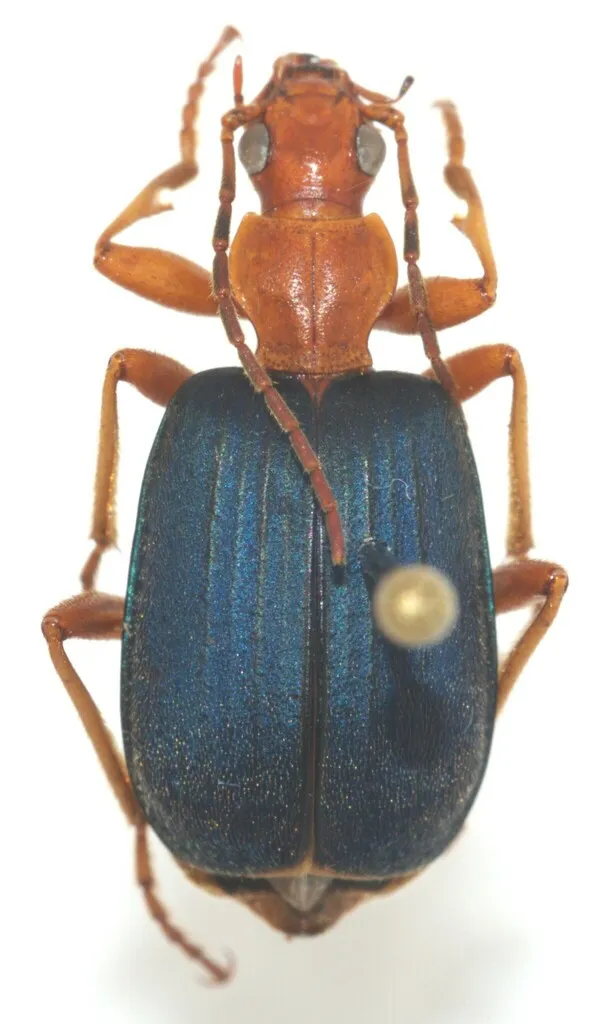
Square-winged Bombardier Beetle
Brachinus quadripennis
Brachinus quadripennis is a species of ground beetle in the family Carabidae. It is found in Central America and North America.
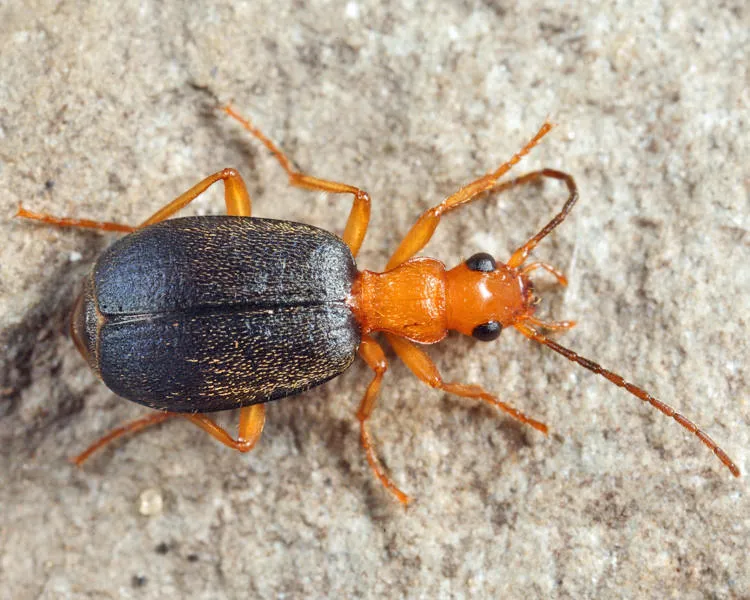
Brachinus rugipennis
Brachinus rugipennis
Brachinus rugipennis is a species of ground beetle in the family Carabidae. It is found in North America.
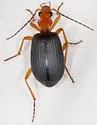
Brachinus tenuicollis
Brachinus tenuicollis
Identification: Antennal articles 3 and 4 infuscated at apex in some specimens, otherwise beetles ferrugineous. Dorsal surface and epipleura (narrow margin) of elytra blue. The large size, strongly costate elytra, and infuscated mesepisterna separate
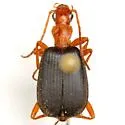
Brachinus texanus
Brachinus texanus
Identification: Last Couplet: Elytra slate-grey with greenish luster. Det. V. Belov, 2018
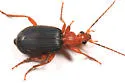
Brachinus vulcanoides
Brachinus vulcanoides
Identification: Helpful clues include location (northeastern USA), the color pattern of antennae, an especially deep constriction of the pronotum, and protibiae with smooth surface
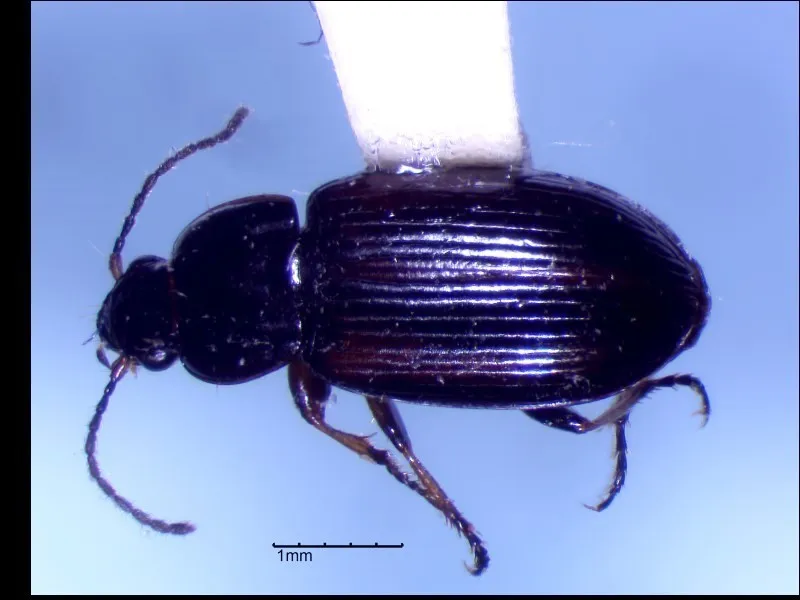
Bay-winged Harp Ground Beetle
Bradycellus badipennis
Identification: "Leg coloration varies from entirely rufous to femora blackish against rufous tibiae" (PWM, pers.obs.)
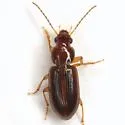
Bradycellus festinans
Bradycellus festinans
Identification: Body size, habitus, and coloration superficially like B. rupestris but differs (in part) by pronotum with hind angles well rounded (not denticulate).
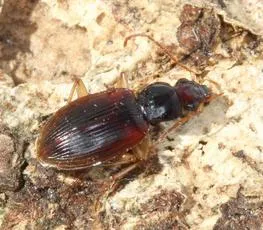
Bradycellus harpalinus
Bradycellus harpalinus
4-5mm. Variable but generally reddish brown with pale legs and antennae, often with suture and elytral margins paler brown. Pronotum has rounded hind angles and non-sinuate sides. Eyes are large and protrude. The scutellary striae are long, nearly 2x
Bradycellus lineatus
Bradycellus lineatus
Bradycellus lineatus is a species of ground beetle in the family Carabidae. It is found in North America.
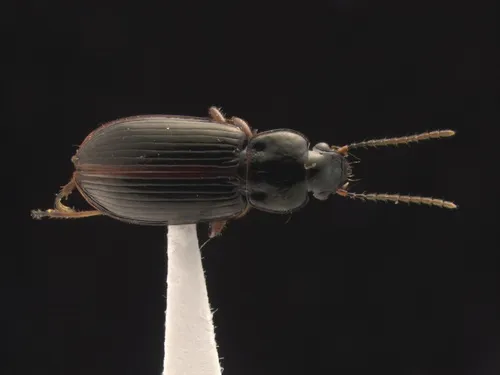
Bradycellus lugubris
Bradycellus lugubris
Identification: Some clues that help distinguish it from others in genus:
Bradycellus montanus
Bradycellus montanus
Bradycellus montanus is a species of ground beetle in the family Carabidae. It is found in North America.
Bradycellus neglectus
Bradycellus neglectus
Identification: The uniform dark elytra and roundish hind pronotal angles help separate it from congeners
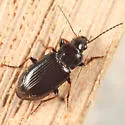
Bradycellus nigrinus
Bradycellus nigrinus
Identification: The uniformly dark dorsum and relatively sharp pronotal hind angles are characteristic
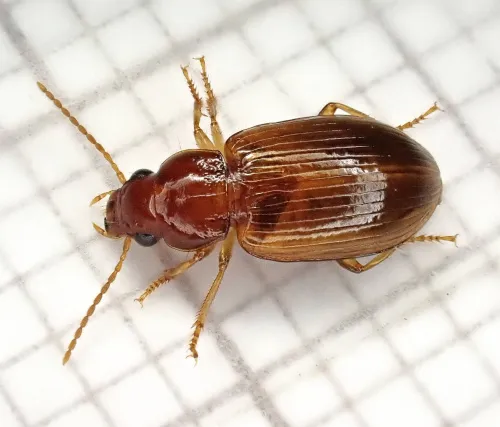
Bradycellus verbasci
Bradycellus verbasci
Length 4.5 to 5mm. Pale red brown with the elytra darker towards the apex. Legs and antennae are all pale. The pronotum sides are sinuate with obtuse but sharp hind corners. The side borders on the pronotum extend onto the hind margin which is sharpl
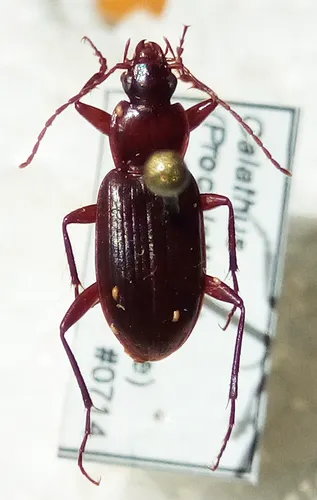
Calathus (Certocalathus) advena
Calathus advena
Calathus advena is a species of ground beetle in the family Carabidae. It is found in North America.
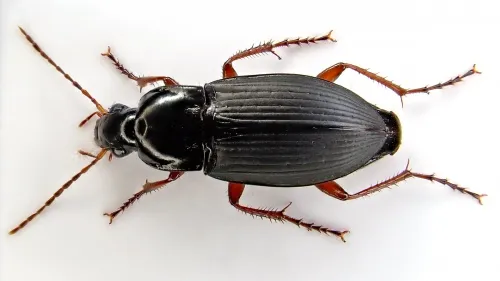
Calathus fuscipes
Calathus fuscipes
Length 10 to 14 mm. This is a large, black ground beetle. Legs and antennae are usually red but can be dark. It has a relatively smooth outline, with the pronotum and elytra more or less forming a continuous line. Dry open ground, including gardens a