
Brachinus alternans
This record describes Brachinus alternans (species). Recorded family: Carabidae. Recorded order: Coleoptera.
Identification and Appearance
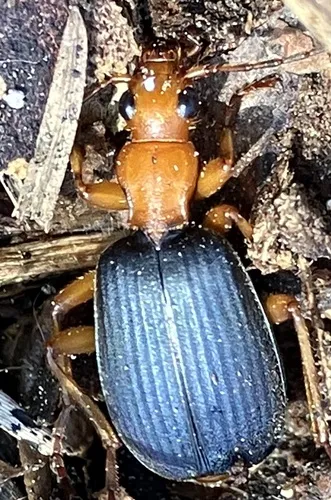
| Feature | Description |
|---|---|
| Additional details | 1. |
| Elytra | Elytra concolourus, epipleura (margin) dark. |
| Head | Head & pronotum lighter than elytra. [suture also apparently dark, as in Brachinus phaeocerus , B. phaeocerus doesn't have prominent elytral ribs] 2. Mentum flat with 2 shallow lateral pits. 3. Metasternum longer than diameter of middle coxa. 4. |
| Elytra | Elytra blue/green. 5. |
| Elytra | Elytra uniformly pubescent. 6. Raised medial portion of mentum with several setae (6+), and submentum with many hairs (16+). 7. Metasternum longer than middle coxa 8. Proepipleura & proepisternum pubescent throughout. 9. Elytral costae very pronounced (visible without a scope). this species is among the most variable of the genus in North America. Intrapopulational variation in the shape of the pronotum is illustrated in figures 172 and 173. Antennal articles 3 and 4 are or are not infuscated. - Figs. 172 and 173 a member of alternans group (also includes B. rugipennis and B. viridipennis in our area) |
Wikipedia reference for Brachinus alternans: https://en.wikipedia.org/wiki/Brachinus alternans.
Classification
- Kingdom
- Animalia
- Phylum
- Arthropoda
- Class
- Insecta
- Order
- Coleoptera (Beetles)
- Suborder
- Adephaga
- Family
- Carabidae (Ground Beetles)
- Subfamily
- Brachininae
- Genus
- Brachinus (Bombardier Beetles)
Imported taxonomy record. Source availability varies; see the source references and editorial policy below.
Habitat and Range
Geographic Range
e US to w.TX (w.TX-s.FL-CT-MN) - Map - 1,141 spmns examined
Seasonal Activity
collected during all months of the year. Teneral adults were collected in April in Illinois, in August in Tennessee, in September in Nebraska and Illinois, and in November in North Carolina. Overwintering probably takes place as an adult.
Additional species information
Species notes from the sources
Etymology: Brachinus alternans Dejean, 1825
About Primitive Winged Insects: the wider group
Order-level background for Coleoptera, the group containing Brachinus alternans. Species-specific details appear above.
Group overview
Coleoptera is the largest order of insects with over 400,000 described species, representing ~25% of all known animal species and ~40% of all insects. In the U.S. alone, nearly 30,000 beetle species have been identified.
Ecological role of the group
Beetles are prominent decomposers, especially in forests, breaking down dead wood and recycling nutrients. As predators, they reduce populations of pest insects. Many species are also important pollinators of flowering plants.
Economic and practical significance of the group
Beetles have major economic significance: leaf beetles (Chrysomelidae) and weevils (Curculionoidea) are among the most destructive agricultural pests globally, costing billions annually, while predatory species like ladybugs provide natural pest control.
Recorded sources for this group: Britannica, Smithsonian, NCSU Entomology. Imported estimates may describe particular regions or reporting periods.
Photos of Brachinus alternans (7)
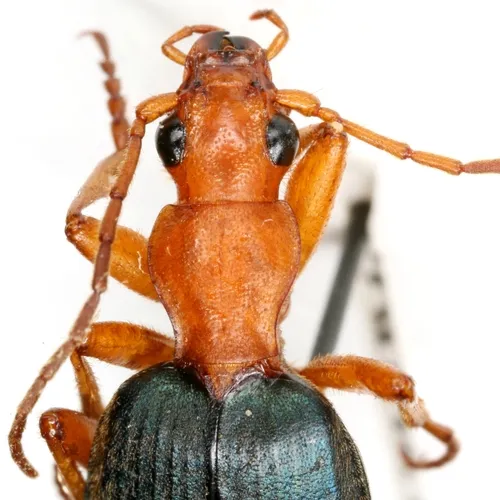
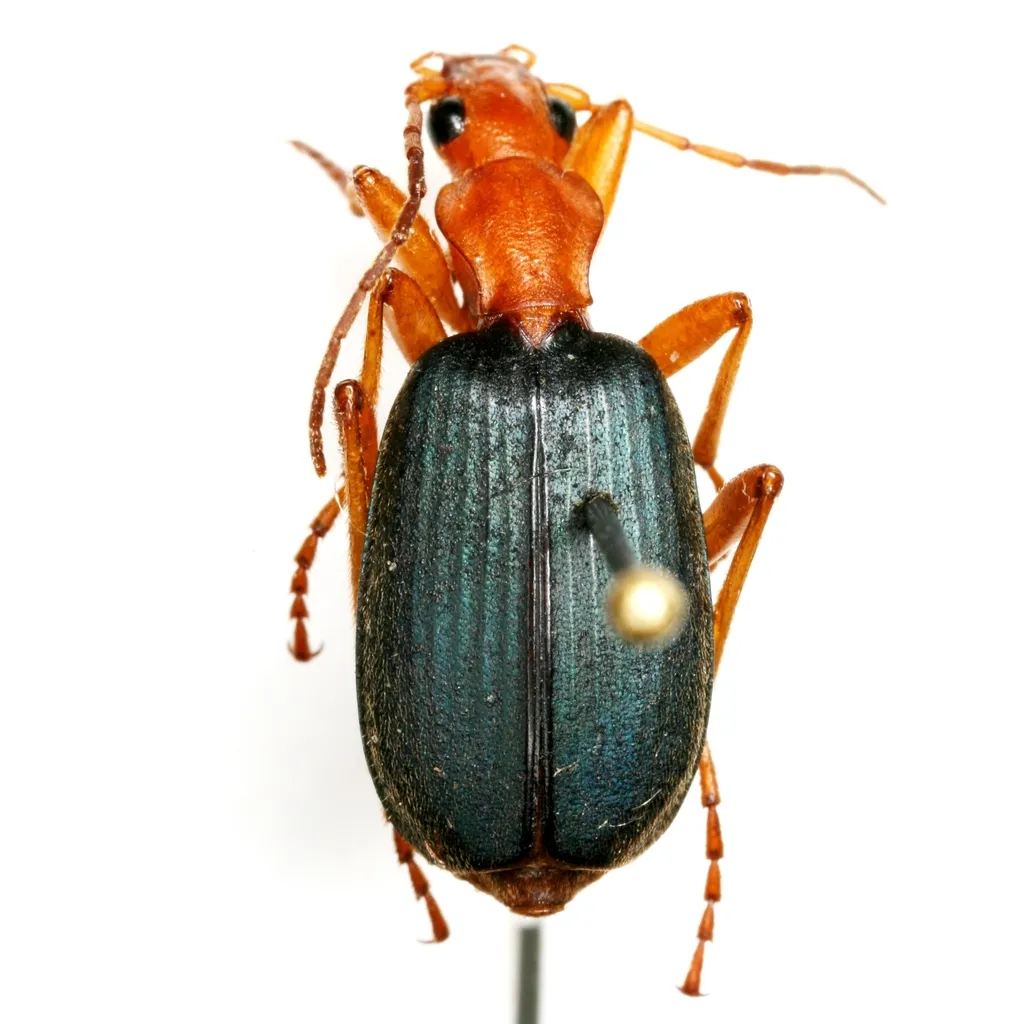
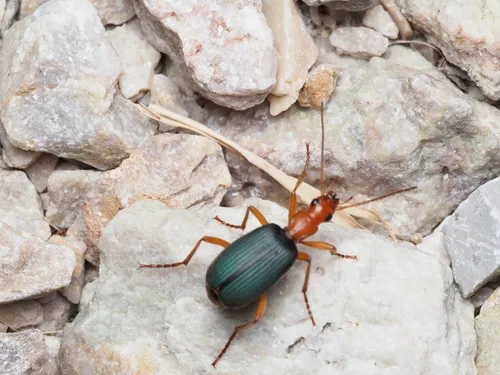
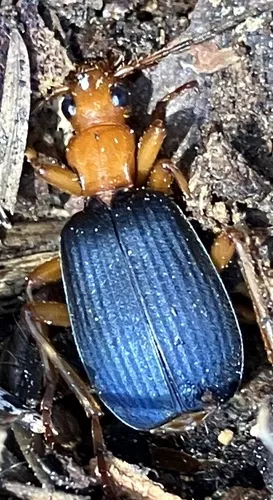
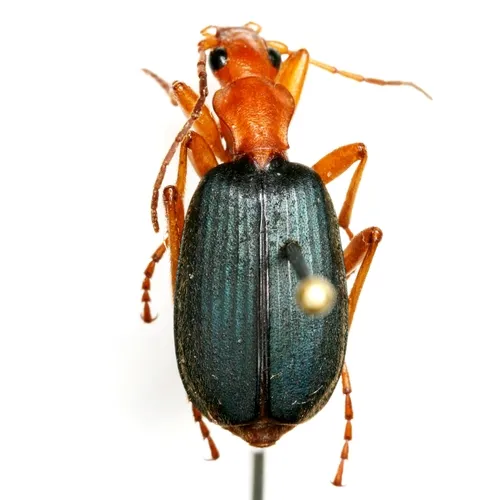
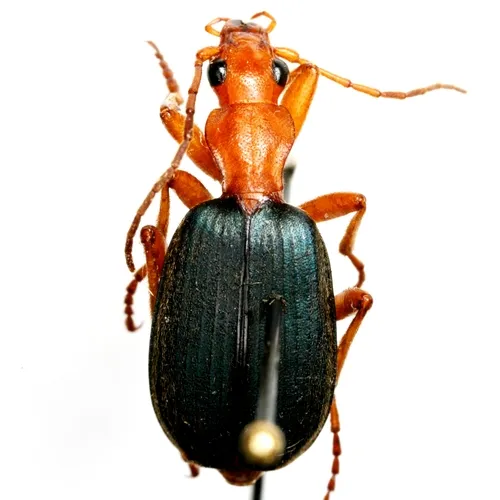
Photo credits: (c) Mike Quinn, San Marcos, some rights reserved (CC BY-NC), uploaded by Mike Quinn, San Marcos | (c) Joshua Ebright, some rights reserved (CC BY), uploaded by Joshua Ebright | (c) Cindi Fitzgerald, some rights reserved (CC BY-NC), uploaded by Cindi Fitzgerald | Contributed by Brad Barnd; Additional contributions by Mike Quinn , v belov
Frequently Asked Questions About Brachinus alternans
What is Brachinus alternans?
Brachinus alternans is a species in the family Carabidae, within the order Coleoptera.
How do you identify Brachinus alternans?
| Feature | Description |
|---|---|
| Additional details | 1. |
| Elytra | Elytra concolourus, epipleura (margin) dark. |
| Head | Head & pronotum lighter than elytra. [suture also apparently dark, as in Brachinus phaeocerus , B. phaeocerus doesn't have prominent elytral ribs] 2. Mentum flat with 2 shallow lateral pits. 3. Metasternum longer than diameter of middle coxa. 4. |
| Elytra | Elytra blue/green. 5. |
| Elytra | Elytra uniformly pubescent. 6. Raised medial portion of mentum with several setae (6+), and submentum with many hairs (16+). 7. Metasternum longer than middle coxa 8. Proepipleura & proepisternum pubescent throughout. 9. Elytral costae very pronounced (visible without a scope). this species is among the most variable of the genus in North America. Intrapopulational variation in the shape of the pronotum is illustrated in figures 172 and 173. Antennal articles 3 and 4 are or are not infuscated. - Figs. 172 and 173 |
Where is Brachinus alternans found?
Range: e US to w.TX (w.TX-s.FL-CT-MN) - Map - 1,141 spmns examined
When is Brachinus alternans active?
Brachinus alternans: seasonal activity - collected during all months of the year. Teneral adults were collected in April in Illinois, in August in Tennessee, in September in Nebraska and Illinois, and in November in North Carolina. Overwintering probably takes place as an adult..