
Anillinus virginiae
This record describes Anillinus virginiae (species). Recorded family: Carabidae. Recorded order: Coleoptera.
Identification and Appearance
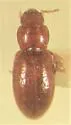
In the opinion of C. Harden, based on five years of collecting and studying Anillinus in Virginia, this name refers to a widespread litter-dwelling species in the langdoni-group and not the species that Jeannel illustrated the median lobe of; if this interpretation is correct, then that species is yet undescribed. Both species occur in the vicinity of the type locality, but the langdoni-group species is more common and easily collected. As far as is currently known, the species Jeannel illustrated is precinctive to high elevations in the northern Blue Ridge. For more details, see the notes under the posting of the holotype here .
Classification
- Kingdom
- Animalia
- Phylum
- Arthropoda
- Class
- Insecta
- Order
- Coleoptera (Beetles)
- Suborder
- Adephaga
- Family
- Carabidae (Ground Beetles)
- Subfamily
- Trechinae
- Tribe
- Anillini
- Genus
- Anillinus
Imported taxonomy record. Source availability varies; see the source references and editorial policy below.
Habitat and Range
Geographic Range
VA
Additional species information
Species notes from the sources
Etymology: Anillinus virginiae Jeannel, 1963
About Primitive Winged Insects: the wider group
Order-level background for Coleoptera, the group containing Anillinus virginiae. Species-specific details appear above.
Group overview
Coleoptera is the largest order of insects with over 400,000 described species, representing ~25% of all known animal species and ~40% of all insects. In the U.S. alone, nearly 30,000 beetle species have been identified.
Ecological role of the group
Beetles are prominent decomposers, especially in forests, breaking down dead wood and recycling nutrients. As predators, they reduce populations of pest insects. Many species are also important pollinators of flowering plants.
Economic and practical significance of the group
Beetles have major economic significance: leaf beetles (Chrysomelidae) and weevils (Curculionoidea) are among the most destructive agricultural pests globally, costing billions annually, while predatory species like ladybugs provide natural pest control.
Recorded sources for this group: Britannica, Smithsonian, NCSU Entomology. Imported estimates may describe particular regions or reporting periods.