
Neotibicen similaris
This record describes Neotibicen similaris (species). Recorded family: Cicadidae. Recorded order: Hemiptera.
Identification and Appearance
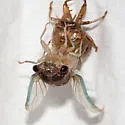
Tibicen similaris - General description 1) Legs: brownish - occasionally with light green at the joints and dark brown along the terminal ends of the tibia/tarsi 2) Pruinosity: pruinose venter (not heavily pruinose - similar to that seen in several related taxa); paired pruinose spots at the base of the abdomen in both genders (this trait is varaible) 3) Body Coloration: Typically brownish in appearance with some taupe or drab olive-green (The green in these cicadas is a dull olive green in sclerotized forms. In contrast, tenerals are usually pinkish-tan with slight indications of mint green or aqua.) 4) The pronotal collar is often black but may have olive green intrusion or may even be greenish in some individuals/populations 5) Although these Cicadas usually have dark eyes some may exhibit lighter grey or brownish eyes. 6) Venter of abdomen with reduced dark stripe (lacks much of the black pigmentation as seen in lyricen) 7) Males have elongated opercula (may be yellowish-tan or rusty-tan in color) Interesting NOTE: The call of *Tibicen similaris (Smith & Grossbeck 1907), Similar Cicada or Similar Dog-day Cicada is similar to that of Tibicen superbus (Fitch 1855), Superb Dog-day Cicada ; however, the clacky-trill part of the T. similaris song is much longer in duration than that of T. superbus , the latter of which is better described as a rapid clacky-clicking crecendo and fall. Tibicen similaris is a species that seems to exist with little available information. Perhaps, because these cicadas are very nervous and difficult to collect (most easily collected at lights or as nymphs), they are largely over looked and infrequently collected. I know of these cicadas to occur in the following areas: n & c Florida, sw. Georgia, e. South Carolina, se. Alabama, ec. Alabama (nc.& nw. AL?), s. Mississippi, and eastern North Carolina. This species seems most abundant in and to prefer scrub oak and xeric habitats, however may be found in various habitats adjacent to such areas. Although the literature suggests that cicadas are not host specific, this species appears to have an affinity for scrub oaks; their nymphs and casts can be common on and around such trees. Seems to fit in morphology and call between the Lyric/Swamp Cicada groups and the Southern Dog-Day Cicadas. Appears to be most closely related to the following (?): T. davisi (incl. ssp. harnedi) T. auriferus T. superbus Suspected hybrids between T. davisi and T. similaris have been observed in Florida (intermediate features incl. morphology and skewed calls)
Classification
- Kingdom
- Animalia
- Phylum
- Arthropoda
- Class
- Insecta
- Order
- Hemiptera (True Bugs, Cicadas, Hoppers, Aphids and Allies)
- Suborder
- Auchenorrhyncha
- Superfamily
- Cicadoidea
- Family
- Cicadidae (Cicadas)
- Subfamily
- Cicadinae
- Tribe
- Tacuini
- Genus
- Neotibicen (Dogday Cicadas)
Imported taxonomy record. Source availability varies; see the source references and editorial policy below.
Habitat and Range
Habitat
Scrub oak environments
Geographic Range
Southeastern US Seems to be most common east of the Mississippi River in the following states: FL, AL, MS, GA, e. SC, e. NC, & se. VA Reported in several states west of the Miss. River LA, AR, e. OK (?), & e. TX (?) Western most distribution (??) Confirmed from Arkansas & ne. Louisiana
Seasonal Activity
June-September
Diet and Behavior
Diet: Scrub oaks misc. vascular plants
Additional species information
Species notes from the sources
Etymology: Author of the species - Smith and Grossbeck 1907 (Cicada)
About True Bugs, Cicadas, Hoppers, Aphids and Allies: the wider group
Order-level background for Hemiptera, the group containing Neotibicen similaris. Species-specific details appear above.
Group overview
Hemiptera (true bugs) includes over 80,000 described species across cicadas, aphids, leafhoppers, shield bugs, and bed bugs. Aphids alone cost global agriculture an estimated $2.5 billion annually in crop losses.
Ecological role of the group
Many Hemiptera are essential food sources for birds and predatory insects. Cicadas provide massive nutrient pulses during emergence events - a single Brood X emergence can involve trillions of individuals across 15 states.
Economic and practical significance of the group
The brown marmorated stink bug (Halyomorpha halys) caused $37 million in apple crop losses in a single year in the U.S. Mid-Atlantic region. Bed bug infestations in the U.S. increased by 500% between 2001-2010, costing the hotel industry hundreds of millions annually.
Recorded sources for this group: USDA, EPA, University research. Imported estimates may describe particular regions or reporting periods.
Photos of Neotibicen similaris (5)
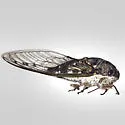
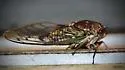
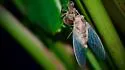
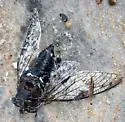
Photo credits: Contributed by John R. Maxwell; Additional contributions by Bill Reynolds , antarctica
Frequently Asked Questions About Neotibicen similaris
What is Neotibicen similaris?
Neotibicen similaris is a species in the family Cicadidae, within the order Hemiptera.
How do you identify Neotibicen similaris?
Tibicen similaris - General description 1) Legs: brownish - occasionally with light green at the joints and dark brown along the terminal ends of the tibia/tarsi 2) Pruinosity: pruinose venter (not heavily pruinose - similar to that seen in several related taxa); paired pruinose spots at the base of the abdomen in both genders (this trait is varaible) 3) Body Coloration: Typically brownish in appearance with some taupe or drab olive-green (The green in these cicadas is a dull olive green in sclerotized forms. In contrast, tenerals are usually pinkish-tan with slight indications of mint green or aqua.) 4) The pronotal collar is often black but may have olive green intrusion or may even be greenish in some individuals/populations 5) Although these Cicadas usually have dark eyes some may exhibit lighter grey or brownish eyes. 6) Venter of abdomen with reduced dark stripe (lacks much of the black pigmentation as seen in lyricen) 7) Males have elongated opercula (may be yellowish-tan or rusty-tan in color)
Where is Neotibicen similaris found?
| Feature | Details |
|---|---|
| Habitat | Scrub oak environments |
| Range | Southeastern US Seems to be most common east of the Mississippi River in the following states: FL, AL, MS, GA, e. SC, e. NC, & se. VA Reported in several states west of the Miss. River LA, AR, e. OK (?), & e. TX (?) Western most distribution (??) Confirmed from Arkansas & ne. Louisiana |
What does Neotibicen similaris eat?
The diet of the Neotibicen similaris includes Scrub oaks misc. vascular plants.
When is Neotibicen similaris active?
Neotibicen similaris: seasonal activity - June-September.