
Dog-day Cicada
Neotibicen canicularis
This record describes Neotibicen canicularis (species). Recorded family: Cicadidae. Recorded order: Hemiptera.
Identification and Appearance
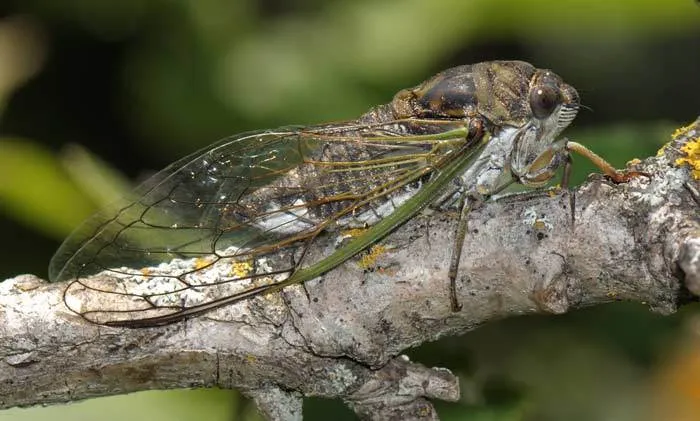
other species sometimes called dog day cicada include Tibicen pruinosa and Tibicen chloromera ; the term is also used generally to refer to any cicada that sings during late summer Due to morphological and song variations, it is suspected that canicularis hybridizes with linnei and pruinosus.
Wikipedia reference for Neotibicen canicularis: http://en.wikipedia.org/wiki/Dog-day_cicada.
Classification
- Kingdom
- Animalia
- Phylum
- Arthropoda
- Class
- Insecta
- Order
- Hemiptera (True Bugs, Cicadas, Hoppers, Aphids and Allies)
- Suborder
- Auchenorrhyncha
- Superfamily
- Cicadoidea
- Family
- Cicadidae (Cicadas)
- Subfamily
- Cicadinae
- Tribe
- Tacuini
- Genus
- Neotibicen (Dogday Cicadas)
Imported taxonomy record. Source availability varies; see the source references and editorial policy below.
Habitat and Range
Habitat
mixed or deciduous woods; mature males sing from treetops, newly-emerged adults may be found in low vegetation and on tree trunks Often found in pine woodlands and mixed forests from New Jersey north into New England & se, Canada
Seasonal Activity
late season species: adults emerge in mid-summer; mature males sing from August through late September or early October
Diet and Behavior
Diet: Varies from region to region, but often associated with pines and allied conifers. Some populations seem to occupy deciduous forests and/or mixed forests. larvae feed underground on the roots of pine and oak *seem to prefer pines in most places (per. comm.)
Life History
Thought to have an average 3-year life cycle May vary and is subject to climate extremes
Additional species information
Species notes from the sources
Etymology: DOG-DAY: a reference to the hot "dog days" of late summer when this species is heard singing; at this time in the northern hemisphere the Dog Star (Sirius) is above the horizon in the Big Dog constellation (Canis Major). NOTE: Dog-days of summer indeed do refer to Sirius, the dog star, and although it is above the horizon, it is not visible in summer in the northern hemisphere. This is because it is up during the daytime. Canis major is a "winter" constellation. Canis Major CANICULARIS: from the Latin "canicula" (a little dog, the Dog Star, Sirius) HARVESTFLY: another reference to the late season song of this species, heard during harvest time
About True Bugs, Cicadas, Hoppers, Aphids and Allies: the wider group
Order-level background for Hemiptera, the group containing Neotibicen canicularis. Species-specific details appear above.
Group overview
Hemiptera (true bugs) includes over 80,000 described species across cicadas, aphids, leafhoppers, shield bugs, and bed bugs. Aphids alone cost global agriculture an estimated $2.5 billion annually in crop losses.
Ecological role of the group
Many Hemiptera are essential food sources for birds and predatory insects. Cicadas provide massive nutrient pulses during emergence events - a single Brood X emergence can involve trillions of individuals across 15 states.
Economic and practical significance of the group
The brown marmorated stink bug (Halyomorpha halys) caused $37 million in apple crop losses in a single year in the U.S. Mid-Atlantic region. Bed bug infestations in the U.S. increased by 500% between 2001-2010, costing the hotel industry hundreds of millions annually.
Recorded sources for this group: USDA, EPA, University research. Imported estimates may describe particular regions or reporting periods.
Photos of Dog-day Cicada (3)
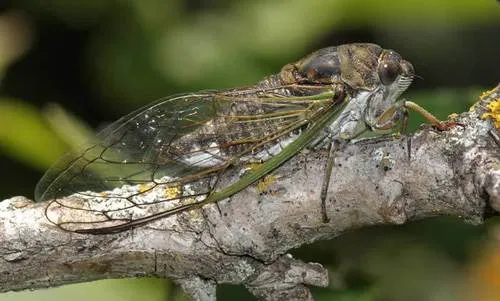
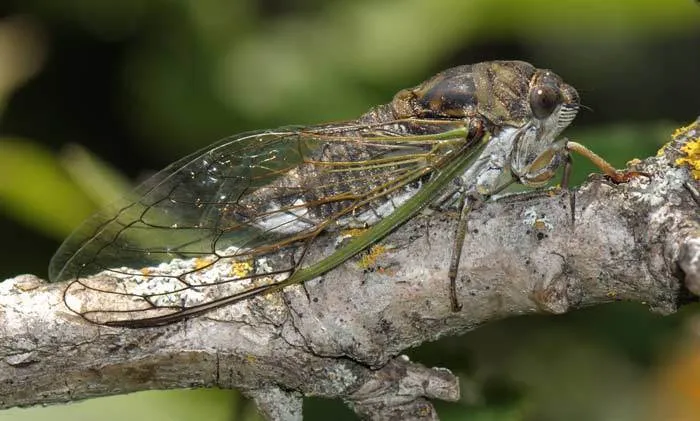
Photo credits: Contributed by Robin McLeod; Additional contributions by Bill Reynolds
Frequently Asked Questions About Dog-day Cicada
What is Dog-day Cicada?
Dog-day Cicada (Neotibicen canicularis) is a species in the family Cicadidae, within the order Hemiptera.
How big is Dog-day Cicada?
body 27-33 mm; wingspan to 82 mm
Where is Dog-day Cicada found?
Habitat: mixed or deciduous woods; mature males sing from treetops, newly-emerged adults may be found in low vegetation and on tree trunks Often found in pine woodlands and mixed forests from New Jersey north into New England & se, Canada
What does Dog-day Cicada eat?
The diet of the Dog-day Cicada includes Varies from region to region, but often associated with pines and allied conifers. Some populations seem to occupy deciduous forests and/or mixed forests. larvae feed underground on the roots of pine and oak *seem to prefer pines in most places (per. comm.).
When is Dog-day Cicada active?
Dog-day Cicada: seasonal activity - late season species: adults emerge in mid-summer; mature males sing from August through late September or early October.
What is the life cycle of a Dog-day Cicada?
Thought to have an average 3-year life cycle May vary and is subject to climate extremes