
Linné's Annual Cicada
Neotibicen linnei
This record describes Neotibicen linnei (species). Recorded family: Cicadidae. Recorded order: Hemiptera.
Identification and Appearance
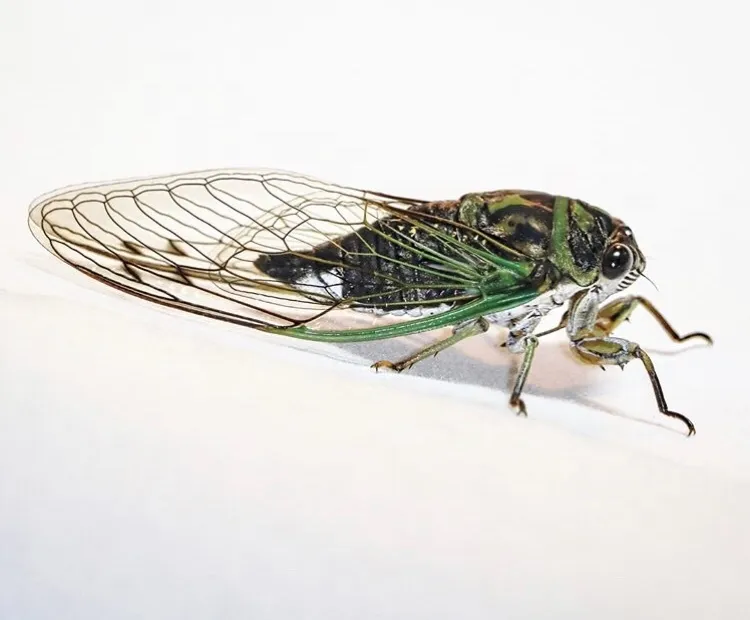
Wikipedia reference for Neotibicen linnei: http://en.wikipedia.org/wiki/Neotibicen_linnei.
Classification
- Kingdom
- Animalia
- Phylum
- Arthropoda
- Class
- Insecta
- Order
- Hemiptera (True Bugs, Cicadas, Hoppers, Aphids and Allies)
- Suborder
- Auchenorrhyncha
- Superfamily
- Cicadoidea
- Family
- Cicadidae (Cicadas)
- Subfamily
- Cicadinae
- Tribe
- Tacuini
- Genus
- Neotibicen (Dogday Cicadas)
Imported taxonomy record. Source availability varies; see the source references and editorial policy below.
Habitat and Range
Habitat
Deciduous forests Some populations in the upper mid-South/central TN seem to prefer Junipers
Geographic Range
Eastern US and adj. s. Canada Southeast: Most of the southeast (areas east of the Mississippi River) Confirmed reports from the following locations: n. AL, e. AL, TN, GA, n. FL, c. FL, SC, NC, & VA Questionable reports from MS, LA, & AR - ??? (NOTE: In central Florida, typical T. linnei is replaced by a strange variant endemic to the forests surrounding lime sinks and spring rivers along the highland ridge. The males in these populations often produce strange pulsing calls which deviate from typical linnei and often seem to possess hybrid linnei x pruinosus traits. These "linnei" populations need greater taxonomic scrutiny to better understand placement and taxonomic status.) Southeast (Common) Mid-Atlantic & Northeast (Common to Locally Common) New England (rare in extreme s. New England) Mid-West & Great Lakes regions (Common to Locally Common) Upper Plains States incl. Iowa & s. Wisconsin (Common to Locally Common) Eastern Plains States (less common - KS & NE)
Seasonal Activity
June-October, Most places September-November, central Florida
Diet and Behavior
Diet: various hardwoods & conifers
Additional species information
Species notes from the sources
Etymology: Named after Carolus Linnaeus - Linné is the Swedish version of his name. Several authors had mistaken this species for one described by Linnaeus until Smith and Grossbeck set the record straight. It thus, ironically, became known as Linné's Cicada because it was shown not to be his cicada at all, but a new species.
About True Bugs, Cicadas, Hoppers, Aphids and Allies: the wider group
Order-level background for Hemiptera, the group containing Neotibicen linnei. Species-specific details appear above.
Group overview
Hemiptera (true bugs) includes over 80,000 described species across cicadas, aphids, leafhoppers, shield bugs, and bed bugs. Aphids alone cost global agriculture an estimated $2.5 billion annually in crop losses.
Ecological role of the group
Many Hemiptera are essential food sources for birds and predatory insects. Cicadas provide massive nutrient pulses during emergence events - a single Brood X emergence can involve trillions of individuals across 15 states.
Economic and practical significance of the group
The brown marmorated stink bug (Halyomorpha halys) caused $37 million in apple crop losses in a single year in the U.S. Mid-Atlantic region. Bed bug infestations in the U.S. increased by 500% between 2001-2010, costing the hotel industry hundreds of millions annually.
Recorded sources for this group: USDA, EPA, University research. Imported estimates may describe particular regions or reporting periods.
Photos of Linné's Annual Cicada (3)
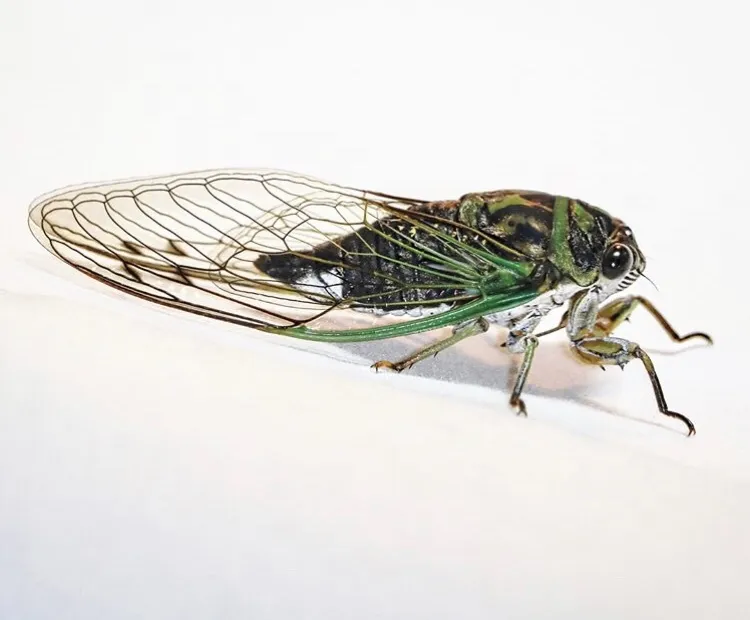
Photo credits: Contributed by Stephen_WV; Additional contributions by cotinis , Chuck Entz , Bill Reynolds , Fyn Kynd , antarctica
Frequently Asked Questions About Linné's Annual Cicada
Where is Linné's Annual Cicada found?
| Feature | Details |
|---|---|
| Habitat | Deciduous forests Some populations in the upper mid-South/central TN seem to prefer Junipers |
| Range | Eastern US and adj. s. Canada Southeast: Most of the southeast (areas east of the Mississippi River) Confirmed reports from the following locations: n. AL, e. AL, TN, GA, n. FL, c. FL, SC, NC, & VA Questionable reports from MS, LA, & AR - ??? (NOTE: In central Florida, typical T. linnei is replaced by a strange variant endemic to the forests surrounding lime sinks and spring rivers along the highland ridge. The males in these populations often produce strange pulsing calls which deviate from typical linnei and often seem to possess hybrid linnei x pruinosus traits. These linnei populations need greater taxonomic scrutiny to better understand placement and taxonomic status.) Southeast (Common) Mid-Atlantic & Northeast (Common to Locally Common) New England (rare in extreme s. New England) Mid-West & Great Lakes regions (Common to Locally Common) Upper Plains States incl. Iowa & s. Wisconsin (Common to Locally Common) Eastern Plains States (less common - KS & NE) |
What does Linné's Annual Cicada eat?
The diet of the Linné's Annual Cicada includes various hardwoods & conifers.
When is Linné's Annual Cicada active?
Linné's Annual Cicada: seasonal activity - June-October, Most places September-November, central Florida.