
Coastal Scissor(s) Grinder
Neotibicen latifasciatus
This record describes Neotibicen latifasciatus (species). Recorded family: Cicadidae. Recorded order: Hemiptera.
Identification and Appearance
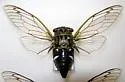
Guide based on comments on images and e-mails by Bill Reynolds . ---------------------------------------------------------------- NOTE: Species seems abundant in the webs of Nephila clavipes , an important predator of this and other cicadas.
Classification
- Kingdom
- Animalia
- Phylum
- Arthropoda
- Class
- Insecta
- Order
- Hemiptera (True Bugs, Cicadas, Hoppers, Aphids and Allies)
- Suborder
- Auchenorrhyncha
- Superfamily
- Cicadoidea
- Family
- Cicadidae (Cicadas)
- Subfamily
- Cicadinae
- Tribe
- Tacuini
- Genus
- Neotibicen (Dogday Cicadas)
Imported taxonomy record. Source availability varies; see the source references and editorial policy below.
Habitat and Range
Habitat
Sandy soils of the Atlantic & Gulf Coastal Plains - Rarely more than a few miles from the coast. The healthiest populations are associated with the cedar glades occurring in the maritime & dune forests.
Geographic Range
T. latifasciatus is coastal in distribution with spotty collection records from southern New Jersey (type material) south along the Atlantic coast into central Florida. The "Coastal Scissor Grinder" is recorded from coastal habitats across se. NJ, DE, VA (Delmarva Peninsula - incl. DE, MD, & VA), NC, ne. SC, & c. FL. Given the distribution pattern and host affiliation (Juniperus), it is possible this taxon may occur in spotty localities along the remaining South Carolina & Georgia coasts; however, no specimens have been located to confirm. Peninsular Florida T. latifasciatus occurs in central Florida; however, is most common along the Highland Ridge (Ocala) and west-central part of the state. Greatest concentrations can be found within a few miles of the Gulf coast (incl. w. Marion, Levy & Citrus Counties .... south??). Audal records suggest this species may be found along the Atlantic coast of c. FL running north as well, but no specimens have been located to verify the identity of the source calls. Records of T. pruinosus from peninsular Florida are likely based on T. latifasciatus ,...as the calls of these cicadas are virtually identical. North Florida & FL Panhandle Given the vegetative patterns, habitat and observed calling times in and along the Georgia border of n. FL and FL Panhandle (i.e. late afternoon & evening), "pruinosus-like" calls probably belong to the related taxon "winnemanna", Tibicen winnemanna (Davis 1912) [syn. T. pruinosa winnemanna],"Eastern Scissor(s) Grinder Cicada" . The few specimens reviewed from s. GA & s. AL were inconsistent with the taxon T. latifasciatus and were most similar in appearance to winnemanna-pruinosus.
Seasonal Activity
June-December (Peninsular Florida) June-October (Coastal North Carolina) June-September (Atlantic coast - NC, VA, DE, Delmarva, & NJ)
Diet and Behavior
Diet: Typically associated with coastal/southern red cedar, Atlantic white cedar, cypress and adjacent hardwoods. While many cicadas seem to be host "non-specific", others seem to show extreme preference. Adults of Tibicen latifasciatus can be found among other trees, but they are rarely found far from natural groves of southern red cedars & related trees. Interestingly, if you wish to collect this species, it is easiest to scope out cedar trees and search for the nymphs emerging at night. More research is needed to fully understand the relationship between this insect and its "preferred host" (per. observations). HOST: Southern/Eastern Red Cedar Order: Pinales Family: Cupressaceae Genus: Juniperus Species: J. silicicola (syn. J. virginiana var. silicicola) HOST: Atlantic White Cedars Order: Pinales Family: Cupressaceae Genus: Chamaecyparis Species: C. thyoides Other hosts preferred by T. latifasciatus may include: Juniperus spp., "Cedars" Cupressus spp., Cypress Cupressocyparis spp., Leyland Cypress
Life History
eggs laid in twigs and/or bark - often within a few feet of the ground (Per. observation). Females seem to oviposit early in the day, often before noon and can be found among the lower branches of cedars. They will also oviposit in the bark of the main trunk at various heights (per. observ.). eggs hatch and nymphs fall to the ground Nymphs burrow in to the ground and feed on the sap in tree roots After several years, the mature nymphs surface, climb and the adults emerge
About True Bugs, Cicadas, Hoppers, Aphids and Allies: the wider group
Order-level background for Hemiptera, the group containing Neotibicen latifasciatus. Species-specific details appear above.
Group overview
Hemiptera (true bugs) includes over 80,000 described species across cicadas, aphids, leafhoppers, shield bugs, and bed bugs. Aphids alone cost global agriculture an estimated $2.5 billion annually in crop losses.
Ecological role of the group
Many Hemiptera are essential food sources for birds and predatory insects. Cicadas provide massive nutrient pulses during emergence events - a single Brood X emergence can involve trillions of individuals across 15 states.
Economic and practical significance of the group
The brown marmorated stink bug (Halyomorpha halys) caused $37 million in apple crop losses in a single year in the U.S. Mid-Atlantic region. Bed bug infestations in the U.S. increased by 500% between 2001-2010, costing the hotel industry hundreds of millions annually.
Recorded sources for this group: USDA, EPA, University research. Imported estimates may describe particular regions or reporting periods.
Photos of Coastal Scissor(s) Grinder (5)
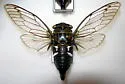
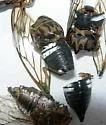
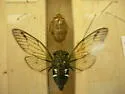
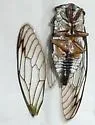
Photo credits: Contributed by Cotinis; Additional contributions by Phillip Harpootlian , David Ferguson , Bill Reynolds , antarctica
Frequently Asked Questions About Coastal Scissor(s) Grinder
What is Coastal Scissor(s) Grinder?
Coastal Scissor(s) Grinder (Neotibicen latifasciatus) is a species in the family Cicadidae, within the order Hemiptera.
How big is Coastal Scissor(s) Grinder?
25-30 mm (body length, 1-1.5 inches)
Where is Coastal Scissor(s) Grinder found?
| Feature | Details |
|---|---|
| Habitat | Sandy soils of the Atlantic & Gulf Coastal Plains - Rarely more than a few miles from the coast. The healthiest populations are associated with the cedar glades occurring in the maritime & dune forests. |
| Range | T. latifasciatus is coastal in distribution with spotty collection records from southern New Jersey (type material) south along the Atlantic coast into central Florida. The Coastal Scissor Grinder is recorded from coastal habitats across se. NJ, DE, VA (Delmarva Peninsula - incl. DE, MD, & VA), NC, ne. SC, & c. FL. Given the distribution pattern and host affiliation (Juniperus), it is possible this taxon may occur in spotty localities along the remaining South Carolina & Georgia coasts; however, no specimens have been located to confirm. Peninsular Florida T. latifasciatus occurs in central Florida; however, is most common along the Highland Ridge (Ocala) and west-central part of the state. Greatest concentrations can be found within a few miles of the Gulf coast (incl. w. Marion, Levy & Citrus Counties .... south??). Audal records suggest this species may be found along the Atlantic coast of c. FL running north as well, but no specimens have been located to verify the identity of the source calls. Records of T. pruinosus from peninsular Florida are likely based on T. latifasciatus ,...as the calls of these cicadas are virtually identical. North Florida & FL Panhandle Given the vegetative patterns, habitat and observed calling times in and along the Georgia border of n. FL and FL Panhandle (i.e. late afternoon & evening), pruinosus-like calls probably belong to the related taxon winnemanna, Tibicen winnemanna (Davis 1912) [syn. T. pruinosa winnemanna],Eastern Scissor(s) Grinder Cicada . The few specimens reviewed from s. GA & s. AL were inconsistent with the taxon T. latifasciatus and were most similar in appearance to winnemanna-pruinosus. |
What does Coastal Scissor(s) Grinder eat?
The diet of the Coastal Scissor(s) Grinder includes Typically associated with coastal/southern red cedar, Atlantic white cedar, cypress and adjacent hardwoods. While many cicadas seem to be host non-specific, others seem to show extreme preference. Adults of Tibicen latifasciatus can be found among other trees, but they are rarely found far from natural groves of southern red cedars & related trees. Interestingly, if you wish to collect this species, it is easiest to scope out cedar trees and search for the nymphs emerging at night. More research is needed to fully understand the relationship between this insect and its preferred host (per. observations). HOST: Southern/Eastern Red Cedar Order: Pinales Family: Cupressaceae Genus: Juniperus Species: J. silicicola (syn. J. virginiana var. silicicola) HOST: Atlantic White Cedars Order: Pinales Family: Cupressaceae Genus: Chamaecyparis Species: C. thyoides Other hosts preferred by T. latifasciatus may include: Juniperus spp., Cedars Cupressus spp., Cypress Cupressocyparis spp., Leyland Cypress.
When is Coastal Scissor(s) Grinder active?
Coastal Scissor(s) Grinder: seasonal activity - June-December (Peninsular Florida) June-October (Coastal North Carolina) June-September (Atlantic coast - NC, VA, DE, Delmarva, & NJ).
What is the life cycle of a Coastal Scissor(s) Grinder?
eggs laid in twigs and/or bark - often within a few feet of the ground (Per. observation). Females seem to oviposit early in the day, often before noon and can be found among the lower branches of cedars. They will also oviposit in the bark of the main trunk at various heights (per. observ.). eggs hatch and nymphs fall to the ground Nymphs burrow in to the ground and feed on the sap in tree roots After several years, the mature nymphs surface, climb and the adults emerge