
Brown Winter Grasshopper
Amblytropidia mysteca
This record describes Amblytropidia mysteca (species). Recorded family: Acrididae. Recorded order: Orthoptera.
Identification and Appearance
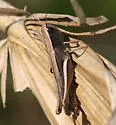
Robust, yellowish-brown, often with broad golden stripe running lengthwise above. Hind tibiae brownish-yellow. Eye is large. Face is slanted, top of head is rounded. Antennae are short. When disturbed, flies briefly, then dives and burrows into vegetation.
Classification
- Kingdom
- Animalia
- Phylum
- Arthropoda
- Class
- Insecta
- Order
- Orthoptera (Grasshoppers, Crickets, Katydids)
- Suborder
- Caelifera
- Family
- Acrididae (Short-horned Grasshoppers)
- Subfamily
- Gomphocerinae
- Genus
- Amblytropidia
Imported taxonomy record. Source availability varies; see the source references and editorial policy below.
Habitat and Range
Habitat
Typically short to high grasses in open woodlands, especially pine woodlands.
Geographic Range
Southern United States: Virginia to Arizona, and southward through Central America.
Seasonal Activity
All year in southern areas
Diet and Behavior
Life History
Overwinters as adult. In northern parts of range, passes the summer in the egg stage, but in southern areas adults may be present all year.
About Grasshoppers, Crickets, Katydids: the wider group
Order-level background for Orthoptera, the group containing Amblytropidia mysteca. Species-specific details appear above.
Group overview
Orthoptera includes ~28,000 described species of grasshoppers, crickets, and katydids. Desert locusts can form swarms covering 460 square miles containing up to 80 million individuals per square kilometer.
Ecological role of the group
Grasshoppers and crickets are a primary food source for birds, reptiles, and small mammals. Cricket farming is a growing industry - crickets require 12× less feed than cattle to produce the same amount of protein, using 2,000× less water.
Economic and practical significance of the group
A single large locust swarm can consume the same amount of food in one day as 35,000 people. The 2019-2021 East Africa locust crisis affected food security for 42 million people across multiple countries. Global crop losses from locusts can reach billions annually.
Recorded sources for this group: FAO, UN World Food Programme, research publications. Imported estimates may describe particular regions or reporting periods.
Photos of Brown Winter Grasshopper (5)
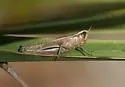
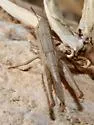
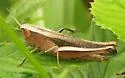
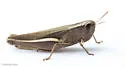
Photo credits: Contributed by Eric R. Eaton; Additional contributions by cotinis , metrioptera
Frequently Asked Questions About Brown Winter Grasshopper
What is Brown Winter Grasshopper?
Brown Winter Grasshopper (Amblytropidia mysteca) is a species in the family Acrididae, within the order Orthoptera.
How big is Brown Winter Grasshopper?
males: 19-24 mm, females 24-30 mm, some references report to 36 mm length
How do you identify Brown Winter Grasshopper?
Robust, yellowish-brown, often with broad golden stripe running lengthwise above. Hind tibiae brownish-yellow. Eye is large. Face is slanted, top of head is rounded. Antennae are short. When disturbed, flies briefly, then dives and burrows into vegetation.
Where is Brown Winter Grasshopper found?
| Feature | Details |
|---|---|
| Habitat | Typically short to high grasses in open woodlands, especially pine woodlands. |
| Range | Southern United States: Virginia to Arizona, and southward through Central America. |
When is Brown Winter Grasshopper active?
Brown Winter Grasshopper: seasonal activity - All year in southern areas.
What is the life cycle of a Brown Winter Grasshopper?
Overwinters as adult. In northern parts of range, passes the summer in the egg stage, but in southern areas adults may be present all year.