
Family Rose Gall Wasps (Cynipidae)
Cynipidae is a family in the order Hymenoptera. Browse 276 named species recorded in this family, or open an individual profile for its available identification and natural-history information.
Species in Cynipidae (276)
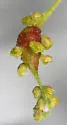
Sausage Flower Gall Wasp
Melikaiella congregata
Identification: Larvae induce sausage-like catkin galls on Quercus agrifolia (coast live oak) in the spring. Gall is known to produce honeydew
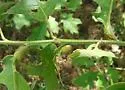
Melikaiella tumifica
Melikaiella tumifica
Larvae develop in petiole swellings on leaves of red, black, and scarlet oak ( Quercus rubra, velutina, coccinea ).
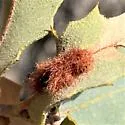
Neuroterus aliceae
Neuroterus aliceae
Identification: Gall. Brown fluffy leaf galls, consisting of an aggregated group of larval chambers ≥ 5 mm across, on midrib on the underside of leaf. Covered in a dense, somewhat woolly, coat of reddish-brown hairs. Similar in structure to Andricus
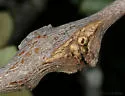
Split Twig Gall Wasp
Neuroterus asymmetricus
Identification: Larvae form integral stem galls on oaks in the "intermediate" oak group on the west coast. The intermediate oak group includes: Quercus chrysolepis (canyon live oak), Q. palmeri (Palmer's oak), Q. vacciniifolia (huckleberry oak). The
Succulent Gall Wasp
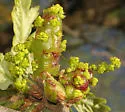
Neuroterus fragilis
Identification: Ron Russo: "These galls are always succulent looking and not cranial, twisted, hairy as in N. washingtonensis ." Host plants include: Quercus durata , Quercus berberidifolia (and likely other scrub oaks), Quercus douglasii , and Querc
Neuroterus quercusbaccarum
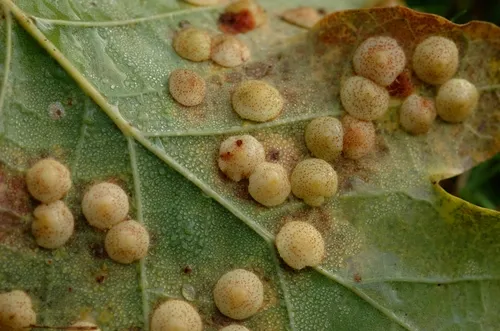
Neuroterus quercusbaccarum
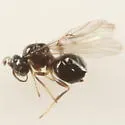
Small (3mm), dark wasps. Asexual females may be abundant during spring emergence. If reared directly from the gall (please include photo of gall) be aware that it may be a parasitoid or inquiline - always check. It must be keyed out and detailed phot
Neuroterus quercusverrucarum
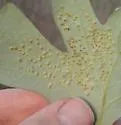
Neuroterus quercusverrucarum
Causes fuzzy, white to brown galls, about 2.5 mm across, on the undersides of leaves of oaks in the white oak group, e.g. white oak ( Quercus alba ), swamp white oak ( Q. bicolor ), overcup oak ( Q. lyrata ), bur oak ( Q. macrocarpa ), dwarf chinquap
Neuroterus saltarius
Neuroterus saltarius
Forms galls on bur oak ( Quercus macrocarpa ) and swamp white oak ( Q. bicolor ). "After galls drop in June they jump about on the ground for some time as do the related species, Neuroterus saltatorius (Edwards) in Calif." Adults emerge from galls in
California Jumping Gall Wasp
Neuroterus saltatorius
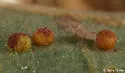
Identification: Summer/fall unisexual galls of this species occur on the underside of valley, blue, scrub, and Oregon oak leaves. Spring bisexual generation galls are integral leaf galls. Periodic movements of the larvae after the unisexual generatio
Paracraspis insolens
Paracraspis insolens
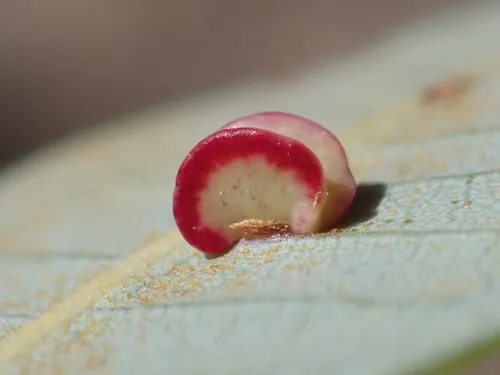
Identification: Galls develop on Quercus chrysolepis (canyon live oak) in California.
Philonix fulvicollis
Philonix fulvicollis
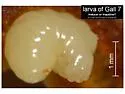
Causes galls on the undersides of leaves in the white oak group: globular, 5-8 mm, covered with gray felt, one-celled. Galls with parasitoids or inquilines may be smaller, more sparsely haired, and less spherical; see examples (including the wasps th
Philonix gigas
Philonix gigas
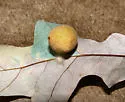
Identification: Weld's original description of gall: "Globular, 15-20 mm. in diameter, produced on the under side of leaves and dropping to the ground in the fall. In appearance and structure they resemble the much smaller galls of Philonix nigra (Gi
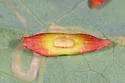
Phylloteras sigma
Phylloteras sigma
Forms galls on Quercus alba and Q. muehlenbergii leaves. "Always on under side of leaf near the edge on saplings 8-10 feet high. . . Galls drop in late Oct. An adult was found alive in cage on Mar. 7 the second spring."
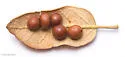
Sphaeroteras pulchripennis
Sphaeroteras pulchripennis
Identification: Induces small, brown, globular galls on leaves of Quercus arizonica, grisea, oblongifolia, rugosa, toumeyi, turbinella, and Quercus x undulata. They usually occur in rows next to the leaf midrib .
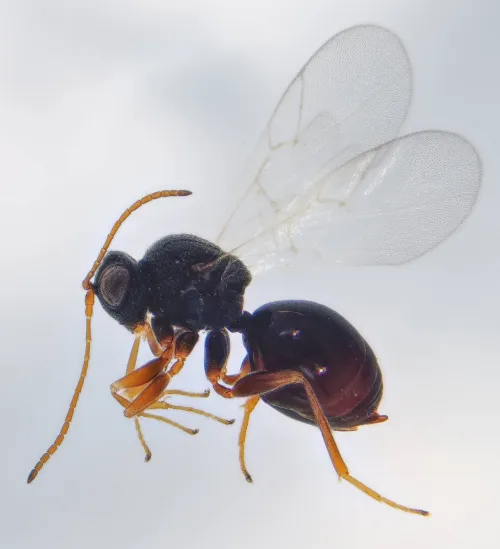
Synergus gallaepomiformis
Synergus gallaepomiformis
Length 1.5-3.5mm. Head black, except lower face which usually yellow to orange red or red; mesosoma black, antenna and legs entirely yellow or yellow-red. Metasoma black dorsally and brown laterally. Wing veins distinct, brown. Body with sparse white
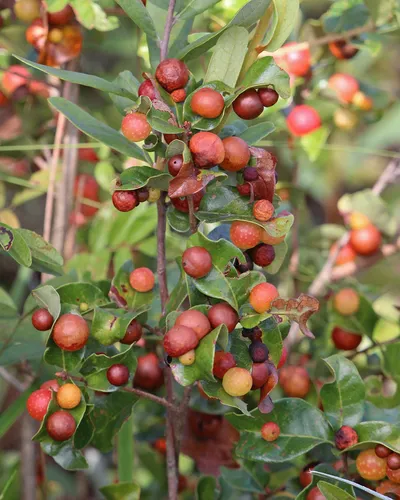
Trigonaspis polita
Trigonaspis polita
Forms detachable galls on leaves of post oak ( Quercus stellata ), Chapman oak ( Q. chapmanii ), and white oak ( Q. alba ): "Reddish oak apple, not spotted, 6-19 mm. in dia., in numbers on both sides of leaf in fall. Adults emerge the next spring Mar
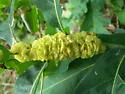
Oak Fig Gall Wasp
Trigonaspis quercusforticorne
Causes stem galls on white oak, chestnut oak, and dwarf chestnut oak ( Quercus alba, Q. prinus, Q. prinoides ).
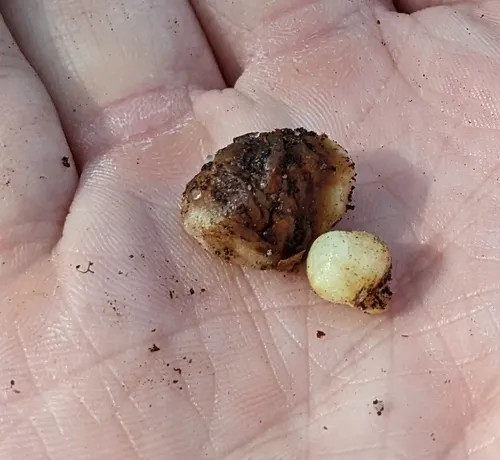
Xanthoteras radicola
Xanthoteras radicola
"Found at the base of Q. alba that was heavily infested with T. quercusforticorne, starting to rot which is consistent with the literature ... the galls that I found were seemingly slightly underground. There was a bit of leaf litter and other debris
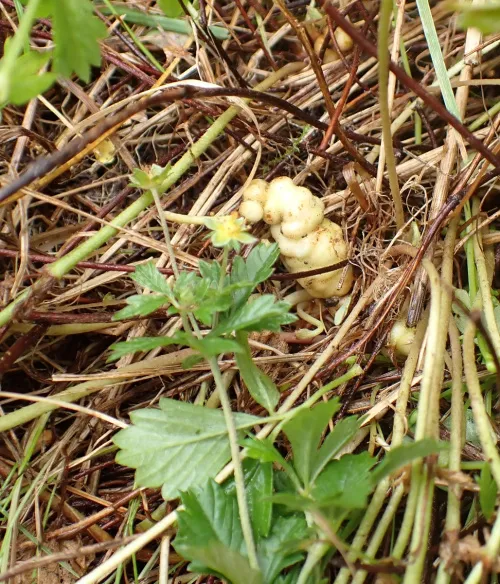
Xestophanes brevitarsis
Xestophanes brevitarsis
Xestophanes brevitarsis is a gall wasp that causes galls to form on Tormentil ( Potentilla erecta ) and Trailing Tormentil ( Potentilla anglica ). The galls are seen more often than the adult. Galls are usually found on the aerial stem or sometimes a
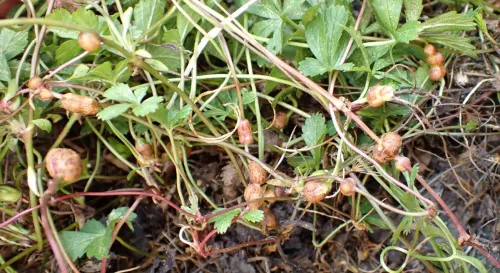
Xestophanes potentillae
Xestophanes potentillae
The larvae of the gall wasp Xestophanes potentillae causes galls on the stem or petioles of Creeping Cinquefoil (Potentillia reptans) . The galls can be found very low down close to, or below soil level. Several galls can often been seen on the same
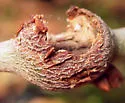
Zapatella quercusphellos
Zapatella quercusphellos
Causes stem swellings (galls) on Quercus ilicifolia, Q. imbricaria, Q. falcata, Q. cinerea, and Q. myrtifolia , containing 1-4 cells; club-shaped when terminal. Green and fleshy in May, becoming woody later.
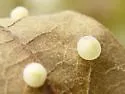
Zopheroteras compressum
Zopheroteras compressum
On red oak ( Quercus rubra ), produces a white, subglobular gall on the undersides of leaves in fall, just as the leaves are turning. The type gall is 2.7 by 1.8 by 1.8 mm, tan, and slightly wrinkled.
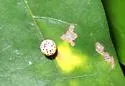
Zopheroteras guttatum
Zopheroteras guttatum
Causes spherical, 1.45-2.5 mm galls, with purple spots, single on a secondary vein on underside of Quercus palustris, imbricaria , or texana leaf, in fall. The images placed in this section show upperside galls on Q. phellos and rubra . These species
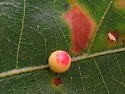
Zopheroteras sphaerula
Zopheroteras sphaerula
Larvae develop in galls on leaves of red oak ( Quercus rubra ): "Nearly spherical, greenish or tinged with red, on upper or lower side of leaf, single or 3-4 in a row, dropping in Oct. Adults emerged Mar. 13 and Apr. 6 the next spring."
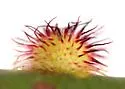
Acraspis prinoides
Acraspis prinoides
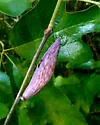
Amphibolips acuminata
Amphibolips acuminata
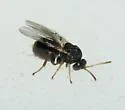
Amphibolips femoratus
Amphibolips femoratus
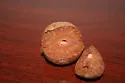
Amphibolips gainesi
Amphibolips gainesi
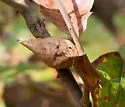
Amphibolips ilicifoliae
Amphibolips ilicifoliae
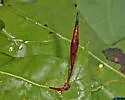
Amphibolips quercuscoelebs
Amphibolips quercuscoelebs
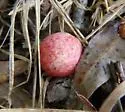
Amphibolips quercusfuliginosa
Amphibolips quercusfuliginosa
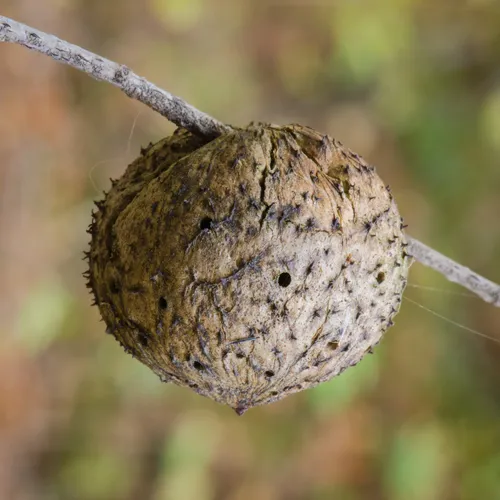
Live Oak Gallfly
Amphibolips quercuspomiformis
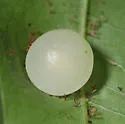
Amphibolips quercusracemaria
Amphibolips quercusracemaria
Amphibolips quercusrugosa
Amphibolips quercusrugosa
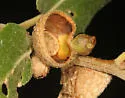
Andricus balanella
Andricus balanella
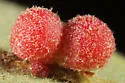
Clustered Gall Wasp
Andricus brunneus
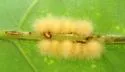
Andricus capillatus
Andricus capillatus
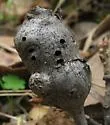
Irregular Spindle Gall Wasp
Andricus chrysolepidicola
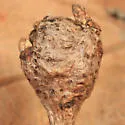
White Oak Club Gall Wasp
Andricus clavula
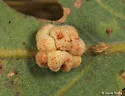
Convoluted Gall Wasp
Andricus confertus
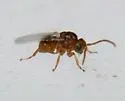
Andricus cooki
Andricus cooki
Little Oak Apple Gall Wasp
Andricus coquilletti
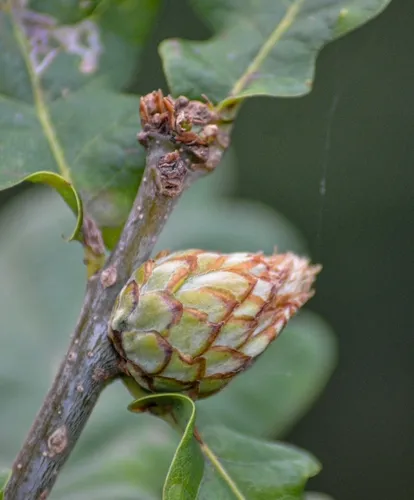
Oak Artichoke Gall Wasp
Andricus foecundatrix
Hairy Gall Wasp
Andricus lasius
Andricus lustrans
Andricus lustrans
Andricus mamillaformis
Andricus mamillaformis
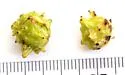
Andricus murtfeldtae
Andricus murtfeldtae
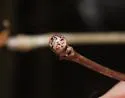
Andricus pisiformis
Andricus pisiformis
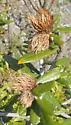
Leafy Oak Gall Wasp
Andricus quercusfoliatus
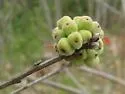
Andricus quercusformosus
Andricus quercusformosus
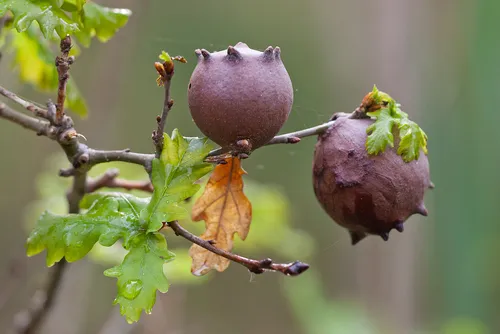
Andricus quercustozae
Andricus quercustozae
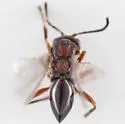
Andricus robustus
Andricus robustus
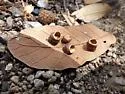
Andricus sessilum
Andricus sessilum
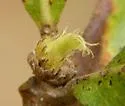
Andricus stropus
Andricus stropus
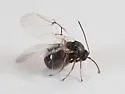
Andricus texanus
Andricus texanus
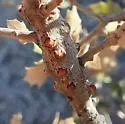
Andricus tubularius
Andricus tubularius
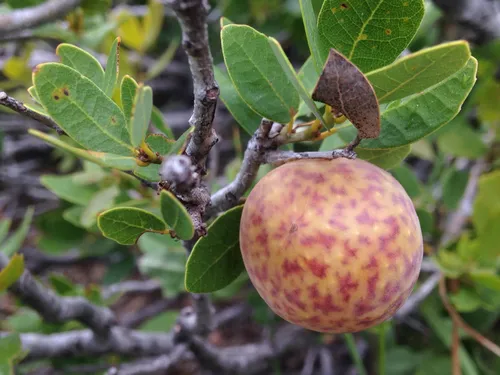
Golden Oak Apple Wasp
Andricus vacciniifoliae
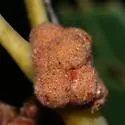
Andricus weldi
Andricus weldi
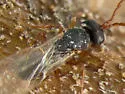
Antistrophus jeanae
Antistrophus jeanae
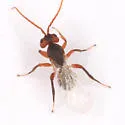
Antistrophus rufus
Antistrophus rufus
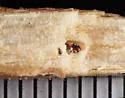
Antistrophus undescribed-laciniatum-leaf-gall-wasp
Antistrophus undescribed-laciniatum-leaf-gall-wasp
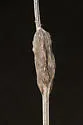
Antistrophus undescribed-perfoliatum-stem-cluster-gall
Antistrophus undescribed-perfoliatum-stem-cluster-gall
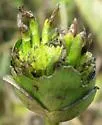
Antistrophus undescribed-silphium-flower-galls
Antistrophus undescribed-silphium-flower-galls
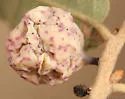
Atrusca aggregata
Atrusca aggregata
Atrusca carolina 0
Atrusca carolina
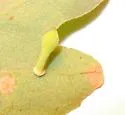
Club Gall Wasp
Atrusca clavuloides
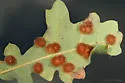
Woollybear Gall Wasp
Atrusca trimaculosa
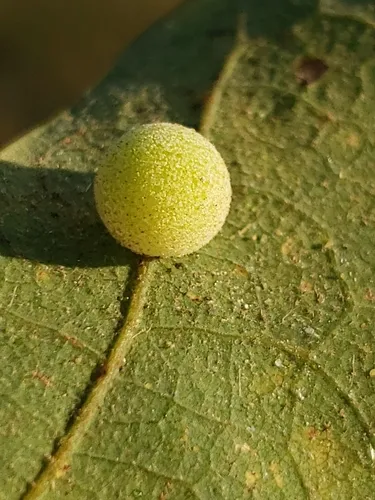
Atrusca unica
Atrusca unica
Russian Knapweed Gall Wasp
Aulacidea acroptilonica
Aulacidea harringtoni
Aulacidea harringtoni
Bassettia flavipes
Bassettia flavipes
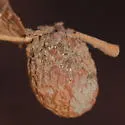
Fuzzy-Gall Wasp
Besbicus conspicuus
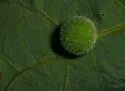
Gray Midrib Gall Wasp
Besbicus multipunctatus
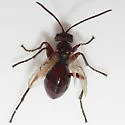
Biorhiza caepulaeformis
Biorhiza caepulaeformis
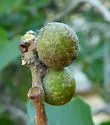
Burnettweldia californicordazi
Burnettweldia californicordazi
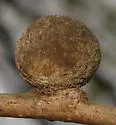
Round-Gall Wasp
Burnettweldia washingtonensis
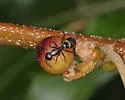
Callirhytis balanacea
Callirhytis balanacea
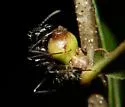
Callirhytis balanopsis
Callirhytis balanopsis
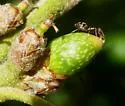
Callirhytis carmelensis
Callirhytis carmelensis
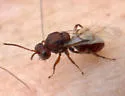
Callirhytis ellipsoida
Callirhytis ellipsoida
Callirhytis elliptica
Callirhytis elliptica
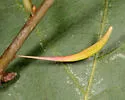
Callirhytis gallaestriatae
Callirhytis gallaestriatae
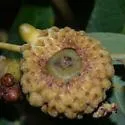
Callirhytis glandulus
Callirhytis glandulus
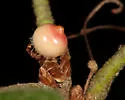
Callirhytis glomerosa
Callirhytis glomerosa
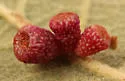
Callirhytis juvenca
Callirhytis juvenca
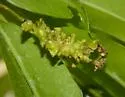
Callirhytis myrtifoliae
Callirhytis myrtifoliae
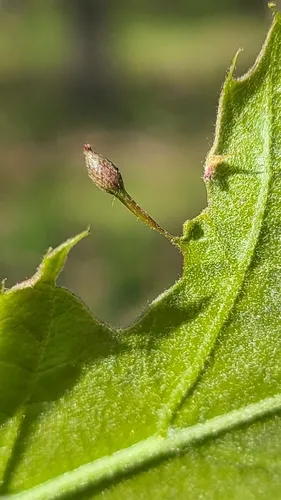
Callirhytis pedunculata
Callirhytis pedunculata
Ruptured Twig Gall Wasp
Callirhytis perdens
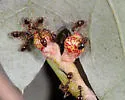
Callirhytis perditor
Callirhytis perditor
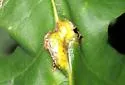
Callirhytis pigra
Callirhytis pigra
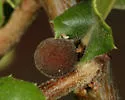
Live Oak Bud Gall Wasp
Callirhytis quercusagrifoliae
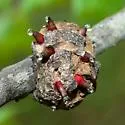
Horned Oak Gall Wasp
Callirhytis quercuscornigera
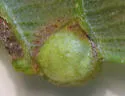
Callirhytis quercusfutilis
Callirhytis quercusfutilis
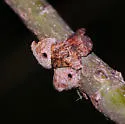
Callirhytis quercusventricosa
Callirhytis quercusventricosa
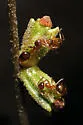
Callirhytis rugulosa
Callirhytis rugulosa
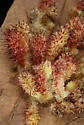
Callirhytis tubicola
Callirhytis tubicola
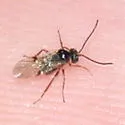
Blackberry Seed Gall Wasp
Diastrophus cuscutaeformis
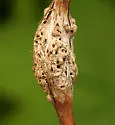
Diastrophus kincaidii
Diastrophus kincaidii
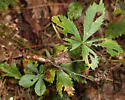
Diastrophus niger
Diastrophus niger
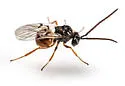
Diastrophus potentillae
Diastrophus potentillae