
Family Snout and Bark Beetles (Curculionidae)
Curculionidae is a family in the order Coleoptera. Browse 1,711 named species recorded in this family, or open an individual profile for its available identification and natural-history information.
Species in Curculionidae (1,711)
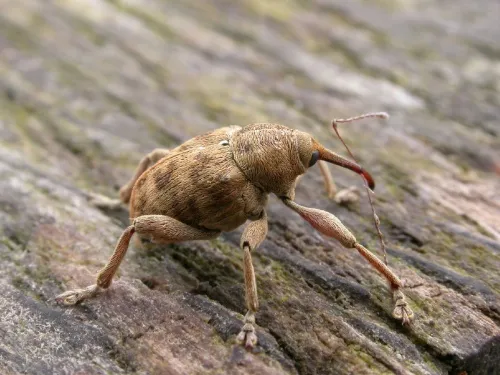
Curculio venosus
Curculio venosus
A fairly large brown weevil, with females measuring around 7mm. It is quite similar to some other members of this genus and care should be taken with identification. Raised ridge of "roof-like scales" forming an obvious raised ridge at the elytral ap
Cylindrocopturinus pictus
Cylindrocopturinus pictus
Identification: The female is rather dull while the male is more shining. The vestiture of the prothorax is not uniform some of the scales are longer and there are here and there a few very narrow, hair-like scales. (Schaeffer 1908)
Sunflower Stem Weevil
Cylindrocopturus adspersus
"things under that name [ C. adspersus ] probably represent more than one species" --H.A. Hespenheide, pers. comm. to =v= 9.ii.2012
Cylindrocopturus armatus
Cylindrocopturus armatus
Identification: agrees very nearly with the description of C. mammitllatus Lec., from Southern California, differing from it in having a common, fulvous and white, /\-shaped line on the elytra below the base and a transverse white line beyond the mid
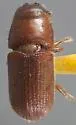
Dendroctonus brevicomis
Dendroctonus brevicomis
The oleoresin of pine bark is rich in volatile terpenes which attract the females who settle to feed on the bark. Once settled they attract males who arrive and release frontalin, which mixes with the female's chemicals (exo-brevicomin and myrcene) t
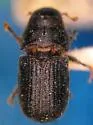
Mountain Pine Beetle
Dendroctonus ponderosae
A significant forestry pest throughout much of its range.
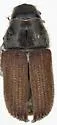
Douglas-fir Beetle
Dendroctonus pseudotsugae
Deters conspecifics by an antiaggregation pheromone, which is released by each sex at the sonic stimulus of the other sex.
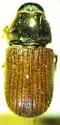
Spruce Beetle
Dendroctonus rufipennis
Identification: Frons closely granulate and coarsely punctate. An important forestry pest.
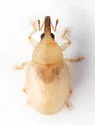
Derelomus costiger
Derelomus costiger
Identification: shape of elytra mimicks petals of its host, Phoenix reclinata (Arecaceae)
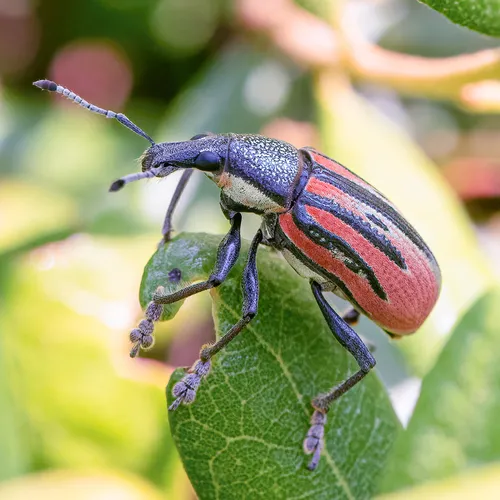
Diaprepes Root Weevil
Diaprepes abbreviatus
Identification: color variable (from gray to yellow to orange to black) Major pest of citrus crops: larvae often girdle the taproot, which may kill the plant and provide an avenue for Phythophora infections. A single larva can kill young hosts while
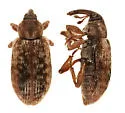
Dorytomus brevicollis
Dorytomus brevicollis
Identification: Det. Charles O'Brien, 2009 image shows the relative size of the two most common Dorytomus spp. in Texas. Dorytomus brevisetosus Casey is also present in w. TX. Dorytomus brevicollis LeConte - small Dorytomus mucidus (Say) ------- larg
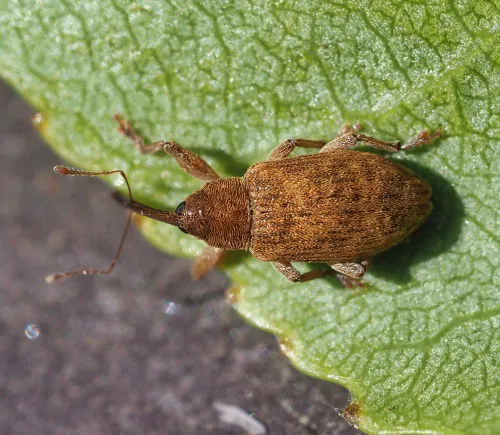
Dorytomus filirostris
Dorytomus filirostris
A slender, long‑snouted weevil specialised for life on poplars and willows - particularly Black Poplar and Hybrid Black Polar. It is 4-5mm (excluding the long rostrum) and tawny brown with the upper side covered in patchy pale and decumbent (lying fl
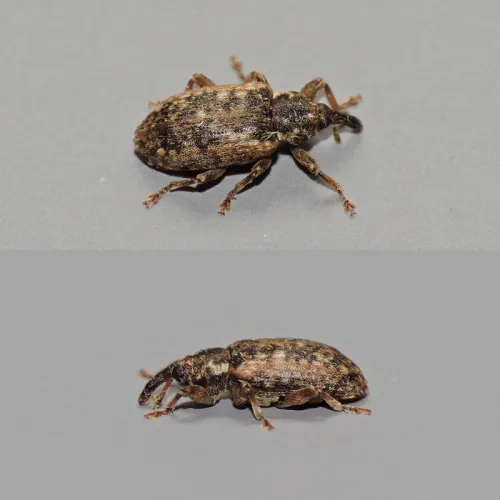
Dorytomus ictor
Dorytomus ictor
Unless identified by a recognised expert, photographic evidence is required and the specimen should be examined with a microscope. In the comments box, state the key or ID method used. Note the beetle's size and describe the identifying characters. I
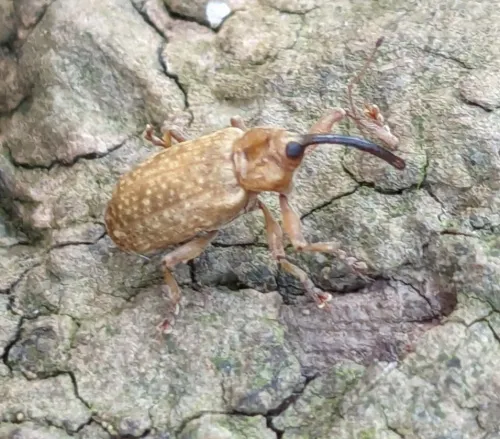
Dorytomus longimanus
Dorytomus longimanus
A brown weevil with light and dark forms. Characteristic long first leg. No additional images available for this species.
Dorytomus mucidus
Dorytomus mucidus
Identification: (female) Det. M. A. Quinn, 2021 image shows the relative size of the two most common Dorytomus spp. in Texas. Dorytomus brevisetosus Casey is also present in w. TX. Dorytomus brevicollis LeConte - small Dorytomus mucidus (Say) -------
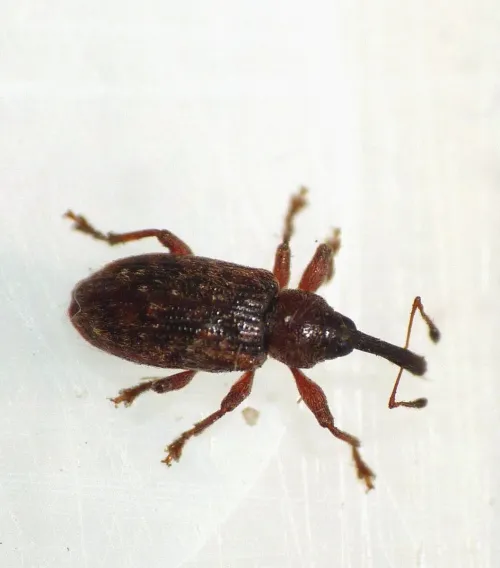
Dorytomus taeniatus
Dorytomus taeniatus
A small weevil with a mottled dark and light brown appearance. Unless identified by a recognised expert, photographic evidence is required and the specimen should be examined with a microscope. In the comments box, state the key or ID method used. No
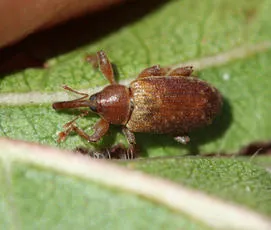
Dorytomus tortrix
Dorytomus tortrix
About 5 mm long, this is a reddish brown weevil. There are other very similar species in this genus which means that detailed examination of an actual specimen is generally needed to identify the exact species. A red box around the image indicates th
Dryophthorus americanus
Dryophthorus americanus
Dryophthorus americanus (Dryophthorus americanus) is a species in the family Curculionidae, commonly known as snout and bark beetles, belonging to the order Coleoptera (Beetles). It is classified within the subfamily Dryophthorinae, tribe Dryophthori
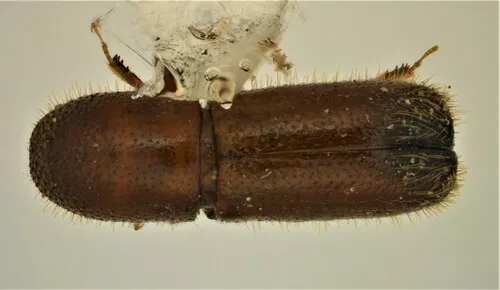
Dryoxylon onoharaense
Dryoxylon onoharaense
Identification: see earliest record in our area: LA 1982
Eisonyx crassipes
Eisonyx crassipes
Identification: Det. H. R. Burke, 2002 Type Locality: Tex.
Eisonyx picipes 0
Eisonyx picipes
Identification: Body distinctly widest at middle (Fig. 12); hypomeron not carinate, with punctures nearly round; elytral striae deepest and most distinct basally Described from one specimen collected at Nashville, Tennessee, in September in a strawbe
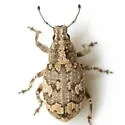
Epicaerus lepidotus
Epicaerus lepidotus
Described from eight specimens collected by E. A. Schwarz at San Antonio, Texas, May 9 and 10. It is also at hand from Cotulla and Brownsville, Texas. (Pierce 1910)
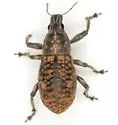
Brown Leaf Notcher
Epicaerus mexicanus
a Mexican species extending into Texas at Brownsville (Pierce, 1910)
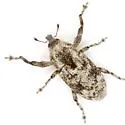
Episcirrus brachialis
Episcirrus brachialis
Identification: Legs long and slender, thighs armed with one tooth; front thighs of male extending much beyond the head. Type Locality: Columbus, Austin Co., TX
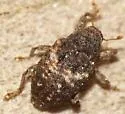
Eubulus obliquefasciatus
Eubulus obliquefasciatus
Eubulus obliquefasciatus (Eubulus obliquefasciatus) is a species in the family Curculionidae, commonly known as snout and bark beetles, belonging to the order Coleoptera (Beetles). It is classified within the subfamily Cryptorhynchinae, tribe Cryptor
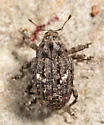
Eubulus parochus
Eubulus parochus
Identification: Most individuals are easily recognized by their larger size but small specimens are difficult to separate from larger E. bisignatus
Eucalandra mexicana
Eucalandra mexicana
Identification: Last couplet: Pronotum (Fig. 7) deeply, very densely and uniformly punctate; body lacking any broad flat scales; elytra with intervals deeply, densely uniformly punctate; front tibia with subapical tooth similar in size and form to ap
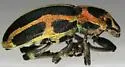
Eudiagogus pulcher
Eudiagogus pulcher
Identification: Pronotum with transversal pale band. Outer elytral band linear, branched to side in about middle:
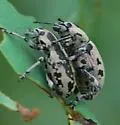
Eudiagogus rosenschoeldi
Eudiagogus rosenschoeldi
Identification: pronotum lacking transversal band, elytral outer band mottled Det. M. A. Quinn, 2012
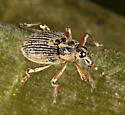
Milfoil weevil
Euhrychiopsis lecontei
The species lives submerged in standing, or slow running waters.
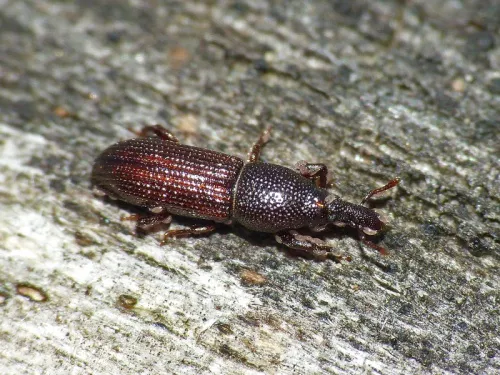
Euophryum confine
Euophryum confine
2.5 to 3.6mm. Elongate, parallel and very convex, entirely dark brown or with legs and humeral spot lighter. Upper surface with very fine and sparse pubescence. Head behind eyes smooth and very finely punctate, rest of head coarsely punctate, eyes ve
Eurhoptus pyriformis
Eurhoptus pyriformis
Eurhoptus pyriformis (Eurhoptus pyriformis) is a species in the family Curculionidae, commonly known as snout and bark beetles, belonging to the order Coleoptera (Beetles). It is classified within the subfamily Cryptorhynchinae, tribe Cryptorhynchini
Eurhoptus rileyi
Eurhoptus rileyi
Type Locality: USA: TEX: Hidalgo Co. / Bentsen R.G.V.S.P. (site 1) / 26.17830°N, 98.38577°W / IX.6–19.2008, FIT-ground / J. King & E. Riley – 0104 / cedar elm forest
Yellow Starthistle Hairy Weevil
Eustenopus villosus
introduced (CA 1990) to control the invasive Yellow Star Thistle. The weevils can look very different once their vestiture is lost.
Polyphagous Shot Hole Borer
Euwallacea fornicatus
Identification: virtually indistinguishable from others in the "fornicatus" clade, however... if the " E. fornicatus " you have are from San Diego or Tijuana River they are E. kuroshio , and the ones from the Los Angeles area are E. fornicatus . Thos
Euwallacea interjectus
Euwallacea interjectus
earliest record in the Western Hemisphere: FL 2011 ( Rabaglia 2011 )
Hairy Spider Weevil
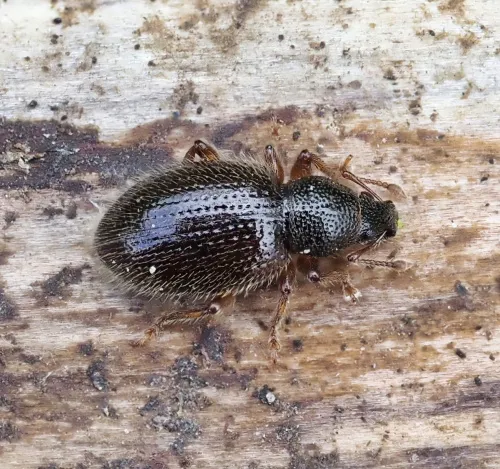
Exomias pellucidus
It is 3 to 4 mm in length with long upright hairs on the elytra which are studded with rows of holes. The pronotum is also pitted. Colour varies from a yellowy brown to almost black. Unless identified by a recognised expert, photographic evidence is
Gerstaeckeria fasciata 0
Gerstaeckeria fasciata
Identification: Elytral color black with white humeral spots and caramel or tan subapical band; elytra about 1.5 times wider than pronotum Type Locality: Buck Key, Monroe Co., Florida
Gerstaeckeria hubbardi
Gerstaeckeria hubbardi
Identification: Elytral color pattern predominantly black and white; length 7.5 to 9.5 mm; elytra nearly twice as wide as pronotum Det. R.E. Woodruff Type Locality: Crescent City, Florida
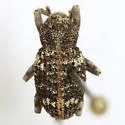
Gerstaeckeria knullorum
Gerstaeckeria knullorum
Type Locality: Holotype, female, Huachuca Mts., Ariz. VIII-12-50, DJ & JNK. in (OSU). DJ & JNK found this insect in large numbers on the light colored walls of a cabin in Miller Canyon, Huachuca Mtns., Ariz.
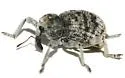
Gerstaeckeria unicolor
Gerstaeckeria unicolor
Identification: Its erect curved scales on the dorsum separates it from most other species, except tricolor . Type Locality: San Luis Potosi, Mexico.
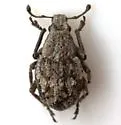
Glaphyrometopus ornithodorus
Glaphyrometopus ornithodorus
Described from five more or less perfect specimens taken from the stomach of a meadow lark, Sturnella magna negleda , which was shot at Navasota, Texas, December 12, 1907 in an open prairie by Mr. V. Bailey. (Biological Survey, No. 57705.) The unusua
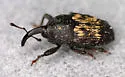
Glyptobaris lecontei
Glyptobaris lecontei
Identification: Combination of scale vestiture on elytra and sculptured pronotum distinctive Det. V. Belov, 2013
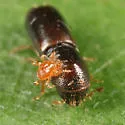
American Utilizable Wood Bark Beetle
Gnathotrichus materiarius
often attacks pines killed by Ips spp. in the south
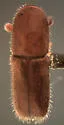
Gnathotrichus pilosus
Gnathotrichus pilosus
Identification: quite hairy unlike most other N. Amer. Gnathotrichus . (comment: Rick Buss, 2010)
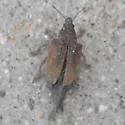
Eucalyptus Snout Beetle
Gonipterus scutellatus
Eucalyptus Snout Beetle (Gonipterus scutellatus) is a species in the family Curculionidae, commonly known as snout and bark beetles, belonging to the order Coleoptera (Beetles). It is classified within the subfamily Gonipterinae, suborder Polyphaga,
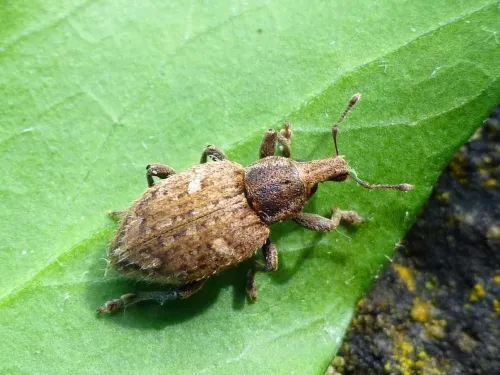
Graptus triguttatus
Graptus triguttatus
Graptus triguttatus is a large (6 to 8 mm), distinctively marked species with pale brown elytra that are marked with two creamy-white blotches on each elytron, the ones at the rear often forming a ‘V’ pattern. Unless identified by a recognised expert
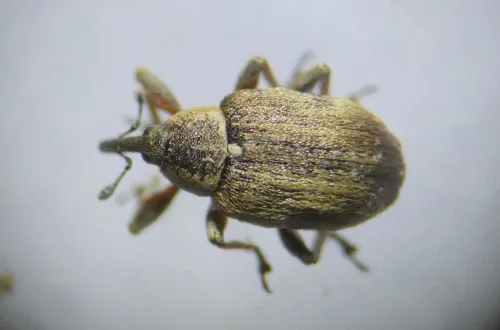
Gymnetron villosulum
Gymnetron villosulum
A small brown weevil 2-3mm, with long hairs on the pronotum and elytra. The larvae feed within galls formed in the seed-capsules of water speedwells, usually pink water-speedwell, Veronica catenata , but also Veronica anagallis-aquatica , Veronica be
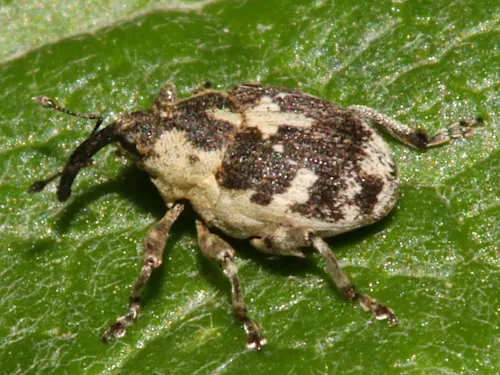
Hadroplontus litura
Hadroplontus litura
Unless identified by a recognised expert, photographic evidence is required and the specimen should be examined with a microscope. In the comments box, state the key or ID method used. Note the beetle's size and describe the identifying characters. I
Heteroborips seriatus
Heteroborips seriatus
Identification: Elytra with a pair of pit mycangia parallel to sides of scutellum ―quite visible, although often filled with gunk: earliest record in our area: MA 2005
Hylastes macer
Hylastes macer
Identification: “unique in having the entire surfaces of the pronotum and elytra finely reticulate”
Hylastes opacus
Hylastes opacus
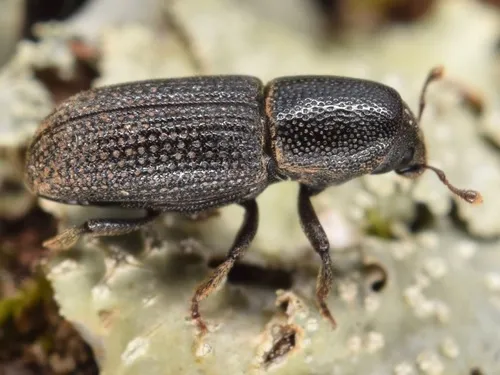
Identification: Couplet #3 in Wood’s key to the species of Hylastes of North and Central America was modified in Hoebeke to facilitate identification of H. opacus . earliest record in our area: NY 1987
Hylastes porculus
Hylastes porculus
Adults are strongly attracted to freshly cut lumber. ( 3 )
Eastern Ash Bark Beetle
Hylesinus aculeatus
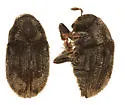
The most commonly encountered ash-breeding bark beetle in eastern North America (T. Atkinson, pers. comm. to MAQ, 2011) at high risk of endangerment due to the EAB ( 4 )
Western Ash Bark Beetle
Hylesinus californicus
at high-moderate risk of endangerment due to the EAB
Hylesinus pruinosus
Hylesinus pruinosus
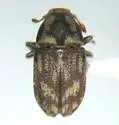
Identification: Similar to the more common H. aculeatus , but larger, lacks distinct asperites on pronotum, and coarse crenulations on elytral interstriae at high risk of endangerment due to the EAB
Ash Bark Beetle
Hylesinus varius
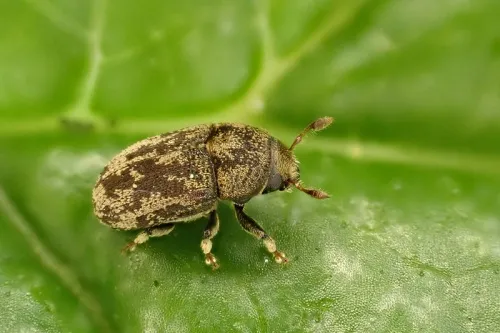
Hylesinus varius (formerly Leperisinus fraxini ) and H. wachtli (formerly L.orni ) can only be distinguished by microscopic examination. H. varius has coarse suberect setae on the sides of the elytra that are clearly visible from above and a more elo
Large Pine Weevil
Hylobius abietis
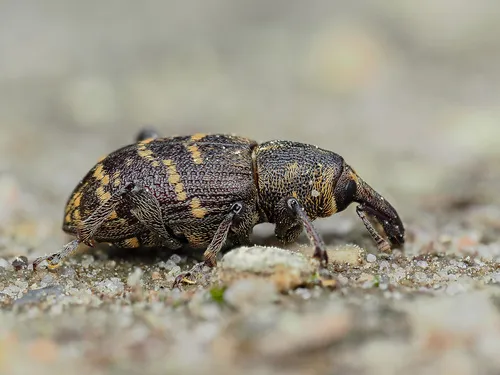
This large weevil (10 -13mm) has orange or creamy-yellow bands on the elytra across a dark background. Unless identified by a recognised expert, good photos are required that show the key ID features. Also state the beetle's size in the comments box.
Pales Weevil
Hylobius pales
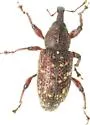
Can be a pest in Chrismas-tree and other pine plantations. The first evidence of attack is a series of small holes/pits in the bark ( 5 )
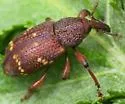
Hylobius transversovittatus
Hylobius transversovittatus
introduced in the US from Europe in 1992 to control purple loosestrife; released in NY-VA to MT-CO & WA-OR. Colonization of these introduced populations appear to have been successful . No indication that it feeds on other plants.
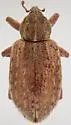
Egyptian Alfalfa Weevil
Hypera brunnipennis
Identification: close to H. postica , no reliable structural differences have been found except slight but consistent mandibular characters of the adult
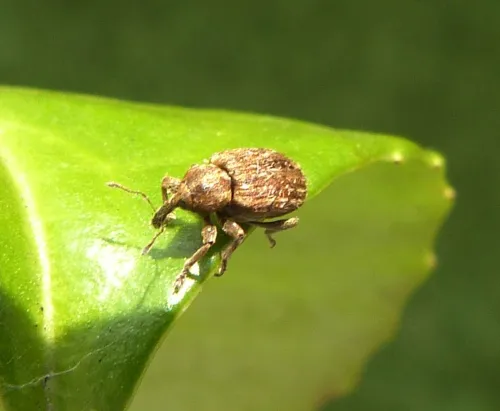
Hypera meles
Hypera meles
A medium-sized, 3.9 to 4.8 mm, weevil with strongly rounded pronotum and parallel-sided elytra, usually showing a light and dark brown elytral pattern which may vary in intensity. Unless identified by a recognised expert, photographic evidence is req
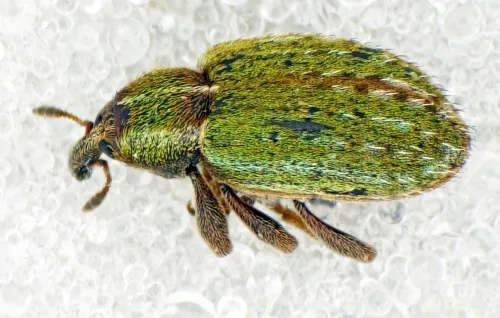
Lesser Clover Leaf Weevil
Hypera nigrirostris
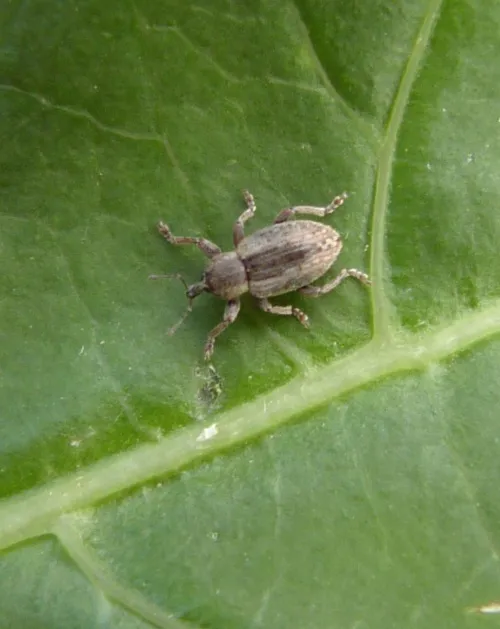
3 to 4 mm, rostrum or beak is three times as long as it is broad and notched at its base. The eyes are large, taller than wide and non-protuberant. The elytra can be greenish-gold or coppery brown, both being the result of the presence of scales. Leg
Clover Leaf Weevil
Hypera postica
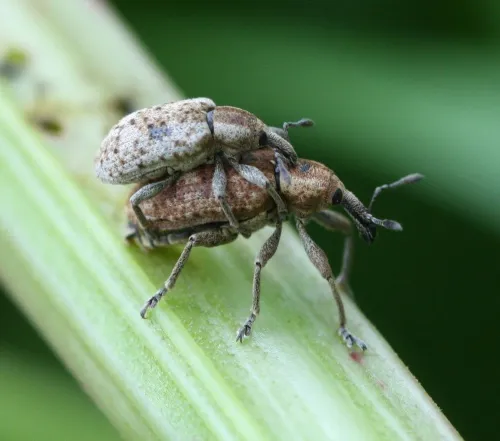
Length 3 to 5.5 mm. The adult is covered in cream and brown scales (covering a black body) with recumbent (leaning back) seta along the elytral intervals. The scales are bifid, divided to around two thirds their length. The pronotum is no more than 1
Hypera rumicis
Hypera rumicis
Size 4 or 5 mm. A pale buff coloured weevil with variable darker brown markings on the elytra. Has flat scales and a few flattened bristles. Usually found on docks. See ID guidance below for more details. Unless identified by a recognised expert, goo
Hypothenemus californicus
Hypothenemus californicus
Identification: Distinguished from other members of the genus in our area by the combination of coarse, deep punctures on posterolateral area of pronotum, slender body form, and long slender interstrial scales earliest record in our area: CA 1895
Hypothenemus miles
Hypothenemus miles
Identification: Distinguished from all other American Hypothenemus by the narrowly produced, hornlike, anterior marginal asperity, with no other marginal teeth.
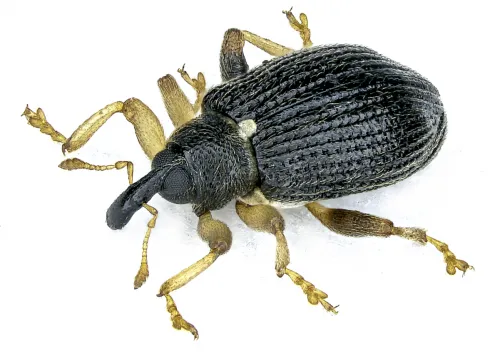
Isochnus sequensi
Isochnus sequensi
A tiny (2.0-2.5mm) black weevil with a white scutellum, pale tarsi and tibiae and yellow/red fore and mid femora. The antennal funiculus is six-segmented. The larvae feed on willow leaves, forming brown blotch mines. The adult must be reared out to i
Isodacrys ovipennis
Isodacrys ovipennis
Identification: Most similar to I. burkei , but no ocular tooth on the prothorax. Elytral intervals 2 & 5 tumid at apex. Lectotype: Esperanza Ranch, Brownsville, Tex. VII.28, Brooklyn Museum Collection 1929
Isodrusus debilis
Isodrusus debilis
First US record reported by Green (1920) from the Davis Mountains of west Texas.
Laemosaccus burkei
Laemosaccus burkei
Identification: Frons with dense, white setae, obscuring area between eyes and on rostrum only above antennal insertions; Red spots on elytra usually >0.5 length of elytra frequently collected southwestern and Mexican member of the L. nephele group w
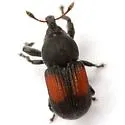
Laemosaccus clytrinoides
Laemosaccus clytrinoides
Type: Arizona: Cochise Co., Chiricahua Mts., E Turkey Creek, 6.5 mi. W Portal, 6400′, 31°54-55′N 109°15′W, 16.07.1981, H. A. Hespenheide, on Quercus sp. (USNM).
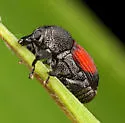
Laemosaccus nephele
Laemosaccus nephele
Identification: as compared to L. obrieni , the sympatric eastern species, L. nephele tends to be larger, with maculae reaching the elytral base and lateral margin, and pronotal punctures coarse and non-coalescing
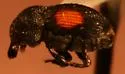
Laemosaccus obrieni
Laemosaccus obrieni
Identification: among the two eastern spp., obrieni is usually smaller than L. nephele ; has smaller posthumeral spots (not reaching elytral base or lateral margin) and finer pronotal punctures confluent on anterior half (vs coarser, separate punctur
Laemosaccus vaurieae 0
Laemosaccus vaurieae
Identification: last key couplets: Species usually >4 mm; with conspicuous, strong teeth on elytral intervals 3 at middle and 5 beyond middle; rostrum 1.5X as long as depth of eyes; aedeagus tapering, acute, with black central region. Anterior surfac
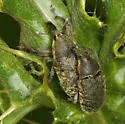
Canada Thistle Bud Weevil
Larinus carlinae
introduced to control invasive thistle in the 1960s (was later found to infect some native thistles)
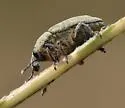
Seedhead Weevil
Larinus minutus
Identification: brown-grey weevil with a very large, bulbous snout... When the adults first emerge from the knapweed seedhead they are light grey with some yellow fuzz on their bodies. Image of adult and damage to seedhead
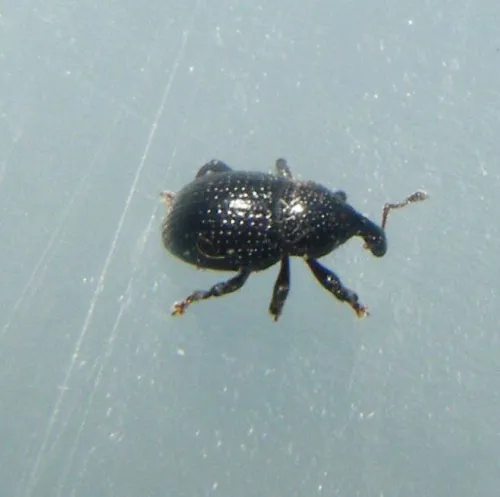
Leiosoma deflexum
Leiosoma deflexum
A small (3 mm) blackish weevil with studded elytra and a rather squat appearance. Unless identified by a recognised expert, photographic evidence is required and the specimen should be examined with a microscope. In the comments box, state the key or
Lignyodes adamanteus
Lignyodes adamanteus
Identification: Det. H. R. Burke, 2007 Type Locality: Corpus Christi, (Rodd Field), Nueces Co., Texas, 27 Mar 1973
Lignyodes baboquivariensis
Lignyodes baboquivariensis
Identification: nearer L. pallidus (LeConte) than any other congener, differs in shape, vestiture, yellow humeral areas, elytral tubercles, form and vestiture of protibiae Type Locality: Presumido Pass, Baboquivari Mts., Ariz., VII-12, in E. L. Sleep
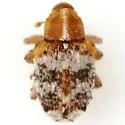
Lignyodes varius
Lignyodes varius
Identification: Easily distinguished by the different color of the pubescence, the more obtuse elytral callus, and the absence of the black sutural spot. Type Locality: One male, Texas, Belfrage.
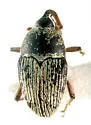
Linogeraeus capillatus
Linogeraeus capillatus
Identification: recognized by the long first desmomere that is shared in the study area only by L. hospes, a species with a different rostrum. The male possesses straight, peg-shaped prosternal spines and blunt, distally flattened metatibial spines.
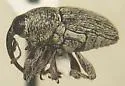
Linogeraeus finitimus
Linogeraeus finitimus
Identification: one of three similar spp. w/ homogeneous vestiture. spmns recognized by the bulky shape of the pronotum, the laterally compressed rostrum, and the miderately long prosternal spines in the male. Type coll'ed by Wickham in Dallas, TX
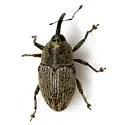
Linogeraeus neglectus
Linogeraeus neglectus
Identification: Many L. neglectus can be recognized readily by the presence of dark scales in the usually yellowish dorsal vestiture
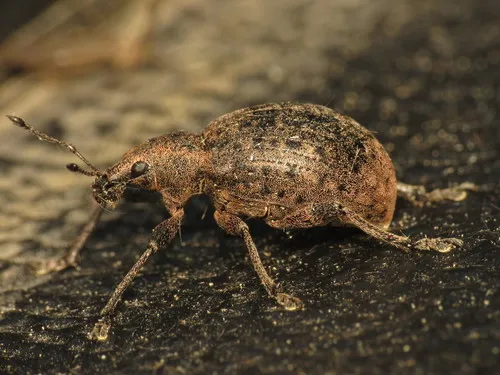
Liophloeus tessulatus
Liophloeus tessulatus
Reaching about 10 mm in length this is a buff or pale brown weevil with darker speckles on the elytra. Unless identified by a recognised expert, good photos are required that show the key ID features. Also state the beetle's size in the comments box.
Lipancylus cracens
Lipancylus cracens
known from southmost Texas since 1975, but only recognized as a new species in 2012. 3 records from Bentsen-RGV SP (Type Locality) and Santa Ana NWR, Hidalgo Co., TX
Listroderes costirostris
Listroderes costirostris
L. costirostris is currently restricted to CA and rarely from western AZ. All other North American vegetable weevil specimens are currently L. difficilis [that name will be changed soon], and are misidentified in most collections as L. costirostris .
Vegetable Weevil
Listroderes difficilis
Identification: nearly identical in all external characters to L. costirostris ; males are "readily distinguished" by ædeagus but extremely rare earliest record in our area: MS 1922
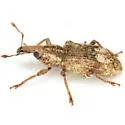
Listronotus appendiculatus
Listronotus appendiculatus
Listronotus appendiculatus (Listronotus appendiculatus) is a species in the family Curculionidae, commonly known as snout and bark beetles, belonging to the order Coleoptera (Beetles). It is classified within the subfamily Cyclominae, tribe Listroder
Listronotus dietzi
Listronotus dietzi
Identification: Photo of syntype @ https://mczbase.mcz.harvard.edu/guid/MCZ:Ent:1938
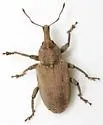
Listronotus pallidus
Listronotus pallidus
"A rare species, known only from 3 type specimens." --C.W. O'Brien, 2010
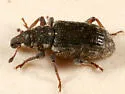
Listronotus porcellus
Listronotus porcellus
Identification: Nov 2025: Highly doubtful L. porcellus can be identified from an image without genitalic dissection.
Listronotus squamiger
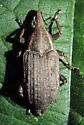
Listronotus squamiger
Identification: Hind tibial spur with basal tooth; elytra with odd intervals elevated, some connections with transverse wrinkles, though variable; single median carina on rostrum; some females have the elytra produced as in L. caudatus (Henderson 194
Lixus asper
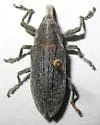
Lixus asper
Identification: 2nd joint of antennal funiculus shorter than next two combined
Rhubarb Weevil
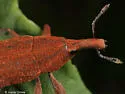
Lixus concavus
Identification: deep depression at the pronotal/elytral base
Lixus maritimus
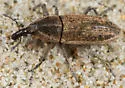
Lixus maritimus
Identification: resembling L. perforatus and semivittatus , but less slender
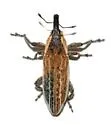
Lixus semivittatus
Lixus semivittatus
AZ in April numerous mating pairs on Baccharis salicifolia stems
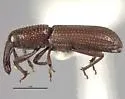
Lymantes nadineae
Lymantes nadineae
Identification: Eyes fully lacking, ocular swelling not evident. Allotype female (CMNC), Travis County, Tooth Cave, 19 May 1965, T. C. Barr. Type Locality: Texas: Williamson County, Electro-Mag Cave, 27 Dec 2006, P. Paquin, C. Crawford, K. White, fou
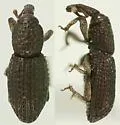
Lymantes scrobicollis
Lymantes scrobicollis
Lymantes scrobicollis (Lymantes scrobicollis) is a species in the family Curculionidae, commonly known as snout and bark beetles, belonging to the order Coleoptera (Beetles). It is classified within the subfamily Molytinae, tribe Lymantini, suborder
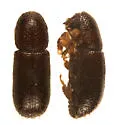
Lymantor decipiens
Lymantor decipiens
The adults and larvae reportedly feed on certain black wood fungus which are always present in dead wood.