
Family Leaf Beetles (Chrysomelidae)
Chrysomelidae is a family in the order Coleoptera. Browse 1,349 named species recorded in this family, or open an individual profile for its available identification and natural-history information.
Species in Chrysomelidae (1,349)
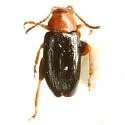
Dysphenges oblivius
Dysphenges oblivius
Identification: PARATYPE Type Locality: TEXAS: McLennan Co.: 3 mi N Moody, IV-29-2001, E. G. Riley-976, on Desmanthus illinoensis .
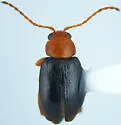
Dysphenges penrosei
Dysphenges penrosei
Identification: PARATYPE Type Locality: ARIZONA: Cochise Co.: Sunnyside Cyn., VII-9-86, A. J. Gilbert.
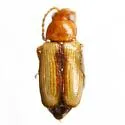
Dysphenges rileyi
Dysphenges rileyi
Identification: PARATYPE: only one U.S. spmn (and two from Mexico) in the University of Arizona Insect Collection (Gene Hall, pers. comm. to MAQ, 2016)
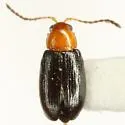
Dysphenges secretus
Dysphenges secretus
Identification: PARATYPE Type Locality: Texas: Uvalde Co., 9 mi N Sabinal, IV-9-1995, E. G. Riley
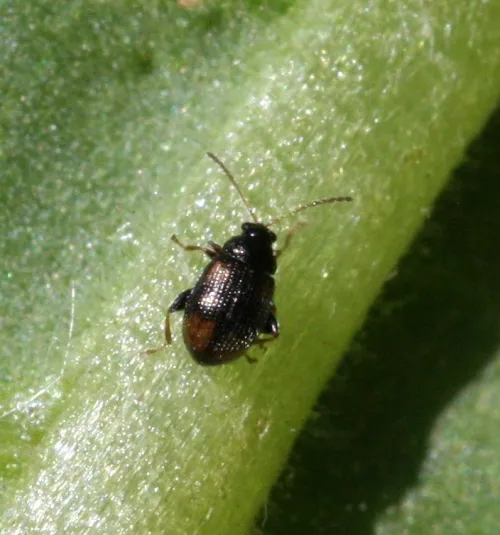
Epitrix atropae
Epitrix atropae
The dark elytra of this small (3mm) species usually have pairs of paler bronze patches. As with other 'flea' beetles it has swollen rear femora. The small size of this beetles brings a photographic challenge but knowing the food plant it is found on
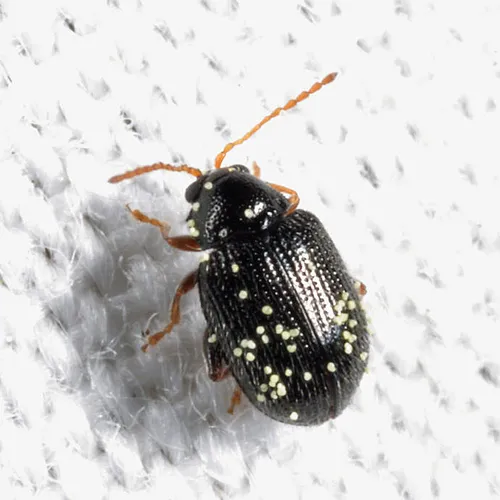
Epitrix brevis
Epitrix brevis
Identification: Body dark testaceous to piceous; antebasal impression of pronotum absent to weak; pronotal punctures separated by their diameter, small; one row of setae between elytral striae; 11 striae on elytra. Det. A. M. Deczynski, 2012 Type ser
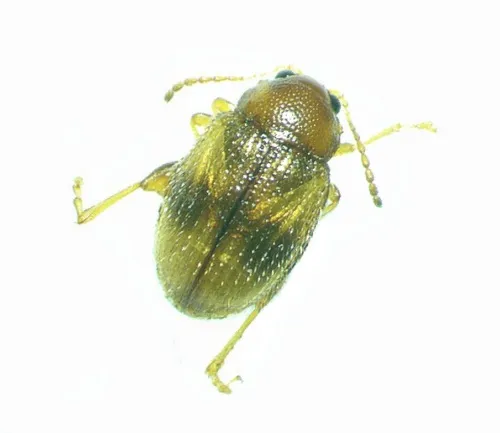
Southern Tobacco Flea Beetle
Epitrix fasciata
Epitrix fasciata, the banded epitrix, is a species of flea beetle in the family Chrysomelidae. It is found in the Caribbean, Central America, North America, Oceania, and South America.
Epitrix lobata
Epitrix lobata
Identification: Body completely piceous the only species north of Mexico with a series of irregular striations present on the vertex of the head. Type Locality: South Carolina
Epitrix ovalis 0
Epitrix ovalis
Identification: Body pale testaceous to dark rufous; body highly elongate ovoid; pronotum highly convex and about same width as elytra; elytra without darker transverse band
Epitrix rileyi 0
Epitrix rileyi
Identification: Body dark rufous to testaceous, pronotum often with patches of lighter rufous Pronotal punctures separated by their diameter or more; pronotum often tinged with dark red collected in three large series from expeditions on the Emory Pe
Epitrix robusta 0
Epitrix robusta
Identification: Body completely piceous Type Locality: Chilpancingo in Guerrero, Mexico
Western Potato Flea Beetle
Epitrix subcrinita
Identification: Body completely piceous with bronze luster; antebasal impression of pronotum highly reduced; pronotal punctures separated by twice their diameter, small; one row of setae between elytral striae; 11 striae on elytra. Det. A. Deczynski,
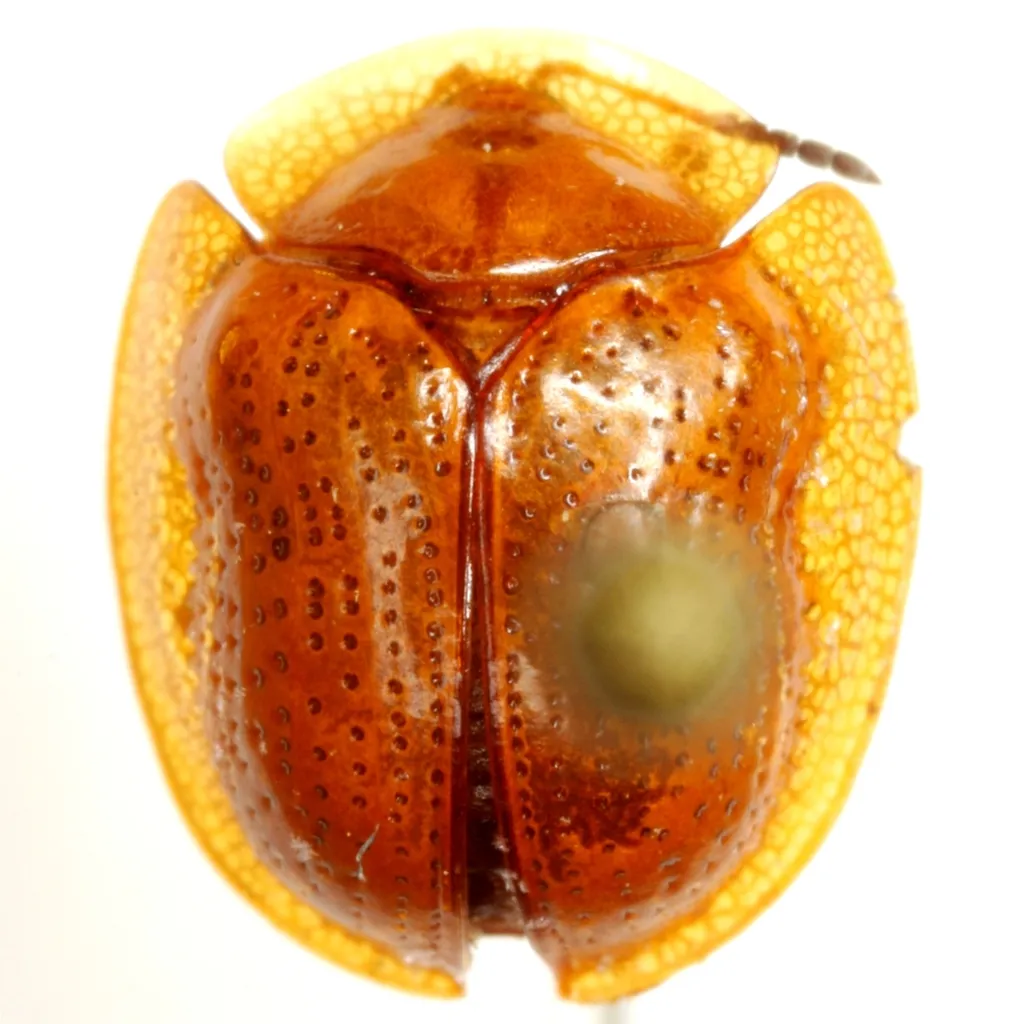
Erepsocassis rubella
Erepsocassis rubella
Identification: color: Yellow or red-brown uncommon
Erynephala texana
Erynephala texana
Erynephala was revised recently (Groll, et al. 2021) . Our specimens from the Texas coast are now E. texana (Schaeffer). This name was restored as valid species, removed from synonymy with maritima. Erynephala maritima does not officially occur in Te
Eulepton burkei
Eulepton burkei
Type Locality: TEXAS: Pecos Co., 28 mi. S Ft. Stockton, hwy. 385 rest stop, IV-19-1997, E. Riley-469, on Quercus mohriana
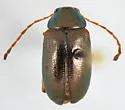
Euphrytus intermedius
Euphrytus intermedius
Identification: paired rear sternal tufts diagnostic (E.G. Riley, pers. comm., 2013 to MAQ)
Eusattodera pini 0
Eusattodera pini
Type Locality: Carr's Peak, Huachuca Mts., Arizona (9000 feet, on pine).
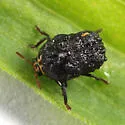
Exema byersi
Exema byersi
Identification: Exema byersi can easily be distinguished by the yellow coloring on the face, which always includes the frons in the emargination of the eye, and many oval to elliptical punctures on the pronotum, especially on the anterior half. Type
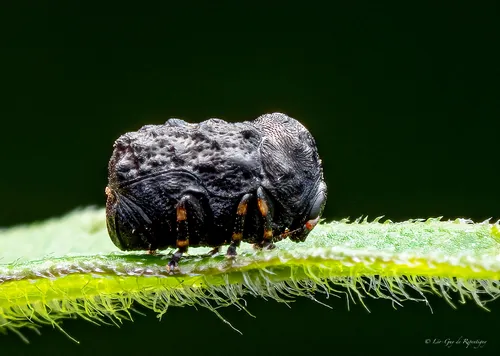
Exema canadensis
Exema canadensis
Identification: Emargination of eyes black, not yellow. "Shiny black with yellowish markings; male with antennal scape and longitudinal bar next to each eye transversely connected to central spot that merges with triangular frontal spot, yellow; fron
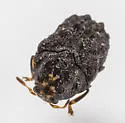
Exema dispar
Exema dispar
Identification: large areas of yellow on the head and anterior pronotum. Det. E. G. Riley, 2010
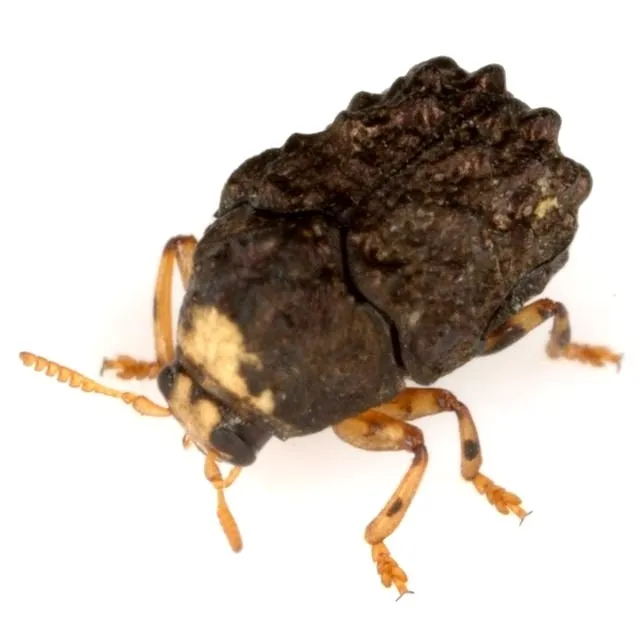
Exema elliptica
Exema elliptica
Exema elliptica is a species of warty leaf beetle in the family Chrysomelidae. It is found in North America.
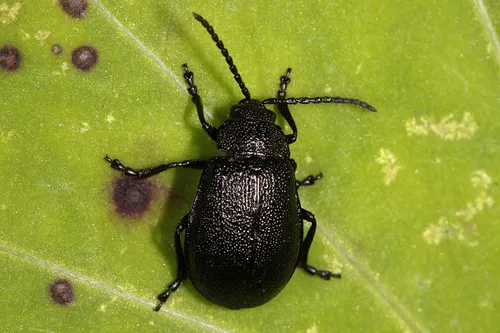
Galeruca tanaceti
Galeruca tanaceti
Size 6 to 10 mm. A shiny black beetle with dimpled elytra. Elytra wider at hind end, especially in the female, where abdomen may protrude beyond the elytra. Roadside verges and other grassy places, often in quite dry conditions. Widespread and fairly
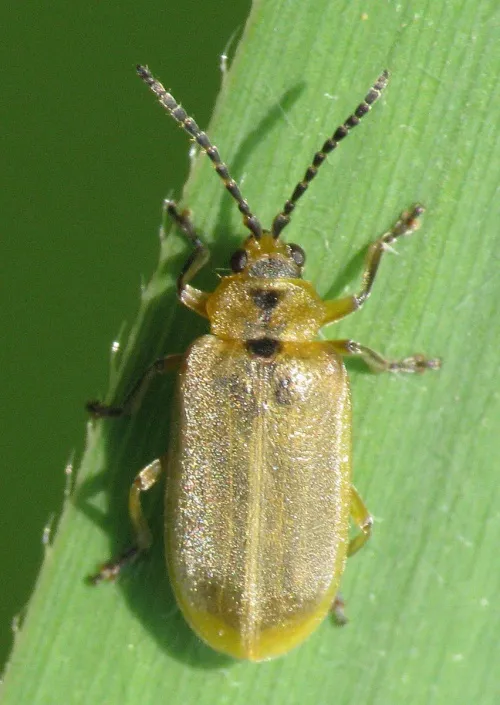
Brown Willow Beetle
Galerucella lineola
4-5.4 mm. Tawny brown with black markings on the head. The elytra are coarsely punctuated and the pronotal disc is finely pubescent with a faint dark spot. The antennal segments are pale brown but usually with darker on the dorsal surface. The elytra
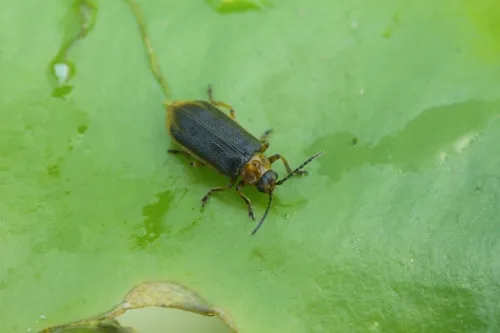
Water-lily Leaf Beetle
Galerucella nymphaeae
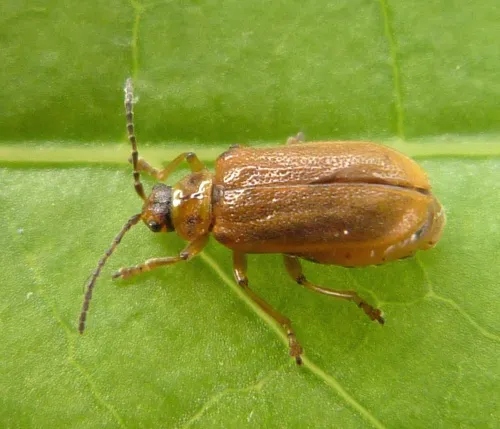
Size: 4 to 8 mm. Basic colour varies from yellowish brown to brick-red and the elytra usually have a paler margin. Galerucella nymphaeae is almost identical to G. sagittariae and they cannot easily be distinguished, though the food plant helps with s
Galerucella sagittariae
Galerucella sagittariae
Galerucella sagittariae is orange-brown with a brighter orange border at the base of the elytra and a black scutellum. The pronotal disc is glabrous and shining (only G. sagittariae and G. nymphaeae share this feature). G. nymphaeae is almost identic
Strawberry Leaf Beetle
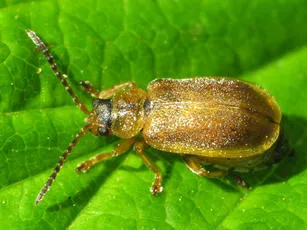
Galerucella tenella
3-4mm. Finely pubescent. Tawny with top of the head and scutellum (except for tip) dark. Front and rear edges of pronotum bare and shiny. No clear 'shoulder' spots. Antennae pale brown but darkening towards the apices. Apical sternite is bowl-shaped.
Gastrophysa formosa
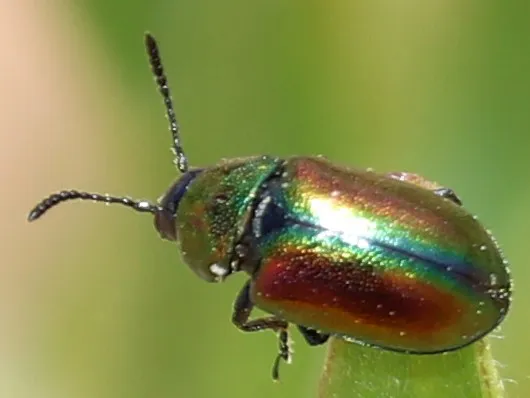
Gastrophysa formosa
Gastrophysa formosa is a species of leaf beetle in the family Chrysomelidae. It is found in North America.
Gastrophysa polygoni
Gastrophysa polygoni
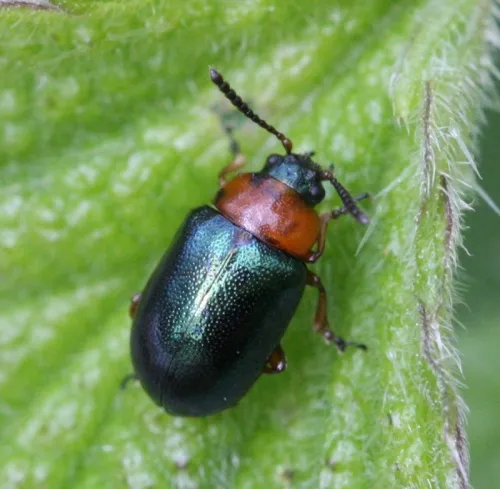
This is a small and colourful leaf beetle, no more than 5mm in length, with metallic green wing cases and head, whilst the thorax is orange. Associated with plants of the Polygonum genus, including bistorts, knotweeds, and knotgrass. Widespread and q
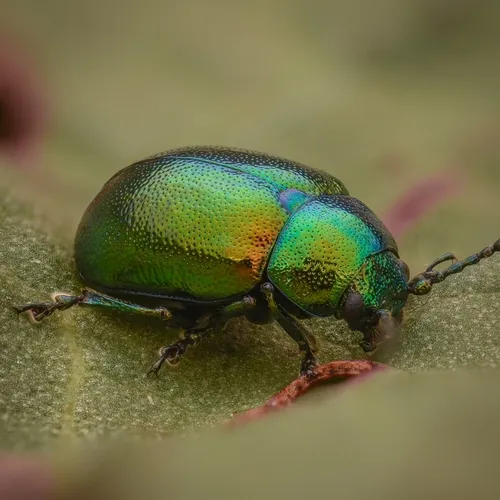
Green Dock Beetle
Gastrophysa viridula
Length 4 to 6 mm. A small green-golden beetle the elytra often seem to have a sheen. Usually found on Dock plants, it can be seen anywhere that Dock is present, such as roadside verges and field margins. It is often seen near to water. The gravid fem
Redbud Bruchid
Gibbobruchus mimus
Identification: Male pygidium almost totally pubescent, female pygidium with cordate, glabrous swelling Dets. M. A. Quinn
Glenidion flexicaulis
Glenidion flexicaulis
Identification: Det. E. G. Riley 2009 Type Locality: Esperanza Ranch, Brownsville, Cameron County, Texas (Schaeffer 1905)
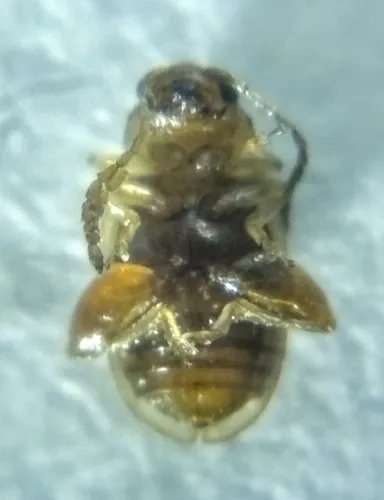
Glyptina atriventris
Glyptina atriventris
Identification: Elytral striae of very fine or obsolete punctures, sides and apex smooth. Elytral striae of extremely fine punctures; body beneath always pale - cerina Elytral striae of coarse, obsolete punctures near the base and scutellum only; bod
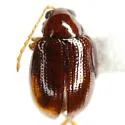
Glyptina brunnea
Glyptina brunnea
13 spmns coll'ed Apr-July in c. TX arboreal surveys on oaks and cedar elm ( 4 )
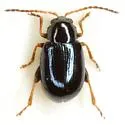
Glyptina nivalis
Glyptina nivalis
Type Locality: Near Hot Springs Las Vegas, N.M., 7000 ft., Aug 1882, F. H. Snow
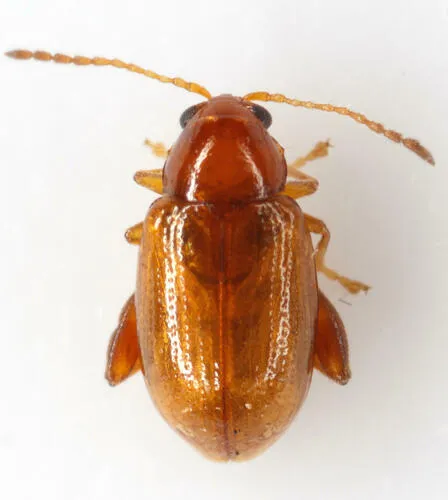
Glyptina spuria
Glyptina spuria
Glyptina spuria is a species of flea beetle in the family Chrysomelidae. It is found in North America.
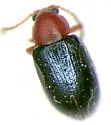
Glyptina texana
Glyptina texana
locally common south of the Houston TX area on Euphorbia bicolor per E.G. Riley
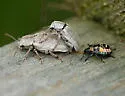
Glyptoscelis albicans
Glyptoscelis albicans
Identification: The reddish-brown color and coarse white hairs distinguish this from other eastern species.
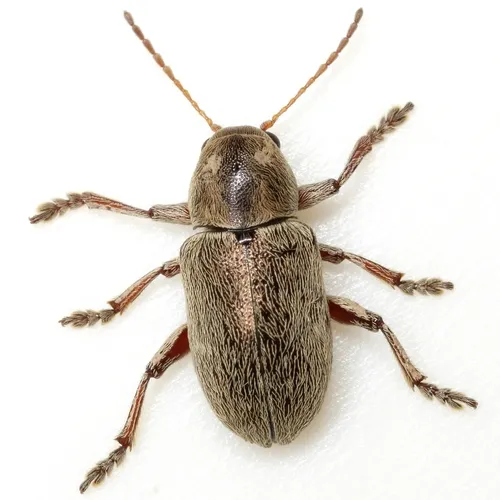
Glyptoscelis prosopis
Glyptoscelis prosopis
Type Locality: Esperanza Ranch, Brownsville, Texas (Schaeffer 1905)
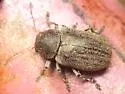
Hairy Leaf Beetle
Glyptoscelis pubescens
Identification: The large size, dark color, scaly dorsal surface, and the expanded lateral lobes of the prothorax will distinguish this species. (E.G. Riley)
Graphops barberi
Graphops barberi
Identification: Type - USNM, Smithsonian Type Locality: Flagstaff, Coconino Co., Arizona, coll'ed by Wickham in 1933
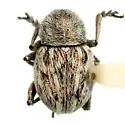
Monahans Graphops
Graphops comosa
Identification: "It has the heaviest pubescence of any of the genus, the elytral punctation being entirely concealed by the coarse white hairs in unrubbed specimens so that the beetles present a grayish appearance not unlike Glyptoscelis . The bulgin
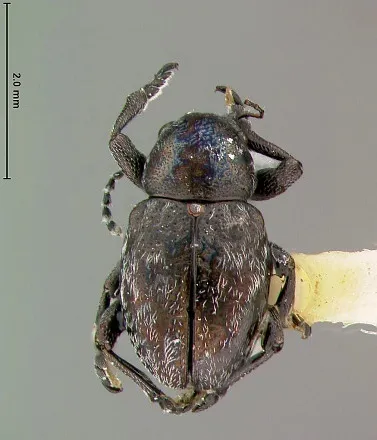
Graphops exilis
Graphops exilis
Identification: Type - USNM, Smithsonian Type Locality: Victoria, Victoria Co., Texas, coll'ed by J. D. Mitchell, 29 Aug 1913
Graphops floridana
Graphops floridana
Type: male and 6 paratypes U.S.N.M. collected at Tavares, Florida, July 18 by Hubbard and Schwarz.
Graphops tenuis
Graphops tenuis
Identification: Type - USNM, Smithsonian Type Locality: Alpine; 4400-6000 ft., Texas, coll'ed by Wickham, 28 Jun 1930
Gratiana boliviana
Gratiana boliviana
Identification: Larva cream with small green spot. Carries fecal shield. Young adults light green with a continuous yellow mark along the rim. Adults turn yellow. Used as weed biocontrol agent against Solanum viarum (soda apple), an invasive plant fr
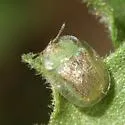
Eggplant Tortoise Beetle
Gratiana pallidula
Identification: Adult: in most live individuals, pronotum light green, elytra light golden brown with explanate, transparent margins; color of dead specimens mostly medium brown with lighter brownish-yellow margins; body oblong; elytral margins almos
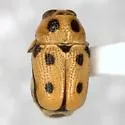
Griburius equestris
Griburius equestris
Identification: Our basis for assigning Olivier's name is the dorsal color pattern and the color of the abdomen. His illustration depicts a yellow Griburius beetle with two round, black maculae on each elytron, the anterior-most being isolated and we
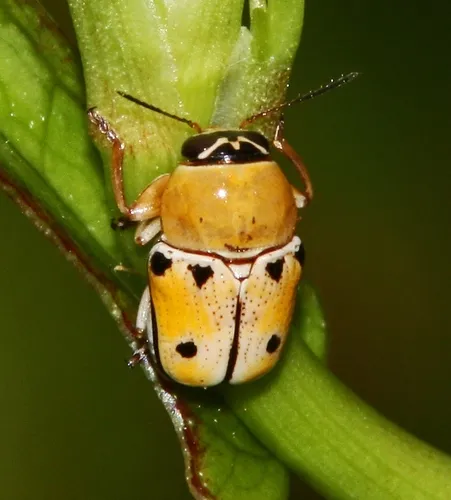
Griburius larvatus
Griburius larvatus
Identification: The specimens Riley et al. (2001) assigned to G. larvatus (over 100 examined) have the elytral pattern variably developed, ranging from nearly absent to heavily marked. The anterior discal spot of the elytra is basal, nearly touching
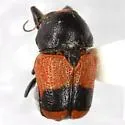
Griburius lecontii
Griburius lecontii
Identification: Dets. M. A. Quinn, 2015 Type Locality: Texas
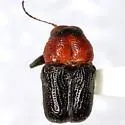
Griburius montezuma
Griburius montezuma
Identification: dets. E.G. Riley: There exists a color form of this species where the ivory-white elytral markings are absent or nearly so, being reduced to a very narrow strip along the lower anterior portion of the elytral margin. From above, the e
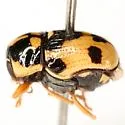
Griburius scutellaris
Griburius scutellaris
Identification: Lateral margins and occasionally medial and paired basal spots of prothorax yellowish orange. Scutellum and medial and apical elytral fascia yellow-orange. ( 3 ) variable:
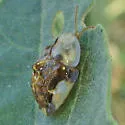
Clavate Tortoise Beetle
Helocassis clavata
Identification: adult: dorsum with large dark patch shaped like a teddy bear, with "legs" of the "bear" reaching elytral margins and the "head" extending onto the pronotum
Hemiphrynus elongatus 0
Hemiphrynus elongatus
Identification: both sexes with stout antennomeres (fourth antennomere approximately 2.4x longer than wide) 18 spmns coll'ed 3 miles s. of Alto, New Mexico
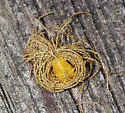
Palmetto Tortoise Beetle
Hemisphaerota cyanea
Larvae of this species create strands of fecal matter enclosing them in a nestlike thatch that protects them from predators. Thatch is retained when the larvae pupate, until the adult has emerged and its shell has hardened. Thomas Eisner has a very
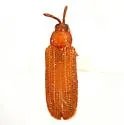
Heptispa brevicornis
Heptispa brevicornis
Identification: This is an unusual and noteworthy beetle possessing hispine characters not seen in other species from the United States and a combination of characters probably not found in any other hispine. The form of the antennae is its most uniq
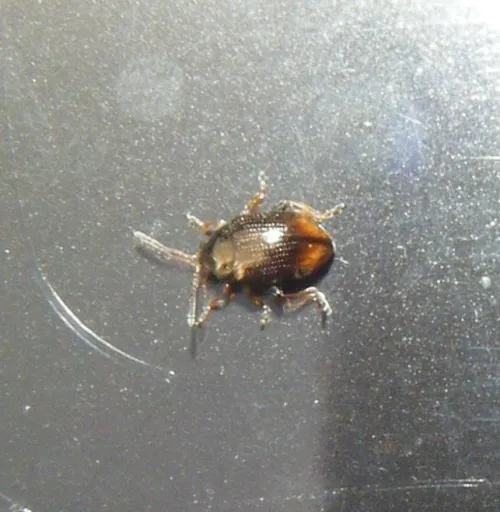
Horsetail Flea Beetle
Hippuriphila modeeri
This is a tiny (around 3 mm) flea beetle. Its dark brown punctate elytra become more golden at the rear. Damp places where horsetails are present. No additional images available for this species.
Jonthonota mexicana
Jonthonota mexicana
Type Locality: Ventanas, Durango, Mexico uncommon (BG data)
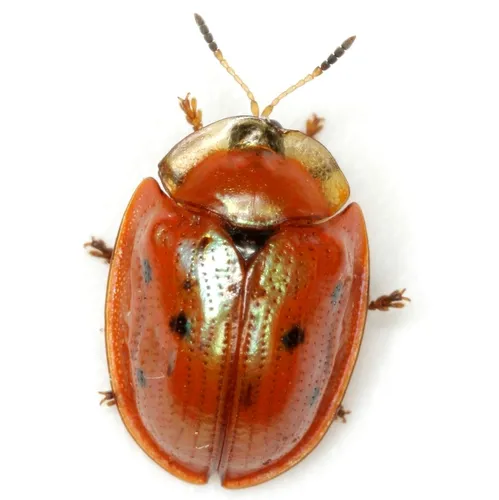
Blacklegged Tortoise Beetle
Jonthonota nigripes
Identification: Black scutellum - also, adult reddish-orange with 3 black spots on each elytron; legs mostly black or dark brown, body shape oblong and nearly parallel-sided, elytral margins opaque or translucent but not transparent, surface not high
Keitheatus blakeae
Keitheatus blakeae
Type Locality: Big Bend State Park, Chisos Mts., Brewster County, Texas, July 12 to 16, 1941. At the time of discovery there were actually millions of the beetles available. A single blow on the host plant would completely cover the beating sheet and
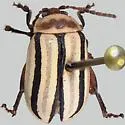
Kuschelina barberi
Kuschelina barberi
Identification: Holotype Type Locality: Greeley, Colorado [Weld County]
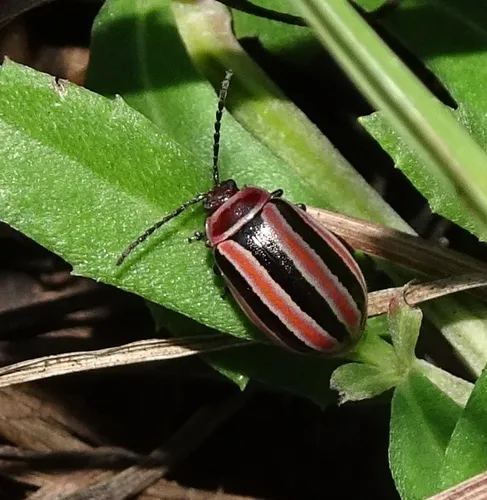
Kuschelina fallax
Kuschelina fallax
Identification: Description : Oblong oval, moderately convex. Head shining, red-brown, coarsely punctate. Prothorax light yellow with irregular red-brown fascia, slightly alutaceous, finely punctate; yellow with black sutural and median fascia; somet
Kuschelina fimbriata
Kuschelina fimbriata
Identification: Dull reddish or brownish, head and pronotum with rather ill defined dark areas of various extent. Elytra usually pale, with narrowly dark suture only. Variations:
Kuschelina floridana
Kuschelina floridana
Type Locality: Lakeland, Florida, collected on collards, Jan. 18, 1944, collector unknown.
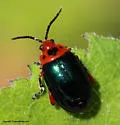
Kuschelina gibbitarsa
Kuschelina gibbitarsa
Identification: larger black thoracic spots and shinier elytra than K. thoracica Det. M. A. Quinn, 2018
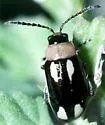
Kuschelina laeta
Kuschelina laeta
Identification: Det. M. A. Quinn, 2013 White apical spots often connected to pale lines within each elytron: Type Locality: Texas
Kuschelina minata
Kuschelina minata
Identification: distinguished mainly by the median elytral vitta which is straight, narrow, often interrupted and not curved at the apex towards the suture as it is in others of the group. Usually the markings are paler also, being reddish brown, and
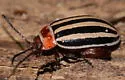
Kuschelina petaurista
Kuschelina petaurista
Bechyné, 1958 (Entom. Arb. Frey 9): 686, footnote: Transfer to genus Alagoasa proposed (number and position of setae on labrum)
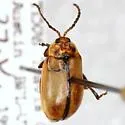
Kuschelina suturella
Kuschelina suturella
Identification: Elytra pale with slightly darker sutural area
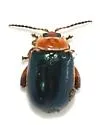
Kuschelina tenuilineata
Kuschelina tenuilineata
Bechyné, 1958 (Entom. Arb. Frey 9): 686, footnote: Transfer to genus Alagoasa proposed (number and position of setae on labrum)
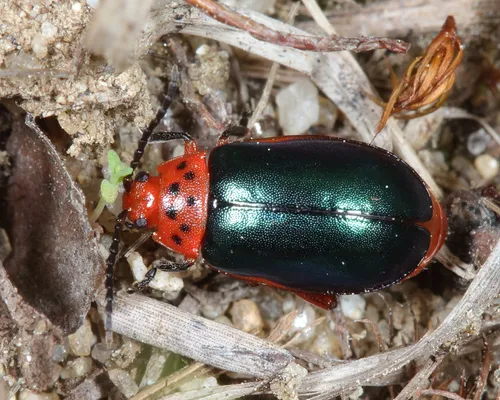
Freckle-necked Kuschelina
Kuschelina thoracica
Identification: smaller black thoracic spots and flatter irrdescent elytra than K. gibbitarsa
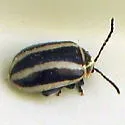
Kuschelina ulkei
Kuschelina ulkei
Identification: oval convex shape, fine punctation, wide dark elytral vittae , and the subequal 3rd and 4th antennal joints distinguish this species. (emphasis added) Type Locality: FL
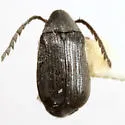
Kytorhinus prolixus
Kytorhinus prolixus
Identification: The combination of characters-two sclerotized, prepygidial terga; strongly pectinate male antenna (see Type ); prominent eyes in male; uniformly dark brown or black integument; unarmed metafemur; and lack of tibial carinae-easily char
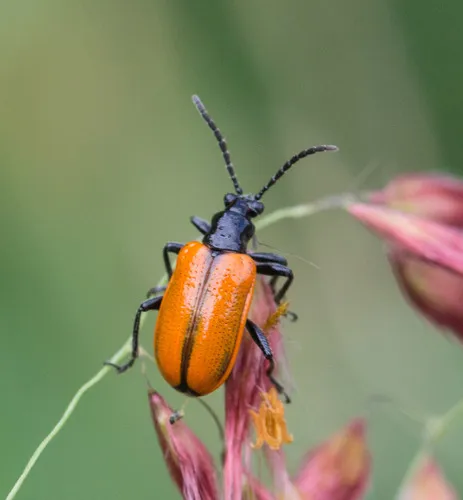
Lema confusa
Lema confusa
Lema confusa is a species of leaf beetle in the family Chrysomelidae. It is found in the Caribbean Sea, Central America, North America, and South America.
Lema conjuncta
Lema conjuncta
Identification: Each elytron mostly black with narrow lateral margin orange or yellow, also with basal light marking covering 3 intervals and extending 1/8 to nearly 1/2 length of elytron. Pronotum sometimes with 2 black spots.
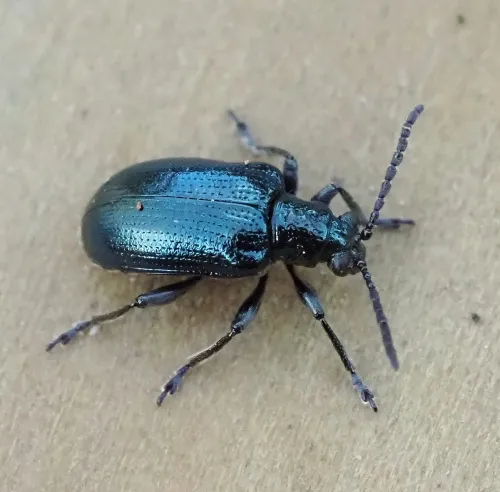
Lema cyanella
Lema cyanella
3.5 to 5 mm. This beetle is metallic blue or greenish. The pronotum is constricted in the middle (which separates the genus from Oulema). All tibia have two apical spurs. Oulema species look similar but lack the medially constricted pronotum. A varie
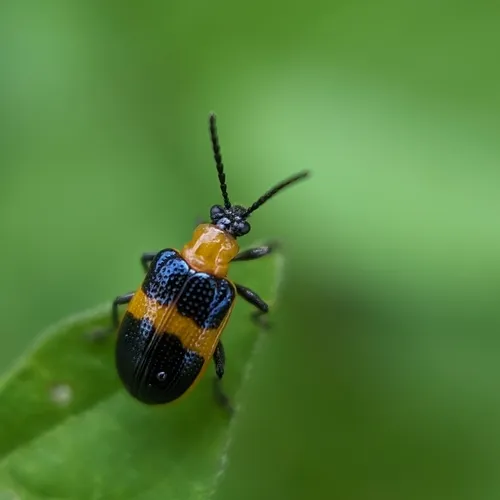
Blue-banded Lema Leaf Beetle
Lema solani
Lema solani is a species of leaf beetle in the family Chrysomelidae. It is found in North America.
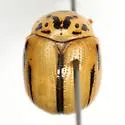
Leptinotarsa defecta
Leptinotarsa defecta
Syntype from Texas in the British Museum reportedly coll’ed in Runnels Co., TX, but that county was only created the year prior to the species’ description. ( 3 )
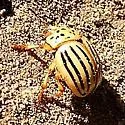
Texas Potato Beetle
Leptinotarsa texana
Identification: Det. E. G. Riley, 2009 Type Locality: Esperaza Ranch, Brownsville, Cameron Co., Texas
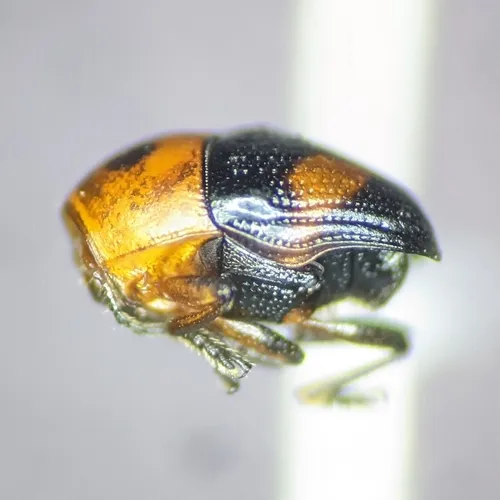
Lexiphanes mexicanus
Lexiphanes mexicanus
Lexiphanes mexicanus is a species of case-bearing leaf beetle in the family Chrysomelidae. It is found in Central America and North America.
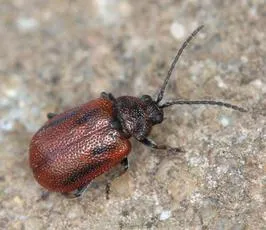
Hawthorn Leaf Beetle
Lochmaea crataegi
This leaf beetle has characteristic black markings on a red background. It is seen along hedgerows and woodland where it feeds on Hawthorn leaves. Reasonably common and widespread in England and Wales.
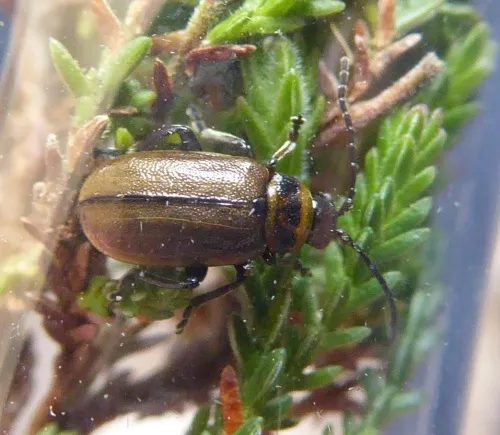
Heather Beetle
Lochmaea suturalis
4.3 to 6 mm. Brown to dark ochre-coloured Lochmaea caprea is similar but less shiny than L. suturalis . The record must include a note to state whether the beetle was found on Heather. Unless identified by a recognised expert, a photo is required and
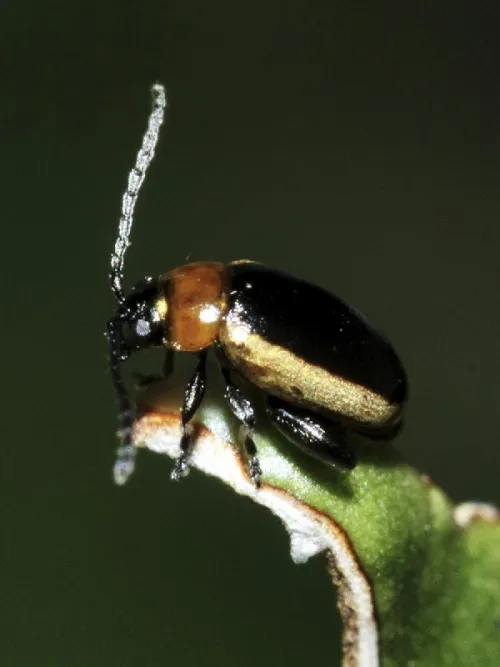
Longitarsus dorsalis
Longitarsus dorsalis
This small beetle (2 to 3 mm) has a black head and an brown pronotum. The dark elytra have broad yellow margins. Often found on post-industrial sites where Ragwort and Groundsel is plentiful. All year round, but perhaps more common in the cooler mont
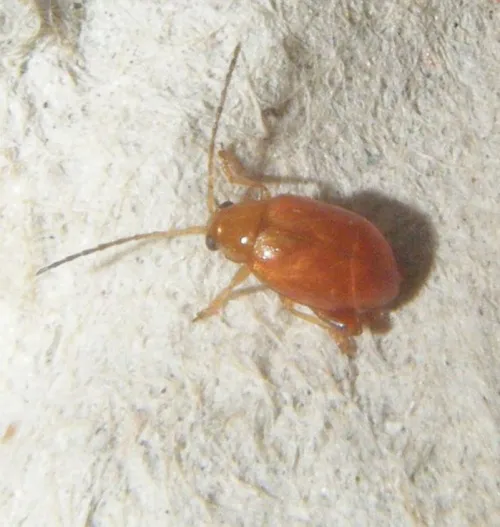
Longitarsus flavicornis
Longitarsus flavicornis
A small 2.5 to 3 mm pale orange to reddish flea beetle. Associated with Ragworts (Senecio species). Fairly frequent and widespread south of a line from the Mersey to the Humber estuaries. No additional images available for this species.
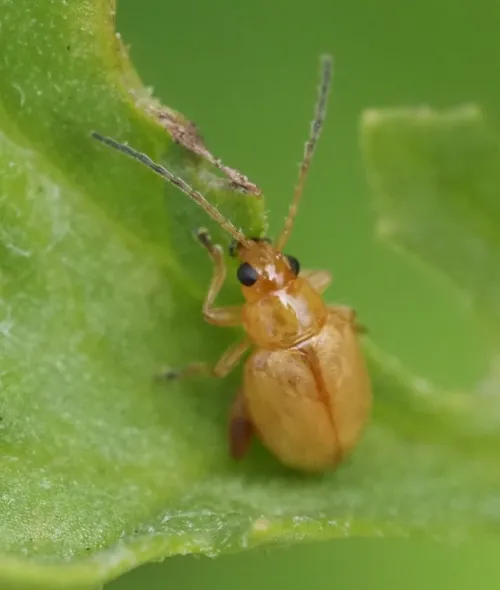
Ragwort Flea Beetle
Longitarsus jacobaeae
This beetle is light golden brown in colour and between 2 and 4 mm long. It has enlarged femurs typical of flea beetles. Feeds on the leaves of Ragwort, particularly Common Ragwort ( Senecio jacobaea ). All year round peaking June to September. Wides
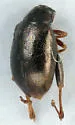
Longitarsus melanurus
Longitarsus melanurus
Identification: Dorsum distinctly alutaceous, moderately shining, brownish-piceous, antennae reddish brown, darker apically, legs except for hind femora yellowish.
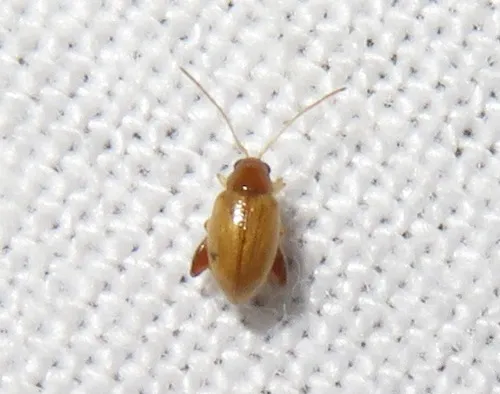
Longitarsus pellucidus
Longitarsus pellucidus
Longitarsus pellucidus is a species of flea beetle in the family Chrysomelidae. It is found in Europe and Northern Asia (excluding China) and North America.
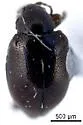
Longitarsus turbatus
Longitarsus turbatus
Identification: Oblong oval, not very convex, piceous brown or castaneous, shining, surface with extremely faint bronze lustre. Antennae with four basal joints pale, outer joints gradually piceous. Head smooth. Thorax nearly one half wider than long,

Banded Heliotrope Longitarsus
Longitarsus varicornis
Identification: Shining red-brown, each elyron with mid-lateral brown-black cloud. The 3 basal segments of antennae yellow, with joints 2, 3, and 4 successively longer. Anterior and middle legs yellow. Posterior legs and venter red-brown.
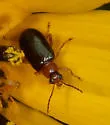
Luperaltica nigripalpis
Luperaltica nigripalpis
Identification: color variable: key to Luperaltica species in Wilcox
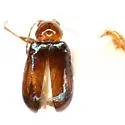
Luperaltica nitida
Luperaltica nitida
Identification: elytra shining blue-green, very finely punctate Det. E. G. Riley Holotype male, allotype female, paratypes 3 males and 6 females, Chisos Mts., Texas, July 17, 1946, D. J. and J. N. Knull collectors, also, 16 males and 8 females, Chiso
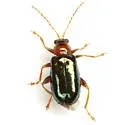
Luperaltica semiflava
Luperaltica semiflava
Identification: Oblong; elytra metallic blue-green; upper surface highly polished throughout ; elytral punctation indistinct Det. E. G. Riley, 2011 Type Locality: Dripping Springs, Organ Mtns, sc. New Mexico
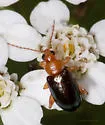
Luperaltica senilis
Luperaltica senilis
Identification: key to Luperaltica species in Wilcox
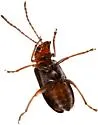
Luperosoma subsulcatum
Luperosoma subsulcatum
Identification: The semicostate elytra readily distinguish this species. (Blake 1958) Males have weakly enlarged terminal antennomeres and a small subapical notch on the inner margin of their mesotibia. (Per E.G. Riley) Lectotype Locality: Yuma, AZ (
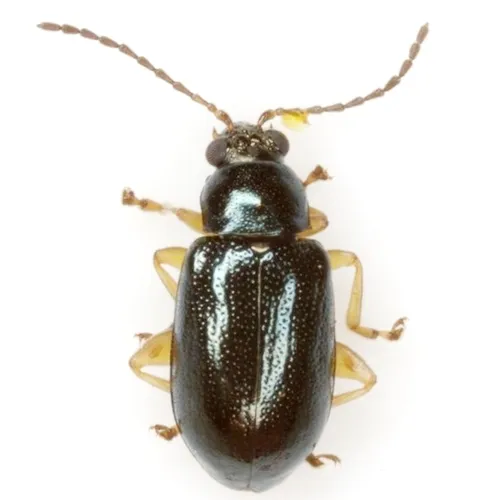
Pale-legged flea beetle
Lysathia ludoviciana
Identification: note pale legs (Fall, 1910) Det. E.G. Riley, 2009 Type Locality: Morgan City, LA
Lythraria salicariae 0
Lythraria salicariae
Identification: see habitus photos: specimens ▪ live individual
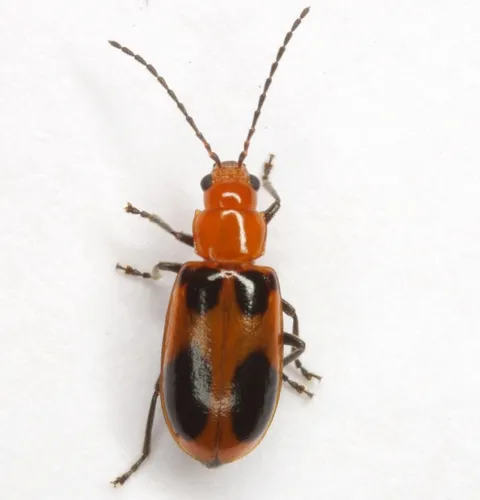
Malacorhinus acaciae
Malacorhinus acaciae
Malacorhinus acaciae is a species of skeletonizing leaf beetle in the family Chrysomelidae. It is found in North America.
Malacorhinus tilghmani 0
Malacorhinus tilghmani
Identification: elytra with sides angulate, excavated bearing tubercles; antennae 1st enlarged (Mohamedsaid & Furth, 2011) ESA member George M. Greene (1916) exhibited a male Malacorhinus tripunctatus Jacoby collected by H. Mittendorf in New Braunfel
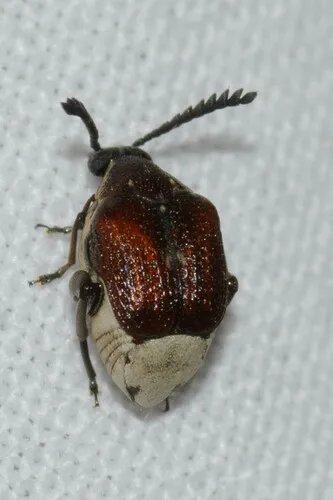
Coastal Red Bruchid
Megacerus coryphae
Megacerus coryphae is a species of leaf beetle in the family Chrysomelidae. It is found in North America.
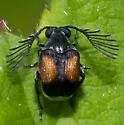
Megacerus cubicus 0
Megacerus cubicus
Identification: black pronotum, black-bordered red elytra, and horizontal black line on the pygidium (sometimes broken into two short lines). see Fig. 224-225, Vol II
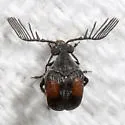
Megacerus discoidus
Megacerus discoidus
Identification: This handsome species with its quadrate, red elytral maculae can hardly be mistaken for any other eastern American bruchid.