
Stigmata Mummy Wasp
Aleiodes stigmator
This record describes Aleiodes stigmator (species). Recorded family: Braconidae. Recorded order: Hymenoptera.
Identification and Appearance
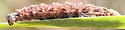
Body mostly honey-yellow except metanotum and propodeum brown to black. Metasoma sometimes with first tergite dark brown- black. Can be distinguished from similar species by strongly pectinate tarsal claws, with teeth located along the entire length of the claw, distinct from others in which tarsal teeth are at most located basally. The host remains (mummies) of A. stigmator are easily distinguished by the numerous exit holes from which adult parasitoids emerged. Aleiodes stigmator are quite similar to other Aleiodes species within the same size range and having similar color and ocellar size (smaller or about equal to distance from lateral ocellus to eye). The most distinctive characteristic which separates this species from similar species is the strongly pectinate tarsal claws of this species. See Figure 2d in Fortier & Shaw 1999 (citation below). This is the oldest described Nearctic species, described by Thomas Say in 1824.
Classification
- Kingdom
- Animalia
- Phylum
- Arthropoda
- Class
- Insecta
- Order
- Hymenoptera (Ants, Bees, Wasps and Sawflies)
- Superfamily
- Ichneumonoidea
- Family
- Braconidae (Braconid Wasps)
- Subfamily
- Rogadinae
- Genus
- Aleiodes (Common Mummy Wasps)
Imported taxonomy record. Source availability varies; see the source references and editorial policy below.
Habitat and Range
Habitat
Generally associated with wetlands and near cattails and willows.
Geographic Range
Widely distributed across Canada and northern U.S.
Seasonal Activity
Adults emerge from mummies in late summer and early autumn.
Diet and Behavior
Diet: A. stigmator is the only gregarious Aleiodes parasitoid in the Nearctic so far as known. Hosts include various noctuids in genus Acronicta , including Simyra henrici , and some Catocala species.
Additional species information
Species notes from the sources
Etymology: "The name 'stigmata mummy-wasp' is a reference to the exit holes that are produced in the host caterpillar. Thomas Say thought they looked like the stigmata in the hands and feet of the Christ." - Shaw 2006
About Flies: the wider group
Order-level background for Hymenoptera, the group containing Aleiodes stigmator. Species-specific details appear above.
Group overview
Hymenoptera includes over 150,000 described species of ants, bees, wasps, and sawflies. Earth harbors approximately 20 quadrillion (20×10^15) ants, with a combined biomass of ~12 megatons of dry carbon - exceeding the combined biomass of all wild birds and mammals (PNAS, 2022).
Ecological role of the group
About 35% of the world's food crops depend on animal pollinators. The chocolate industry, valued at over $100 billion, depends on pollinating flies and midges. Ants are the dominant soil engineers in most terrestrial ecosystems, turning more soil than earthworms in many habitats.
Economic and practical significance of the group
Pollinators contribute $235-577 billion worth of annual global food production (FAO). In the U.S., bee pollination alone benefits crops valued at $18 billion annually, and honey bees are responsible for $5.4 billion in agricultural productivity. Between April 2023-2024, 55.1% of managed honey bee colonies were lost. The U.S. bee population dropped from 5 million to 2.5 million.
Recorded sources for this group: FAO, USDA, EPA, PNAS (2022), US Fish & Wildlife Service. Imported estimates may describe particular regions or reporting periods.
Photos of Stigmata Mummy Wasp (5)
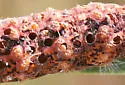
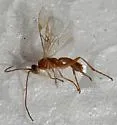
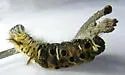
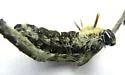
Photo credits: Contributed by Charley Eiseman; Additional contributions by josephfortier , anitagould , PaleoJon
Frequently Asked Questions About Stigmata Mummy Wasp
What is Stigmata Mummy Wasp?
Stigmata Mummy Wasp (Aleiodes stigmator) is a species in the family Braconidae, within the order Hymenoptera.
How big is Stigmata Mummy Wasp?
4–5 mm
How do you identify Stigmata Mummy Wasp?
Body mostly honey-yellow except metanotum and propodeum brown to black. Metasoma sometimes with first tergite dark brown- black. Can be distinguished from similar species by strongly pectinate tarsal claws, with teeth located along the entire length of the claw, distinct from others in which tarsal teeth are at most located basally.
Where is Stigmata Mummy Wasp found?
| Feature | Details |
|---|---|
| Habitat | Generally associated with wetlands and near cattails and willows. |
| Range | Widely distributed across Canada and northern U.S. |
What does Stigmata Mummy Wasp eat?
The diet of the Stigmata Mummy Wasp includes A. stigmator is the only gregarious Aleiodes parasitoid in the Nearctic so far as known. Hosts include various noctuids in genus Acronicta , including Simyra henrici , and some Catocala species..
When is Stigmata Mummy Wasp active?
Stigmata Mummy Wasp: seasonal activity - Adults emerge from mummies in late summer and early autumn..