
Dixie Zale - Hodges#8691
Zale declarans
This record describes Zale declarans (species). Recorded family: Erebidae. Recorded order: Lepidoptera.
Identification and Appearance
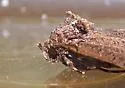
See original description by Walker under Print References below. Larvae: Owlet Caterpillars of Eastern North America p.171
Classification
- Kingdom
- Animalia
- Phylum
- Arthropoda
- Class
- Insecta
- Order
- Lepidoptera (Butterflies and Moths)
- Superfamily
- Noctuoidea
- Family
- Erebidae
- Subfamily
- Erebinae
- Tribe
- Omopterini
- Genus
- Zale
Imported taxonomy record. Source availability varies; see the source references and editorial policy below.
Habitat and Range
Habitat
live oak groves, especially along the coast
Geographic Range
North Carolina south to Florida and west to Louisiana
Diet and Behavior
Diet: larval host is live oak
About Butterflies and Moths: the wider group
Order-level background for Lepidoptera, the group containing Zale declarans. Species-specific details appear above.
Group overview
Lepidoptera includes approximately 180,000 described species of butterflies and moths. Moths outnumber butterflies roughly 10:1. The monarch butterfly's eastern population has declined by more than 80% since the mid-1990s, and the western population by over 95% since the 1980s. The IUCN lists the migratory monarch as Vulnerable.
Ecological role of the group
Butterflies and moths are essential indicators of ecosystem health. As caterpillars, they are a primary food source for birds - a single nest of blue tit chicks requires ~10,000 caterpillars. Adult moths pollinate many night-blooming plants.
Economic and practical significance of the group
Lepidoptera are critical pollinators. In Europe, grassland butterfly species have declined by almost 50% since the early 1990s. In the UK, three-quarters of butterflies are in decline. In the U.S., five butterfly species have gone extinct since 1950, with 29 listed as endangered.
Recorded sources for this group: IUCN Red List, Xerces Society, USFWS, PNAS, WWF. Imported estimates may describe particular regions or reporting periods.
Photos of Dixie Zale - Hodges#8691 (5)
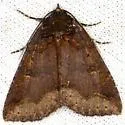
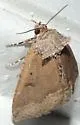
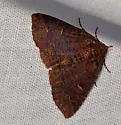
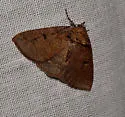
Photo credits: Contributed by Tony; Additional contributions by Steve Nanz , Ron M. , Randy Hardy
Frequently Asked Questions About Dixie Zale - Hodges#8691
What is Dixie Zale - Hodges#8691?
Dixie Zale - Hodges#8691 (Zale declarans) is a species in the family Erebidae, within the order Lepidoptera.
How big is Dixie Zale - Hodges#8691?
larva to 5cm wingspan about 3.5 cm ( MPG photos )
How do you identify Dixie Zale - Hodges#8691?
See original description by Walker under Print References below. Larvae: Owlet Caterpillars of Eastern North America p.171
Where is Dixie Zale - Hodges#8691 found?
| Feature | Details |
|---|---|
| Habitat | live oak groves, especially along the coast |
| Range | North Carolina south to Florida and west to Louisiana |
What does Dixie Zale - Hodges#8691 eat?
The diet of the Dixie Zale - Hodges#8691 includes larval host is live oak.