
Yellow Meadow Ant
Lasius flavus
This record describes Lasius flavus (species). Recorded family: Formicidae. Recorded order: Hymenoptera.
Identification and Appearance
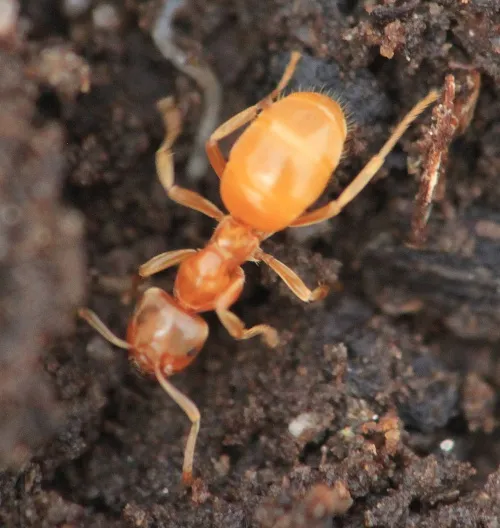
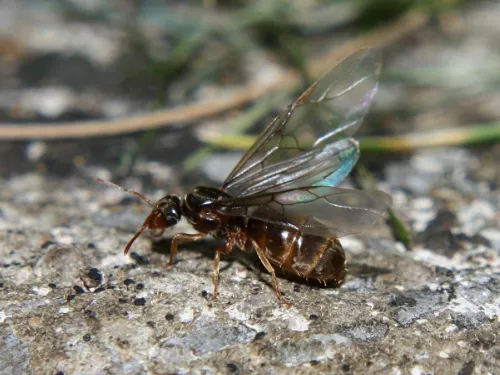
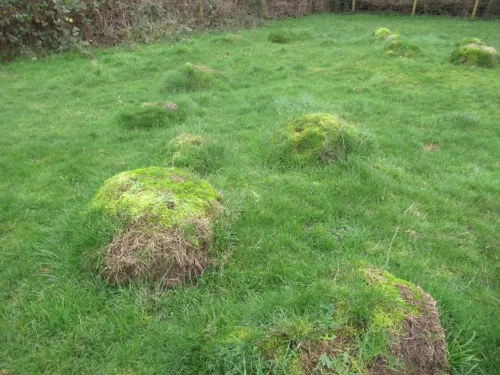
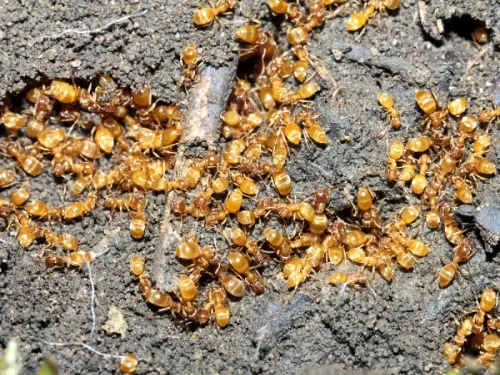
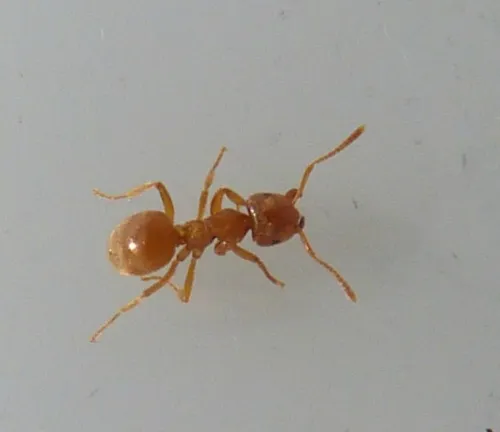
The Yellow Meadow Ant is, as the name suggests, yellowish brown in colour. A number of features distinguish it from other similar species of ant, including the fact that the lower sections of the antennae and the tibiae lack hairs. The workers are around 2 to 3.5 mm in length. It is a difficult species to identify and it is as well to seek expert confirmation. Unless identified by a recognised expert, a photo is required and the specimen should be examined with a microscope. In the comments box, state the key or ID method used and describe the size and identifying characters. Typically found in rough grassland and gardens, provided the grass is not cut too often. This species can live under the ground as long as the grass is open enough to allow sunlight to reach the soil. Alates (winged reproductives) often take to the skies for their nuptial flights in July and August in Europe. This species feeds on insects that are found in grass, including fly larvae, wireworms, woodlice and springtails. It also 'farms' aphids on the roots of plants in order to obtain the sweet honeydew that they exude. Like all ants, the Yellow Meadow Ant lives in organised social colonies. Common throughout Britain, particularly in the south.
Classification
- Kingdom
- Animalia
- Phylum
- Arthropoda
- Class
- Insecta
- Order
- Hymenoptera
- Family
- Formicidae
- Genus
- Lasius
Imported taxonomy record. Source availability varies; see the source references and editorial policy below.
Habitat and Range
Habitat
Typically found in rough grassland and gardens, provided the grass is not cut too often. This species can live under the ground as long as the grass is open enough to allow sunlight to reach the soil.
Seasonal Activity
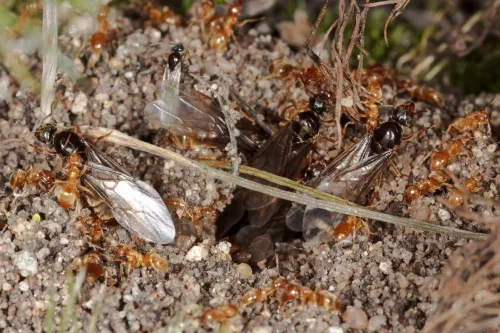
Alates (winged reproductives) often take to the skies for their nuptial flights in July and August in Europe.
Diet and Behavior
Life History
This species feeds on insects that are found in grass, including fly larvae, wireworms, woodlice and springtails. It also 'farms' aphids on the roots of plants in order to obtain the sweet honeydew that they exude. Like all ants, the Yellow Meadow Ant lives in organised social colonies.
Additional species information
Recorded status
Common throughout Britain, particularly in the south.
About Flies: the wider group
Order-level background for Hymenoptera, the group containing Lasius flavus. Species-specific details appear above.
Group overview
Hymenoptera includes over 150,000 described species of ants, bees, wasps, and sawflies. Earth harbors approximately 20 quadrillion (20×10^15) ants, with a combined biomass of ~12 megatons of dry carbon - exceeding the combined biomass of all wild birds and mammals (PNAS, 2022).
Ecological role of the group
About 35% of the world's food crops depend on animal pollinators. The chocolate industry, valued at over $100 billion, depends on pollinating flies and midges. Ants are the dominant soil engineers in most terrestrial ecosystems, turning more soil than earthworms in many habitats.
Economic and practical significance of the group
Pollinators contribute $235-577 billion worth of annual global food production (FAO). In the U.S., bee pollination alone benefits crops valued at $18 billion annually, and honey bees are responsible for $5.4 billion in agricultural productivity. Between April 2023-2024, 55.1% of managed honey bee colonies were lost. The U.S. bee population dropped from 5 million to 2.5 million.
Recorded sources for this group: FAO, USDA, EPA, PNAS (2022), US Fish & Wildlife Service. Imported estimates may describe particular regions or reporting periods.
Photos of Yellow Meadow Ant (10)
Frequently Asked Questions About Yellow Meadow Ant
What is Yellow Meadow Ant?
Yellow Meadow Ant (Lasius flavus) is a species in the family Formicidae, within the order Hymenoptera.
Where is Yellow Meadow Ant found?
Habitat: Typically found in rough grassland and gardens, provided the grass is not cut too often. This species can live under the ground as long as the grass is open enough to allow sunlight to reach the soil.
When is Yellow Meadow Ant active?
Yellow Meadow Ant: seasonal activity - Alates (winged reproductives) often take to the skies for their nuptial flights in July and August in Europe..
What is the life cycle of a Yellow Meadow Ant?
This species feeds on insects that are found in grass, including fly larvae, wireworms, woodlice and springtails. It also 'farms' aphids on the roots of plants in order to obtain the sweet honeydew that they exude. Like all ants, the Yellow Meadow Ant lives in organised social colonies.