
Gonibius rex
This record describes Gonibius rex (species). Recorded family: Lithobiidae. Recorded order: Lithobiomorpha.
Identification and Appearance
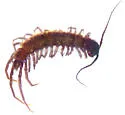
Posterior angles of fourth, sixth, seventh, ninth, eleventh, and thirteenth dorsal plates produced; ventral spines of anal legs 0,1, 3, 3, 2; dorsal spines of penult legs 1, 0, 3. 2, 2. The other North American species seems to be less spiny overall, with fewer segments having posterior angles produced and fewer leg spines.
Classification
- Kingdom
- Animalia
- Phylum
- Arthropoda
- Class
- Chilopoda
- Order
- Lithobiomorpha (Stone Centipedes)
- Family
- Lithobiidae
- Genus
- Gonibius
Imported taxonomy record. Source availability varies; see the source references and editorial policy below.
Habitat and Range
Geographic Range
Southeast USA.
About Stone Centipedes: the wider group
Order-level background for Lithobiomorpha, the group containing Gonibius rex. Species-specific details appear above.
Group overview
Lithobiomorpha (stone centipedes) includes ~1,500 described species. They are the most common centipedes in temperate regions, frequently found under stones, logs, and leaf litter in gardens.
Ecological role of the group
Stone centipedes are important soil predators that regulate populations of springtails, mites, and other small arthropods. Unlike many centipedes, females guard their eggs until hatching - a form of maternal care.
Economic and practical significance of the group
Stone centipedes are beneficial garden predators that help control pest insects, slugs, and other invertebrates. They are harmless to humans despite their venomous bite capability.
Recorded sources for this group: Myriapod research, soil ecology. Imported estimates may describe particular regions or reporting periods.
Photos of Gonibius rex (2)
Photo credits: Contributed by Bennett Grappone
Frequently Asked Questions About Gonibius rex
What is Gonibius rex?
Gonibius rex is a species in the family Lithobiidae, within the order Lithobiomorpha.
How do you identify Gonibius rex?
Posterior angles of fourth, sixth, seventh, ninth, eleventh, and thirteenth dorsal plates produced; ventral spines of anal legs 0,1, 3, 3, 2; dorsal spines of penult legs 1, 0, 3. 2, 2. The other North American species seems to be less spiny overall, with fewer segments having posterior angles produced and fewer leg spines.
Where is Gonibius rex found?
Range: Southeast USA.