
Bothropolys multidentatus
This record describes Bothropolys multidentatus (species). Recorded family: Lithobiidae. Recorded order: Lithobiomorpha.
Identification and Appearance
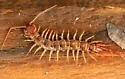
Classification
- Kingdom
- Animalia
- Phylum
- Arthropoda
- Class
- Chilopoda
- Order
- Lithobiomorpha (Stone Centipedes)
- Family
- Lithobiidae
- Genus
- Bothropolys
Imported taxonomy record. Source availability varies; see the source references and editorial policy below.
Habitat and Range
Habitat
In forested areas typically beneath rocks, logs, and other debris. Also beneath loose bark on the sides of tree trunks.
Geographic Range
Throughout eastern North America
Diet and Behavior
Diet: Small invertebrates.
Additional species information
Species notes from the sources
Etymology: Bothropolys multidentatus (Newport 1845)
About Stone Centipedes: the wider group
Order-level background for Lithobiomorpha, the group containing Bothropolys multidentatus. Species-specific details appear above.
Group overview
Lithobiomorpha (stone centipedes) includes ~1,500 described species. They are the most common centipedes in temperate regions, frequently found under stones, logs, and leaf litter in gardens.
Ecological role of the group
Stone centipedes are important soil predators that regulate populations of springtails, mites, and other small arthropods. Unlike many centipedes, females guard their eggs until hatching - a form of maternal care.
Economic and practical significance of the group
Stone centipedes are beneficial garden predators that help control pest insects, slugs, and other invertebrates. They are harmless to humans despite their venomous bite capability.
Recorded sources for this group: Myriapod research, soil ecology. Imported estimates may describe particular regions or reporting periods.
Photos of Bothropolys multidentatus (5)
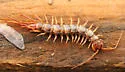
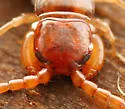
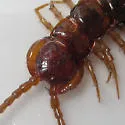
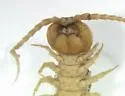
Photo credits: Contributed by Tom Bentley; Additional contributions by v belov , Joseph DeSisto Alling
Frequently Asked Questions About Bothropolys multidentatus
How big is Bothropolys multidentatus?
15-30 mm
Where is Bothropolys multidentatus found?
| Feature | Details |
|---|---|
| Habitat | In forested areas typically beneath rocks, logs, and other debris. Also beneath loose bark on the sides of tree trunks. |
| Range | Throughout eastern North America |
What does Bothropolys multidentatus eat?
The diet of the Bothropolys multidentatus includes Small invertebrates..