
Dancing Grasshopper
Circotettix maculatus
This record describes Circotettix maculatus (species). Recorded family: Acrididae. Recorded order: Orthoptera.
Identification and Appearance
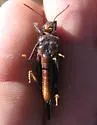
Usually the body is more strongly marked with dark spots or irregular cross bands than in related species that are found with it. The wings are partly black without yellow, green or blue coloring. Smaller in size than other Circotettix species, and about half the bulk of other species with which it is found. Wings are proportionately shorter than in related species (noticeably shorter than in C. shastanus and C. undulatus ). Hind tibiae are yellowish. Flight crepitation has less popping or snapping to the sound, and a bit closer to buzzing. Though it may vary somewhat with behavior, season, and temperature. This species behaves quite differently from other Circotettix species in it's usually low direct style of flight. It's crepitation is not nearly so loud as in other species, and is more of a harsh rapid buzz, lacking the loud snaps of other species. It lives mostly on steep rocky slopes, being particularly fond of rockslides. These are wary insects and will often fly upslope and land on the sides of rocks where they sit alert and ready to fly upslope again at the next try to get close to them. Females in particular will often dive between rocks to hide. Roadcuts through rockslides are often a great place to see them, where they will often congregate at the sides of the road.
Classification
- Kingdom
- Animalia
- Phylum
- Arthropoda
- Class
- Insecta
- Order
- Orthoptera (Grasshoppers, Crickets, Katydids)
- Suborder
- Caelifera
- Family
- Acrididae (Short-horned Grasshoppers)
- Subfamily
- Oedipodinae
- Tribe
- Trimerotropini
- Genus
- Circotettix
Imported taxonomy record. Source availability varies; see the source references and editorial policy below.
Habitat and Range
Habitat
Exposed rocky areas, particularly slopes, at high elevations (mostly subalpine and alpine).
Geographic Range
Sierra Nevada and San Bernardino Mountains in Calfornia.
Seasonal Activity
Overwinters as eggs. Adults summer until the first winter weather, starting in late June or more often July.
Additional species information
Species notes from the sources
Etymology: There seems to be no published common name for this species. Except, as suggested by Doug Taron here , relating to a verse written by John Muir in 'My First Summer in the Sierra'. This seems to qualify well enough. It is possible that Muir was watching C. shastanus when he wrote, but it's not possible to be sure, and C. maculatus is the most common species in that area.
About Grasshoppers, Crickets, Katydids: the wider group
Order-level background for Orthoptera, the group containing Circotettix maculatus. Species-specific details appear above.
Group overview
Orthoptera includes ~28,000 described species of grasshoppers, crickets, and katydids. Desert locusts can form swarms covering 460 square miles containing up to 80 million individuals per square kilometer.
Ecological role of the group
Grasshoppers and crickets are a primary food source for birds, reptiles, and small mammals. Cricket farming is a growing industry - crickets require 12× less feed than cattle to produce the same amount of protein, using 2,000× less water.
Economic and practical significance of the group
A single large locust swarm can consume the same amount of food in one day as 35,000 people. The 2019-2021 East Africa locust crisis affected food security for 42 million people across multiple countries. Global crop losses from locusts can reach billions annually.
Recorded sources for this group: FAO, UN World Food Programme, research publications. Imported estimates may describe particular regions or reporting periods.
Photos of Dancing Grasshopper (5)
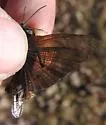
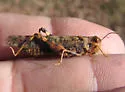
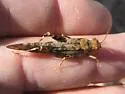
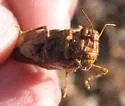
Photo credits: Contributed by Tom Bentley; Additional contributions by David Ferguson
Frequently Asked Questions About Dancing Grasshopper
What is Dancing Grasshopper?
Dancing Grasshopper (Circotettix maculatus) is a species in the family Acrididae, within the order Orthoptera.
How do you identify Dancing Grasshopper?
Usually the body is more strongly marked with dark spots or irregular cross bands than in related species that are found with it. The wings are partly black without yellow, green or blue coloring. Smaller in size than other Circotettix species, and about half the bulk of other species with which it is found. Wings are proportionately shorter than in related species (noticeably shorter than in C. shastanus and C. undulatus ). Hind tibiae are yellowish. Flight crepitation has less popping or snapping to the sound, and a bit closer to buzzing. Though it may vary somewhat with behavior, season, and temperature.
Where is Dancing Grasshopper found?
| Feature | Details |
|---|---|
| Habitat | Exposed rocky areas, particularly slopes, at high elevations (mostly subalpine and alpine). |
| Range | Sierra Nevada and San Bernardino Mountains in Calfornia. |
When is Dancing Grasshopper active?
Dancing Grasshopper: seasonal activity - Overwinters as eggs. Adults summer until the first winter weather, starting in late June or more often July..